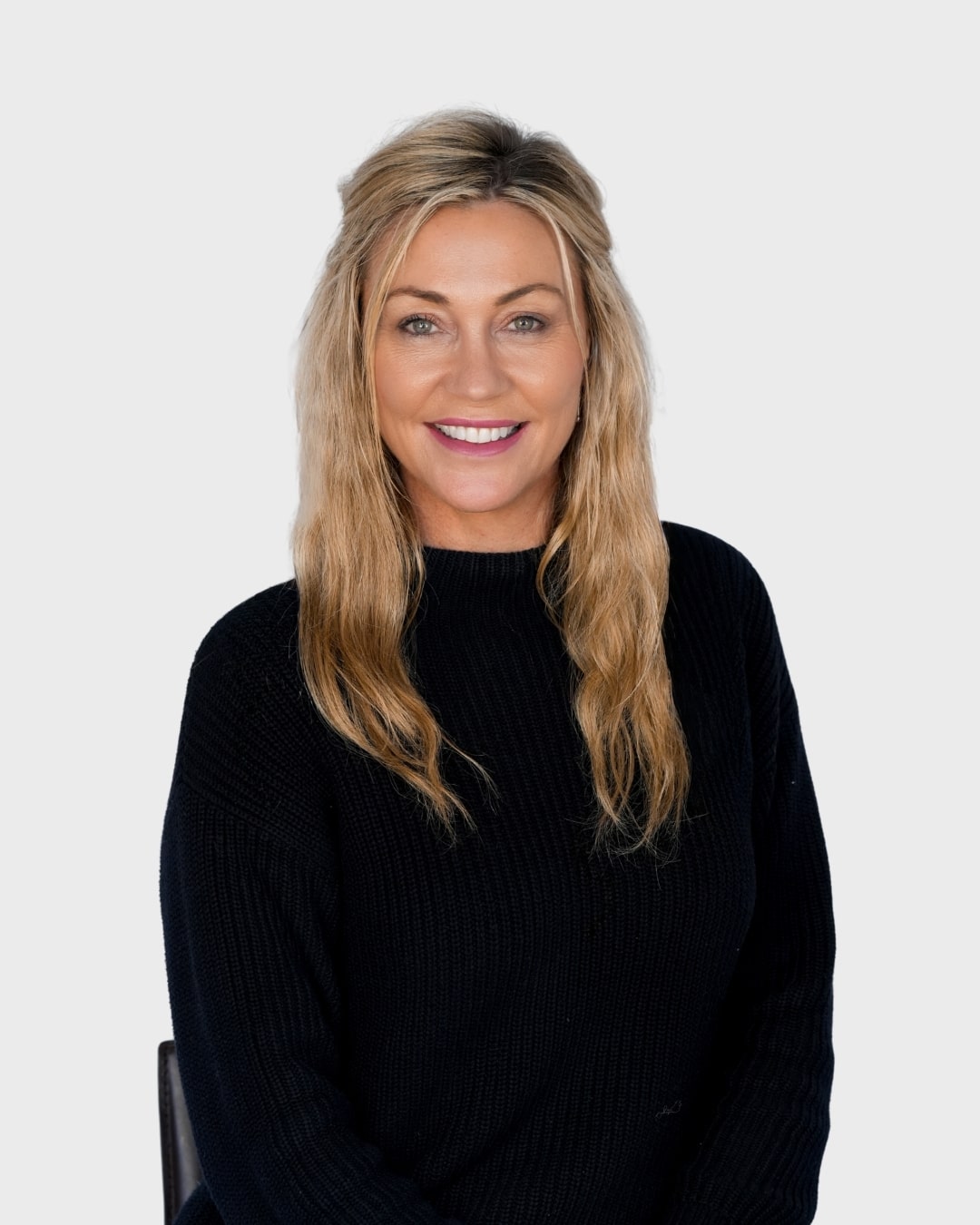
Sunday Witnish, Orthodontic Treatment Coordinator
Role: Orthodontic treatment coordinator — a non-clinical, patient-facing role
Registration: Not applicable. Treatment coordination is not a registered health profession. The Dental Board of Australia does not register treatment coordinators or administrative staff, and no AHPRA registration attaches to this role.
The practice publishes no further biographical detail for this position. The full team list is on the our team page, and the clinicians' registrations are set out on the dentists and registered specialists page.
The boundary, stated first
A treatment coordinator cannot give clinical advice. Not as practice policy, but because giving clinical advice is the practice of dentistry, restricted under the Health Practitioner Regulation National Law to registered practitioners.
A coordinator can help with appointments, sequencing, costs, payment arrangements and health fund questions. They cannot diagnose, recommend one appliance over another, explain clinical risk, or answer "do I really need this?" Those must come from the orthodontist or dentist who will do the treatment. If a clinical question arises during a coordination conversation, the right response is to bring the practitioner back into it.
The role exists in a separate lane for a reason: the clinical decision and the commercial arrangement are different conversations, and keeping them distinct protects the patient. Understanding your treatment describes how the clinical plan itself is presented.
What orthodontic coordination involves
Orthodontics is unlike most dental treatment: two years or more, twenty or more appointments, paid over time, followed by retention that continues for life. The coordination work is substantial:
- Booking the records appointment — photographs, radiographs, digital scans — before the treatment planning consultation
- Explaining the written plan and its costs, item by item
- Setting the payment schedule against health fund limits and waiting periods
- Scheduling adjustment appointments across a long course, around school and work
- Coordinating with the general dentist for routine care during treatment, and with a surgeon for combined cases
- Tracking retention reviews after active treatment finishes — the stage most often lost
Before you start: the questions that matter
- Who will do the treatment, and what is their registration category? Any registered dentist may legally provide orthodontic treatment. A specialist orthodontist has completed three years of full-time postgraduate university training and holds specialist registration; "orthodontist" is a protected title. Check on the AHPRA public register at ahpra.gov.au — free, and searchable by name. Orthodontic treatment: general dentist vs specialist orthodontist? and specialist orthodontist vs general dentist: which is best for Invisalign? work through the difference.
- What is the diagnosis — dental or skeletal? Appliances move teeth. They do not move jaws in an adult. A genuine skeletal discrepancy in someone who has finished growing is corrected by surgery or camouflaged by tilting teeth within the existing jaws. Any claim that an appliance will reshape an adult's face should be treated with scepticism. What is malocclusion of the teeth?
- What are the realistic options, including doing nothing? How do I know which orthodontic treatment is best for me? and benefits of conventional braces vs lingual braces vs Invisalign compare braces and aligners.
- Are extractions proposed, and why or why not? Both approaches are legitimate depending on crowding, profile and growth pattern. Ask for the reasoning.
- How long, how many appointments, and how often? How long does it take to have orthodontic treatment?
- What is the total cost, and what is not included?
- What retention will I need, for how long, and what does a replacement cost?
- What happens if it doesn't track to plan?
For children, when should I take my child to see an orthodontist? and the practice's children's braces and Invisalign page are the place to start.
Costs, plainly
Get in writing: the total fee and exactly what it includes (records, appointments, appliance, adjustments, repairs to a broken bracket); the payment schedule; what happens if treatment runs longer than planned and whether that costs more; the cost of retainers and replacements; the cost of ongoing retention review; and what applies if you move or transfer part-way through. What is the cost of braces? and Invisalign cost in Melbourne: a complete breakdown by treatment type explain what drives the figure, and the price guide carries the practice's indicative fees.
On health funds: orthodontic cover is usually separate from general dental, with its own waiting period — often twelve months or more — and frequently a lifetime limit rather than an annual one. Claiming across two calendar years can increase the total rebate where a fund has annual sub-limits; ask before the payment schedule is set. Preferred provider status is a commercial arrangement between a practice and a fund, not a mark of clinical quality — this practice's arrangement is described on the Bupa platinum dental provider page.
On finance: interest-free periods end, and third-party finance can be expensive afterwards.
Payment plan options are available. Where a plan is advertised as interest free, that describes the plan term only — a deposit may be required, an establishment fee and ongoing account fees may apply, and charges can apply if the balance is not cleared within the agreed period. The applicable terms depend on the provider and the amount financed, and are set out in writing before you commit — ask what the deposit and the establishment fee are, in dollars, and what the total will be by the end. Payment Plans.
Patient dental payment plans: the next big disruption on the dental horizon sets out how these arrangements have changed the industry. Early release of superannuation for orthodontic treatment draws on retirement savings, is subject to strict ATO eligibility rules, and warrants independent financial advice — not advice from the practice being paid.
Under Australian law, advertising a regulated health service may not offer discounts or inducements without clearly stating their terms, may not create unreasonable expectations of benefit, and may not use pressure to secure a clinical decision. Orthodontic treatment is almost never urgent. Feeling rushed is a reason to pause, and a second opinion is always available.
Aligner monitoring and remote check-ins
Many practices now use apps that let a patient photograph their teeth between appointments, so progress can be reviewed remotely and visits reduced. Used properly this is genuinely convenient.
Two things worth being clear about:
- Reviewing a photograph is a clinical act. It should be done by the treating practitioner, not by a coordinator or by software alone.
- Remote monitoring is not the same as direct-to-consumer orthodontics. Aligners sold without an in-person examination and without radiographs cannot detect gum disease, decay or root problems before teeth are moved. Australian dental boards and professional bodies have repeatedly raised concerns about that model. Remote monitoring within a properly diagnosed, supervised course of treatment is a different thing — how to protect your aligners and your smile.
During treatment: what the practice should be telling you
- Routine dental care continues. Appliances make cleaning harder, and decalcification — permanent white scarring around brackets — does not go away when the braces come off. What are the hygiene benefits of Invisalign? covers the one advantage removable aligners have here.
- Elastics and aligner wear time determine the result. Aligners need 20 to 22 hours a day; insufficient wear is the commonest reason a case does not track.
- Broken brackets extend treatment and add appointments — the most common complaints associated with conventional braces.
- A few days of discomfort after an adjustment is normal. A poking wire or a loose band should be reported, not endured; emergency dentistry covers anything acute.
Afterwards: retention is lifelong
Teeth drift throughout life — why do teeth shift? Relapse after orthodontic treatment is not a failure of the treatment; it is what teeth do. Retainers must be worn indefinitely, and a lost retainer needs replacing within days — teeth move within days, and a replacement made two months later may no longer fit.
Anyone who finished orthodontic treatment without being told this was not properly informed, and it is the single most common cause of disappointment years later: will my teeth need retainers after I've had braces?
Common questions
Can an orthodontic treatment coordinator diagnose my problem?
No. A coordinator can explain appointments, process, indicative costs and payment arrangements, but diagnosis and the clinical plan belong to the registered practitioner.
What should happen before I agree to treatment?
A registered practitioner should examine you and review appropriate records, explain the diagnosis, options, material risks, likely duration, retention and total fees, then give you time to decide.
Who reviews photographs from remote aligner monitoring?
Clinical images and treatment progress should be reviewed by the treating practitioner or another appropriately registered clinician acting within the plan. Software or a coordinator should not independently make clinical decisions.
Is remote monitoring the same as mail-order orthodontics?
No. Remote monitoring supplements an in-person diagnosis and supervised treatment. Direct-to-consumer aligners supplied without adequate examination, imaging or continuing clinical oversight can miss dental or gum disease and root problems.
What should I ask about costs?
Request the full written fee and exclusions, including records, refinements, lost or broken appliances, retainers and their replacement. Payment-plan fees and the total payable should be provided separately.
How much do aligners need to be worn?
This profile states 20–22 hours a day. Insufficient wear is a common reason treatment does not track, which can add refinements and time. Follow the treating practitioner's individual instructions.
What should I do about a broken bracket, poking wire or lost aligner?
Contact the orthodontic team promptly for advice. Do not wait until the next routine visit if the appliance is injuring you or treatment cannot continue as instructed.
How long will I need retainers?
Indefinitely. Teeth can move throughout life, and a lost retainer should be replaced promptly before movement prevents a replacement from fitting.
If something goes wrong
- Raise it with the practitioner or the practice first, via the contact page.
- A registered practitioner's conduct or competence — a notification to AHPRA. Finding a dentist online in Australia covers checking registration yourself.
- A practice, a service, fees or how a complaint was handled — the Health Complaints Commissioner in Victoria.
- Misleading or high-pressure sales conduct — the ACCC and Consumer Affairs Victoria.
Practical details
For orthodontic appointments, costs and scheduling, call 13 13 96. For clinical questions, ask to speak with the treating practitioner.
Smile Solutions, Level 1, 220 Collins Street, Manchester Unity Building, Melbourne VIC 3000. Phone 13 13 96, or theteam@smilesolutions.com.au. Monday–Friday 8.00am–6.00pm, Saturday 8.30am–1.30pm, Sunday by appointment.
This page records a role as published by the practice. General information only — it is not clinical or financial advice. Staffing and fee arrangements change; confirm current details with the practice. Payment plan terms are set by the credit provider and change; confirm current terms directly before you commit.
Smile Solutions trades under ABN 28 193 514 103.
Images on This Page
-
https://www.facebook.com/tr?id=800557773428361&ev=PageView&noscript=1
(no alt text)
-
https://www.smilesolutions.com.au/wp-content/uploads/2025/10/calendar_month.svg
(no alt text)
-
https://www.smilesolutions.com.au/wp-content/themes/arcadian-wordpress-theme/assets/images/smile_solutions_logo_white.png
Smile Solutions Logo
-
https://www.smilesolutions.com.au/wp-content/themes/arcadian-wordpress-theme/assets/images/smile_solutions_logo_purple.png
Smile Solutions Logo
-
https://www.smilesolutions.com.au/wp-content/uploads/2023/11/Sunday.jpg
Sunday Witnish
-
https://www.smilesolutions.com.au/wp-content/themes/arcadian-wordpress-theme/assets/images/family_owned_bussiness.png
Family Owned Business
-
https://www.smilesolutions.com.au/wp-content/themes/arcadian-wordpress-theme/assets/icons/icon--phone.svg
Smile Solutions Contact
-
https://www.facebook.com/tr? id=800557773428361&ev=PageView&noscript=1
(no alt text)
-
https://bat.bing.com/action/0?ti=25148060&tm=gtm002&Ver=2&mid=31ba79dd-9fb6-4e98-b5d5-383e8d879815&bo=1&sid=601f6ee0ab2811f1be0221886699149d&vid=601fbb00ab2811f19160c33dc04e424e&vids=1&msclkid=N&pi=918639831&lg=en-US&sw=800&sh=600&sc=24&nwd=1&tl=Sunday%20Witnish%20-%20Smile%20Solutions&p=https%3A%2F%2Fwww.smilesolutions.com.au%2Four-team%2Fsunday-witnish%2F&r=&evt=pageLoad&sv=2&cdb=AQAQ&rn=577069
(no alt text)