General Dentistry
What is general dentistry, and what does it cover?
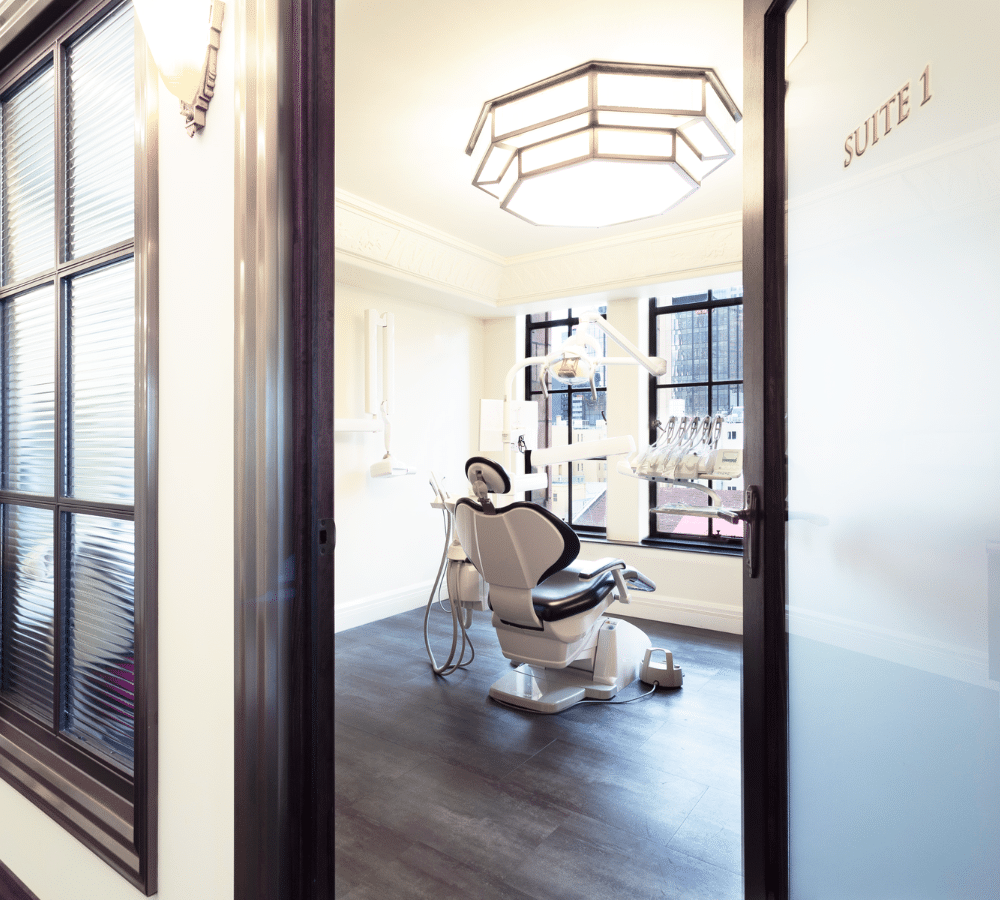
General dentistry is the everyday care that keeps teeth and gums healthy — examinations, professional cleaning, fillings, root canal treatment, wisdom teeth, and urgent problems when they arise. At Smile Solutions it is delivered from Level 1 and Level 10 of the Manchester Unity Building, 220 Collins Street, Melbourne CBD.
The practical difference here is that general dentists, dental hygienists and oral health therapists, and Dental Board–registered specialists all work inside the same organisation and the same building. If a general dentist finds something needing specialist attention — a complex root canal, a surgical extraction, advanced gum disease — the referral is internal. You are not sent across the city, records and imaging do not have to be re-taken, and the two clinicians can discuss the case directly.
First: when not to wait
Some things are not a dental appointment. They are a hospital emergency.
Call 000 or go to an emergency department if there is:
- Facial swelling that is spreading, particularly towards the eye or under the jaw
- Difficulty breathing or swallowing, or drooling because swallowing hurts
- A stiff neck with fever and mouth pain
- Uncontrolled bleeding
- Facial trauma involving more than the teeth, or any loss of consciousness
Dental infections can spread quickly, and the airway is the reason this list exists. Antibiotics from a GP will not resolve the cause, and waiting for a dental appointment while swelling advances is the wrong call.
Phone the practice today — 13 13 96 — for:
- A knocked-out adult tooth. This is time-critical: handle it by the crown, not the root, put it back in the socket if you can, or keep it in milk — saliva or saline if there is no milk, and plain water only as a last resort, because the one real absolute is never to let the tooth dry out — and get seen immediately.
- Severe or worsening toothache, pain that wakes you, or pain that no longer responds to ordinary analgesia
- A swelling on the gum, with no facial swelling
- A broken tooth with sharp edges or exposed nerve
- A lost crown, filling or denture you cannot manage without
A knocked-out baby tooth is never replanted — replanting it risks damaging the permanent tooth forming underneath. See a dentist anyway.
Book soon, but it is not an emergency, for: a chipped tooth without pain, sensitivity to cold that settles, an ulcer, bleeding gums, a tooth that has discoloured after a knock.
Any mouth ulcer or sore that has not healed in three weeks needs examining, at any age. That threshold exists because ordinary trauma and infection resolve well inside it.
Which problem, which service
| If you have | Start with | Page |
|---|---|---|
| No complaint — you are due a check | Examination and hygiene | Dental Cleans and Hygienists |
| Toothache | Examination — diagnosis first | Tooth Pain and Toothaches |
| A hole, or a filling that has come out | Fillings | Tooth Fillings |
| A chipped, cracked or broken tooth | Depends on depth | Chipped or Cracked Teeth |
| Deep, lingering pain — or a tooth that has died | Root canal treatment | Root Canal Therapy |
| Gums that bleed when you brush | Hygiene first | Bleeding Gums |
| Persistent bad breath | Investigation, not mouthwash | Bad Breath |
| Wisdom teeth erupting, or pain at the back | Assessment and imaging | Wisdom Teeth |
| Jaw pain, clicking, headaches, worn teeth | TMD and grinding assessment | TMD & Teeth Grinding |
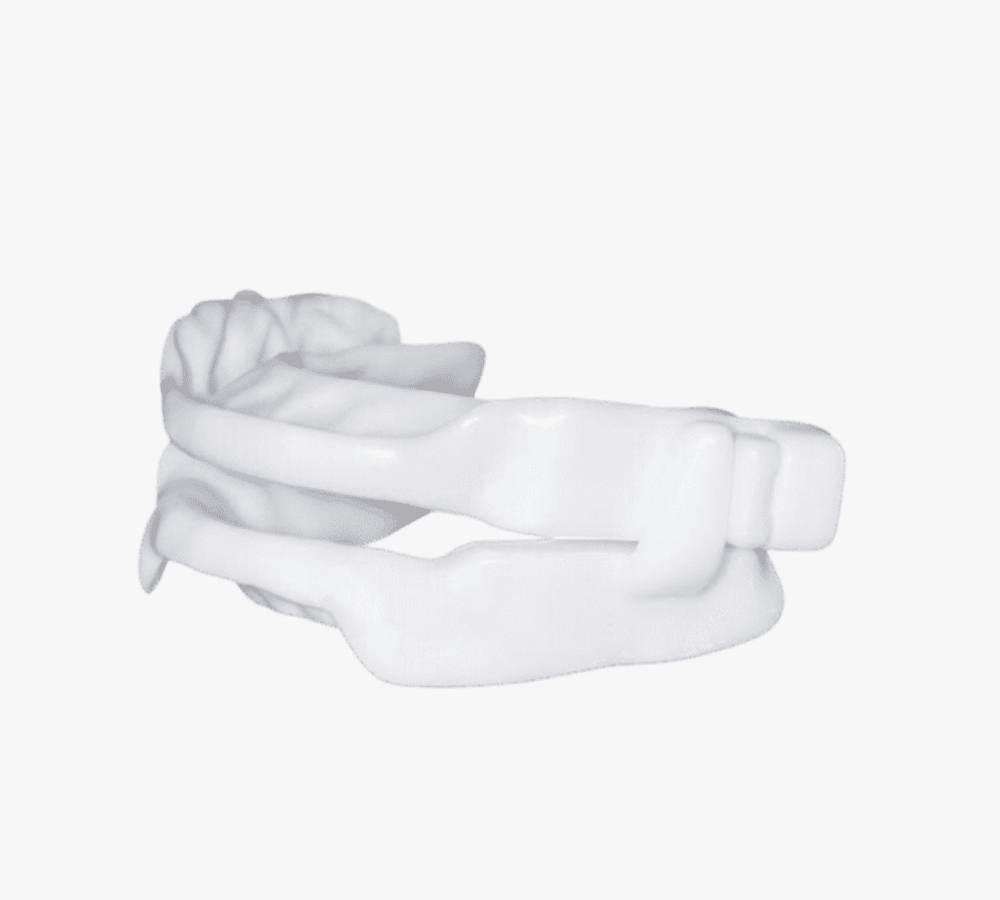
| Snoring, or waking unrefreshed | Sleep assessment | Snoring & Sleep Apnoea |
| Playing contact sport | Custom mouthguard | Sports Mouthguards |
| Fear that has kept you away for years | Say so when booking | Dental Anxiety |
Note the second row. Toothache is a symptom with at least a dozen causes — decay, a crack, a dying nerve, an abscess, gum disease, a sinus problem, or referred pain from the jaw joint. The appointment you need is a diagnosis, not a treatment you have chosen in advance.
What happens at a routine visit
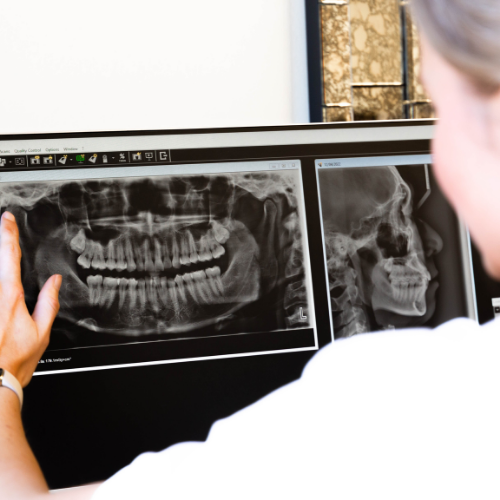
A standard check-up covers examination of the teeth, gums and soft tissues, and radiographs where indicated.
The soft-tissue part is not a formality. Your dentist examines the floor of the mouth, the sides and underside of the tongue and the back of the throat — areas you cannot see in a mirror, and among the more common sites for oral cancer. Because they record what they see each visit, they can identify what has changed. That comparison is what makes early detection work: the useful question is rarely “is this abnormal?” but “is this new?”
The clean is usually done by a dental hygienist or oral health therapist rather than the dentist. Hygiene is a distinct registered discipline focused on gum health and preventing decay and erosion — not simply polishing. Hygienists and oral health therapists hold their own registration with the Dental Board of Australia and their own defined scope of practice.
On x-rays: dental radiographs use low doses, but they are not taken routinely to a timetable. They are taken when there is a clinical reason, at intervals based on your individual risk. Ask why one is being taken if that is not clear.
How often should you come? The common answer is every six months. The honest answer is that it depends on your risk — someone with a history of decay, gum disease, dry mouth or a high-sugar diet may need three- or four-monthly care; someone with stable low risk may safely go longer. A practice that puts everyone on the same interval is not individualising the recall. How often should I go to the dentist?.
If treatment is needed, it is quoted before it begins.
The services
Dental cleans and hygiene
Professional scaling, gum health assessment and charting, and preventative advice. The hygiene team focuses on the conditions that cause most tooth loss over a lifetime — gum disease and decay — rather than on appearance.
What a clean removes that brushing cannot: calculus (tartar), which is hardened and requires instruments. No toothpaste, rinse or technique removes it once formed. Dental Cleans and Hygienists.
Emergency dentistry
Toothache, chipped or broken teeth, infections, lost or damaged fillings, denture repairs and impacted wisdom teeth. Emergency appointments are available during opening hours, and an after-hours emergency service is available to existing patients. Emergency Dentistry.
Tooth fillings
A filling restores a cavity caused by decay, wear or a chip. Material choice depends on the tooth's position and how much structure remains — composite resin for smaller restorations, ceramic where strength and dimensional stability matter more.
A point worth knowing before you are offered a choice: every restoration has a finite life, and each replacement removes a little more tooth. The number of times a tooth can be re-restored is finite. Tooth Fillings.
CEREC single-visit restorations
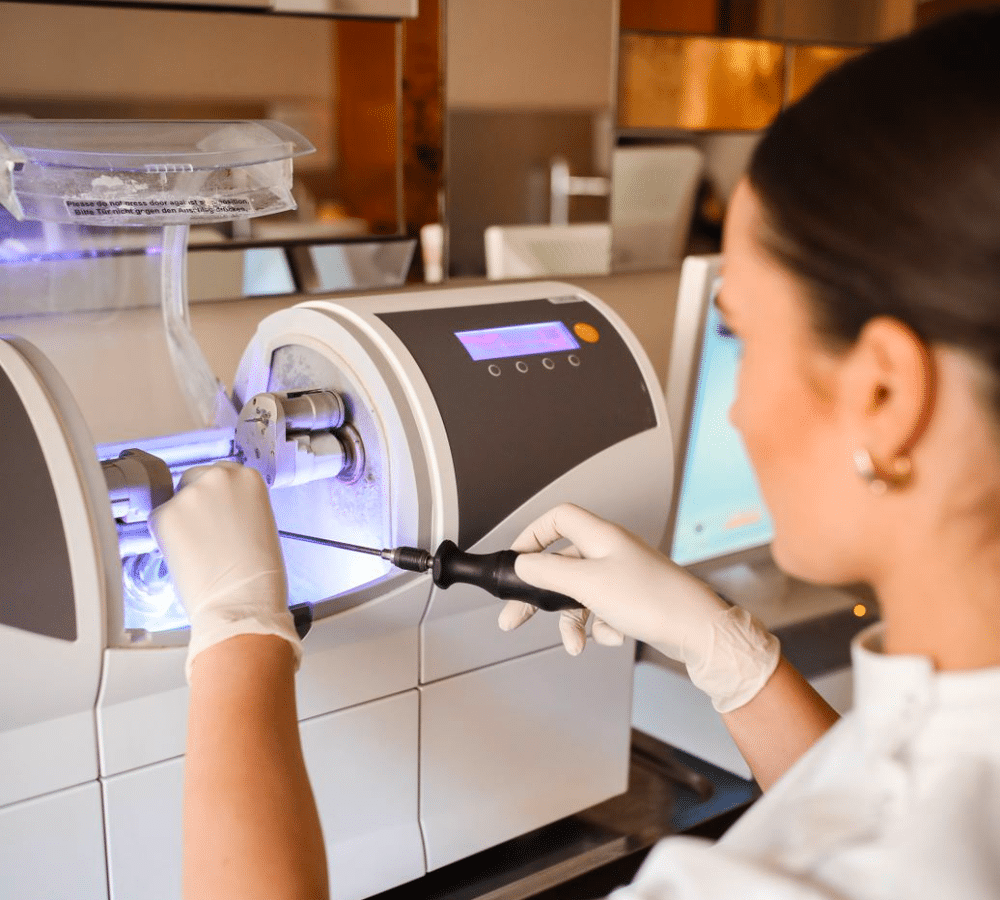
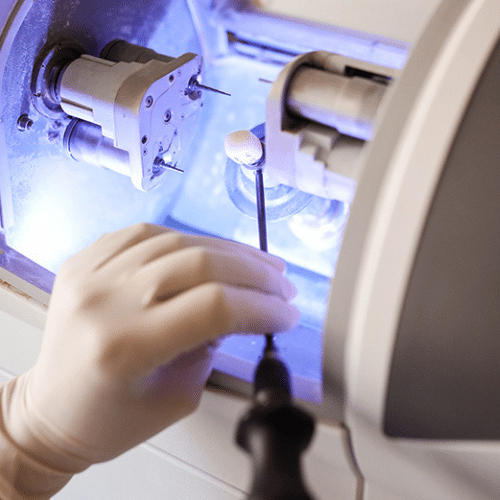
The tooth is scanned digitally, the ceramic restoration is milled on site, and it is fitted the same appointment — no impression putty, no temporary, no second visit. CEREC Restorations.
Root canal treatment
When bacteria reach the canal inside a tooth, there are two options: extract the tooth, or save it with root canal treatment.
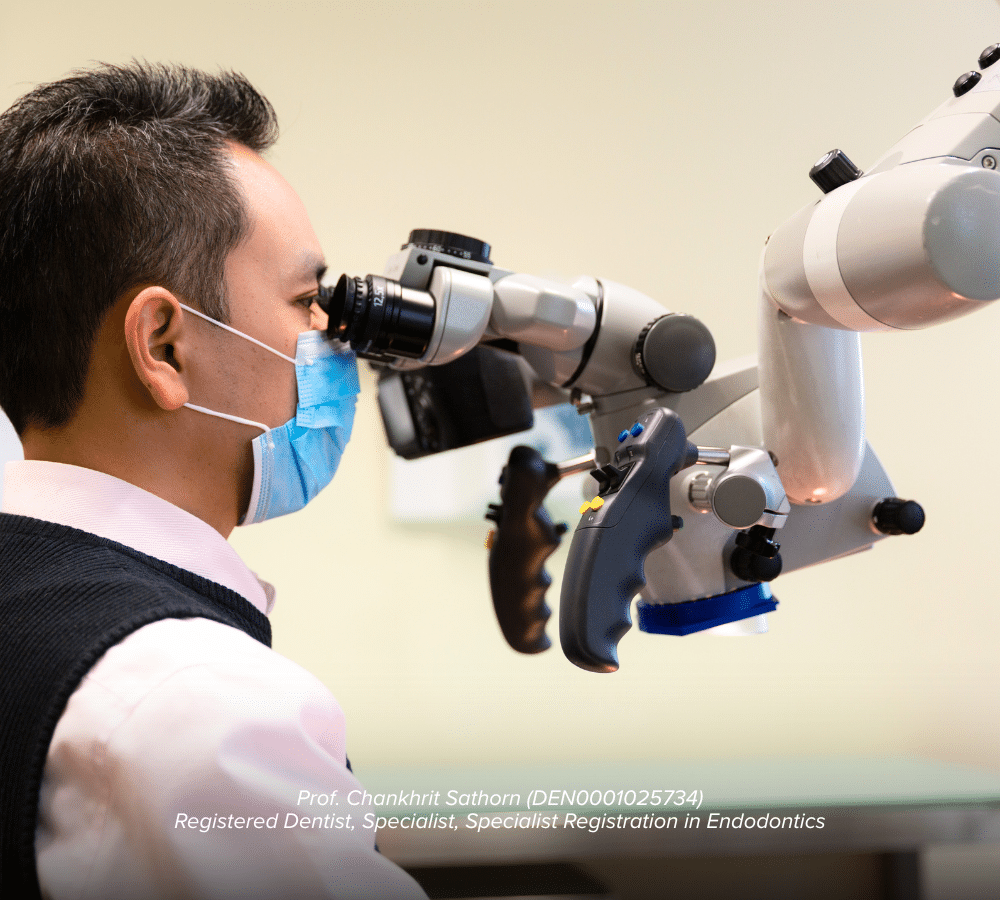
Straightforward cases are treated by general dentists; complex cases are referred internally to the practice's four registered endodontists — curved or calcified canals, teeth with more canals than expected, and previous treatment that has failed. Root Canal Therapy.
Wisdom teeth
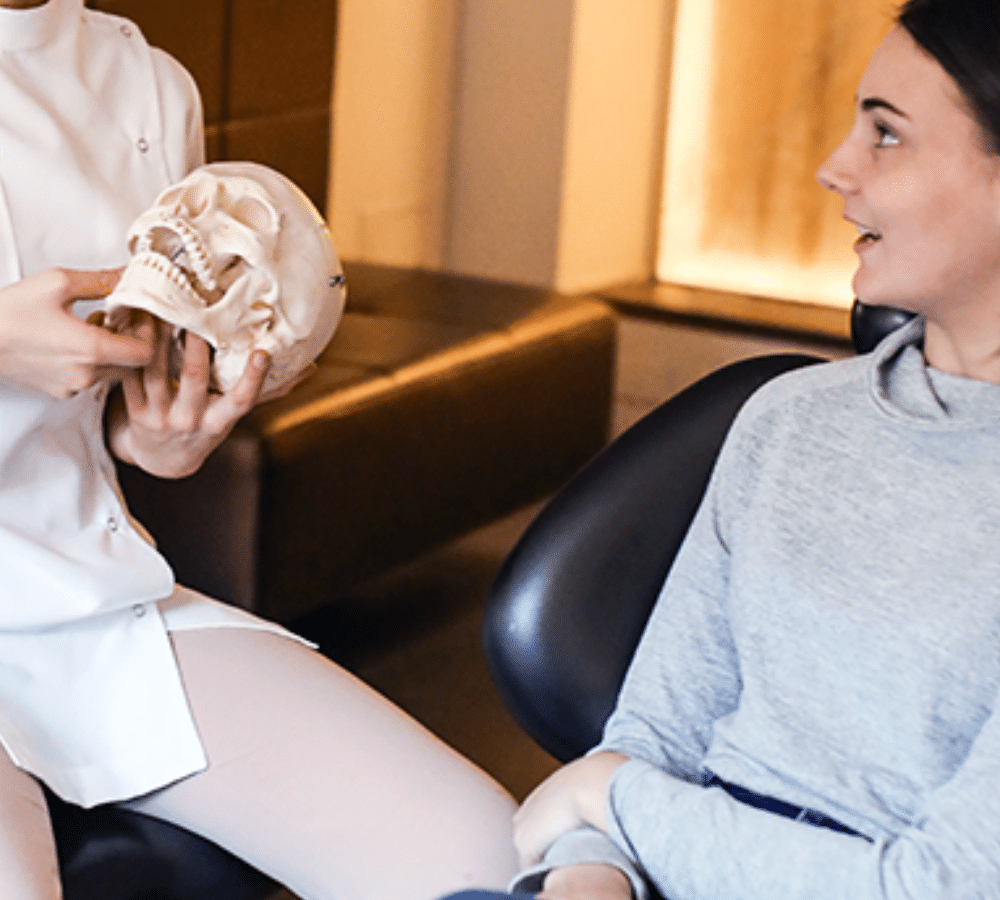
Third molars usually emerge between 16 and 23. Not everyone has four — some have fewer, some none. Assessment determines whether they have room to erupt cleanly or are likely to cause crowding, decay or infection.
Not every wisdom tooth needs removing. An erupted, cleanable, asymptomatic wisdom tooth can be left and monitored. Surgical removals are handled by the practice's oral and maxillofacial surgeons. Wisdom Teeth.
Chipped or cracked teeth
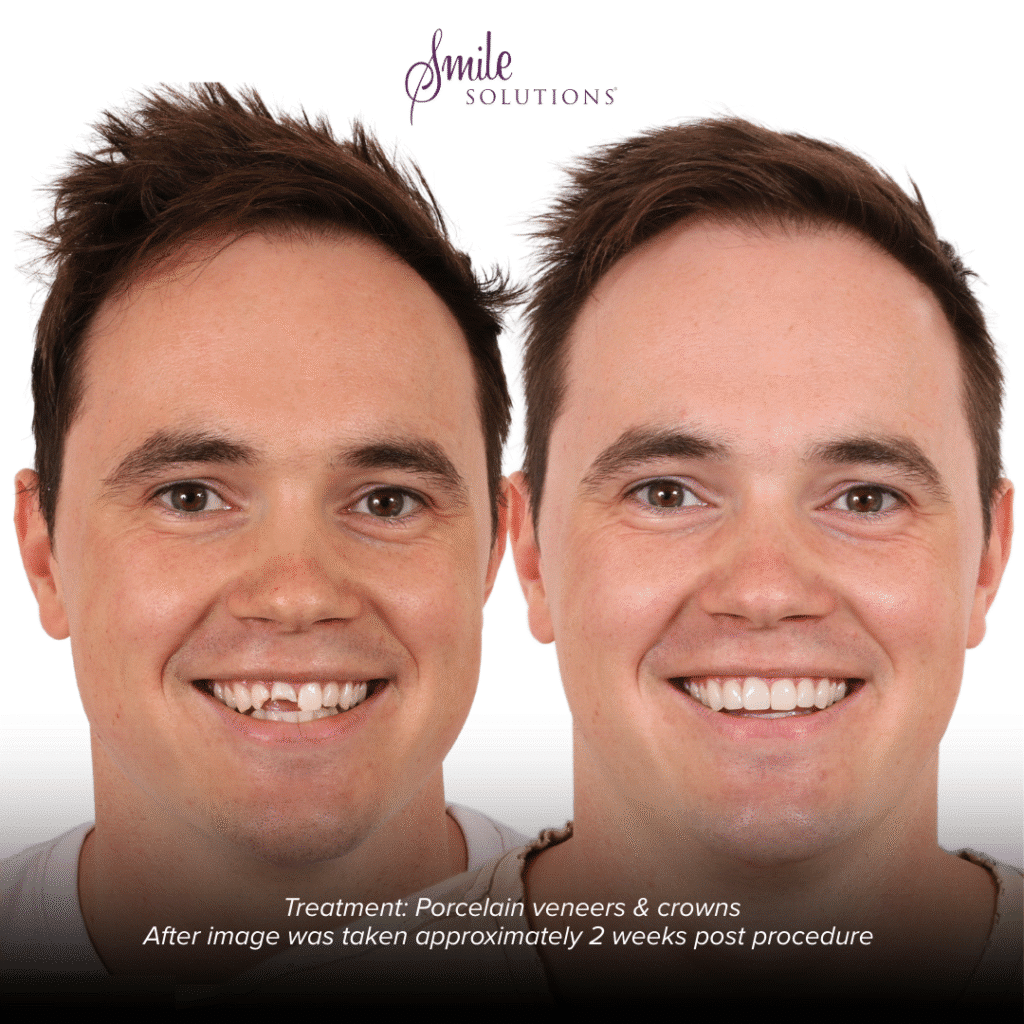
Damage ranges from minor — outer enamel only — to severe, where the fracture reaches dentine or nerve. Treatment depends on depth: bonding or a filling for shallow chips, a crown or root canal treatment where it is deeper. Chipped or Cracked Teeth.
Bleeding gums and gum disease
Gums that bleed when you brush are not normal, and the most common mistake is brushing that area less. The escalation path runs hygienist → general dentist → periodontist, and most cases resolve at the first two steps. Bleeding Gums.
Bad breath
Persistent halitosis has a cause, and a rinse masks the symptom rather than treating it. It can indicate gum disease or decay; other possibilities include dry mouth, a coated tongue, or a problem outside the mouth entirely. Bad Breath.
TMD and teeth grinding
Bruxism left unmanaged causes irreversible wear and eventually requires complex restorative treatment. Assessment here can include electromyography to measure masseter and temporalis activity, and bite-force measurement, so diagnosis rests on data rather than appearance alone. Splint therapy is the usual management. TMD & Teeth Grinding.
Sports mouthguards
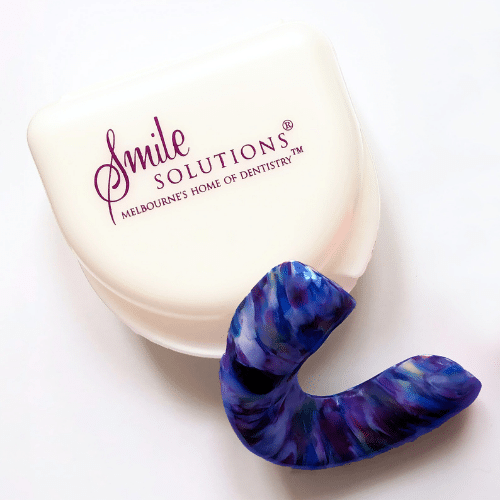
Most dental sporting injuries are preventable. A custom-fitted guard moulded to your teeth fits better, stays in place and is worn more consistently than a boil-and-bite. It reduces the severity of injuries; it does not eliminate them — which is an argument for wearing a well-made one, not against wearing one.
In children, custom guards need checking or remaking every 12 months, because growing jaws and erupting teeth change the fit. Sports Mouthguards.
Dental anxiety
Support for patients who find dental treatment difficult, including anaesthetic and sedation options available in house — local anaesthetic, nitrous oxide, oral sedation, IV sedation and general anaesthesia — chosen with the treating clinician.
Say you are anxious when you book. It changes how the appointment is set up, and it is the single most useful thing you can do. Dental Anxiety and Sleep Dentistry.
Laser dentistry
Soft-tissue and other applications where a laser is the appropriate instrument. Laser Dentistry.
Holistic dentistry
What the term does and does not mean in a regulated practice. Holistic Dentistry.
What actually prevents dental disease
More useful than any treatment on this page:
- Brush twice daily with fluoride toothpaste. Spit, don't rinse — rinsing washes away the fluoride you just applied.
- Clean between the teeth daily. A brush cannot reach where contacting teeth meet, and that is where decay and gum disease most often begin.
- Frequency of sugar matters more than quantity. Each exposure starts an acid attack lasting around 20 minutes. One serve at a meal is far less damaging than the same amount grazed across a day.
- Do not brush for about an hour after anything acidic — juice, citrus, soft drink, wine. Acid-softened enamel is removed by brushing. Rinse with water instead.
- Drink tap water. Fluoridated, no acid, no sugar.
- Keep the recall interval your risk actually warrants, and see the same practice, so that changes are noticed.
What general dentistry does not cover
A general dentist manages the large majority of dentistry. Where a case sits outside that, the right answer is referral — and a clinician who refers rather than attempts is demonstrating good practice.
Typically referred: surgical extractions and impacted teeth (oral and maxillofacial surgery), complex or failed root canal treatment (endodontics), advanced gum disease and grafting (periodontics), orthodontics, full-arch rehabilitation and complex bite reconstruction (prosthodontics), and children with significant anxiety or complexity (paediatric dentistry).
Specialist Care sets out all six specialties practising here and names all 17 registered specialists.
Costs and health funds
Published fixed-price items: a new-patient examination from $260, and examination with an extended clean from $495. Packages & Offers.
Everything else is quoted individually after examination. No practice can price treatment before examining you.
We are a Bupa Members First Platinum provider. Eligible Bupa Platinum members with hospital cover combined with extras including general dental receive a 100% rebate on preventative services — check-ups, scale and cleans, examinations, consultations, bitewing x-rays, fluoride treatments and mouthguards — and 60–100% on most other dental services. Annual limits and policy restrictions apply; bring your card.
Preferred provider status is a fee agreement, not a quality rating. Bupa Platinum Dental Provider.
Payment plans through Payright for treatment from $150 to $20,000, over 3 to 30 months. Other finance options may also be available; provider eligibility, fees and terms can change. Where a plan is advertised as interest free, that describes the plan term only — a deposit may be required, an establishment fee and ongoing account fees may apply, and charges can apply if the balance is not cleared within the agreed period. The applicable terms depend on the provider and the amount financed, and are set out in writing before you commit — ask what the deposit and the establishment fee are, in dollars, and what the total will be by the end. Payment Plans, and Patient payment plans explains what to check.
To know your gap before you commit: get the itemised quote with ASDS item numbers, then read those numbers to your fund over the phone. Five minutes, and it is the only reliable method. Price Guide.
Common questions
How much radiation is a dental x-ray, actually?
Less than most people assume, and the figures are published — but they differ substantially between examinations, so the useful question is which one you are being offered.
The International Atomic Energy Agency gives typical effective doses as:
| Examination | Typical effective dose |
|---|---|
| Intraoral dental x-ray | 1–8 μSv |
| Cephalometric | 2–3 μSv |
| Panoramic (OPG) | 4–30 μSv |
| Cone beam CT, small or medium volume | 50 μSv or below |
| Cone beam CT, large volume | 100 μSv |
The IAEA's own comparison is the part worth carrying away: doses from intraoral and cephalometric procedures are “usually less than one day of natural background radiation”. Panoramic doses are more variable, but “even at the high end of the range are equivalent to a few days of natural background radiation, which is similar to that of a chest radiograph.” Cone beam CT covers a wide range and may be “tens or even hundreds of µSv of effective dose higher than conventional radiographic techniques, depending upon the technique” — and the IAEA notes that rapid improvements in the equipment mean typical ranges are likely to change.
Two honest caveats belong with those numbers. The IAEA states that effective dose “should not be applied to individuals, but can be used to compare between modalities, techniques and other sources of exposure” — so these figures are for comparing one examination with another, not for calculating your personal risk. And a dose that is small is still a dose, which is why, as noted above, radiographs here are taken when there is a clinical reason rather than to a timetable.
What to ask: which examination, why now, and what will it change? A radiograph that will not change a decision is one worth questioning. If you have recent images from another practice, bring them — see requesting your records.
I have diabetes. Does that change my dental care?
Yes, in both directions — and Diabetes Australia's own material is more specific than most patients are told.
Diabetes affects the gums. Diabetes Australia names periodontitis as the most commonly recognised oral complication related to diabetes, and states that the risk of developing it “is greater in people with diabetes, particularly when blood glucose levels are not within the recommended range of 4–7 mmol/L.” The encouraging half of the same sentence is rarely quoted: “with optimum blood glucose management the risk of developing periodontitis is the same as for a person without diabetes.”
The gums also affect the diabetes. There is, in Diabetes Australia's words, “increasing evidence of a two-way relationship”. People with periodontitis show a higher chance of developing prediabetes and diabetes, and poorer glycaemic status — a higher HbA1c — than people without it.
And here is the honest limit on treatment. Professional periodontal treatment “has been shown to create a mild improvement in blood glucose levels” — but Diabetes Australia states plainly that “these results lasted for only a short three-month period of time”, with longer-term studies ongoing. It also notes that these relationships can differ between type 1 and type 2 diabetes. So gum treatment is worth having on its own merits; it is not a blood-glucose intervention.
Practically:
- Say you have diabetes when you book, and bring your medication list, as set out on the contact page.
- Expect a shorter recall interval. Diabetes Australia's own guidance is that the dentist will advise how often to return, and that this may be more often where complications are present.
- Healing and infection are the other half. Delayed healing of wounds in the mouth is named as a diabetes complication, and Diabetes Victoria notes that diabetes affects the body's ability to fight infection — which is why gum disease is treated more actively rather than watched.
- Dry mouth and changes in taste are also listed, and both are worth mentioning rather than living with. See Bad Breath, which covers dry mouth in detail.
What is the soft-tissue check actually looking for, and should I be worried?
It is looking for something uncommon, mostly painless, and far more survivable when it is found early — which is the entire reason it is done at every visit rather than on request.
Scale. Oral Health Victoria reports more than 4,000 new cases of head, neck and lip cancers diagnosed in Australia every year, the majority of them oral cancers. The RACGP notes that despite advances in diagnosis and treatment, oral cancer has a relatively low five-year survival rate of around 50% — “mostly due to diagnostic delays.” That last clause is why the check exists.
Risk factors, as the RACGP lists them: age over 45, especially in men; tobacco use; alcohol consumption; areca (betel) nut chewing; and limited access to dental care. It also flags a shift worth knowing about — “an emerging subgroup of non-smoking and non-drinking middle-aged women with tongue cancers” — which is a reason not to assume the check is irrelevant to you because you do not smoke or drink.
What to report, and when. The RACGP's threshold is that these lesions “are generally painless”, and that any unexplained or non-healing change lasting more than two to three weeks should have an oral cancer screen — naming a persistent ulcer, red patches, lumps, a sore throat, or erythematous or speckled lesions. Its referral list adds an unexplained neck lump, white or red patches such as leucoplakia, unexplained tooth mobility, and a non-healing extraction site. This page's own three-week rule sits at the top of that range.
Two things follow. First, do not wait for pain — pain is not the signal here. Second, the value of attending the same practice is comparison: as noted above, the question a clinician can answer from their own records is not “is this abnormal?” but “is this new?” If you notice something yourself, point to it rather than waiting to be asked.
How do I know the treatment I am being offered is actually necessary?
By asking a specific set of questions, and by knowing that the law is on your side when you ask them.
Advertising of regulated health services in Australia is governed by section 133 of the National Law, which among other things makes it an offence to advertise in a way that creates an unreasonable expectation of beneficial treatment, or that directly or indirectly encourages the indiscriminate or unnecessary use of regulated health services. Separately, the Dental Board's scope of practice registration standard requires practitioners to practise within their education, training and competence at all times — which is the obligation underneath every referral described above.
The five questions that do most of the work:
- What is the diagnosis? Not the treatment — the diagnosis. A crack, decay to a particular depth, a specific pocket measurement.
- What are the alternatives, including doing nothing for now? Monitoring is a legitimate option for some findings and not for others, and a clinician should be able to tell you which this is.
- What happens if I wait six months? The answer distinguishes “this will get worse and more expensive” from “this is fine to watch”.
- Can I see what you are seeing? A radiograph, an intraoral photograph, a pocket chart. See Understanding Your Treatment.
- Can I have it in writing, itemised with item numbers? That is a normal request, it lets you check the rebate with your fund, and it lets you compare.
A second opinion is not an insult. For a large or irreversible plan it is a sensible step, and the practice's own second opinions page exists because people come here for exactly that. Take the written plan with you, and take your records and radiographs too — as the contact page explains, you are entitled to them.
And if you believe a claim you have been shown is misleading, anyone can raise it with AHPRA, whether or not they were a patient. The routes are set out on the contact page.
Practical details
| Address | Level 1, 220 Collins Street, Manchester Unity Building, Melbourne VIC 3000 |
| Phone | 13 13 96 |
| theteam@smilesolutions.com.au | |
| Monday – Friday | 8.00am – 6.00pm |
| Saturday | 8.30am – 1.30pm |
| Sunday | By appointment |
In a medical emergency — spreading facial swelling, difficulty breathing or swallowing, uncontrolled bleeding or significant facial trauma — call 000 or attend a hospital emergency department.
Every clinician's registration can be verified free on the AHPRA public register at ahpra.gov.au.
General information only — it is not a diagnosis, a treatment plan, a quote or a promise of any particular clinical outcome, and it does not replace advice from your treating practitioner. Outcomes vary between individuals and all treatment carries risks that should be discussed with your clinician. Fees are indicative and subject to change; confirm at your consultation. Health fund and payment plan terms are set by the relevant fund or credit provider and change; confirm current terms directly before you commit. Radiation dose figures are typical values published by the International Atomic Energy Agency for the examinations named and are intended for comparison between examination types, not as an estimate of individual risk.
Smile Solutions trades under ABN 28 193 514 103.
Images on This Page
-
https://www.facebook.com/tr?id=800557773428361&ev=PageView&noscript=1
(no alt text)
-
https://www.smilesolutions.com.au/wp-content/uploads/2025/10/calendar_month.svg
(no alt text)
-
https://www.smilesolutions.com.au/wp-content/themes/arcadian-wordpress-theme/assets/images/smile_solutions_logo_white.png
Smile Solutions Logo
-
https://www.smilesolutions.com.au/wp-content/themes/arcadian-wordpress-theme/assets/images/smile_solutions_logo_purple.png
Smile Solutions Logo
-
https://www.smilesolutions.com.au/wp-content/uploads/2025/11/Smile-Solutions-4.png
Smile Solutions - Melbourne CBD
-
https://www.smilesolutions.com.au/wp-content/uploads/2025/11/Smile-Solutions-All-Under-One-Roof.png
Smile Solutions All Under One Roof
-
https://www.smilesolutions.com.au/wp-content/uploads/2025/11/Smile-Solutions-7.png
Smile Solutions Melbourne CBD
-
https://www.smilesolutions.com.au/wp-content/uploads/2025/09/Smile-Solutions-Level-10.png
Smile Solutions Level 10
-
https://www.smilesolutions.com.au/wp-content/uploads/2025/09/Tooth-Filling-Smile-Solutions.png
Tooth Filling Smile Solutions
-
https://www.smilesolutions.com.au/wp-content/uploads/2025/09/CEREC-restorations-Smile-Solutions.png
CEREC restorations Smile Solutions
-
https://www.smilesolutions.com.au/wp-content/uploads/2025/09/Wisdom-Teeth-Smile-Solutions.png
Wisdom Teeth Smile Solutions
-
https://www.smilesolutions.com.au/wp-content/uploads/2025/11/Smile-11-1024x1024.png
Chipped Tooth
-
https://www.smilesolutions.com.au/wp-content/uploads/2025/09/Root-Canal-Therapy-Smile-Solutions.png
Root Canal Therapy Smile Solutions
-
https://www.smilesolutions.com.au/wp-content/uploads/2025/09/TMD-Teeth-Grinding.png
TMD Teeth Grinding
-
https://www.smilesolutions.com.au/wp-content/uploads/2025/09/Snoring-Sleep-Apnoea-1.png
Snoring Sleep Apnoea 1
-
https://www.smilesolutions.com.au/wp-content/uploads/2025/09/Sports-Mouthguards-Smile-Solutions.png
Sports Mouthguards Smile Solutions
-
https://www.smilesolutions.com.au/wp-content/uploads/2025/08/69a44c30c93ce196d539cc5520080df52a5f3f88-scaled.jpg
69a44c30c93ce196d539cc5520080df52a5f3f88 scaled
-
https://www.smilesolutions.com.au/wp-content/themes/arcadian-wordpress-theme/assets/images/family_owned_bussiness.png
Family Owned Business
-
https://www.smilesolutions.com.au/wp-content/themes/arcadian-wordpress-theme/assets/icons/icon--phone.svg
Smile Solutions Contact
-
https://www.facebook.com/tr? id=800557773428361&ev=PageView&noscript=1
(no alt text)
-
https://bat.bing.com/action/0?ti=25148060&tm=gtm002&Ver=2&mid=2cdf7032-ed18-47be-ae4f-952b187df0e9&bo=1&sid=1e124b50ab2911f1ad23a50c4ec841dd&vid=1e12e4a0ab2911f180e7438110e2fb76&vids=1&msclkid=N&pi=918639831&lg=en-US&sw=800&sh=600&sc=24&nwd=1&tl=General%20Dentistry%20Melbourne%20CBD%20-%20Smile%20Solutions&p=https%3A%2F%2Fwww.smilesolutions.com.au%2Fgeneral-dentistry%2F&r=&evt=pageLoad&sv=2&cdb=AQAQ&rn=55710
(no alt text)