TMD & Teeth Grinding
What is TMD, and why does the diagnosis matter so much?
Temporomandibular disorder covers jaw pain and dysfunction arising from several quite different causes — and the causes need opposite treatments. That is the central point of this page, and TMD, TMJ and bruxism are not the same thing.
Some patients have overactive jaw muscles. A significant number have weak, underperforming ones. Treating the second group as though they were the first makes them worse. Smile Solutions therefore takes a diagnostic-first approach, measuring muscle activity and bite force before deciding on treatment.
Smile Solutions is at Level 1, 220 Collins Street, Manchester Unity Building, Melbourne CBD.
Bruxism: the condition that often goes undiagnosed
Bruxism — grinding and clenching the teeth — is common and frequently missed, because it mostly happens during sleep.
It is sometimes self-diagnosed, but more often identified by a partner who hears the grinding at night, or by a dental professional who notices worn-down teeth or fractures in teeth and restorations.
Unmanaged bruxism can lead to long-term irreversible wear and damage, and eventually the need for complex restorative treatment. The enamel does not grow back, and what replaces it is fillings and crowns.
Risk factors include stressful life events, altered mood, sleep disorders (restless leg syndrome, sleep apnoea), smoking, alcohol, caffeine, and some prescription or recreational drugs. Many people have bruxism with no clear cause at all.
Signs and symptoms
- Abnormal tooth or enamel wear; fractured teeth or restorations such as fillings and crowns
- Joint pain or tenderness in the jaw
- Jaw muscle discomfort, facial pain, or earache
- Headaches or migraines
- Gum recession
- Tight or stiff shoulders
- Poor quality sleep
The shoulder symptom surprises people. The jaw connects to the rest of the body through the musculoskeletal system and fascial networks, which is why jaw problems and neck and shoulder problems often travel together.
These symptoms overlap with several conditions that are not TMD — dental infection, ear disease, neuralgia, migraine, and in rare cases more serious pathology — which is why they need examining rather than matching against a list. Sudden severe facial pain, a jaw that has locked shut or open, facial swelling with fever, or new numbness in the face should be assessed urgently; call 13 13 96, or 000 if you are unwell with it.
The four causes
1. The joint itself (TMJ)
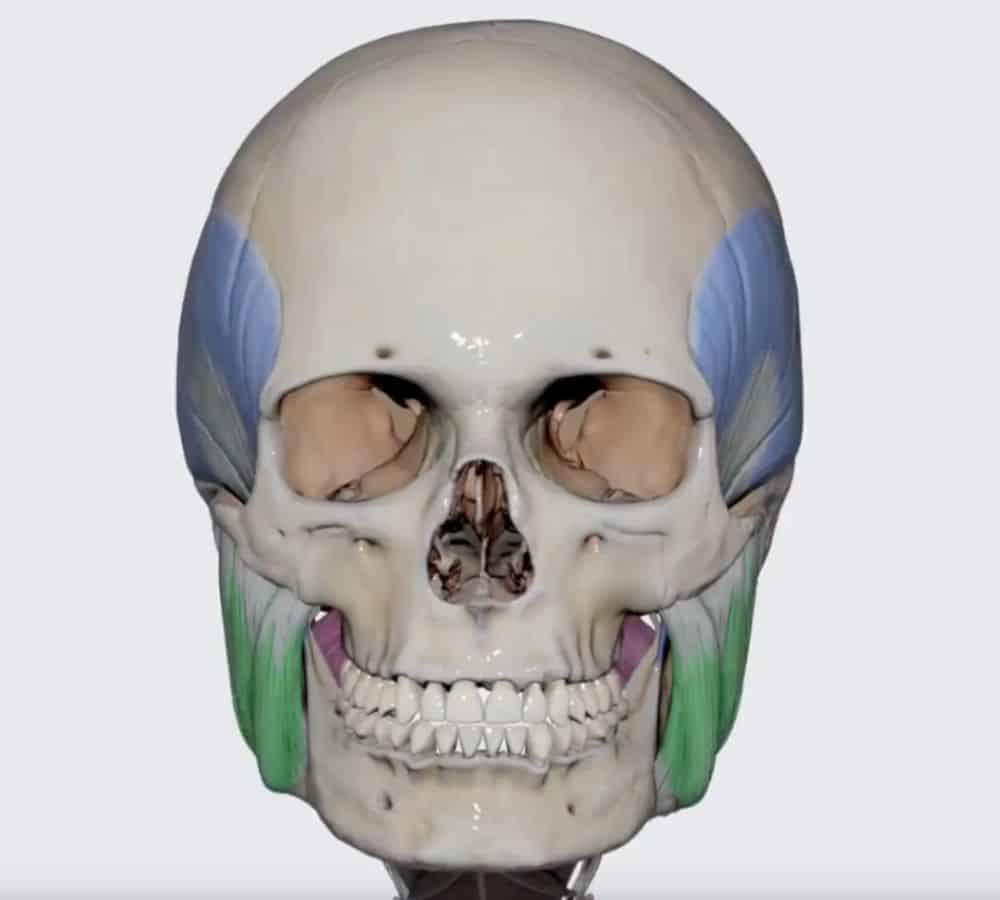
The temporomandibular joint is the hinge connecting the jaw to the skull in front of each ear, allowing movement up and down and side to side for talking, chewing and yawning. It is one of the most complicated joints in the human body.
Joint-related problems present as severe clicking, pain when chewing hard foods, pain during dental treatment, locking, and reduced ability to open the jaw.
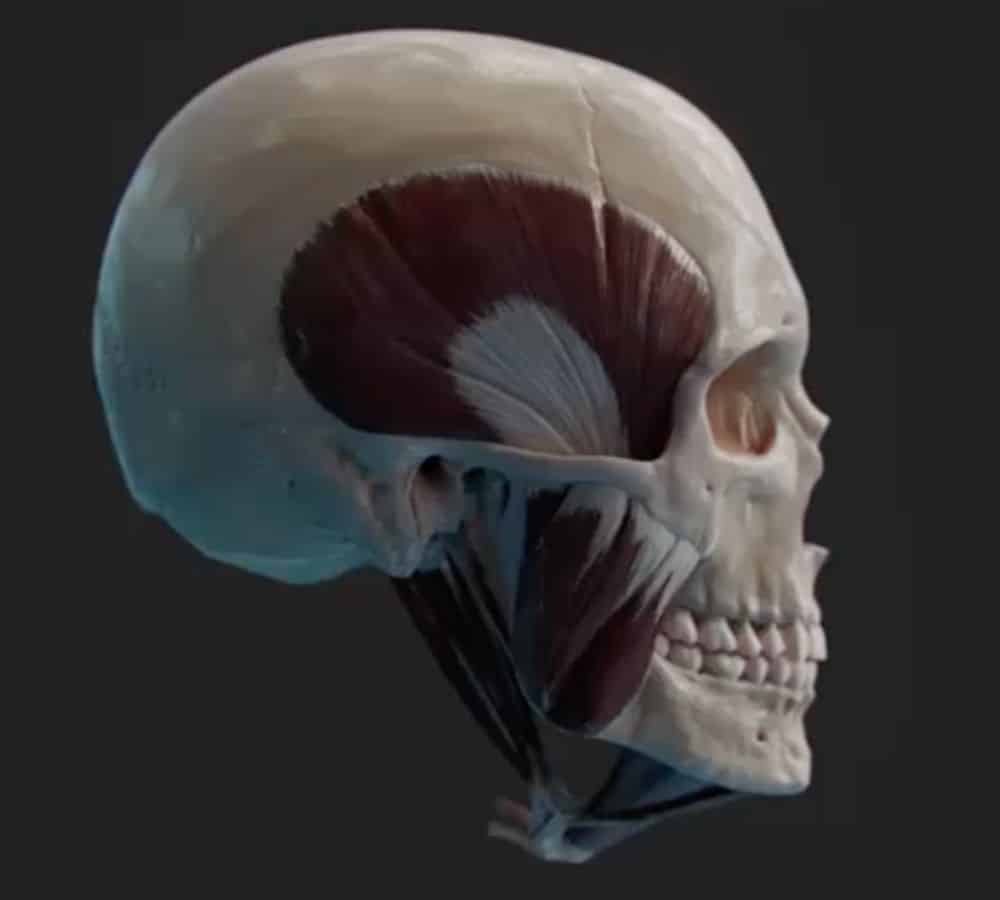
2. Muscle dysfunction
Resulting from clenching habits during the day and while asleep:
- pain or muscle tenderness around the jaw muscles, which can become persistent
- headaches or migraines that appear on waking and develop through the day
- weak jaw muscles causing avoidance of certain foods because chewing is difficult
3. Bite / occlusion
Occlusal dysfunction from worn or fractured teeth due to misalignment, or tooth-on-tooth contact that may be habitual, genetic or pathological. Untreated, it wears away enamel, leading to sensitivity and decay.
This is where the evidence has moved. The US National Academies of Sciences, Engineering, and Medicine, in its 2020 report Temporomandibular Disorders: Priorities for Research and Care, concluded that “occlusion should not be considered a contributing cause for the common TMDs”, and that in the most comprehensive study of occlusal attributes it examined, those characteristics “only accounted for 5 percent of the variability in the clinical signs and symptoms of TMDs”. The Royal Australian College of General Practitioners says the same for Australian practice: malocclusion “does not contribute to the manifestation of TMD and orthodontic referral is not recommended for this finding alone” (Australian Journal of General Practice, April 2018). Healthdirect's consumer page is less categorical — a genuine disagreement between sources rather than a settled question.
Wear from grinding is still worth treating on its own account; enamel does not grow back. But if orthodontic treatment is proposed to you as a treatment for jaw pain, ask what evidence supports it in your case.
4. Trauma
Previous trauma to the joint — motor vehicle accidents, sports injuries. A blow to the head can damage the jaw joints along with the skull. Whiplash, or anything affecting how you carry your head on your neck, can cause jaw problems.
In many cases multiple factors are involved at once.
Why not everyone should have muscle relaxant injections
Muscle relaxant injections have become a popular TMD treatment. They are not appropriate for every patient, and the reasoning is worth understanding before you seek them — it is set out at greater length in muscle relaxants for jaw clenching: when they help and when they don't.
Smile Solutions divides TMD patients into three groups, using bite force analysis and electromyography before considering injections:
Joint-related TMD. Symptoms arise from the joint capsule, the disc within it, or the condyle. Muscle relaxant injections provide limited benefit here because the problem is structural, not muscular. Treatment is splint therapy, osteopathic care, and in severe cases referral to an oral and maxillofacial surgeon.
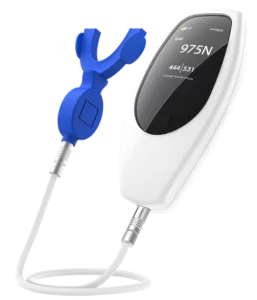
Muscular atrophy — more common than many realise. A significant number of TMD patients have weak, underperforming jaw muscles. For them, muscle relaxant injections are counterintuitive and can be counterproductive: they further reduce bite strength in muscles already struggling. Innobyte bite force analysis identifies these patients by measuring the force through each muscle group. Treatment focuses on strengthening through osteopathic and myofunctional therapy.
Muscular hypertrophy. For patients with overactive, over-functioning jaw muscles causing inflammation and pain, muscle relaxant injections can help — but Smile Solutions uses them as a circuit breaker rather than an ongoing treatment. Injections are typically administered once, occasionally twice over several months, while osteopathy, splint therapy and lifestyle modification address the underlying cause. EMG analysis is used to determine which muscles are involved — temporalis versus masseter, left versus right — so dosing is targeted rather than distributed evenly.
The goal is always to transition to long-term conservative management rather than indefinite injections.
Muscle relaxant injectables are prescription-only medicines, administered after individual assessment by a suitably qualified practitioner. They are not suitable for everyone and carry recognised side effects. This page does not name any product, recommend one, or describe an outcome you should expect — and note that the BMJ guideline below recommends against botulinum toxin injection for chronic TMD pain.
Splints — six designs, made in-house
An occlusal splint (night guard) is a removable acrylic appliance moulded to fit the upper or lower arch, usually worn during sleep. Its main objective is to create a barrier between the biting and grinding surfaces, protecting against further wear.
A splint protects the teeth from grinding; it does not stop the grinding itself, and it is not a cure for TMD. That is the realistic expectation to hold, and it is how healthdirect frames it — as "a custom-made mouthguard (known as an occlusal splint) to protect your teeth".
Each splint is individually made in the in-house dental laboratory by senior dental technician Ms Natalie Bilos, which allows quality control and faster turnaround.
| Splint | Purpose |
|---|---|
| Centric relation (CR) | Positions the jaw in its most stable joint position |
| Flat plane | A smooth, even biting surface to reduce excessive grinding forces |
| Protrusive | Positions the lower jaw forward; used in sleep apnoea management |
| Lateral and anterior guide plate | Guides jaw movement along specific pathways to reduce harmful forces |
| Nylon | Thin, streamlined, highly durable — for patients who wear through or fracture acrylic splints |
| Soft | For bruxism patients needing tooth protection without associated TMD |
The right design depends on your diagnosis, symptoms, jaw function and treatment goals. A splint that has not been fitted and adjusted for you can change your bite, which is the main argument against over-the-counter versions.
The other treatments
Osteopathy. Smile Solutions has an in-house osteopath. Treatment includes manual therapy to mobilise the jaw and therapeutic exercises to strengthen surrounding muscles, plus education on posture and jaw alignment and strategies to reduce grinding and clenching.
Laser dentistry. Used to reduce muscle tension in the jaw area and relieve pain and inflammation in some patients. Responses vary. Laser Dentistry.
Lifestyle changes. Jaw rest, hot compresses, attention to habits and attempts to break them, specific exercises, and correction of compromised head or neck positions — especially during computer and mobile device use.
Specialist referral. Depending on the case, referral to physiotherapy, pharmacotherapy, psychotherapy, an oral medicine specialist, or an oral and maxillofacial surgeon. Oral & Maxillofacial Surgeons.
Irreversible treatment is the last resort, not the first. Adjusting or rebuilding the bite, orthodontics or surgery for TMD should follow conservative management, not precede it, and you are entitled to ask why anything permanent is being proposed before reversible options have been tried.
What the published evidence supports, and what it does not
The BMJ's 2023 clinical practice guideline covers chronic TMD pain — three months or more — and expressly does not apply to acute pain. Using the GRADE approach, an international panel issued strong recommendations in favour of cognitive behavioural therapy, therapist-assisted mobilisation, manual trigger point therapy, supervised postural exercise, supervised jaw exercise and stretching, and usual care such as home exercises, reassurance and education. It issued conditional recommendations against reversible occlusal splints, low level laser therapy, transcutaneous electrical nerve stimulation and botulinum toxin injection, and a strong recommendation against irreversible oral splints and discectomy — on the basis that "invasive or irreversible procedures are associated with a small risk of serious, potentially catastrophic, harms".
Cochrane's 2024 review of occlusal interventions (57 studies, 2,846 participants, only one judged at low risk of bias) found that a splint "may reduce pain in muscles when chewing compared to receiving no treatment, but the results are very uncertain". None of that makes a splint pointless — protecting teeth from wear is what one is for — but anything irreversible deserves a hard question first.
What the osteopath actually does
Jaw pain is rarely an isolated problem, so the assessment is whole-body: jaw movement and function, posture and spinal alignment, neck and shoulder tension and strength, hip alignment, and the musculoskeletal chain between them.
Treatment may include gentle jaw mobilisation, soft tissue therapy, therapeutic exercises, postural correction, spinal mobilisation and personalised strengthening programs, with an on-site Pilates reformer used where appropriate. The osteopaths also consider nervous system function, stress and anxiety, and may recommend collaborative care with your GP or other allied health professionals — the wider argument for which is set out under wellness and longevity.
The diagnostic technology
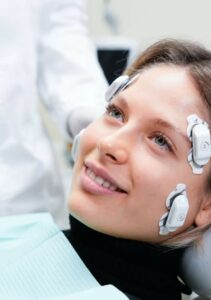
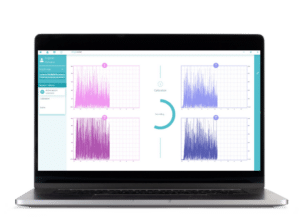
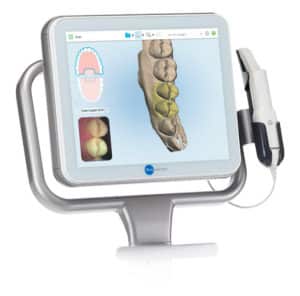
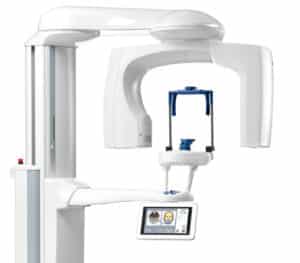
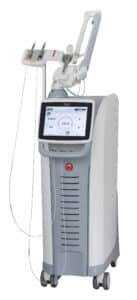
Myowise EMG — electromyography analysing the activity of the masseter and temporalis muscles. Bite force measurement — real-time data on occlusal forces, used in planning around bite strength and stability. iTero Element intraoral scanner — virtual impressions without impression material. Planmeca ProMax 3D Max — three-dimensional imaging used across endodontics, periodontics, orthodontics, implantology, surgery, paedodontics and TMJ analysis; as with all radiography, scans are taken only where clinically justified. LightWalker Fotona laser. MRI, where required.
These tools inform a clinician's judgement; none of them produces a diagnosis on its own, and TMD remains a clinical diagnosis made from history and examination. Each device is described in full under technology.
Do I need an MRI?
Not everyone with TMD does.
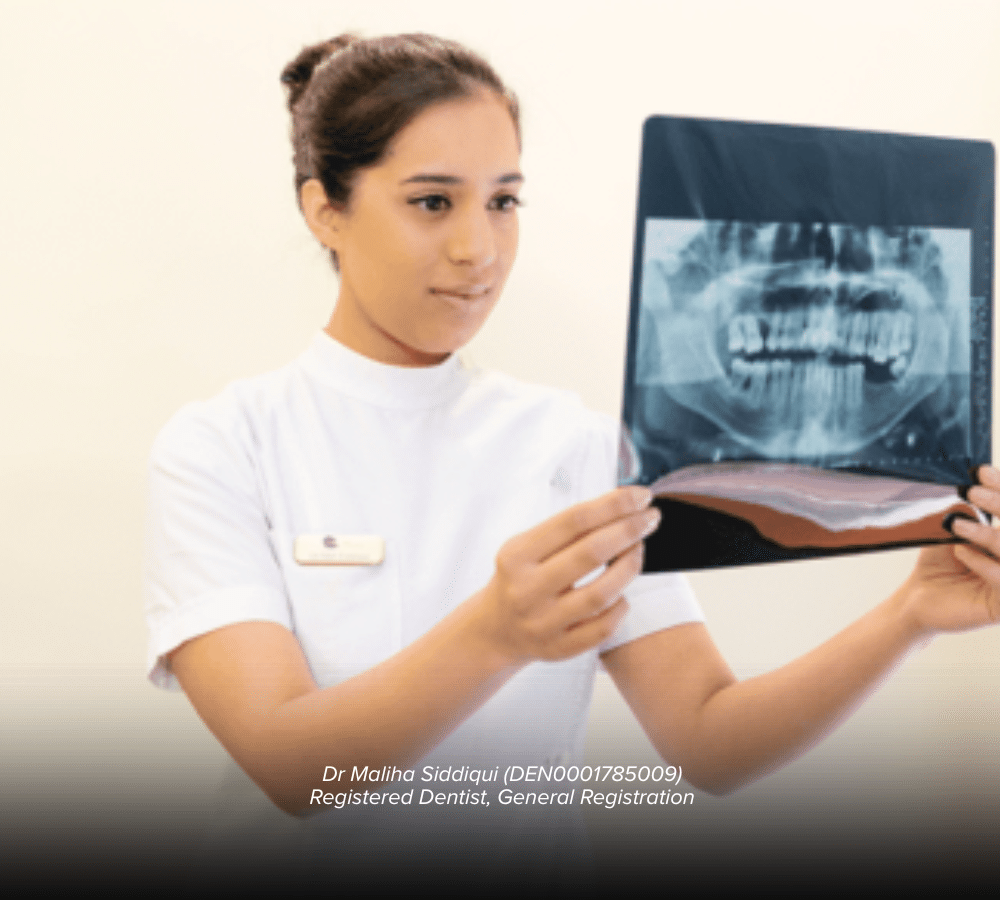
Unlike x-rays or CT, MRI uses no ionising radiation and images the soft tissues within the joint — the articular disc, the joint capsule, the head of the condyle, the muscles and surrounding soft tissues, and the internal joint structures.
An MRI may be recommended for persistent or prominent clicking, crepitus (grinding or crackling), trismus (restricted opening), locking or dislocation, or suspected arthritis or degenerative joint disease. It is not required for most patients, and imaging findings do not always correlate with symptoms — disc displacement is found in plenty of people with no pain at all. The RACGP calls MRI the current gold standard for investigating TMD while noting that, given the cost, it is "predominantly used in the setting of severe, treatment-resistant TMD, as well as for pre-operative planning purposes".
Children and TMD
TMD is usually associated with adults but can affect children and adolescents. Signs include jaw clicking or pain, headaches, teeth grinding, mouth breathing, or difficulty chewing.
Board-registered specialist paediatric dentists work with specialist orthodontists to identify developing jaw, bite and airway issues during childhood. An orofacial myologist can provide myofunctional therapy for tongue thrust, mouth breathing and swallowing patterns contributing to jaw dysfunction.
Early diagnosis supports healthy jaw development and may reduce the need for complex treatment later. Grinding in young children is common and frequently resolves on its own — healthdirect's wording is that young children "sometimes grind their teeth but usually grow out of it". So it is a reason for assessment rather than alarm. Paediatric Dentists.
TMD, posture and sleep apnoea
Posture. A connection is recognised. Poor posture, particularly during prolonged computer or phone use, contributes to neck, shoulder and jaw tension.
Sleep apnoea. A recognised association exists between TMD and sleep-disordered breathing. Many TMD patients also have sleep apnoea, snoring or disrupted sleep, and the TMD and sleep apnoea clinics work together — your assessment may screen for both.
Grinding is not evidence of sleep apnoea, and should not be described as though it were. A 2024 systematic review and meta-analysis in Sleep Medicine Reviews, covering 14 studies, found no significant difference in the odds of sleep bruxism between people with obstructive sleep apnoea and controls (OR 1.23, 95% CI 0.47 to 3.20), and no increase with apnoea severity. The two can co-occur; a causal link in adults has not been demonstrated.
Obstructive sleep apnoea is a medical diagnosis, made on a sleep study and managed by a sleep physician. A dental splint is one recognised treatment for mild to moderate OSA and for some patients who cannot tolerate CPAP; it is not a replacement for prescribed therapy, and a dental screening is not a diagnosis.
Who treats it
Dr Kia Pajouhesh, founder and principal dentist, created the TMD and Sleep Apnoea clinic based on more than 30 years of clinical experience managing TMD patients. His approach combines splint therapy with craniosacral therapy alongside physiotherapists and osteopaths, and he personally oversees diagnosis and treatment planning for complex cases.
| Clinician | Role | Qualifications |
|---|---|---|
| Dr Kia Pajouhesh | General Dentist, founder | BSc, BDSc (Melb) |
| Dr Natasha Hremias | Dentist | BDS (Adel) |
| Sophie Oostermeyer | Oral Hygiene and Dental Therapy | Dip.OHT (Melb) |
| Rachel Norton-Smith | Osteopath | BHlthSc, BAppSc (Osteo) (RMIT) |
| Ms Natalie Bilos | Senior Dental Technician | — |
Worth knowing: there is no AHPRA dental specialty in TMD. It is managed within general dentistry, prosthodontics, oral medicine, oral and maxillofacial surgery and allied health, and what you can verify on the register is each clinician's own registration.
How long does treatment take?
It varies with cause and severity. Some patients improve significantly within weeks of beginning splint therapy and osteopathic care. More complex conditions may need ongoing management over several months, and some TMD is a long-term condition that is managed rather than cured — the question taken up in can TMD be fixed?.
One figure belongs alongside that. The RACGP records that up to 40% of symptomatic patients have spontaneous resolution of their symptoms without any treatment, and that 50–90% get relief with conservative therapy — which is a reason to be careful about attributing every improvement to whatever was done. Expected timeframes are discussed at your initial consultation.
Referrals from other practitioners
GPs, physiotherapists, osteopaths, naturopaths, ENT specialists and other allied health practitioners are welcome to refer patients to the TMD clinic.
No formal referral letter is required, though referral letters are welcomed and help with patient history. Call 13 13 96, email theteam@smilesolutions.com.au, or use the contact page.
Common questions
How common is this, really? I have seen wildly different numbers.
You have, and the numbers genuinely do not agree — because they are counting different things. Four credible sources, side by side:
| Source | Figure | What it counts |
|---|---|---|
| RACGP, 2018 | 60–70% | Signs of TMD found on examination |
| Valesan et al., 2021 | 31.1% of adults | Diagnosed temporomandibular joint disorders |
| Alqutaibi et al., 2025 meta-analysis | 29.5% overall | Any Axis I diagnosis in the pooled study samples |
| RACGP / NIDCR | 5–12% | "Symptomatic disease requiring treatment" |
| BMJ 2023 guideline | 6–9% of adults globally | Chronic pain associated with TMD |
The defensible summary is that signs are very common, an examination-based diagnosis is common, and pain bad enough to send someone looking for treatment is much less common. Many of the pooled studies behind the 29.5% figure drew on student, clinic or convenience samples rather than whole populations, and the 2025 authors say plainly that "conducting further primary studies is urgent for confirmation".
One figure we will not give you is a childhood prevalence: the two best reviews report 38.5% and 11.3% for under-18s, which is not a difference that can be split.
On sex, both lines of evidence point the same way and disagree on size — Alqutaibi reports women at 36.7% against men at 26.7%, roughly a 1.75-fold difference, while the RACGP puts it at "at least four times". The RACGP also places peak incidence in adults aged 20 to 40.
Is it true that people grind with far more force at night than they can bite with awake?
This claim appears very widely, and the study usually cited for it does not support the strong version.
Nishigawa, Bando and Nakano measured night-time bite force directly, through instrumented acrylic appliances, in 10 people over three nights each — 499 recorded bruxism events. The mean amplitude of an event was 22.5 kgf lasting an average of 7.1 seconds, and the mean ratio of night-time to daytime maximum bite force was 53.1%. In other words the average grinding episode reached about half of what the same person could bite with deliberately while awake. Only at the top of the range (111.6%) did night-time force exceed the daytime maximum, in a single participant.
So the honest version is: night-time forces are sustained, repetitive and unconscious, and in some people they can exceed what the person can produce voluntarily — but "grinding is many times stronger than your normal bite" is not what the measurement showed. It was also a ten-person mechanistic study that recorded no clinical outcomes at all, so it cannot tell you that a given force will crack a tooth.
If you are quoted a figure in PSI or kilograms as your grinding force, ask what it was measured with, and on whom.
Is grinding a disease I need to cure?
Not as the international consensus now frames it, and this changes what treatment is for.
The 2025 international consensus report on bruxism definitions (Journal of Oral Rehabilitation, convened under INfORM) states that "bruxism is a motor behaviour rather than a disorder", and that it can act as "a risk factor, protective factor or neutral factor" depending on the outcome you are looking at. Its working rule for clinicians is that "we assess bruxism to determine its presence in conjunction with its possible consequences, rather than to diagnose it as a disorder".
The risk-factor side is the familiar one — the consensus names TMD-related pain and mechanical tooth wear. The protective side is the part almost nobody hears: the report notes that bruxism "may also act as a protective factor, the most often suggested example is in people with obstructive sleep apnea, where the activity may contribute to maintaining the patency of the upper airway, thus preventing collapse". It adds a caution that management of the consequences is only appropriate where it does not compromise any positive effect.
That is why an assessment that screens for sleep-disordered breathing matters before jaw-muscle activity is suppressed, and it is one reason this practice screens for both together. In fairness to the source, several of that consensus panel's authors disclose commercial ties to manufacturers of bruxism devices, which is worth knowing when reading any expert statement in this field.
What is not in dispute is the wear. Enamel that has been ground away does not return, and protecting the remaining tooth structure is a separate decision from treating jaw pain.
I clench at my desk during the day. Is that the same problem as grinding at night?
They are related but formally distinct, and they respond to different things.
The current consensus defines them separately. Sleep bruxism is "a masticatory muscle activity during sleep that is characterised as rhythmic (phasic) or non-rhythmic (tonic)"; awake bruxism is "a masticatory muscle activity during wakefulness that is characterised by repetitive or sustained tooth contact and/or by bracing or thrusting of the mandible". Neither, the consensus is careful to add, is a movement disorder. The two are described as "different behaviours" sharing a name — sleep and wake being their circadian manifestations.
The practical consequence is that a splint worn overnight does nothing for daytime clenching, because you are not wearing it. Daytime bracing is addressed through awareness of the habit, workstation and head position, and the supervised exercise and postural approaches the BMJ panel recommended strongly. If your jaw is sore by mid-afternoon rather than on waking, say so — it points the assessment somewhere different.
My GP mentioned stress and psychological therapy. Is that a polite way of saying it is in my head?
No — but the evidence here is genuinely mixed, and you should have both halves of it.
The BMJ's 2023 guideline panel gave cognitive behavioural therapy a strong recommendation in favour for chronic TMD pain, alongside physical approaches such as supervised jaw exercise and manual therapy. Cochrane's 2022 review of psychological therapies for TMD looked at much the same body of trials — 22 randomised trials, 2,001 participants — and rated the certainty of the evidence low to very low overall, with risk of bias high across studies. At the end of treatment it found no evidence of a benefit of CBT on pain intensity; at later follow-up it found a small benefit against both alternative treatment and control.
Holding those together: CBT is a recommended option with a modest and somewhat delayed effect, in a field where the trials are small and imperfect. It is offered because persistent pain of any kind responds to how it is managed day to day, not because anyone thinks the pain is imaginary. The jaw is a real joint with real muscles, and the tooth wear is measurable.
If psychological therapy is suggested to you and nothing else is, that is a reasonable thing to query — the same guideline recommends several physical treatments just as strongly.
Related reading
- What are the most common symptoms of TMD?
- Is TMD serious?
- What is the best way to treat TMJ?
- Night time tooth grinding and clenching
- How can I stop grinding my teeth when I sleep?
- Price guide
Practical details
| Address | Level 1, 220 Collins Street, Manchester Unity Building, Melbourne VIC 3000 |
| Phone | 13 13 96 |
| theteam@smilesolutions.com.au | |
| Monday – Friday | 8.00am – 6.00pm |
| Saturday | 8.30am – 1.30pm |
| Sunday | By appointment |
| Diagnostics | Myowise EMG, Innobyte bite force, iTero, Planmeca ProMax 3D Max, MRI |
| Splints | Six designs, made in-house |
| In-house allied health | Osteopath, myofunctional therapist |
| Referrals | Accepted without formal referral letter |
| Parking | Wilsons Parking, Flinders Lane (between Swanston and Russell) |
Registration of every clinician named above can be verified free on the AHPRA public register at ahpra.gov.au.
General information only — it is not a diagnosis, a treatment plan, a quote or a promise of any particular clinical outcome, and it does not replace advice from your treating practitioner. TMD has several distinct causes, symptoms overlap with conditions that are not TMD, and which treatment is appropriate can only be decided after examination. Responses to splint therapy, osteopathy and medication vary considerably between individuals, and some TMD is managed rather than cured. Prescription-only medicines are mentioned here as part of a general description of care, not as a recommendation. Fees are indicative and subject to change; confirm at your consultation.
Smile Solutions trades under ABN 28 193 514 103.
Images on This Page
-
https://www.facebook.com/tr?id=800557773428361&ev=PageView&noscript=1
(no alt text)
-
https://www.smilesolutions.com.au/wp-content/uploads/2025/10/calendar_month.svg
(no alt text)
-
https://www.smilesolutions.com.au/wp-content/themes/arcadian-wordpress-theme/assets/images/smile_solutions_logo_white.png
Smile Solutions Logo
-
https://www.smilesolutions.com.au/wp-content/themes/arcadian-wordpress-theme/assets/images/smile_solutions_logo_purple.png
Smile Solutions Logo
-
https://www.smilesolutions.com.au/wp-content/uploads/2025/11/Smile-Solutions-4.png
Smile Solutions - Melbourne CBD
-
https://www.smilesolutions.com.au/wp-content/uploads/2025/11/Working-at-Smile-Solutions.png
Working at Smile Solutions
-
https://www.smilesolutions.com.au/wp-content/uploads/2025/09/Temporomandibular-Joint-TMJ.jpg
3D model of human skull anatomy
-
https://www.smilesolutions.com.au/wp-content/uploads/2025/09/Muscle-Dysfunction.jpg
3D skull with muscle anatomy visible
-
https://www.smilesolutions.com.au/wp-content/uploads/2025/09/TMD-Teeth-Grinding.png
TMD Teeth Grinding
-
https://www.smilesolutions.com.au/wp-content/uploads/2025/09/xray.png
(no alt text)
-
https://www.smilesolutions.com.au/wp-content/uploads/2024/07/tfrtechnology_myowise_bite_improvement_technology_image-211x300.jpeg
Myowise
-
https://www.smilesolutions.com.au/wp-content/uploads/2024/07/software-pc-1024x754-1-300x221.png
Myowise
-
https://www.smilesolutions.com.au/wp-content/uploads/2024/07/Bite-Force-257x300.webp
Bite Force
-
https://www.smilesolutions.com.au/wp-content/uploads/2019/05/iTero-Intraoral-Scanner-300x296.jpg
iTero Intraoral Scanner
-
https://www.smilesolutions.com.au/wp-content/uploads/2026/07/Planmeca-Promax-3D-300x263-1.jpg
Planmeca Promax 3D 300x263 1
-
https://www.smilesolutions.com.au/wp-content/uploads/2019/05/Fontana-Lightwalker-Laser-137x300.jpeg
Fontana Lightwalker Laser
-
https://www.smilesolutions.com.au/wp-content/uploads/2019/05/Untitled-design-32-300x176.png
Photography Studio
-
https://www.smilesolutions.com.au/wp-content/uploads/2025/08/69a44c30c93ce196d539cc5520080df52a5f3f88-scaled.jpg
69a44c30c93ce196d539cc5520080df52a5f3f88 scaled
-
https://www.smilesolutions.com.au/wp-content/themes/arcadian-wordpress-theme/assets/images/family_owned_bussiness.png
Family Owned Business
-
https://www.smilesolutions.com.au/wp-content/themes/arcadian-wordpress-theme/assets/icons/icon--phone.svg
Smile Solutions Contact
-
https://www.facebook.com/tr? id=800557773428361&ev=PageView&noscript=1
(no alt text)
-
https://bat.bing.com/action/0?ti=25148060&tm=gtm002&Ver=2&mid=ecf8fd14-2e74-4d74-a2da-e46192478e1e&bo=1&sid=0a86afd0ab2711f199175994b5e953af&vid=0a86d420ab2711f19c9e3593718bb6e3&vids=1&msclkid=N&pi=918639831&lg=en-US&sw=800&sh=600&sc=24&nwd=1&tl=TMD%20%26%20Teeth%20Grinding%20-%20Smile%20Solutions&p=https%3A%2F%2Fwww.smilesolutions.com.au%2Fgeneral-dentistry%2Ftmd-teeth-grinding%2F&r=&evt=pageLoad&sv=2&cdb=AQAQ&rn=645877
(no alt text)