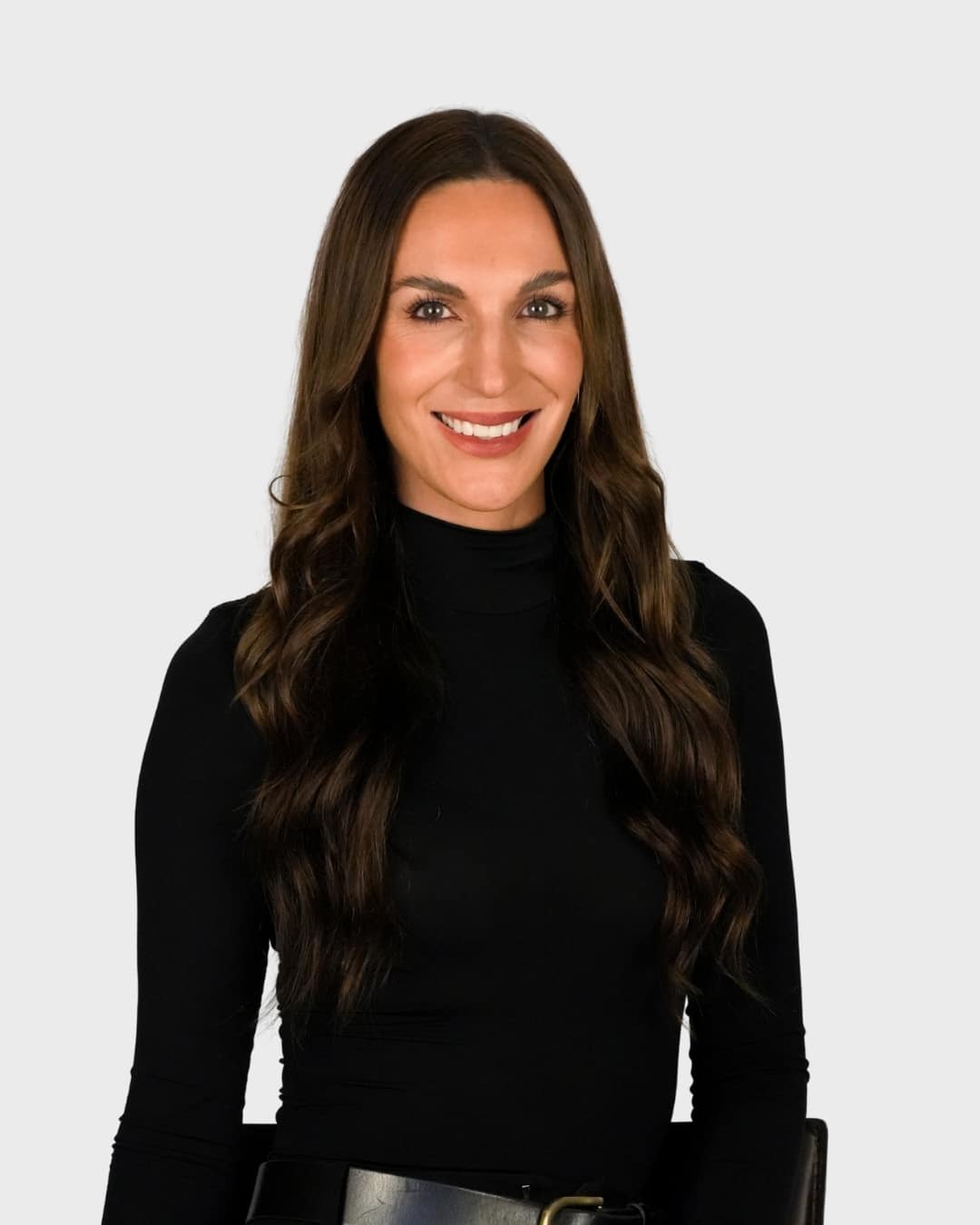
Madeleine Yarr, Nursing Team Leader
Role: Nursing Team Leader — leading the dental nursing / dental assisting team
The practice publishes no further biographical detail for this position. The full team list is on the our team page.
‘Dental nurse’ is the customary Australian term for a dental assistant — it is not the same as ‘registered nurse’, which is a protected title restricted to practitioners registered with the Nursing and Midwifery Board of Australia. Dental assistants are not registered under the National Law at all. See Lorraine Gasca, Nursing Team Leader for the full explanation of the terminology, and the dentists and registered specialists page for who at the practice does hold registration.
Radiography: the part of assisting with the clearest rules
Dental assistants commonly take radiographs, and this is the area of the role governed most tightly — so it is worth setting out properly, because patients are rarely told any of it. The practice also employs registered diagnostic radiographers, Judy Nguyen and Julie Bain, whose registration sits with a different National Board entirely.
Who may take a dental radiograph in Victoria: radiation apparatus and its use are regulated by the Victorian Department of Health under state radiation legislation. A practice holds a management licence for its equipment, and anyone operating it must hold the appropriate qualification — for assistants, typically a Certificate IV including radiography. You may ask who is taking your radiograph and what qualification they hold.
Who interprets it is a different question. Taking the image and diagnosing from it are separate acts. Diagnosis rests with the registered practitioner — a general dentist or one of the specialists.
What dental x-rays actually expose you to
This is the question people are most anxious about and least often given a straight answer to. How safe are dental x-rays and how safe are dental X-rays and when do they become unsafe? are the long-form answers.
Dental radiography uses very low doses. A set of bitewing radiographs — the standard images showing between the back teeth — delivers a dose comparable to a small number of days of ordinary background radiation, which everyone receives continuously from soil, building materials, food and cosmic rays. A panoramic (OPG) image is somewhat higher. A CBCT scan is higher again — which is precisely why it is used selectively rather than routinely, mostly for implant planning, impacted wisdom teeth and complex surgical assessment. The equipment itself is described on the technology page.
The published numbers, per procedure
The International Atomic Energy Agency publishes typical effective doses for dental imaging, and they are worth seeing rather than being asked to take on trust. Per procedure, the IAEA gives:
- intraoral dental X ray imaging procedure 1–8 μSv — that is 0.001 to 0.008 mSv
- panoramic examinations 4-30 μSv — 0.004 to 0.030 mSv
- CBCT procedures, from median values in the literature, "50 μSv or below for small- or medium-sized scanning volumes, and 100 μSv for large volumes"
The IAEA also supplies the comparison people actually want: "the doses from intraoral and cephalometric dental radiological procedures are lower, usually less than one day of natural background radiation", while doses for panoramic procedures "are more variable, but even at the high end of the range are equivalent to a few days of natural background radiation which is similar to that of a chest radiograph". CBCT "doses cover a wide range, but may be tens or even hundreds of µSv of effective dose higher than conventional radiographic techniques, depending upon the technique". (Source: IAEA, radiation protection in dental radiology.)
Two caveats that stop these numbers being misused. First, they are per procedure — a bitewing set is more than one image, so a visit's total is a multiple of the intraoral figure, not the figure itself. Second, effective dose is a comparison tool, not a personal risk score: the IAEA is explicit that "effective dose and its associated risk should not be applied to individuals, but can be used to compare between modalities, techniques and other sources of exposure". Anyone quoting a dental dose as a personal cancer risk has gone beyond what the quantity supports.
Also note the figures move with technique. The IAEA adds that "rapid technological improvements to CBCT equipment mean that typical dose ranges are likely to change", so a figure published a decade ago may describe equipment no longer in use.
The framework that governs it is ALARA — as low as reasonably achievable, and it has three practical parts:
- Justification. Every image must have a clinical reason. ‘We do them on everyone once a year’ is not a reason. Radiographs are prescribed on individual risk — someone with active decay may need them more often than someone with none for a decade. The same risk-based logic governs recall intervals: how often should I go to the dentist?
- Optimisation. Digital sensors, which need substantially less radiation than film; rectangular collimation, which narrows the beam to the sensor; correct exposure settings for the individual; and thyroid collars and aprons where appropriate. The principle is general rather than dental: the Australian guidance on paediatric imaging makes the same point, that "utilising age- or weight-appropriate scan parameters ensures that children receive the minimum radiation dose necessary for an accurate diagnosis".
- Limitation. The smallest field of view that answers the question. This is the main argument against routine CBCT — a three-dimensional scan taken ‘because it is available’ delivers dose without a question to answer, and the IAEA's own figures show the small- or medium-volume scan at half the dose of the large one.
Practical consequences for you:
- Ask why an image is being taken and what it will change. A good answer is specific — and how important is communication in dentistry? is the case for expecting one.
- Bring recent radiographs, or the details of where they were taken. They transfer between practices, and this is the simplest way to avoid a repeat exposure — which is also what makes a second opinion straightforward.
- Tell the team if you are pregnant or might be. Dental radiography is very low dose and is not generally contraindicated, but non-urgent imaging is usually deferred, and it changes the conversation. See is it safe to visit the dentist during pregnancy?
- Say if you gag. Sensor placement is the commonest trigger, and it is a solvable problem — smaller sensors, different technique, or a panoramic image instead. The same applies to dental anxiety: see how can I ease my anxiety about visiting the dentist?, and for children, combating dental anxiety in children.
- Radiographs find what an examination cannot. Decay between teeth — the stages of dental decay — bone loss from gum disease, infection at a root tip, and unerupted or missing teeth are not visible to the eye. Declining all imaging means accepting that those go undetected, and that a small filling becomes a large one — can you reverse tooth decay and do I need a filling?
The rest of the assisting role
- Chairside assistance — four-handed dentistry, retraction, suction, and anticipating what the operator needs next. The quality of the assisting affects how long a restoration lasts, because moisture control determines whether a bond holds.
- Instrument reprocessing — cleaning, packaging, sterilising, monitoring and traceability.
- Surgery set-up and turnover, including surface disinfection.
- Patient support — in practice the assistant is often the person an anxious patient actually talks to.
- Stock and equipment checks, including the medical emergency kit.
What readiness looks like: an emergency drug kit that is in date and checked, oxygen with a means of delivering it, an automated external defibrillator on the premises, and staff trained in basic life support who practise it rather than merely holding a certificate. Knowing where the kit is and being able to bring it in seconds is an assisting responsibility. A dental problem out of hours is a different matter — see emergency dentistry and what is considered a dental emergency?
Qualifications and the absence of registration
Dental assisting qualifications are vocational — Certificate III in Dental Assisting, with a Certificate IV adding radiography, oral health education or practice administration. Many assistants train on the job, and there is no legal requirement to hold a qualification. The practice's own entry routes are described under careers.
What that means: no public register, no mandatory continuing professional development, and no AHPRA complaints pathway for the role itself. Responsibility for everything an assistant does under direction rests with the registered practitioner supervising them. Complaints about a practice as a whole go to the Health Complaints Commissioner in Victoria.
An assistant may not examine, diagnose, treat, take impressions for restorations, place or finish restorations, or give clinical advice. What is the difference between a dental therapist and a dental hygienist? and dental hygienist vs dentist show where the registered scopes begin.
The exception worth noting is radiography — an unregistered occupation performing a licensed activity under state radiation law, which is why the qualification requirement there is explicit where elsewhere it is not.
By contrast, the clinicians who prescribe and interpret the images are individually bound. The Dental Board of Australia's Scope of practice registration standard (in effect 1 July 2020) "applies to all practitioners registered with the Board" and "requires dental practitioners to practise within the scope of their education, training, and competence at all times" — the Board elsewhere phrases the same duty as providing "only ... treatments in which they are educated, trained and competent". Those standards sit alongside published requirements for continuing professional development and recency of practice (both in effect 1 December 2015), professional indemnity insurance (1 July 2016), English language skills (18 March 2025) and criminal history (15 July 2026). Ahpra "publishes an online register of all dental practitioners that provides the profession and the public with up-to-date information about a dental practitioner's registration status". (Source: Dental Board of Australia, Registration Standards; FAQ: Specialist registration.)
Leading the team
Rostering and allocation across surgical, orthodontic and hygiene sessions; training and verifying competency, which in an unregistered occupation is the only assurance there is; infection control standards in practice rather than on paper; stock and equipment including expiry dates; supporting new graduates; and being the person who notices that a patient has stopped coping.
Common questions
I am having a lower wisdom tooth out. Do I need a 3D scan first?
Usually not, and the evidence on this is stronger and more surprising than most people expect.
A 2022 systematic review in BMC Oral Health pooled seven randomised trials comparing CBCT with an ordinary panoramic radiograph (OPG) before lower wisdom-tooth surgery. Its conclusion is unambiguous: "CBCT should not be used routinely to assess MTMs, and it is unlikely to reduce risk of nerve injury even in most high-risk cases." The seven trials gave moderate quality evidence that CBCT does not routinely translate to reduced incidence of nerve injury, and low-quality evidence from three studies that it does not change how long the surgery takes.
The cost of taking it anyway is real and quantified. The same paper reports that a small-field CBCT of a lower wisdom tooth carries roughly a five-fold increase in radiation compared with an OPG, and that preoperative costs are roughly four times greater. Both of those are relative figures, not doses in microsieverts — for the absolute numbers see the IAEA ranges above.
Where it is justified: the authors say CBCT "should be reserved for high-risk cases where the prescriber feels 3D imaging has potential to change the treatment decision, or surgical technique, in a manner that may avoid nerve injury". The high-risk signs are visible on the ordinary panoramic film — darkening of the root, diversion of the canal, and loss of canal cortication are the three that carry the most weight.
So the question to ask is not "can I have a 3D scan" but "what would the scan change?" If the answer is nothing, the extra dose buys nothing. See wisdom teeth.
How often should I have bitewings? Is once a year automatic?
It should not be automatic, and that is the whole point of the justification principle above.
We cannot point you to an independent Australian authority in our reference material that sets a fixed interval for bitewings in adults, and we would rather say so than invent one. What the sources do establish is the governing principle: every image needs a clinical reason specific to you, and ‘we do them on everyone once a year’ is not one.
What actually drives the interval is your risk of decay between the teeth — where it cannot be seen or felt until it is well advanced. Someone with active decay, a high-sugar-frequency diet, dry mouth or a run of new fillings is in a different category from someone with a stable mouth and nothing new for a decade. The two should not be on the same schedule.
A fair question at your next examination: "what interval am I on, and what is it based on?" If the interval has never been revisited as your risk changed, that is worth raising.
Can I say no to a radiograph?
Yes. Imaging is part of treatment and treatment requires your consent, so you can decline any individual image or all of them.
What is useful to understand is what declining actually costs, because it is not nothing. Radiographs are how decay between the teeth, bone loss from gum disease, infection at a root tip and unerupted or missing teeth are found. None of those is visible on examination. Declining imaging means accepting that they go undetected until they declare themselves — usually as pain, or as a small problem that has become a large one.
It also constrains the clinician. A dentist who cannot see between your teeth cannot responsibly tell you there is nothing there; the honest statement is that nothing was found on the part of the mouth that could be examined. If you are declining because of the radiation, the IAEA figures above are the numbers to weigh. If you are declining because of the gagging, the cost, or a bad experience, say which — each of those has a different practical answer, and only one of them is about radiation at all.
Are x-rays riskier for children?
Children are more radiosensitive than adults, and the reasons are physiological rather than speculative: a higher rate of cell division, a higher proportion of water in the tissues, radiation-sensitive organs sitting closer to the field, and a longer remaining lifetime over which a stochastic effect could appear.
The doses involved are nevertheless very small. A study of 4,455 intraoral radiographs taken in 2,195 patients aged up to 18 at a German university hospital between 2002 and 2020 measured a mean effective dose of 0.77 µSv for dental and bitewing images, and 2.22 µSv for occlusal images — the authors note this sits within the range others have reported. Two caveats belong with those numbers: it is a single hospital cohort, not an Australian population figure, and the paper's own framing is that intraoral radiographs "are not harmless", which is an argument for justification rather than for avoidance.
What the same study shows about why children are imaged is more useful to a parent than the dose. The commonest indications were trauma (28.7%), then caries (22.7%) and apical diagnostics (22.7%) — that is, a knocked or broken tooth, suspected decay, or a suspected infection at the root. Those are situations where not knowing is the greater risk.
Practically: ask what the image is for, expect child-appropriate exposure settings rather than adult ones, and mention it if your child gags or cannot hold still, because a different technique usually solves it. See children's dentistry.
Related pages: Our Team, Lorraine Gasca, Nursing Team Leader, Our Technology, Dental Anxiety, Price Guide, Contact Us.
Practical details
Registration of treating clinicians can be verified free on the AHPRA public register at ahpra.gov.au, or by calling 1300 419 495.
Smile Solutions, Level 1, 220 Collins Street, Manchester Unity Building, Melbourne VIC 3000. Phone 13 13 96, or theteam@smilesolutions.com.au. Monday–Friday 8.00am–6.00pm, Saturday 8.30am–1.30pm, Sunday by appointment.
This page records a staff role as published by the practice. General information only — it is not clinical advice, and radiation doses described are indicative and vary with equipment and technique. Radiation regulation is set by the Victorian Department of Health and changes; confirm current requirements with them. In a medical emergency call 000.
Smile Solutions trades under ABN 28 193 514 103.
Images on This Page
-
https://www.facebook.com/tr?id=800557773428361&ev=PageView&noscript=1
(no alt text)
-
https://www.smilesolutions.com.au/wp-content/uploads/2025/10/calendar_month.svg
(no alt text)
-
https://www.smilesolutions.com.au/wp-content/themes/arcadian-wordpress-theme/assets/images/smile_solutions_logo_white.png
Smile Solutions Logo
-
https://www.smilesolutions.com.au/wp-content/themes/arcadian-wordpress-theme/assets/images/smile_solutions_logo_purple.png
Smile Solutions Logo
-
https://www.smilesolutions.com.au/wp-content/uploads/2022/12/Maddy-Yarr.jpg
Madeleine Yarr
-
https://www.smilesolutions.com.au/wp-content/themes/arcadian-wordpress-theme/assets/images/family_owned_bussiness.png
Family Owned Business
-
https://www.smilesolutions.com.au/wp-content/themes/arcadian-wordpress-theme/assets/icons/icon--phone.svg
Smile Solutions Contact
-
https://www.facebook.com/tr? id=800557773428361&ev=PageView&noscript=1
(no alt text)
-
https://bat.bing.com/action/0?ti=25148060&tm=gtm002&Ver=2&mid=6599cfe4-182a-4045-abed-dbd0a0e5064f&bo=1&sid=06585c00ab2711f18a63192e9c70e5f9&vid=06588650ab2711f195a1518f83eee501&vids=1&msclkid=N&pi=918639831&lg=en-US&sw=800&sh=600&sc=24&nwd=1&tl=Madeleine%20Yarr%20-%20Smile%20Solutions&p=https%3A%2F%2Fwww.smilesolutions.com.au%2Four-team%2Fmadeleine-yarr%2F&r=&evt=pageLoad&sv=2&cdb=AQAQ&rn=530812
(no alt text)