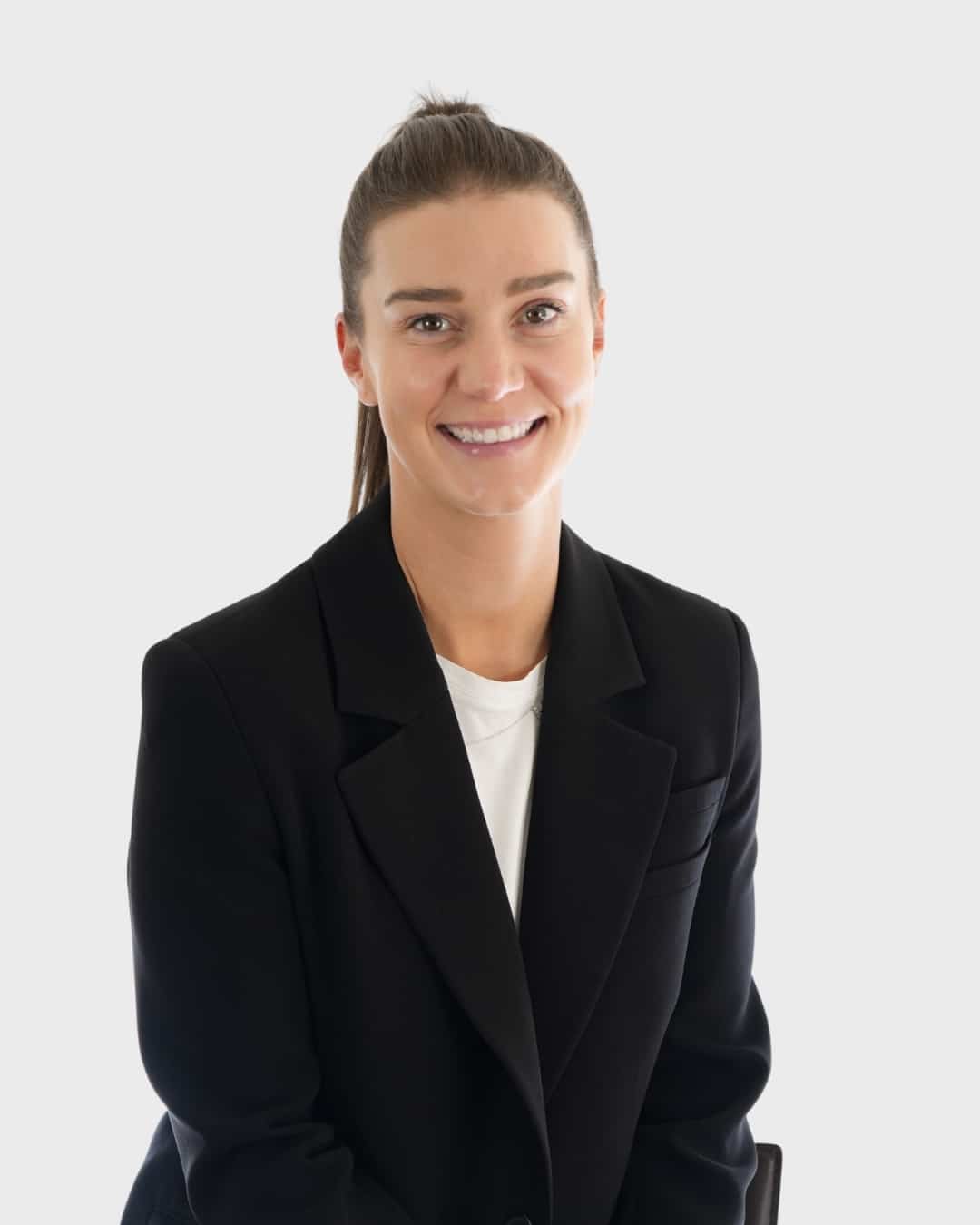
Isabelle Sayers, Oral Health Therapist
Role: Oral health therapist — dental hygiene and dental therapy
Qualifications: Bachelor of Oral Health, University of Melbourne (2012); recipient of the Dental Health Services Public Health Award, 2012
Registration: Registered dental practitioner, oral health therapist division, general registration, DEN0001779756
Registration status can be verified on the AHPRA register of practitioners at ahpra.gov.au. Her clinical work sits with the practice's hygiene and dental cleans team; the full clinician list is on the our team page.
Background
Isabelle Sayers graduated with a Bachelor of Oral Health from the University of Melbourne in 2012, and received the Dental Health Services Public Health Award in the same year.
She has worked in both the public and private sectors, treating children and adults. Her particular focus is preventive care, and she works extensively with the practice's younger patients.
She is a member of the Australian Dental and Oral Health Therapists Association and has presented at conferences across Australia. She has written for the practice on choosing a toothpaste and on the daily routine that actually works; those articles are listed below.
What an oral health therapist is
An oral health therapist is a registered dental practitioner in their own right — not an assistant, not a nurse, not a dentist. Ahpra's Guidelines for advertising a regulated health service list the dental profession's divisions as "Dentist, dental therapist, dental hygienist, dental prosthetist, oral health therapist" — five divisions, with dental specialist registration a separate additional registration held only by dentists. What is the difference between a dental therapist and a dental hygienist? explains the two halves of the role.
An oral health therapist is dual-qualified as hygienist and therapist from a single three-year university degree and may practise in both scopes. They are independently registered and independently accountable, with their own indemnity insurance, their own continuing professional development, and the same registration standards and complaints process as a dentist. What does a dental hygienist do? and dental hygienist vs dentist cover the hygiene side for patients.
Scope includes: periodontal assessment and pocket charting; scaling and root surface debridement; managing gum disease; oral hygiene instruction; fluoride; fissure sealants; radiographs; and, on the therapy side, examination, fillings, extraction of primary teeth, preformed crowns and pulp treatment on primary teeth.
Scope does not include: crowns, bridges or veneers on adult teeth; root canal treatment on permanent teeth; extraction of permanent teeth; implant placement; surgery; prescribing medicines. Findings outside scope are referred to a dentist, and from there to a specialist where required — the dentists and registered specialists page records who holds which registration.
"Oral health therapist" is a title the law protects
The same Ahpra guidelines list the dental profession's protected titles as "dentist, dental therapist, dental hygienist, dental prosthetist, oral health therapist". Using one without holding that registration engages the National Law's 'holding out' provisions — a person "must not knowingly or recklessly claim or hold themself out to be registered or qualified to practise in a health profession or a division of a health profession if the person is not so registered" (section 117, as Ahpra summarises it).
Which means the line at the top of this page is checkable, and you should feel free to check it. The Dental Board of Australia states that "Ahpra publishes an online register of all dental practitioners that provides the profession and the public with up-to-date information about a dental practitioner's registration status". Free, by name or registration number, at ahpra.gov.au. The Board's Scope of practice registration standard (in effect 1 July 2020) then requires "dental practitioners to practise within the scope of their education, training, and competence at all times". Finding a dentist online in Australia covers how to read a listing before you book.
Children's dentistry in general practice
Much routine paediatric dental care in Australia is delivered by oral health therapists, and that is exactly what the qualification is designed for. Cases needing specialist management are referred to a paediatric dentist — should your child see a specialist paediatric dentist?
What parents should know:
- First visit by the first birthday, or within six months of the first tooth. The purpose is familiarisation, risk assessment and advice — not treatment. See when should a child first visit the dentist?
- Baby teeth matter. They hold space for the permanent teeth; the last are not lost until around age eleven or twelve. Decay in them causes pain, infection and time off school, and can damage the permanent tooth developing beneath. "They'll fall out anyway" is not a reason to leave decay untreated — protecting your child from dental disease and order and appearance of baby teeth.
- Fluoride toothpaste from the first tooth — a smear under three, a pea-sized amount after. Spit, don't rinse.
- Supervise brushing until about age eight. Manual dexterity, not willingness, is the limiting factor — kids' teeth cleaning tips and how to encourage your child to brush their teeth.
- Frequency of sugar matters more than quantity. Each exposure causes an acid attack lasting twenty to thirty minutes; constant grazing and sipping is worse than one serve — how does sugar affect your dental health?
- Never put a child to bed with a bottle of anything but water.
- Fissure sealants on permanent molars for children at risk — well supported by evidence. Who is a suitable candidate for dental sealants?
- Custom-fitted mouthguards for contact sport. Boil-and-bite guards fit poorly and protect substantially less — should my child wear a mouthguard?
- The Child Dental Benefits Schedule funds basic dental treatment for eligible children through Medicare — a capped amount over two calendar years for families receiving certain government payments. How does the Child Dental Benefits Schedule operate?
What the Australian numbers actually look like
It is easy to read the advice above as generic. It is not — it is written against measured national figures. The following come from the Australian Dental Association's Dental Health Week releases, which draw on the ADA Consumer Survey and the Children and Young People Oral Health Tracker.
- Decay in primary teeth is the norm, not the exception. The ADA reports "34% aged 5-6 years having experienced decay in primary or baby teeth and 27% aged 5-10 years having untreated tooth decay in primary teeth".
- Most children are not seen early. "Only 56% of children visit the dentist before age 5", and of the first visits that do happen, the ADA found "one third (32%) of parents reported their child's first visit was for pain or a problem". Separately it reports "46% of first dental visits were for a checkup and 33% for pain or a problem". A first visit prompted by pain is the outcome the first-birthday advice exists to avoid.
- Adults' expectations are well behind the recommendation. In an ADA survey of 25,000 Australian adults, "40% of us think around two years old is acceptable for the first dental visit, while 20% believe it should be age three and 10% believe age four or older is appropriate".
- Children are admitted to hospital for this. The Tracker shows "nearly 11 (10.8) in every 1,000 children aged 5-9 are hospitalized for potentially preventable problems due to dental conditions. For Indigenous children this rises to 14.3 per 1,000 children".
- Cleaning between the teeth barely happens. "76% of children never floss themselves, nor have their parents do it" — the ADA notes many parents thought it not worthwhile while baby teeth are in place. Its advice is that "once a child has two or more baby teeth side-by-side, dentists recommend parents floss daily".
- Brushing frequency is better than you would expect, and still not universal. "68% of kids brush their teeth twice a day, though 21% only do it once a day".
- Sugary drinks are the gap between knowing and doing. The ADA found "85% of parents are aware soft drinks, energy drinks and fruit juice lead to decay", while "26% of children nevertheless have fruit juice daily, 37% have 2-5 fruit juices a week, and 37% have 2-5 soft drinks a week".
None of that is a reason for guilt, and it is not written as one. It is the reason a preventive appointment is worth booking before anything hurts.
A child's first dental experiences shape their attitude for decades. An adult with dental phobia can usually name the childhood appointment that caused it. Approaches that help: tell-show-do, short familiarisation visits with no treatment, an agreed stop signal, praise for cooperation, and — importantly — parents avoiding words like "hurt", "needle" and "pain" even in reassurance. Combating dental anxiety in children goes through the detail.
Public dental health in Australia
Working in the public system exposes a practitioner to a different picture of oral health from private practice.
- Public dental services in Victoria are delivered through community health services and hospitals, prioritised for concession card holders, with substantial waiting lists for non-urgent care.
- Cost is the single largest barrier to dental care in Australia. A submission to the Australian Parliament's inquiry into dental services cites an Australian Institute of Health and Welfare (2013) survey finding that "nearly a third of people aged 5 or older (32%) avoided or delayed visiting a dentist due to cost". Delay converts cheap problems into expensive ones. The practice publishes indicative fees on the price guide, and understanding your treatment covers how a plan is costed before it starts.
- Dental care sits largely outside Medicare — an anomaly in the Australian health system that has been debated for decades and remains unresolved. The same parliamentary material notes that "there is no public body for patients to complain to about Australia's high dental fees", and that no national dental fee schedule exists.
- Outcomes vary sharply by income, remoteness and Aboriginal and Torres Strait Islander status. So does access to fluoridated water — fluoridated water: is it good for you?
- Preventable dental conditions are among the leading causes of avoidable hospital admission in Australia, and among the commonest reasons for a child to have a general anaesthetic.
Preventive care delivered early is, by a wide margin, the most cost-effective intervention available in dentistry. That is not a marketing claim; it is the reason public dental programmes prioritise it — see how do I prevent dental decay? and the stages of dental decay.
Prevention: what the evidence supports
- Fluoride toothpaste twice daily. Spit, don't rinse.
- Daily cleaning between the teeth — a toothbrush cannot reach where gum disease begins. Is flossing really that important?
- Reducing the frequency of sugar, which matters more than the amount.
- Not smoking — the largest modifiable risk factor for gum disease. The effects of vaping on your oral health covers the newer habit.
- Fissure sealants for children at risk of decay.
- A recall interval matched to your risk, not automatically six months — how often should I go to the dentist?
- Managing dry mouth, since many common medications reduce saliva.
Little or no supporting evidence: whitening toothpastes beyond surface stain, charcoal products (abrasive, no fluoride), oil pulling, and "detox" oral products.
Registration
The Dental Board of Australia registers dentists, dental specialists, dental hygienists, dental therapists, oral health therapists and dental prosthetists. It does not register dental technicians, dental assistants or dental nurses, or administrative staff.
Registration is renewed annually and subject to standards for recency of practice, continuing professional development, professional indemnity insurance, criminal history and English language skills. Conditions and undertakings appear on the public register. Those standards are dated published documents — the current continuing professional development and recency of practice standards have applied since 1 December 2015, professional indemnity insurance since 1 July 2016, English language skills since 18 March 2025, and criminal history since 15 July 2026.
Articles by Isabelle Sayers
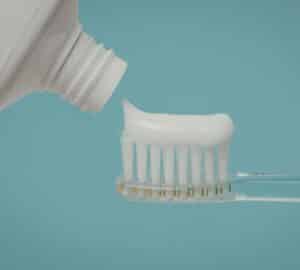
- With so many toothpastes on the market, how can I make a wise choice?
- What is the ideal daily routine for oral hygiene?
Common questions
How much is the Child Dental Benefits Schedule actually worth, and what does it not cover?
The page above says “a capped amount”. Here is the amount and the fine print, from Services Australia.
The cap is up to $1,158 for each eligible child, over two consecutive calendar years. It is indexed each 1 January, and Services Australia notes that “the increase in cap amount will only apply to a child or teenager who received their first eligible service in that calendar year”.
Eligibility has three parts, all of which must be met: the child must be “0 to 17 years old for at least one day that calendar year”, must be “eligible for Medicare”, and the child or a parent must receive a qualifying government payment “at least once that calendar year”.
The two-year period is not automatic in its second year. Services Australia's own worked example makes the trap plain: eligibility in 2026 opens a two-year period and “can use up to $1,158 of dental benefits… for that period. But she can only continue to use it in 2027 if Lia gets an eligible payment that year.”
What it covers: “check-ups, X-rays, cleaning, fissure sealing, fillings, root canals, extractions.” What it does not: orthodontic work, and any dental services provided in a hospital. Services Australia also warns that “there are some restrictions for basic dental services. You should check with your dentist if there are any item or time restrictions before starting your service” — which is the practical reason to ask for the item numbers before, not after.
One point worth acting on. Medicare writes to eligible families, but the scheme is widely under-claimed because people assume they do not qualify. Check through Services Australia or myGov rather than waiting for a letter, and check again each calendar year, because eligibility is assessed annually.
Does my child really need X-rays?
Only where the image will change a decision — and the standard has tightened.
A study of intraoral radiographs in children and adolescents sets out the current position directly: “X-ray screenings are no longer recommended”. What replaced routine screening is the European Association of Paediatric Dentistry's approach, which “recommends an individualized and patient-specific justification for X-ray diagnostics as best clinical practice”. The same paper states the principle in two sentences worth quoting to any practitioner: “strict and individualized justification should determine the prescription of each radiograph”, and “a justified radiograph should make a substantial contribution to distinguishing between treatment options”.
Why children are treated more cautiously than adults. The authors note that radiation exposure “carries health risks, especially in children due to their high radio-sensitivity” and a “longer expected lifetime after exposure”. They also record that “valid reference values for intraoral radiographs in children and adolescents are still missing” — there is no established paediatric dose reference level, which is itself a reason for restraint.
The doses involved are small. The International Atomic Energy Agency publishes typical effective doses of “1–8 μSv” for an intraoral dental X-ray and “4-30 μSv” for panoramic examinations, describing intraoral doses as “usually less than one day of natural background radiation”. Small is not zero, which is exactly why each image has to earn its place rather than be taken by routine.
So the questions to ask are: what is this image for, what would change depending on what it shows, and is there an existing image that already answers it. Any of those is a reasonable thing to ask, and none of it is obstructive. See how safe are dental X-rays?
My child plays sport. Is a chemist mouthguard good enough?
Better than nothing, and measurably not the same thing. The Australian Dental Association's policy on the prevention of oral injury is unusually direct about it.
On the comparison: “the most effective protection against oral damage is a custom fitted mouthguard, where precision fit and quality materials offer maximum comfort & injury prevention. Over-the-counter mouthguards provide better protection than no mouthguard, however their protection varies depending on the design, comfort, adaptation and thickness of the final product.” And the line that decides it for most parents: “quality control of at-home custom adaptation is not achievable.” Nobody checks whether the boil-and-bite actually moulded properly.
Which sports, according to the ADA's four risk levels:
- Strongly recommended: “off-road bike riding, skateboarding, rock climbing, white-water rafting, trampolining, combat sports, football, basketball, squash, and field hockey”. Note how many of those are not thought of as contact sports.
- Head protection may remove the need: full-face helmets in ice hockey, goalkeepers in field hockey, cricket, rollerblading, cycling.
- Justifiable in some circumstances: high diving, surfboarding, skiing.
- Impractical or not warranted: swimming, athletics, aerobics, rowing.
Two further points from the same policy. Children with prominent front teeth “may be a higher risk of injury and may benefit from orthodontic assessment and early treatment to reduce this risk” — so the mouthguard conversation and the orthodontic one are connected. And “oral piercing jewellery may also increase the risk and degree of oral injury”, which matters for teenagers.
The part nobody mentions at purchase: a growing child's mouthguard stops fitting. It needs remaking as the teeth and jaws change, which for many children means each season. A guard that no longer fits is not worn, and a guard that is not worn protects nothing. See sports mouthguards.
We already know about sugary drinks. What actually helps at home?
The figures above show the gap: 85% of parents know soft drinks and juice cause decay, and a quarter of children still have juice daily. Knowing is not the problem.
Start with what “sugar” means in the guidance, because it is wider than the sugar bowl. The World Health Organization defines free sugars as “all sugars added to foods and beverages by the manufacturer, cook or consumer, plus sugars naturally present in honey, syrups and fruit juices”. Fruit juice is in the definition. That single fact resolves most of the confusion around “but it's 100% juice, no added sugar”.
The targets are stated, not vague. WHO says that “limiting the intake of free sugars to less than 10% of total energy intake – and ideally to less than 5% – minimizes the risk of dental caries throughout the life course”, and calls free sugars “the most common risk factor for dental caries”.
And the other two levers sit alongside it. WHO frames caries as the product of three things together: “a continued high intake of free sugars, inadequate exposure to fluoride and a lack of removal of plaque by toothbrushing with fluoride toothpaste containing 1000-1500 ppm concentration”. Check that concentration on the tube — it is printed on the back — and note that the fluoride and brushing sides of the triangle are the ones you can improve on a bad week for the diet.
What tends to work in practice, consistent with the frequency point above: change when rather than only how much. Sweet things with a meal rather than between meals; water as the between-meals drink; nothing but water in a bottle at bedtime; and — the one most families find hardest — no all-afternoon sipping of a single juice.
One thing to stop doing: treating the toothbrush as the fix. Brushing does not undo a grazing pattern, and no toothpaste compensates for it. See how does sugar affect your dental health? and what is the ideal daily routine for oral hygiene?
Related reading
- Selecting a toothpaste — fluoride or non-fluoride?
- Which toothbrushes do dentists recommend?
- Your Smile Solutions dental hygienist visit: what to expect
Practical details
Isabelle Sayers's registration can be checked free on the AHPRA public register at ahpra.gov.au. Call 13 13 96 to book a hygiene appointment or a child's first visit, or use the contact page.
Smile Solutions, Level 1, 220 Collins Street, Manchester Unity Building, Melbourne VIC 3000. Phone 13 13 96, or theteam@smilesolutions.com.au. Monday–Friday 8.00am–6.00pm, Saturday 8.30am–1.30pm, Sunday by appointment.
Sources for the externally verifiable statements on this page
- Ahpra — Guidelines for advertising a regulated health service, for the divisions, the protected titles and the holding-out provisions.
- Dental Board of Australia — Registration Standards and the Scope of practice registration standard.
- Australian Dental Association — Dental Health Week releases, the ADA Consumer Survey, the Children and Young People Oral Health Tracker, and ADA policy on the prevention of oral injury.
- Services Australia — Child Dental Benefits Schedule eligibility, cap, covered services and exclusions.
- World Health Organization — free sugars, dental caries and fluoride toothpaste concentration.
- International Atomic Energy Agency — typical effective doses for intraoral and panoramic dental imaging; and a peer-reviewed study of intraoral radiograph dose and justification in children and adolescents (PubMed Central).
- A submission to the Australian Parliament's inquiry into dental services, citing Australian Institute of Health and Welfare survey data on cost as a barrier.
This page records qualifications and career history as published by the practice. General information only — it is not a diagnosis, a treatment plan or a promise of any particular clinical outcome. Practitioner availability changes; confirm when booking. Published statistics are quoted as at the date of the source and change; confirm current figures with the publisher.
Smile Solutions trades under ABN 28 193 514 103.
Images on This Page
-
https://www.facebook.com/tr?id=800557773428361&ev=PageView&noscript=1
(no alt text)
-
https://www.smilesolutions.com.au/wp-content/uploads/2025/10/calendar_month.svg
(no alt text)
-
https://www.smilesolutions.com.au/wp-content/themes/arcadian-wordpress-theme/assets/images/smile_solutions_logo_white.png
Smile Solutions Logo
-
https://www.smilesolutions.com.au/wp-content/themes/arcadian-wordpress-theme/assets/images/smile_solutions_logo_purple.png
Smile Solutions Logo
-
https://www.smilesolutions.com.au/wp-content/uploads/2016/05/Isabelle.jpg
Isabelle Sayers
-
https://www.smilesolutions.com.au/wp-content/uploads/2017/12/Dental-pain-300x270.jpg
Dental pain
-
https://www.smilesolutions.com.au/wp-content/uploads/2016/05/Isabelle-150x150.jpg
Isabelle Sayers
-
https://www.smilesolutions.com.au/wp-content/uploads/2017/08/Toothpaste-300x270.jpg
Toothpaste
-
https://www.smilesolutions.com.au/wp-content/uploads/2016/08/Dry-Mouth-300x270.jpg
Dry Mouth
-
https://www.smilesolutions.com.au/wp-content/themes/arcadian-wordpress-theme/assets/images/family_owned_bussiness.png
Family Owned Business
-
https://www.smilesolutions.com.au/wp-content/themes/arcadian-wordpress-theme/assets/icons/icon--phone.svg
Smile Solutions Contact
-
https://www.facebook.com/tr? id=800557773428361&ev=PageView&noscript=1
(no alt text)