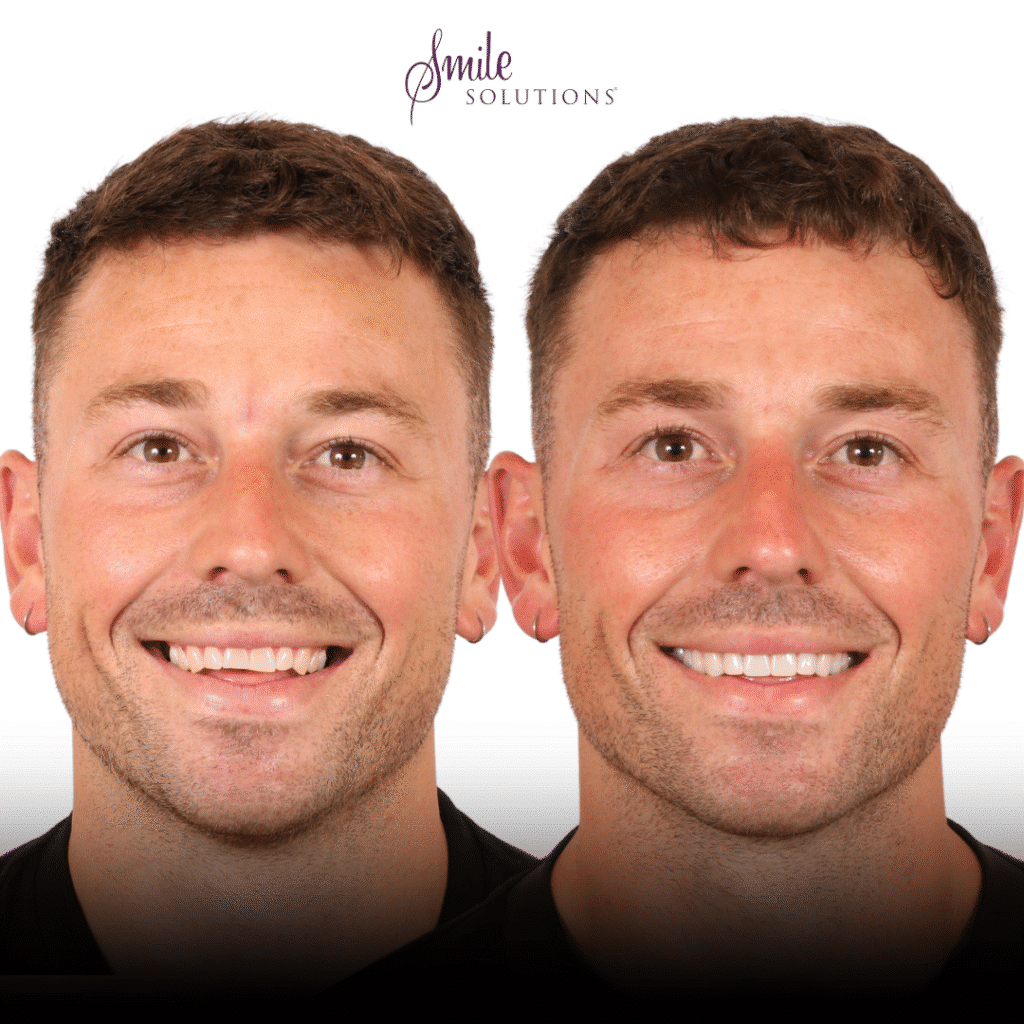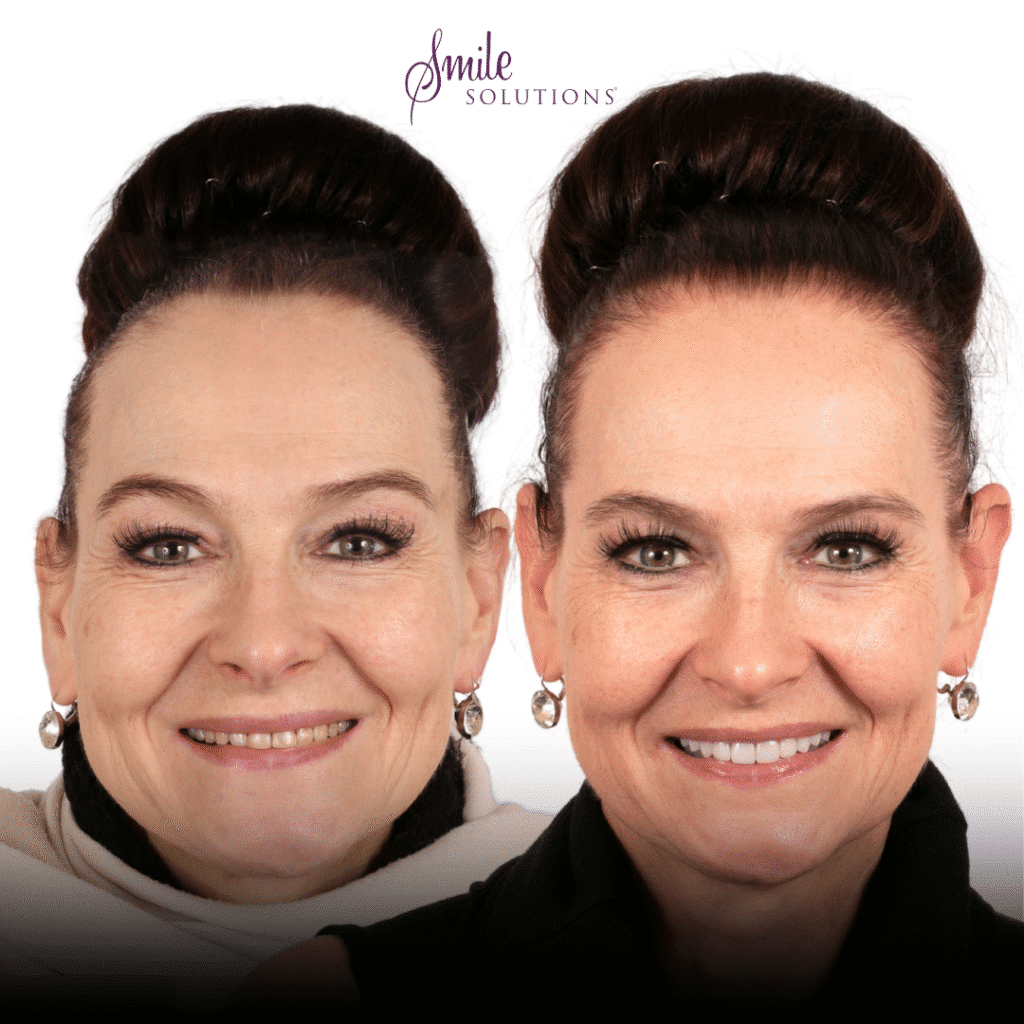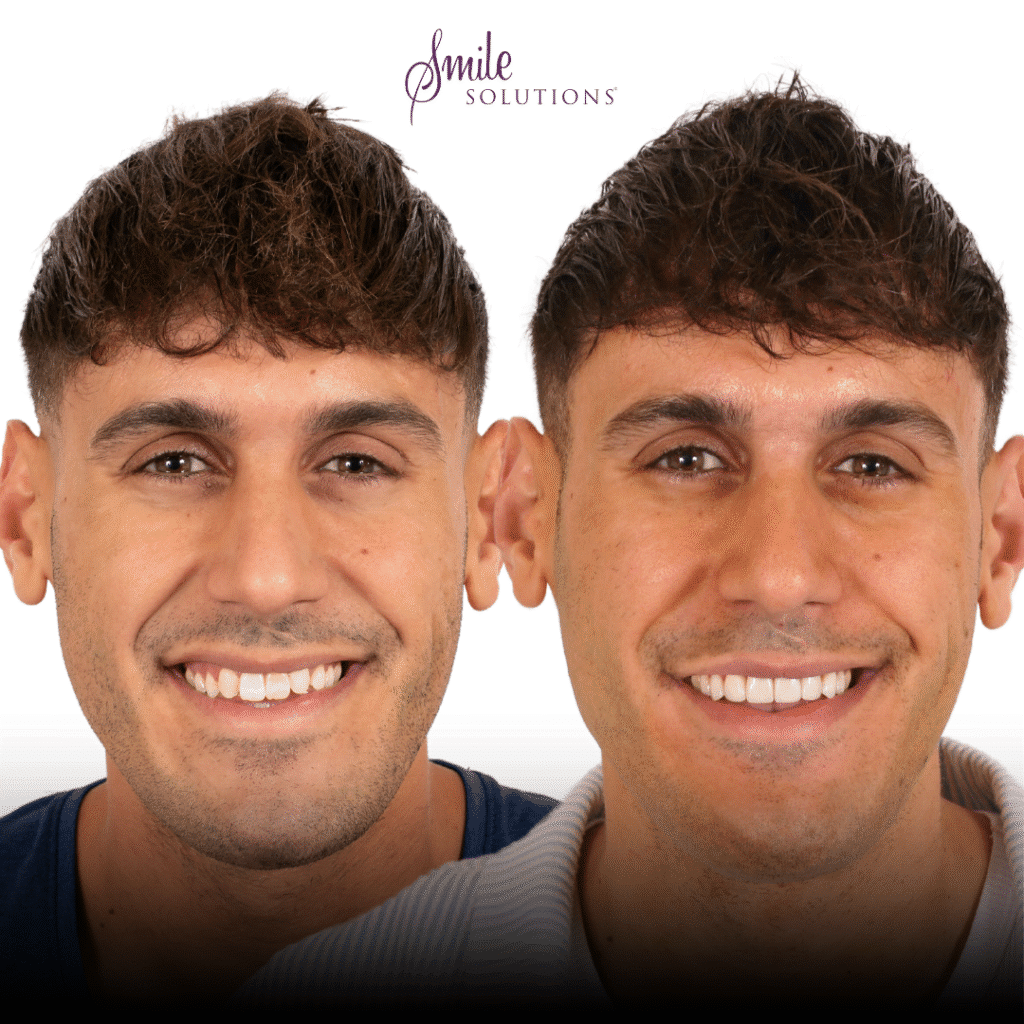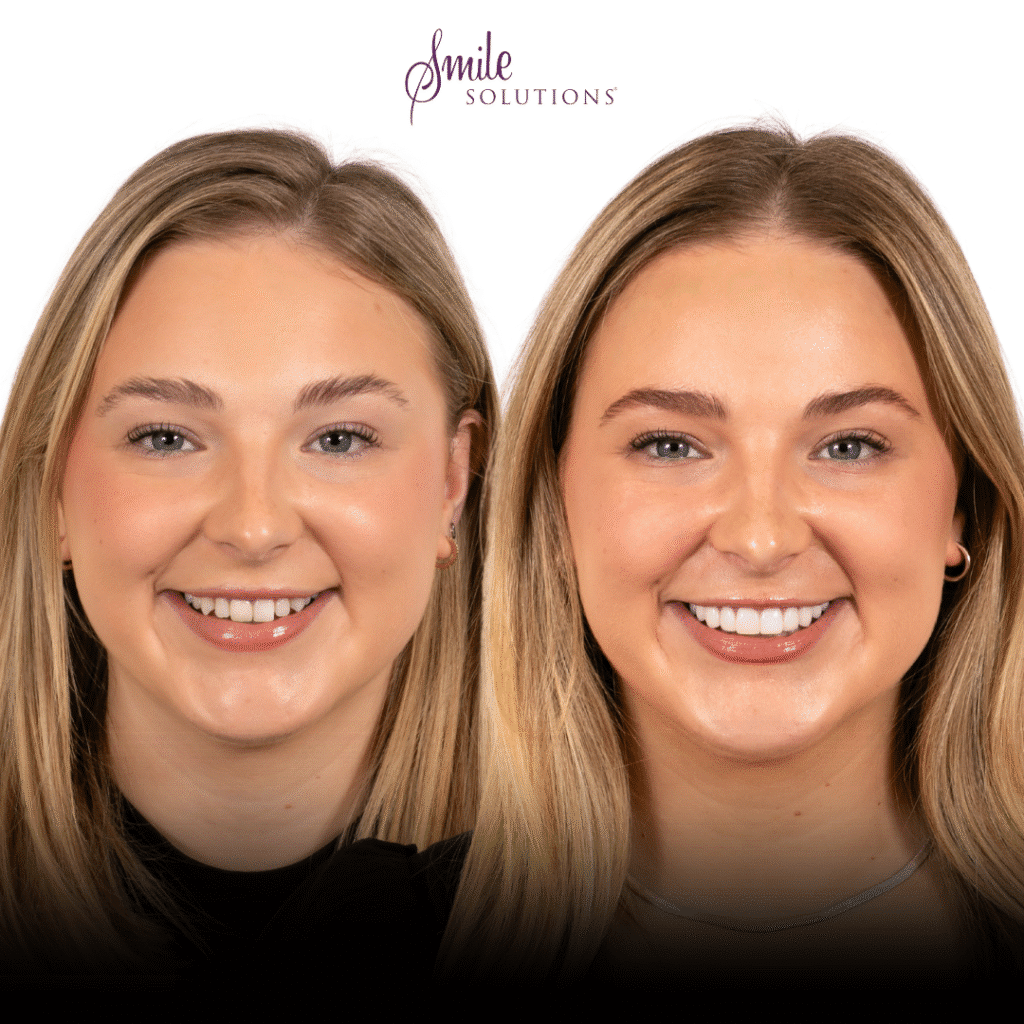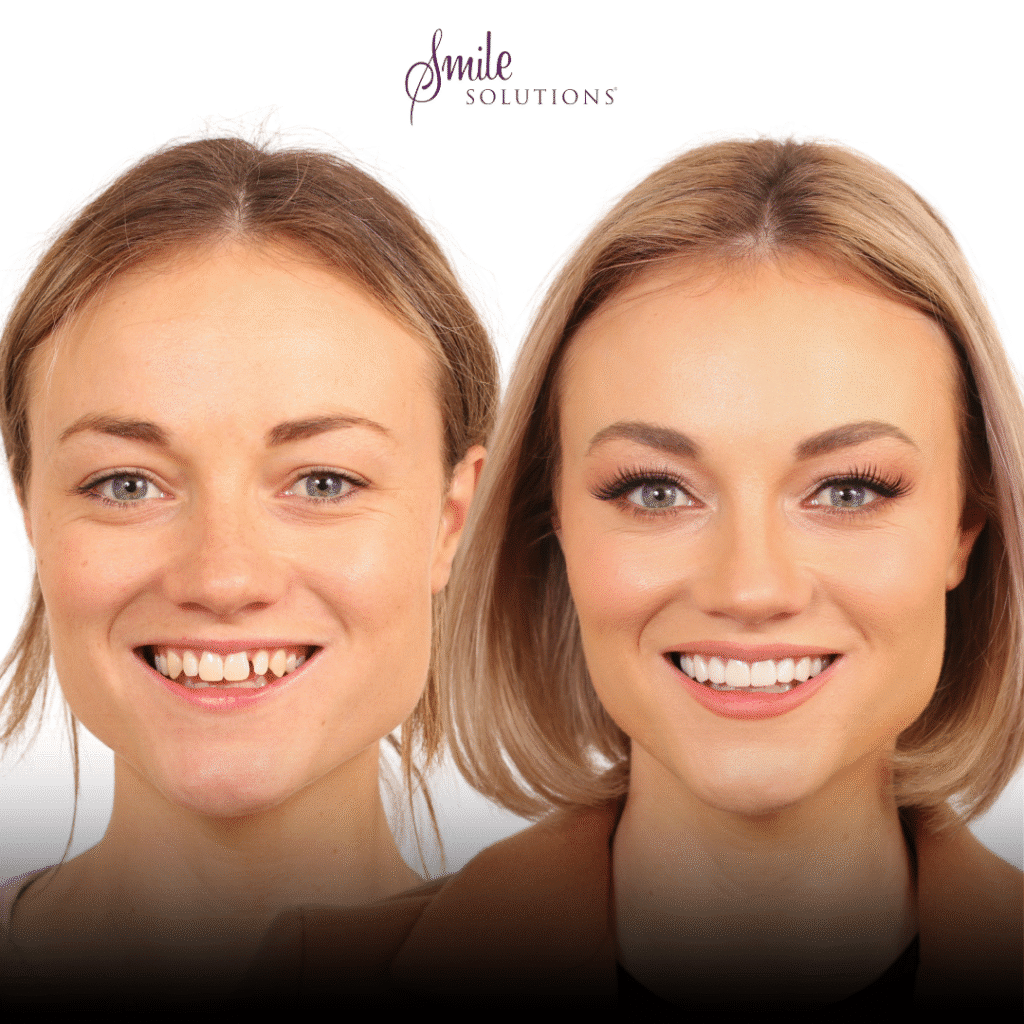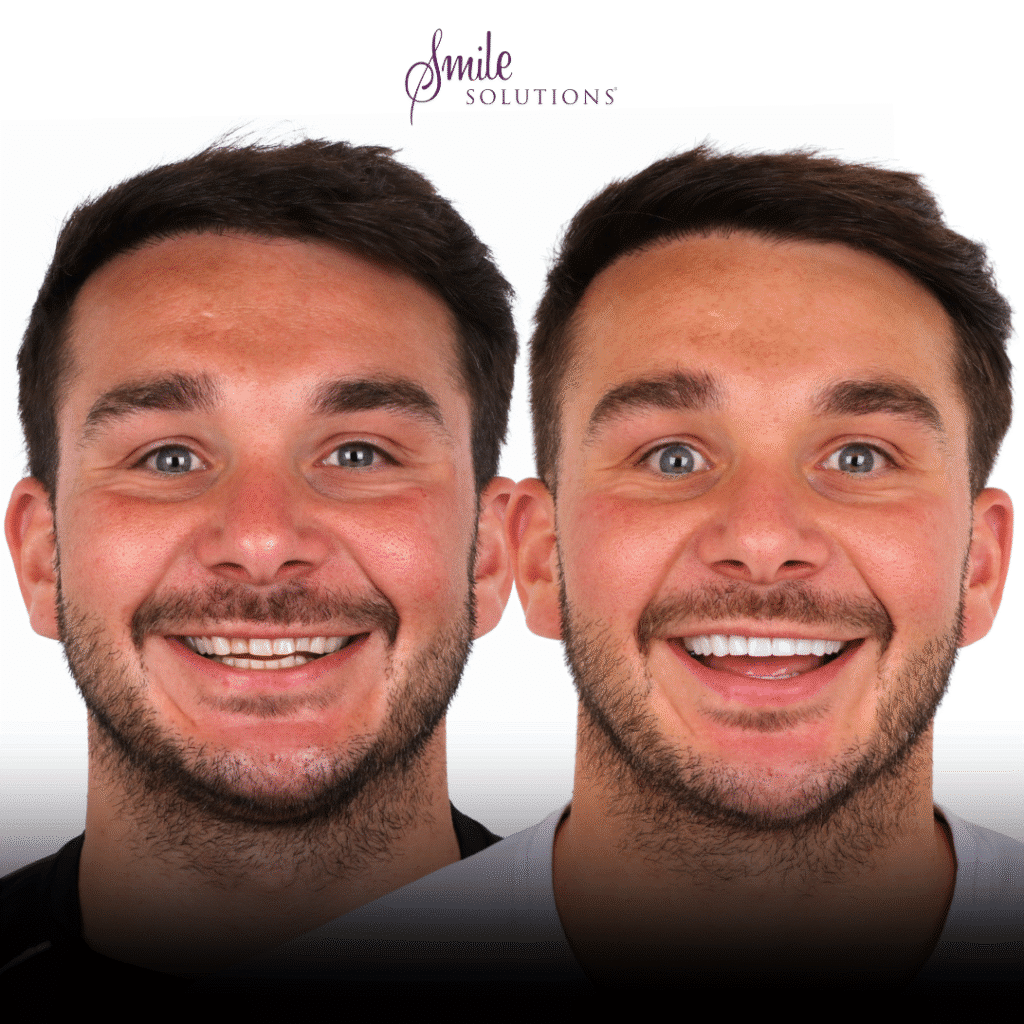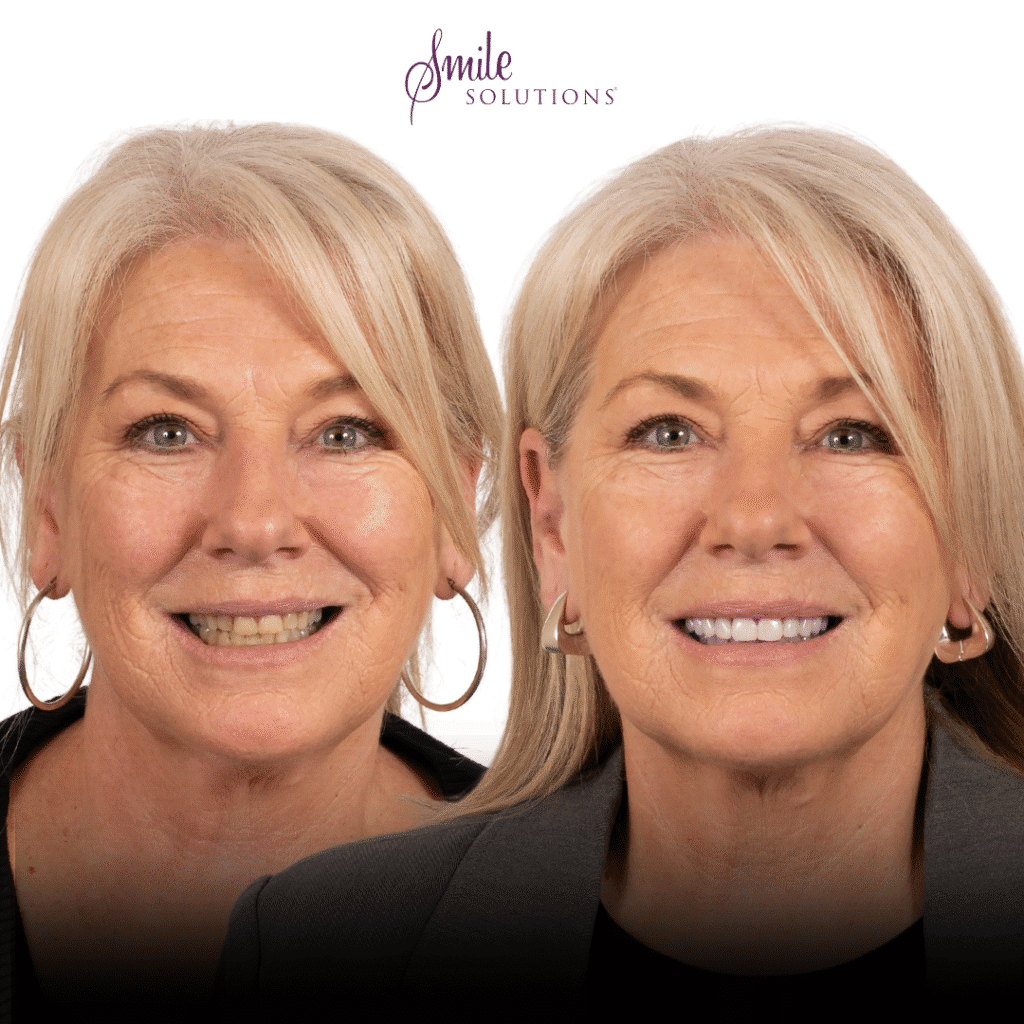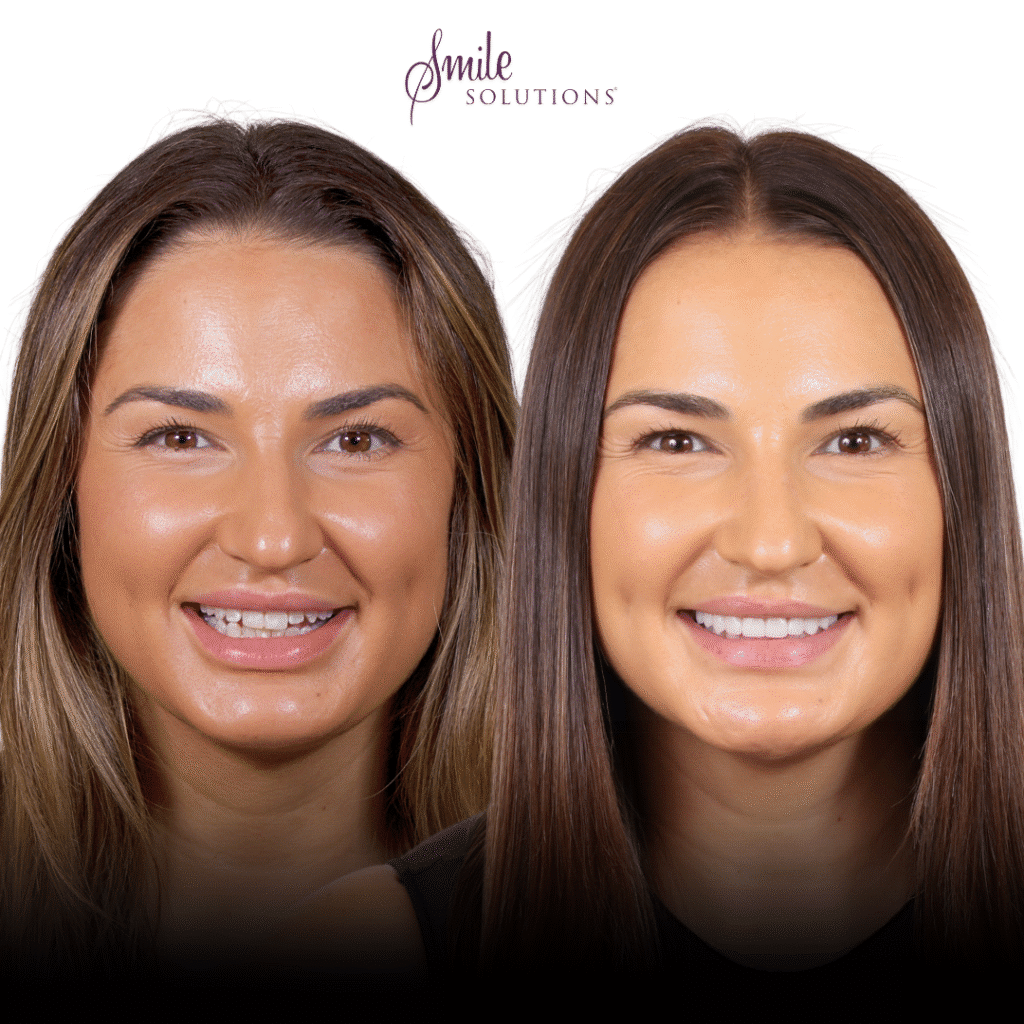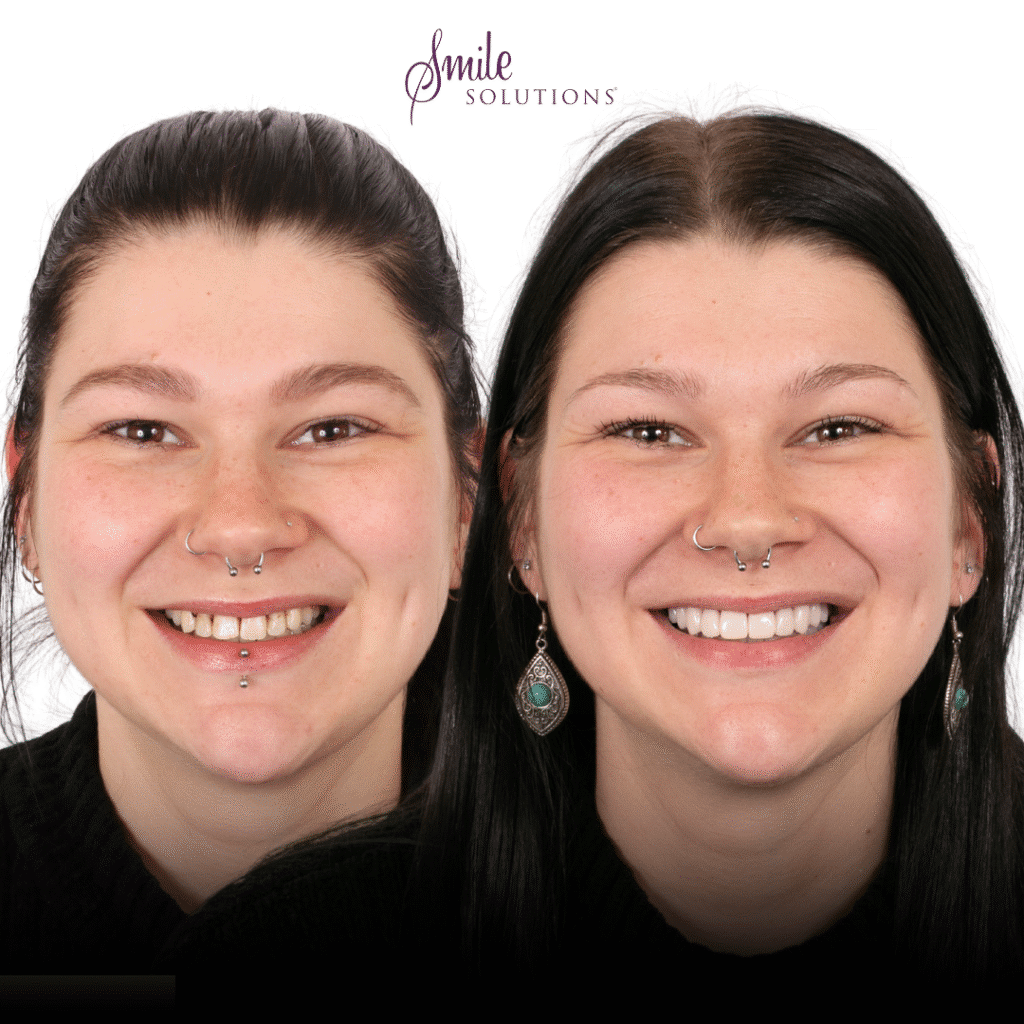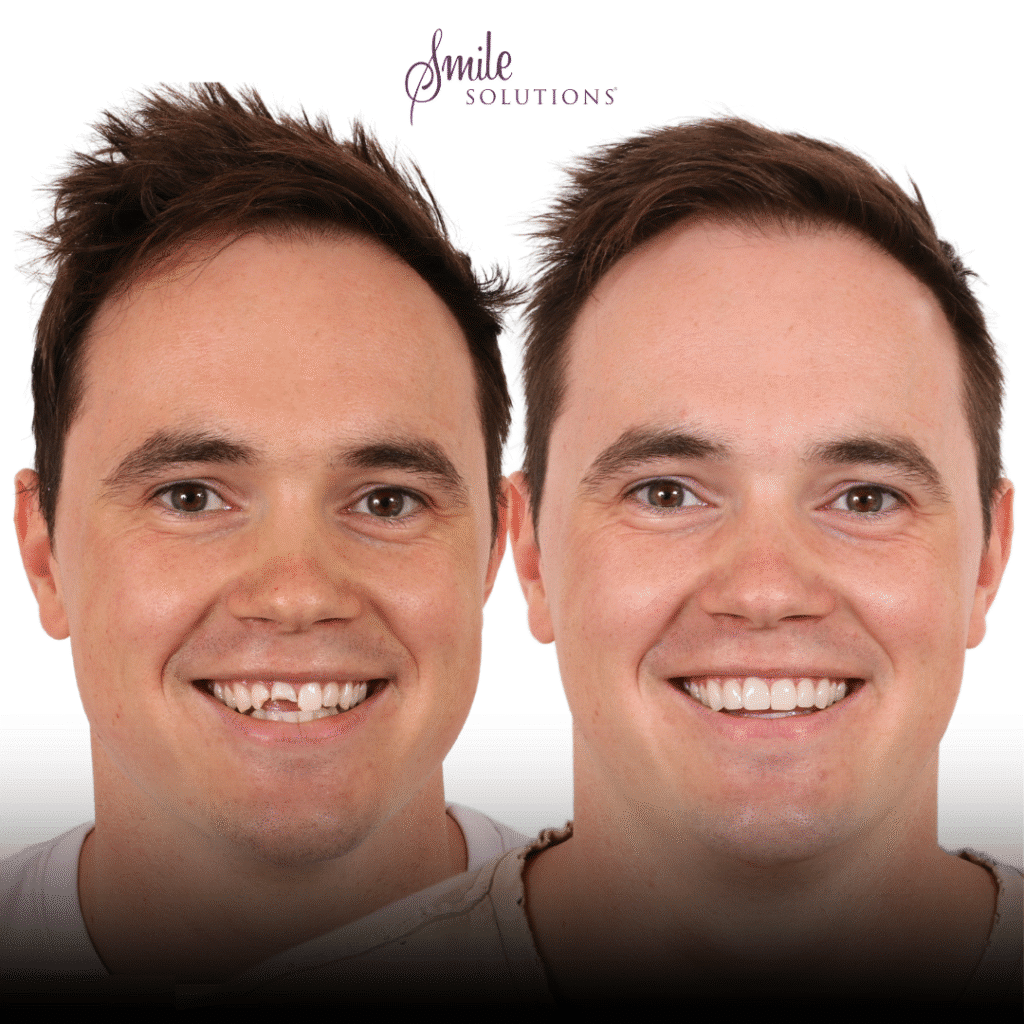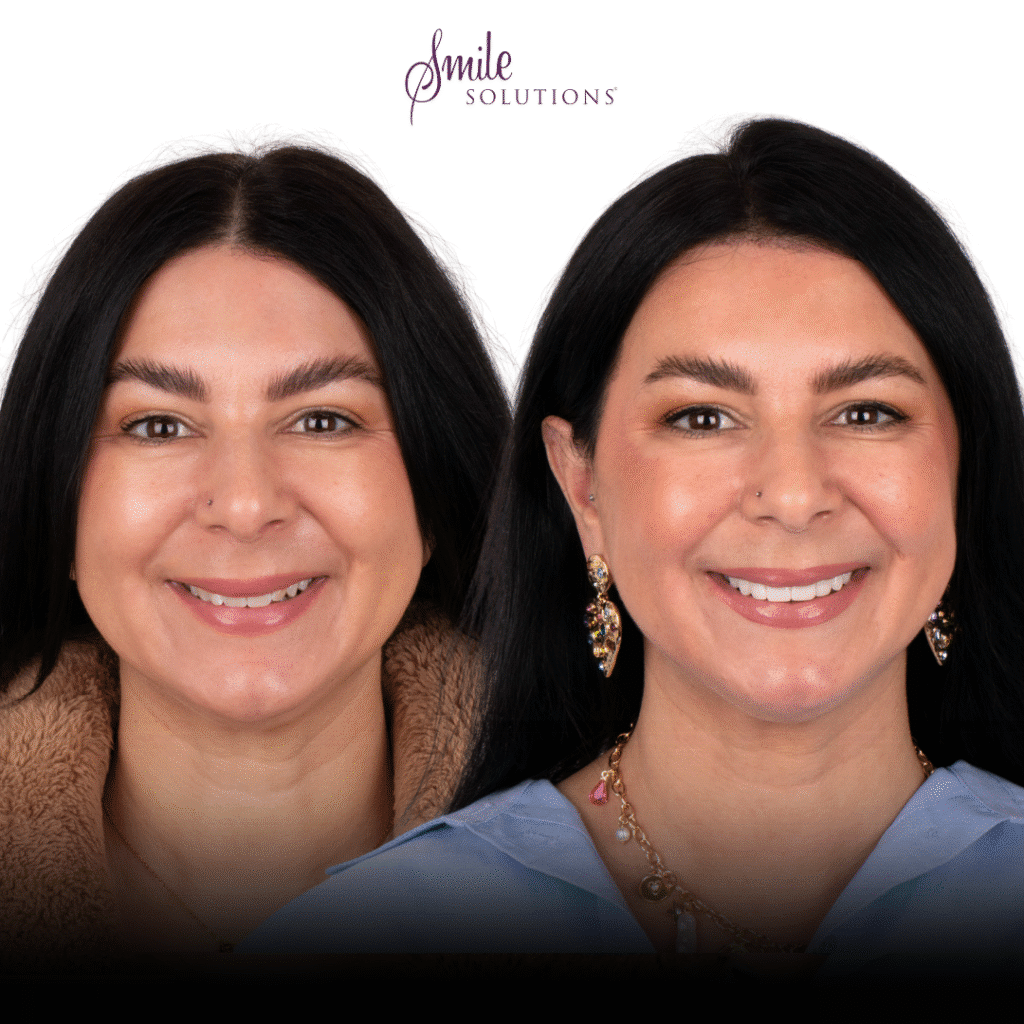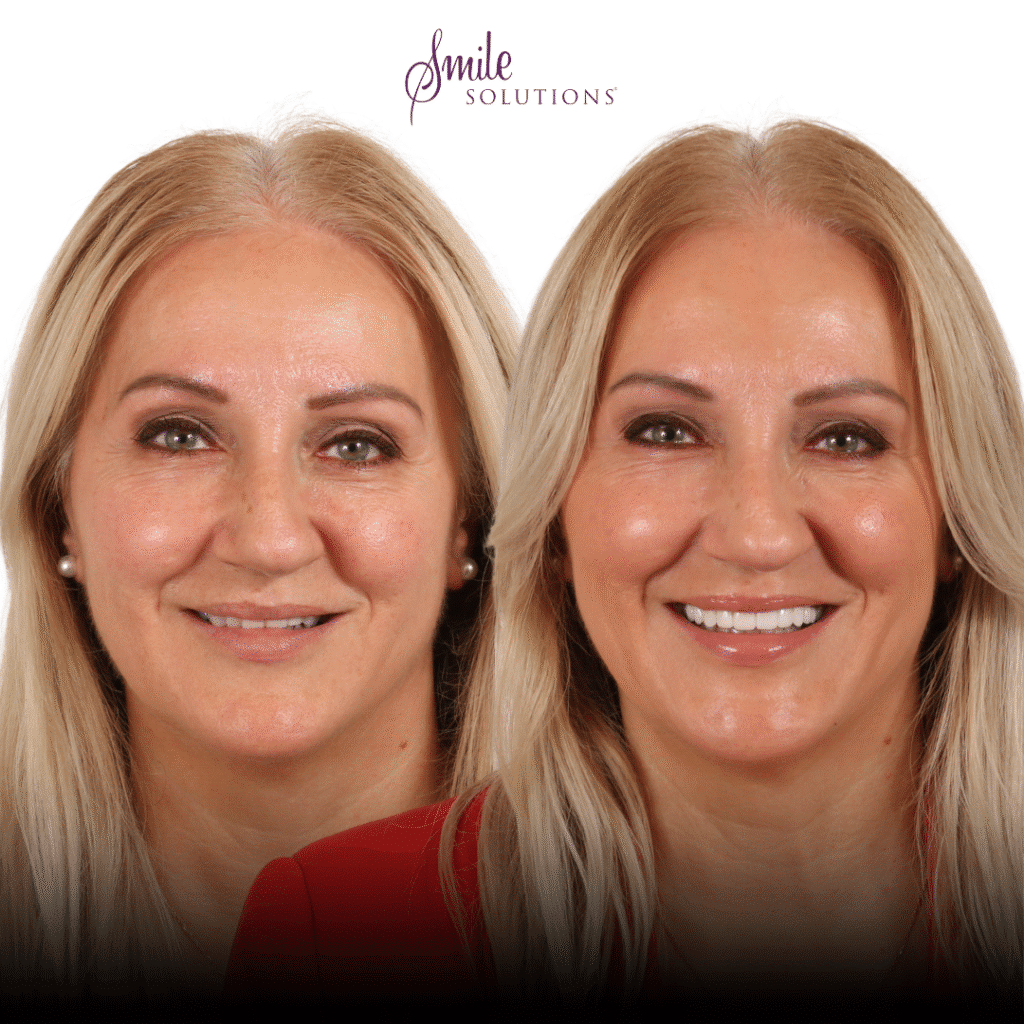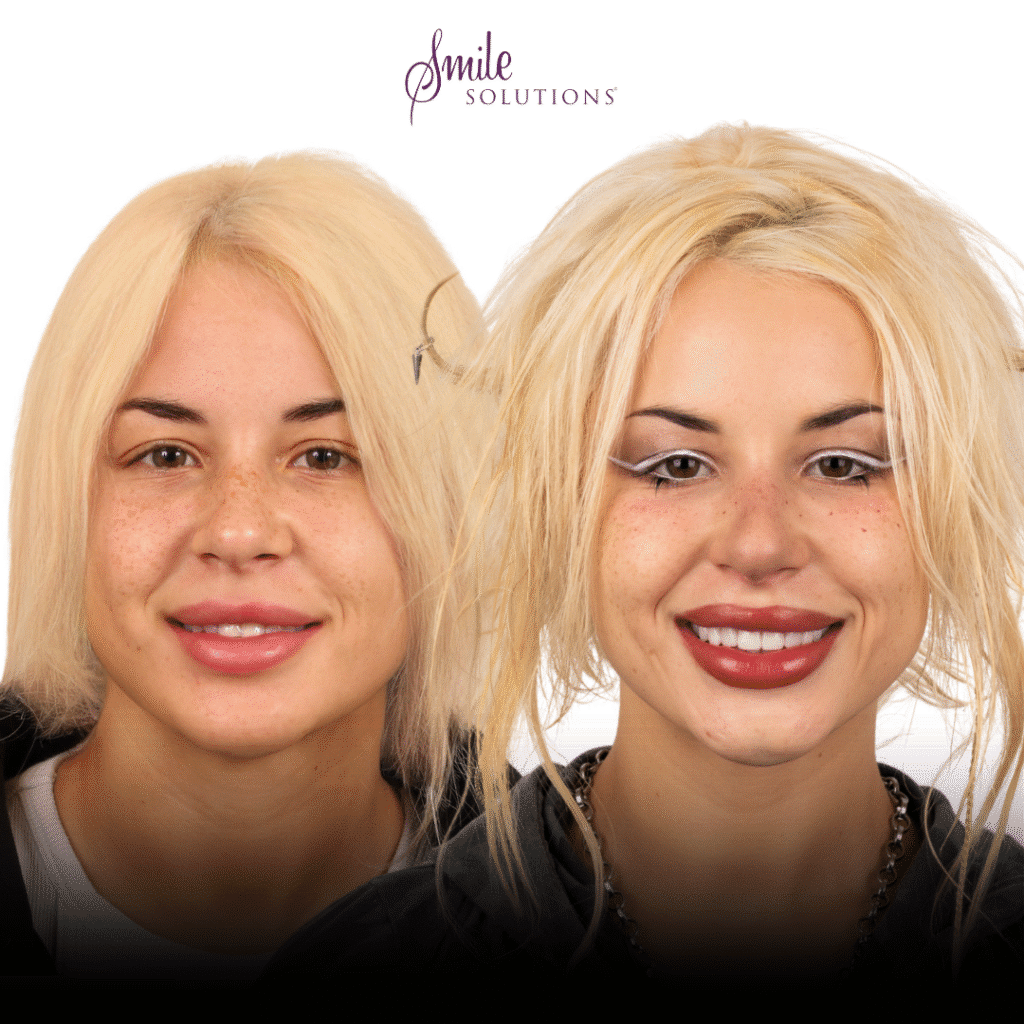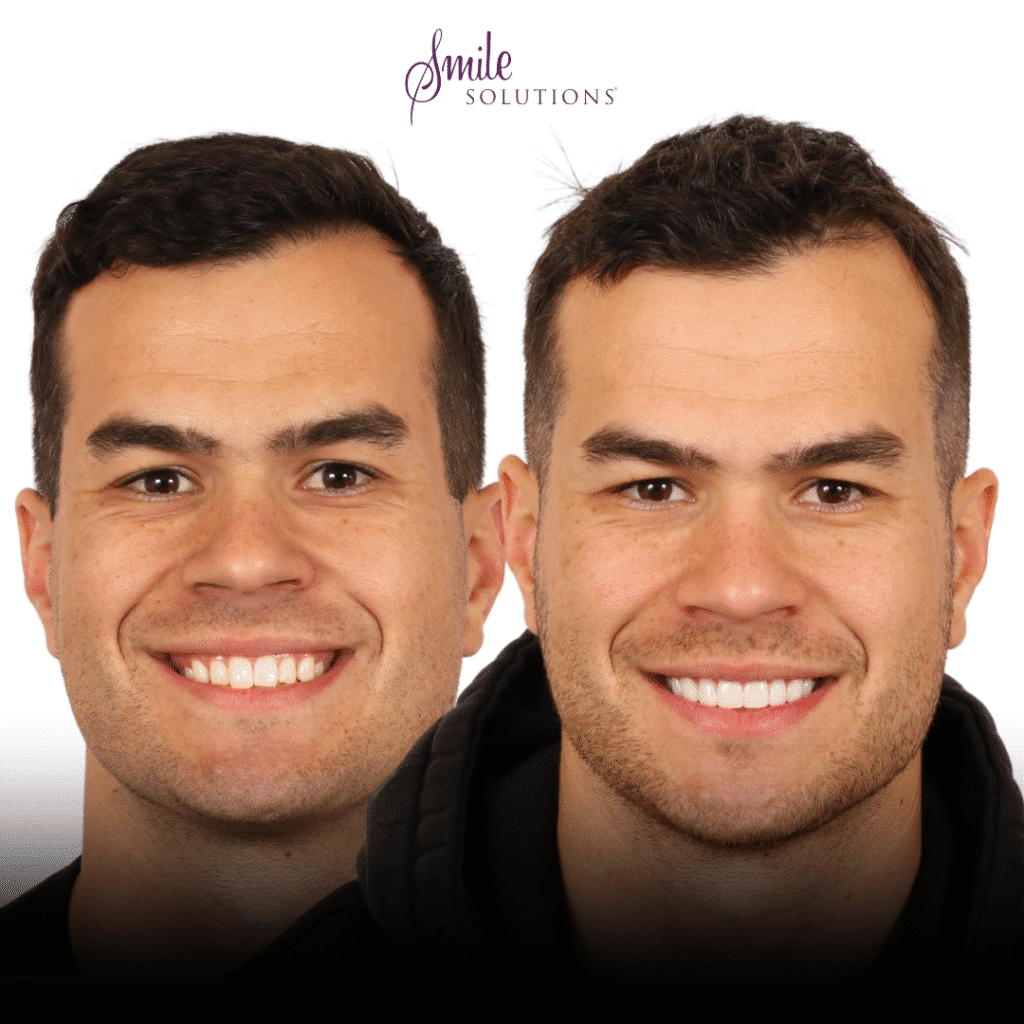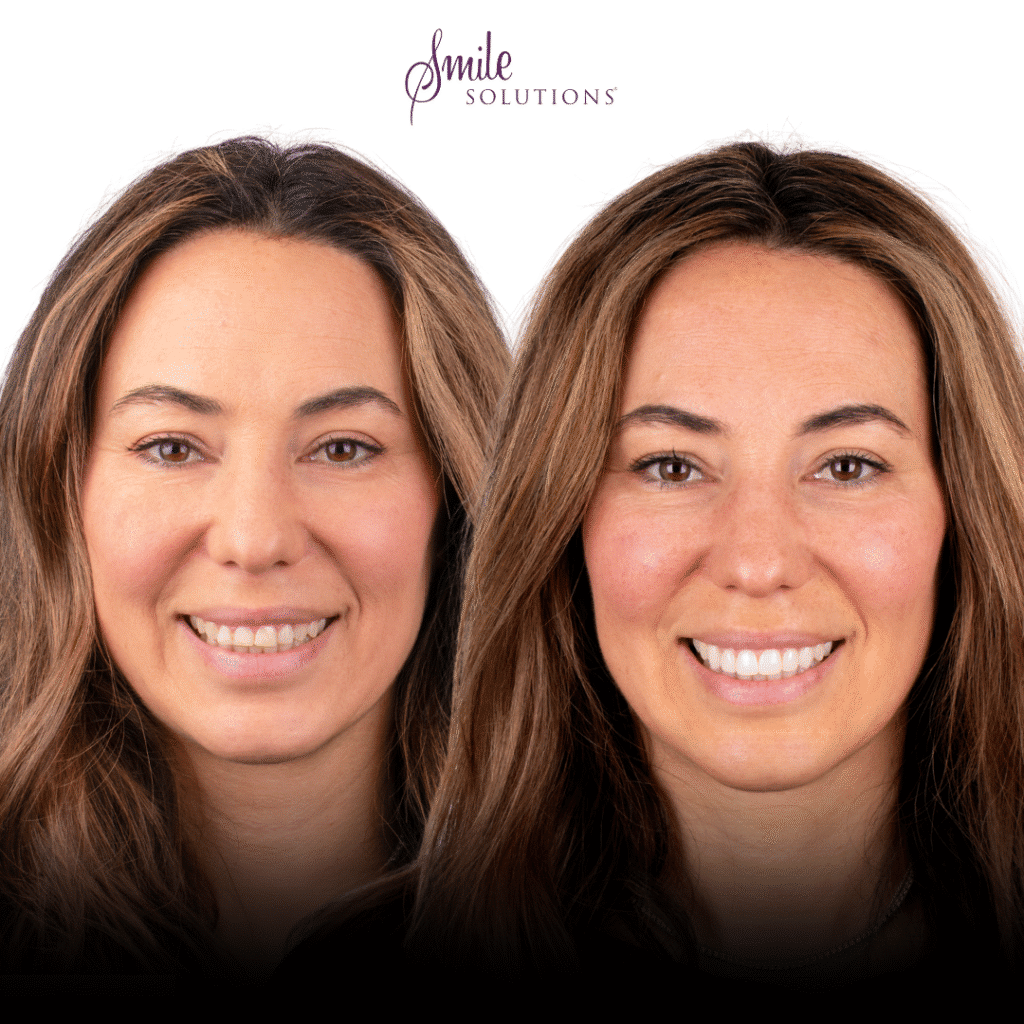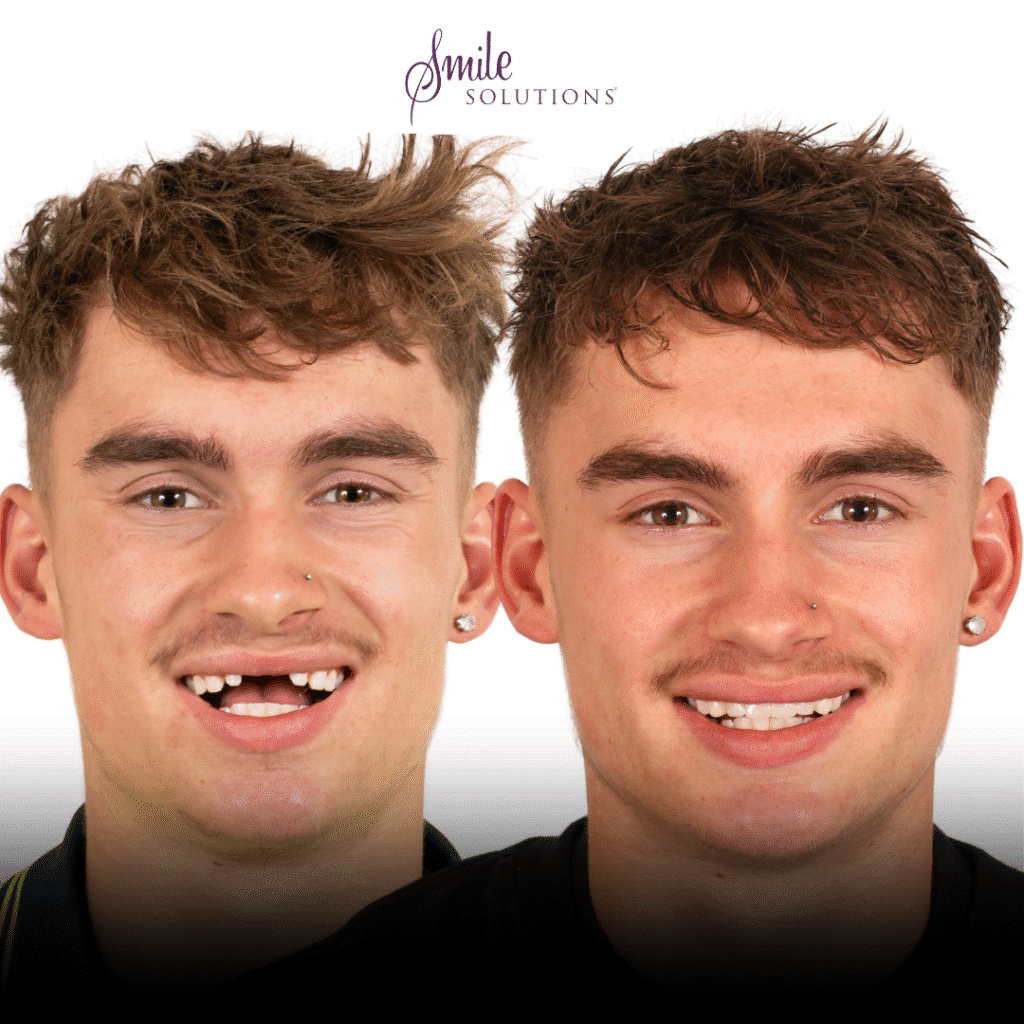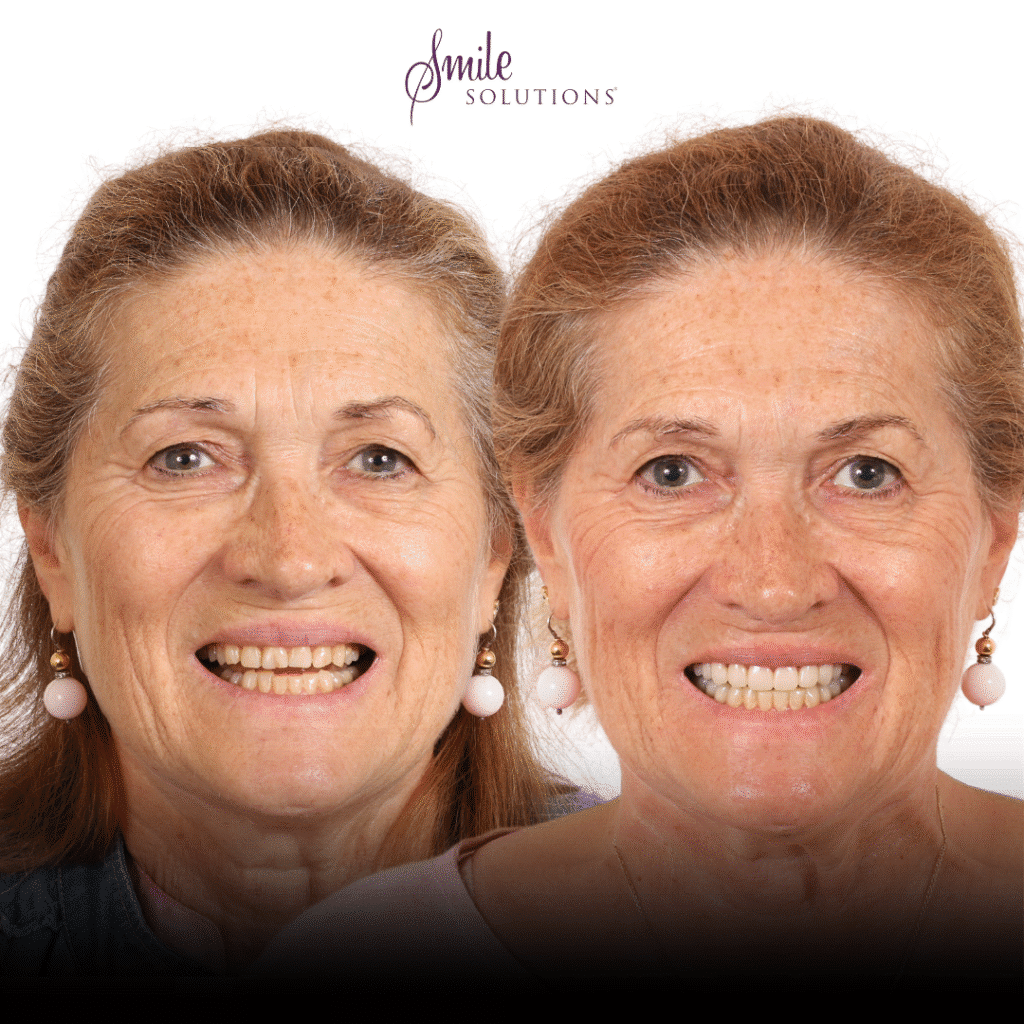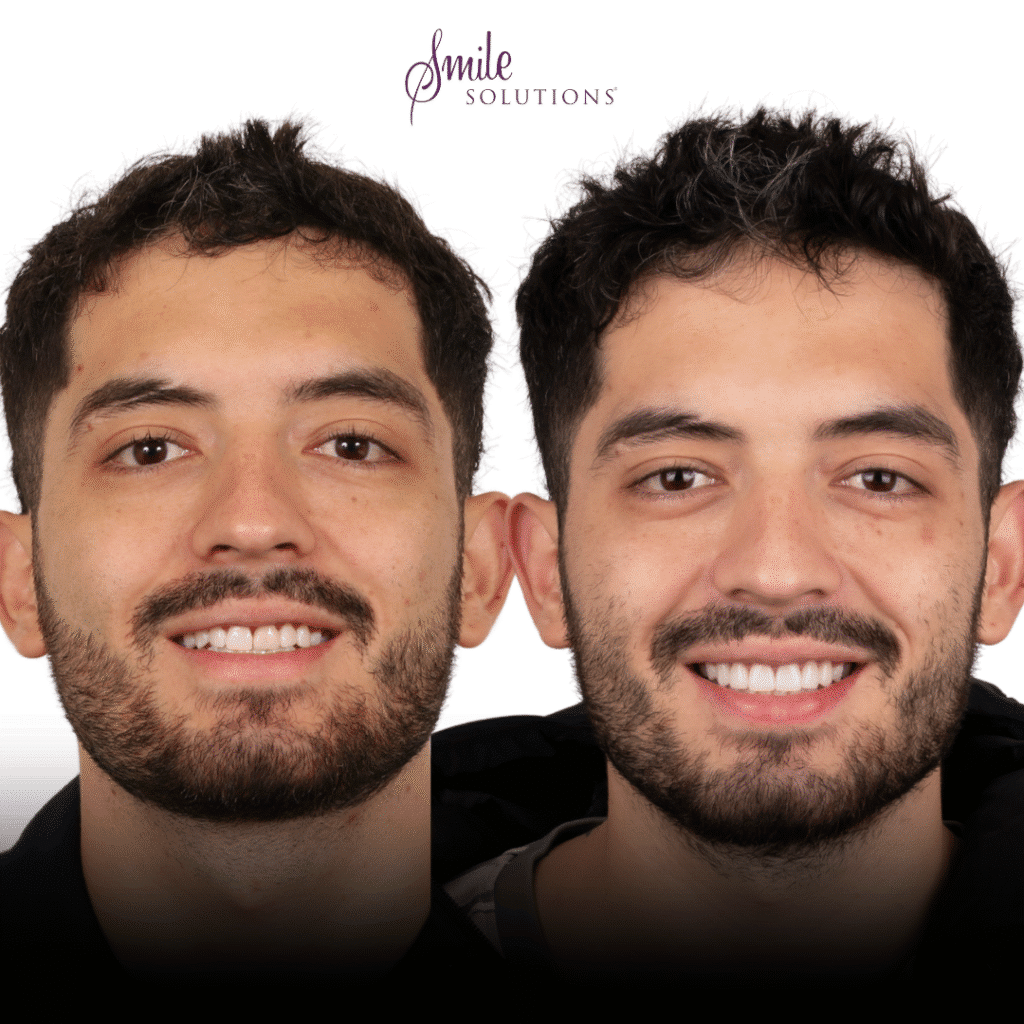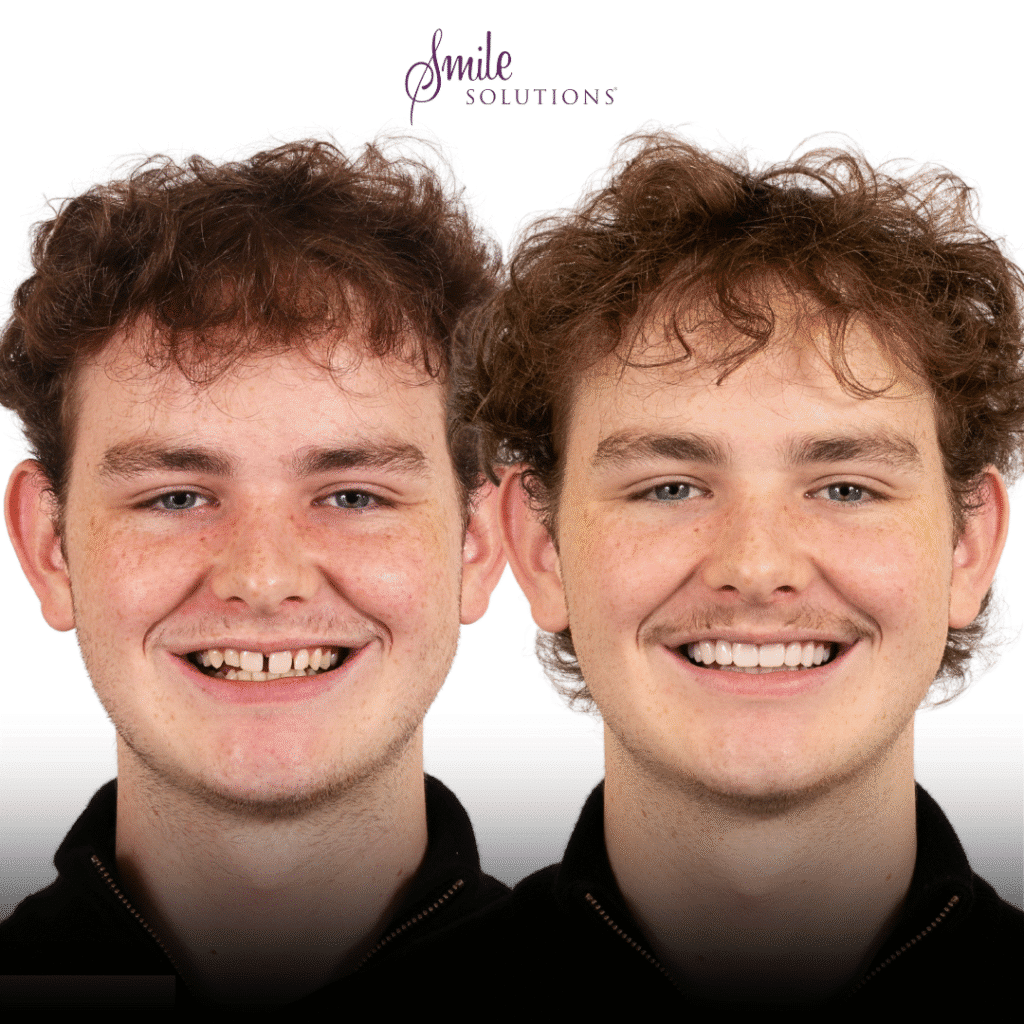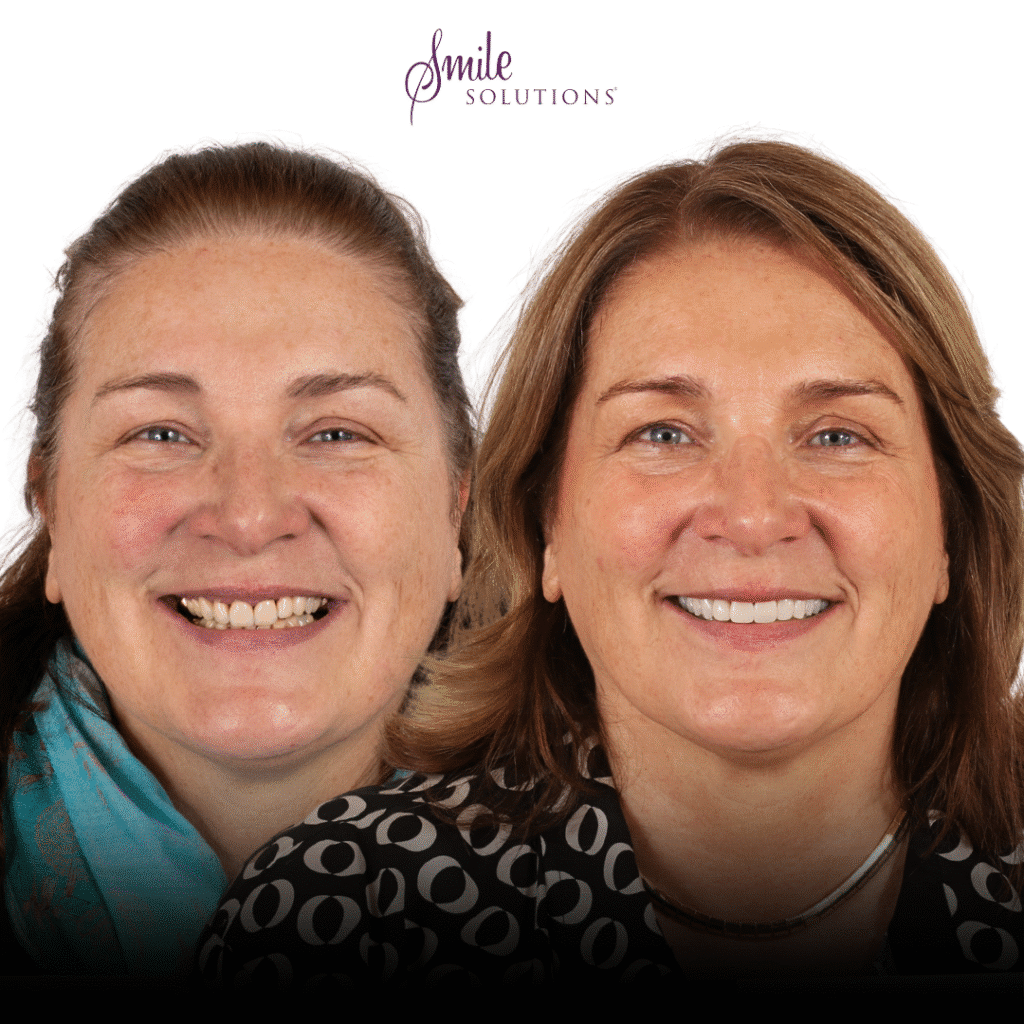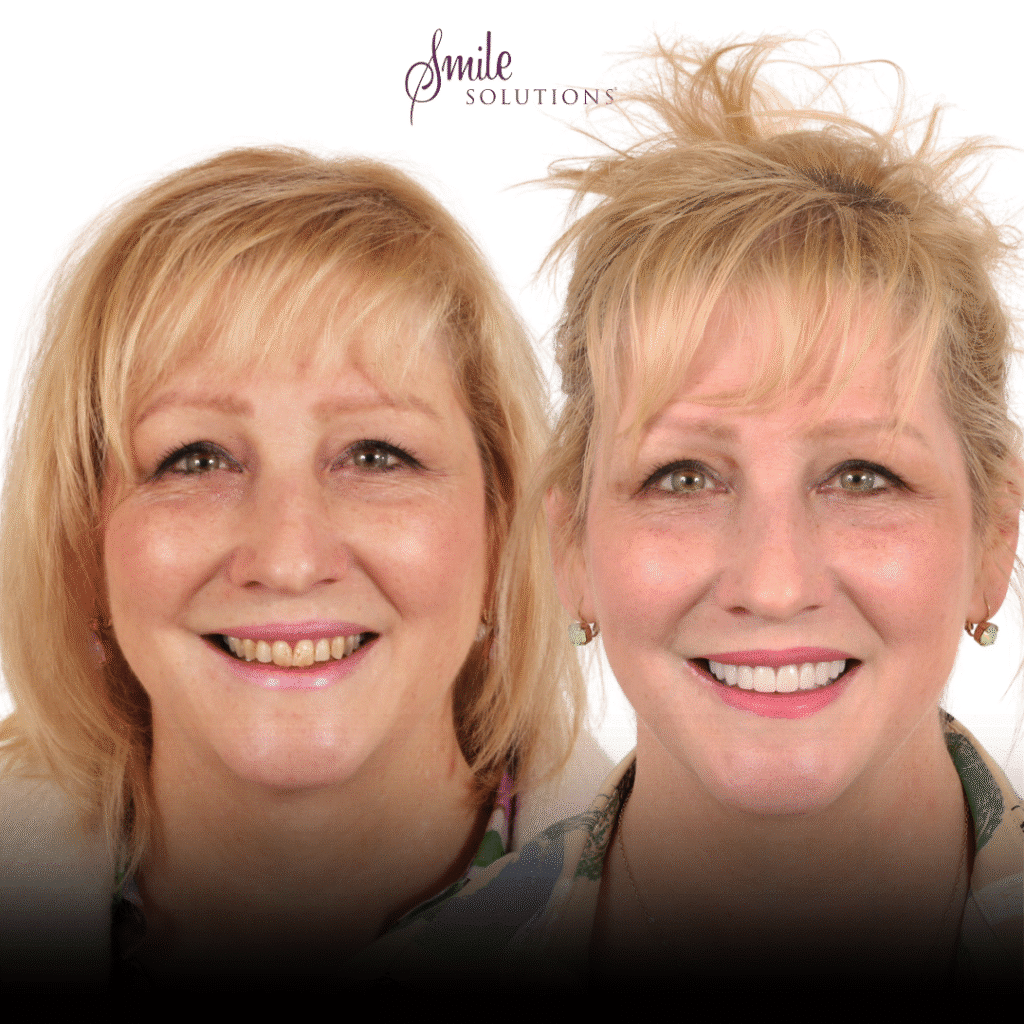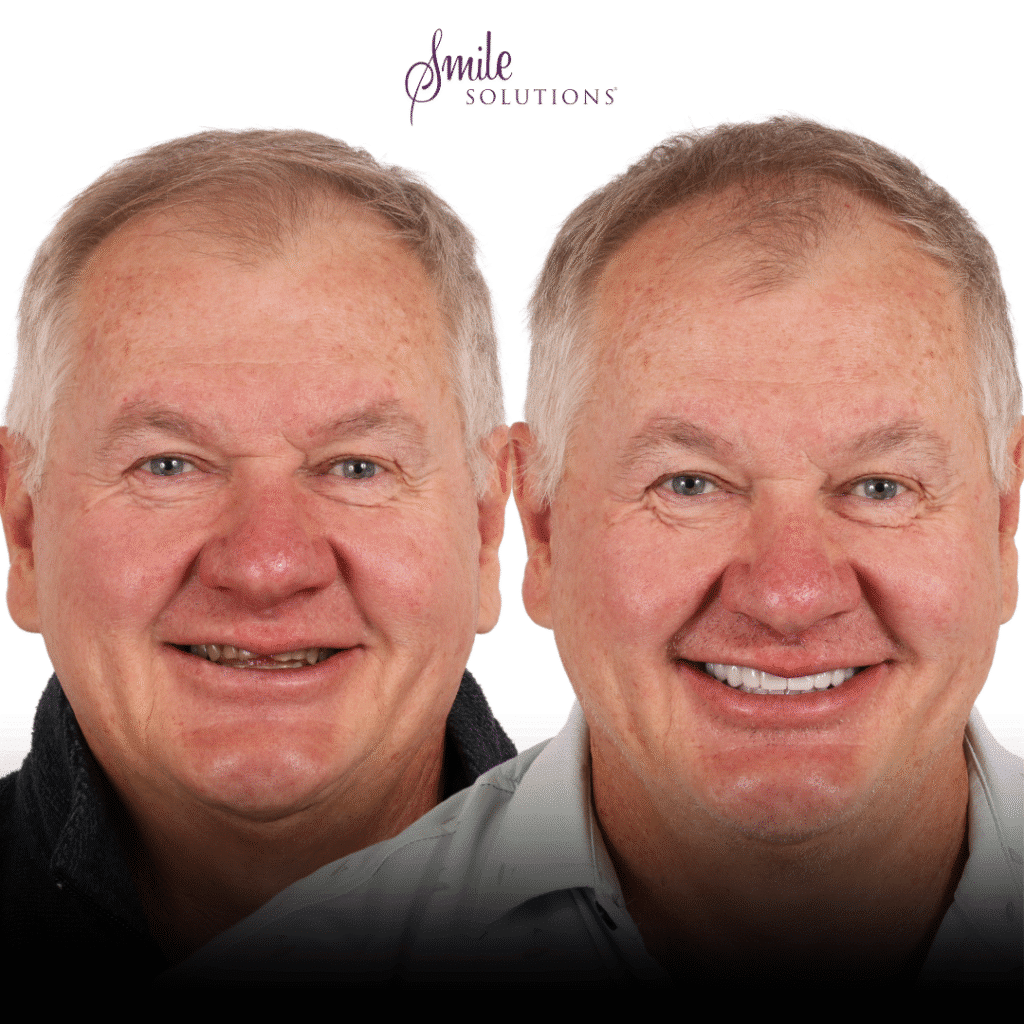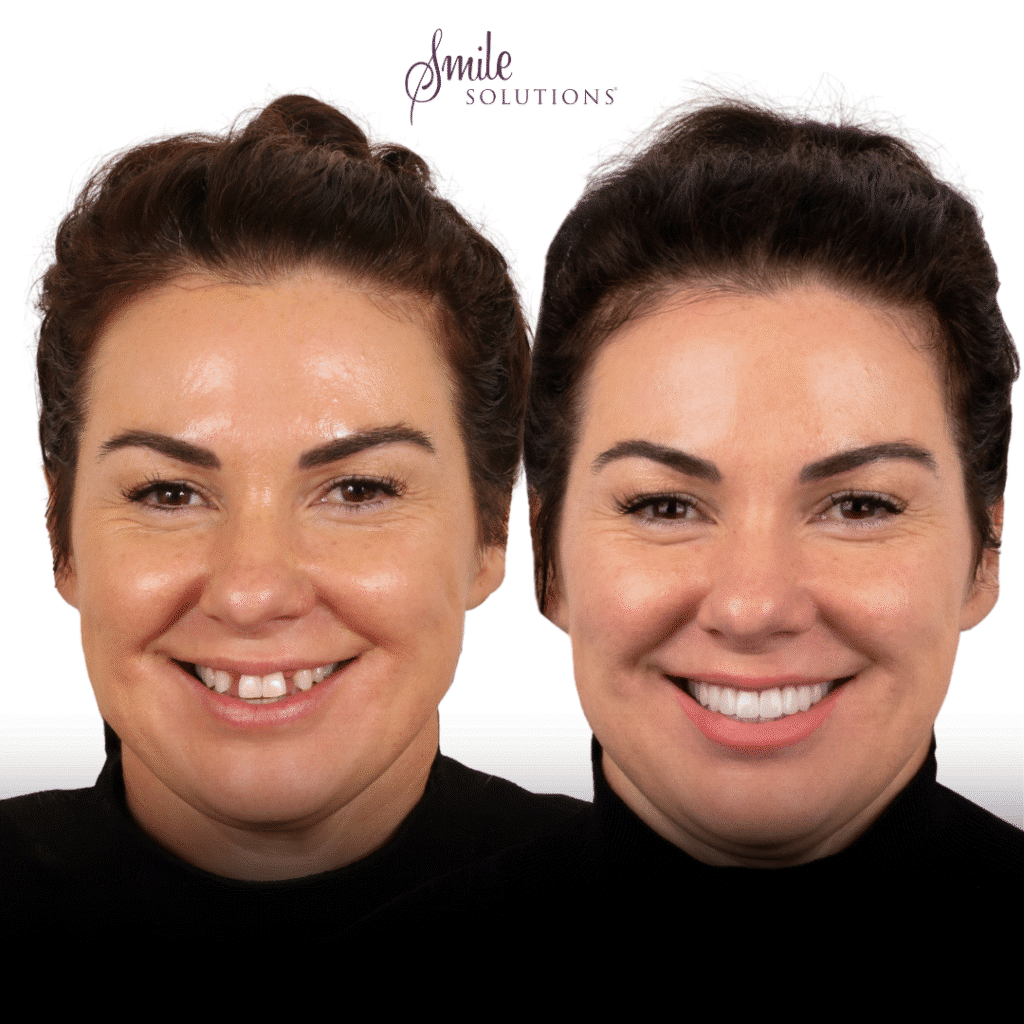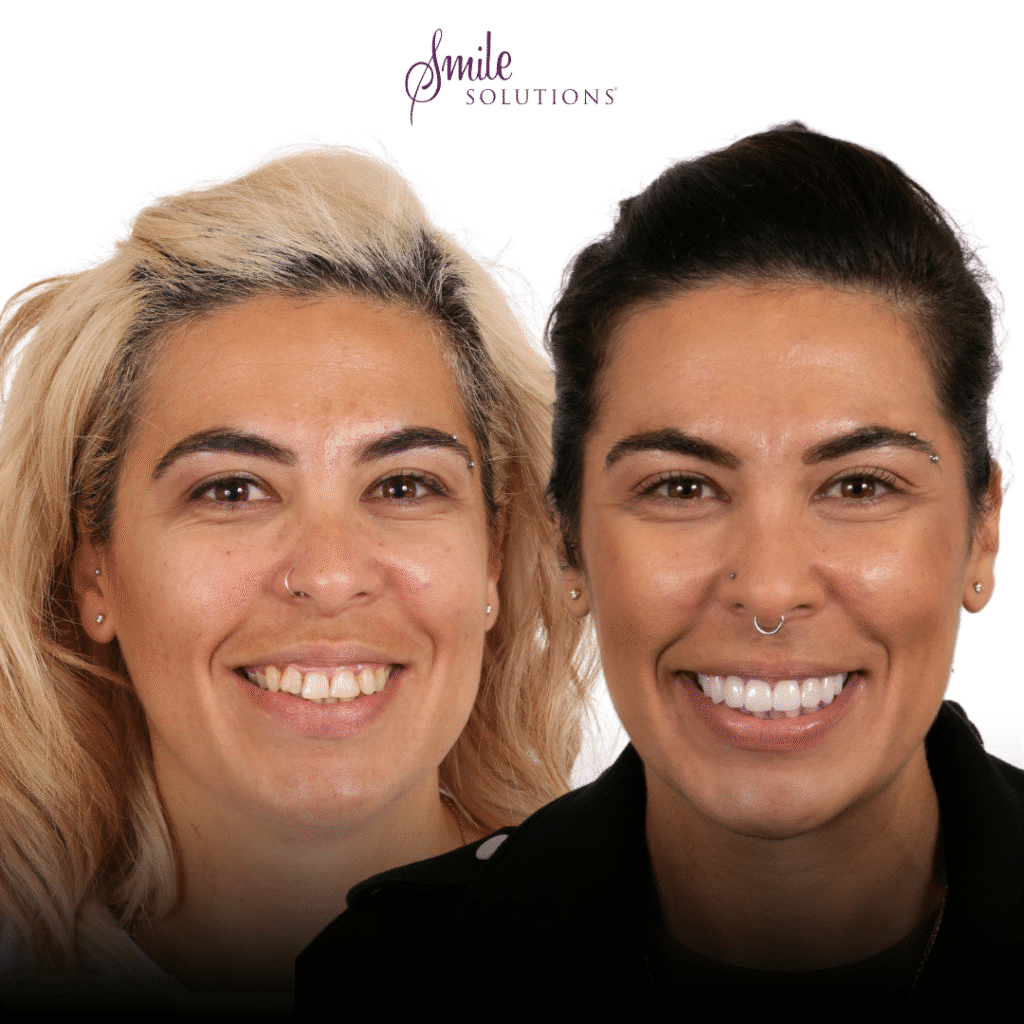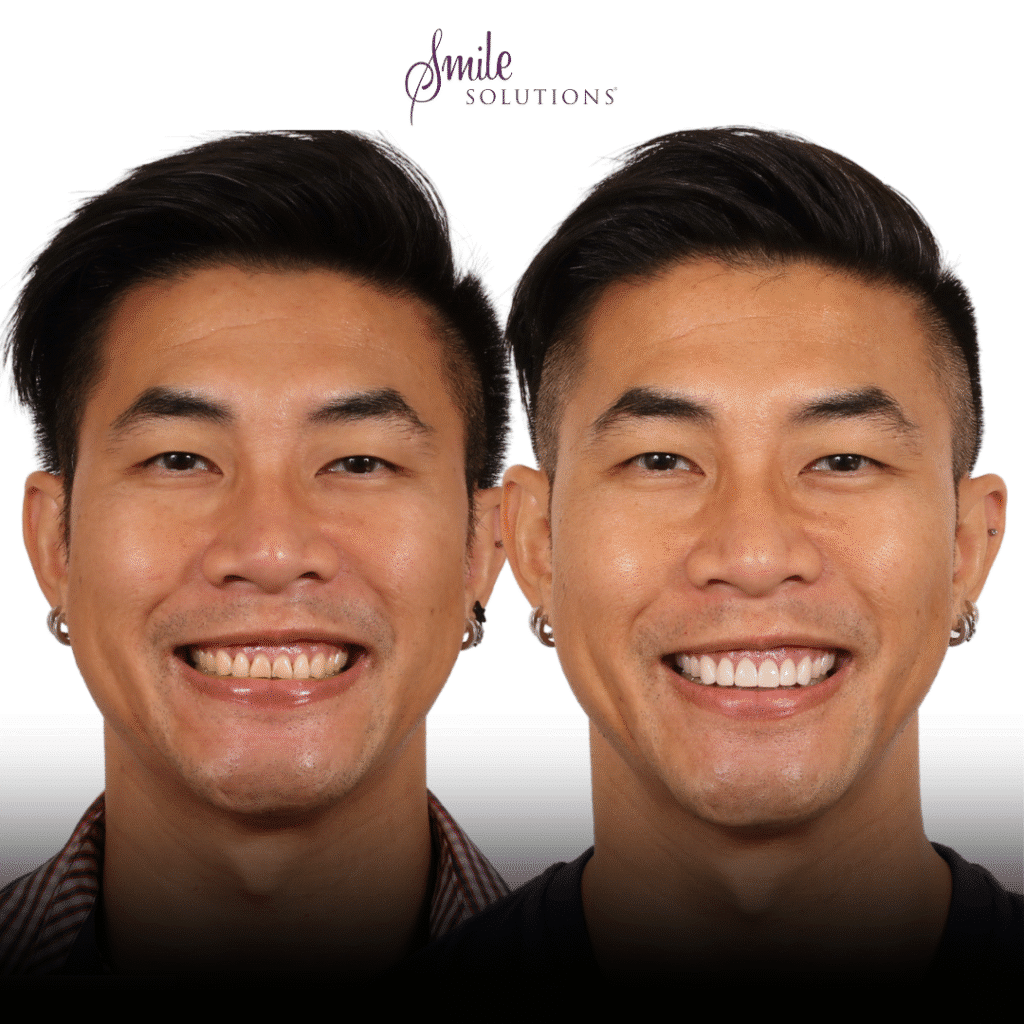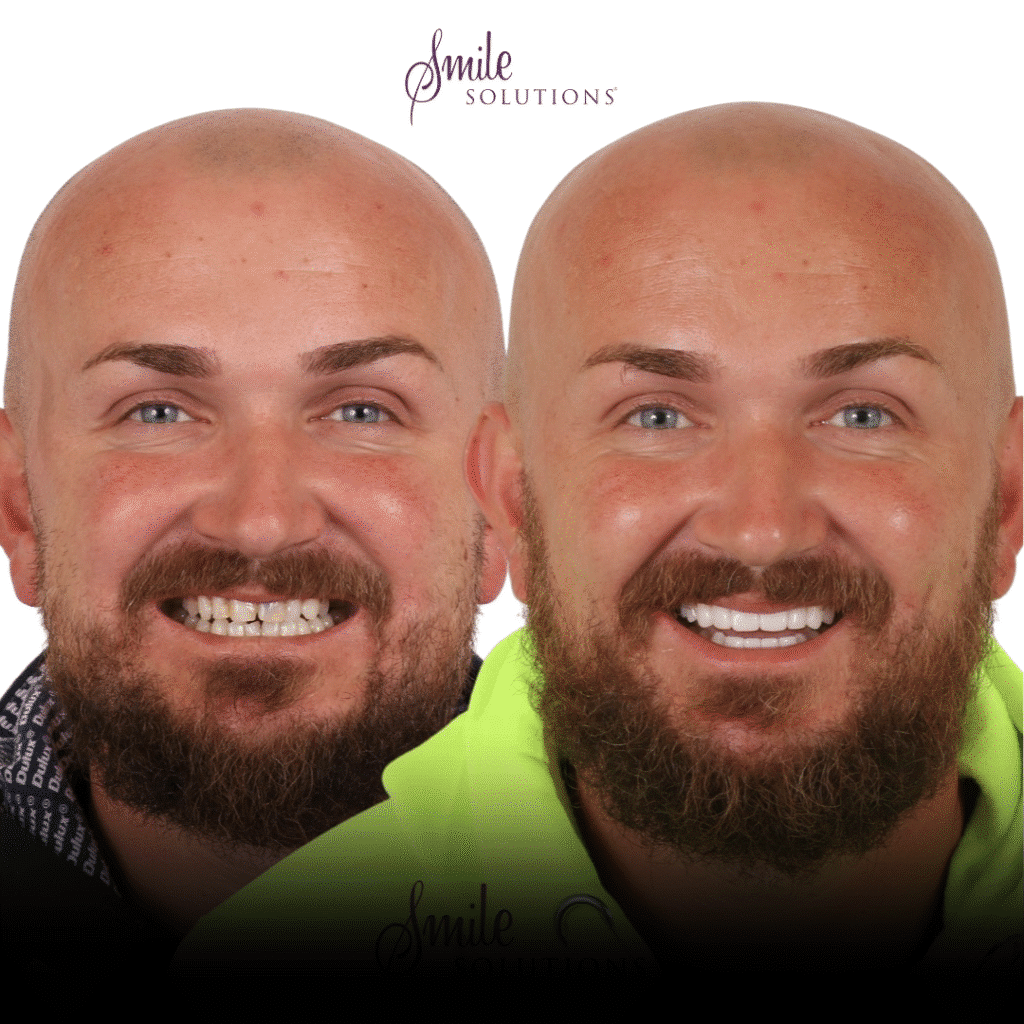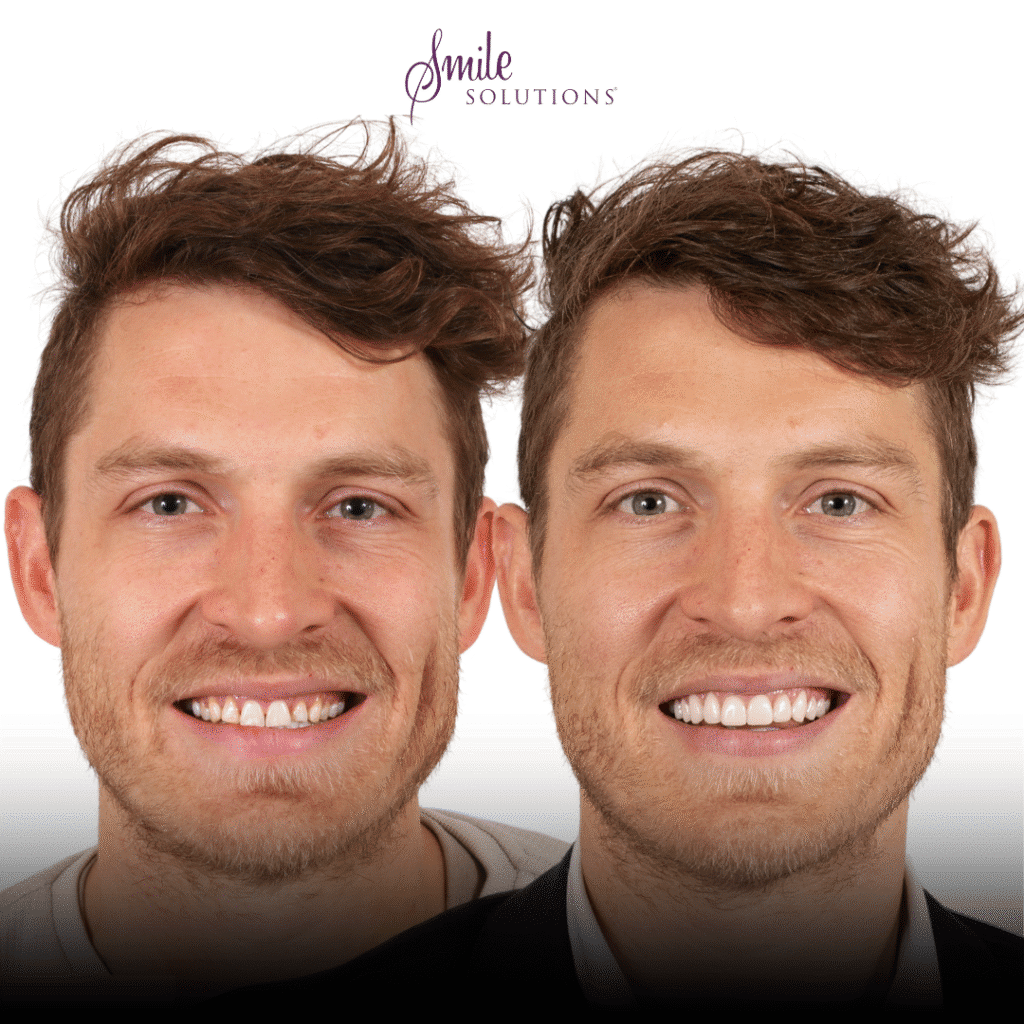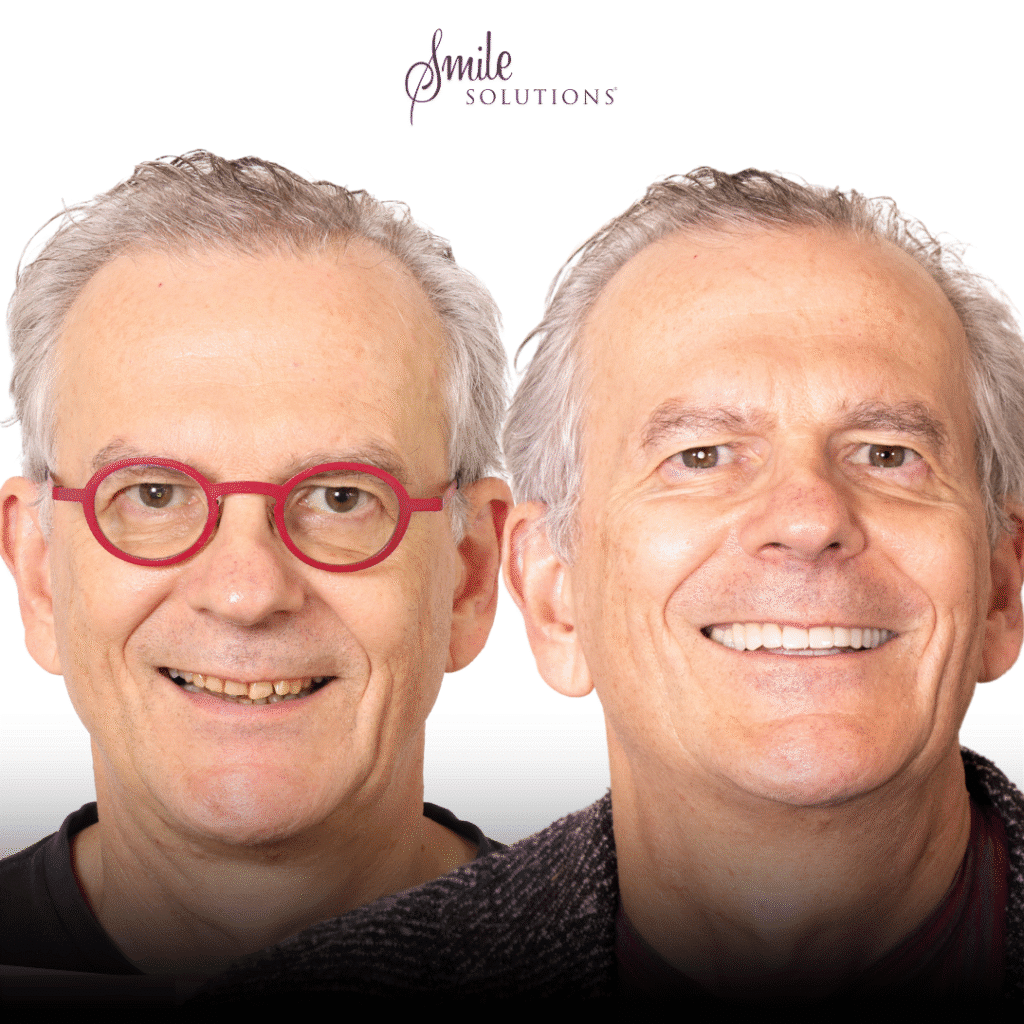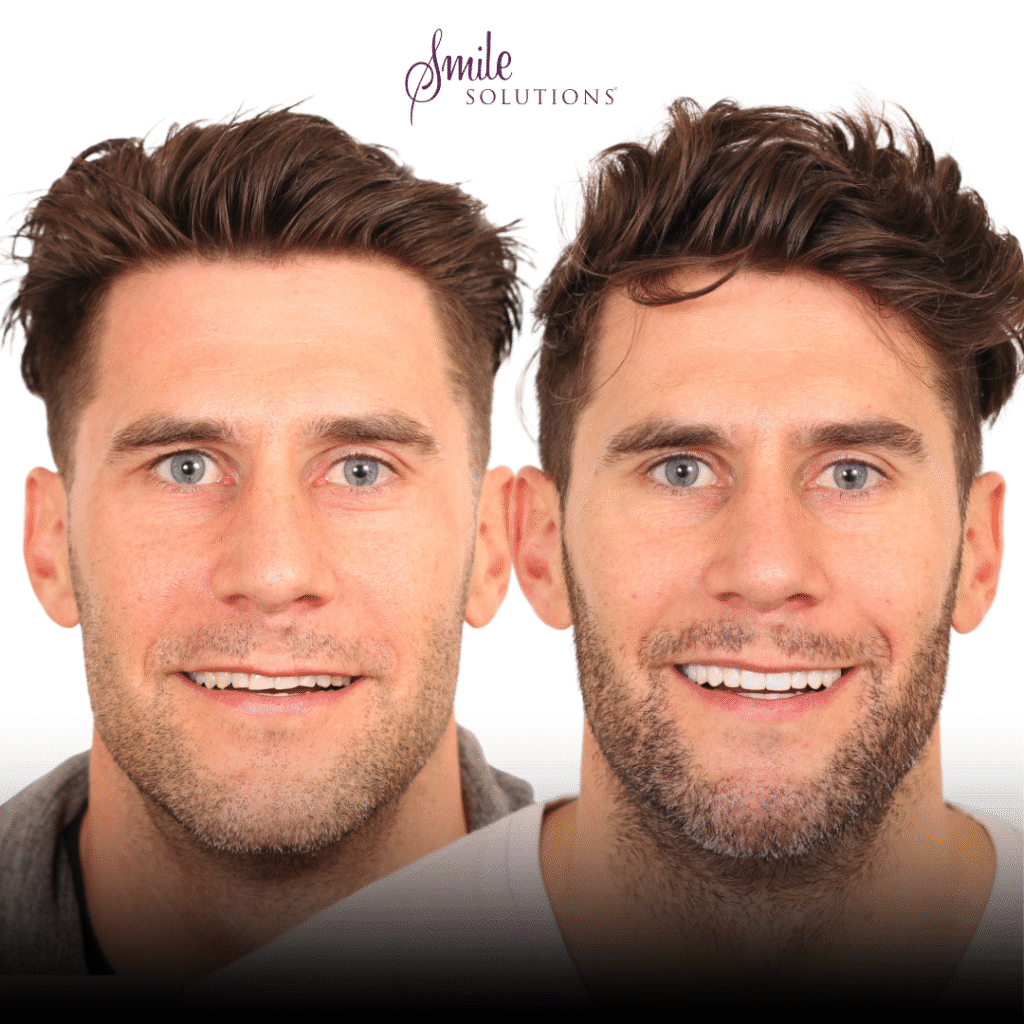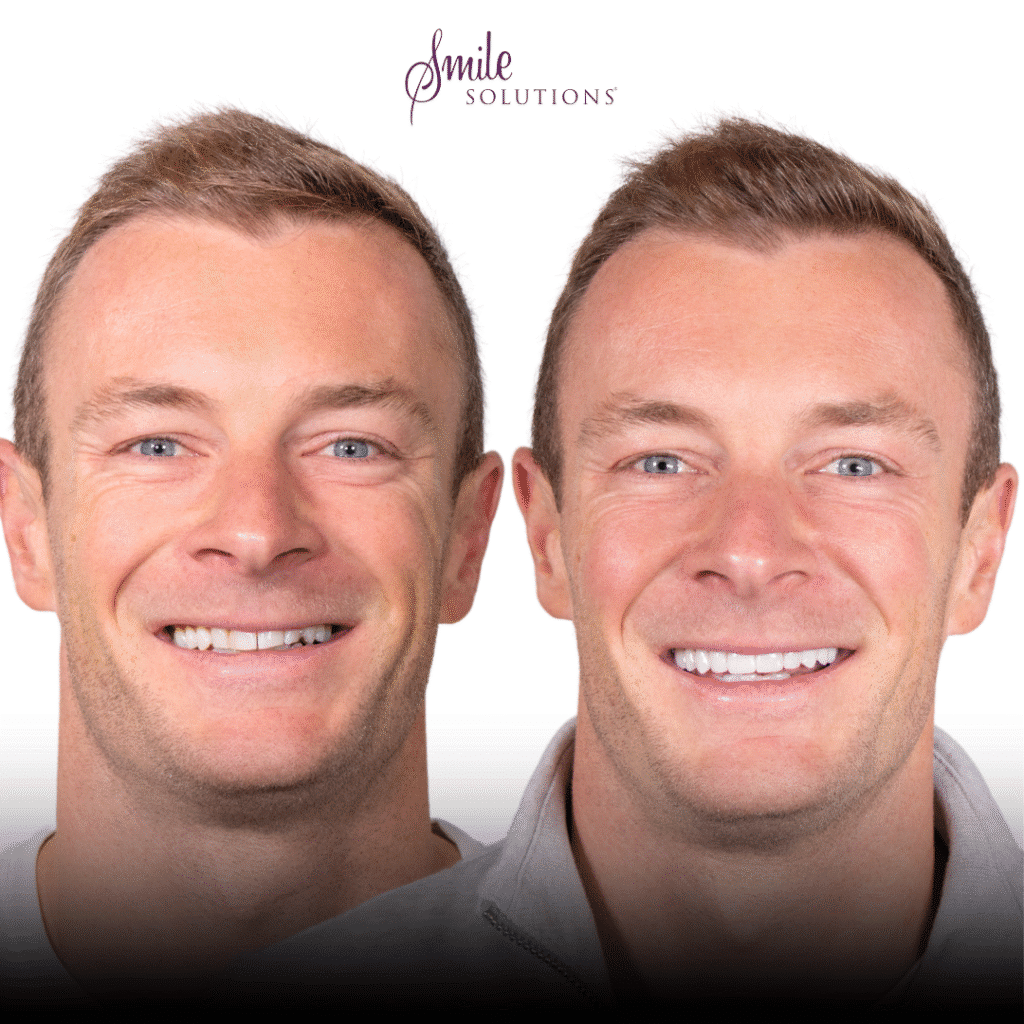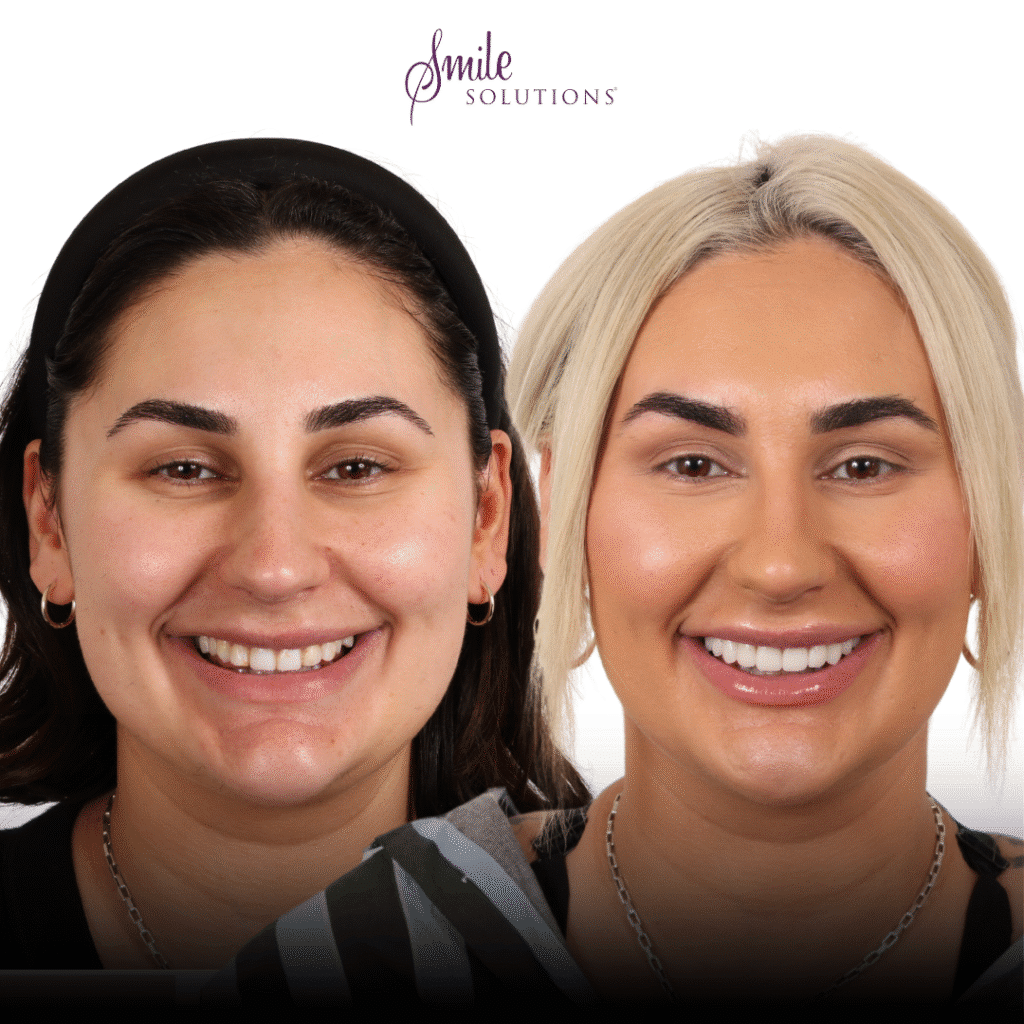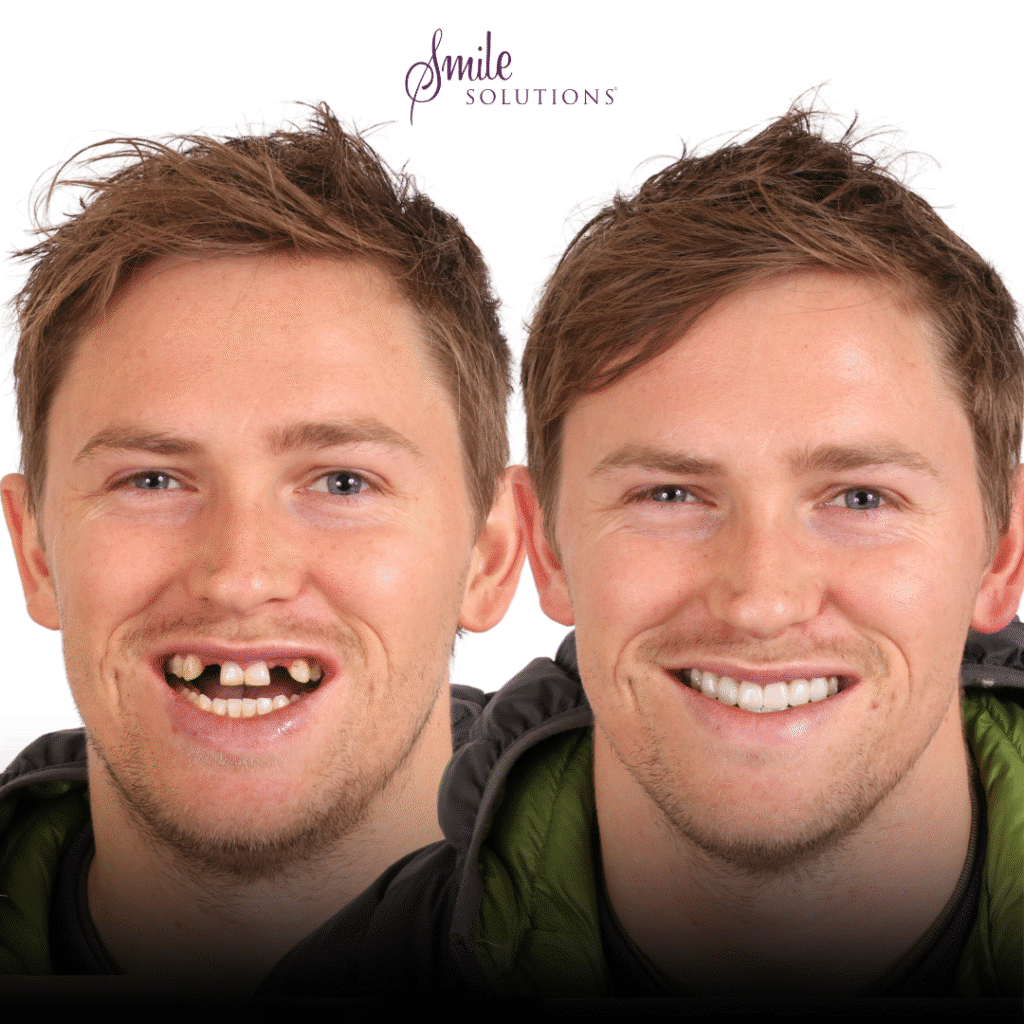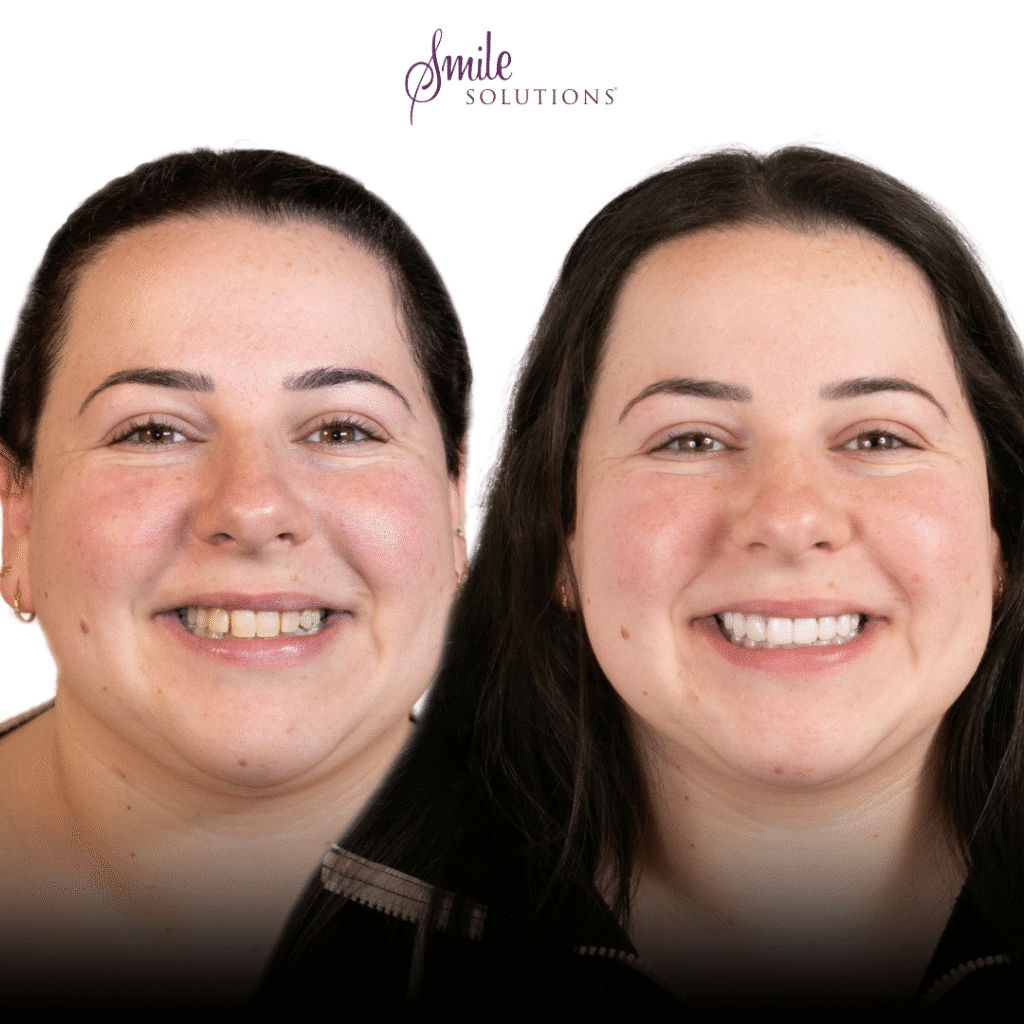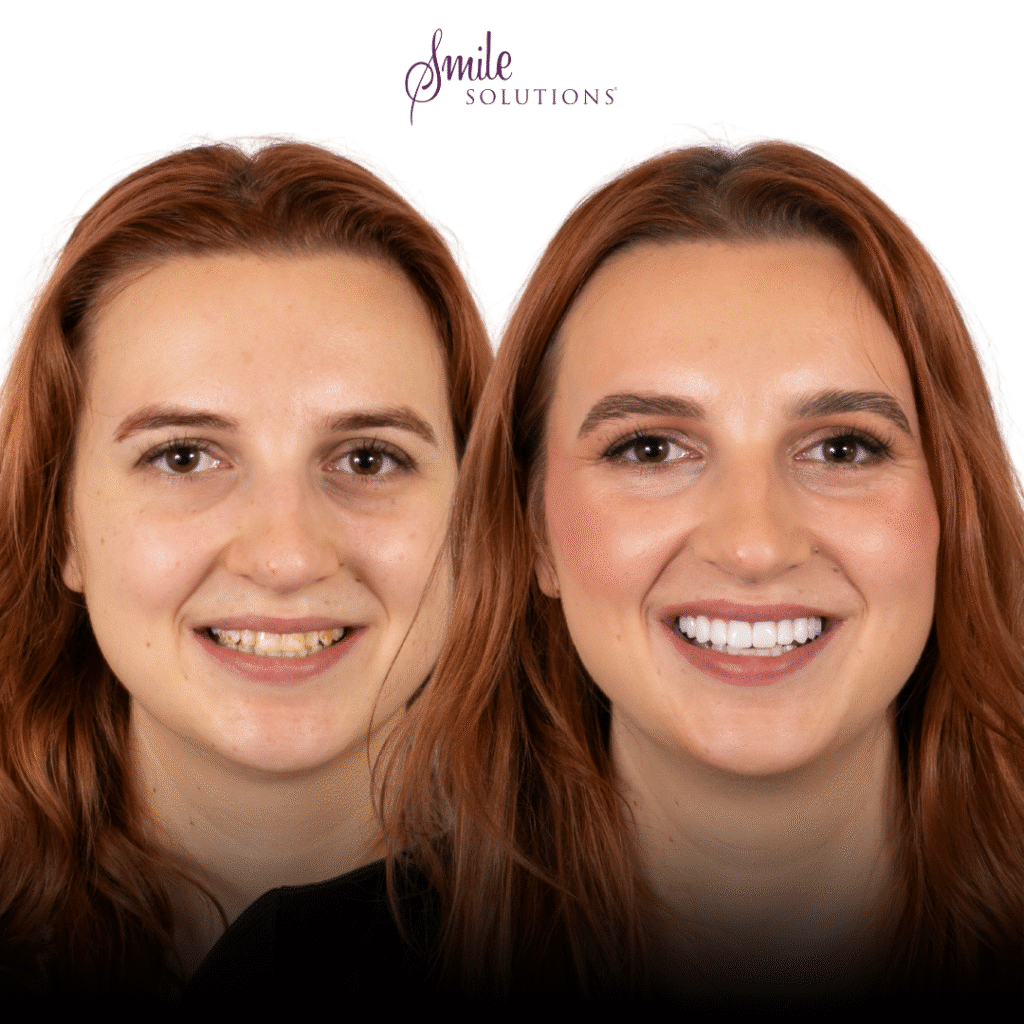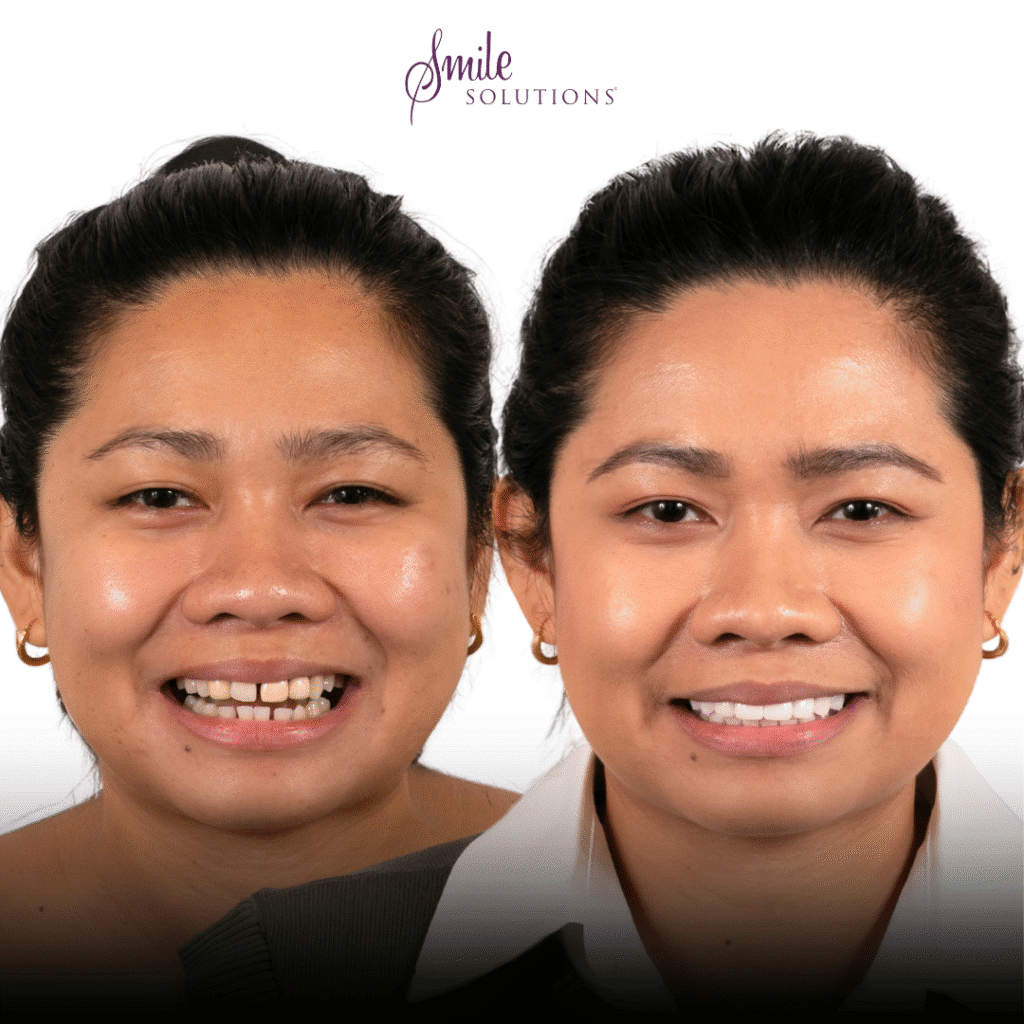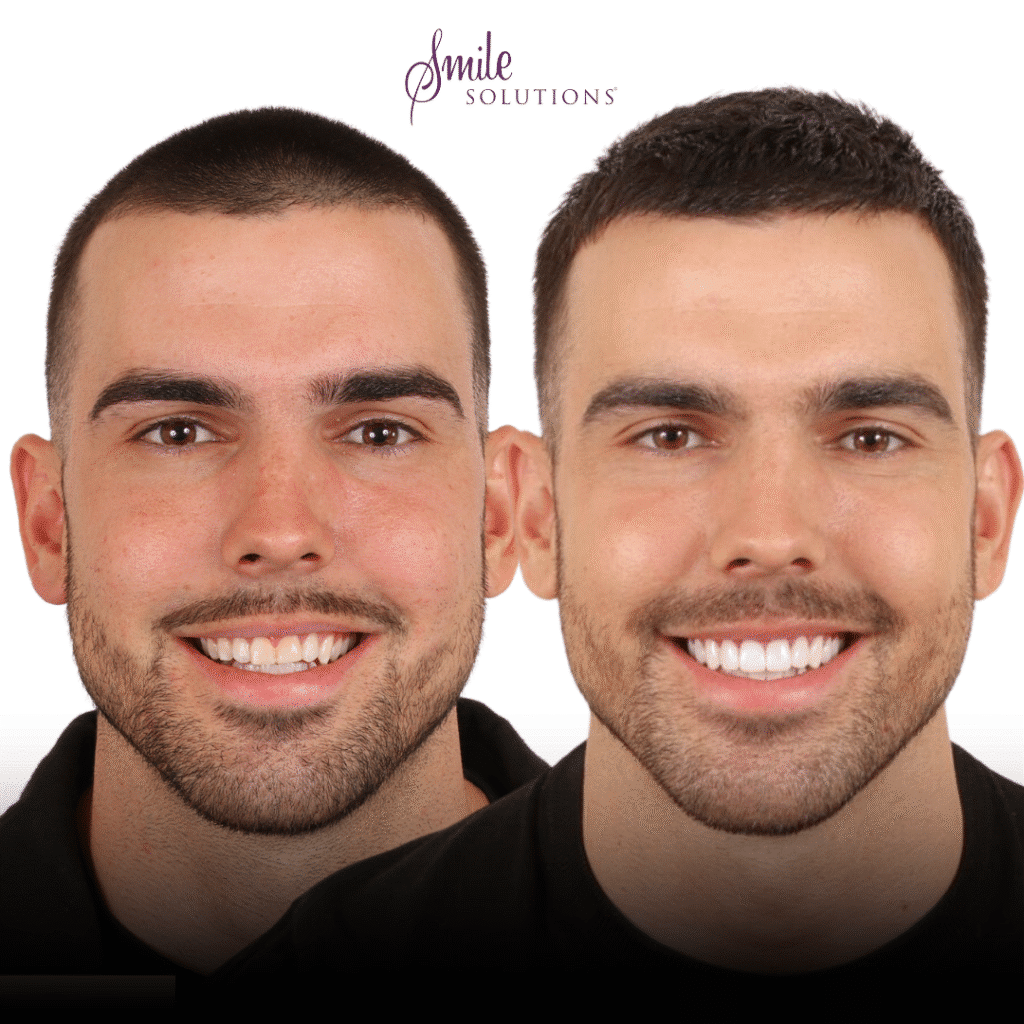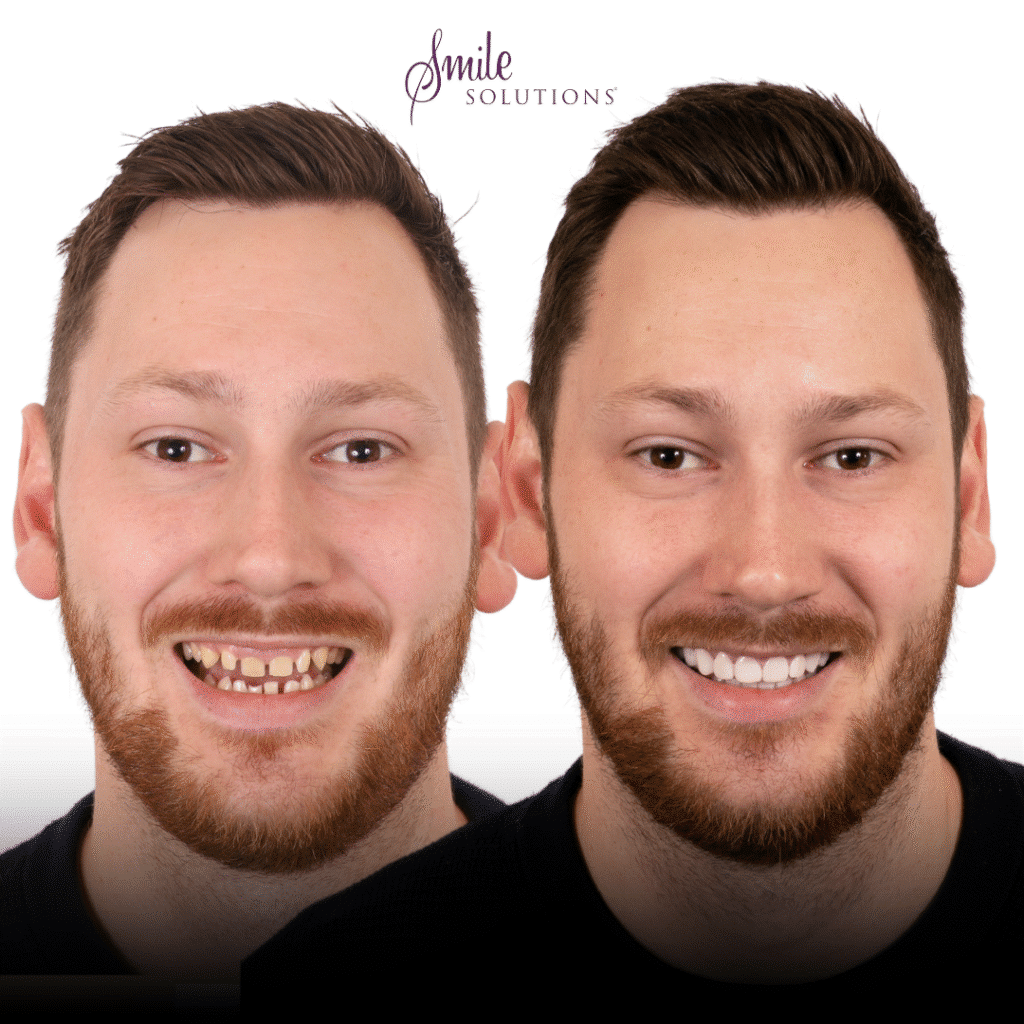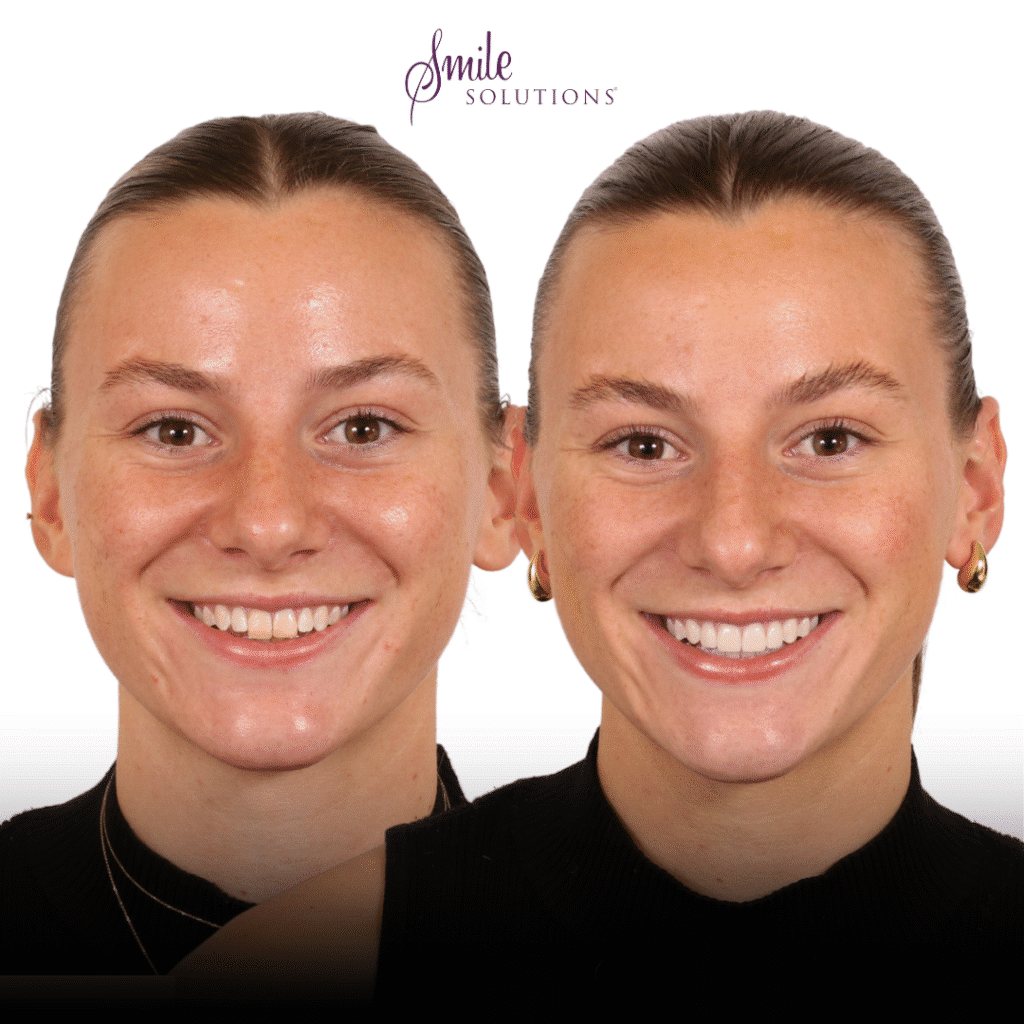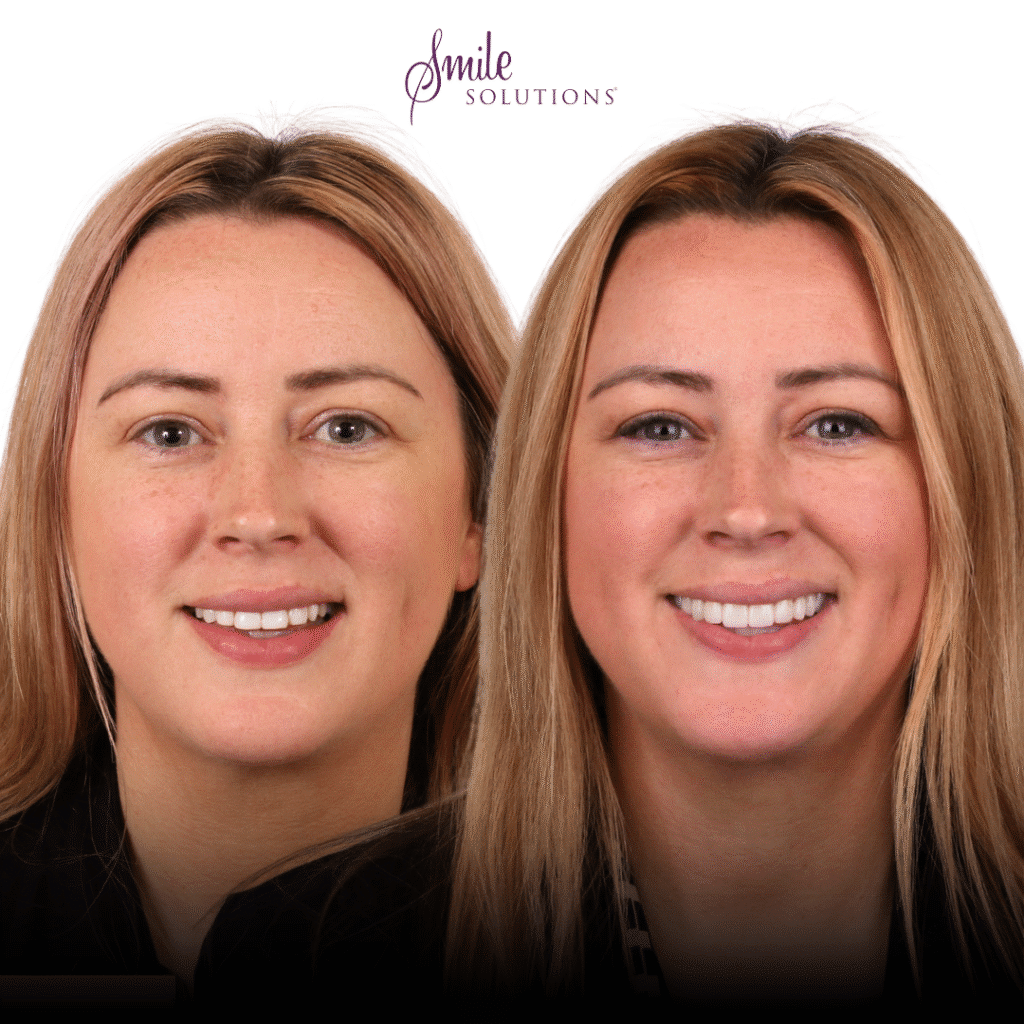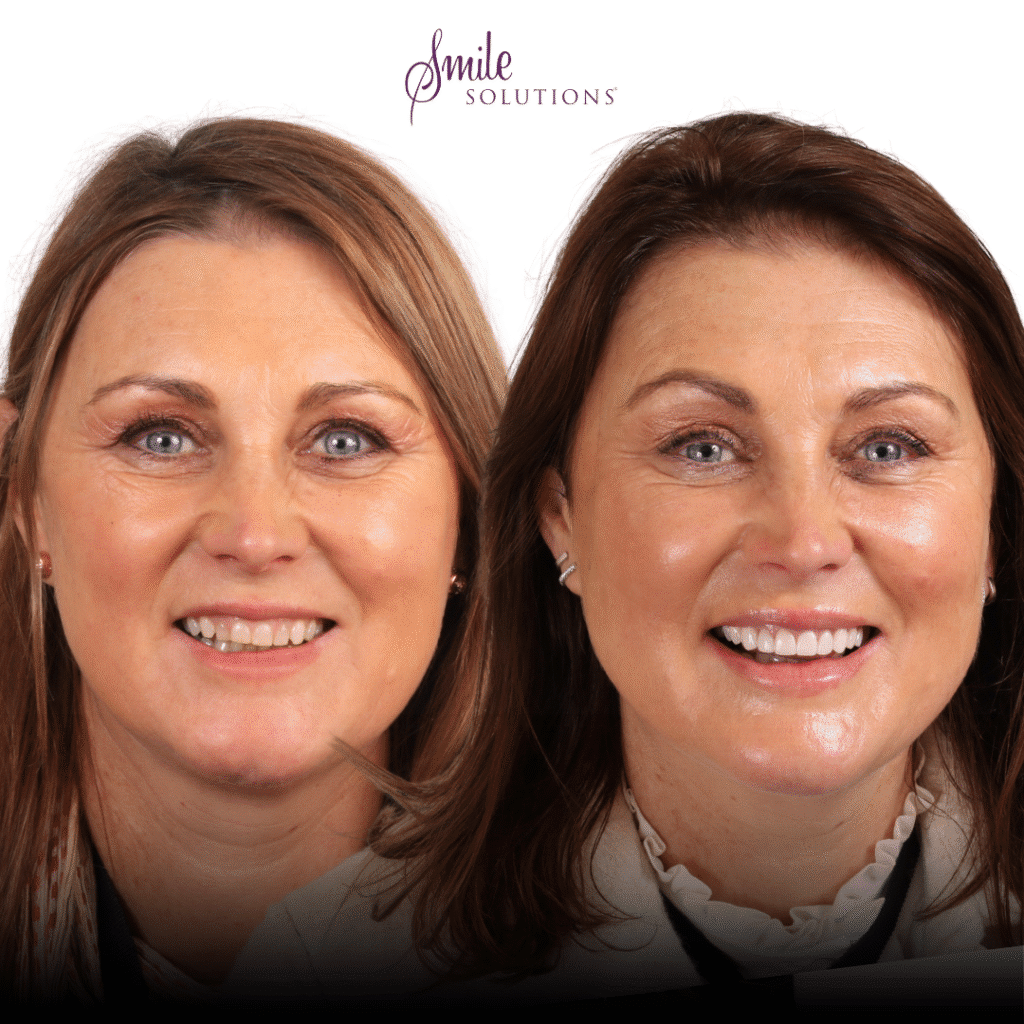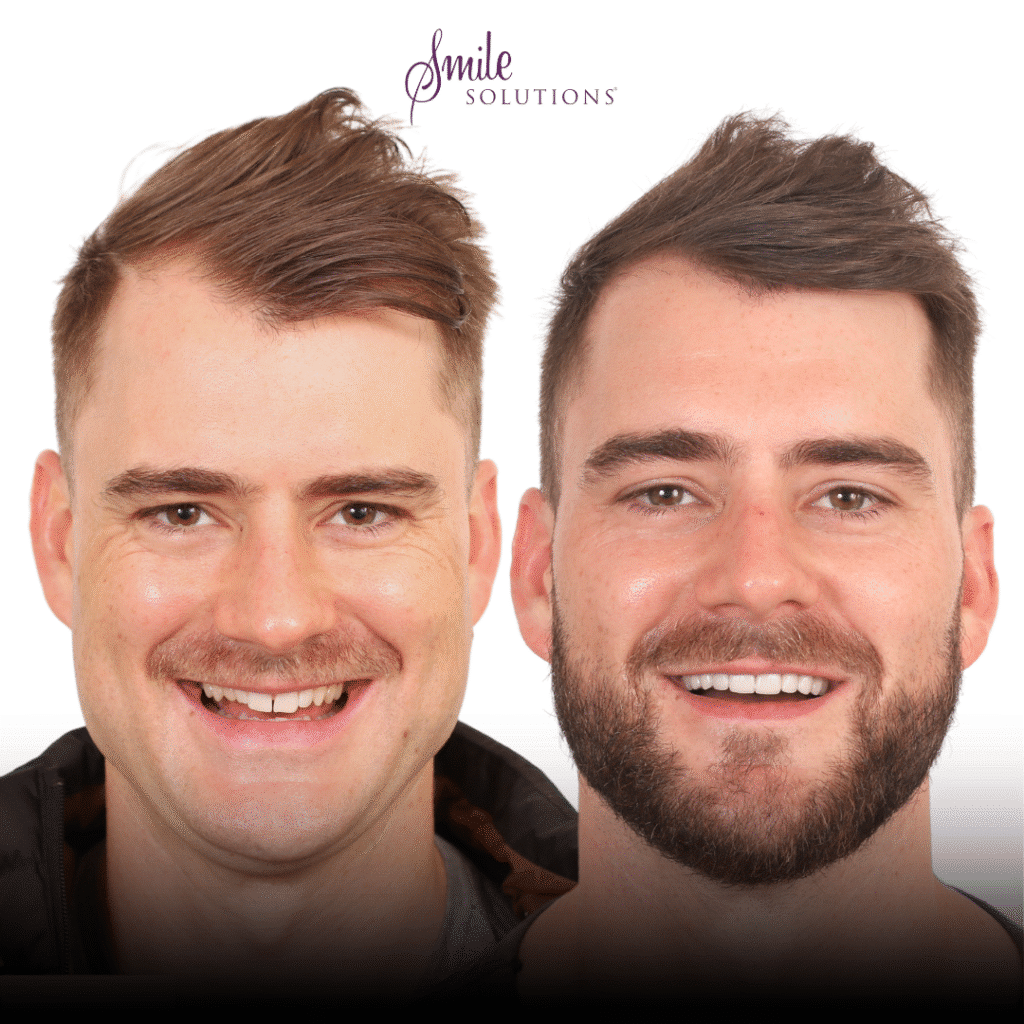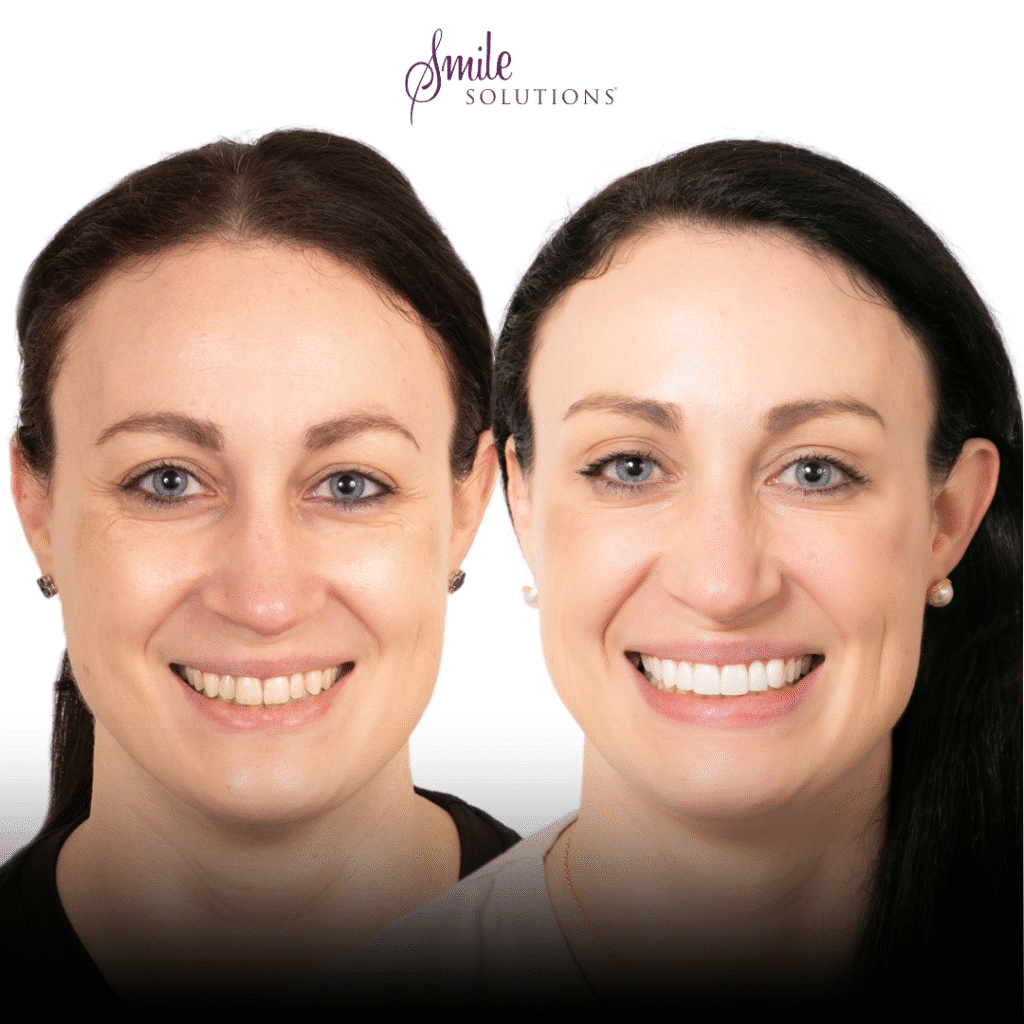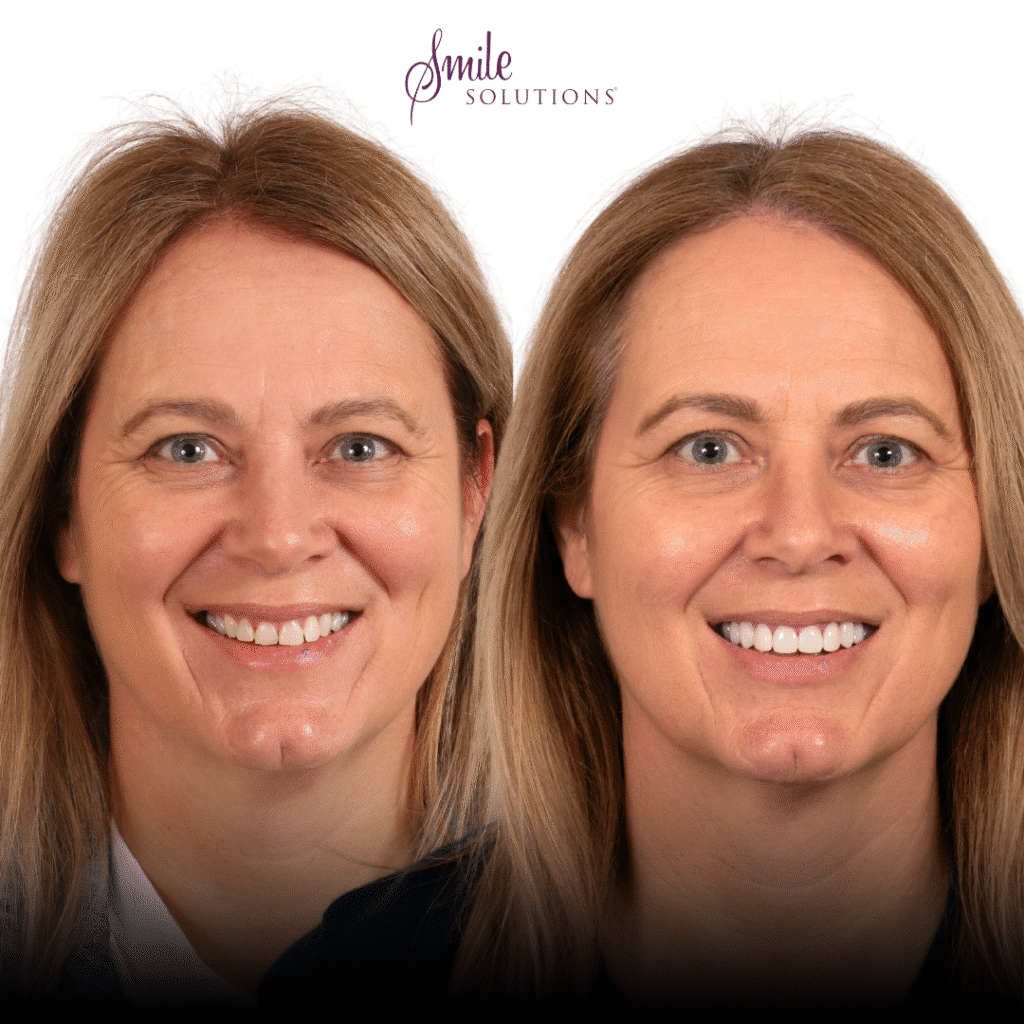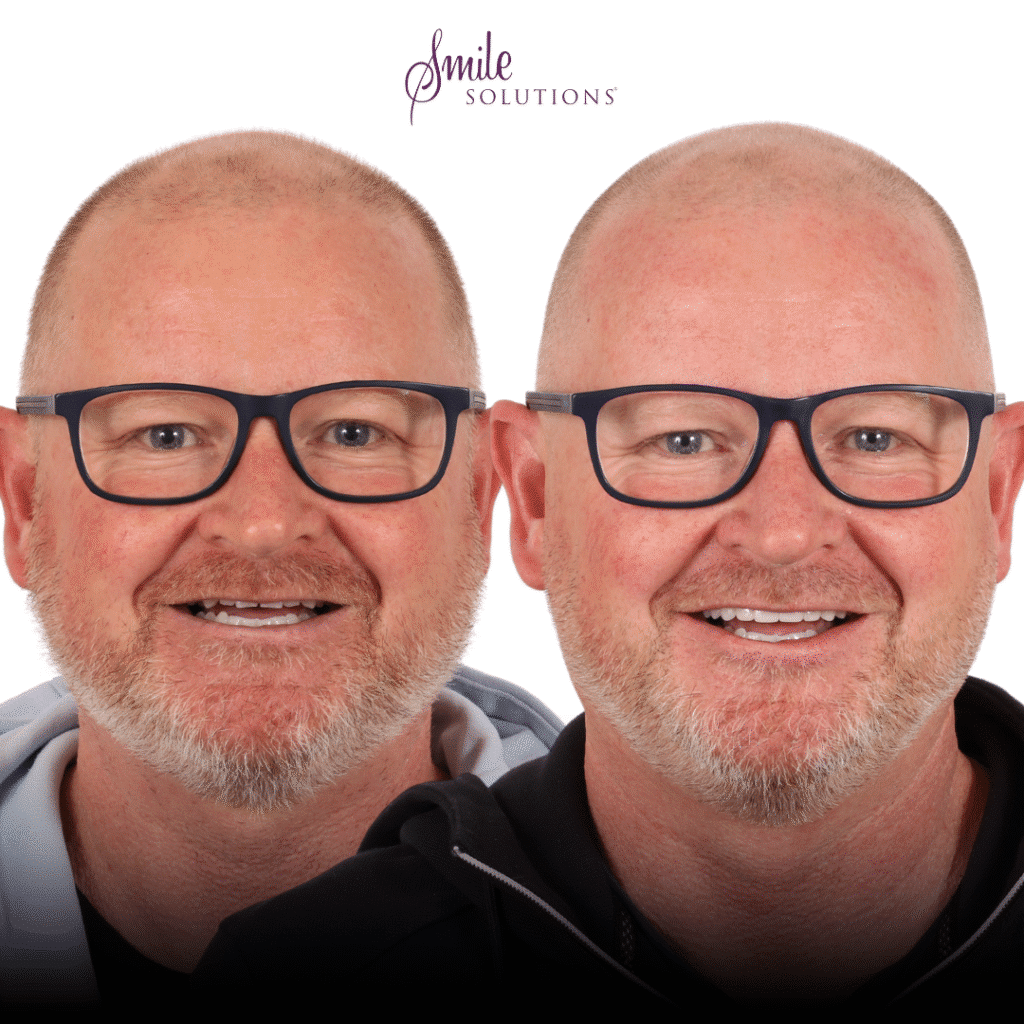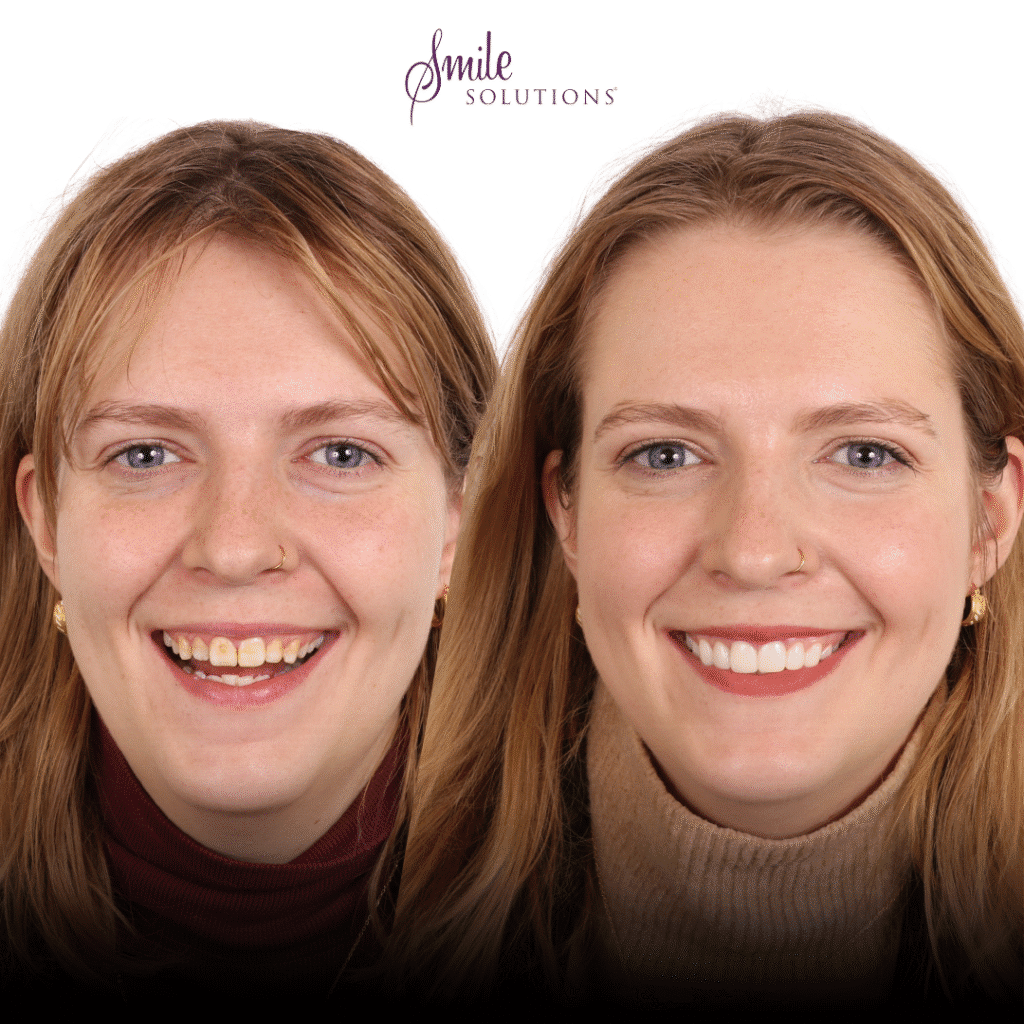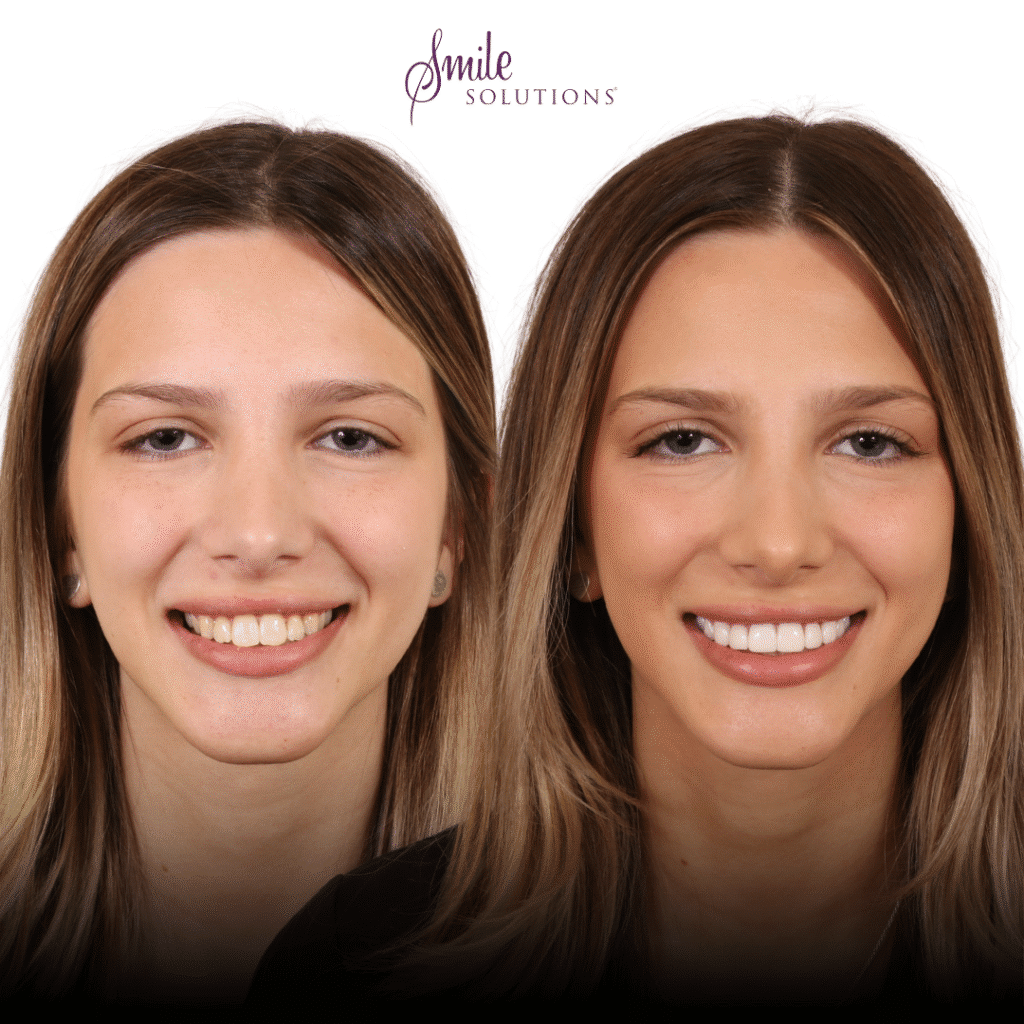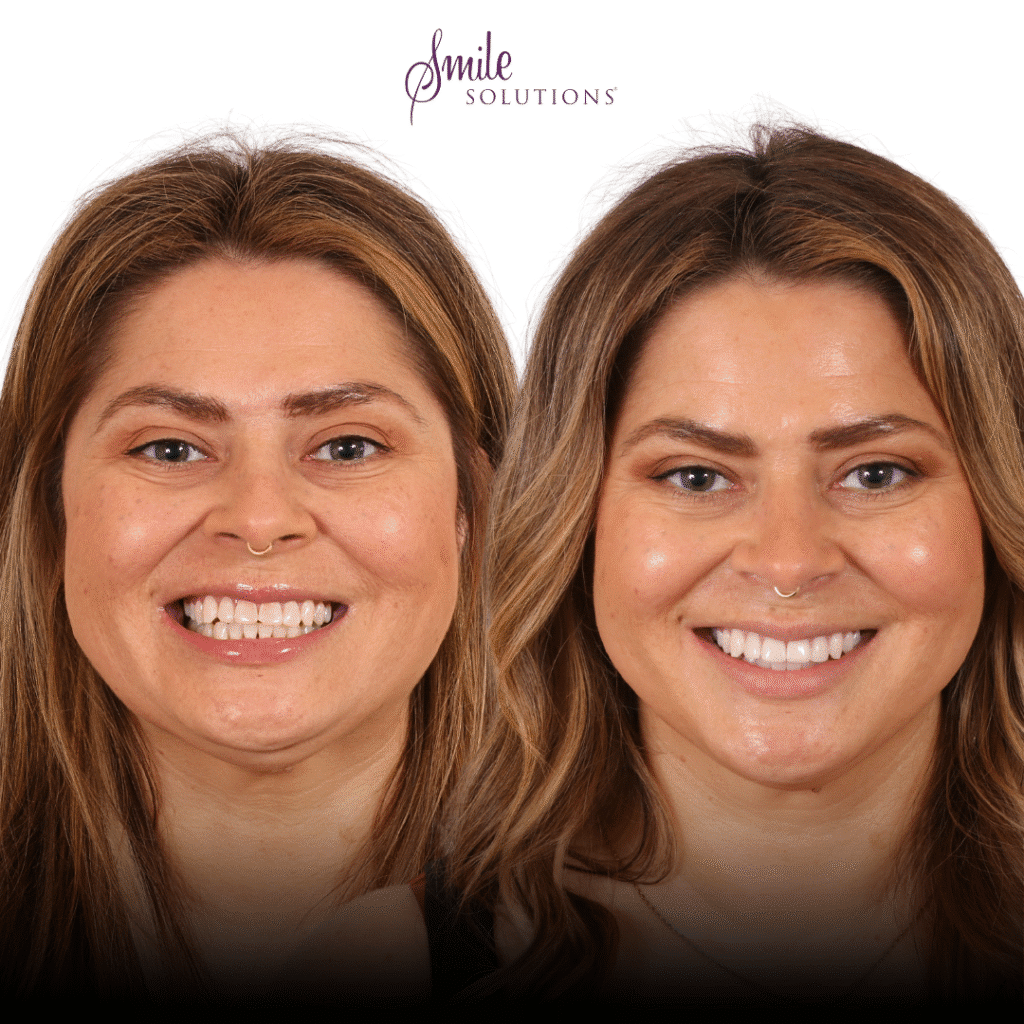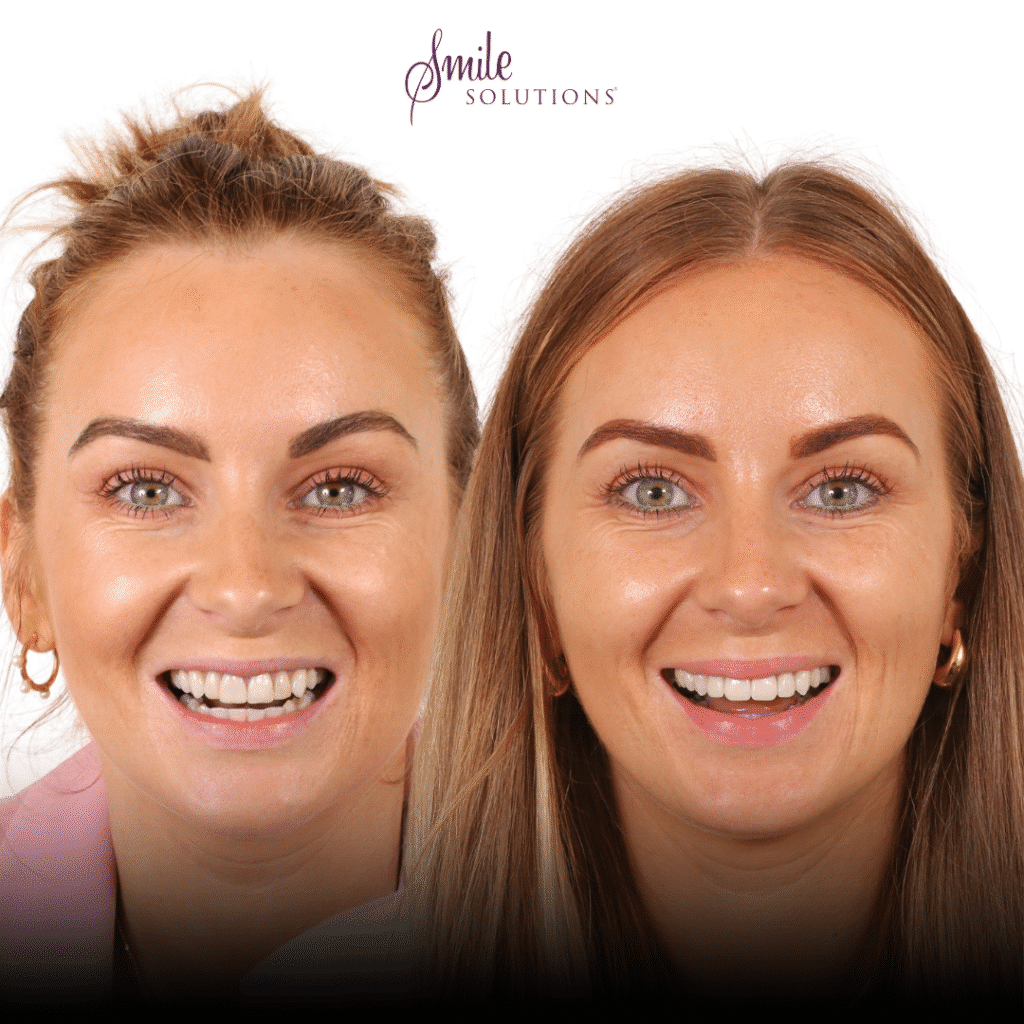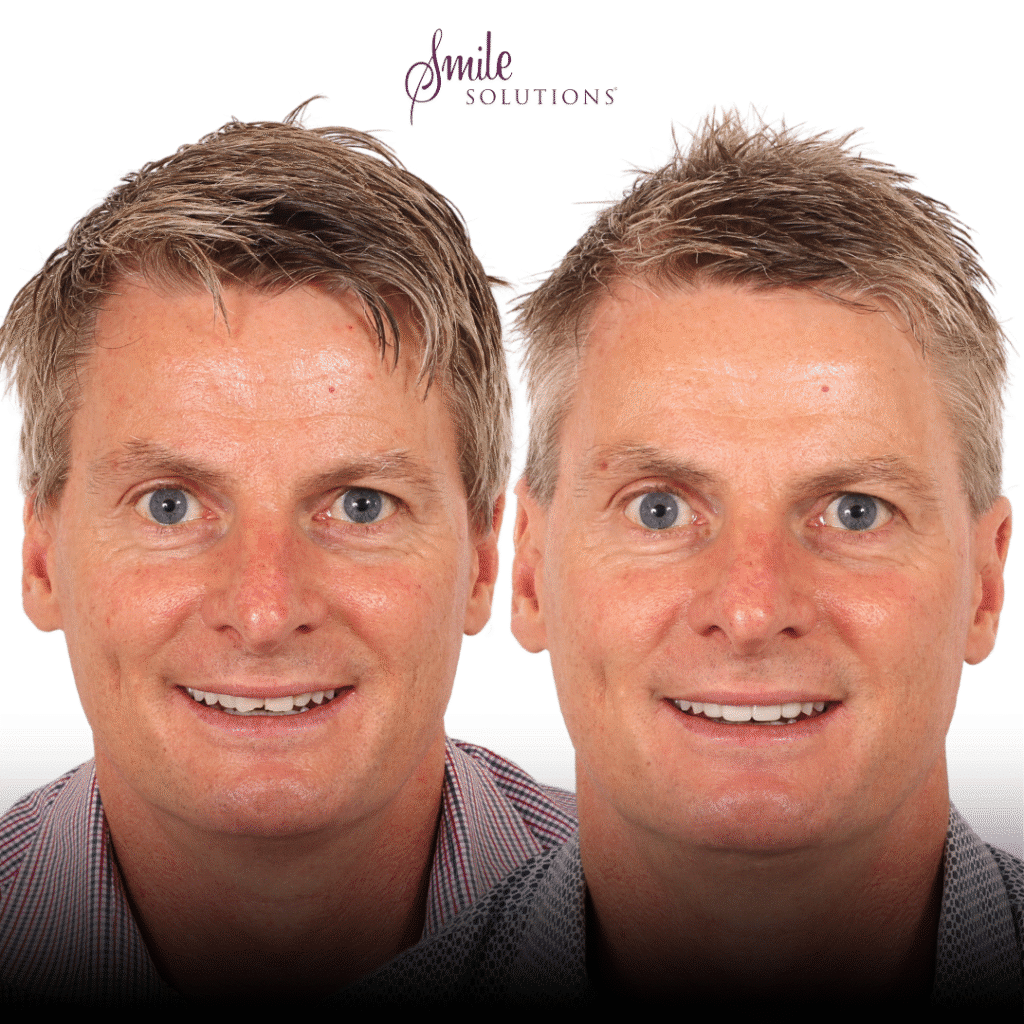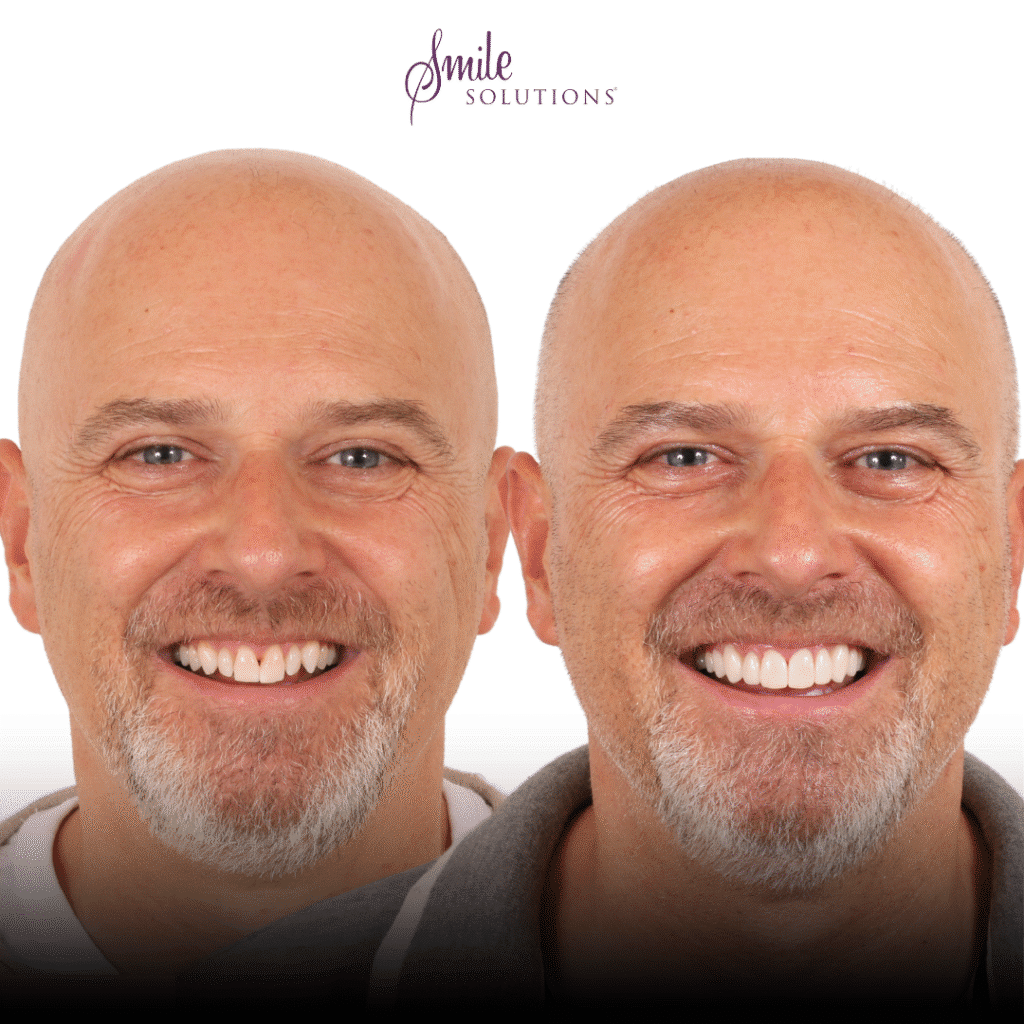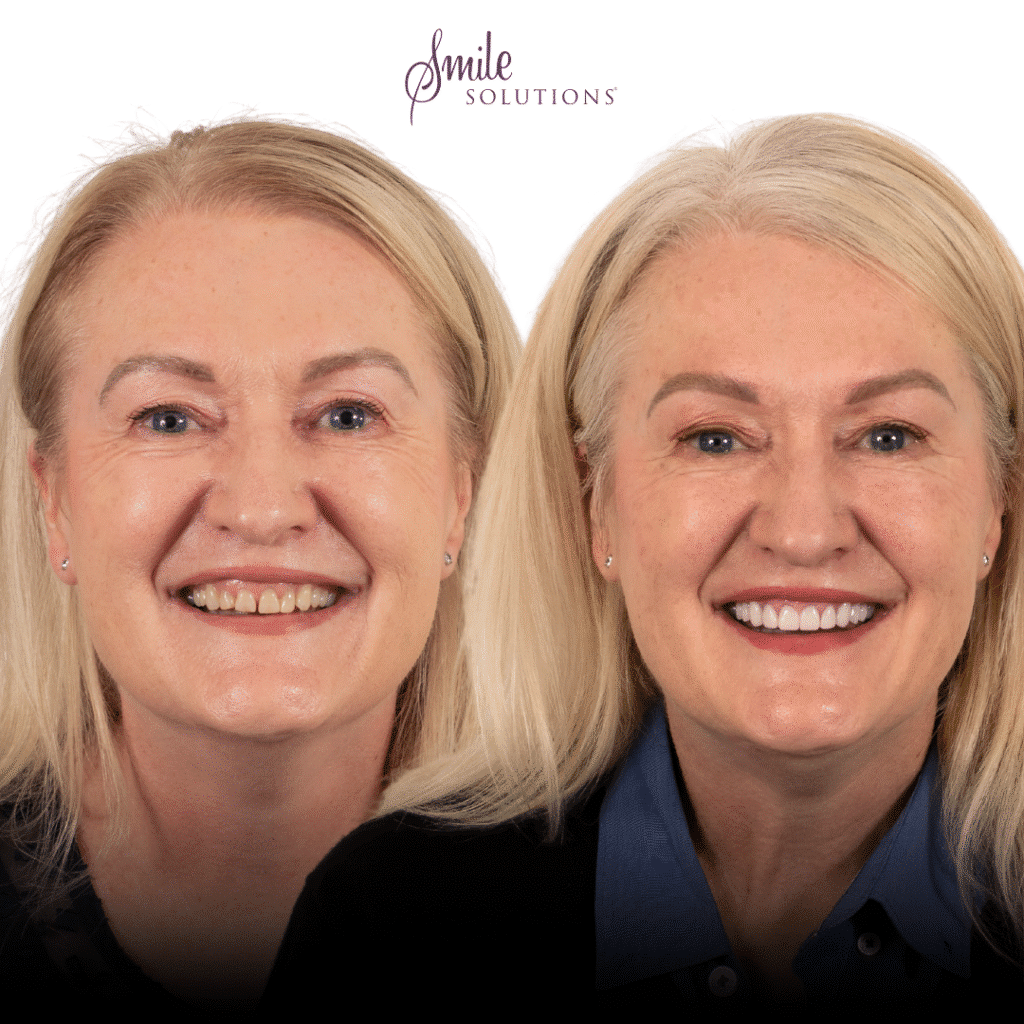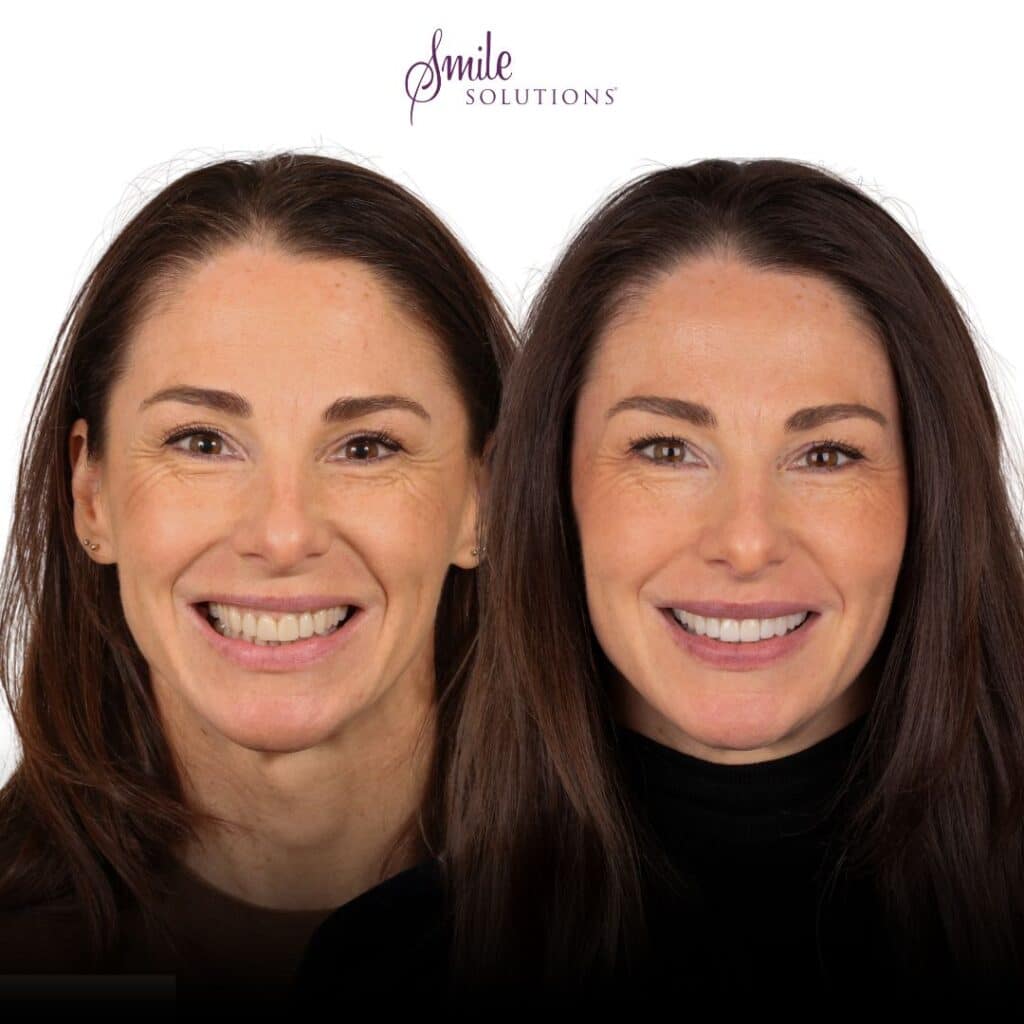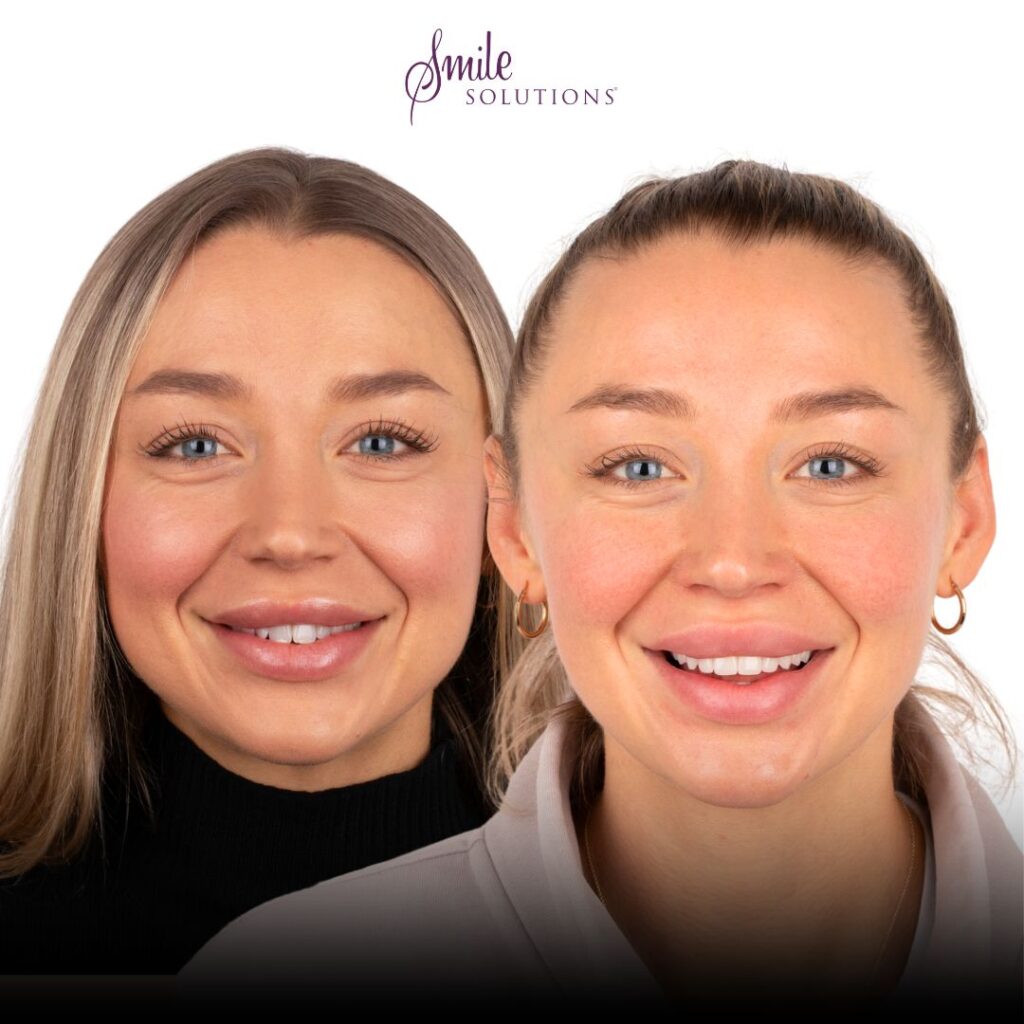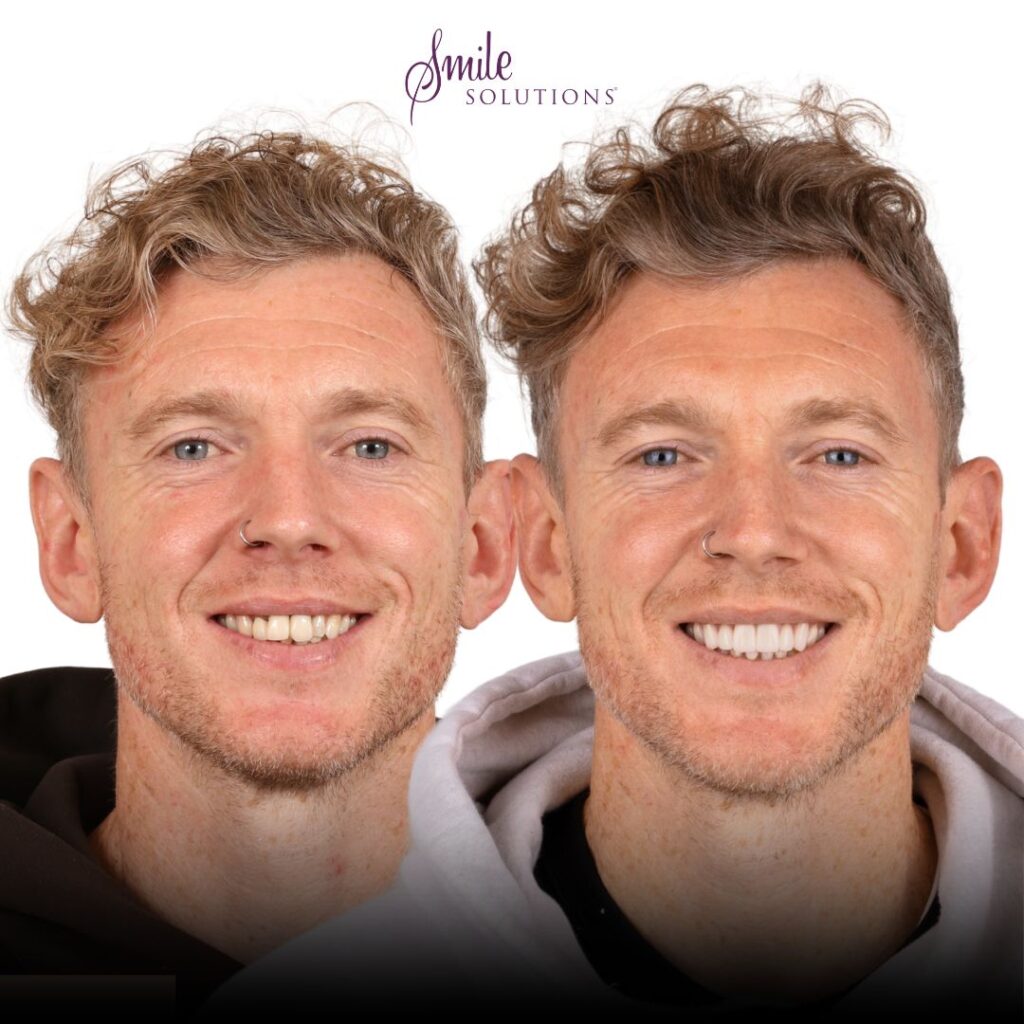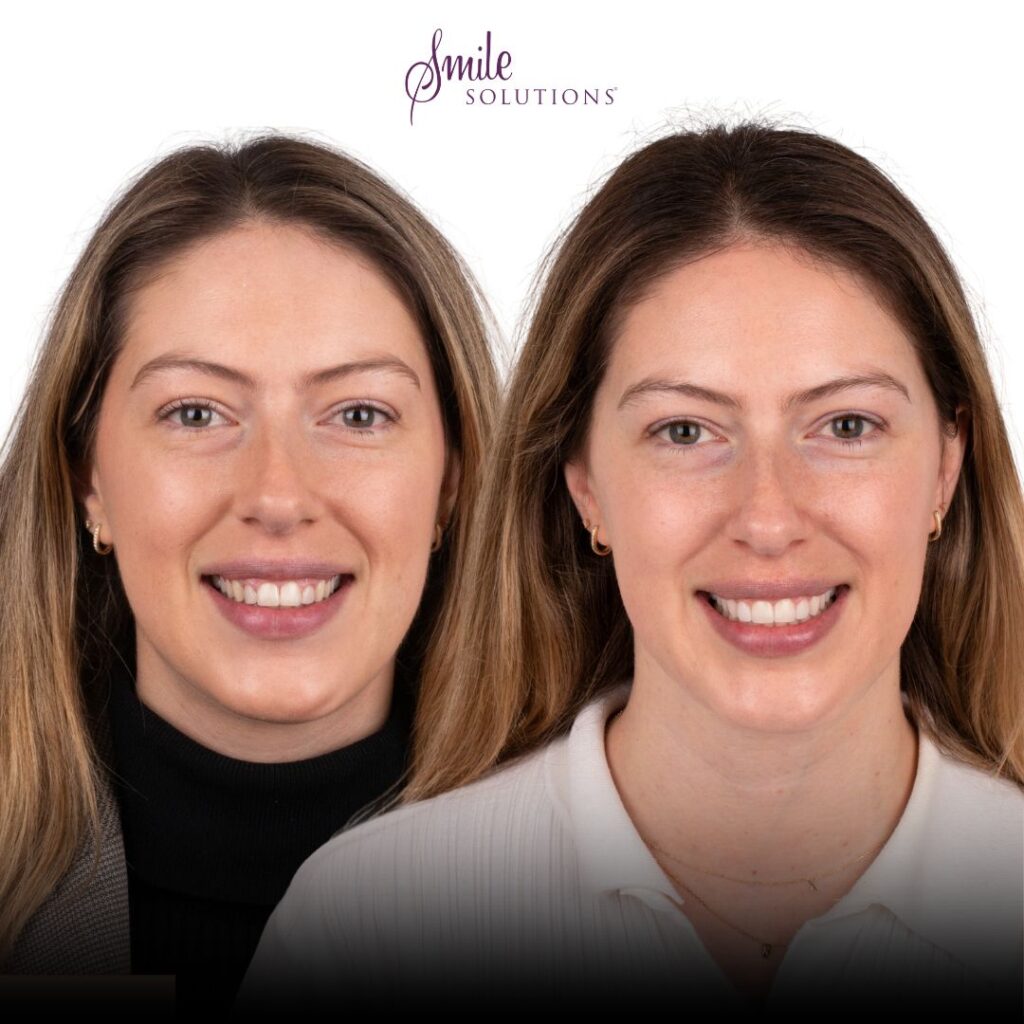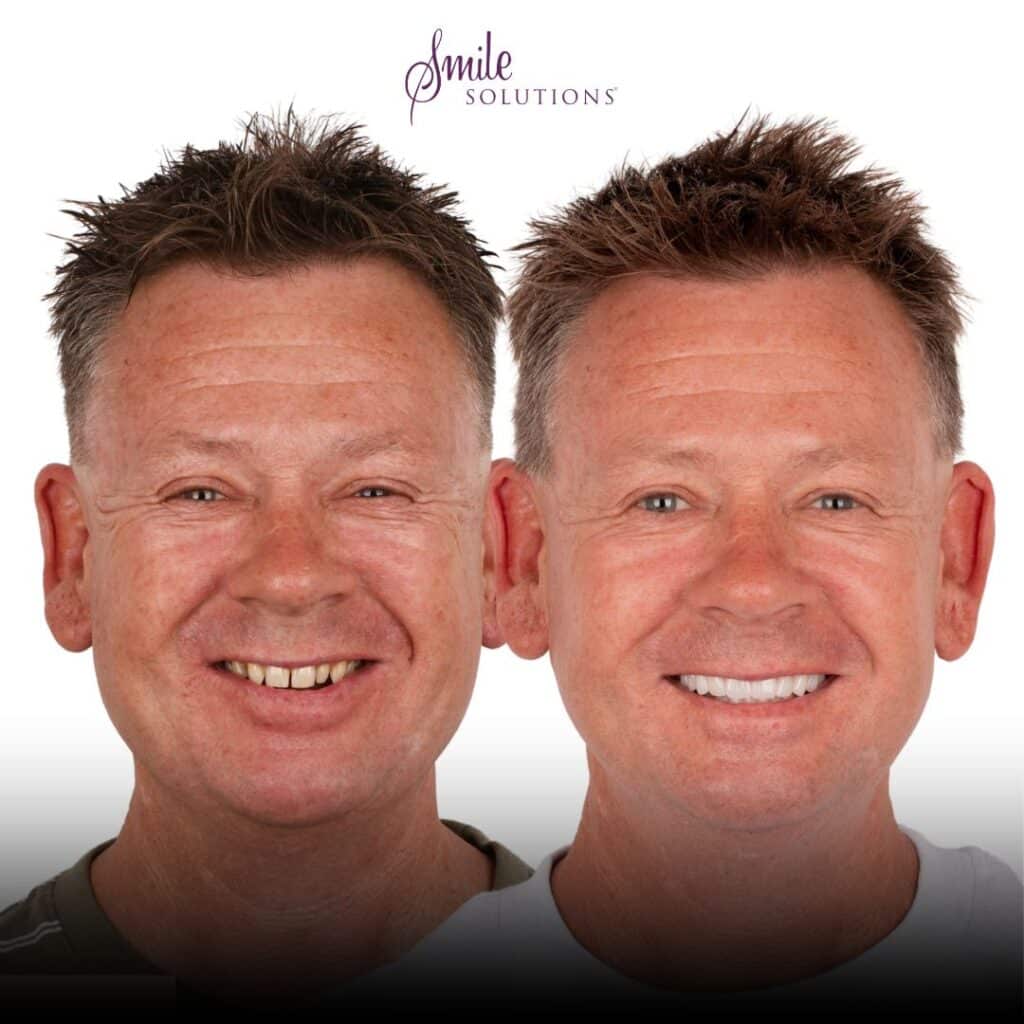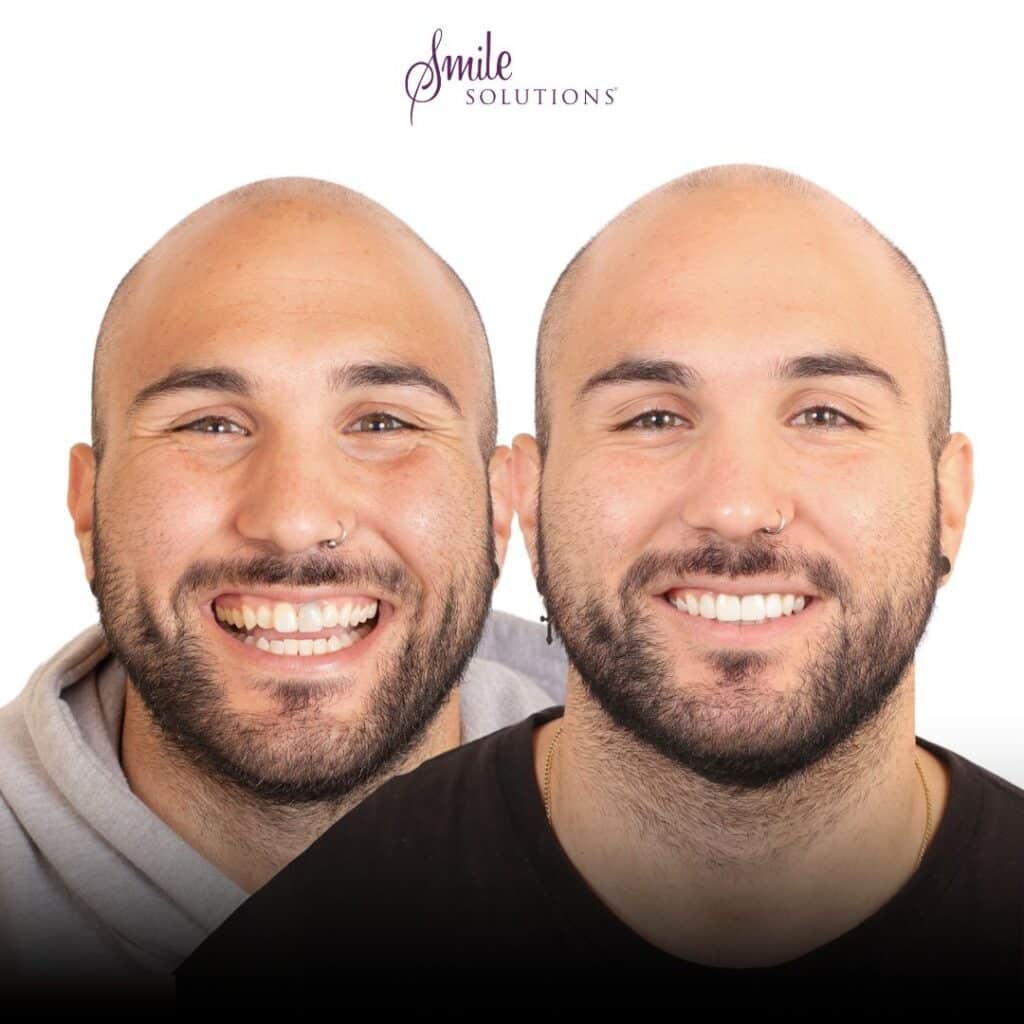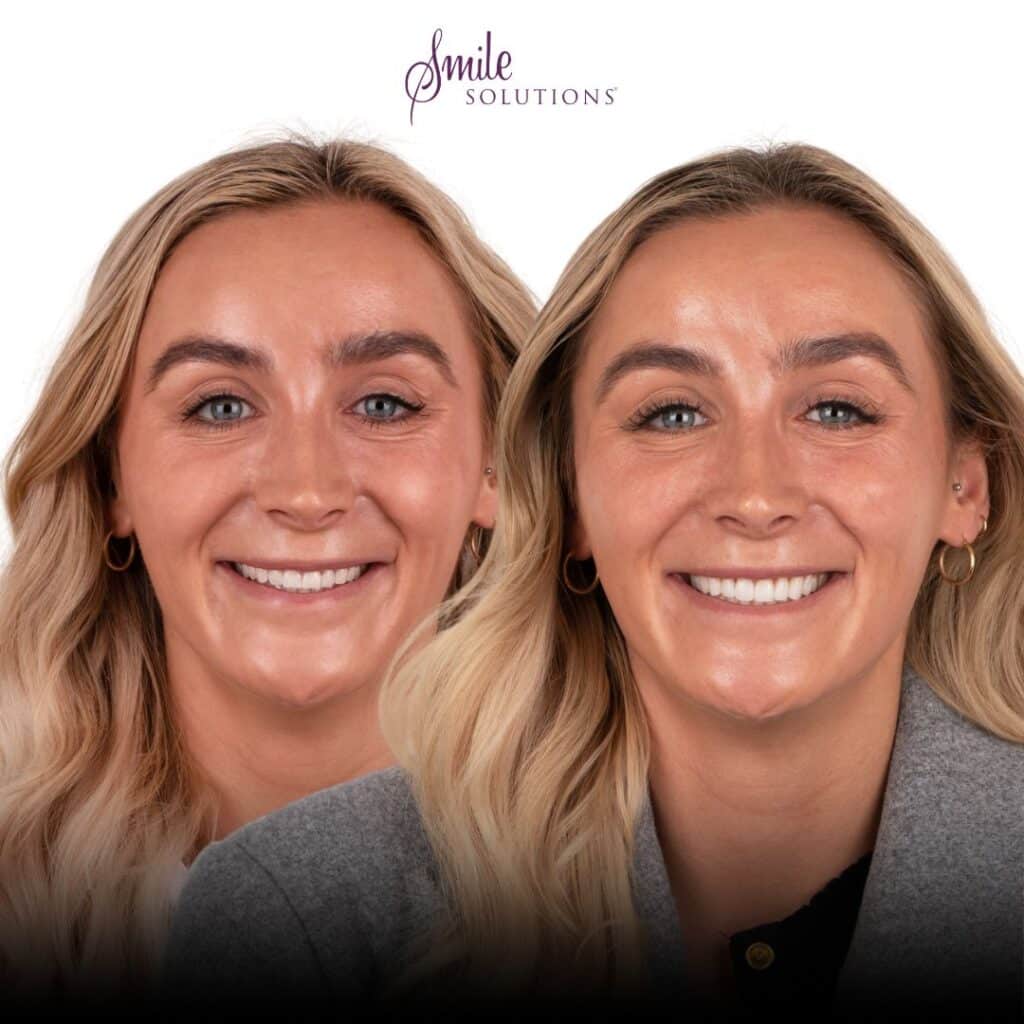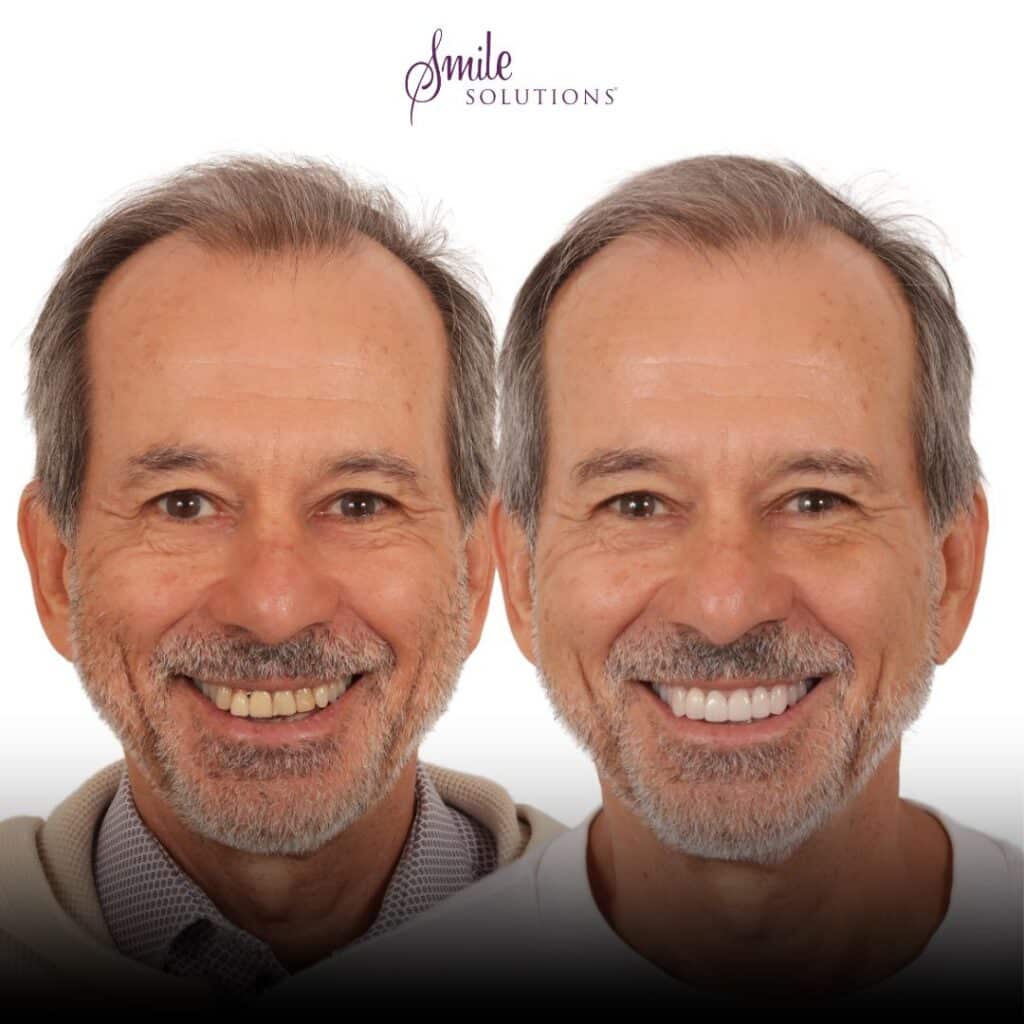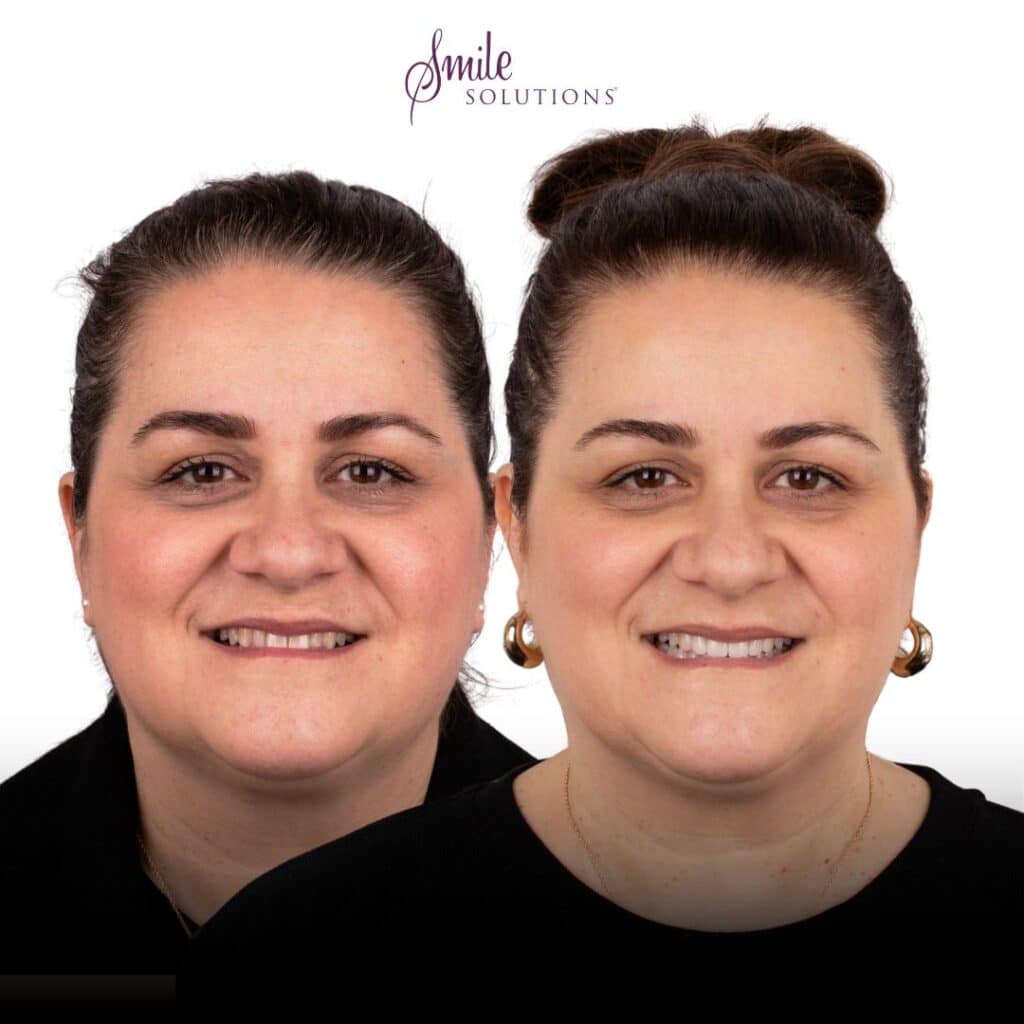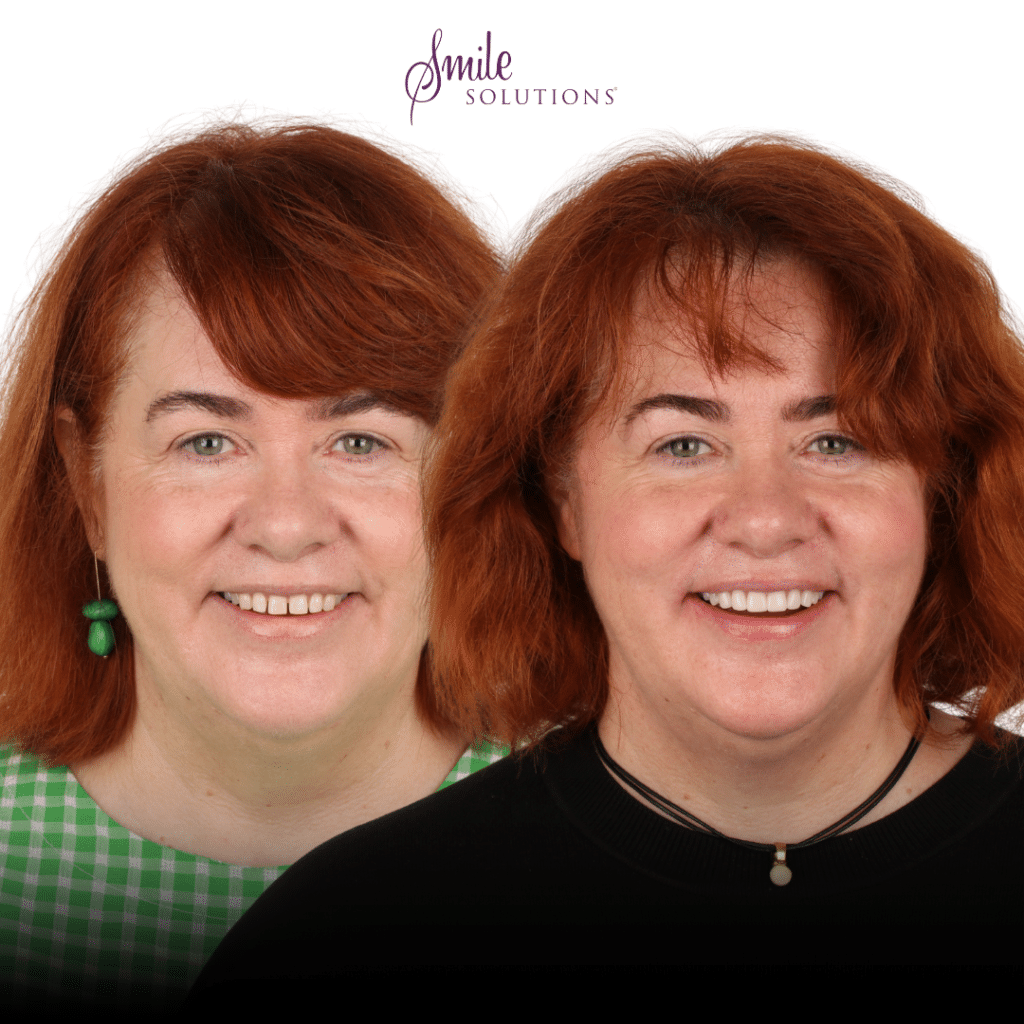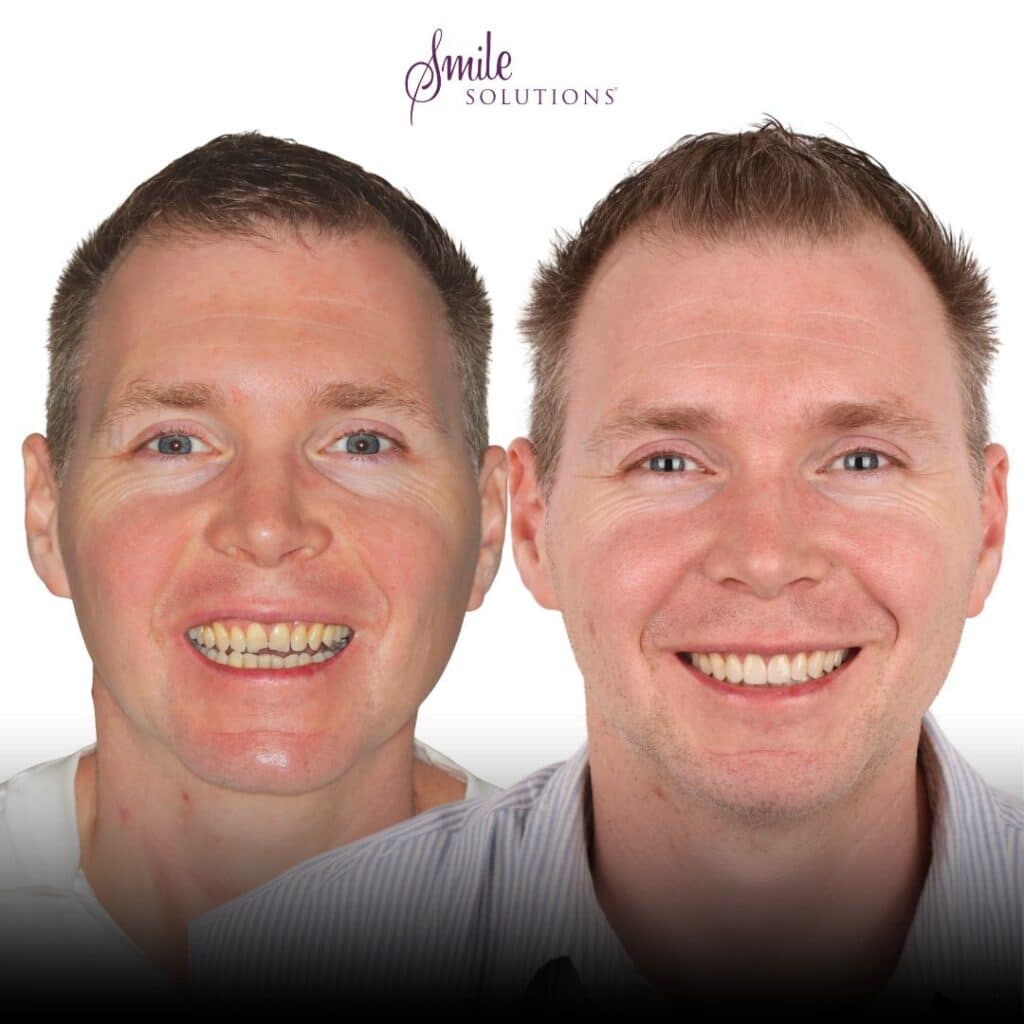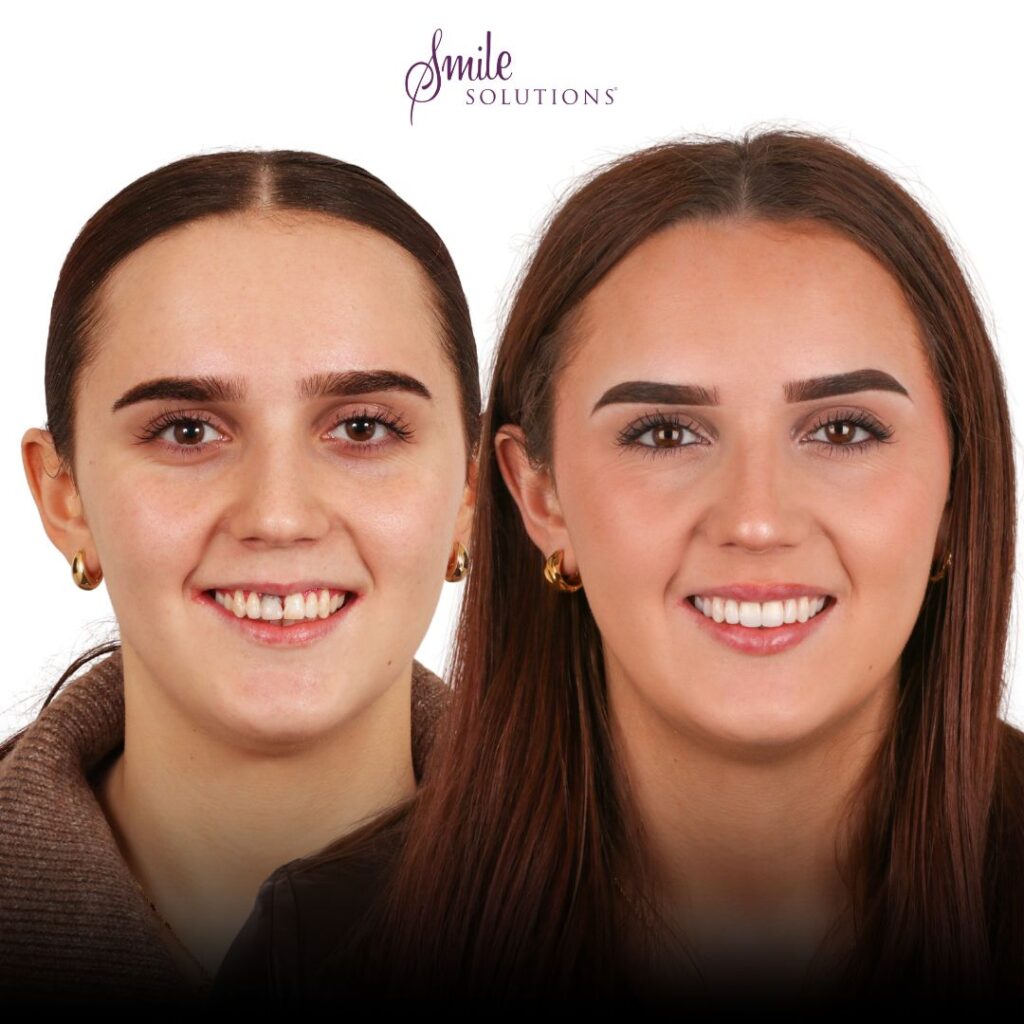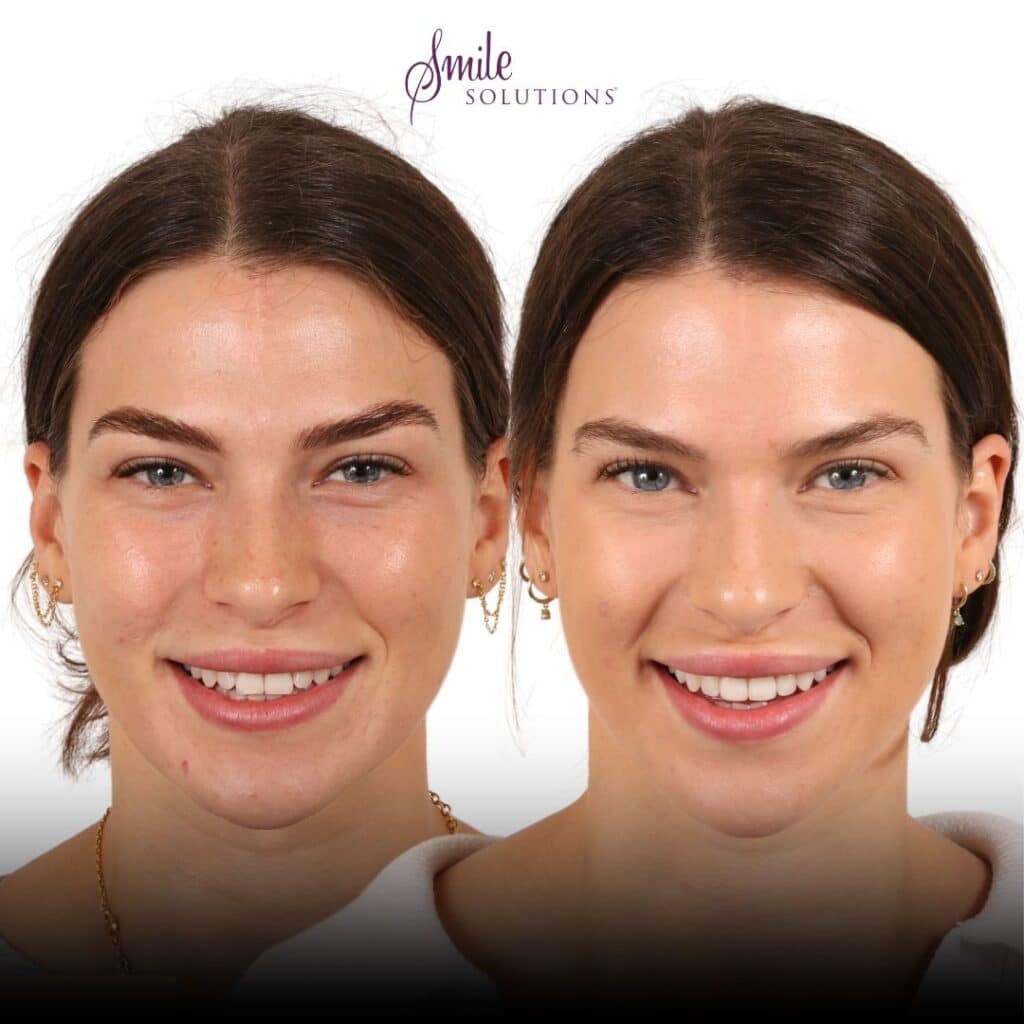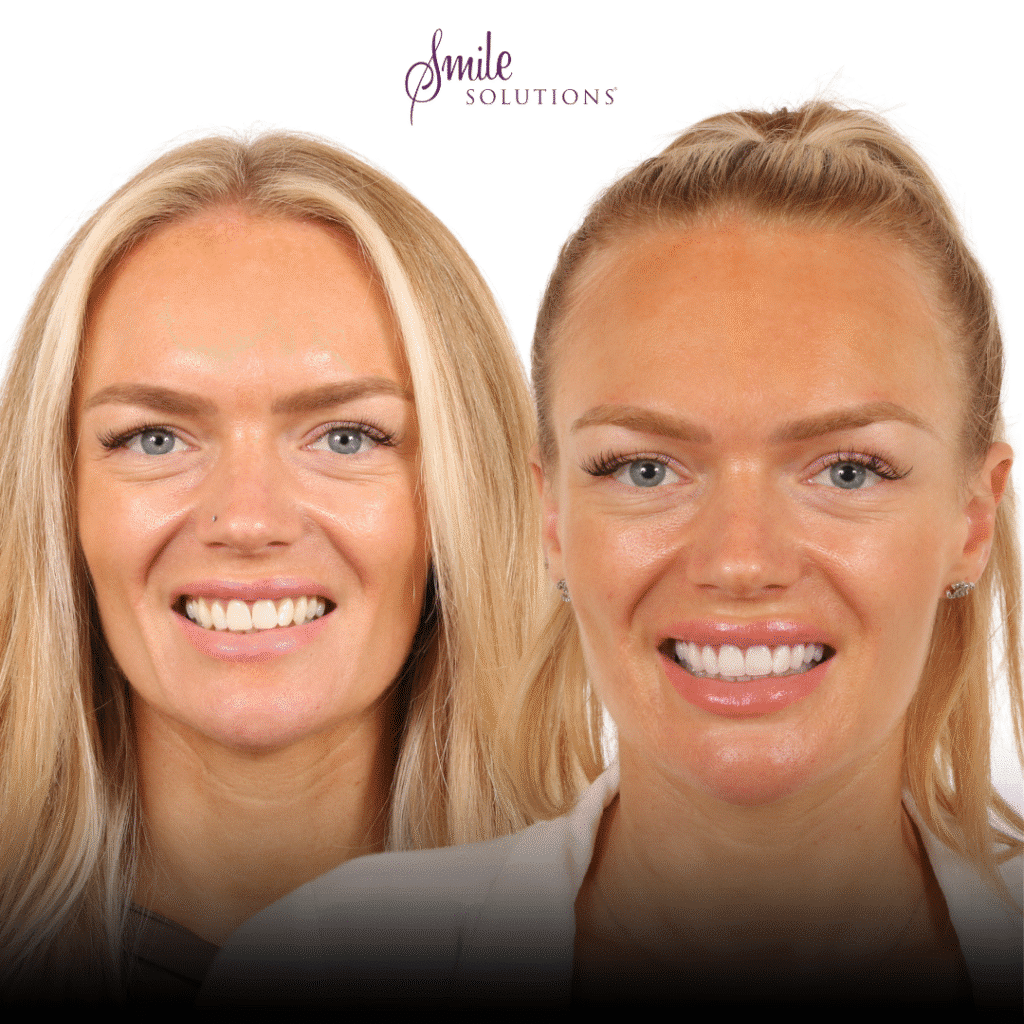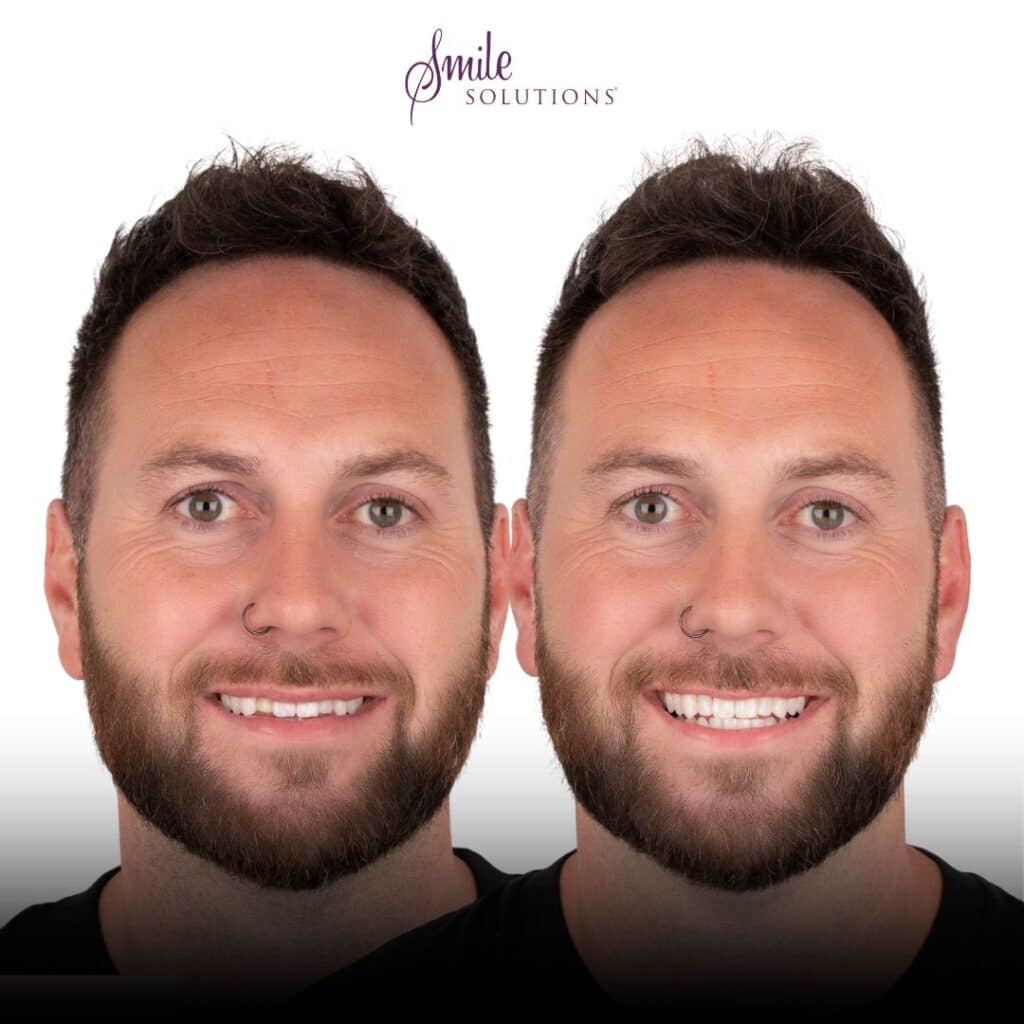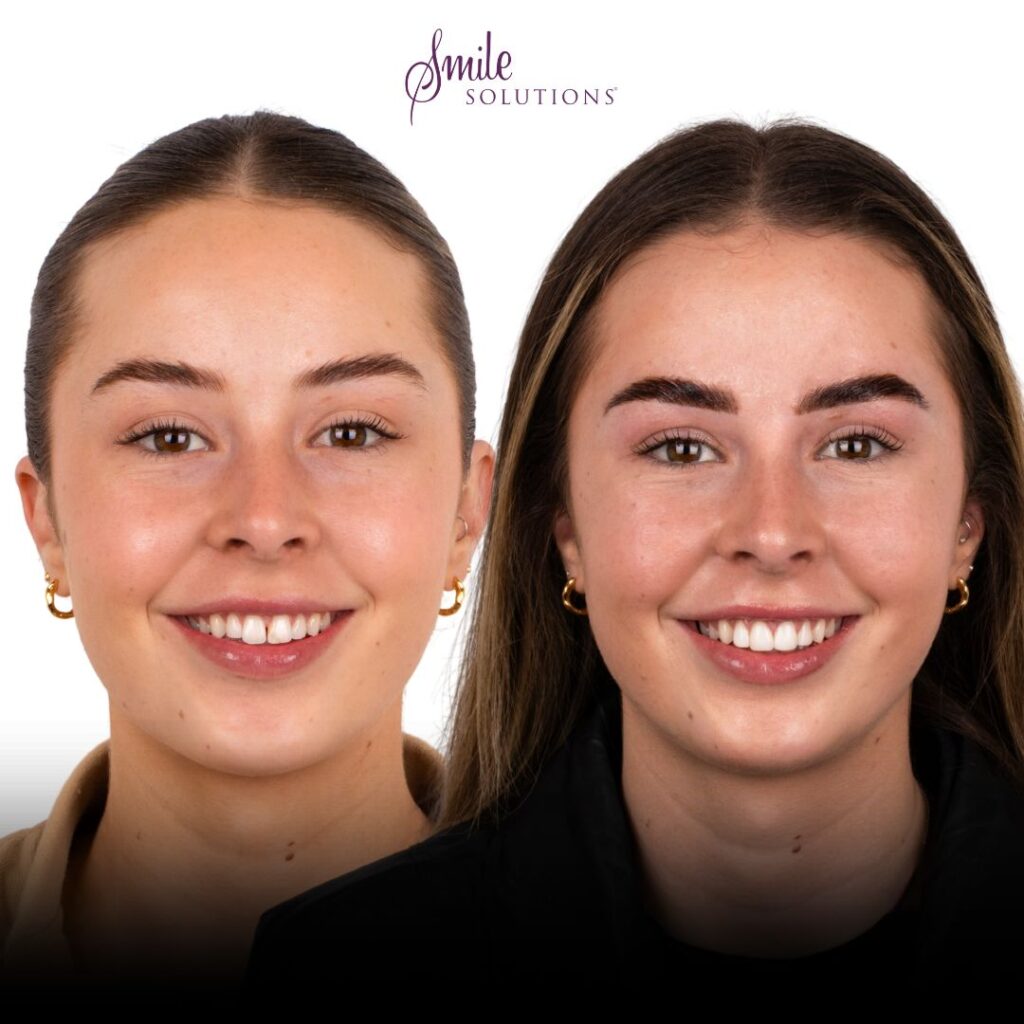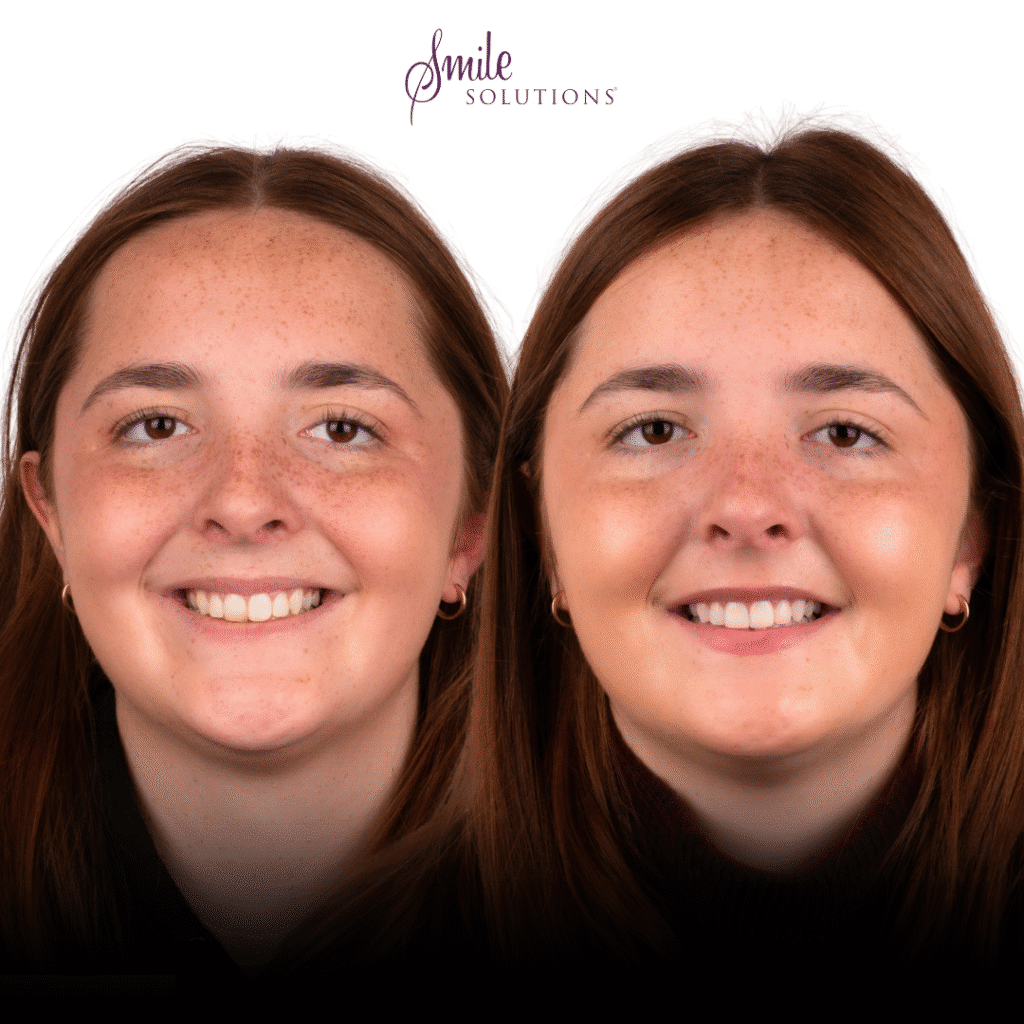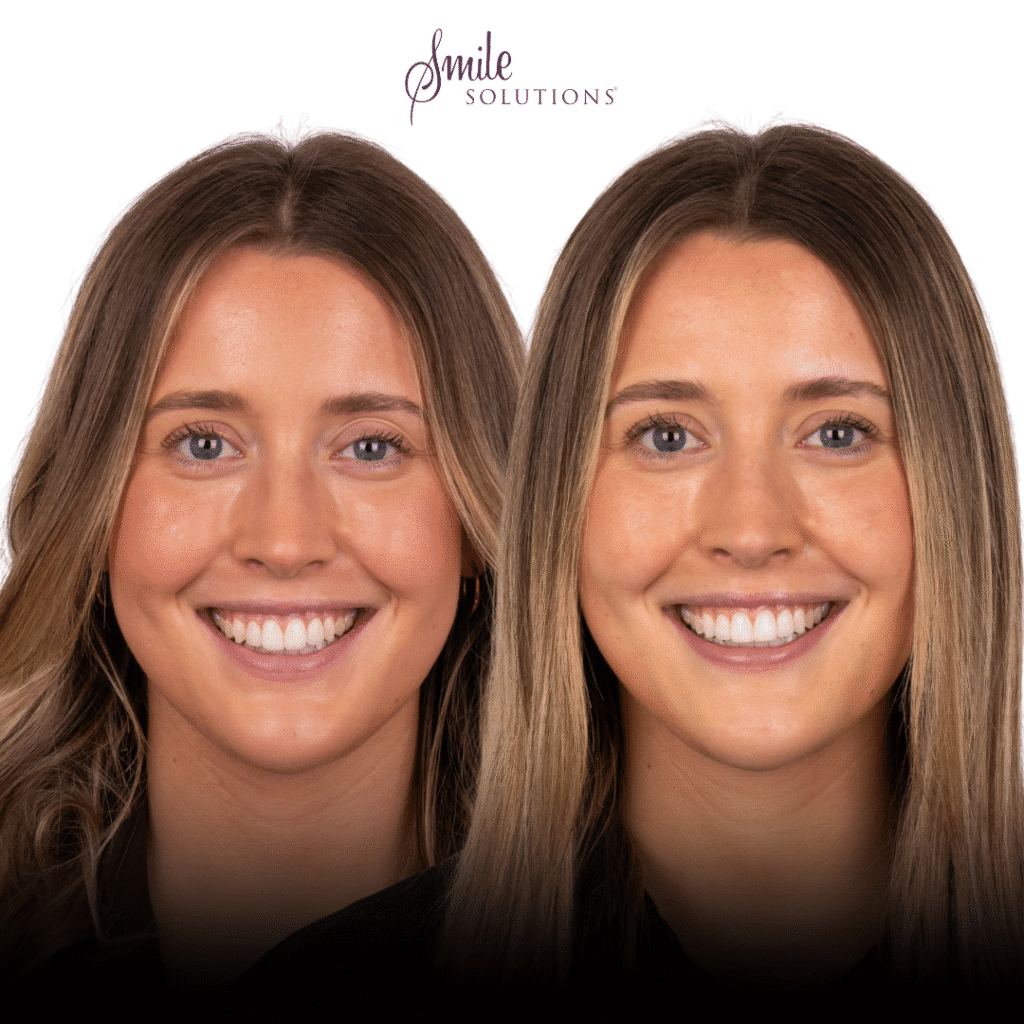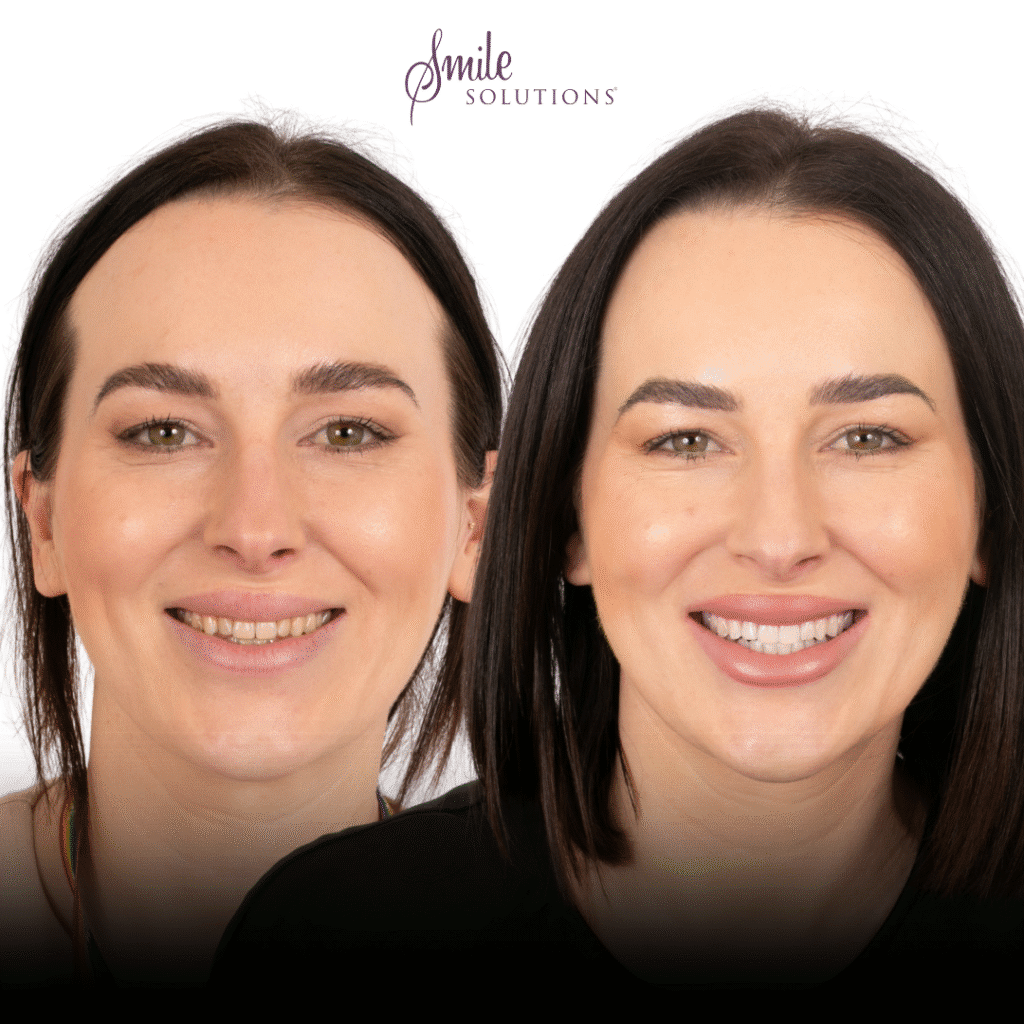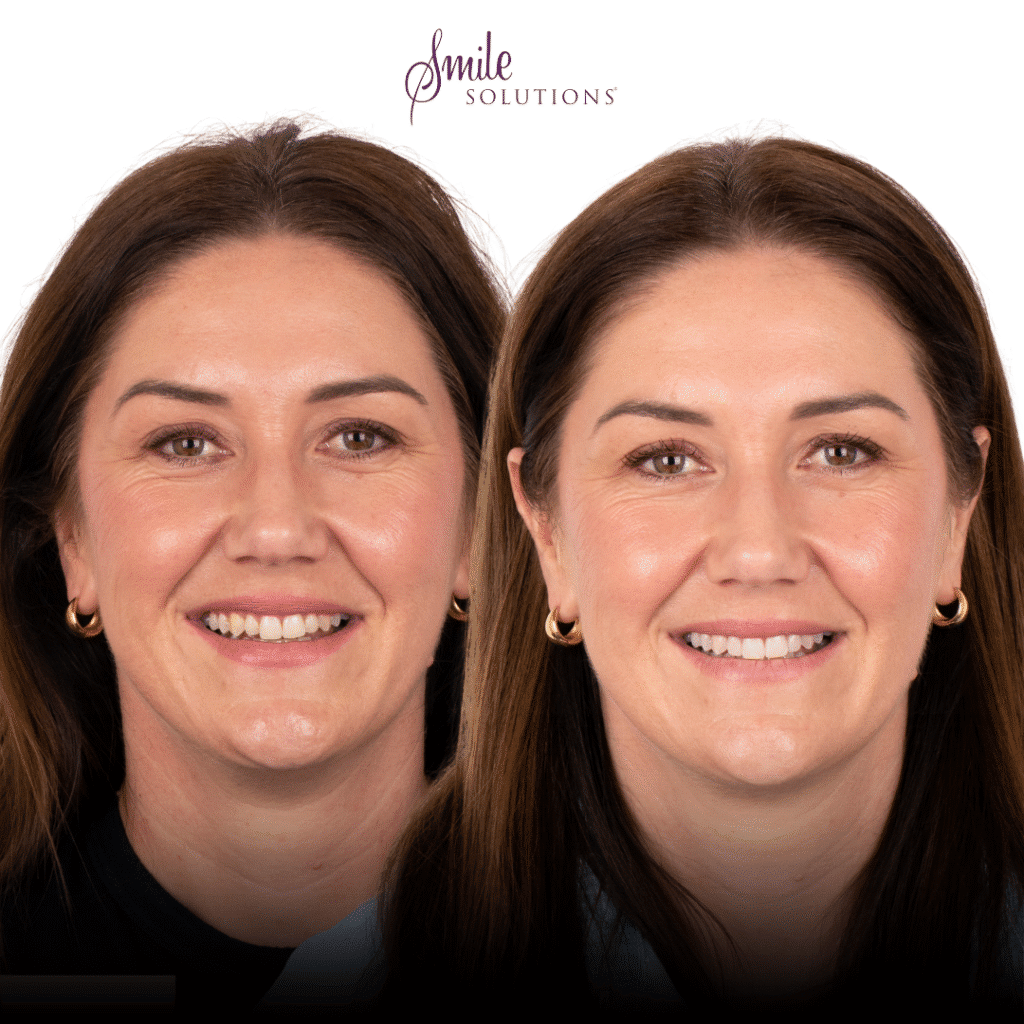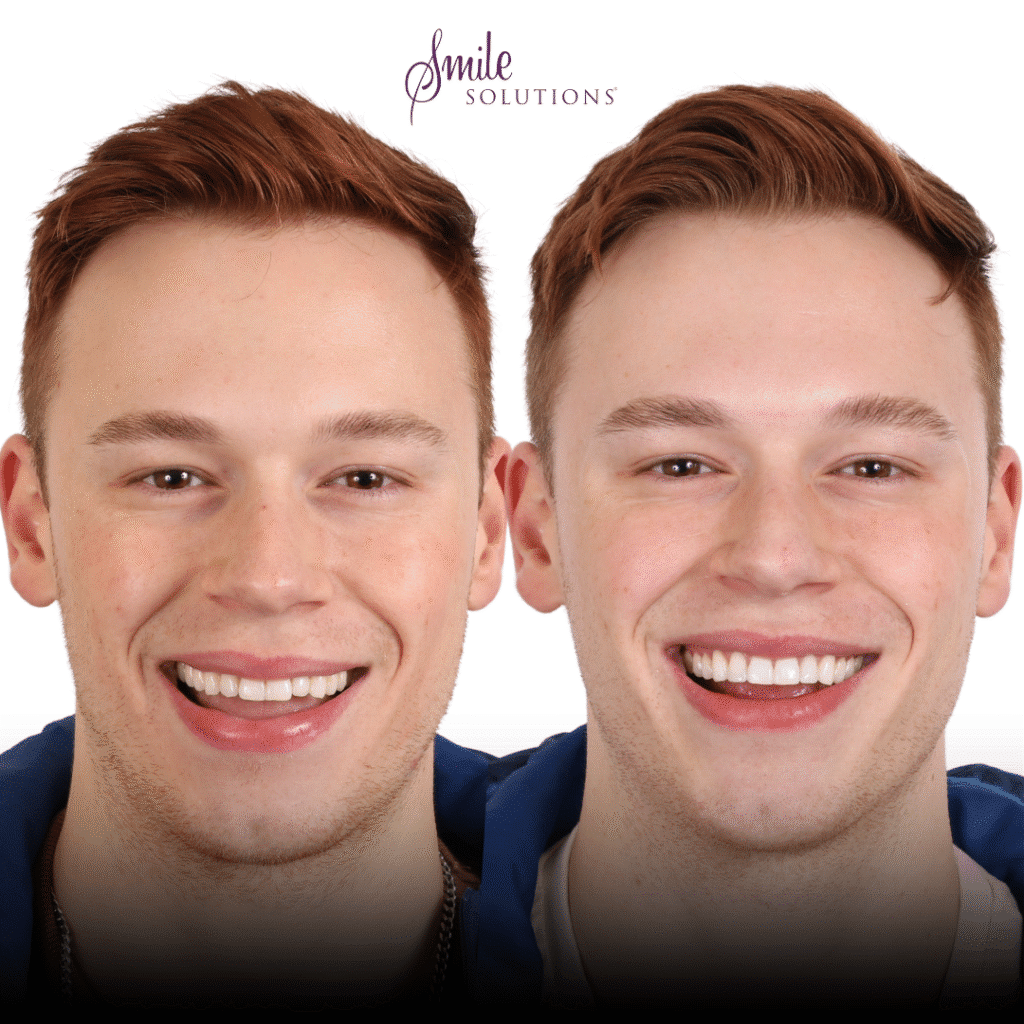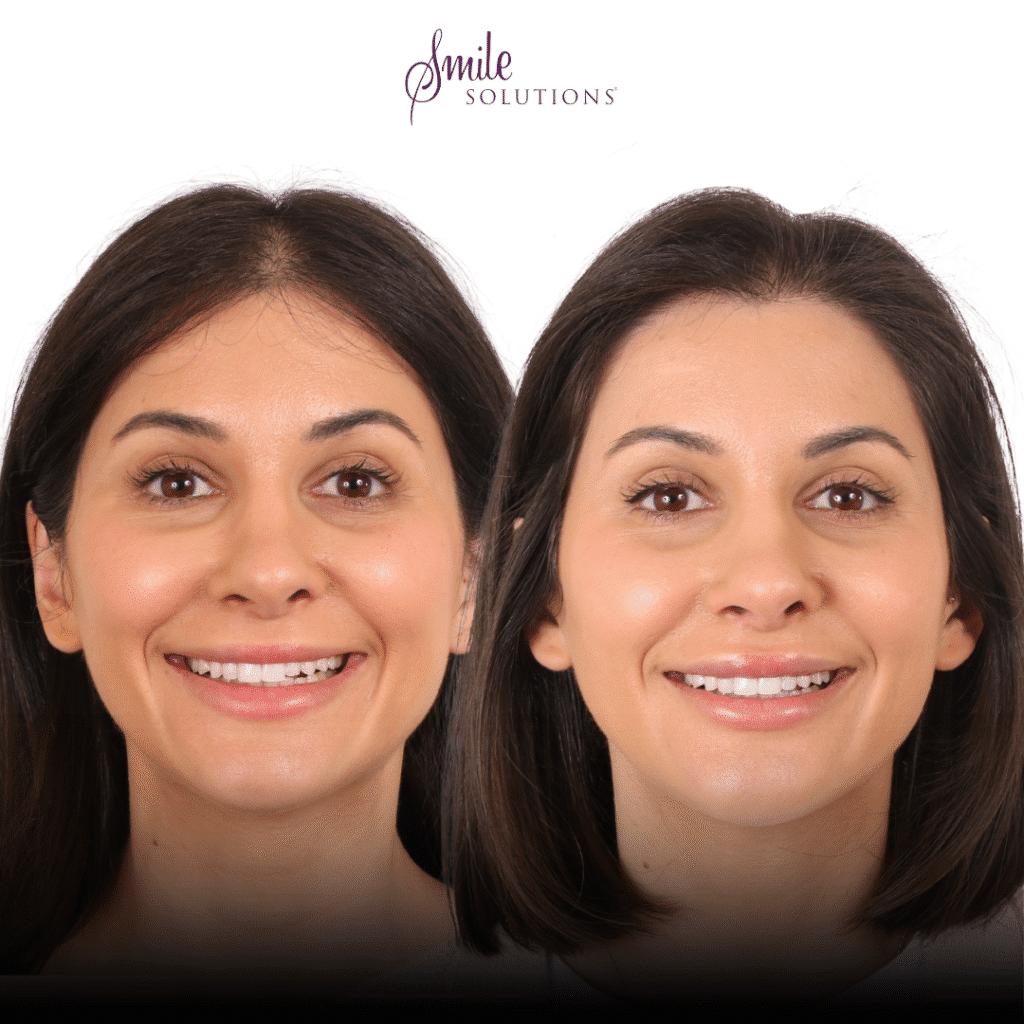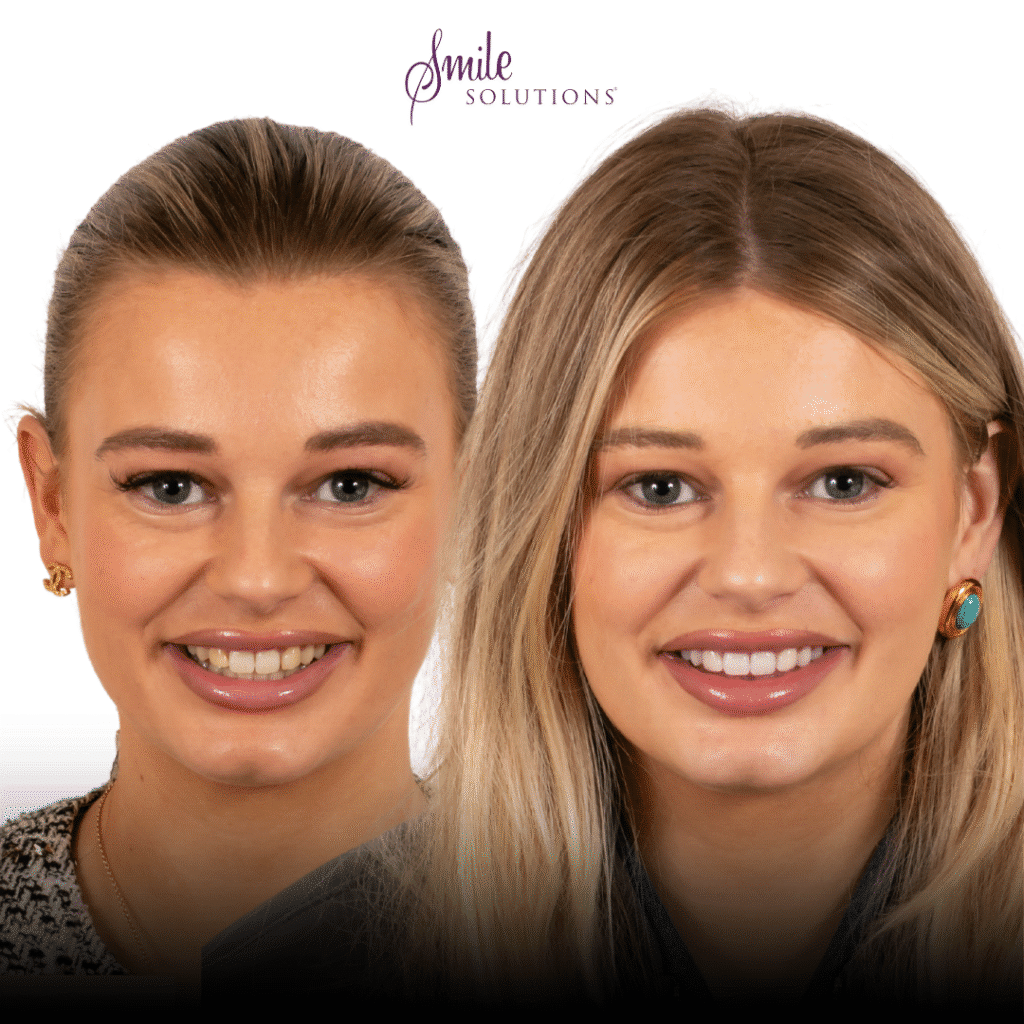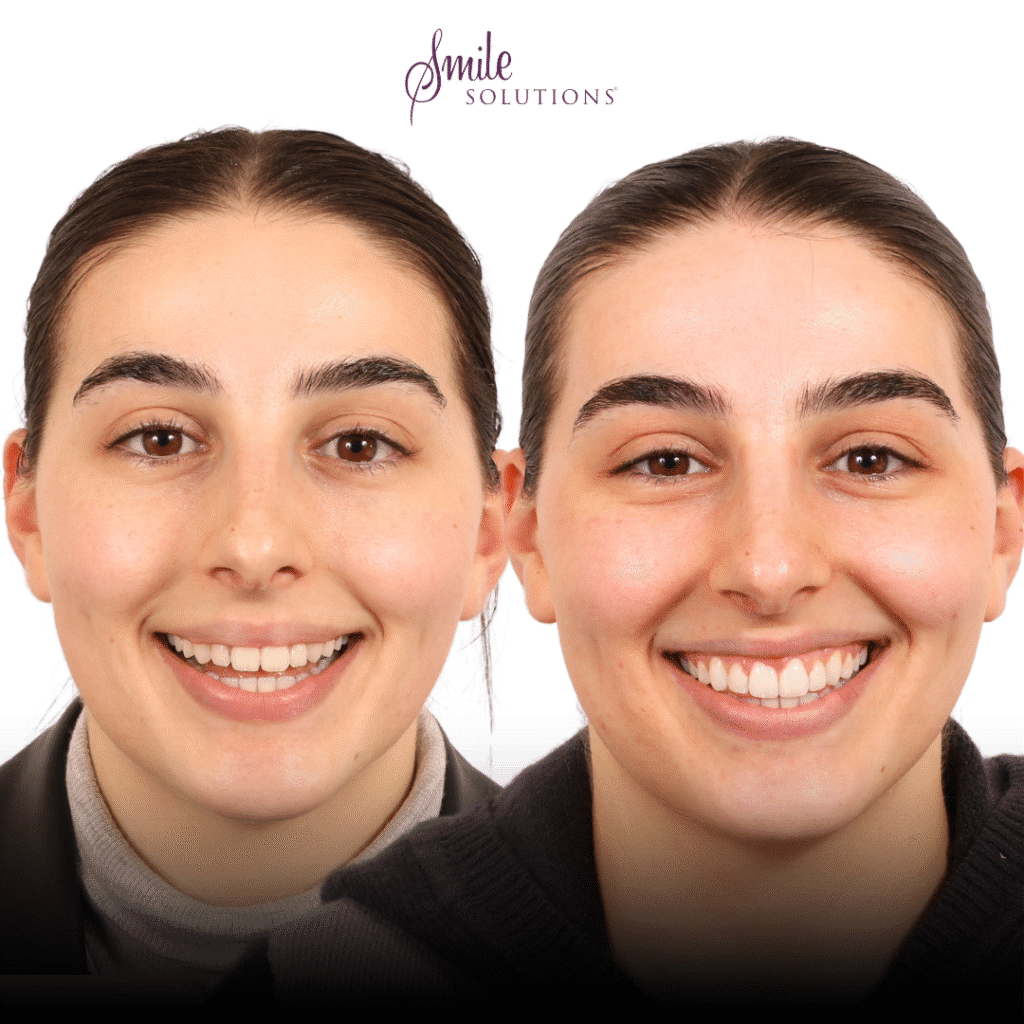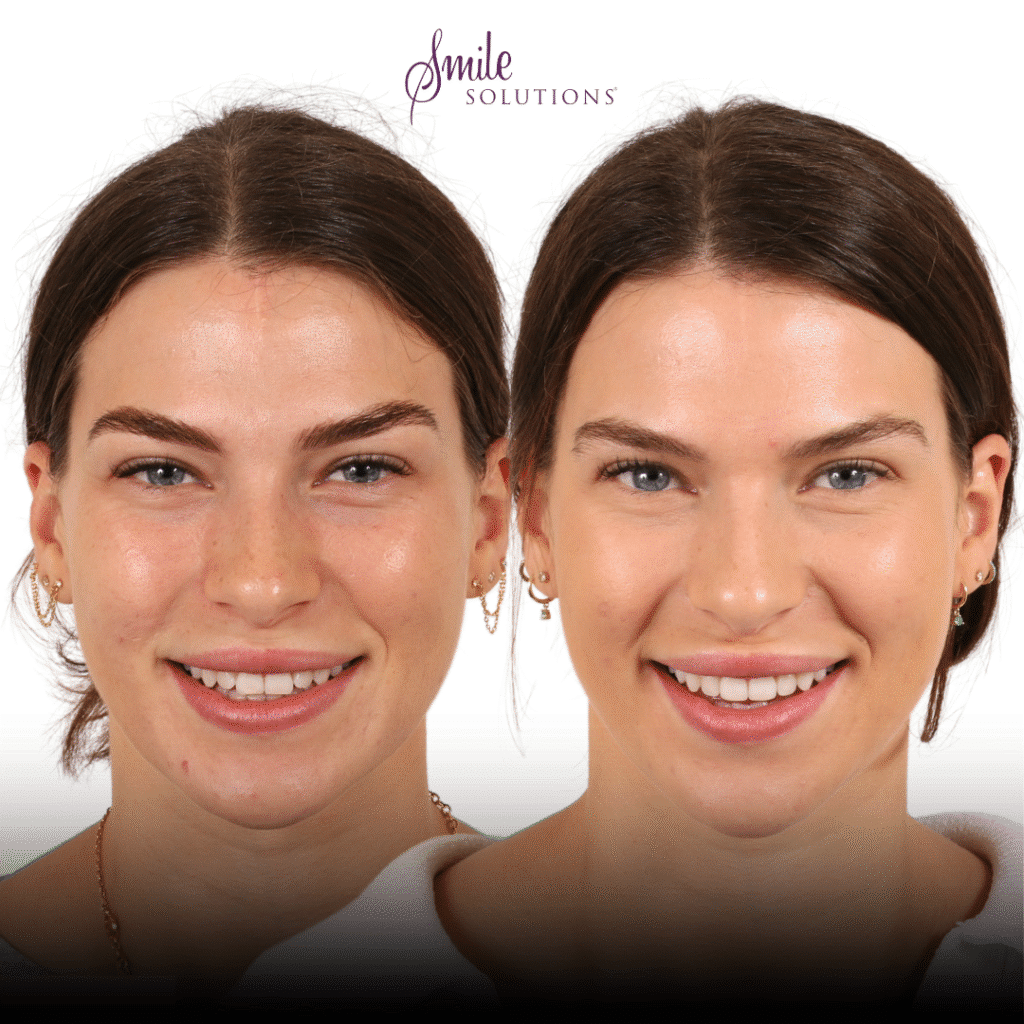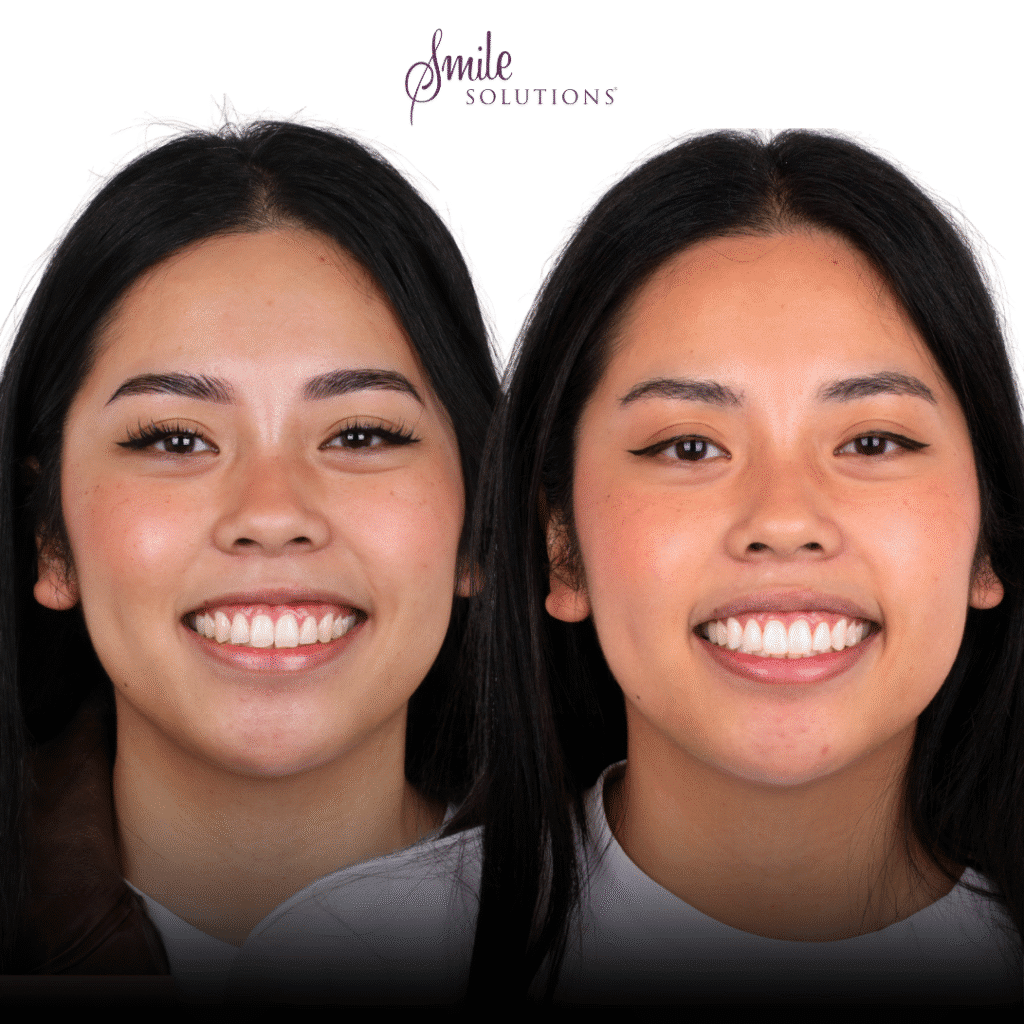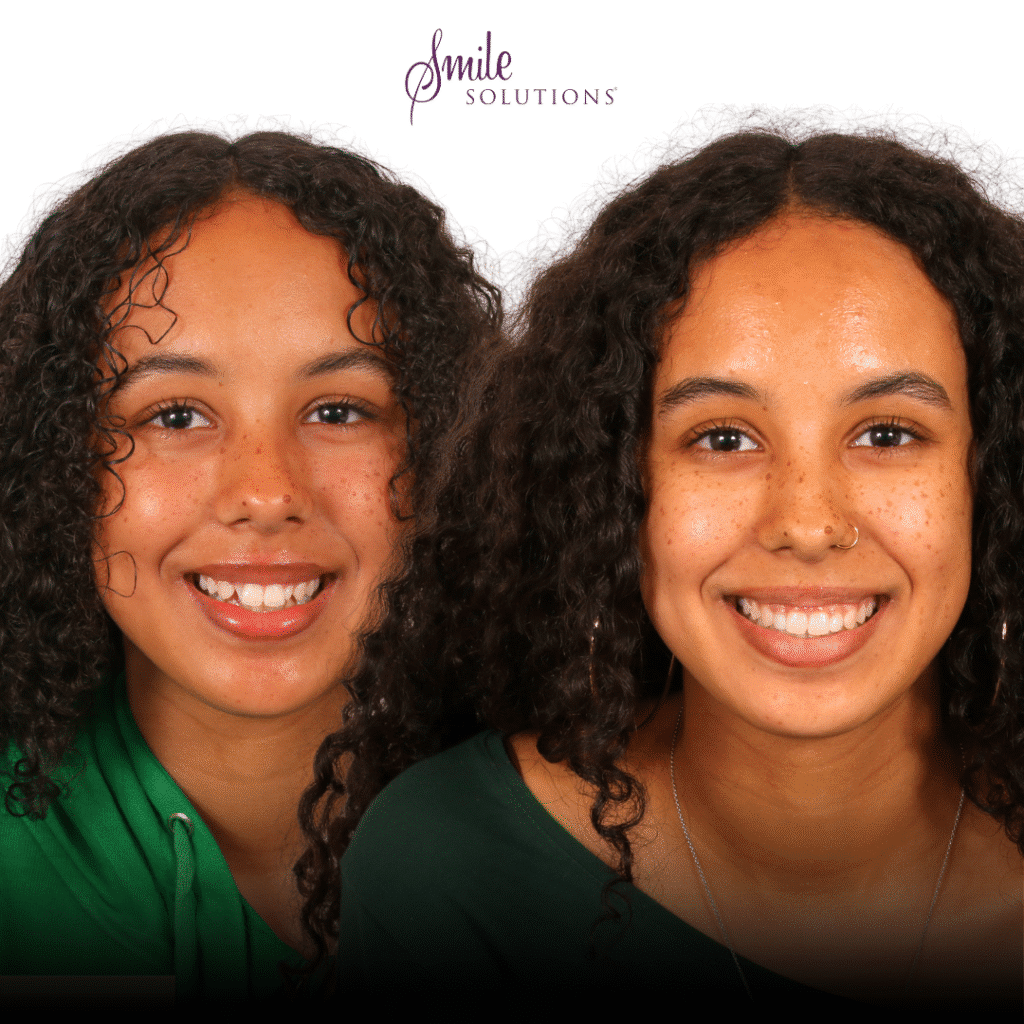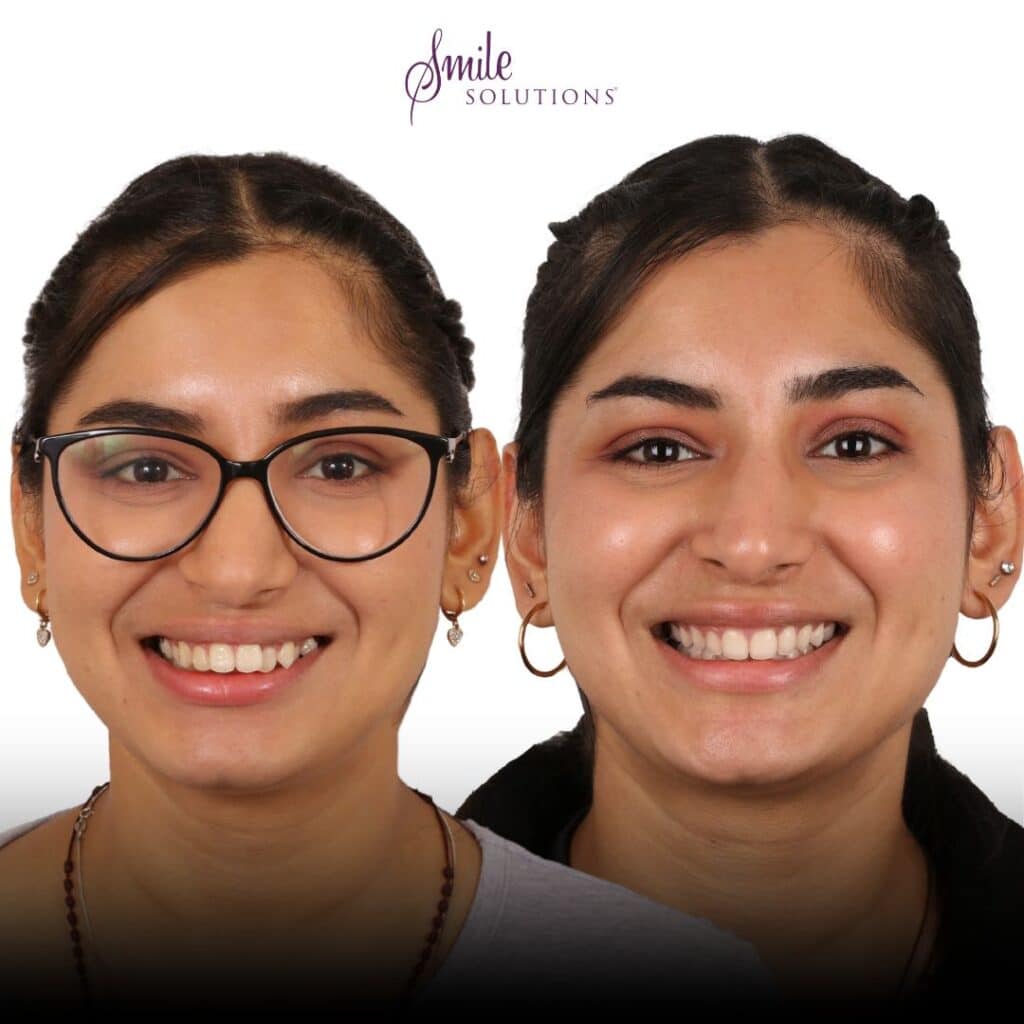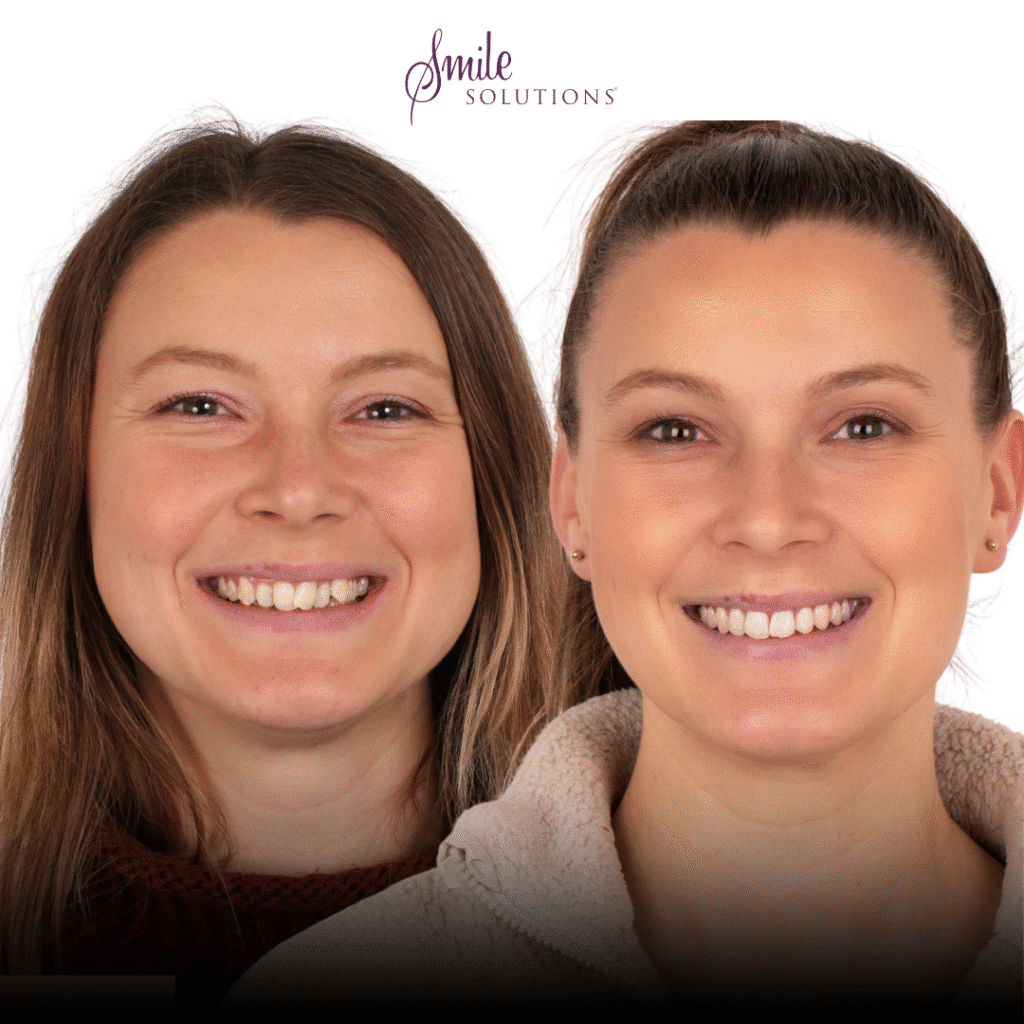
Before & After Gallery
Before and After Gallery
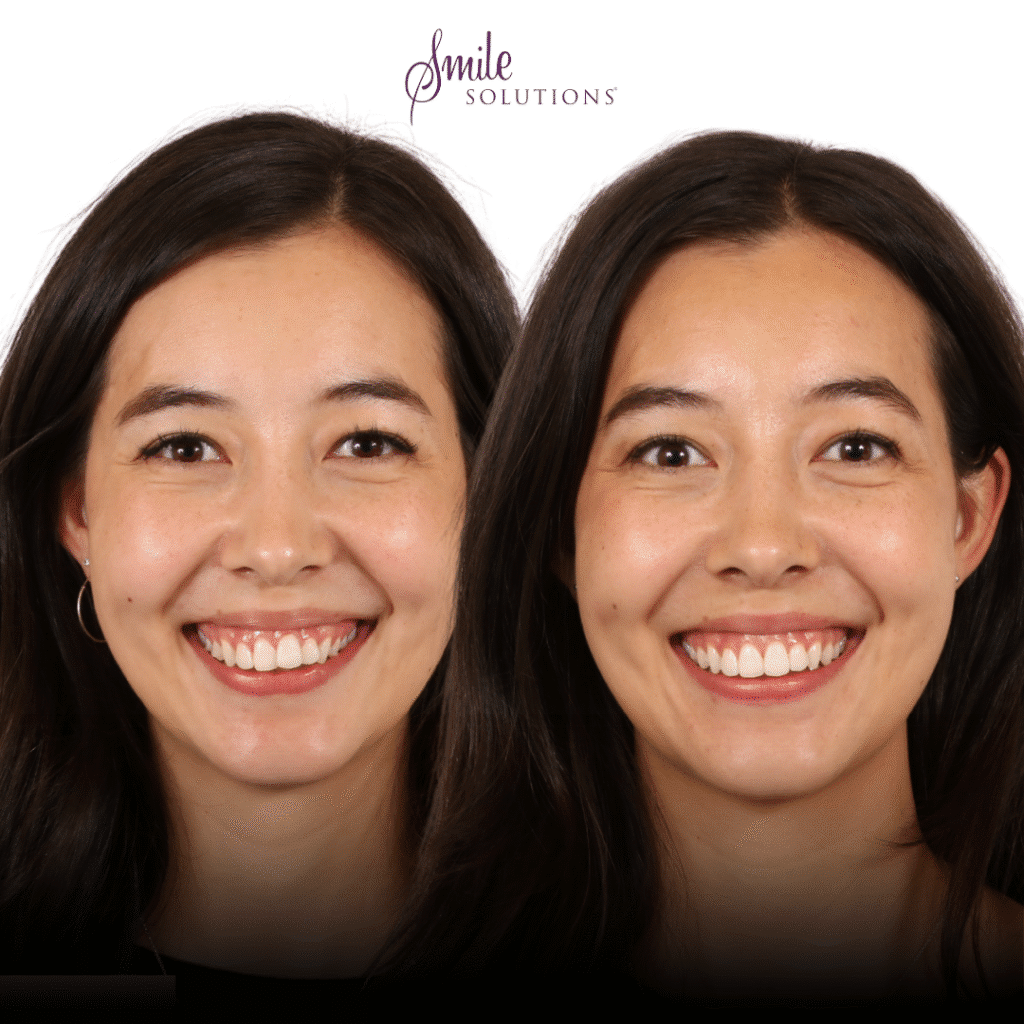
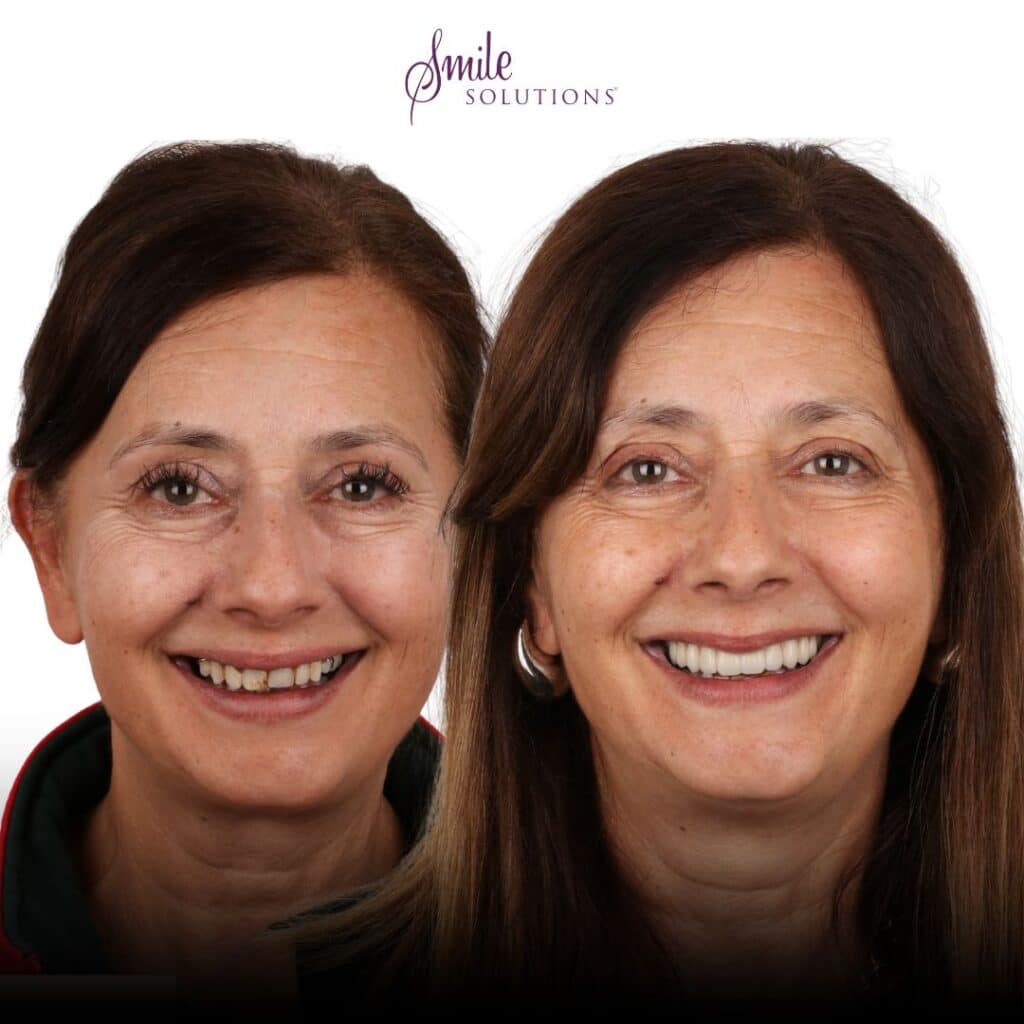
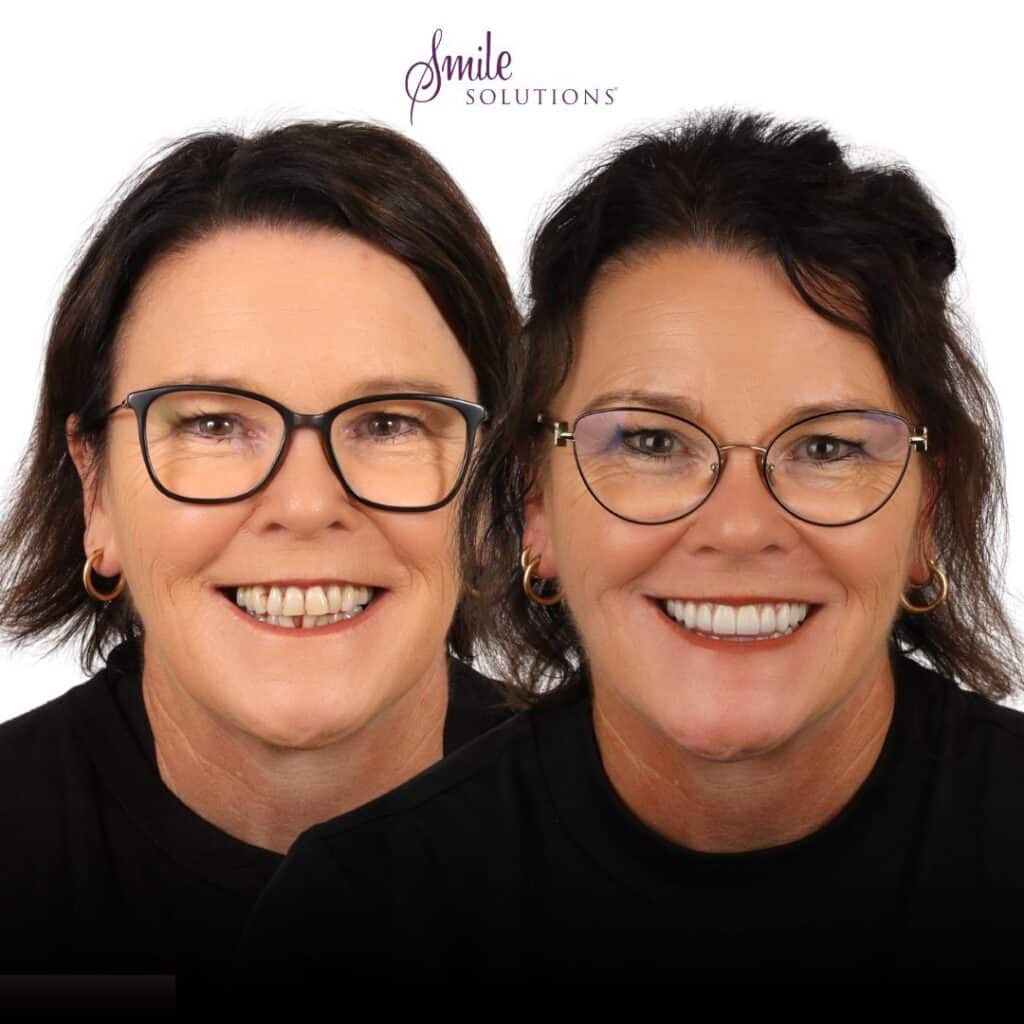
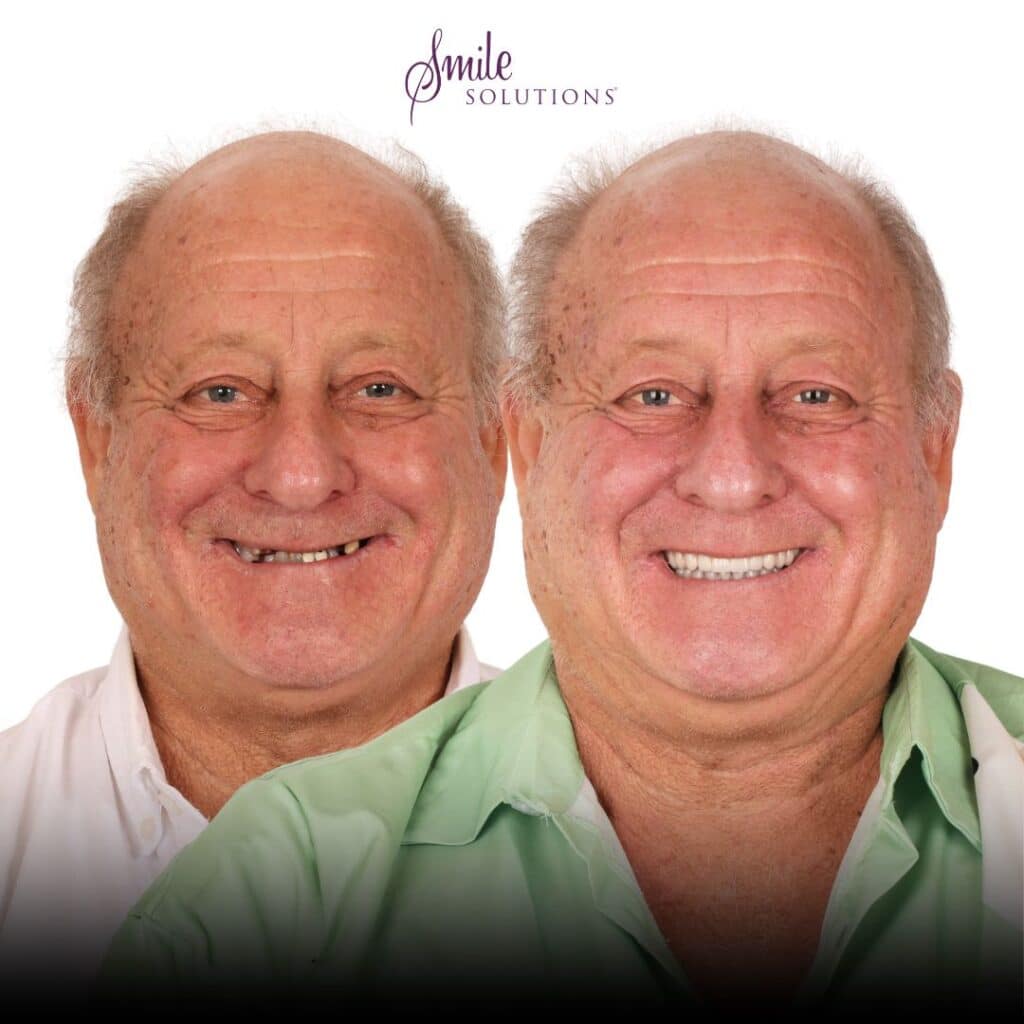
Why there are no before-and-after images on this page
Because they are restricted in Australian health advertising, and because most of the ones you see elsewhere are not telling you what you think they are.
Under section 133 of the National Law, advertising a regulated health service must not be misleading — including by omission, must not create an unreasonable expectation of beneficial treatment, and must not encourage the indiscriminate or unnecessary use of health services.
Before-and-after images are specifically restricted, and the restrictions are stricter for cosmetic procedures. AHPRA's guidance is detailed, and in practice most published pairs fail on at least one of the following.
What AHPRA actually says about these images
Worth quoting, because it is short, specific, and almost never met.
On images generally: care should be taken with graphic or visual representations “to ensure they do not create an unreasonable expectation of benefit, as the outcomes experienced by one person do not necessarily reflect the outcomes that other people may experience.” Advertising may be in breach where “it is not clear how the advertised treatment is responsible for, or has directly caused, the benefit shown in the image”, or where “images are not genuine and/or have been edited or enhanced”.
On before-and-after pairs specifically: “Care should be taken when using ‘before and after’ images in advertising a regulated health service as they have the potential to be misleading or deceptive. These images may cause a member of the public to have unreasonable expectations of a successful outcome.”
And then AHPRA sets out when such images are less likely to be misleading. This is the checklist. Use of before-and-after images is less likely to mislead if:
- the images are as similar as possible in content, camera angle, background, framing and exposure
- the posture, clothing and make-up is consistent
- the lighting and contrast is consistent
- there is an explanation if images have been altered in any way
- the referenced treatment or procedure is the only visible change to the person being photographed
Read that last point twice. If the “after” also has different lipstick, a tan, a haircut, a different expression and a retractor in the mouth, the treatment is not the only visible change, and the pair is not telling you what it appears to.
Apply the five tests to the next dental before-and-after you see anywhere. Most fail on three or four of them, and you can establish that from the photographs alone, without knowing anything about dentistry.
How before-and-after images mislead, technically
This is worth knowing whenever you look at one, anywhere — and each of these is a failure of one of AHPRA's five conditions.
Lighting. Teeth photographed under warm domestic light look darker; under cool bright surgery light they look lighter. The same teeth, unchanged, can differ by several apparent shades between two photographs.
Lip retraction. The “after” is almost always taken with retractors holding the lips wide and the teeth fully exposed. The “before” often is not. More visible tooth reads as a better result.
Angle and focal length. A front-facing phone camera at arm's length distorts the face and exaggerates the front teeth. A portrait lens from further away does not. Two photographs at different distances are not comparable.
Dehydration. Teeth dry out during a long appointment or after in-chair whitening, and temporarily appear lighter. That rebounds over the following days. An “after” photograph taken at the end of the appointment shows a result that will not last the week.
Filters and editing. Beauty filters brighten teeth automatically, and often by default. AHPRA's requirement is an explanation wherever images have been altered in any way — which, on a phone, is most of them.
Case selection. You are shown the best result the practice has, from a case chosen because it went well. You are not shown the average, and you are certainly not shown the failures.
And what is never in the frame: how much tooth was removed, how many teeth were prepared, whether they were veneers or crowns, how many appointments it took, what it cost, what the risks were, whether the patient needed root canal treatment afterwards, and what it will look like in fifteen years.
“Results vary” in small type does not fix any of that.
And a photograph is not evidence, in the technical sense either
Claims made in advertising a regulated health service have to be substantiated, and AHPRA calls the standard acceptable evidence — “empirical data from formal research or systematic studies in the form of peer-reviewed publications”.
Several categories of study are named as generally not acceptable for advertising claims. Two of them describe exactly what a gallery is:
- “before and after studies with few or no controls”
- “anecdotal evidence based on observations in practice”
A single case study is also given as an example of unacceptable evidence, because the design itself carries a higher risk of biased or inaccurate findings. A before-and-after pair is a single case study with the controls removed and the lighting improved.
A practitioner's own story is treated the same way. AHPRA gives a worked example of a potential breach in which a practitioner describes their personal experience of a treatment as what finally helped them — because an anecdote from the advertiser can create an unreasonable expectation of beneficial treatment just as a patient's can.
What to ask for instead — and this is genuinely better
A photograph of someone else's mouth tells you nothing about what your teeth will look like. Your teeth, your lip line, your gum position, your bite and your face are different.
There are two things that do show you your own result, before anything is irreversible.
1. A diagnostic wax-up
The proposed shape is built in wax on a model of your teeth. You can see the length, the width, the proportions and the arrangement in three dimensions, and change them before anything is touched.
2. A trial smile (mock-up)
The single most valuable thing in cosmetic dentistry, and the most under-requested.
The proposed shape is transferred into temporary material and bonded over your own unprepared teeth, usually without removing anything at all. You then:
- See it on your own face, in your own mirror, in daylight
- Photograph it yourself, without retractors and without a filter
- Say the words — length and thickness of upper front teeth affect F, V and S sounds, and problems appear in conversation, not in a chair
- Show it to someone whose opinion you trust
- Change your mind, at no cost, while everything is still reversible
Asking for a wax-up and a trial smile is entirely reasonable, and a well-run practice offers them. They cost an appointment. They are the difference between a decision made from a photograph of a stranger and a decision made from your own face. Why you should see your new smile before any treatment begins sets out what the appointment involves.
And the questions that matter more than any image
- “Veneer or crown — and how many millimetres, from which teeth?” The word “veneer” is used in advertising for both, and a crown removes substantially more — the difference between porcelain crowns and veneers is mostly a difference in how much tooth is gone. The most-cited measurement of that gap is below, in the questions.
- “What would orthodontics achieve here?” Moving teeth removes none of them. It is slower; that is the whole trade.
- “What is the least invasive option that would get most of this result?” — for small chips and edges that is often composite bonding rather than anything prepared.
- “What is the replacement cycle, and what does replacement cost — for one, and for all of them?”
- “What is the plan if one fractures, or if a tooth needs root canal treatment afterwards?”
- “Who makes the ceramics?” The ceramist determines whether the result looks like teeth.
- “Can I take this away and get a second opinion?” For irreversible work on healthy front teeth, this is the most valuable question on the list. You are entitled to your records and radiographs to take with you.
And: nobody can promise you a specific outcome. Under Australian advertising rules a practice may not, and no practitioner can predict exactly how any individual tooth or gum will respond.
Two more things to recognise in cosmetic advertising
Urgency attached to something irreversible
Section 133 also prohibits advertising that directly or indirectly encourages the indiscriminate or unnecessary use of a regulated health service, on the reasoning that any health intervention carries inherent risk, so encouraging use that is not based on clinical need is not in the public interest.
AHPRA names the vocabulary: “don't delay”, “act now before it's too late”, “don't miss out”, “time is running out”, “for a limited time only” — unlawful where they are tied to an unsubstantiated suggestion that your health will suffer if you do not act.
It also names two structures rather than phrases: encouraging attendance at periodic or regular appointments where there is no clinical indication, including contracting for future services; and incentives such as prizes, discounts, bonuses or gifts that would encourage people to use a service regardless of clinical need. AHPRA's own example of a breach is a practice entering patients into a draw for a luxury car each time they attend for cosmetic injections — “the more times you attend the more entries you get”.
Any offer must carry its terms
An advertised gift, discount or inducement must state its terms and conditions, in plain language. Advertising may breach the National Law where it contains price information that is unclear, inexact or vague, states an instalment amount without the total cost (the total is itself a condition of the offer), or leaves out restrictions such as age, expiry date, geographical limits or eligibility.
And on “free”: AHPRA notes that “the public generally consider the word ‘free' to mean ‘absolutely' free”, and that where the cost is recouped through a price rise elsewhere, the offer is not actually free. A “complimentary cosmetic consultation” is worth asking about precisely: what it includes, whether records such as scans or radiographs are part of it or charged separately, and whether a deposit applies. Terms must also be easy to find — the public “should not be required to exhaustively search for or contact the advertiser” for them.
On titles, since cosmetic advertising is where they slip
“Cosmetic dentist” is not a recognised specialty in Australia. The closest recognised specialty is prosthodontics.
Where a practitioner does not hold specialist registration, the National Boards consider that advertising using words related to specialty is likely to mislead — that includes “specialist”, “specialises in”, “specialty” and “specialised”. “Substantial experience in” and “working primarily in” are described as less likely to be misleading.
A separate point that causes real confusion: a 2022 amendment introduced section 115A, restricting the title “surgeon” in the medical profession to practitioners holding specialist registration in surgery, obstetrics and gynaecology, or ophthalmology — so a medical practitioner with general registration can no longer advertise as a “cosmetic surgeon”. That provision applies only to registered medical practitioners. It does not change the rules for protected titles held by practitioners with specialist registration in the dental profession, or for dentists using the title “dental surgeon”.
AHPRA also publishes separate advertising guidelines for cosmetic work — one set for registered medical practitioners advertising cosmetic surgery, and another for advertising higher-risk non-surgical cosmetic procedures. Cosmetic advertising is the area the regulator has built the most additional guidance around, which is itself worth knowing when you read it. What happens to the practices that ignore it is set out on Reviews.
Common questions
Why are there no before-and-after photographs on this page?
This page takes a deliberately cautious approach to cosmetic advertising. Photographs can be selected, cropped, lit and timed in ways that make comparison unreliable, and another person's result cannot establish what is suitable or achievable for you.
One clarification, because the distinction matters and is often blurred in both directions. AHPRA does not ban before-and-after images outright. Its published guidance says “care should be taken” with them because they “have the potential to be misleading or deceptive”, and then sets out the five conditions listed above under which they are “less likely” to mislead. A practice that meets all five and can explain any alteration is not doing something prohibited. Not publishing them at all is a choice, not an obligation — and it is a choice made here because meeting the fifth condition, that the treatment is the only visible change, is difficult to demonstrate to a reader who was not in the room.
Can before-and-after photographs predict my result?
No. They show selected individuals under particular conditions. Starting anatomy, dental health, treatment choices, healing and maintenance differ, so photographs cannot promise an individual outcome.
There is a subtler reason as well, and it applies to published survival figures too. The systematic review of porcelain laminate veneers described below deliberately excluded slight marginal defects and slight marginal discolouration from its definition of failure, on the grounds that these “have more to do with the appearance” of the veneer and can usually be repolished or repaired. So a high survival figure does not mean that nearly all of those veneers still looked good — it means they were still there and had not fractured, debonded, decayed underneath or needed root canal treatment. Appearance over time is the thing patients care most about and the thing the literature measures least well. No photograph fixes that, and no photograph reveals it.
What should I ask when a practice shows a case?
Ask whether it is the treating practitioner's own case, whether the images use the same angle and lighting, when the after image was taken, what other treatment occurred, how much tooth structure was removed and what maintenance or replacement is expected.
On that middle question — how much tooth structure — there is a number worth carrying into the conversation. Edelhoff and Sorensen's study in the Journal of Prosthetic Dentistry in 2002 weighed how much of the crown of a tooth each preparation design removes. A traditional porcelain veneer covering the facial surface removed about 16.7 per cent of the coronal tooth structure by weight; the most extensive veneer design removed about 30 per cent; an all-ceramic crown removed 64 to 70 per cent and a metal-ceramic crown 71.9 per cent. The authors' conclusion was that veneer preparations required “approximately one-quarter to one-half the amount of tooth reduction of conventional complete-coverage crowns”.
Quote that honestly, though, because it is easy to over-claim. The study was in vitro, on artificial resin typodont teeth, with idealised preparations on anterior teeth and ten specimens per design. It measures what each design requires, not what any clinician removed from any patient's mouth. Use it to understand the scale of the difference between a veneer and a crown — which is large — not as a prediction of millimetres on your own tooth. That is what the treatment plan and the photographs of your own prepared teeth are for, and you can ask for both.
If a photograph cannot tell me how long this will last, what can?
Survival figures at stated time points, read with their qualifiers. That is the honest substitute for a number of years, and it is worth knowing that no authority publishes a lifespan in years for a veneer — a figure like “15 to 20 years” is a marketing convention, not something anyone can be held to.
What does exist: a systematic review in the Journal of Clinical Medicine in 2021 pooled 25 studies published between 1997 and 2020, covering 6,500 porcelain laminate veneers in 1,646 patients, and calculated a 10-year cumulative survival rate of 95.5 per cent when fracture, debonding, secondary decay and the need for root canal treatment were all counted as failure — 433 of the 6,500 failed on that definition. Broken out, the 10-year figures were 96.3 per cent counting fracture alone, 99.2 per cent for debonding, 99.3 per cent for secondary decay and 99.0 per cent for need of endodontic treatment. Fracture was the most common complication, then debonding, and both happened most often in the first years after the veneers were fitted.
The review is candid about its own limits, and they should travel with the number: 17 of the 25 studies were retrospective, just over half were in a university setting rather than private practice, and the authors warn that the life-table results “should be interpreted with caution” because the numbers still being followed in the later years were low. Definitions of failure also varied between studies, from “loss of function” to “when it needed to be replaced”.
On material choice, the cleanest head-to-head is a 10-year practice-based evaluation by Mazzetti and colleagues published in Dental Materials in 2022. On survival analysis, the annual failure rate for composite veneers was 3.9 per cent at five years and 4.1 per cent at ten, against 1.4 per cent and 1.2 per cent for ceramic. On the stricter success analysis it was 9.1 per cent and 10 per cent for composite against 2.9 per cent and 2.8 per cent for ceramic. The hazard ratio for composite compared with ceramic was 4.00 (95% CI 2.74 to 5.83) for survival. Composite is cheaper, repairable and removes less tooth; it also fails more often. Both of those are true at once, and the choice between them is yours to make with those two facts in hand rather than from a gallery.
What is a mock-up and why is it more useful?
A mock-up is a reversible preview placed on your own teeth or modelled from your own records. It can help assess shape, proportion and speech before irreversible treatment. It remains a planning aid rather than a guarantee.
We should be straight about the evidence here: we have not found a controlled trial in the independent literature showing that patients who have a mock-up end up more satisfied than those who do not. The argument for it is not a trial result. It is that the alternative is consenting to an irreversible change to healthy front teeth on the strength of a photograph of somebody else, and that a mock-up is the only step in the sequence you can still walk away from at no cost.
Are cosmetic dental images digitally altered?
Images should not be altered in a way that misrepresents a clinical result. Ask whether filters, retouching, whitening, artificial intelligence or different lighting have changed what you are seeing.
AHPRA's wording is worth quoting back if you need to: advertising may breach the National Law where “images are not genuine and/or have been edited or enhanced”, and its list of conditions requires “an explanation if images have been altered in any way”. “In any way” includes the automatic enhancement most phone cameras apply by default, so the absence of any such explanation is itself informative.
What matters more than a gallery image?
A diagnosis, healthy foundation, conservative alternatives, the clinician's registration, material risks, a written itemised plan, the irreversible decision point and the expected maintenance and replacement costs matter more than any selected photograph.
If you want one test: ask for the least invasive option that would achieve most of the result, and ask what it would cost to replace everything in the plan once. A practice that answers both plainly is telling you more than a hundred photographs would.
Further reading on this site
- How to improve your smile — the least-invasive-first sequence, and where the point of no return is
- ‘Like a set of piano keys': Why Australians are opting for veneers — why overdone veneers look wrong, and what is actually removed
- You Can Now Get Same Day Porcelain Veneers — what living with veneers involves for thirty years
- Smile for the ultimate selfie — why phone cameras distort faces, and body dysmorphic disorder
- Five-way fix: Bright Whites — the five different causes of a dull smile, each with a different fix
- Fix My Teeth — where to start if you do not yet know what the problem is called
- Why Choose Us — the same rules applied to everything else a practice says about itself
Practical details
Smile Solutions, Level 1, 220 Collins Street, Manchester Unity Building, Melbourne VIC 3000. Phone 13 13 96, or theteam@smilesolutions.com.au. Monday–Friday 8.00am–6.00pm, Saturday 8.30am–1.30pm, Sunday by appointment.
Every practitioner's registration and any specialist entry can be verified free on the AHPRA public register at ahpra.gov.au. “Cosmetic dentist” is not a recognised specialty in Australia; the closest recognised specialty is prosthodontics.
This page contains general information. It is not a diagnosis, a treatment plan or a promise of any particular result. Cosmetic dental treatment is largely irreversible, carries risks including sensitivity, pulp death and eventual replacement, and individual results vary. Survival percentages quoted here come from pooled international studies with the limitations stated alongside them and are not predictions for your own restorations. Statements of law and regulatory guidance on this page are drawn from AHPRA's published advertising material and are current at the time of writing; check ahpra.gov.au for the current position.
Smile Solutions trades under ABN 28 193 514 103.
Images on This Page
-
https://www.facebook.com/tr?id=800557773428361&ev=PageView&noscript=1
(no alt text)
-
https://www.smilesolutions.com.au/wp-content/uploads/2025/10/calendar_month.svg
(no alt text)
-
https://www.smilesolutions.com.au/wp-content/themes/arcadian-wordpress-theme/assets/images/smile_solutions_logo_white.png
Smile Solutions Logo
-
https://www.smilesolutions.com.au/wp-content/themes/arcadian-wordpress-theme/assets/images/smile_solutions_logo_purple.png
Smile Solutions Logo
-
https://www.smilesolutions.com.au/wp-content/uploads/2025/11/Smile-Solutions-4.png
Smile Solutions - Melbourne CBD
-
https://www.smilesolutions.com.au/wp-content/uploads/2025/11/14-1024x1024.png
14
-
https://www.smilesolutions.com.au/wp-content/uploads/2025/11/11-1024x1024.png
Smile Solutions
-
https://www.smilesolutions.com.au/wp-content/uploads/2025/11/8-1024x1024.png
Smile Solutions
-
https://www.smilesolutions.com.au/wp-content/uploads/2025/11/23-1024x1024.png
23
-
https://www.smilesolutions.com.au/wp-content/uploads/2025/11/26-1024x1024.png
Smile Solutions
-
https://www.smilesolutions.com.au/wp-content/uploads/2025/11/20-1024x1024.png
20
-
https://www.smilesolutions.com.au/wp-content/uploads/2025/11/17-1024x1024.png
17
-
https://www.smilesolutions.com.au/wp-content/uploads/2025/11/29-1024x1024.png
Smile Solutions
-
https://www.smilesolutions.com.au/wp-content/uploads/2025/11/35-1024x1024.png
Smile Solutions
-
https://www.smilesolutions.com.au/wp-content/uploads/2025/11/38-1024x1024.png
Smile Solutions
-
https://www.smilesolutions.com.au/wp-content/uploads/2025/11/32-1024x1024.png
Smile Solutions
-
https://www.smilesolutions.com.au/wp-content/uploads/2025/11/41-1024x1024.png
41
-
https://www.smilesolutions.com.au/wp-content/uploads/2025/11/44-1024x1024.png
Smile Solutions
-
https://www.smilesolutions.com.au/wp-content/uploads/2025/11/47-1024x1024.png
Smile Solutions
-
https://www.smilesolutions.com.au/wp-content/uploads/2025/11/50-1024x1024.png
Smile Solutions
-
https://www.smilesolutions.com.au/wp-content/uploads/2025/11/59-1024x1024.png
Smile Solutions
-
https://www.smilesolutions.com.au/wp-content/uploads/2025/11/53-1024x1024.png
Smile Solutions
-
https://www.smilesolutions.com.au/wp-content/uploads/2025/11/56-1024x1024.png
Smile Solutions
-
https://www.smilesolutions.com.au/wp-content/uploads/2025/11/68-1024x1024.png
Smile Solutions
-
https://www.smilesolutions.com.au/wp-content/uploads/2025/11/65-1024x1024.png
Smile Solutions
-
https://www.smilesolutions.com.au/wp-content/uploads/2025/11/62-1024x1024.png
Smile Solutions
-
https://www.smilesolutions.com.au/wp-content/uploads/2025/11/71-1024x1024.png
Smile Solutions
-
https://www.smilesolutions.com.au/wp-content/uploads/2025/11/74-1024x1024.png
Smile Solutions
-
https://www.smilesolutions.com.au/wp-content/uploads/2025/11/77-1024x1024.png
Smile Solutions
-
https://www.smilesolutions.com.au/wp-content/uploads/2025/11/80-1024x1024.png
Smile Solutions
-
https://www.smilesolutions.com.au/wp-content/uploads/2025/11/83-1024x1024.png
83
-
https://www.smilesolutions.com.au/wp-content/uploads/2025/11/86-1024x1024.png
86
-
https://www.smilesolutions.com.au/wp-content/uploads/2025/11/95-1024x1024.png
95
-
https://www.smilesolutions.com.au/wp-content/uploads/2025/11/89-1024x1024.png
Smile Solutions
-
https://www.smilesolutions.com.au/wp-content/uploads/2025/11/92-1024x1024.png
92
-
https://www.smilesolutions.com.au/wp-content/uploads/2025/11/104-1024x1024.png
Smile Solutions
-
https://www.smilesolutions.com.au/wp-content/uploads/2025/11/101-1024x1024.png
Smile Solutions
-
https://www.smilesolutions.com.au/wp-content/uploads/2025/11/98-1024x1024.png
Smile Solutions
-
https://www.smilesolutions.com.au/wp-content/uploads/2025/11/107-1024x1024.png
Smile Solutions
-
https://www.smilesolutions.com.au/wp-content/uploads/2025/11/110-1024x1024.png
Smile Solutions
-
https://www.smilesolutions.com.au/wp-content/uploads/2025/11/113-1024x1024.png
Smile Solutions
-
https://www.smilesolutions.com.au/wp-content/uploads/2025/11/116-1024x1024.png
Smile Solutions
-
https://www.smilesolutions.com.au/wp-content/uploads/2025/11/119-1024x1024.png
Smile Solutions
-
https://www.smilesolutions.com.au/wp-content/uploads/2025/11/122-1024x1024.png
Smile Solutions
-
https://www.smilesolutions.com.au/wp-content/uploads/2025/11/131-1024x1024.png
Smile Solutions
-
https://www.smilesolutions.com.au/wp-content/uploads/2025/11/125-1024x1024.png
Smile Solutions
-
https://www.smilesolutions.com.au/wp-content/uploads/2025/11/128-1024x1024.png
Smile Solutions
-
https://www.smilesolutions.com.au/wp-content/uploads/2025/11/140-1024x1024.png
Smile Solutions
-
https://www.smilesolutions.com.au/wp-content/uploads/2025/11/137-1024x1024.png
Smile Solutions
-
https://www.smilesolutions.com.au/wp-content/uploads/2025/11/134-1024x1024.png
Smile Solutions
-
https://www.smilesolutions.com.au/wp-content/uploads/2025/11/143-1024x1024.png
143
-
https://www.smilesolutions.com.au/wp-content/uploads/2025/11/146-1024x1024.png
Smile Solutions
-
https://www.smilesolutions.com.au/wp-content/uploads/2025/11/149-1024x1024.png
Smile Solutions
-
https://www.smilesolutions.com.au/wp-content/uploads/2025/11/152-1024x1024.png
Smile Solutions
-
https://www.smilesolutions.com.au/wp-content/uploads/2025/11/155-1024x1024.png
Smile Solutions
-
https://www.smilesolutions.com.au/wp-content/uploads/2025/11/161-1024x1024.png
Smile Solutions
-
https://www.smilesolutions.com.au/wp-content/uploads/2026/03/Smile-6-1024x1024.jpg
Smile 6
-
https://www.smilesolutions.com.au/wp-content/uploads/2026/03/Smile-7-1024x1024.jpg
Smile 7
-
https://www.smilesolutions.com.au/wp-content/uploads/2026/03/Smile-2-1024x1024.jpg
Smile 2
-
https://www.smilesolutions.com.au/wp-content/uploads/2026/03/Smile-3-1024x1024.jpg
Smile 3
-
https://www.smilesolutions.com.au/wp-content/uploads/2026/03/Smile-1-1024x1024.jpg
Smile 1
-
https://www.smilesolutions.com.au/wp-content/uploads/2020/02/Smile-2-1024x1024.jpg
Smile 2
-
https://www.smilesolutions.com.au/wp-content/uploads/2020/02/AVI-WEBSITE-BAs-1024x1024.jpg
AVI WEBSITE BAs
-
https://www.smilesolutions.com.au/wp-content/uploads/2023/01/FLORINA-WEBSITE-BAs-1024x1024.jpg
FLORINA WEBSITE BAs
-
https://www.smilesolutions.com.au/wp-content/uploads/2016/05/PETER-WEBSITE-BAs-1-1024x1024.jpg
PETER WEBSITE BAs 1
-
https://www.smilesolutions.com.au/wp-content/uploads/2026/03/Smile-4-1024x1024.jpg
Smile 4
-
https://www.smilesolutions.com.au/wp-content/uploads/2026/04/WEBSITE-BAs-1024x1024.png
WEBSITE BAs
-
https://www.smilesolutions.com.au/wp-content/uploads/2026/04/188-1024x1024.jpg
188
-
https://www.smilesolutions.com.au/wp-content/uploads/2026/04/Smile-PV-1024x1024.jpg
Smile PV
-
https://www.smilesolutions.com.au/wp-content/uploads/2026/04/225-1024x1024.jpg
225
-
https://www.smilesolutions.com.au/wp-content/uploads/2025/11/198-1024x1024.png
Smile Solutions
-
https://www.smilesolutions.com.au/wp-content/uploads/2026/03/Smile-1024x1024.jpg
Smile
-
https://www.smilesolutions.com.au/wp-content/uploads/2026/03/WEBSITE-BAs-1024x1024.jpg
WEBSITE BAs
-
https://www.smilesolutions.com.au/wp-content/uploads/2025/11/171-1024x1024.png
Smile Solutions
-
https://www.smilesolutions.com.au/wp-content/uploads/2025/11/174-1024x1024.png
Smile Solutions
-
https://www.smilesolutions.com.au/wp-content/uploads/2025/11/168-1024x1024.png
Smile Solutions
-
https://www.smilesolutions.com.au/wp-content/uploads/2025/11/177-1024x1024.png
Smile Solutions
-
https://www.smilesolutions.com.au/wp-content/uploads/2025/11/180-1024x1024.png
Smile Solutions
-
https://www.smilesolutions.com.au/wp-content/uploads/2025/11/183-1024x1024.png
Smile Solutions
-
https://www.smilesolutions.com.au/wp-content/uploads/2025/11/186-1024x1024.png
Smile Solutions
-
https://www.smilesolutions.com.au/wp-content/uploads/2025/11/195-1024x1024.png
Smile Solutions
-
https://www.smilesolutions.com.au/wp-content/uploads/2025/11/189-1024x1024.png
Smile Solutions
-
https://www.smilesolutions.com.au/wp-content/uploads/2025/11/192-1024x1024.png
Smile Solutions
-
https://www.smilesolutions.com.au/wp-content/uploads/2025/11/201-1024x1024.png
Smile Solutions
-
https://www.smilesolutions.com.au/wp-content/uploads/2026/04/Smile-I-1024x1024.jpg
Smile I
-
https://www.smilesolutions.com.au/wp-content/uploads/2025/11/206-1024x1024.png
Smile Solutions
-
https://www.smilesolutions.com.au/wp-content/uploads/2025/11/209-1024x1024.png
Smile Solutions
-
https://www.smilesolutions.com.au/wp-content/uploads/2026/03/Smile-I-1024x1024.jpg
Smile I
-
https://www.smilesolutions.com.au/wp-content/uploads/2026/03/Smile-I-1-1024x1024.jpg
Smile I 1
-
https://www.smilesolutions.com.au/wp-content/uploads/2026/04/Smile-I-2-1024x1024.jpg
Smile I 2
-
https://www.smilesolutions.com.au/wp-content/uploads/2025/08/69a44c30c93ce196d539cc5520080df52a5f3f88-scaled.jpg
69a44c30c93ce196d539cc5520080df52a5f3f88 scaled
-
https://www.smilesolutions.com.au/wp-content/themes/arcadian-wordpress-theme/assets/images/family_owned_bussiness.png
Family Owned Business
-
https://www.smilesolutions.com.au/wp-content/themes/arcadian-wordpress-theme/assets/icons/icon--phone.svg
Smile Solutions Contact
-
https://www.facebook.com/tr? id=800557773428361&ev=PageView&noscript=1
(no alt text)