Fix My Teeth
I want to improve my smile but don't know where to start
That is the specific problem this consultation is designed for.
The number of cosmetic dentistry options is genuinely overwhelming — veneers, crowns, bonding, whitening, Invisalign, implants, gum contouring — and most people arrive knowing what they dislike rather than what they want done about it.
Smile Solutions offers a complimentary one-hour consultation with an experienced treatment coordinator, covering the full range of options against your individual expectations and budget.
We are at Level 1, 220 Collins Street, Manchester Unity Building, Melbourne CBD.
The single most useful way to think about it
Cosmetic dental options are usually presented as a menu. They are better understood as a ladder, ordered by how much healthy tooth they permanently remove.
| Treatment | Tooth removed | Reversible? |
|---|---|---|
| Whitening | None | Yes — the effect fades |
| Orthodontics / Invisalign | None | Teeth can move back without retention |
| Gum contouring | None (gum, not tooth) | No |
| Composite bonding / edge work | Minimal, sometimes none | Largely — it can be removed and redone |
| Composite veneers | Minimal | Mostly |
| Porcelain veneers | A thin layer of enamel — measured at 3 to 30 per cent by weight of the crown of the tooth | No |
| Crowns | Substantial — the tooth is reduced all round, measured at 63 to 72 per cent by weight | No |
Where those two figures come from. Edelhoff and Sorensen weighed idealised preparations of each design in the Journal of Prosthetic Dentistry in 2002, and concluded that “complete-coverage all-ceramic and metal-ceramic crown preparations required the removal of 63% to 72% (by weight) of the total unprepared crown weight”, while “tooth preparations for ceramic veneers (porcelain laminate veneers) and resin-bonded prostheses removed 3% to 30% by weight of the crown”. Within the range, a traditional veneer covering the facial surface came in at about 16.7 per cent and the most extensive veneer design at about 30 per cent. Their summary: veneer preparations needed “approximately one-quarter to one-half the amount of tooth reduction of conventional complete-coverage crowns”.
Two qualifications belong with it. The study was in vitro, on artificial resin typodont teeth, on anterior teeth only, with ten specimens per design — so it measures what each design requires, not what a clinician removed from a particular tooth. And the figures are percentages by weight of the crown, not of the tooth's surface area, which are different things and often confused.
The principle that follows is the one worth arriving with: start at the top of the ladder and stop as soon as you have the result you want.
Someone who comes in asking for veneers frequently gets the outcome they actually wanted from orthodontics and whitening — for less money, with no enamel removed, and with nothing that has to be maintained and replaced for the rest of their life.
That is not an argument against veneers. Where teeth are worn, chipped, discoloured internally or misshapen, a veneer does something no amount of aligning and whitening can. It is an argument for asking which rung of the ladder solves my actual problem, and for being suspicious of any plan that starts at the bottom.
Match the concern to the treatment
| What you dislike | Usually addressed by | Read |
|---|---|---|
| Colour — teeth are yellow or dull | Whitening | Professional Teeth Whitening |
| Colour — a single dark tooth | Internal whitening, or a veneer or crown | Specialist Endodontists |
| Crooked or crowded | Orthodontics or Invisalign | Orthodontics |
| Gaps between teeth | Orthodontics, or bonding | Orthodontics · Composite Bonding |
| Chipped or uneven edges | Composite edge work | Edge Work Composite Bonding |
| Worn short teeth | Bonding, veneers or crowns — and find out why they wore | TMD & Teeth Grinding |
| Too much gum on show | Gum contouring | Gummy Smile |
| A missing tooth | Implant, bridge or denture | Dental Implants |
| A broken-down tooth | Crown — this is restorative, not cosmetic | Dental Crowns |
| Several of the above at once | A planned sequence, usually starting with health | Complex Dentistry |
Note the row on worn teeth. Short, worn front teeth are a symptom. Rebuilding them without establishing what wore them — grinding, acid erosion, an uneven bite — means the new restorations wear too. The diagnosis comes before the cosmetics.
On acid as a cause, the Australian Dental Association's policy statement on diet and nutrition asks that acidic foods and drinks be avoided “especially when an individual is at high risk of developing caries or erosion of teeth”, and lists among those at risk people with reduced salivary flow, people on medications that reduce saliva, “exertion resulting in a dry mouth”, and “sipping drinks, other than water, during interrupted sleep”. Those habits are worth raising at the consultation, because a restoration placed into an unchanged acid environment wears the way the tooth did. See What is dental erosion and how is it addressed?
What has to happen before any cosmetic treatment
This order is not negotiable, and a practice that skips it is doing you no favours:
1. Health first. Active decay, gum disease and infection are treated before anything cosmetic. Veneers placed over untreated disease fail, and they fail after you have paid for them.
2. Function second. If the bite is destroying teeth, that is addressed before new surfaces are added to it.
3. Appearance third.
The same sequence appears at What does restorative dentistry involve?, and it is the reason a cosmetic consultation leads to a clinical examination rather than replacing one.
One ordering point that catches people out: whitening comes before veneers and crowns, never after. Ceramic does not whiten. It is matched to the shade of your teeth on the day it is made, so whitening afterwards leaves the restorations looking dark against everything else.
How the consultation works
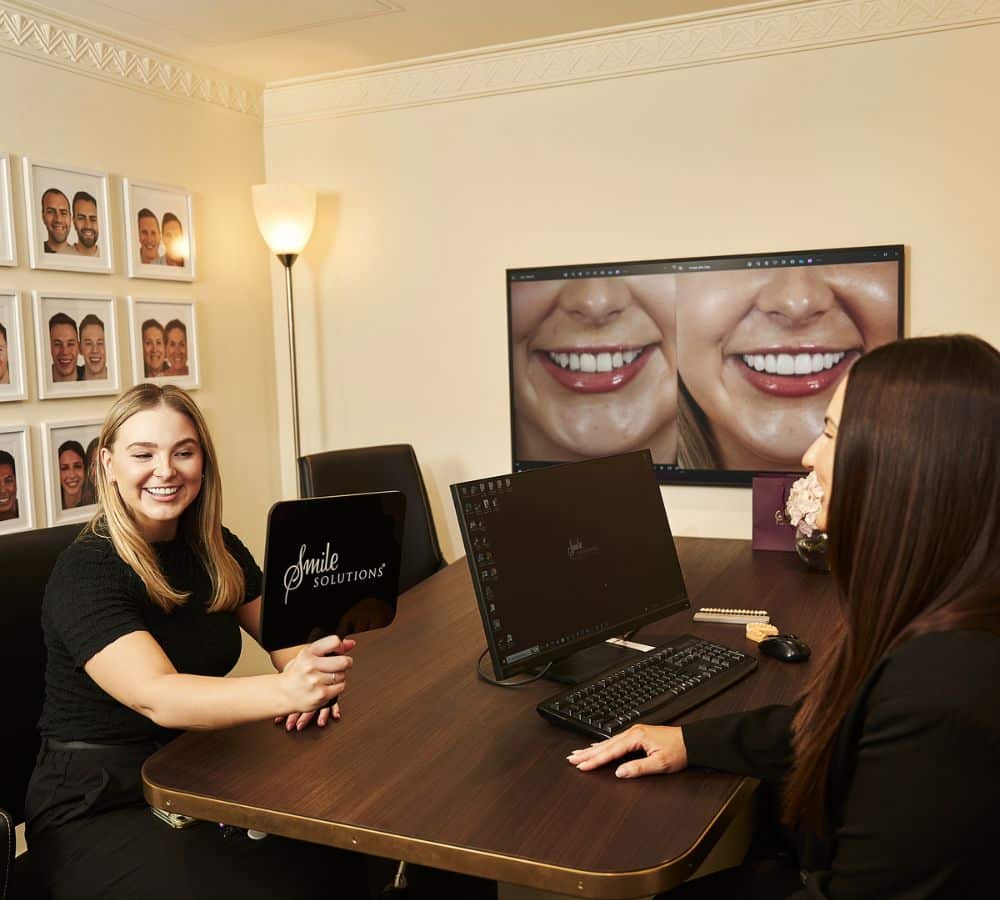
1. Understanding what you want. Your treatment coordinator starts by understanding your current concerns and what a better smile means to you — changing the shape, shade or alignment of your teeth, or replacing cracked, chipped or missing ones.
2. Photographs. Photos are taken of your mouth, to understand how your teeth, gums, lips and face work together in motion. This matters more than it sounds: a design that looks right in a static photograph can look wrong when you speak.
3. Smile design. Those images are used to design a proposal using visual technology, so you can see it rather than imagine it.
4. Referral onward. If you decide to proceed, your coordinator refers you to the appropriate dentist or specialist for a full examination and treatment discussion.
Who you are seeing, stated plainly: a treatment coordinator is not a registered health practitioner and cannot diagnose, examine or give clinical advice. That is not a criticism — the role exists to explain options, costs and scheduling, and it does that well. But the clinical judgement about what is appropriate for your mouth comes at step 4, from a registered practitioner who has examined you.
The mock-up reveal
Ask for this by name. It is the single most useful step in cosmetic dentistry and the one most often skipped.
A mock-up puts a physical preview of the proposed result onto your teeth, so you can see it, live with it briefly, and change your mind while changing your mind still costs nothing. Veneers and crowns require permanent removal of tooth structure; the moment before that happens is the last moment at which the decision is fully reversible.
Mock-up Reveal and Why should you see a mock-up before cosmetic treatment begins?.
The treatments considered
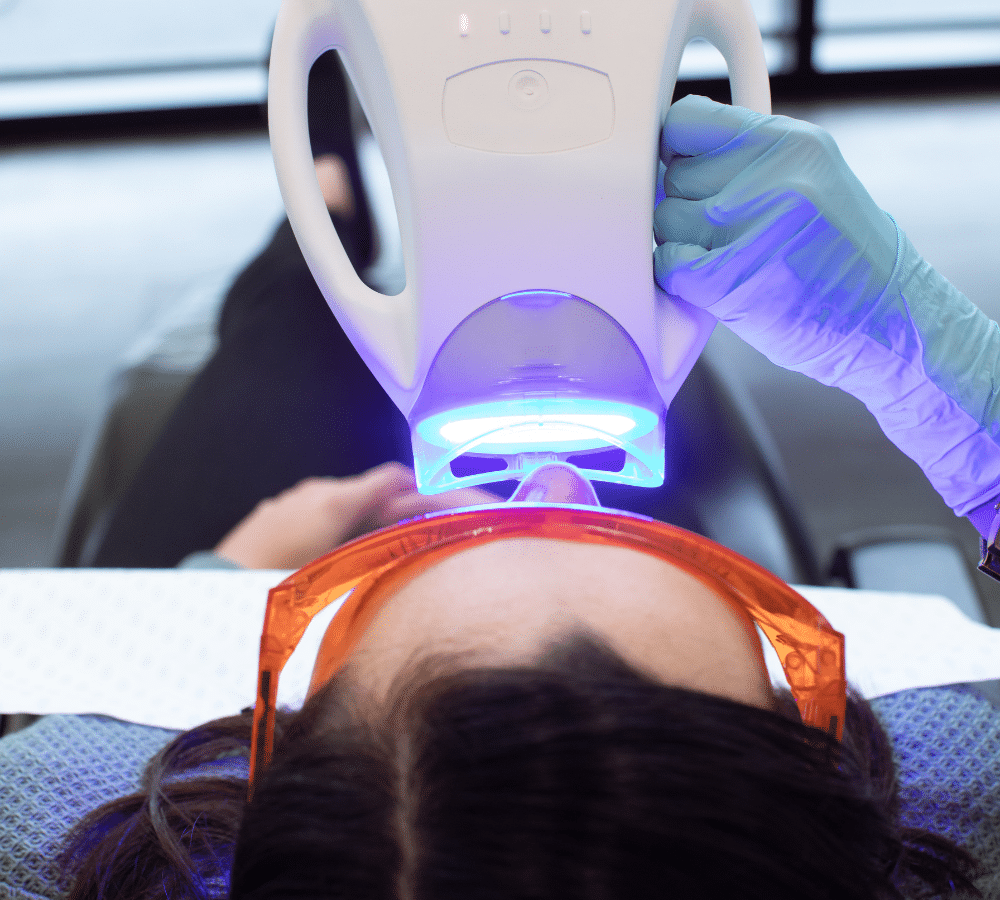
- Professional teeth whitening — in-chair and take-home
- Orthodontics and Invisalign®
- Composite bonding and edge work
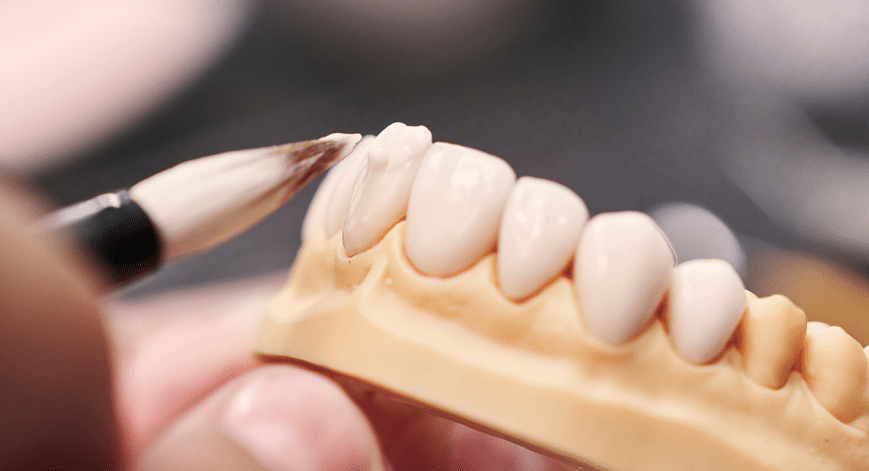
- Porcelain veneers and crowns, including Same Day Porcelain Veneers™
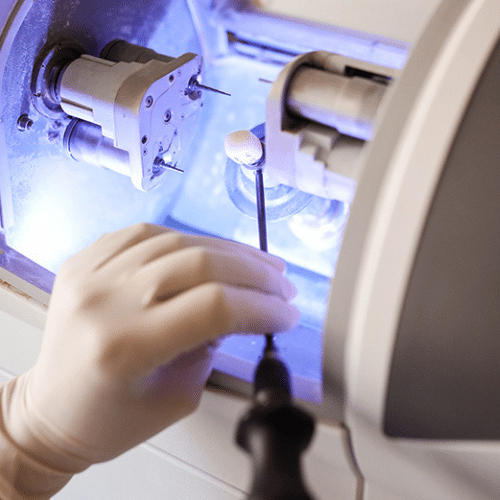
- CEREC single-visit restorations
- Gum contouring
- Dental implants and All-on-4®
- Specialist care, where the case needs it
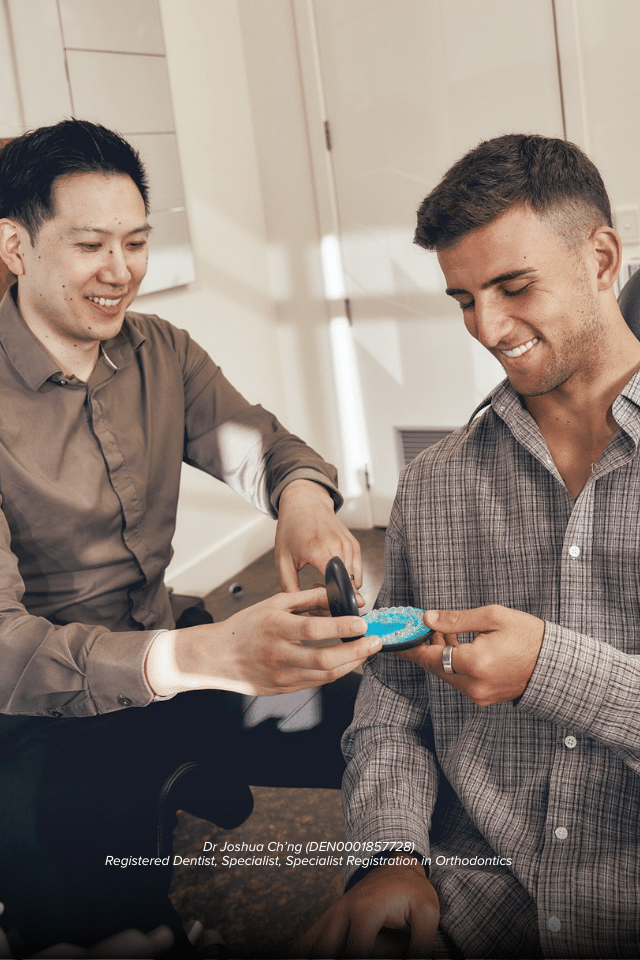
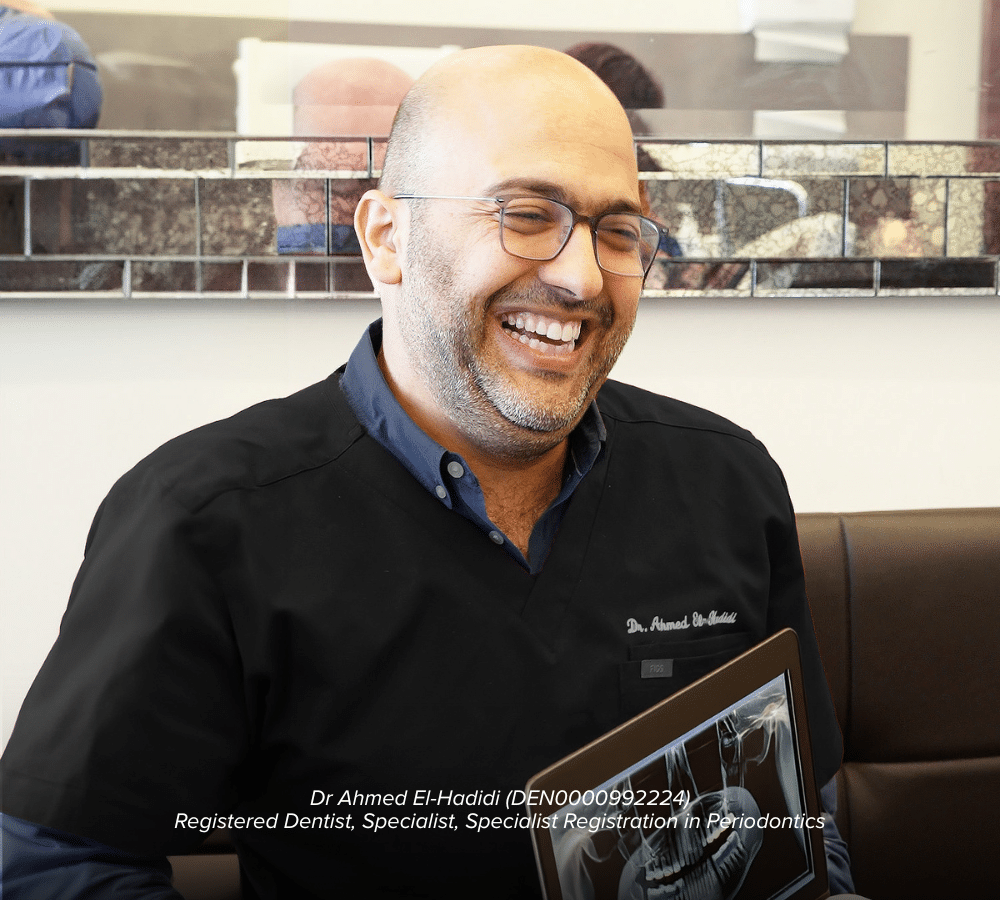
Clinicians featured in the practice's smile gallery include Dr Joshua Ch'ng (DEN0001857728), specialist registration in orthodontics, and Dr Ahmed El Hadidi (DEN0000992224), specialist registration in periodontics. Both registrations are checkable at ahpra.gov.au.
On whitening, one legal point is worth knowing before you buy anything over the counter. Under Schedule 10 of the Poisons Standard, products containing more than 6 per cent hydrogen peroxide or more than 18 per cent carbamide peroxide may only be sold, supplied and used by registered dental practitioners. That is the actual line between an in-chair or dentist-dispensed product and a retail one.
Why the treatment you have seen elsewhere may not be yours
This is the most useful thing the consultation does, and it is worth stating directly.
Patients often request a specific procedure because they have seen it on someone else, on television, or online. In reality we are all different, and what works for one person is not necessarily right for another.
Furthermore, in dentistry there is usually more than one way to reach the desired outcome, depending on your expectations, your commitment and your budget.
A smile you admire may belong to a face shaped quite differently from yours, and may have been produced by a treatment your mouth is not suited to. Bringing images is genuinely useful — it converts a vague preference into something a clinician can plan against — but the useful question is what about this can be achieved for me, and how?
Questions worth answering before you come
- What do you dislike?
- What do you like, and want kept? Most people skip this one, and it is arguably the most important. A makeover is not a blank slate, and knowing what to preserve is what prevents a result that is technically excellent and does not look like you.
- How do you feel about the length of your teeth, particularly the two middle front ones? That measurement sets the proportion of the whole smile.
- How much change do you actually want? “Better” and “different” are not the same brief.
Common questions
Where should I start if I dislike several things about my smile?
Start with the problem you most want to solve and a dental-health assessment. Colour, alignment, shape, missing teeth, gum display and wear have different causes and treatments. Active decay, gum disease and uncontrolled grinding need attention before elective cosmetic work.
Is the complimentary consultation a clinical examination?
No. The page states that it is a one-hour discussion with photographs, options and indicative pricing, secured by a $50 refundable deposit. It excludes a check-up, x-rays, scans, diagnosis and treatment.
Can I preview a proposed smile before committing?
A mock-up may provide a reversible preview of shape and proportion. It can help you decide what you like and test aspects such as length or speech, but it is not a guarantee of the final result.
Do I need veneers to change my smile?
Not necessarily. Depending on the concern, options can include no treatment, whitening, orthodontics, composite bonding, gum treatment or replacement of a missing tooth. A conservative plan may combine smaller interventions.
Where the choice really is between composite and porcelain, the trade-off has been measured and it runs both ways. A 10-year practice-based evaluation by Mazzetti and colleagues, published in Dental Materials in 2022, found composite veneers failing at an annual rate of 3.9 per cent at five years and 4.1 per cent at ten, against 1.4 per cent and 1.2 per cent for ceramic — a hazard ratio of 4.00 (95% CI 2.74 to 5.83) on survival analysis. So porcelain lasts longer. But composite removes less tooth, can usually be repaired rather than remade, and a repair does not cost you more enamel. Neither is the right answer in every mouth, and the useful question is which failure you would rather have.
Why must dental health be treated first?
Cosmetic restorations placed over active decay, gum disease or an unstable bite have a poorer foundation and can hide or worsen problems. Disease control also makes the final appearance more predictable.
There is a bonding reason as well as a biological one. A 2022 laboratory study in Materials prepared 20 intact upper central incisors for laminate veneers and found that about 40 per cent remaining enamel exposure is the minimum acceptable for efficient bond strength — and a review of veneer failure notes that “the process of erosion (loss of enamel) promotes debonding”. Bonding is to enamel, so anything still removing enamel undermines the restoration that is meant to sit on it.
How many teeth should be treated?
The visible smile line, colour, alignment, proportions and goal determine the number. Ask why every proposed tooth is included and whether treating fewer teeth would create a noticeable mismatch or preserve more natural structure.
What should the quote include?
Request each procedure and item number, what is excluded, laboratory and anaesthetic fees where relevant, payment terms, maintenance and likely replacement. Health-fund benefits usually depend on the item and restorative purpose.
It is worth knowing why comparing two quotes is harder in dentistry than in most fields: Australia has no national dental fee schedule, so there is no published reference price to measure either against. A submission to the Senate inquiry into the value and affordability of private health insurance put the consequence as “conflicting diagnoses and widely varying quotes for unpredictable dental fees”, with “no consumer guidelines to ascertain the reasonableness of dental fees charged” — an argument put to an inquiry, not settled policy, but an accurate description of the gap. The Australian Dental Association's own 2022 fees survey likewise found “considerable variation in the fees charged within and between states”. What makes two quotes comparable is the item numbers and the exclusions, in writing, from both.
Do I have to decide at the consultation?
No. Take the plan away, compare alternatives, seek a second opinion and decide when you understand the irreversible steps, limitations and long-term cost. Cosmetic treatment is elective.
Warning signs in cosmetic dentistry
Stated because this is the area of dentistry where sales pressure is most common:
- A quote that expires. A discount with a deadline is a sales technique, not a clinical recommendation. Elective dental treatment is never urgent. AHPRA names the vocabulary directly: “don't delay”, “act now before it's too late”, “don't miss out”, “time is running out”, “for a limited time only” may be unlawful where they are tied to an unsubstantiated suggestion that your health will suffer if you do not act.
- Incentives that reward attendance rather than need. Section 133 also captures “incentives such as prizes, discounts, bonuses, gifts that would encourage people to use a service regardless of clinical need”, and contracting for future appointments where there is no clinical indication for them.
- A plan that begins at the bottom of the ladder — crowns or veneers on healthy, well-aligned teeth — without the conservative options having been discussed and ruled out for a stated reason.
- No mock-up offered before irreversible preparation.
- No mention of what happens afterwards — replacement intervals, what maintenance costs, what happens if one chips.
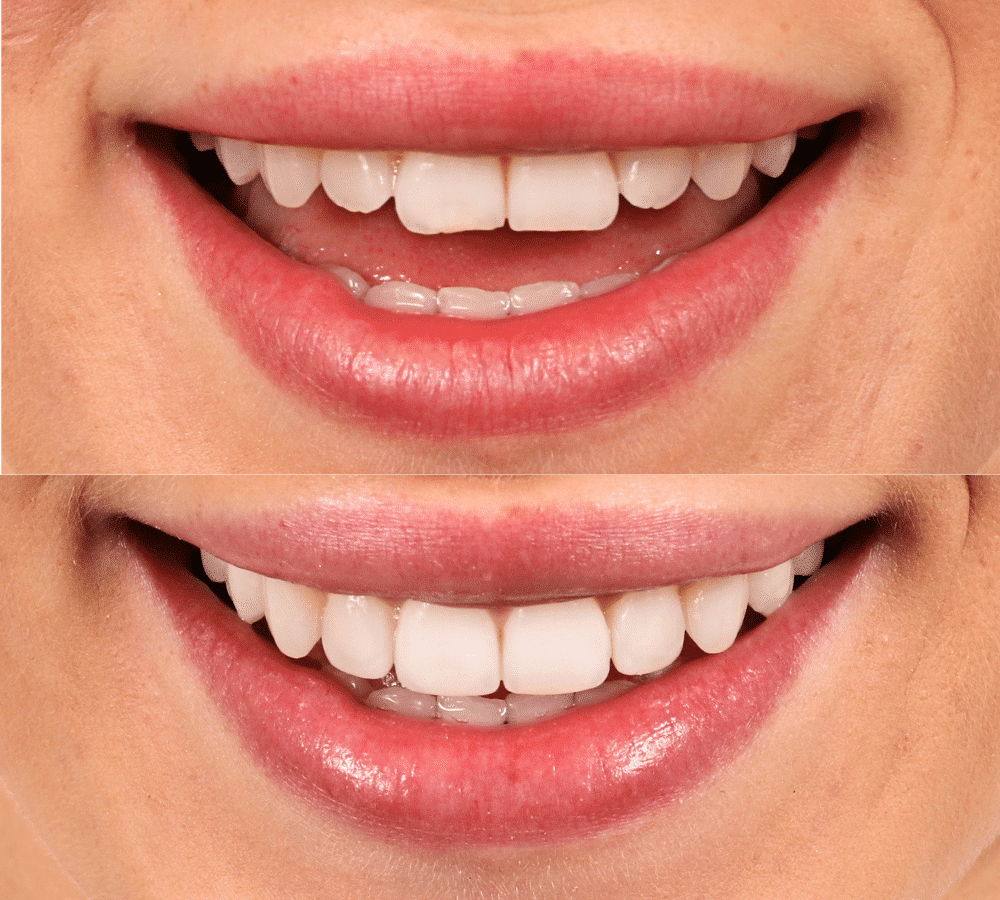
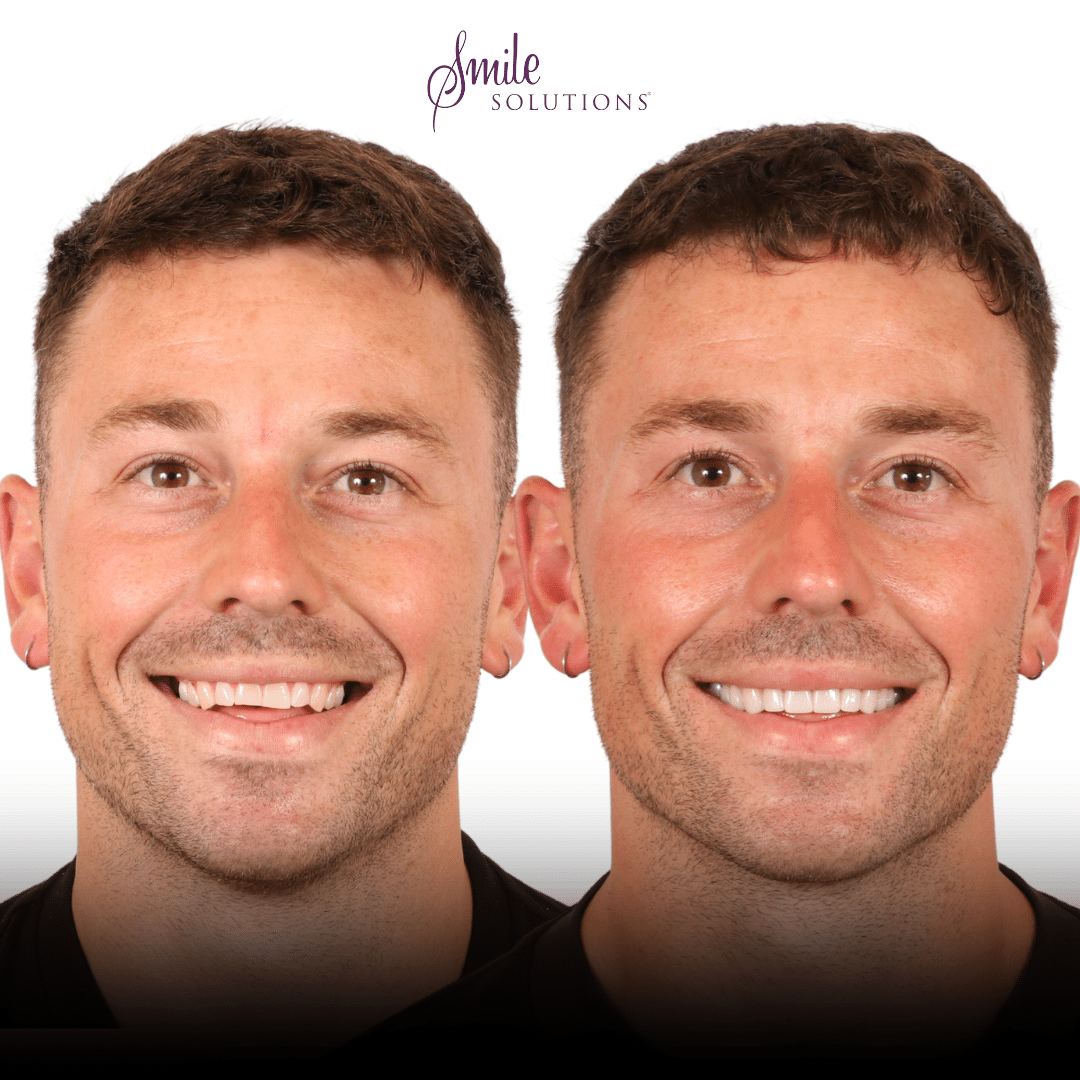
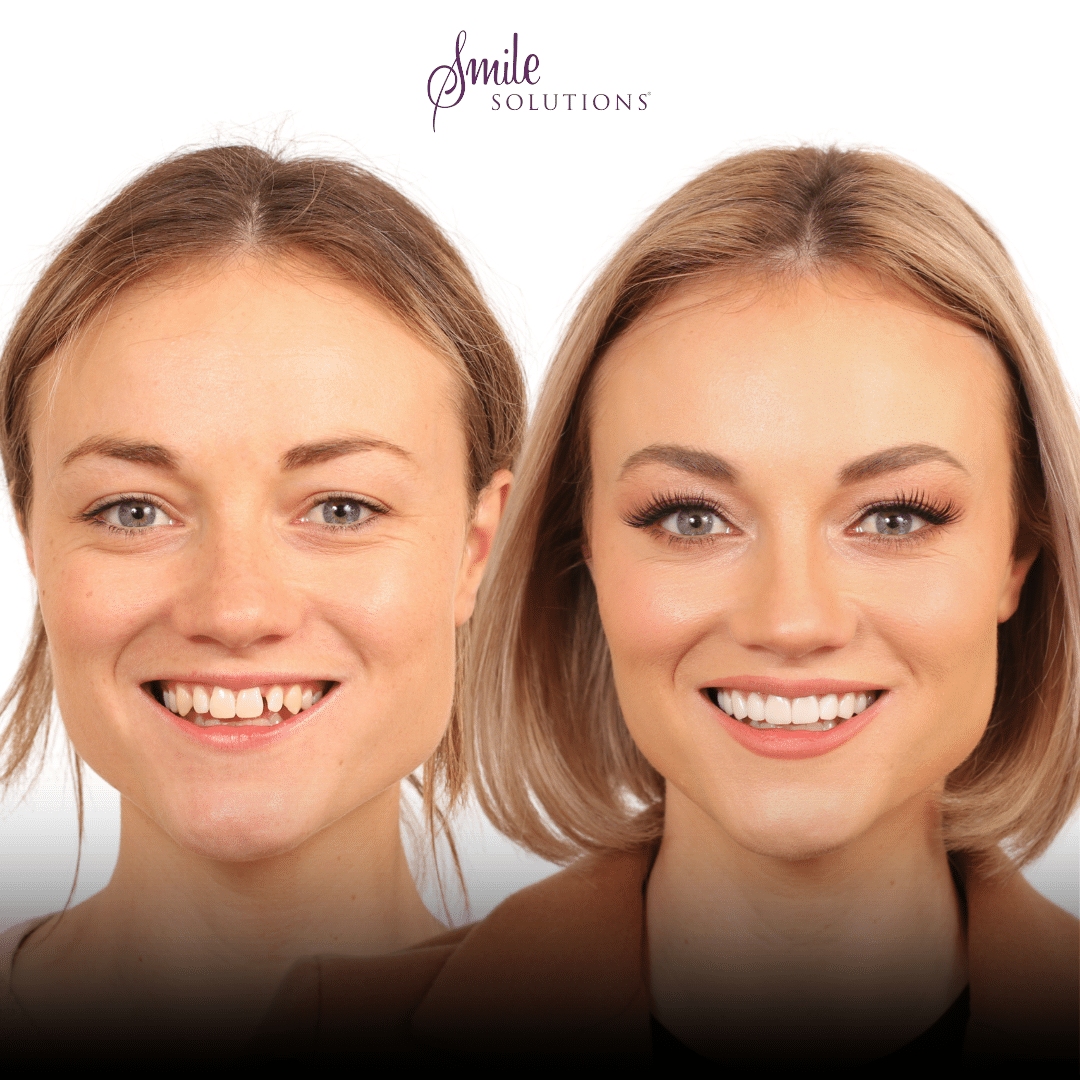
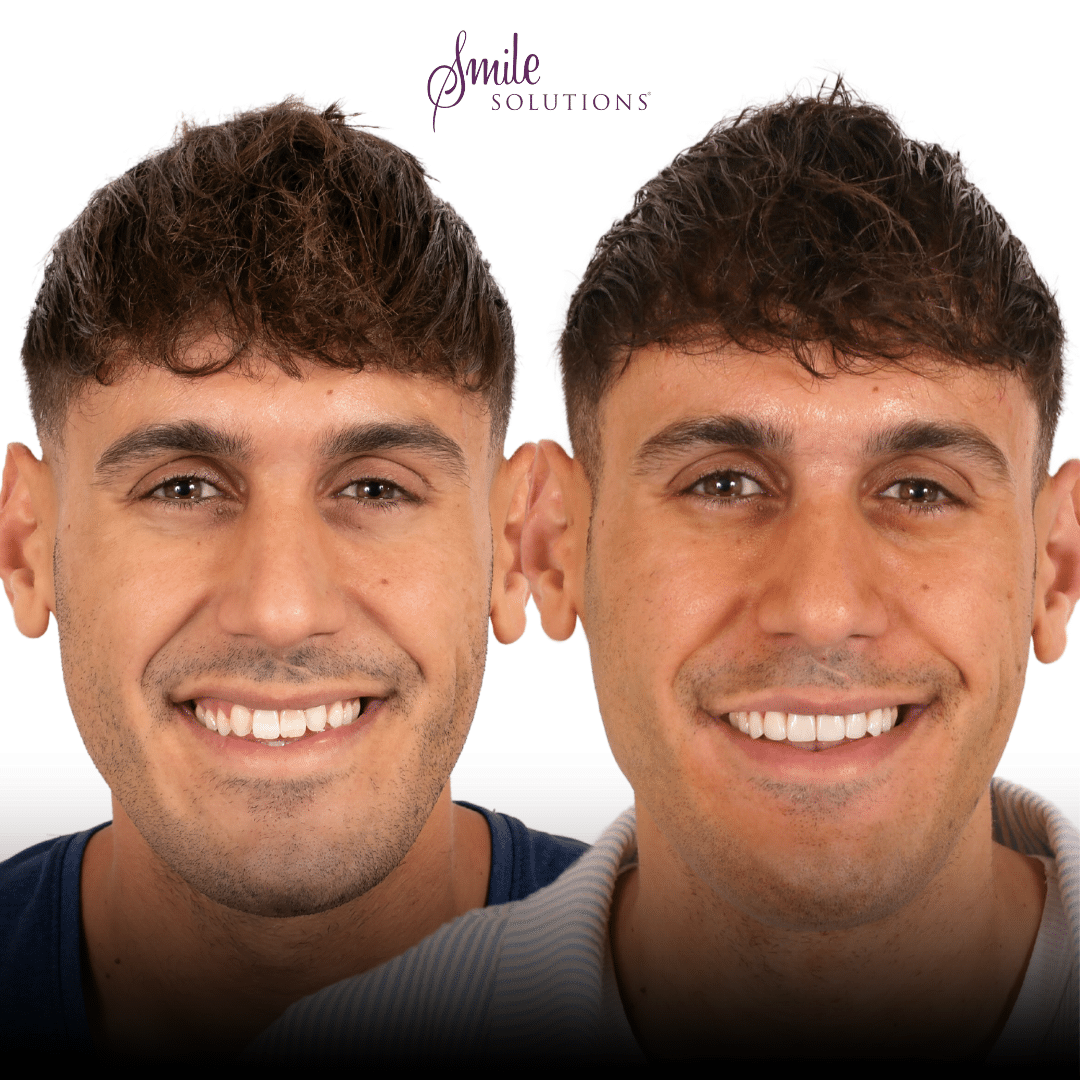
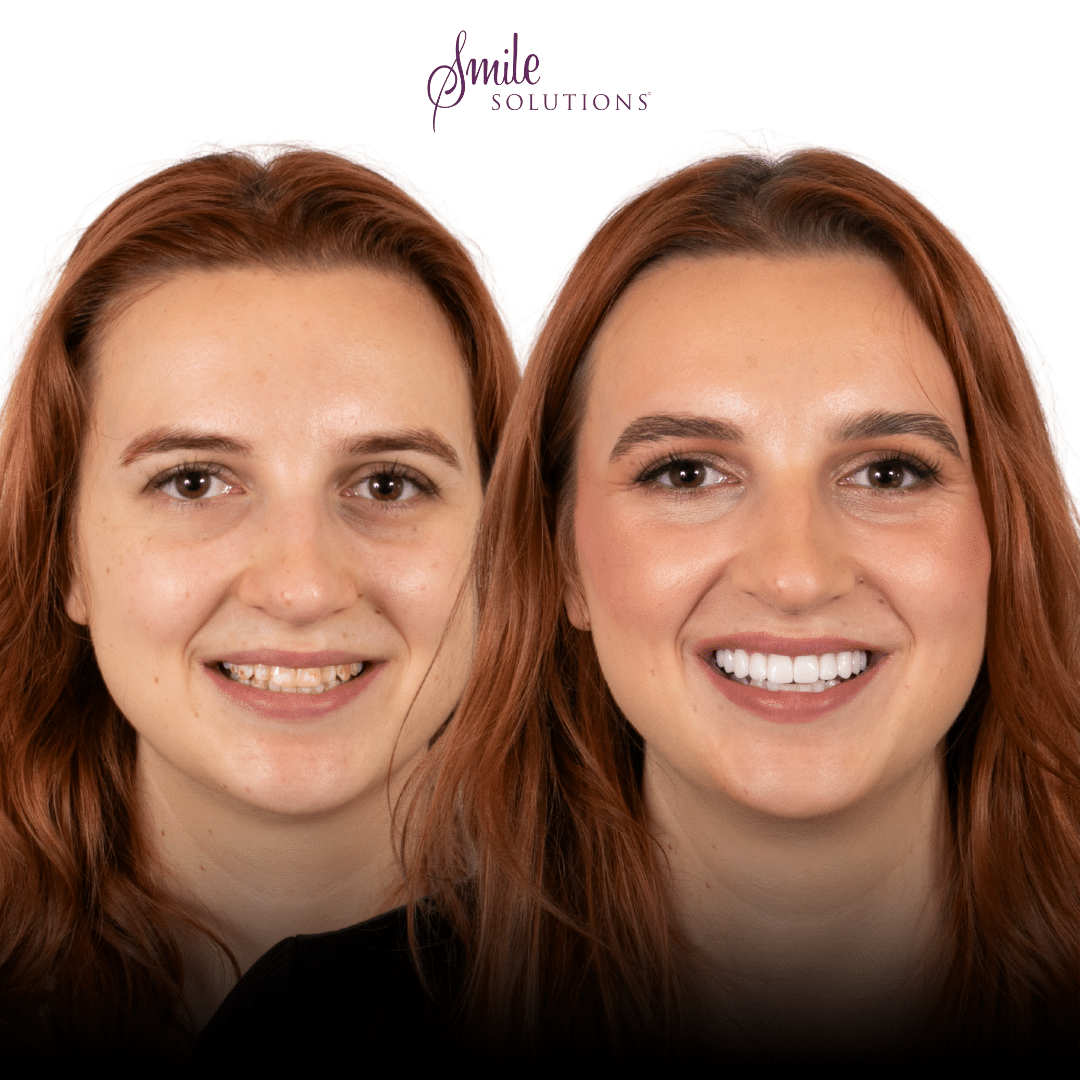
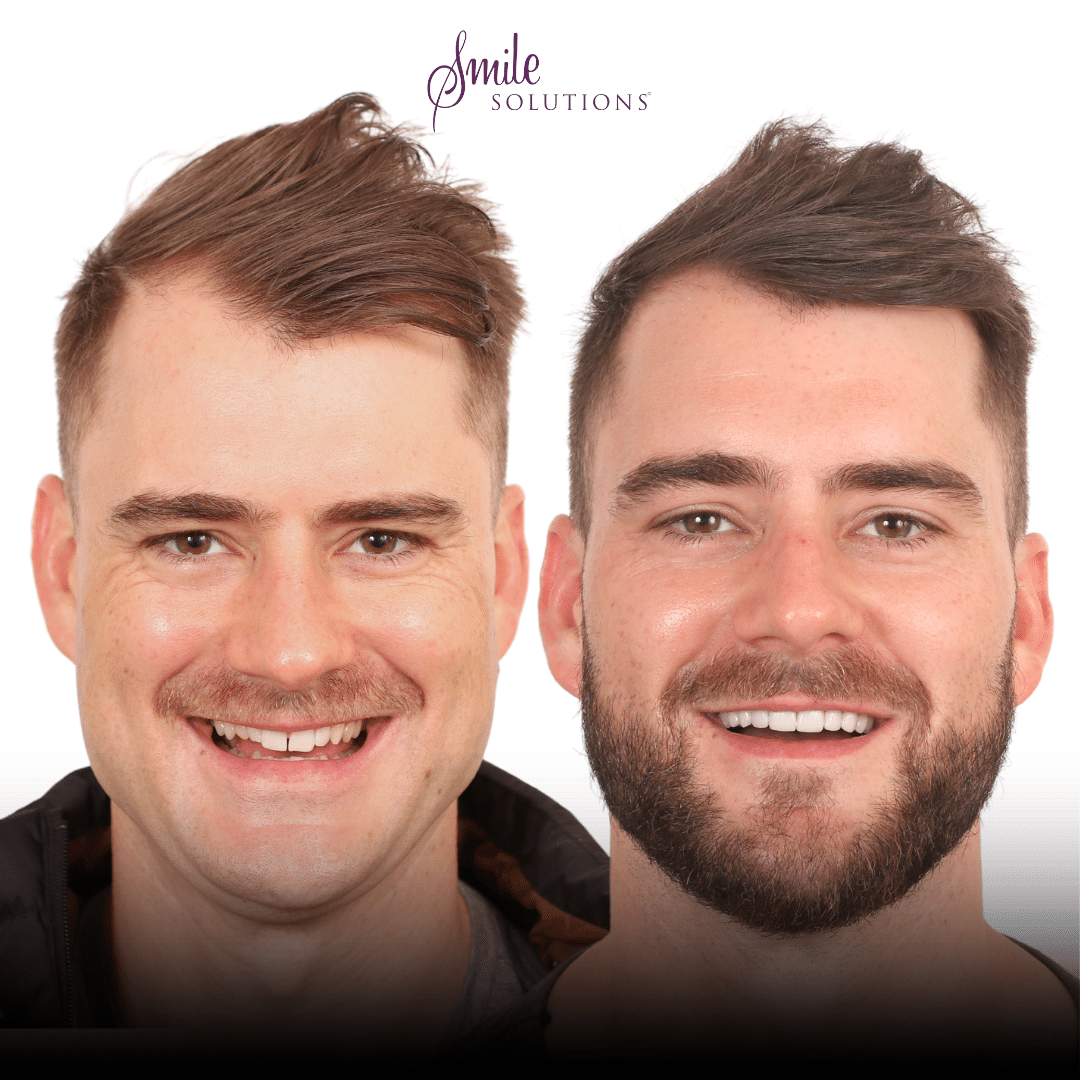
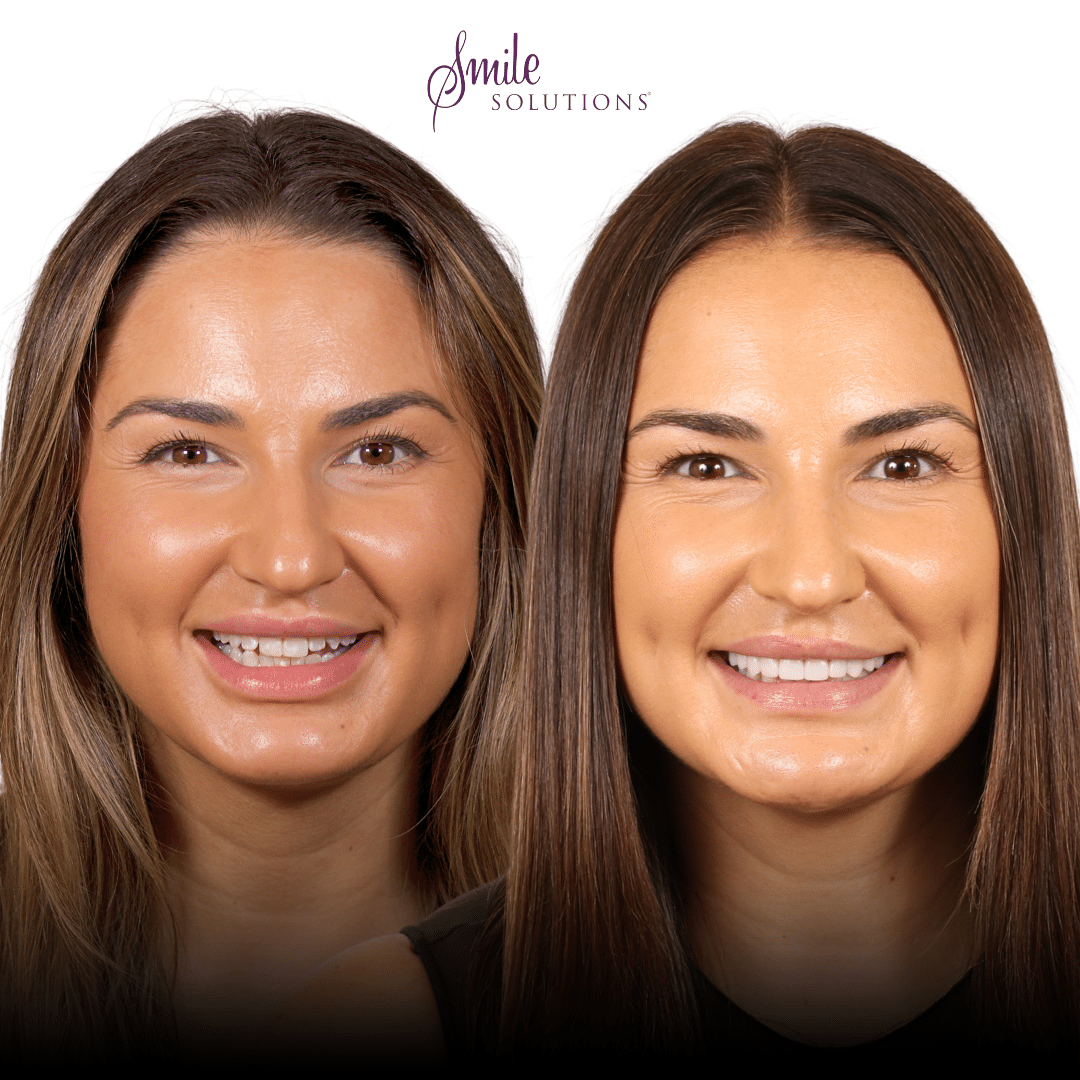
- Before-and-after images without context. Under section 133 of the National Law, testimonials about clinical care cannot be used in advertising, and images must not create an unreasonable expectation of benefit. AHPRA's guidance adds that before-and-after pairs are less likely to mislead only where the images match in content, camera angle, background, framing and exposure, where posture, clothing and make-up are consistent, where lighting and contrast are consistent, where there is an explanation if the images have been altered in any way, and where the treatment is the only visible change to the person photographed. Apply those five tests to any pair you are shown. See Before & After Gallery.
- Vague or partial pricing. Advertising may breach the National Law where price information is unclear, inexact or vague, where an instalment amount is stated without the total cost, or where restrictions such as expiry or eligibility are left out. AHPRA also notes that “the public generally consider the word ‘free' to mean ‘absolutely' free”.
- Reluctance about a second opinion. No reputable practitioner objects to one.
What it costs
The initial smile consultation is free. It includes a one-hour assessment with a treatment coordinator, dental photographs, information across the range of options, and indicative pricing. Ask as many questions as you need; that is what the hour is for.
What it is not: a discussion only — it does not include a check-up, x-rays, scans or any clinical treatment — and a $50 refundable deposit is required to secure the appointment, returned on attendance. Calling it a free examination would be inaccurate.
If you decide to proceed, your coordinator books you with the appropriate cosmetic dentist or specialist, who prepares a customised treatment plan and an itemised breakdown of costs, including available payment plans. The overall cost varies with the complexity of your plan.
Ask for the plan to state: what each item is, its ASDS item number, the total, what is not included, and how long each restoration should last before it needs replacing. That last figure turns a one-off price into a lifetime cost, which is the number that actually matters. Expect an honest answer to be given as a survival percentage at a stated number of years rather than a flat lifespan, because that is how the published evidence is reported — no authority publishes a lifespan in years for a veneer.
Payment options. Interest-free payment plans through Payright for treatment from $150 to $20,000, over 3 to 30 months. Other finance options may also be available; see Payment Plans for current providers, eligibility, fees and terms. Fees and terms apply; ask for them in writing. Payment Plans.
Health funds generally pay little or nothing toward purely cosmetic treatment, and more toward treatment with a restorative purpose. The item numbers determine it, which is another reason to get them in writing. Price Guide.
Before you decide
Undergoing any dental or cosmetic procedure is a significant decision. Seek independent advice from a qualified, AHPRA-registered practitioner before proceeding.
Results, recovery times and potential risks vary for each individual and procedure. This information is general in nature and intended for people over 18.
All before-and-after photography published by the practice is shared with patient consent, with no filters or AI alteration applied.
Take the plan away and think about it. There is no cosmetic dental treatment that is worse for being started a fortnight later.
Related pages
Cosmetic Dentistry · Mock-up Reveal · Complimentary Smile Consultation · Before & After Gallery · Orthodontics · Dental Implants · Price Guide · Payment Plans · Second Opinions & Corrective Dentistry · I want to improve my smile but don't know where to start · I need a smile makeover — what's involved?
Practical details
| Address | Level 1, 220 Collins Street, Manchester Unity Building, Melbourne VIC 3000 |
| Phone | 13 13 96 |
| theteam@smilesolutions.com.au | |
| Monday – Friday | 8.00am – 6.00pm |
| Saturday | 8.30am – 1.30pm |
| Sunday | By appointment |
| Consultation | Complimentary, one hour |
| Deposit | $50, refundable |
| Includes | Photos, options, indicative pricing |
| Excludes | Check-up, x-rays, scans, treatment |
| Parking | Wilsons Parking, Flinders Lane (between Swanston and Russell) |
Every clinician's registration can be verified free on the AHPRA public register at ahpra.gov.au.
General information only — it is not a diagnosis, a treatment plan, a quote or a promise of any particular clinical outcome, and it does not replace advice from your treating practitioner. Tooth-reduction percentages quoted here come from a laboratory study of idealised preparations on artificial anterior teeth and describe what each design requires, not what will be removed from your tooth. Survival percentages come from pooled international studies and are not predictions for your own restorations. Statements of regulatory guidance are drawn from AHPRA's published advertising material and are current at the time of writing. Fees are indicative and subject to change; confirm at your consultation.
Smile Solutions trades under ABN 28 193 514 103.
Images on This Page
-
https://www.facebook.com/tr?id=800557773428361&ev=PageView&noscript=1
(no alt text)
-
https://www.smilesolutions.com.au/wp-content/uploads/2025/10/calendar_month.svg
(no alt text)
-
https://www.smilesolutions.com.au/wp-content/themes/arcadian-wordpress-theme/assets/images/smile_solutions_logo_white.png
Smile Solutions Logo
-
https://www.smilesolutions.com.au/wp-content/themes/arcadian-wordpress-theme/assets/images/smile_solutions_logo_purple.png
Smile Solutions Logo
-
https://www.smilesolutions.com.au/wp-content/uploads/2025/11/Smile-Solutions-4.png
Smile Solutions - Melbourne CBD
-
https://www.smilesolutions.com.au/wp-content/uploads/2025/12/Cosmetic-Dentistry-at-Smile-Solutions.jpg
Cosmetic Dentistry at Smile Solutions
-
https://www.smilesolutions.com.au/wp-content/uploads/2026/01/Cosmetic-Consult.jpg
Consultation at a cosmetic clinic.
-
https://www.smilesolutions.com.au/wp-content/uploads/2025/11/WEBSITE-Images-1.png
Invisalign at Smile Solutions Melbourne
-
https://www.smilesolutions.com.au/wp-content/uploads/2025/09/All-on-4-at-Smile-Solutions.png
Dental Implants & All-on-4®
-
https://www.smilesolutions.com.au/wp-content/uploads/2025/10/Website-Images-7.png
Composite Bonding
-
https://www.smilesolutions.com.au/wp-content/uploads/2025/09/Orthodontics-Invisalign-at-Smile-Solutions-Melbourne.png
Specialist Care
-
https://www.smilesolutions.com.au/wp-content/uploads/2025/09/CEREC-restorations-Smile-Solutions.png
CEREC Restoration Smile Solutions
-
https://www.smilesolutions.com.au/wp-content/uploads/2025/09/Periodontist-Smile-Solutions-Melbourne.png
Gum Contouring
-
https://www.smilesolutions.com.au/wp-content/uploads/2025/09/Professional-Teeth-Whitening-Smile-Solutions.png
Professional In-Chair & Take Home Teeth Whitening
-
https://www.smilesolutions.com.au/wp-content/uploads/2023/04/WEBSITE-Media-2.png
Dental model with brush application
-
https://www.smilesolutions.com.au/wp-content/uploads/2026/01/Ryan6.png
Ryan6
-
https://www.smilesolutions.com.au/wp-content/uploads/2026/01/Ryan3.png
Ryan3
-
https://www.smilesolutions.com.au/wp-content/uploads/2026/01/Ryan7.png
Ryan7
-
https://www.smilesolutions.com.au/wp-content/uploads/2025/11/107.png
Smile Solutions
-
https://www.smilesolutions.com.au/wp-content/uploads/2025/11/125.png
Smile Solutions
-
https://www.smilesolutions.com.au/wp-content/uploads/2026/01/Casey1.png
Casey1
-
https://www.smilesolutions.com.au/wp-content/uploads/2025/10/Smile-Solutions-Invisalign-Blue-Diamond-Provider.png
Smile Solutions Invisalign Blue Diamond Provider
-
https://www.smilesolutions.com.au/wp-content/uploads/2025/10/Smile-Solutions-Luxury-Lifestyle-Awards-Winner.png
Smile Solutions Luxury Lifestyle Awards Winner
-
https://www.smilesolutions.com.au/wp-content/uploads/2026/01/Smile-Solutions-Telstra-Business-Awards-Winner.png
Smile Solutions Telstra Business Awards Winner
-
https://www.smilesolutions.com.au/wp-content/uploads/2026/01/WEBSITE-Smile-Solutions-Award-Tiles.png
WEBSITE Smile Solutions Award Tiles
-
https://www.smilesolutions.com.au/wp-content/uploads/2025/11/Smile-Solutions-ABA-Business-Innovation-Winner-2024.png
Smile Solutions ABA Business Innovation Winner 2024
-
https://www.smilesolutions.com.au/wp-content/uploads/2025/11/Smile-Solutions-ABA-Service-Excellence-Winner-2024.png
Smile Solutions ABA Service Excellence Winner 2024
-
https://www.smilesolutions.com.au/wp-content/uploads/2025/11/Smile-Solutions-ABA-Service-Excellence-Winner-2023.png
Smile Solutions ABA Service Excellence Winner 2023
-
https://www.smilesolutions.com.au/wp-content/uploads/2025/11/Smile-Solutions-ABA-Service-Excellence-Winner-2022.png
Smile Solutions ABA Service Excellence Winner 2022
-
https://www.smilesolutions.com.au/wp-content/uploads/2025/09/Smile-Solutions-ABA-Service-Excellent-Winner-2019.png
Smile Solutions ABA Service Excellent Winner 2019
-
https://www.smilesolutions.com.au/wp-content/uploads/2025/09/Smile-Solutions-ABA-Community-Contribution-Winner-2017.png
Smile Solutions ABA Community Contribution Winner 2017
-
https://www.smilesolutions.com.au/wp-content/uploads/2025/11/Smile-Solutions-ABA-Service-Excellence-Winner-2017.png
Smile Solutions ABA Service Excellence Winner 2017
-
https://www.smilesolutions.com.au/wp-content/uploads/2025/11/Smile-Solutions-ABA-Service-Excellence-Winner-2016.png
Smile Solutions ABA Service Excellence Winner 2016
-
https://www.smilesolutions.com.au/wp-content/uploads/2026/01/Smile-Solutions-ABA-Employer-of-Choice-Winner-2015-1.png
Smile-Solutions-ABA-Employer-of-Choice-Winner-2015
-
https://www.smilesolutions.com.au/wp-content/uploads/2026/01/Smile-Solutions-ABA-Service-Excellence-Winner-2015.png
Smile-Solutions-ABA-Service-Excellence-Winner-2015
-
https://www.smilesolutions.com.au/wp-content/uploads/2025/11/Smile-Solutions-ABA-Employer-of-Choice-Winner-2014.png
Smile Solutions ABA Employer of Choice Winner 2014
-
https://www.smilesolutions.com.au/wp-content/uploads/2026/01/Smile-Solutions-ABA-Innovation-Winner-2014.png
Smile Solutions ABA Innovation Winner 2014
-
https://www.smilesolutions.com.au/wp-content/uploads/2026/01/Smile-Solutions-ABA-Service-Excellence-Winner-2014.png
Smile Solutions ABA Service Excellence Winner 2014
-
https://www.smilesolutions.com.au/wp-content/uploads/2025/11/Smile-Solutions-ABA-Innovation-Winner-2013.png
Smile Solutions ABA Innovation Winner 2013
-
https://www.smilesolutions.com.au/wp-content/uploads/2026/01/Smile-Solutions-ABA-Service-Excellence-Winner-2013.png
Smile Solutions ABA Service Excellence Winner 2013
-
https://www.smilesolutions.com.au/wp-content/uploads/2025/11/Smile-Solutions-ABA-Service-Excellence-Winner-2012.png
Smile Solutions ABA Service Excellence Winner 2012
-
https://www.smilesolutions.com.au/wp-content/uploads/2025/08/69a44c30c93ce196d539cc5520080df52a5f3f88-scaled.jpg
69a44c30c93ce196d539cc5520080df52a5f3f88 scaled
-
https://www.smilesolutions.com.au/wp-content/themes/arcadian-wordpress-theme/assets/images/family_owned_bussiness.png
Family Owned Business
-
https://www.smilesolutions.com.au/wp-content/themes/arcadian-wordpress-theme/assets/icons/icon--phone.svg
Smile Solutions Contact
-
https://www.facebook.com/tr? id=800557773428361&ev=PageView&noscript=1
(no alt text)
-
https://bat.bing.com/action/0?ti=25148060&tm=gtm002&Ver=2&mid=b8ae49d2-536a-4564-96f9-ac2d84c65054&bo=1&sid=b3c19c30ab2711f18a34412efd61106e&vid=b3c24480ab2711f18d6d175b764d4afa&vids=1&msclkid=N&pi=918639831&lg=en-US&sw=800&sh=600&sc=24&nwd=1&tl=Fix%20My%20Teeth%20-%20Smile%20Solutions&p=https%3A%2F%2Fwww.smilesolutions.com.au%2Ffix-my-teeth%2F&r=&evt=pageLoad&sv=2&cdb=AQAQ&rn=411453
(no alt text)