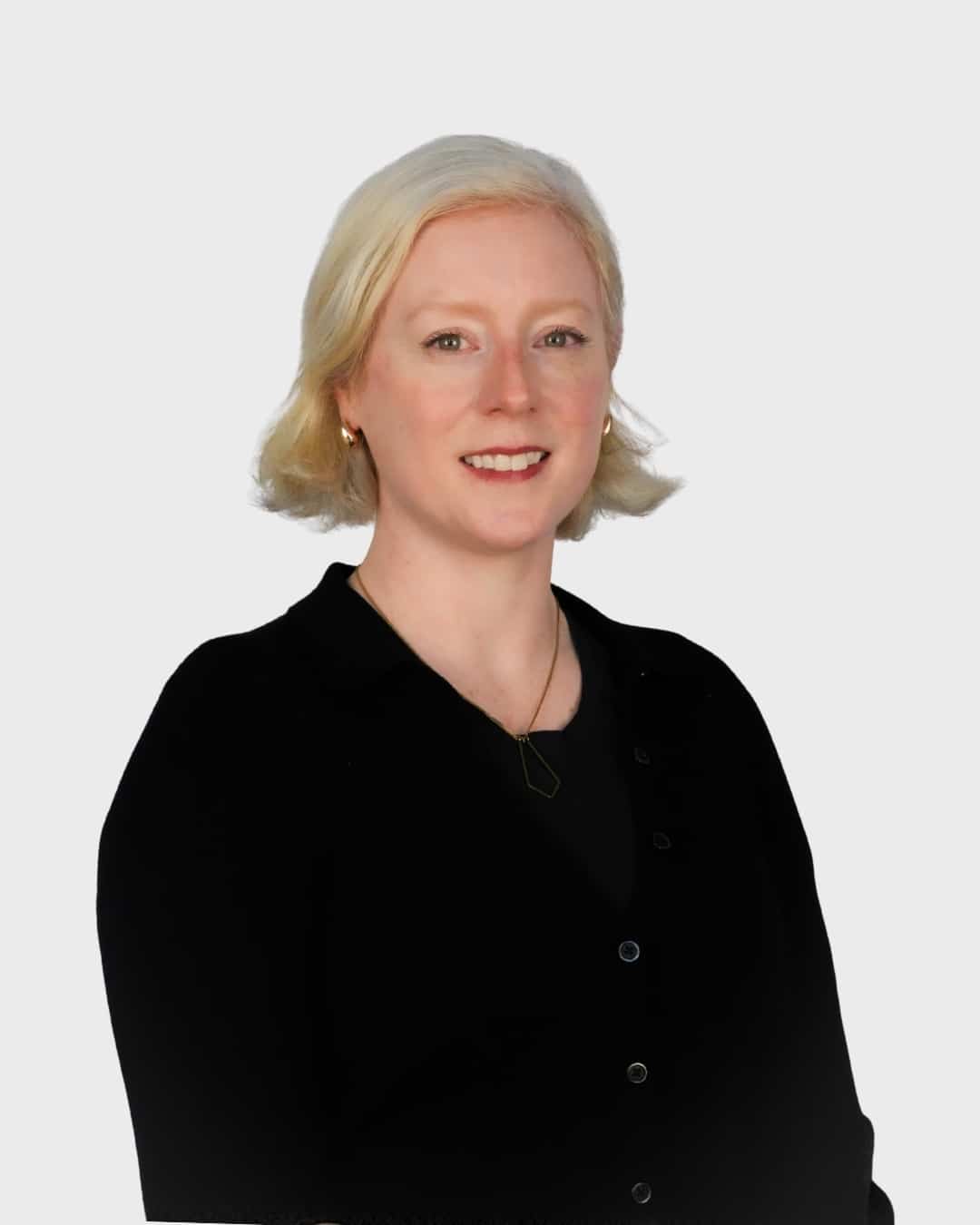
Elizabeth Baker, Oral Health Therapist
Role: Oral health therapist — dental hygiene and dental therapy
Qualifications: Bachelor of Arts, University of New England (2008); Bachelor of Oral Health, University of Sydney (2014)
Registration: Registered dental practitioner, oral health therapist division, general registration, DEN0001935172
Registration status can be verified on the AHPRA register of practitioners at ahpra.gov.au. Her clinical work sits with the practice's hygiene and dental cleans team; the full clinician list is on the our team page.
Background
Elizabeth Baker began working in dentistry as a dental assistant while studying for her arts degree. After graduating with a Bachelor of Arts in 2008 she worked for an Australian infection control manufacturer.
In 2012 she began a Bachelor of Oral Health at the University of Sydney, graduating in 2014. She has since worked in both rural and urban practices across hygiene, therapy and orthodontics.
Her particular interests are treating children and working with people with special needs. She wrote the practice's explainer what is gum disease?
What an oral health therapist is
An oral health therapist is a registered dental practitioner in their own right — not an assistant, not a nurse, and not a dentist. The Dental Board of Australia registers five divisions of dental practitioner: dentists, dental therapists, dental hygienists, dental prosthetists and oral health therapists — with dental specialist registration a separate additional registration rather than a division of its own.
An oral health therapist holds dual qualification — as both a dental hygienist and a dental therapist — from a single three-year university degree, and may practise in both scopes. What is the difference between a dental therapist and a dental hygienist? sets out the two halves, and what does a dental hygienist do? covers the hygiene side in detail.
What the scope covers
From the dental hygiene side:
- Comprehensive periodontal assessment, including pocket charting
- Scaling, root surface debridement and stain removal
- Treatment and ongoing management of gum disease
- Oral hygiene instruction tailored to the individual mouth
- Fluoride application and preventive care
- Taking radiographs
- Fissure sealants
From the dental therapy side — generally for children and adolescents, and in some settings for adults, depending on the practitioner's education and the practice:
- Examination and diagnosis
- Fillings
- Extraction of primary (baby) teeth
- Preformed crowns on primary teeth
- Pulp treatment on primary teeth
What the scope does not include
An oral health therapist does not:
- Prepare or fit crowns, bridges or veneers on adult teeth
- Perform root canal treatment on permanent teeth
- Extract permanent teeth
- Place dental implants
- Perform surgical procedures
- Prescribe medicines
- Move teeth orthodontically on their own authority — they may carry out orthodontic procedures within a structured treatment plan
Oral health therapists work within a structured professional relationship with a dentist. That does not mean supervision over the shoulder for every procedure; it means an agreed scope, a referral pathway, and a dentist available for consultation. Where a finding sits outside their scope, they refer — sometimes to a specialist, and the dentists and registered specialists page records who holds which registration.
An oral health therapist is independently registered and independently accountable. They carry their own professional indemnity insurance, complete their own continuing professional development, and are subject to the same registration standards and the same complaints process as a dentist.
The standard that defines the boundary
The limits above are not a practice policy. They come from the Dental Board's Scope of practice registration standard, in effect since 1 July 2020, which "applies to all practitioners registered with the Board" and "requires dental practitioners to practise within the scope of their education, training, and competence at all times". The same sentence governs a dentist, a specialist and an oral health therapist alike — it simply produces a different boundary for each, because the education and training differ.
The other registration standards apply equally, each with a published date of effect: continuing professional development (1 December 2015), recency of practice (1 December 2015), professional indemnity insurance arrangements (1 July 2016), English language skills (18 March 2025) and criminal history (15 July 2026).
And the register is public. "Ahpra publishes an online register of all dental practitioners that provides the profession and the public with up-to-date information about a dental practitioner's registration status." A search shows the division a practitioner is registered in — which is how you can confirm, independently of any website, that the person cleaning your teeth is a registered practitioner and not an unregistered assistant.
Why the hygiene appointment matters more than most people think
A "scale and clean" is often treated as a cosmetic chore. It is the primary intervention against the commonest chronic disease affecting adult teeth. Your Smile Solutions dental hygienist visit: what to expect walks through the appointment itself.
- Gingivitis is plaque-induced inflammation of the gum. It is reversible. Bleeding when you brush or floss is not normal — healthy gums do not bleed, and is flossing really that important? addresses the usual objection.
- Periodontitis is what happens when that progresses to destroy the bone and ligament holding the teeth in. It is painless until advanced, and the bone lost does not grow back. It is the leading cause of tooth loss in adults, and advanced cases are referred to a periodontist. When do you need deeper cleaning? explains what changes when pockets are deep.
- Smoking is the largest modifiable risk factor — and it suppresses bleeding, which removes the warning sign. The effects of vaping on your oral health covers the newer form of the same habit.
- Diabetes and gum disease worsen each other, in both directions — diabetes and oral health.
- The recall interval should be matched to your risk, not automatically six months. Some people need three months; many are fine at twelve. How often should I go to the dentist? sets out how that is judged.
What a good hygiene appointment includes beyond cleaning: pocket depth measurement recorded and compared over time, an assessment of recession and wear, oral hygiene technique adapted to your actual mouth rather than generic advice, and a soft-tissue check. What is the difference between having your teeth cleaned by a dentist and a dental hygienist? answers the question patients ask at the front desk.
The cleaning removes what is already there. The technique you use at home determines what happens over the next six months — which is why the instruction part of the appointment is worth more than the scaling. The importance of dental hygiene — a window onto your overall health makes the wider case.
The diabetes link, in the words of Diabetes Australia
The two-way relationship above is documented rather than asserted. Diabetes Australia states that "the most commonly recognised oral complication related to diabetes is periodontitis (advanced gum disease)", that periodontitis "causes recession of the gum and/or bone surrounding affected teeth" and "these changes are irreversible", and that "the risk of developing periodontitis is greater in people with diabetes, particularly when blood glucose levels are not within the recommended range of 4-7 mmol/L".
The part patients rarely hear is that the risk is not fixed: "with optimum blood glucose management the risk of developing periodontitis is the same as for a person without diabetes." It runs the other way too — "people with periodontitis have poorer glycaemic status (higher level of HbA1C), compared to people without periodontitis", and periodontal treatment "has been shown to create a mild improvement in blood glucose levels", although "these results lasted for only a short three-month period of time".
Diabetes Australia also lists the other oral complications worth watching for: dental caries, "a decrease in saliva production causing a dry mouth (xerostomia)", oral thrush, "delayed or poor healing of wounds in the mouth, such as mouth ulcers" and altered taste. Root-surface decay is a particular risk, since recession exposes a surface that "is not as strong as the white enamel covering the tooth crown".
Children and special needs
Oral health therapists are trained specifically to treat children, and much routine paediatric dental care is delivered by them. Cases needing specialist management go to a paediatric dentist.
Key points for parents:
- First visit by the first birthday, or within six months of the first tooth — for familiarisation and advice, not treatment. See when should a child first visit the dentist?
- Baby teeth matter. They hold space for the permanent teeth; the last are not lost until around age eleven or twelve. "They'll fall out anyway" is not a reason to leave decay untreated — protecting your child from dental disease.
- Fluoride toothpaste from the first tooth — a smear under three, a pea-sized amount after. Supervise brushing until around age eight; kids' teeth cleaning tips and how to encourage your child to brush their teeth are the practical versions.
- Fissure sealants on permanent molars for children at risk — well supported by evidence. Who is a suitable candidate for dental sealants?
- The Child Dental Benefits Schedule funds basic dental treatment for eligible children through Medicare — how does it operate?
The numbers behind that advice
The Australian Dental Association's consumer survey data explains why paediatric prevention gets the emphasis it does. "Tooth decay remains an issue for Australian kids with 34% aged 5-6 years having experienced decay in primary or baby teeth and 27% aged 5-10 years having untreated tooth decay in primary teeth." On attendance, the ADA reports that "only 56% of children visit the dentist before age 5", and that "one third (32%) of parents reported their child's first visit was for pain or a problem".
On timing, the ADA's position is that "dentists recommend the first dental visit when an infant's first tooth or teeth emerge, typically before or around age one". It also notes that baby teeth "often start to appear around 9 months old", with a range of "3 to 12 months", that "if your child does not have any teeth by 12 months of age, it is best to have a check-up with a dentist", and that "all 20 baby teeth usually arrive by age 3".
Interdental cleaning is the most neglected part: "76% of children never floss themselves, nor have their parents do it", although "once your child has two teeth touching side by side, you should clean between these teeth using floss" — which "is often around 2 years of age".
On fluoride, the population-level effect is well quantified. The National Health and Medical Research Council "found that water fluoridation reduces tooth decay by 26 to 44% in children and adolescents, and by about 27% in adults", and its 2017 public statement "recommends community water fluoridation as a safe, effective and ethical way to help reduce tooth decay".
What the Child Dental Benefits Schedule actually pays
Services Australia's rules are specific, and worth checking before assuming eligibility. A child must be "0 to 17 years old for at least one day that calendar year", be "eligible for Medicare", and the child or a parent must receive a qualifying payment "at least once that calendar year". Eligibility opens a two-year benefit period: in Services Australia's own worked example, a parent "can use up to $1,158 of dental benefits" for the child "for that period", but "can only continue to use it" in the second year if the qualifying payment continues.
For patients with disability
The practical adjustments that make the difference are longer appointments, quieter times of day, familiarisation visits before treatment, consistency of practitioner and room, and hygiene routines designed around what a carer can realistically deliver. People with disability have measurably worse oral health outcomes than the general population, and access rather than clinical difficulty is usually the reason. Oral health care for children with special needs and visiting the dentist: caring for a child with autism go through the specifics, and dental anxiety covers the adult version.
It is worth knowing that special needs dentistry is one of the thirteen recognised dental specialties — "there are 13 dental specialties in Australia which are approved by the Australian Health Workforce Ministerial Council", and special needs dentistry is among them. Most care is delivered in general practice by dentists and oral health therapists; specialist referral exists for cases that need it.
Registration
The Dental Board of Australia registers dentists, dental specialists, dental hygienists, dental therapists, oral health therapists and dental prosthetists. It does not register dental technicians, dental assistants or dental nurses, or practice administrative staff — an important distinction, since an oral health therapist is a registered practitioner and a dental assistant is not.
Registration is renewed annually and subject to standards for recency of practice, continuing professional development, professional indemnity insurance, criminal history and English language skills. Conditions and undertakings appear on the public register.
Common questions
I booked to see the dentist and I have been given an appointment with an oral health therapist. Is that a downgrade?
No, and there is an objective way to check that rather than taking a website's word for it.
“Oral health therapist” is a protected title under the National Law. Ahpra's advertising guidance lists the protected titles for the dental profession as “dentist, dental therapist, dental hygienist, dental prosthetist, oral health therapist”, and the National Law provides that a person “must not knowingly or recklessly take or use a protected title” in a way that would induce a belief that they are registered in that profession. Using one without registration is an offence. So the title itself carries a guarantee, and you can confirm it in under a minute by searching the name on the public register at ahpra.gov.au, where the division is shown.
What you are actually being booked for matters more than the title. For a scale and clean, periodontal charting, fluoride, sealants, radiographs and oral hygiene instruction, this is the practitioner whose entire degree is that work. For a filling on an adult tooth, a crown, an adult extraction or a root canal, it is not — the scope above sets out where the line falls, and the Board's scope of practice standard is what draws it.
Two things worth asking at the desk, because they are the real questions behind this one: whether a dentist is examining you at this visit or a later one, and who will read the radiographs if any are taken. A hygiene appointment is not a substitute for an examination; they are usually sequenced together, and it is reasonable to ask how yours is arranged.
Should I be using mouthwash? And is the one from the dentist the strong one?
As an addition, sometimes. As a replacement for cleaning between your teeth, no — and the evidence on that is unusually clear.
The ADA's position is that a rinse is an adjunct rather than a substitute, and Australian Prescriber puts it more bluntly still: a mouthwash is “an adjunct to, not a substitute for, regular brushing and flossing” and “should never be the sole means of oral hygiene”.
On chlorhexidine — the prescription-strength rinse people mean by “the strong one” — the Cochrane review is worth knowing in detail (51 studies, 5,345 participants, CD008676, 2017). Every trial in it tested chlorhexidine in addition to brushing and interdental cleaning, never instead of it.
- It does reduce plaque substantially. A standardised mean difference of 1.45 (95% CI 1.00 to 1.90) at four to six weeks, high-quality evidence.
- Its effect on mild gum inflammation was real but small — a reduction of 0.21 (95% CI 0.11 to 0.31) on the 0–3 Gingival Index — and the reviewers describe that as an effect “that was not considered to be clinically relevant”.
- For moderate or severe gum inflammation there was not enough evidence to say anything at all.
- It stains teeth, and the staining is not avoidable by using a weaker one. Cochrane found “rinsing with any concentration of chlorhexidine mouthrinse for 4 weeks or longer was associated with an increase in extrinsic tooth staining”, and explains why: the staining mechanism “appears to be closely linked to its mechanism of action”. The stain then has to be removed by scaling and polishing. Taste disturbance and soreness of the lining of the mouth were also commonly reported.
- There is “no evidence that one concentration of chlorhexidine rinse is more effective than another.”
Cochrane's own practice conclusion is the sentence to take away: chlorhexidine “is indicated in particular clinical situations for short periods of time”. It is a short course for a reason, not a daily habit — and if you have been using one for months, that is worth raising.
My real problem is bad breath. Will a clean fix it?
It may help, and it is the right first step — but the honest position is that the evidence on treating halitosis is weak, and the Australian Dental Association says so itself.
The Cochrane review of interventions for managing halitosis (CD012213, 2019) pooled 44 trials and 1,809 participants and concluded, in its plain-language summary: “We do not have enough evidence to say which intervention works better to control bad breath.” Certainty in the findings was low to very low, and only three of the 44 trials were at low risk of bias.
On tongue cleaning specifically, the ADA's own consumer site is blunt — and it contradicts itself, which is worth seeing rather than having tidied up. The body of the article states that “a review of the scientific evidence in 2019 found no evidence that cleaning your tongue, using several different methods including mouthwash or chewing gum, were effective for managing the cause of halitosis”. A summary box on the same page says “cleaning your tongue can help to reduce bad breath”. The page's own description reconciles the two: cleaning the tongue “can reduce the bacterial load on the tongue, but the impact of this reduction has not been proven yet”. Treat the cautious version as the position.
What follows practically. A scale and clean, and treating any gum disease found, is a sensible first move, because it removes a plausible source and it is worth doing anyway. If breath odour persists after that, the thing not to do is escalate through scrapers, rinses and gums indefinitely — the ADA notes that bad breath “can actually be caused by other areas of the body including the lungs and the nose”, which is a medical referral rather than a dental one. If you do clean your tongue, the ADA advises doing it gently with a soft brush or scraper, starting at the back and working forward, using water so nothing drags.
My child is frightened of the dentist. What is actually known to help?
Less than the internet suggests, and the gap is worth stating plainly.
There is no Australian guideline on behaviour guidance for children in dentistry. The most detailed published framework is the American Academy of Pediatric Dentistry's Behavior Guidance for the Pediatric Dental Patient, last revised 2024. And the Cochrane review that would settle the question for children — non-pharmacological interventions for managing dental anxiety in children — exists only as a protocol and has never reported results. So nobody can honestly give you an effect size for the techniques below in children. What exists is structured professional consensus.
What that consensus describes as basic technique, in the AAPD's own list: communication guidance, positive pre-visit imagery, direct observation, tell-show-do, ask-tell-ask, voice control, non-verbal communication, positive reinforcement and descriptive praise, distraction, and desensitisation. Tell-show-do is explaining the procedure in words suited to the child's developmental level, demonstrating it “in a carefully defined, nonthreatening setting”, and then carrying it out “without deviating from the explanation and demonstration”. Its listed indication is “use with any patient”; its listed contraindication is “none”.
For children who are anxious or have additional needs, the same document adds sensory-adapted dental environments, picture exchange communication systems, and breathing or biofeedback approaches — which is the evidence-adjacent version of the practical adjustments described above: longer appointments, a quieter time of day, the same room and the same practitioner each visit.
One point from the guideline that parents rarely hear: the factors a clinician is expected to weigh and document before choosing an approach explicitly include “any alternative treatment options including no treatment or deferred care”. Deciding that today is not the day is a recognised option, not a failed appointment.
What to do before the visit is the part you control: book a short appointment early in the day, keep your own language neutral, and never use the dentist as a threat. If dentistry frightens you, say so quietly to the staff rather than in front of the child.
Related reading
- Dental hygienist vs dentist — what's the difference?
- Health problems linked to poor oral hygiene
- Price guide — indicative fees, and what changes them
Practical details
Elizabeth Baker's registration can be checked free on the AHPRA public register at ahpra.gov.au. Use the contact page to ask about hygiene appointments or children's care.
Smile Solutions, Level 1, 220 Collins Street, Manchester Unity Building, Melbourne VIC 3000. Phone 13 13 96, or theteam@smilesolutions.com.au. Monday–Friday 8.00am–6.00pm, Saturday 8.30am–1.30pm, Sunday by appointment.
Sources for the externally verifiable statements on this page
- Dental Board of Australia — Registration Standards, Specialist Registration and FAQ: Specialist registration.
- Ahpra — Guidelines for advertising a regulated health service, for the protected titles and the National Law provisions on their use.
- Diabetes Australia — dental health and diabetes complications.
- Australian Dental Association and teeth.org.au — children's decay and attendance figures, first-visit timing, tooth eruption, interdental cleaning, and tongue cleaning and bad breath.
- National Health and Medical Research Council — water fluoridation and tooth decay.
- Services Australia — Child Dental Benefits Schedule eligibility and benefit period.
- Cochrane Oral Health — CD008676 (chlorhexidine mouthrinse, 2017) and CD012213 (interventions for managing halitosis, 2019); Australian Prescriber on mouthwash as an adjunct.
- American Academy of Pediatric Dentistry — Behavior Guidance for the Pediatric Dental Patient, latest revision 2024.
This page records qualifications and career history as published by the practice. General information only — it is not a diagnosis, a treatment plan or a promise of any particular clinical outcome. Practitioner availability changes; confirm when booking.
Smile Solutions trades under ABN 28 193 514 103.
Images on This Page
-
https://www.facebook.com/tr?id=800557773428361&ev=PageView&noscript=1
(no alt text)
-
https://www.smilesolutions.com.au/wp-content/uploads/2025/10/calendar_month.svg
(no alt text)
-
https://www.smilesolutions.com.au/wp-content/themes/arcadian-wordpress-theme/assets/images/smile_solutions_logo_white.png
Smile Solutions Logo
-
https://www.smilesolutions.com.au/wp-content/themes/arcadian-wordpress-theme/assets/images/smile_solutions_logo_purple.png
Smile Solutions Logo
-
https://www.smilesolutions.com.au/wp-content/uploads/2019/01/Elizabeth.jpg
Elizabeth Baker
-
https://www.smilesolutions.com.au/wp-content/uploads/2021/01/Gum-Health-Smile-Solutions-300x270.jpg
Gum Health Smile Solutions
-
https://www.smilesolutions.com.au/wp-content/uploads/2019/01/Elizabeth-150x150.jpg
Elizabeth Baker
-
https://www.smilesolutions.com.au/wp-content/themes/arcadian-wordpress-theme/assets/images/family_owned_bussiness.png
Family Owned Business
-
https://www.smilesolutions.com.au/wp-content/themes/arcadian-wordpress-theme/assets/icons/icon--phone.svg
Smile Solutions Contact
-
https://www.facebook.com/tr? id=800557773428361&ev=PageView&noscript=1
(no alt text)