Complimentary Orthodontic Consultation
A 60-minute discussion about orthodontic options, pricing and payment plans, with a treatment consultant or a registered dentist. A $50 refundable deposit secures the appointment.
This appointment is a discussion only. It does not include a check-up, radiographs, scans or any clinical treatment.
Treatment itself is carried out by a registered specialist orthodontist.
What the appointment involves
1. Discuss what you want changed — crowding, spacing, bite, or a specific tooth that bothers you. How do I know which orthodontic treatment is best for me? is a useful thing to read beforehand.
2. Explore the options, how each works for your situation, and guidance on pricing and payment plans. Orthodontics sets out the full range, from Invisalign to fixed braces.
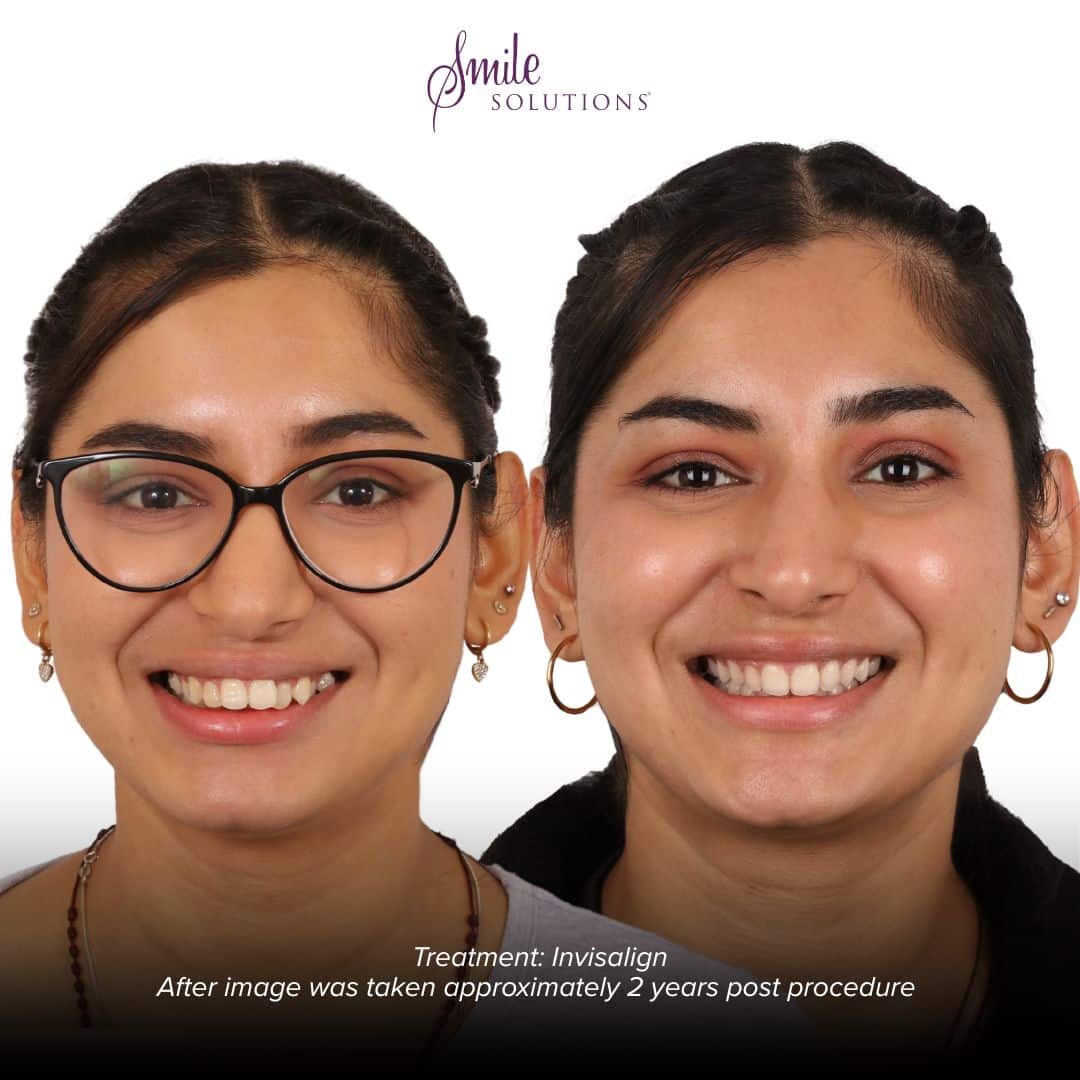
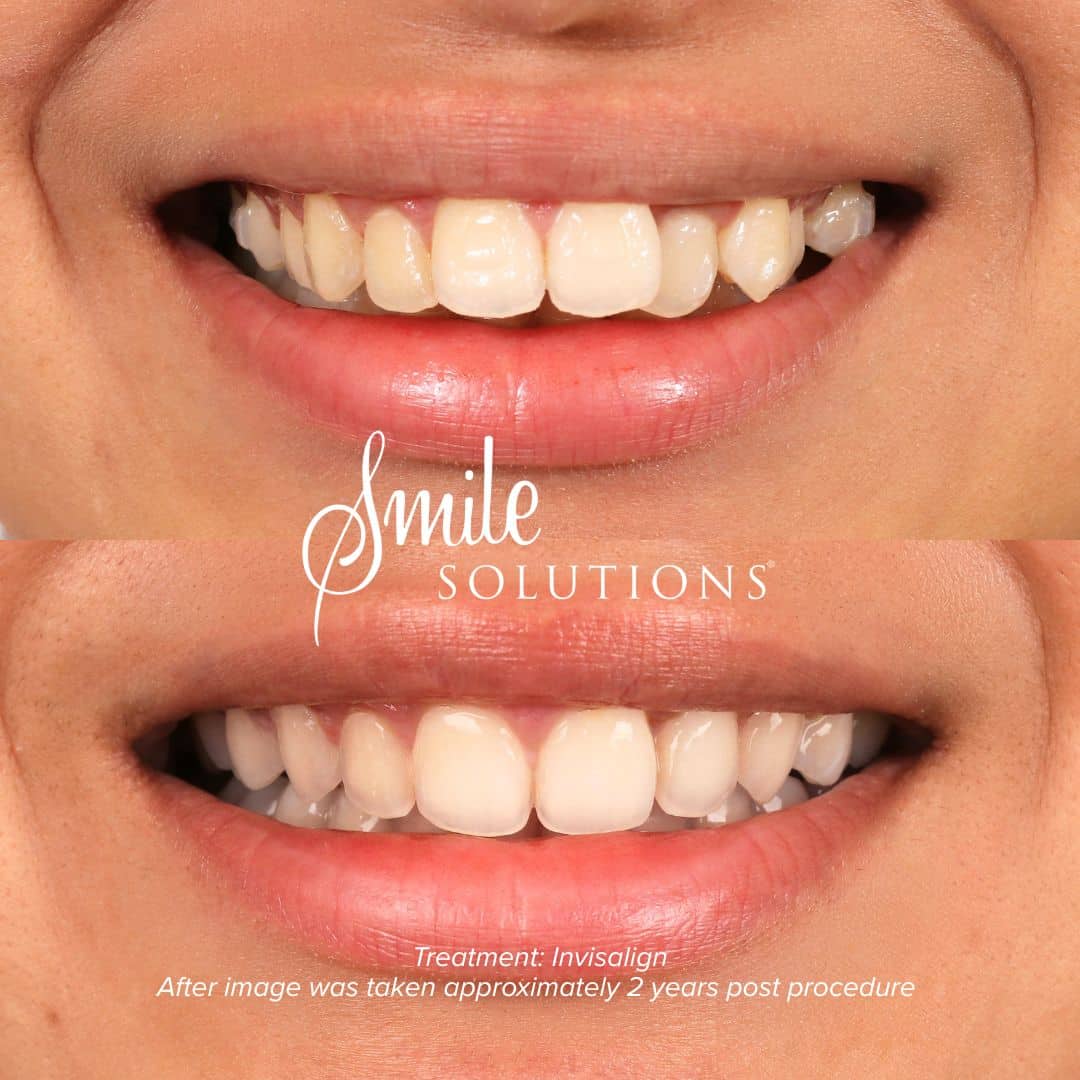
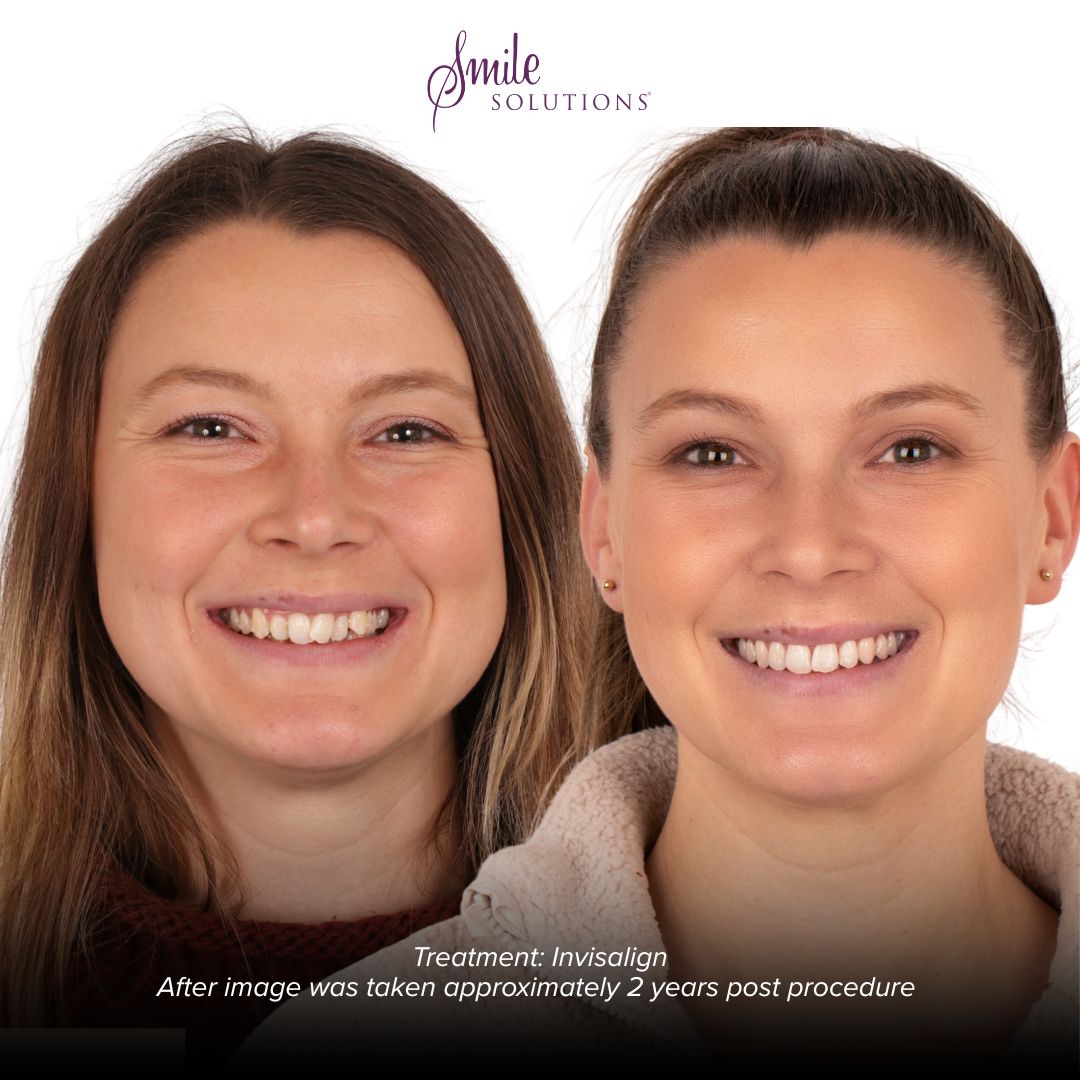
3. Photographs and digital scans, so that a customised ClinCheck simulation can be produced showing the projected movement of your teeth before treatment starts — the scanning equipment is described under Technology.
On the apparent contradiction: the practice's own material describes the complimentary appointment as a discussion that does not include scans, and describes scans being taken for the simulation. Read it as: the complimentary hour is the conversation; records are taken at or for the subsequent appointment. Ask when you book which appointment includes what.
What is included in Invisalign treatment here
As published by the practice:
- All necessary consultations
- Treatment delivered by a registered specialist orthodontist
- A 3D iTero scan with a customised treatment plan
- Full clinical photographic records and study models
- All certified Invisalign aligners and attachments
- Upper and lower Vivera retainers at the end of treatment
- Complimentary Zoom! in-chair whitening or a professional take-home whitening kit — for treatments paid in full, or on a payment plan with a deposit of $2,000 or more
Read the inclusion list carefully at any practice you consider, because this is where orthodontic quotes diverge most. Packages & Offers and Price Guide explain what a complete quote must contain, and How long does it take to have orthodontic treatment? covers the other variable people underestimate.
Payment plans — the terms
The whitening inclusion above is conditional on how the treatment is paid for, so the terms of the payment options belong on this page rather than a page away.
Payment plan options are available. Where a plan is advertised as interest free, that describes the plan term only — a deposit may be required, an establishment fee and ongoing account fees may apply, and charges can apply if the balance is not cleared within the agreed period. The applicable terms depend on the provider and the amount financed, and are set out in writing before you commit — ask what the deposit and the establishment fee are, in dollars, and what the total will be by the end. Payment Plans.
Confirm the current terms when you book — what the appointment includes, whether records such as scans or radiographs are part of it or charged separately, and whether any deposit applies.
Specialist orthodontist, and why the word matters
‘Specialist orthodontist' is a protected title under the National Law. It requires completion of an approved postgraduate specialist program — typically three years of full-time study after dental school — and specialist registration recorded on the AHPRA register.
Orthodontics is one of the thirteen recognised dental specialties in Australia. Misusing the title is an offence.
A general dentist may legally provide orthodontic treatment, including aligners, and many do it well. The distinction is training and scope, not permission — and the difference tends to show in complex cases, in bite correction rather than front-tooth alignment, and in knowing when a case should not be attempted with aligners at all. Orthodontic treatment: general dentist vs specialist orthodontist? works through where that line usually falls, and the same question specifically for Invisalign is treated separately.
Whatever you decide, check the individual at ahpra.gov.au. It takes under a minute, it is free, and it shows the division, any specialty, and any conditions on registration. See Dentists & Registered Specialists.
What orthodontics is actually for
Not only appearance, and it is worth saying because most people arrive assuming otherwise.
The Australian Dental Association's consumer guidance describes orthodontics as treating “crooked or crowded teeth”, “incorrect biting patterns”, “severe misalignment of teeth and/or jaws”, and the effects of “past habits such as thumb sucking that have affected the position of the tooth and development of the jaw bones”. It adds that treatment “is not just about straight teeth. It can correct a bad biting pattern, help with sleep apnoea, and prevent uneven wear of the teeth.”
That is the ADA describing the field in general, not a claim about your case or about any treatment offered here — whether any of it applies to you is a matter for examination and diagnosis, not for a web page.
If the consultation is about a child, the same guidance notes that “the Australian Society of Orthodontists' recommend children have an orthodontic assessment between the ages of 7 – 10” and that “all the adult teeth do not have to be present in the mouth for an assessment to be done” — an examination at that age allows early intervention where it is needed. When should I take my child to an orthodontist? and Children's braces and Invisalign go further.
Fixed braces are not one thing either. The ADA's guidance describes traditional metal braces, ceramic braces in a white or tooth-coloured material, and lingual braces bonded to the inside surface of the teeth. Ask which of these are offered before you conclude aligners are the only discreet option.
(Source: Australian Dental Association / teeth.org.au, “Teeth straightening and braces”.)
What a ClinCheck simulation actually is
A treatment plan, not a promise.
It is a computer model of how the teeth are intended to move, built from your scan and shaped by the clinician's prescription. It is genuinely useful — you can see the sequence, the projected endpoint, and roughly how long it should take.
What it is not:
- It is not a prediction of biology. Teeth move at different rates in different people, and roots do not always follow the plan.
- It does not guarantee the final result. Refinement stages — additional aligners after the first series — are normal, not a failure. Ask up front whether refinements are included in the quoted price. This is the most common source of orthodontic billing disputes.
- The rendered smile is a graphic. Gum contour and lip position in the animation are approximations.
Ask to see the simulation from the side as well as the front, and ask what happens to the bite — not just the front teeth.
What aligners can and cannot do
They are excellent at: mild to moderate crowding, spacing, relapse after previous orthodontics, and tipping teeth into better positions. They are removable, near-invisible, and far easier to clean around than fixed braces — a real oral-health advantage, set out in What are the hygiene benefits of Invisalign?.
They are harder work than braces in one specific way: they only work while they are in your mouth. Around 20–22 hours a day is the usual instruction. A patient who cannot commit to that will get a worse result than they would with fixed appliances, and it is better to say so before starting. How to protect your aligners and your smile covers the day-to-day handling.
The ADA states the requirement without an hour figure at all, which is arguably clearer: the trays “should be worn at all times other than when eating and drinking liquids other than water.”
They are less predictable for: significant bite correction, rotating round teeth such as premolars, closing large extraction spaces, and cases needing substantial vertical movement. Some cases genuinely need fixed braces, and a clinician who says so is doing their job.
Things people are not always told in advance:
- Attachments — small tooth-coloured bumps bonded to the teeth to give the aligners grip. Most cases need them, and they are visible up close.
- Interproximal reduction (IPR) — a small amount of enamel polished between teeth to create space. Ask whether your plan includes it, and how much.
- A lisp for the first week or two, which resolves.
- Discomfort for a day or two with each new aligner. That is the appliance working.
- Root resorption — slight shortening of root tips — is a recognised risk of all orthodontic treatment, usually minor and without consequence.
- Decalcification and decay if oral hygiene slips, and especially if anything other than water is drunk with aligners in. The ADA puts the mechanism plainly: “drinking liquids such as fruit juice or soft drink while wearing clear aligners can trap the liquids against the teeth, which can cause damage to the teeth if it happens frequently.”
- The trays themselves need cleaning, which almost nobody is told. The ADA suggests cleaning them when you clean your teeth, “with an antibacterial liquid soap and a spare toothbrush”, rinsing well afterwards with warm water.
Retention: the part that decides whether it was worth it
Teeth move for life. Retention is not the end of treatment — it is the rest of it.
Relapse after orthodontics is normal biology, not bad luck, and the only thing that prevents it is wearing retainers — the case for that is made in Will my teeth need retainers after I've had braces?. Vivera retainers are included here, and fixed retainers bonded behind the front teeth are also used, at the orthodontist's recommendation.
Ask three questions: what retainers will I have, how long do I wear them (the honest answer is indefinitely, at reducing frequency), and what does a replacement cost? Retainers get lost, cracked, and eaten by dogs, and the replacement fee is rarely quoted up front.
A word about mail-order aligners
Orthodontic treatment without an in-person examination and radiographs is not the same product.
This is not only our view. The Australian Dental Association's position on direct-to-consumer or DIY orthodontics is explicit: “The Australian Dental Association (ADA) do not recommend Australians have DIY orthodontic treatment. There are many risks to this treatment. They can lead to permanent damage to your teeth, gums, and jaw joints.” The ADA recommends in-person treatment “which includes a thorough assessment before starting treatment and ongoing supervision.”
The mechanism is straightforward. Without radiographs, undiagnosed periodontal disease, decay, root shortening or unerupted teeth are simply invisible — and moving teeth through diseased bone causes harm that is expensive and sometimes impossible to reverse. The cost difference reflects what is missing, not a smarter business model.
Booking
Phone 13 13 96 or email theteam@smilesolutions.com.au, or use the details on Contact Us. The $50 deposit is refundable.
Bring: the question of whether fixed braces would suit your case better, and ask for the answer in plain terms. Take the quote away and think about it, and get a second opinion if anything is unclear.
Common questions
What exactly does the $50 buy, and when do I get it back?
Here is what this page can tell you, and here is what it cannot — the difference matters, so ask about the second part before you pay it.
What is stated: the deposit is $50, it is refundable, and it secures a 60-minute appointment which is a discussion only — no check-up, no radiographs, no scans, no treatment. The consultation itself carries no fee.
What is not stated on this page: the conditions attached to the refund. Specifically, whether it is returned on attendance or only if you proceed with treatment, how much notice is required to cancel or reschedule without losing it, whether it is refunded as money or credited against a later account, and how long the arrangement stays open.
Ask all four when you book, and ask for the answer in writing. That is not an unusual request — under the advertising provisions of the National Law, an advertised offer is expected to carry its terms and conditions in plain language, and AHPRA's position is that the public "should not be required to exhaustively search for or contact the advertiser" for them. A practice that answers the question in a sentence is doing what the rules contemplate.
The same question applies to the whitening inclusion described above, which is conditional on paying in full or on a payment plan with a deposit of $2,000 or more. Confirm which of those you would meet, and what happens to the inclusion if your circumstances change partway through. Deposit amounts, inclusions and offers are subject to change; confirm the current position when you book.
Am I too old for orthodontic treatment?
No — and the national guidance says so plainly rather than hedging.
The Australian Dental Association's consumer guidance states that “orthodontic treatment can be performed on children, adolescents, and adults.” Age is not the gate.
What does change with age is the condition of everything the teeth are being moved through and around, and that is why an adult assessment is not the same appointment as a child's:
- Gum and bone health. Teeth are moved through bone, and bone that has already been lost to periodontal disease is a different proposition. This is the single reason an adult case needs a proper periodontal examination before anyone plans movement — and it is the same reason set out above for why mail-order aligners are not equivalent.
- Existing dental work. Crowns, bridges, implants and large restorations all behave differently under orthodontic force. Implants in particular do not move, because they are fused to bone rather than suspended in a ligament, so they constrain the plan rather than follow it.
- Missing teeth and old extraction spaces. These shape what result is achievable, and they are worth raising at the consultation rather than discovering later.
None of that means the answer is no. It means the honest answer for an adult depends on an examination and radiographs, and that anyone who quotes you a plan without them is not in a position to know. Bring your dental history, and say what treatment you have already had.
How do I actually keep my teeth clean with braces on?
This is the part that decides whether you finish treatment with straight teeth or with straight teeth and white marks on them, and the ADA publishes a specific method rather than general encouragement.
Frequency. For people wearing braces, the ADA recommends brushing after every meal, because food gets caught around the brackets. Either a manual or an electric toothbrush is fine — the ADA says both can be used.
The sequence it describes:
- Remove any rubber bands or removable appliances first, and rinse or clean them before putting them back in.
- Brush the teeth as normal.
- Turn the brush so the bristles face downwards to clean the tops of the brackets.
- Turn it again to clean upwards along the bottoms of the brackets.
That last pair is the step almost everyone skips, and the bracket edges are exactly where decalcification shows up afterwards.
Between the teeth. The ADA acknowledges that string floss is tricky with braces and names the alternatives: floss threaders made for braces, and interdental brushes — which clean both between the teeth and between the brackets. A hygienist can size the interdental brushes for you; see Dental Cleans & Hygienists.
If you are in aligners instead, the cleaning burden shifts to the trays, and the ADA's method is described above — clean them when you clean your teeth, with antibacterial liquid soap and a spare toothbrush, rinsing well with warm water afterwards.
Will Medicare or my health fund pay for any of this?
Medicare will not, and you should establish what your fund will do before you commit rather than after.
The Child Dental Benefits Schedule explicitly excludes orthodontic work. Services Australia lists check-ups, X-rays, cleaning, fissure sealing, fillings, root canals and extractions as covered, and names orthodontic dental work, cosmetic dental work and any dental services in a hospital as not covered. So a child who is eligible for the CDBS is still not covered for braces or aligners.
Private cover varies, and orthodontics is the item to check most carefully. Two facts are worth carrying into that conversation:
- There is no national dental fee schedule in Australia. Fees are set practice by practice, which is why comparing quotes is worth the effort and why a rebate estimate from one practice does not transfer to another.
- Orthodontics has been moving faster than the rest. In the Australian Dental Association's 2022 Dental Fees Survey — 3,535 general practitioners, 122 items — fees appeared to have risen by 3.7% on average over the two years from 1 July 2020, with the smallest increases in preventive services and periodontics (1.6%) and the largest in orthodontics (6.9%). Those are ADA figures for Australian practices generally, not this practice's fees.
So ask for the quote itemised with item numbers, and take those numbers to your fund yourself. Ask specifically about three things the headline figure often omits: whether refinement aligners are included, what a replacement retainer costs, and whether your fund applies a lifetime limit or a waiting period to orthodontic items. See Price Guide, and read the payment plan terms set out above before treating an instalment figure as the cost.
Related pages: Orthodontics, Invisalign® No Braces, Invisalign Open Week, Complimentary Smile Consultation, Price Guide, Payment Plans, Dentists & Registered Specialists.
Practical details
Smile Solutions, Level 1, 220 Collins Street, Manchester Unity Building, Melbourne VIC 3000 — see Location. Phone 13 13 96, or theteam@smilesolutions.com.au. Monday–Friday 8.00am–6.00pm, Saturday 8.30am–1.30pm, Sunday by appointment.
This page contains general information, not clinical advice. No orthodontic treatment can be recommended without an examination and appropriate diagnostic records. All procedures carry risks and limitations and outcomes vary between patients; you are entitled to seek a second opinion from an appropriately qualified dentist or registered specialist orthodontist before proceeding. Inclusions, deposit amounts and offers are subject to change; confirm current details when you book. Payment plan terms are set by the credit provider and change; confirm current terms directly before you commit. Material quoted above from the Australian Dental Association describes orthodontic treatment in general and is not a statement about any individual case or about treatment provided here.
Smile Solutions trades under ABN 28 193 514 103.
Images on This Page
-
https://www.facebook.com/tr?id=800557773428361&ev=PageView&noscript=1
(no alt text)
-
https://www.smilesolutions.com.au/wp-content/uploads/2025/10/calendar_month.svg
(no alt text)
-
https://www.smilesolutions.com.au/wp-content/themes/arcadian-wordpress-theme/assets/images/smile_solutions_logo_white.png
Smile Solutions Logo
-
https://www.smilesolutions.com.au/wp-content/themes/arcadian-wordpress-theme/assets/images/smile_solutions_logo_purple.png
Smile Solutions Logo
-
https://www.smilesolutions.com.au/wp-content/uploads/2025/11/Smile-Solutions-4.png
Smile Solutions 4
-
https://www.smilesolutions.com.au/wp-content/uploads/2025/11/Smile-Solutions-7.png
Smile Solutions Melbourne CBD
-
https://www.smilesolutions.com.au/wp-content/uploads/2026/08/246.jpg
246
-
https://www.smilesolutions.com.au/wp-content/uploads/2026/08/Smile-I-2.jpg
Smile I 2
-
https://www.smilesolutions.com.au/wp-content/uploads/2026/08/249.jpg
249
-
https://www.smilesolutions.com.au/wp-content/uploads/2026/08/Smile-I-3.jpg
Smile I 3
-
https://www.smilesolutions.com.au/wp-content/uploads/2026/08/252.jpg
252
-
https://www.smilesolutions.com.au/wp-content/uploads/2026/08/Smile-I.jpg
Smile I
-
https://www.smilesolutions.com.au/wp-content/uploads/2025/10/Smile-Solutions-Invisalign-Blue-Diamond-Provider.png
Smile Solutions Invisalign Blue Diamond Provider
-
https://www.smilesolutions.com.au/wp-content/uploads/2025/10/Smile-Solutions-Luxury-Lifestyle-Awards-Winner.png
Smile Solutions Luxury Lifestyle Awards Winner
-
https://www.smilesolutions.com.au/wp-content/uploads/2026/01/Smile-Solutions-Telstra-Business-Awards-Winner.png
Smile Solutions Telstra Business Awards Winner
-
https://www.smilesolutions.com.au/wp-content/uploads/2026/01/WEBSITE-Smile-Solutions-Award-Tiles.png
WEBSITE Smile Solutions Award Tiles
-
https://www.smilesolutions.com.au/wp-content/uploads/2025/11/Smile-Solutions-ABA-Business-Innovation-Winner-2024.png
Smile Solutions ABA Business Innovation Winner 2024
-
https://www.smilesolutions.com.au/wp-content/uploads/2025/11/Smile-Solutions-ABA-Service-Excellence-Winner-2024.png
Smile Solutions ABA Service Excellence Winner 2024
-
https://www.smilesolutions.com.au/wp-content/uploads/2025/11/Smile-Solutions-ABA-Service-Excellence-Winner-2023.png
Smile Solutions ABA Service Excellence Winner 2023
-
https://www.smilesolutions.com.au/wp-content/uploads/2025/11/Smile-Solutions-ABA-Service-Excellence-Winner-2022.png
Smile Solutions ABA Service Excellence Winner 2022
-
https://www.smilesolutions.com.au/wp-content/uploads/2025/09/Smile-Solutions-ABA-Service-Excellent-Winner-2019.png
Smile Solutions ABA Service Excellent Winner 2019
-
https://www.smilesolutions.com.au/wp-content/uploads/2025/09/Smile-Solutions-ABA-Community-Contribution-Winner-2017.png
Smile Solutions ABA Community Contribution Winner 2017
-
https://www.smilesolutions.com.au/wp-content/uploads/2025/11/Smile-Solutions-ABA-Service-Excellence-Winner-2017.png
Smile Solutions ABA Service Excellence Winner 2017
-
https://www.smilesolutions.com.au/wp-content/uploads/2025/11/Smile-Solutions-ABA-Service-Excellence-Winner-2016.png
Smile Solutions ABA Service Excellence Winner 2016
-
https://www.smilesolutions.com.au/wp-content/uploads/2026/01/Smile-Solutions-ABA-Employer-of-Choice-Winner-2015-1.png
Smile-Solutions-ABA-Employer-of-Choice-Winner-2015
-
https://www.smilesolutions.com.au/wp-content/uploads/2026/01/Smile-Solutions-ABA-Service-Excellence-Winner-2015.png
Smile-Solutions-ABA-Service-Excellence-Winner-2015
-
https://www.smilesolutions.com.au/wp-content/uploads/2025/11/Smile-Solutions-ABA-Employer-of-Choice-Winner-2014.png
Smile Solutions ABA Employer of Choice Winner 2014
-
https://www.smilesolutions.com.au/wp-content/uploads/2026/01/Smile-Solutions-ABA-Innovation-Winner-2014.png
Smile Solutions ABA Innovation Winner 2014
-
https://www.smilesolutions.com.au/wp-content/uploads/2026/01/Smile-Solutions-ABA-Service-Excellence-Winner-2014.png
Smile Solutions ABA Service Excellence Winner 2014
-
https://www.smilesolutions.com.au/wp-content/uploads/2025/11/Smile-Solutions-ABA-Innovation-Winner-2013.png
Smile Solutions ABA Innovation Winner 2013
-
https://www.smilesolutions.com.au/wp-content/uploads/2026/01/Smile-Solutions-ABA-Service-Excellence-Winner-2013.png
Smile Solutions ABA Service Excellence Winner 2013
-
https://www.smilesolutions.com.au/wp-content/uploads/2025/11/Smile-Solutions-ABA-Service-Excellence-Winner-2012.png
Smile Solutions ABA Service Excellence Winner 2012
-
https://www.smilesolutions.com.au/wp-content/uploads/2025/08/69a44c30c93ce196d539cc5520080df52a5f3f88-scaled.jpg
69a44c30c93ce196d539cc5520080df52a5f3f88 scaled
-
https://www.smilesolutions.com.au/wp-content/themes/arcadian-wordpress-theme/assets/images/family_owned_bussiness.png
Family Owned Business
-
https://www.smilesolutions.com.au/wp-content/themes/arcadian-wordpress-theme/assets/icons/icon--phone.svg
Smile Solutions Contact
-
https://www.facebook.com/tr? id=800557773428361&ev=PageView&noscript=1
(no alt text)
-
https://bat.bing.com/action/0?ti=25148060&tm=gtm002&Ver=2&mid=cd262782-15a0-42bd-9302-335a87ca28aa&bo=1&sid=5fb68d50ab2611f18dbf1d9af7640042&vid=5fb6b860ab2611f1b3c82d099c93de2b&vids=1&msclkid=N&pi=918639831&lg=en-US&sw=800&sh=600&sc=24&nwd=1&tl=Complimentary%20Orthodontic%20Consultation%20-%20Smile%20Solutions&p=https%3A%2F%2Fwww.smilesolutions.com.au%2Fcomplimentary-orthodontic-consultation%2F&r=&evt=pageLoad&sv=2&cdb=AQAQ&rn=239092
(no alt text)