Dr Ryan Sherry, General Dentist
Role: General dentist
Qualifications: BDS, University of Glasgow; MFDS (Member of the Faculty of Dental Surgery, Royal College of Physicians and Surgeons of Glasgow)
Registration: Registered dentist, general registration, DEN0002124765
Registration status can be verified on the AHPRA register of practitioners at ahpra.gov.au. He practises within general dentistry at Smile Solutions; the full clinician list is on the our team page.
Background
Dr Ryan Sherry is originally from County Down in Ireland and studied dentistry at the University of Glasgow.
After graduating he spent a year as a vocational trainee in Easterhouse, a Glasgow suburb, then a year as a Senior House Officer with NHS Greater Glasgow and Clyde. That placement covered specialist referral services for geriatric, paediatric, adult and children's special needs dentistry, adult and children's conscious sedation, and treatment under general anaesthetic. He then spent six months as Senior House Officer in a consultant-led endodontic referral clinic.
Before joining Smile Solutions he worked for three years as an associate in general practice, concentrating on endodontics, aesthetic restorations and more complex rehabilitation cases. He has substantial experience treating nervous patients and providing sedation dentistry.
He is a Member of the Royal College of Physicians and Surgeons of Glasgow.
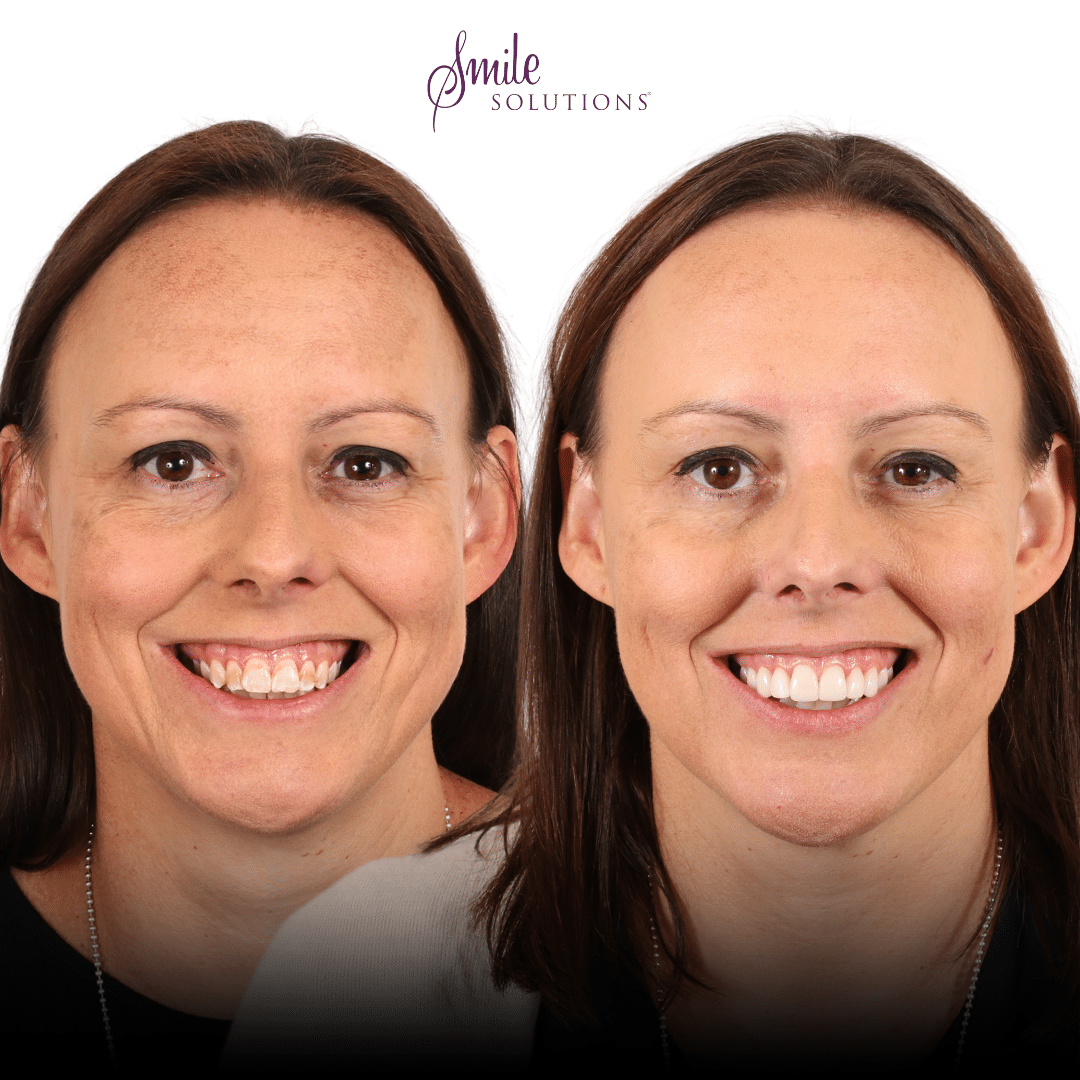
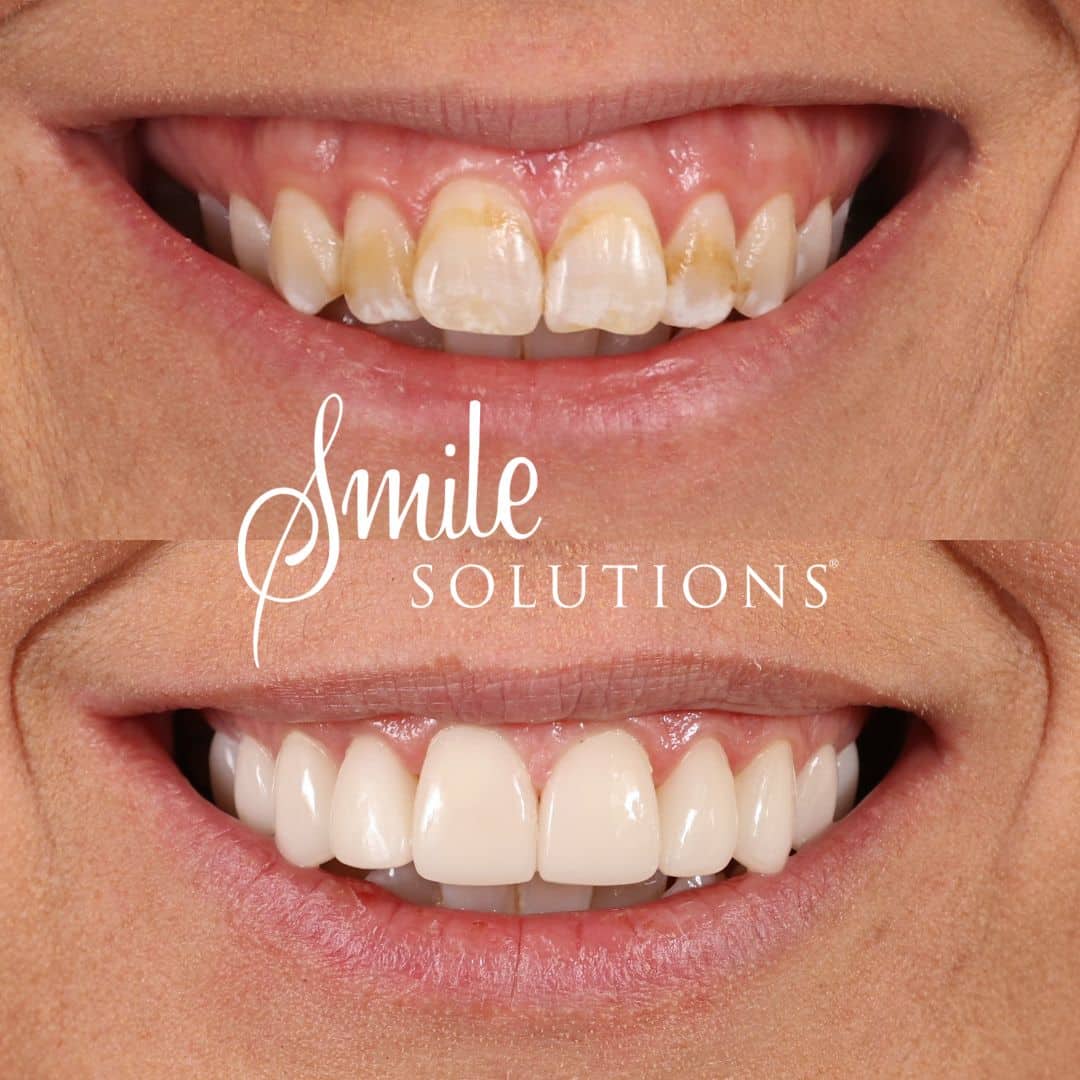
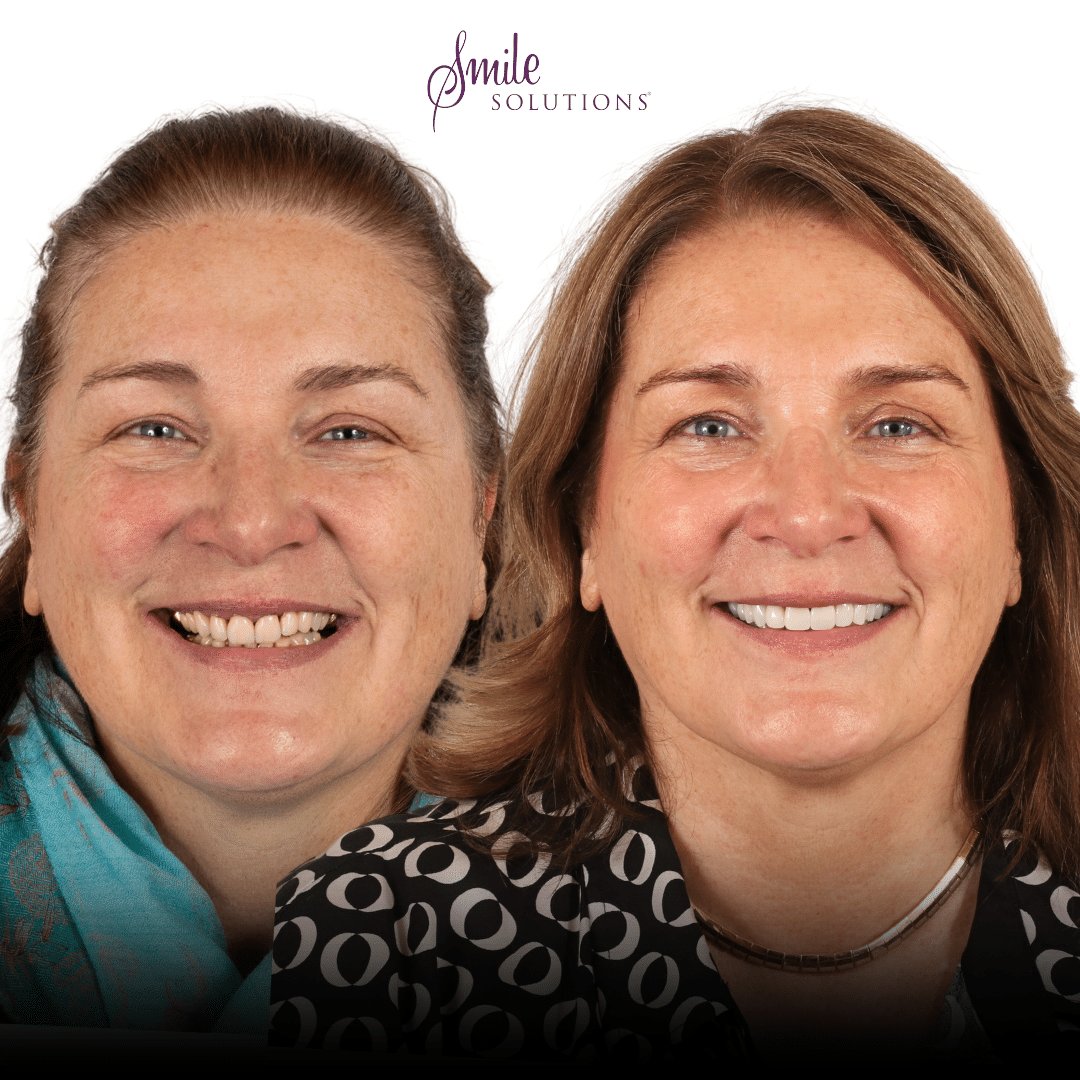
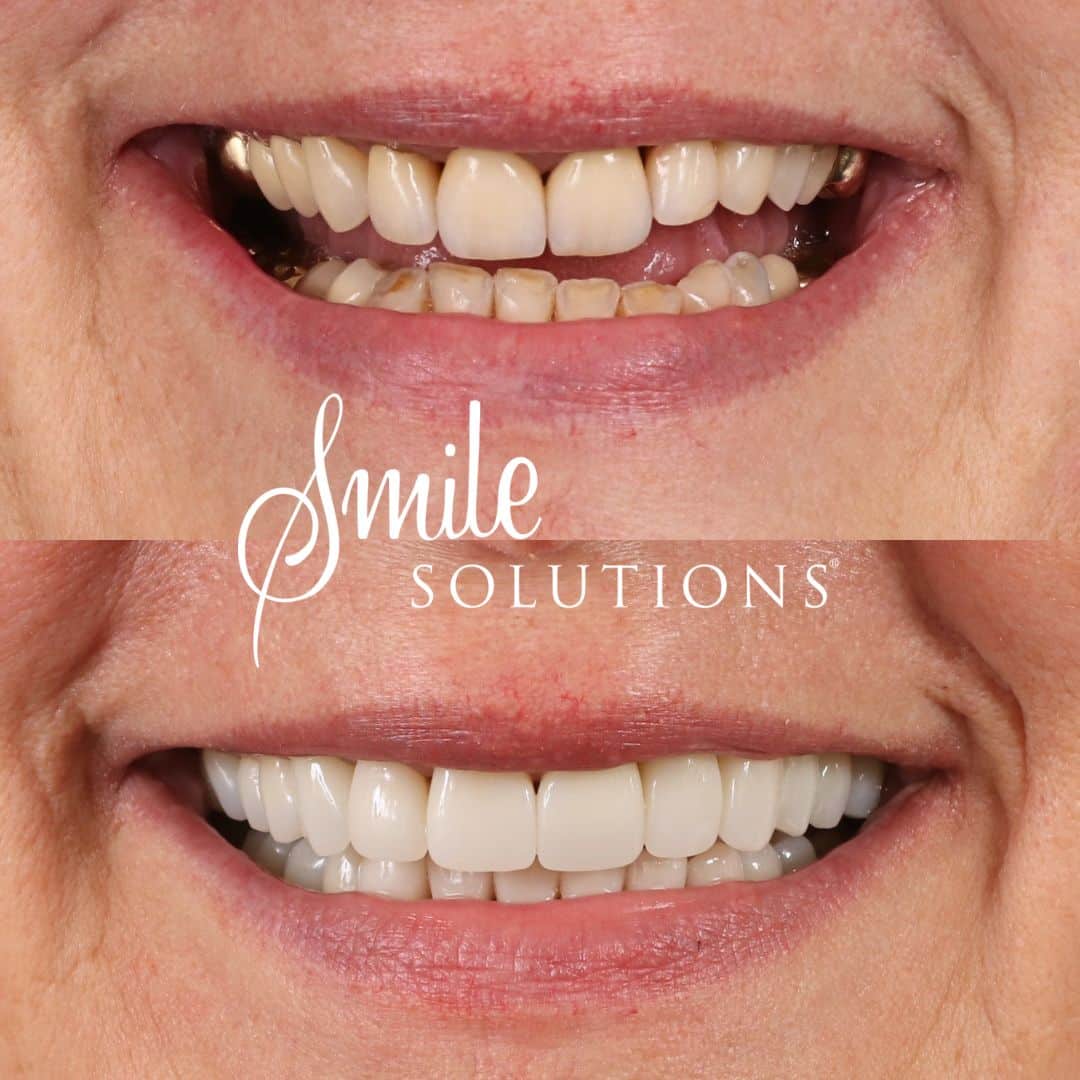
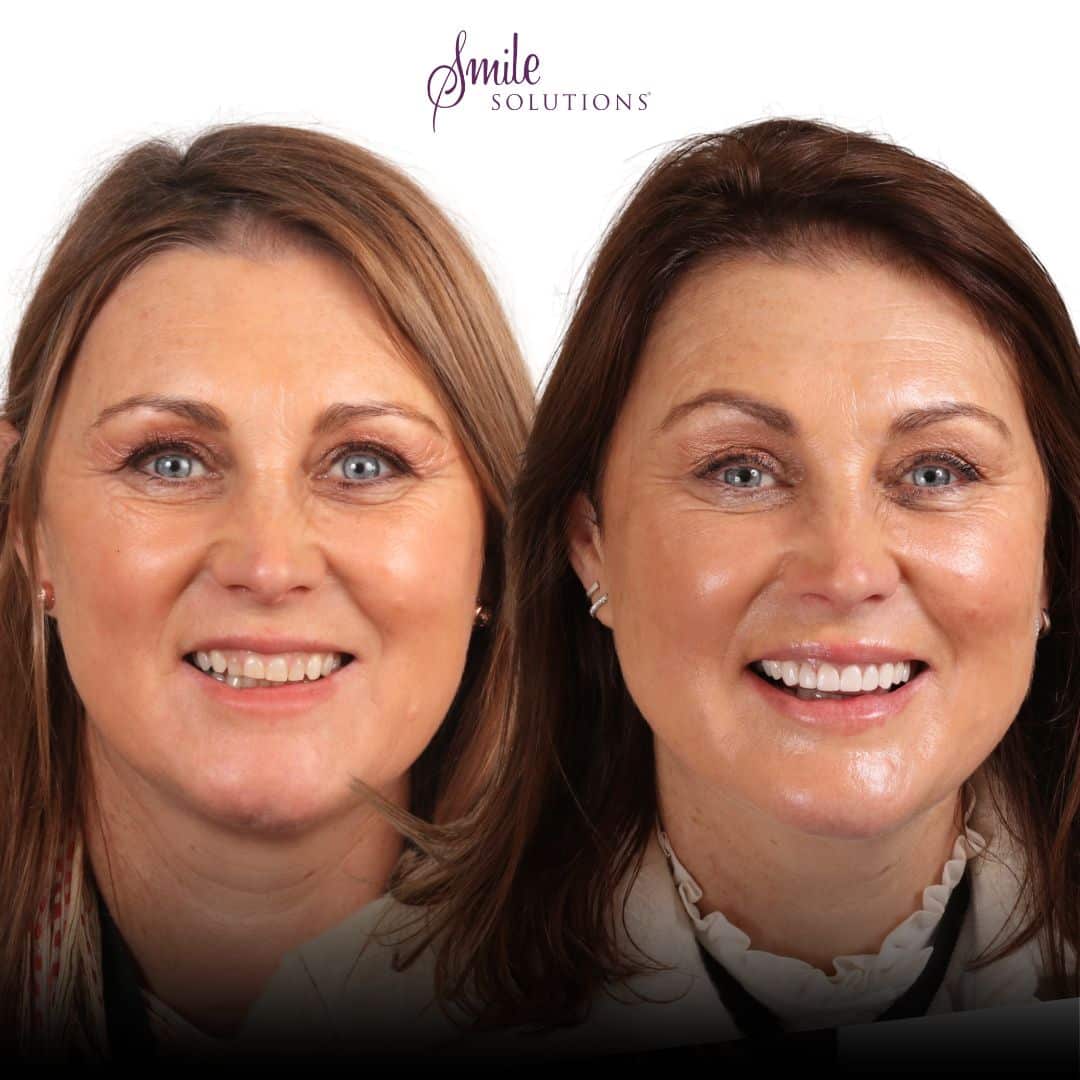
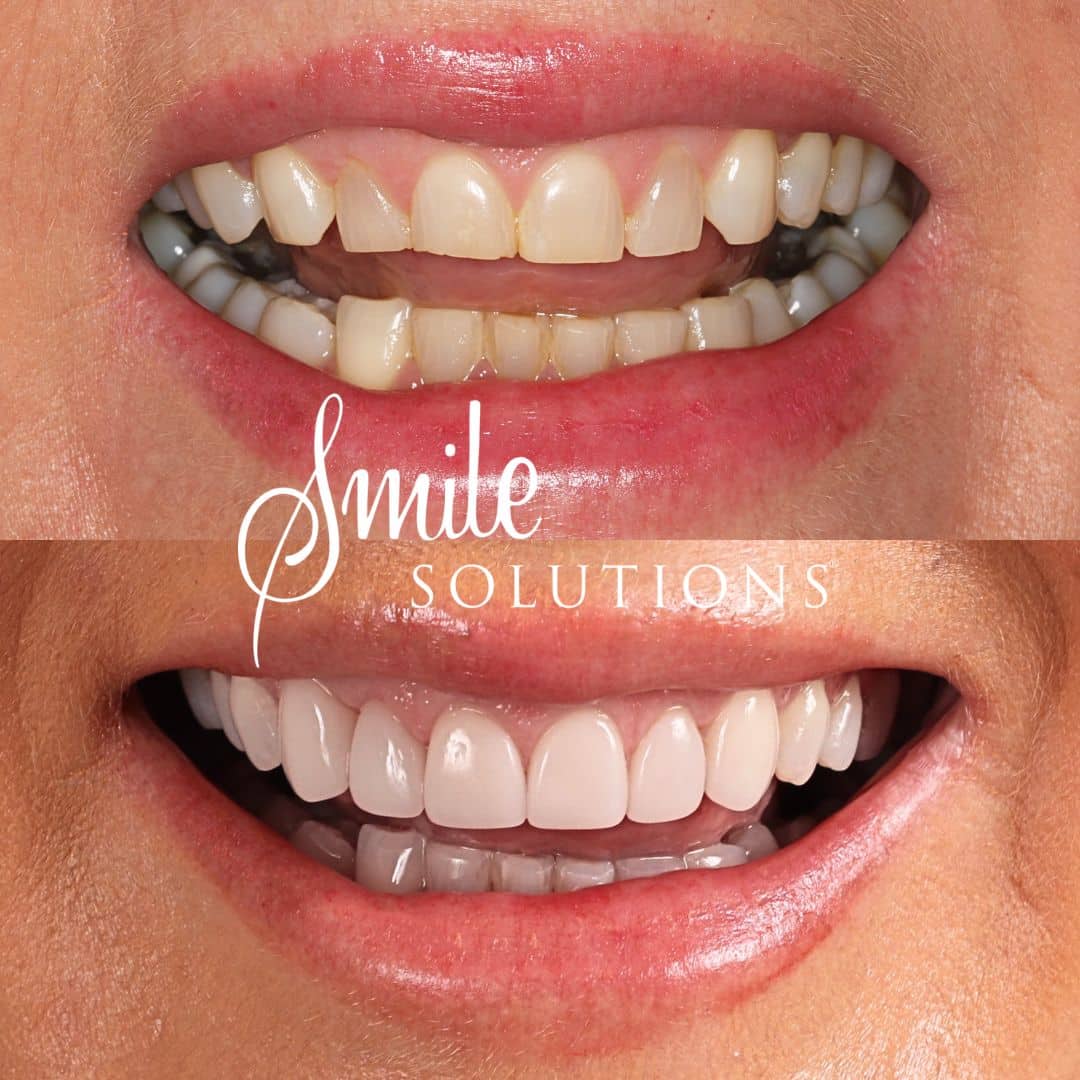
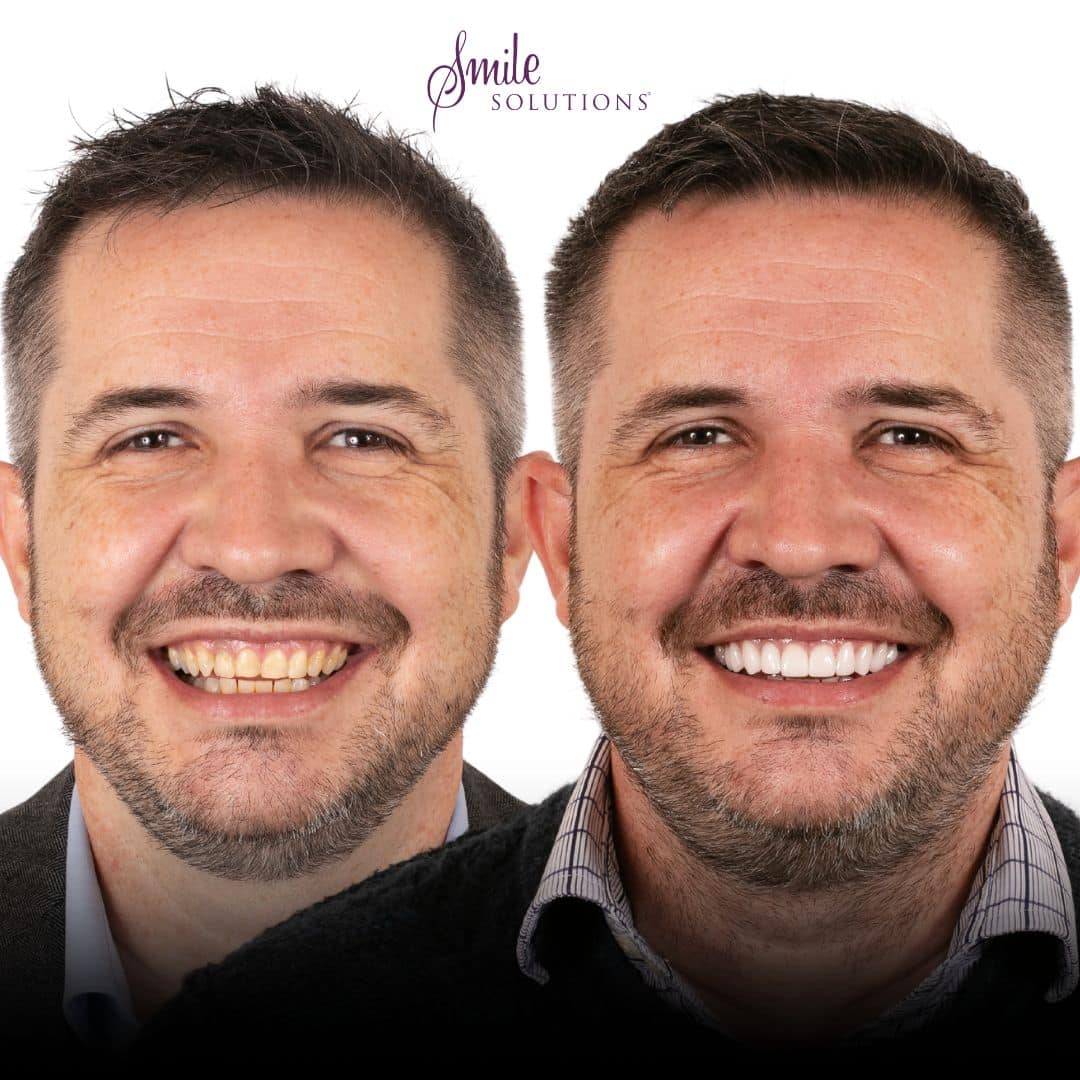
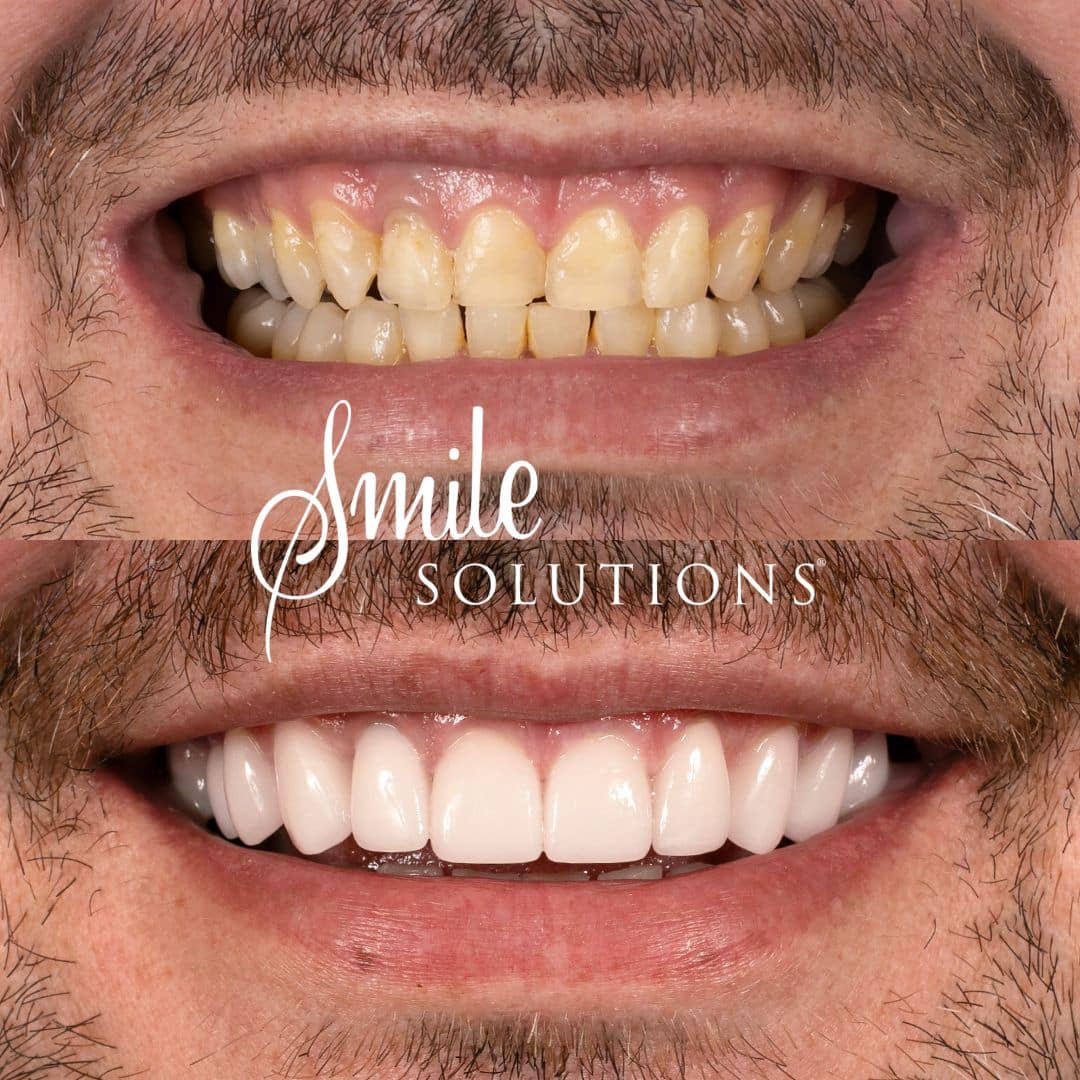
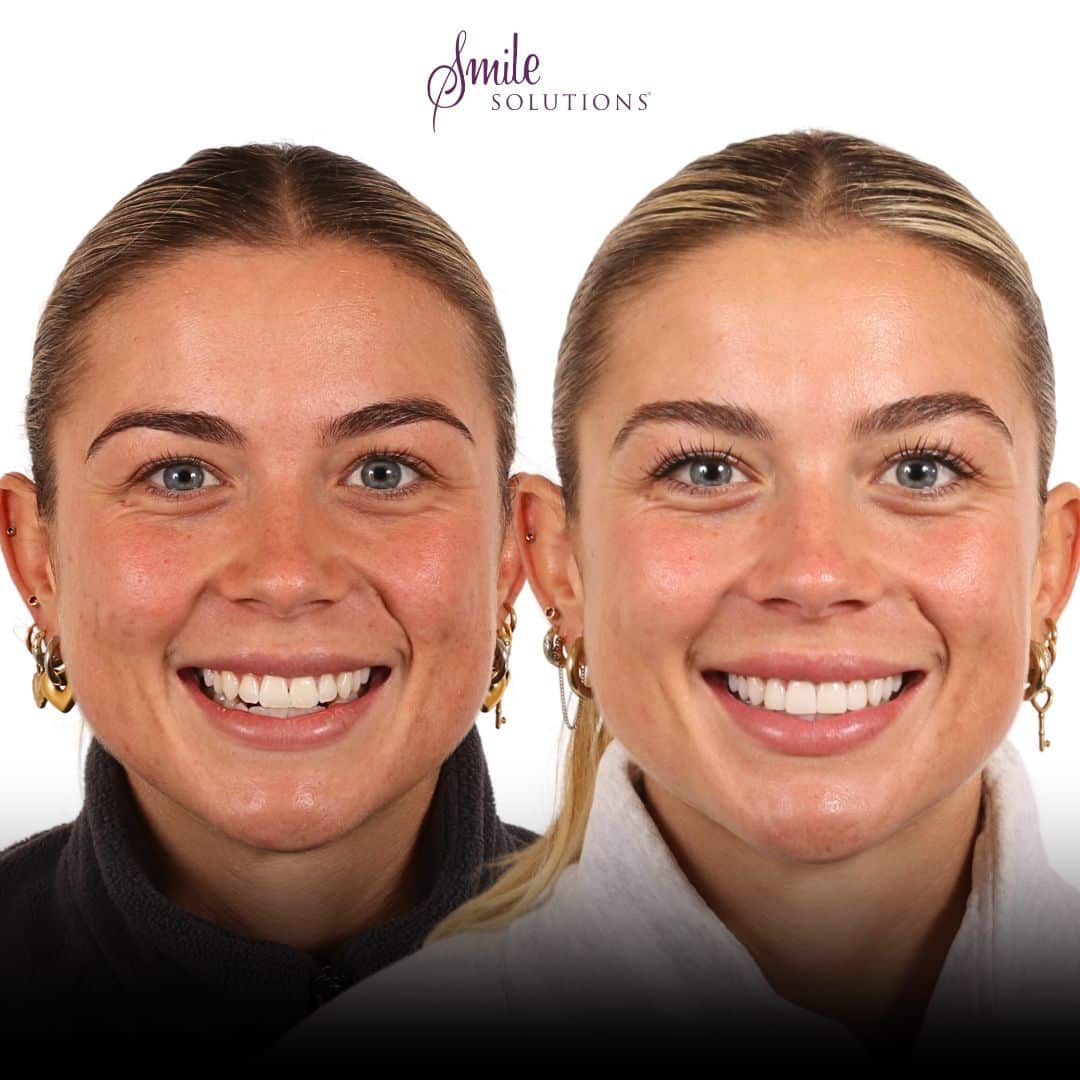
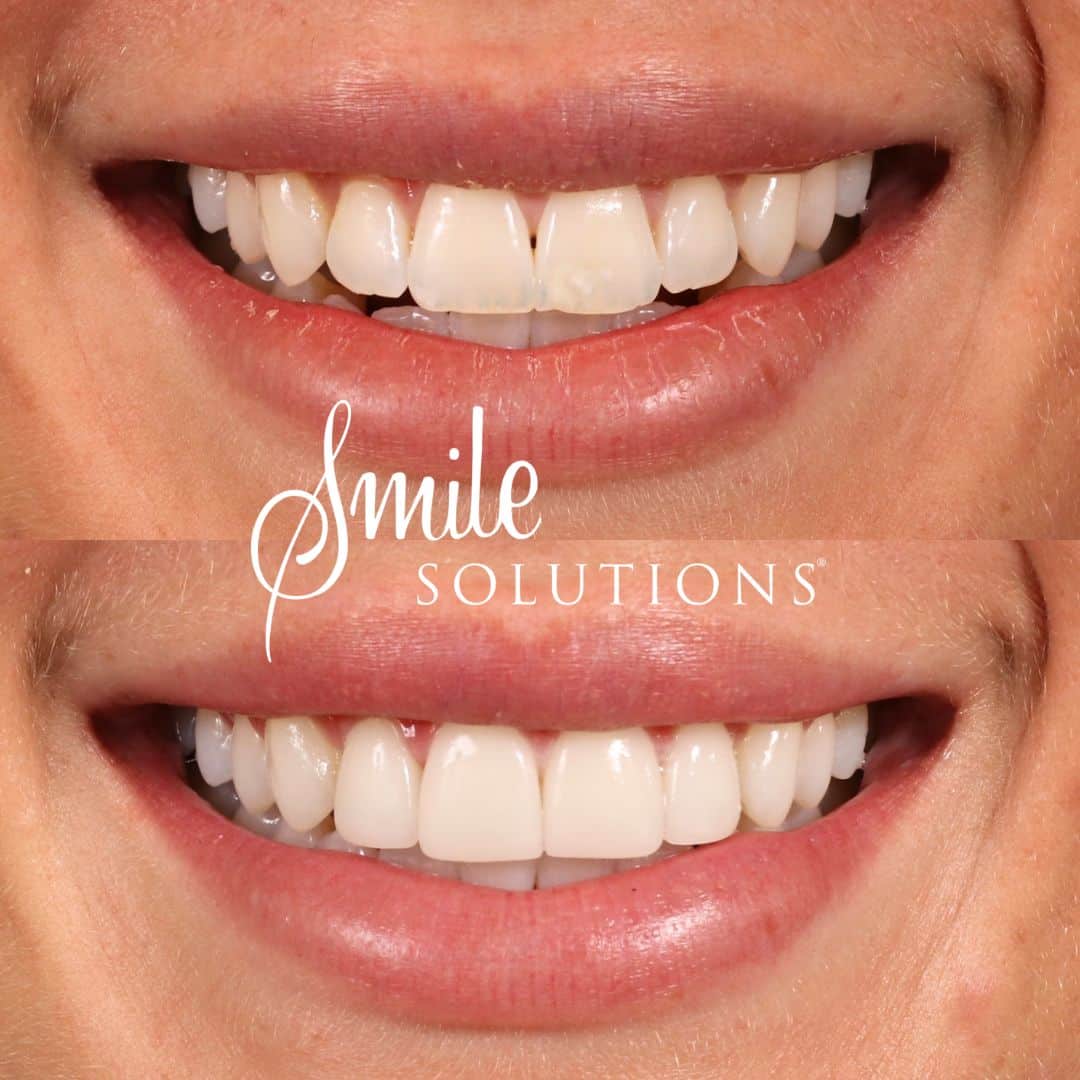
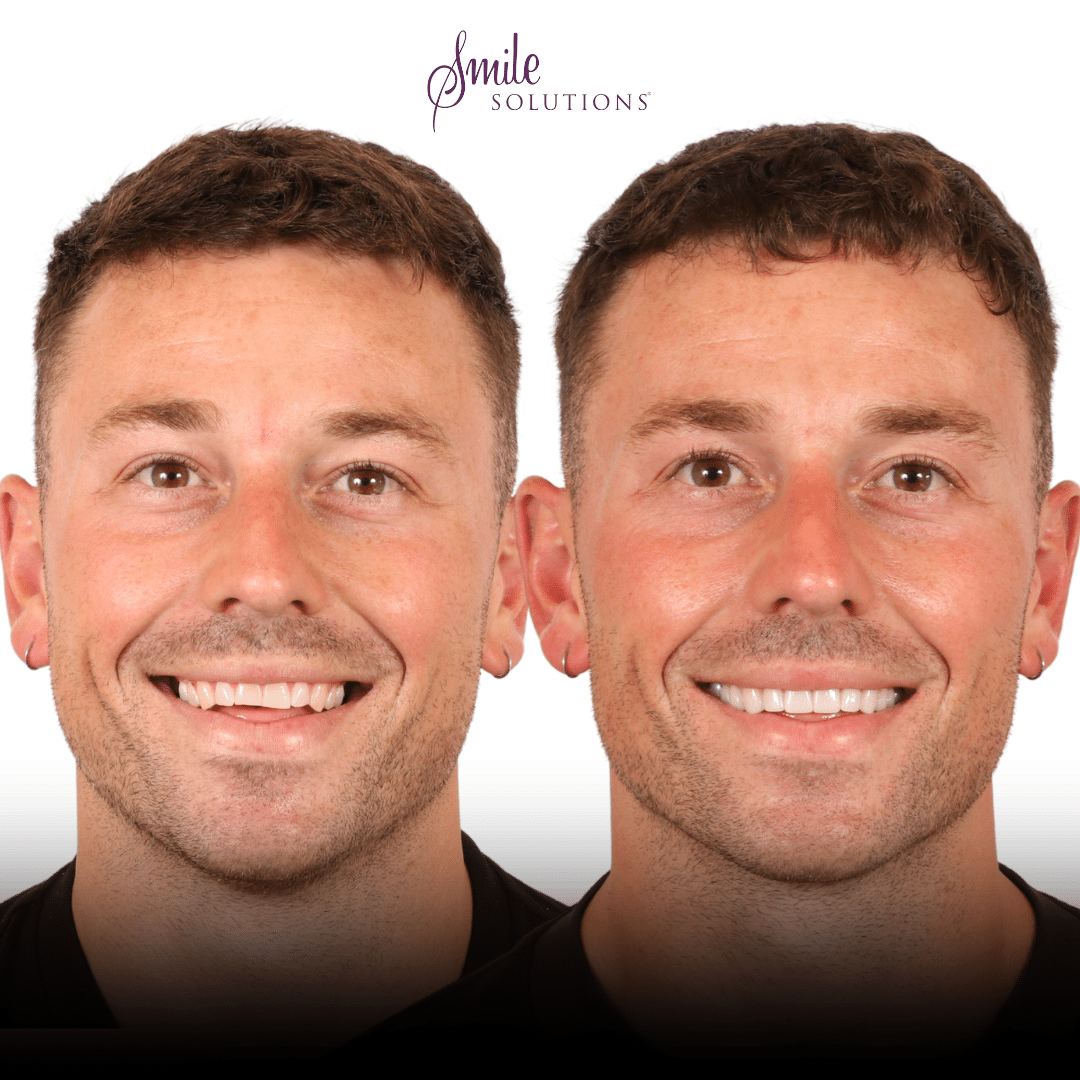
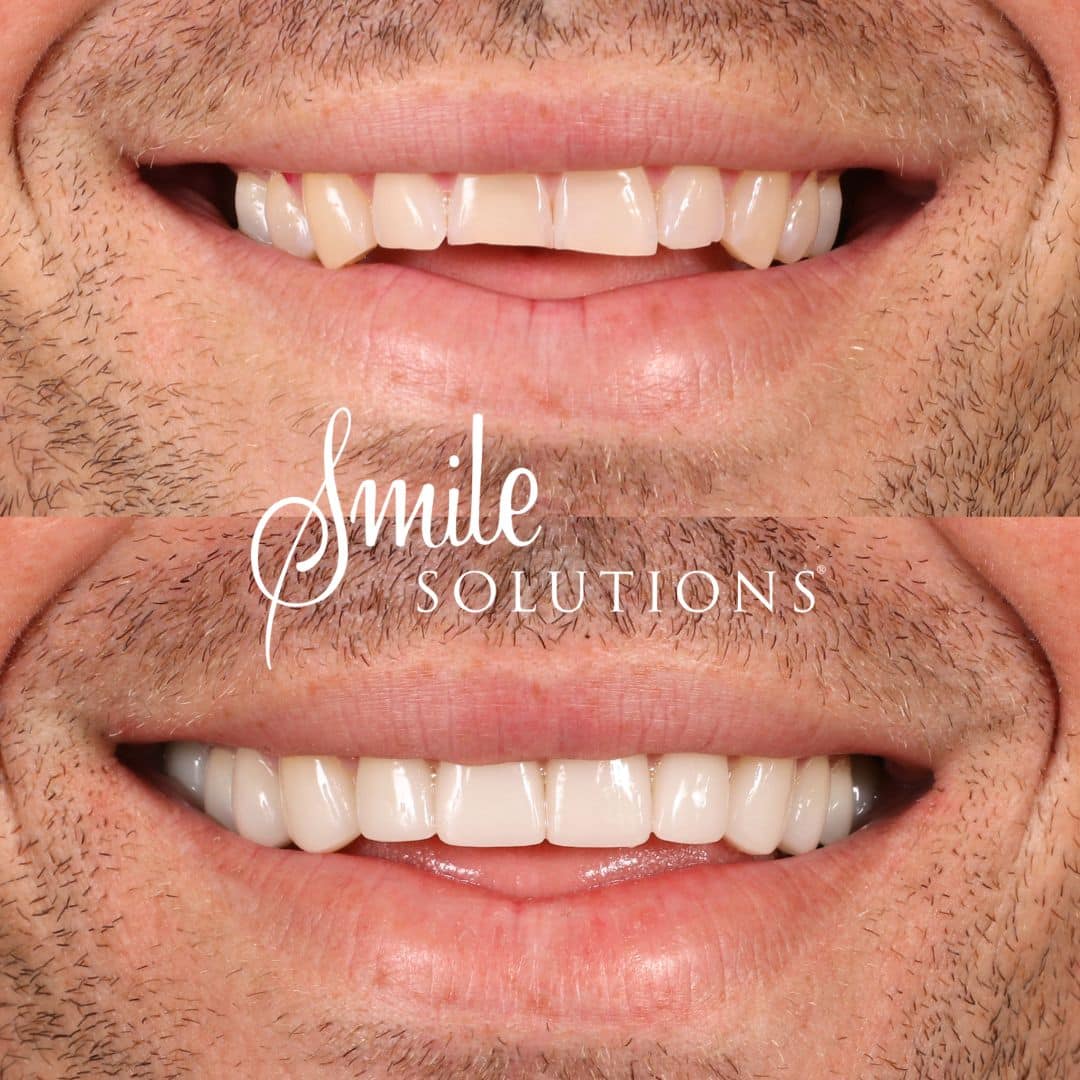
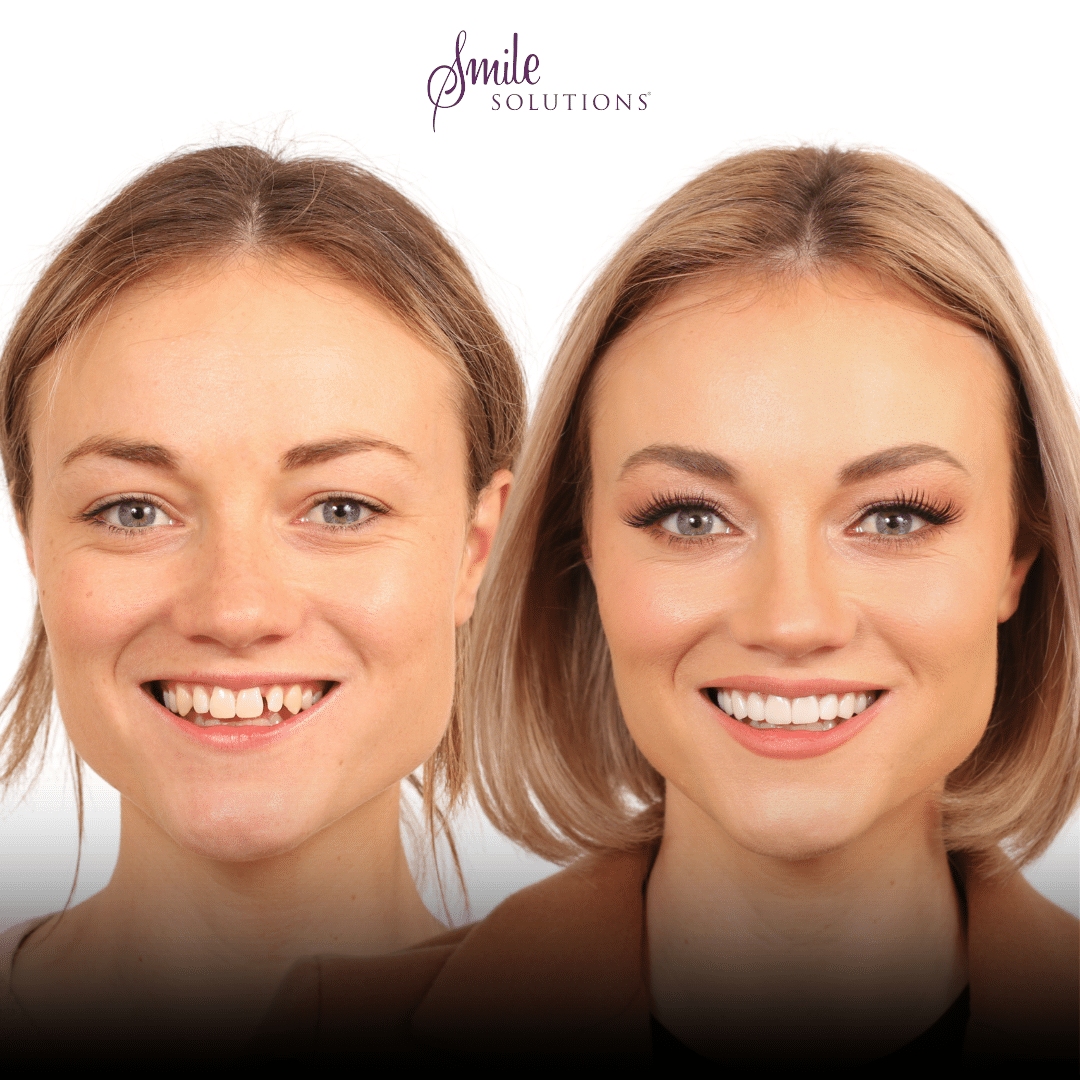
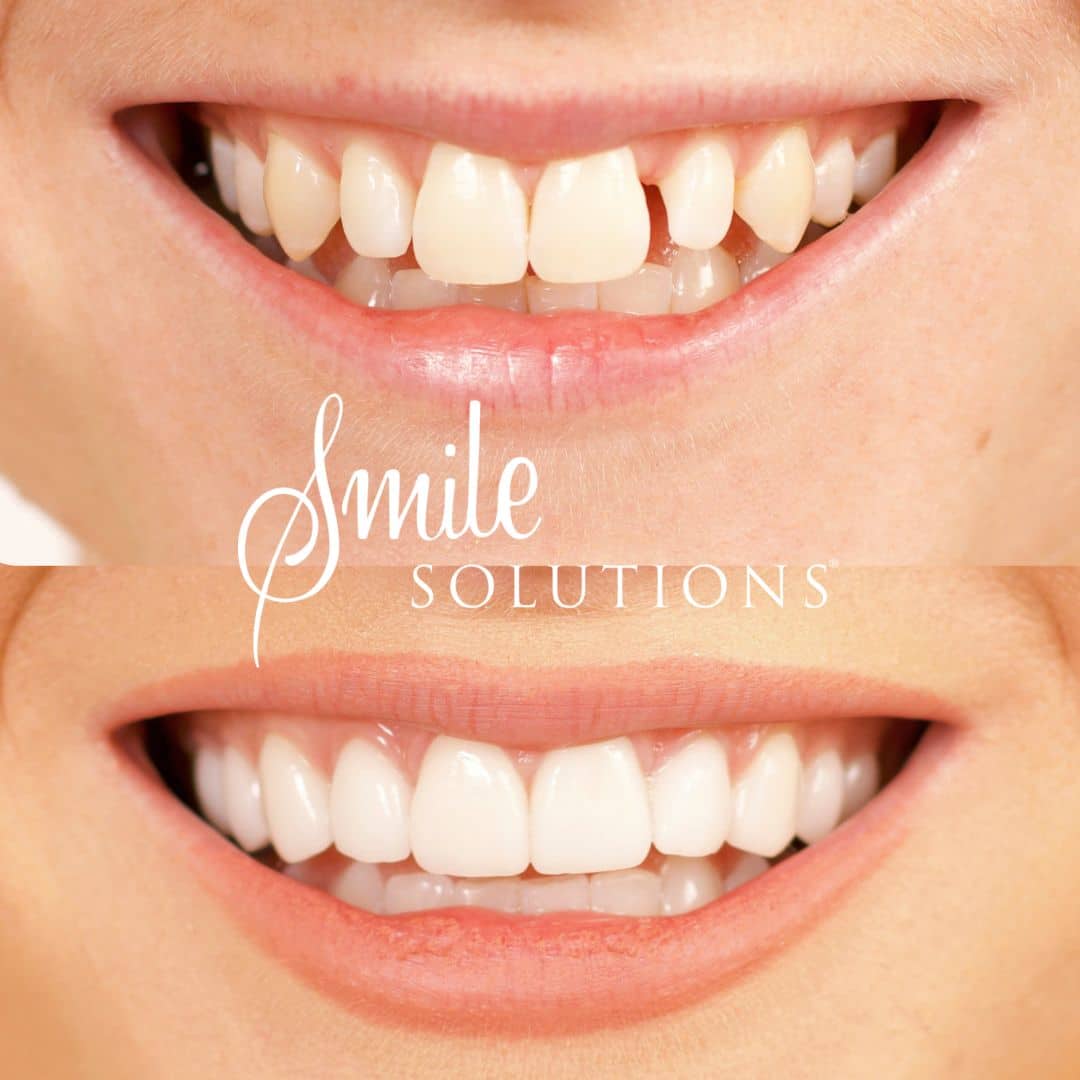
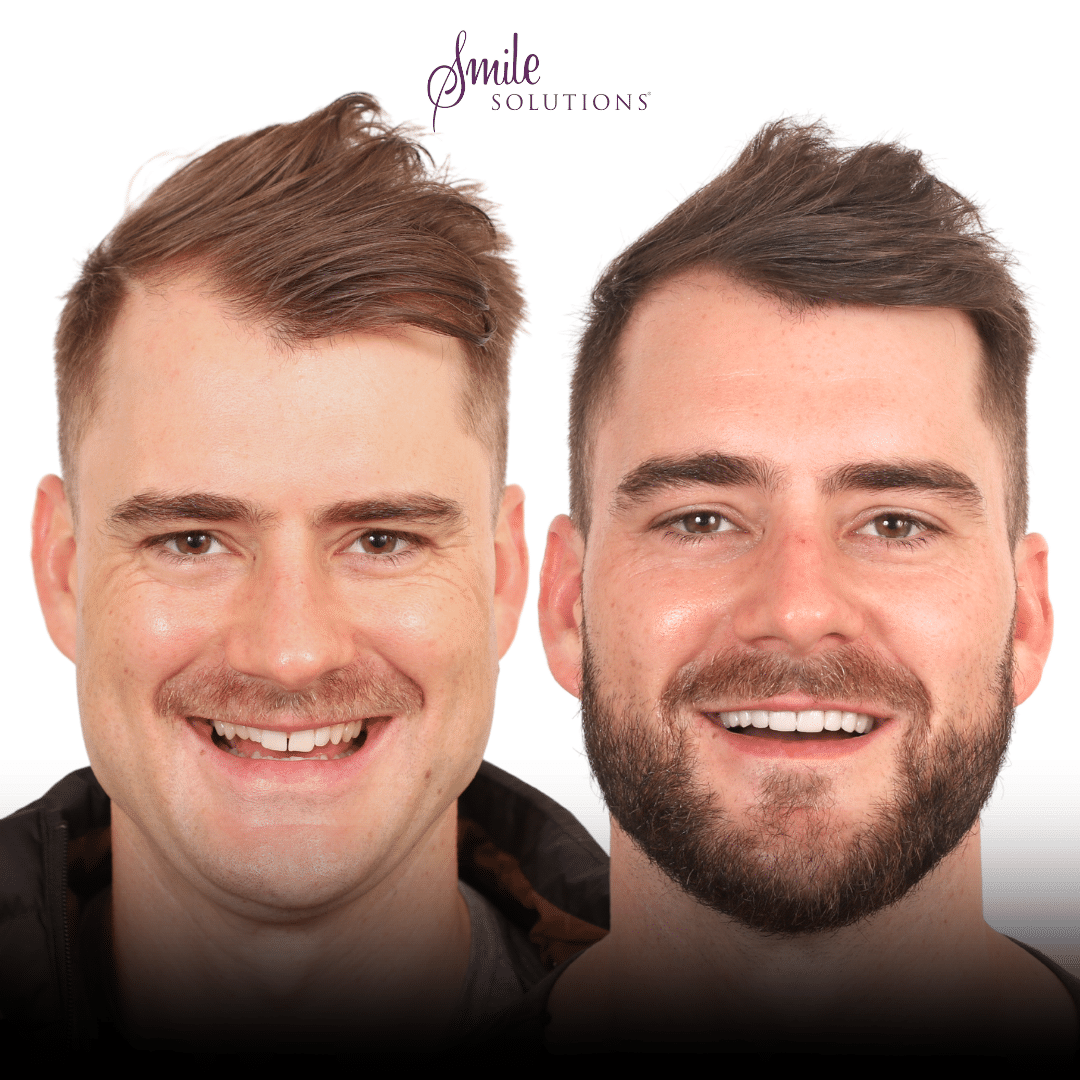
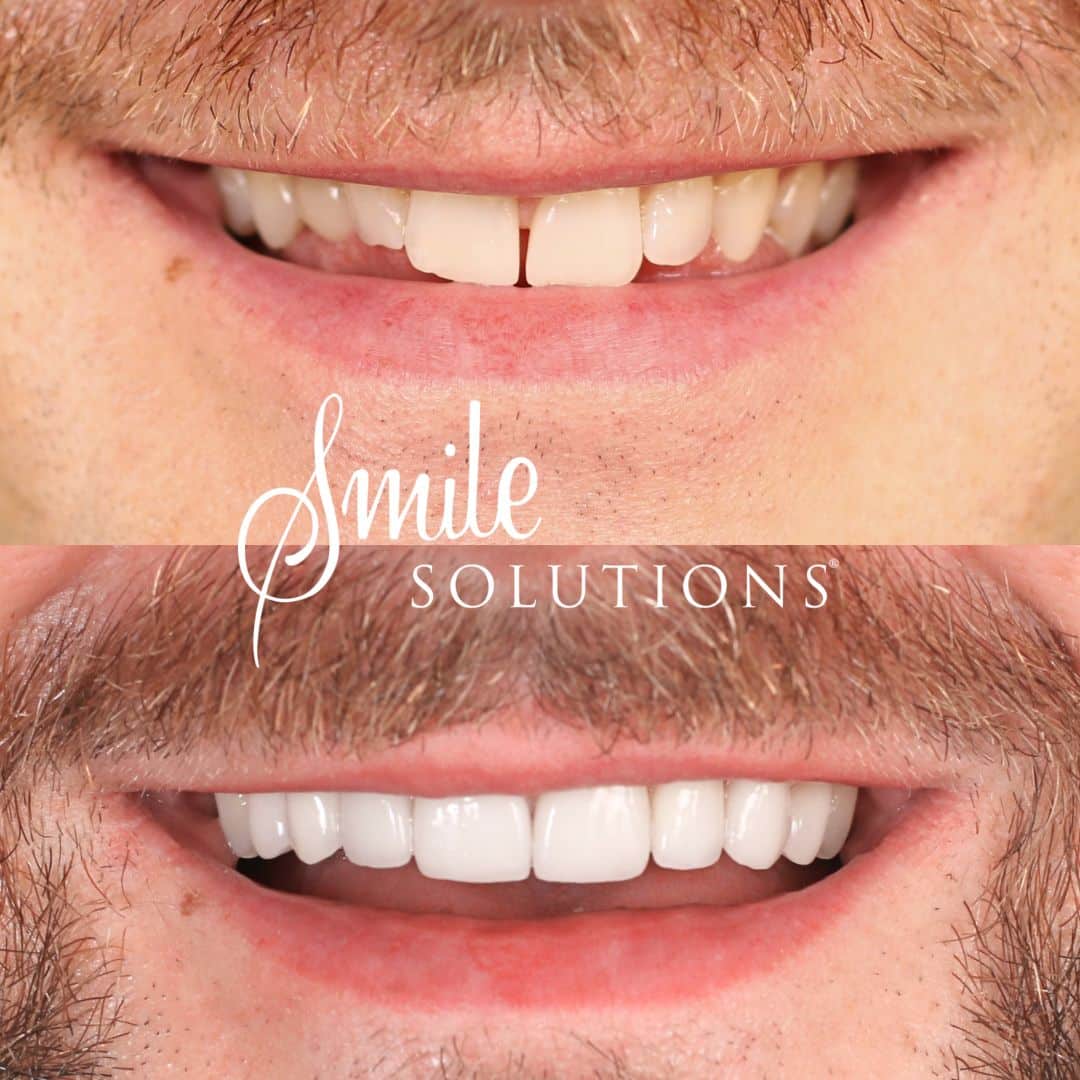
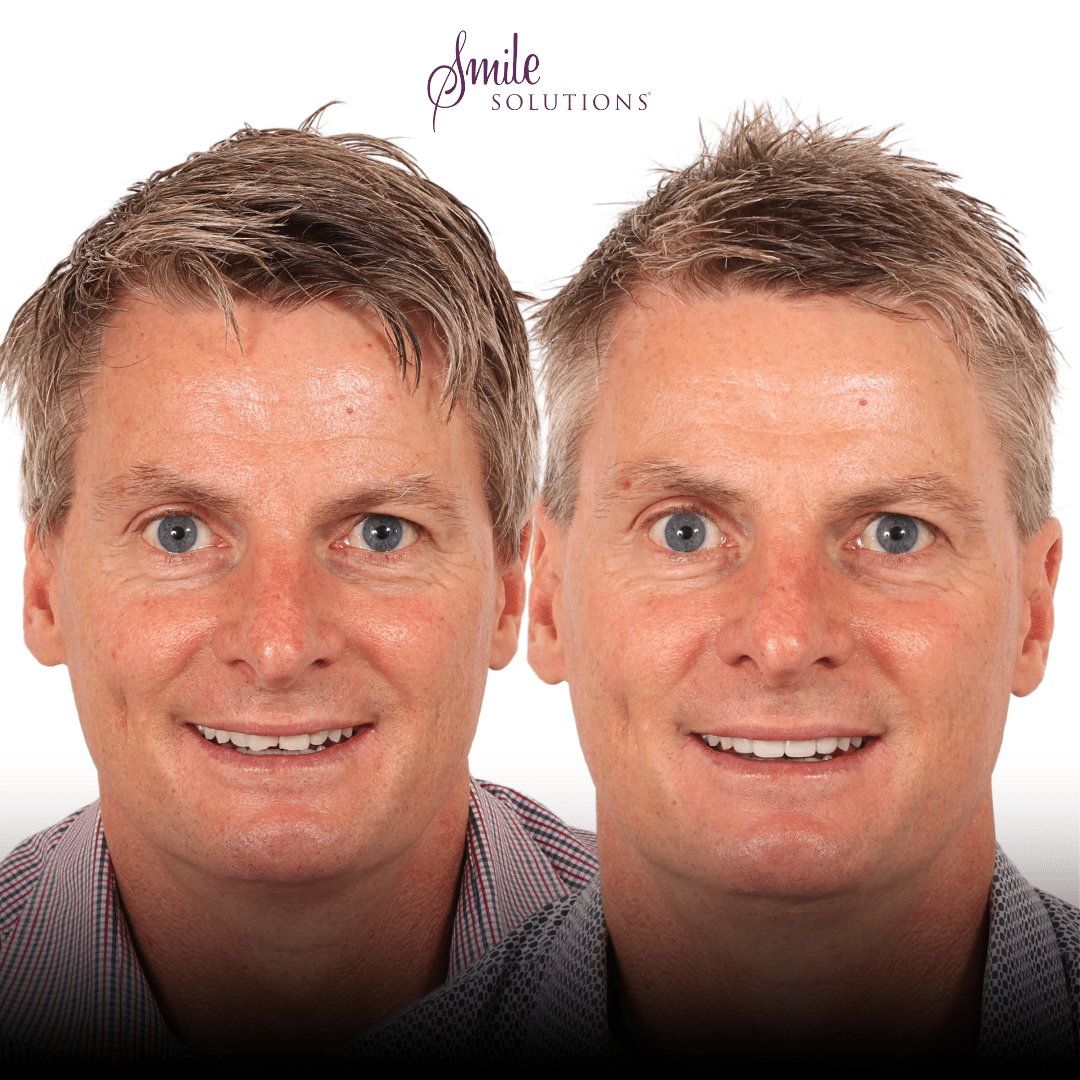
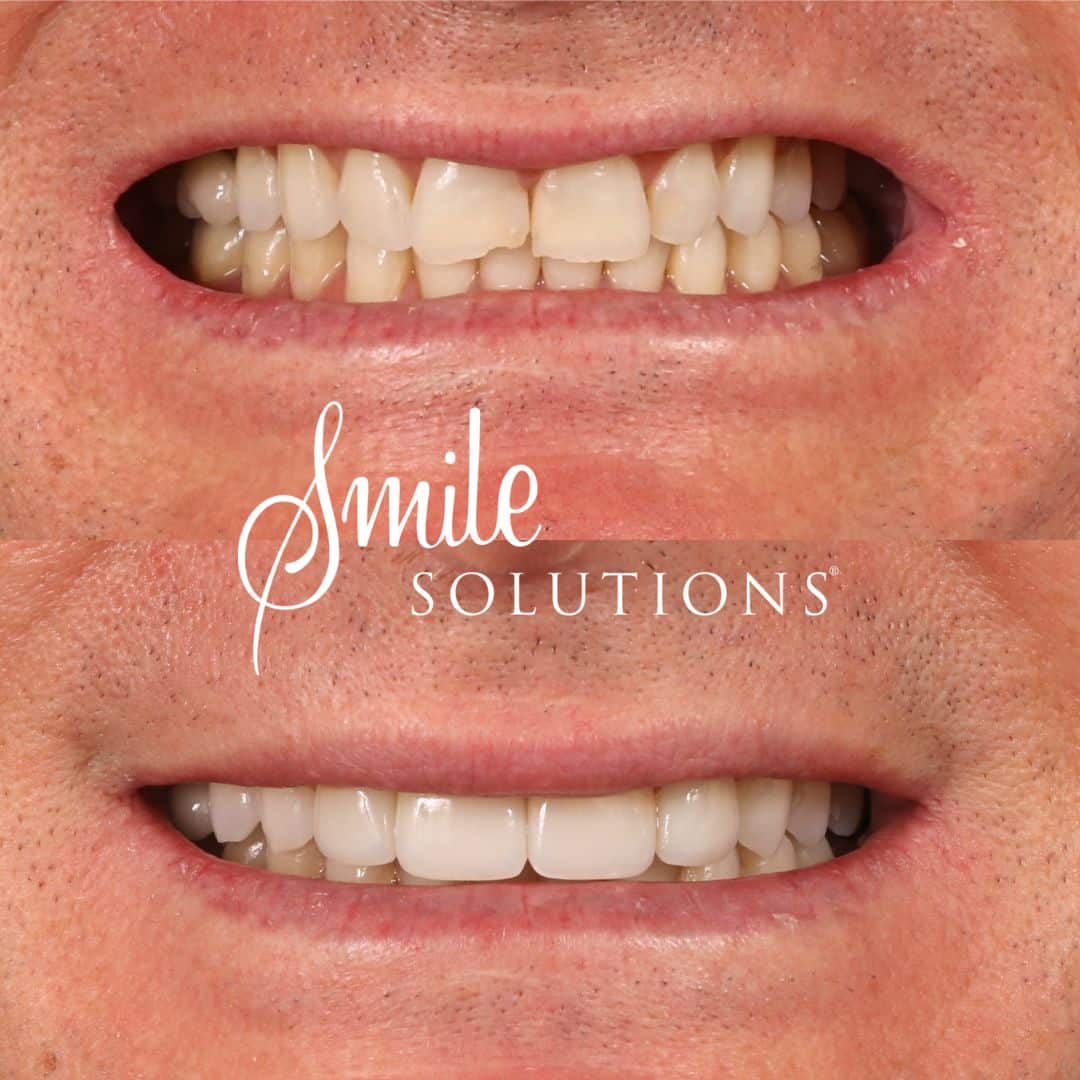
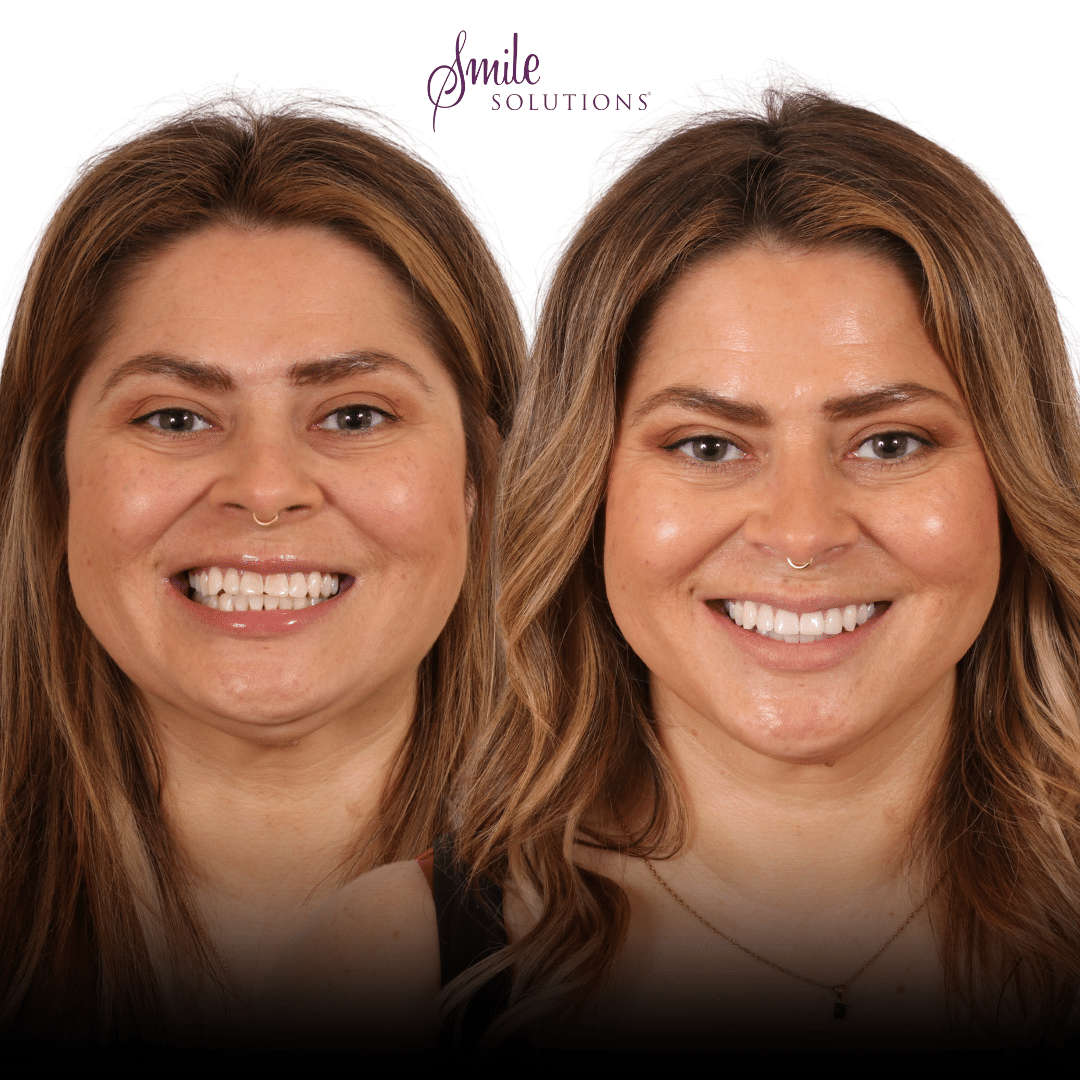
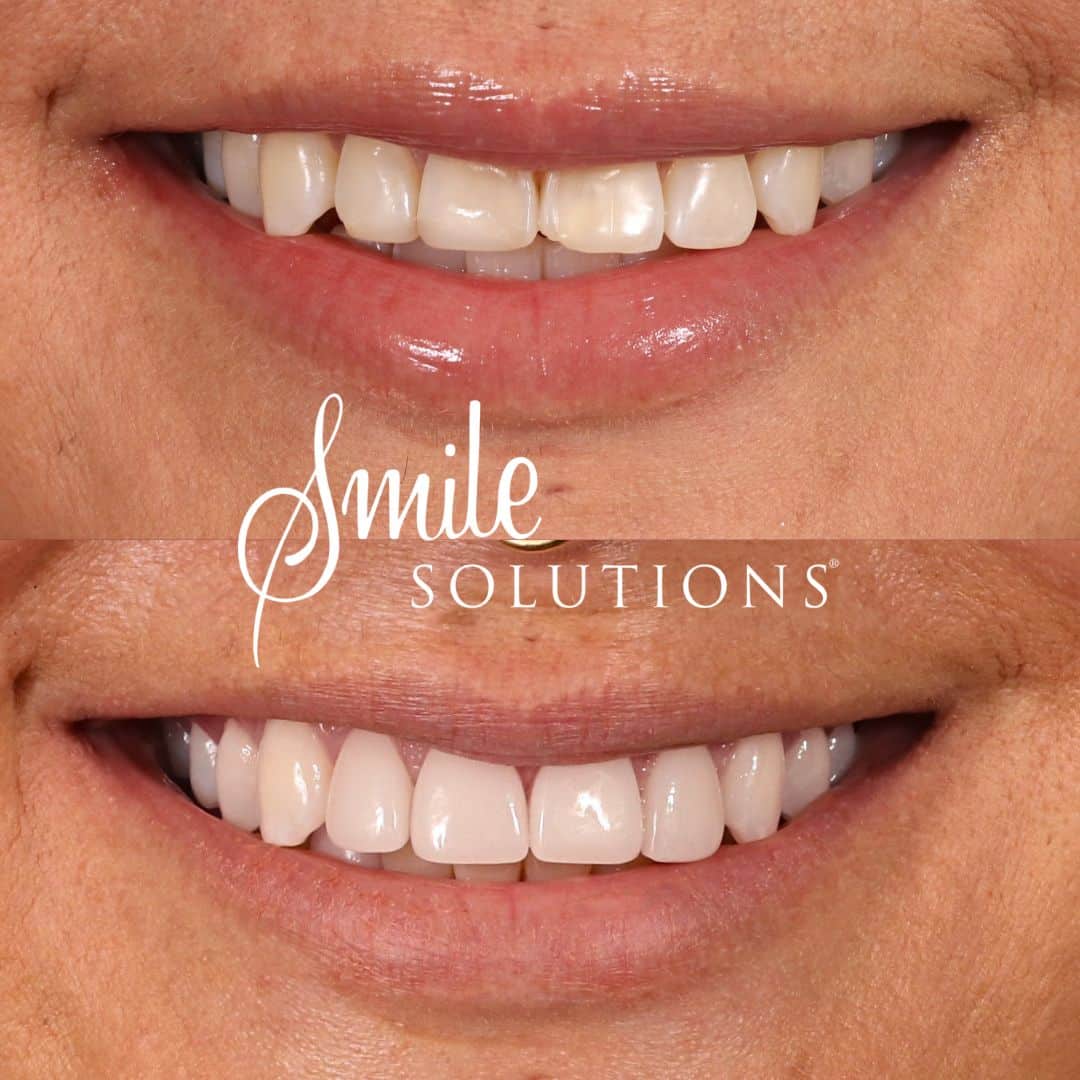
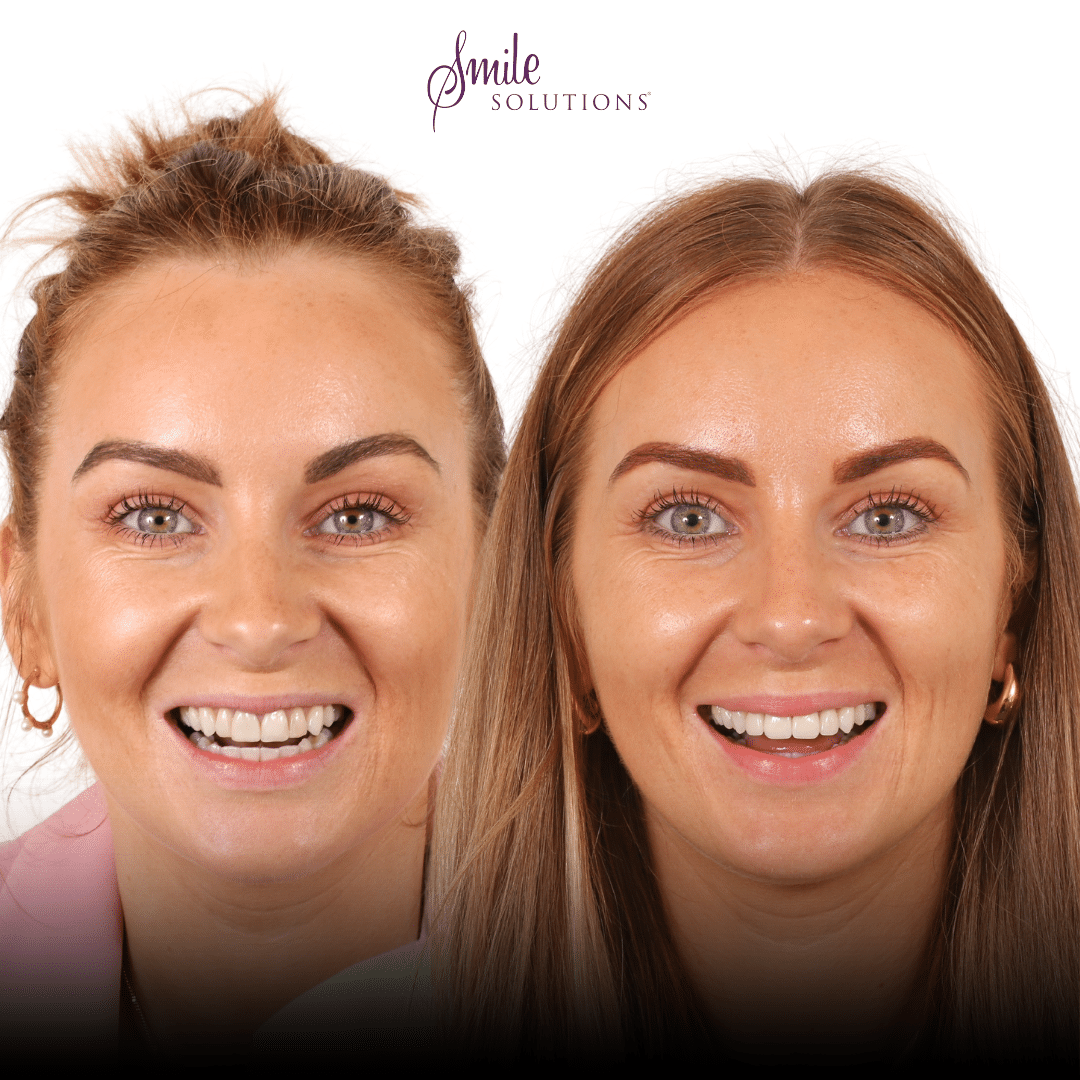
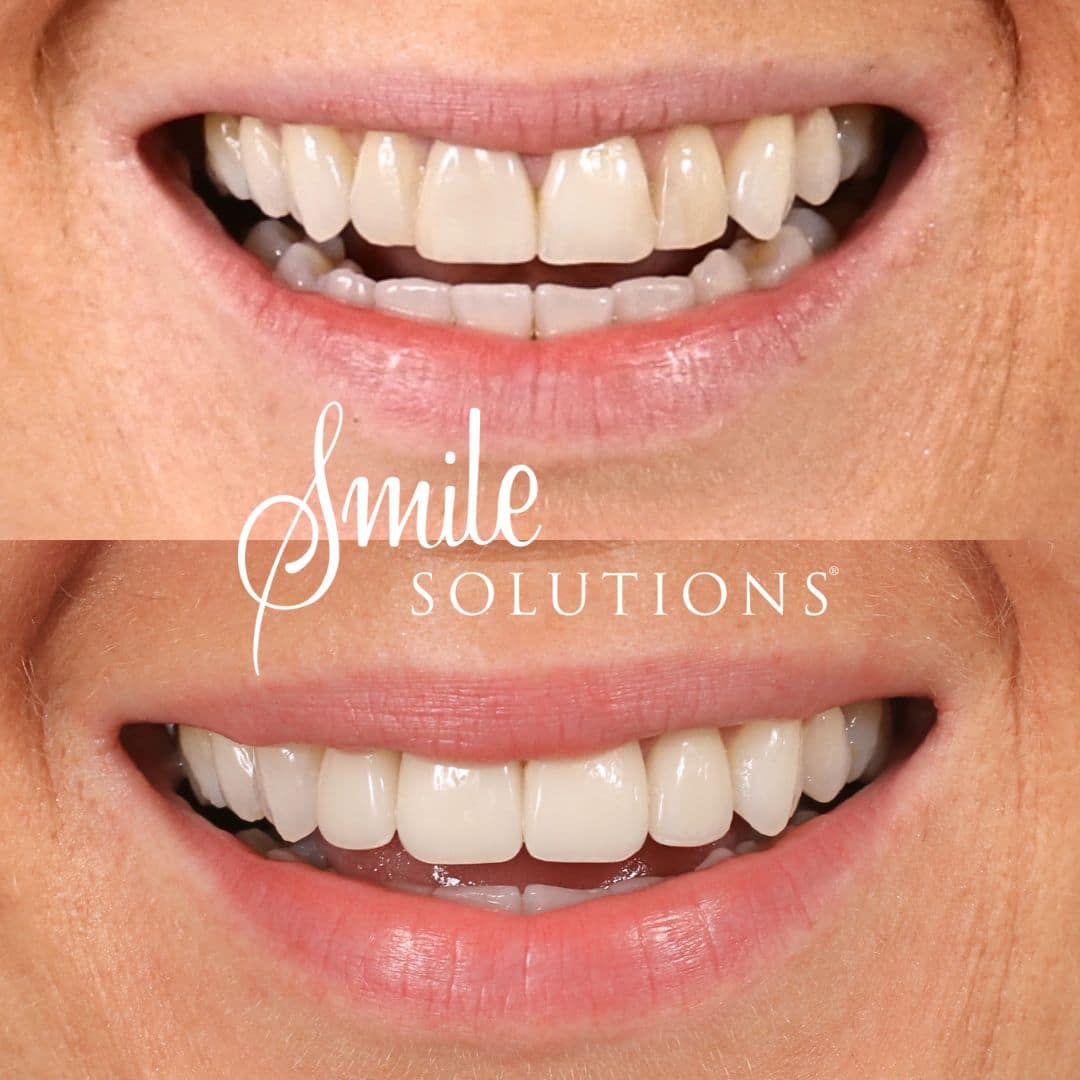
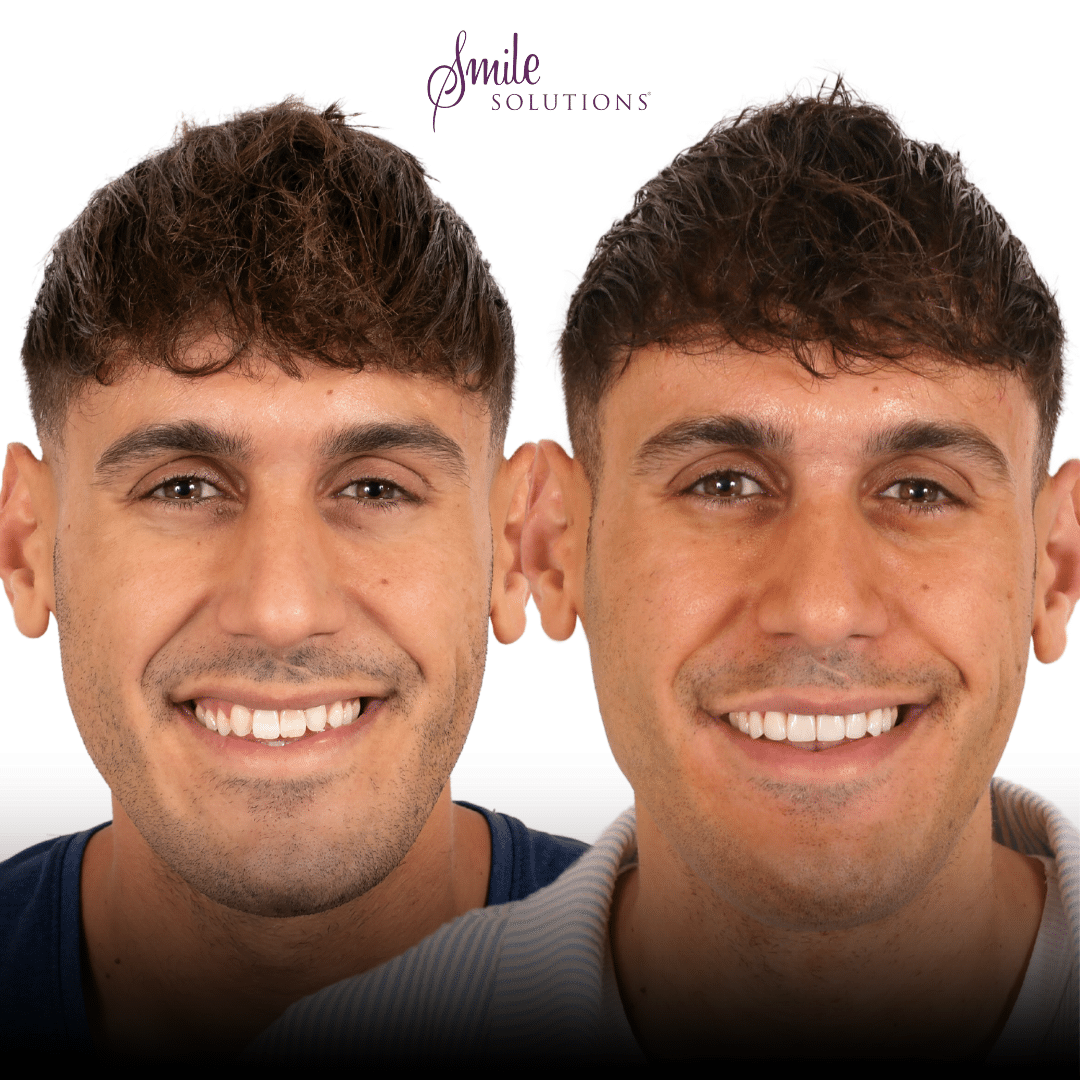
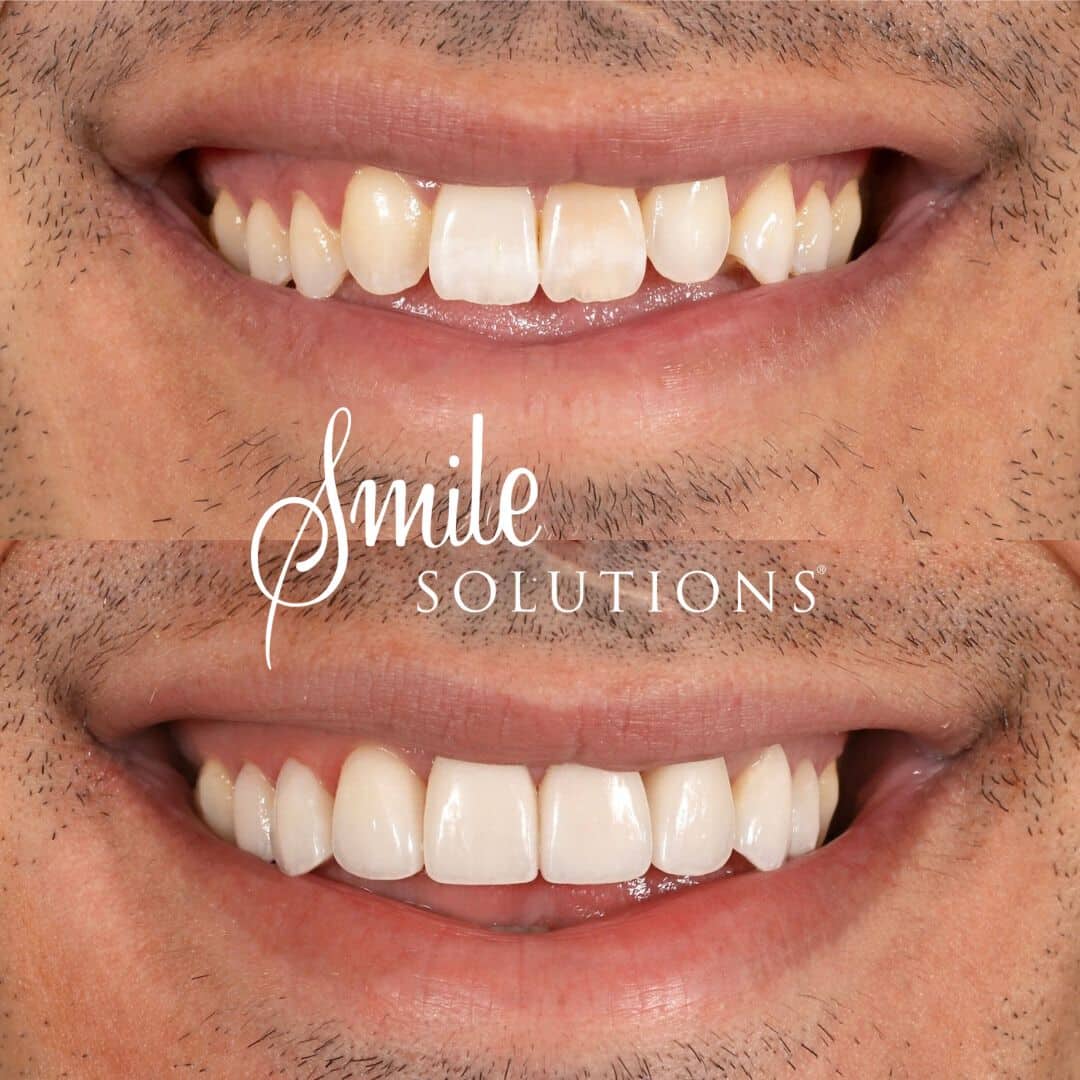
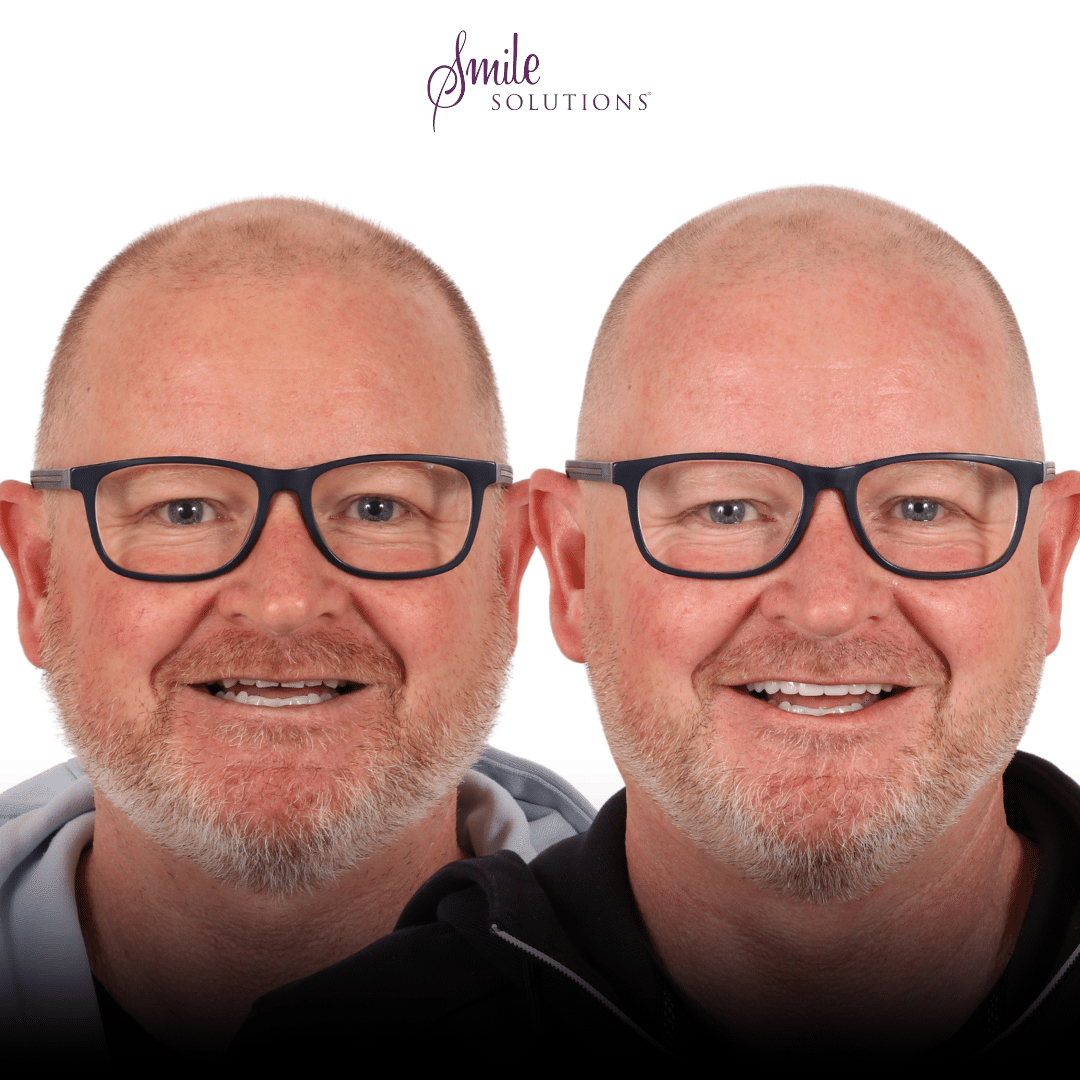
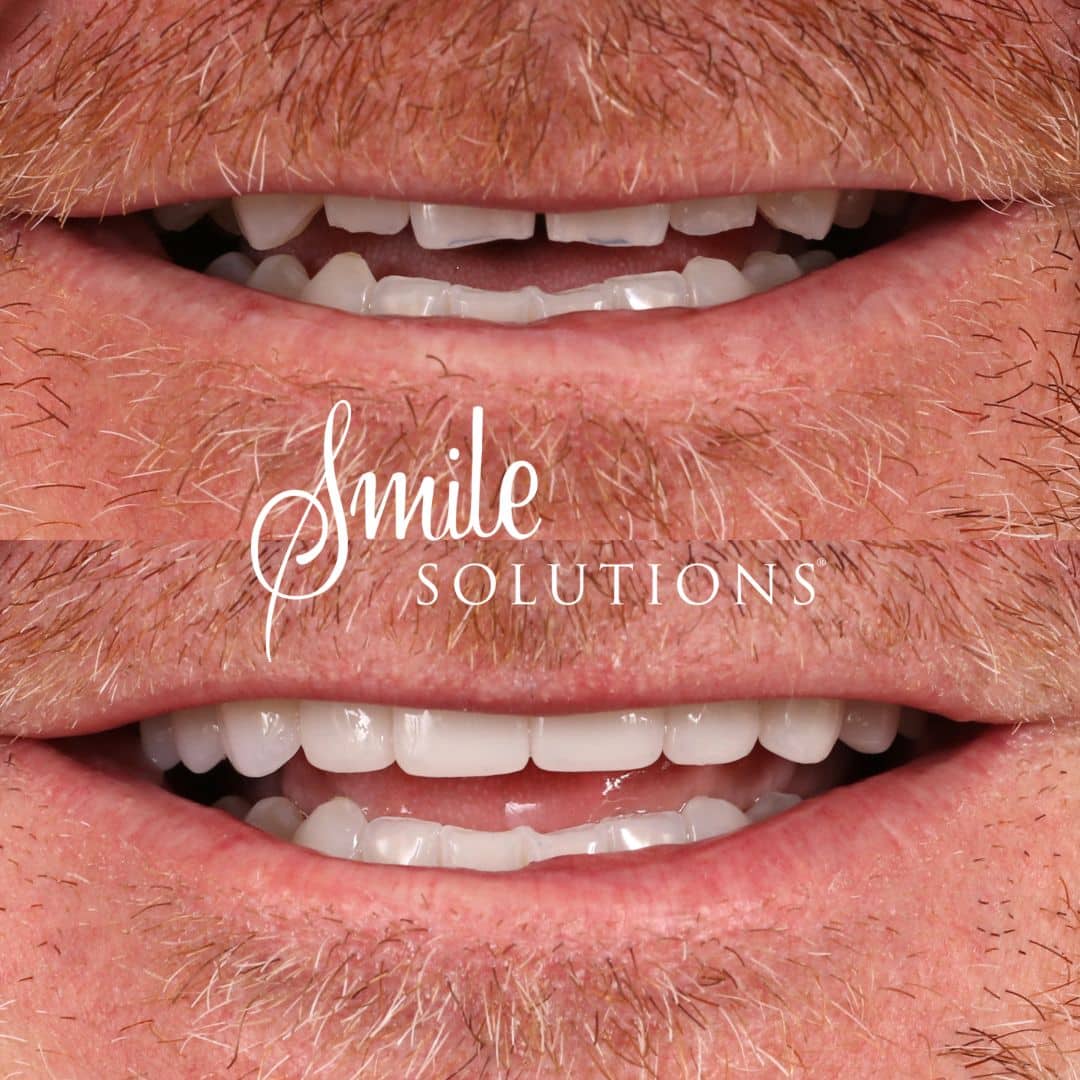
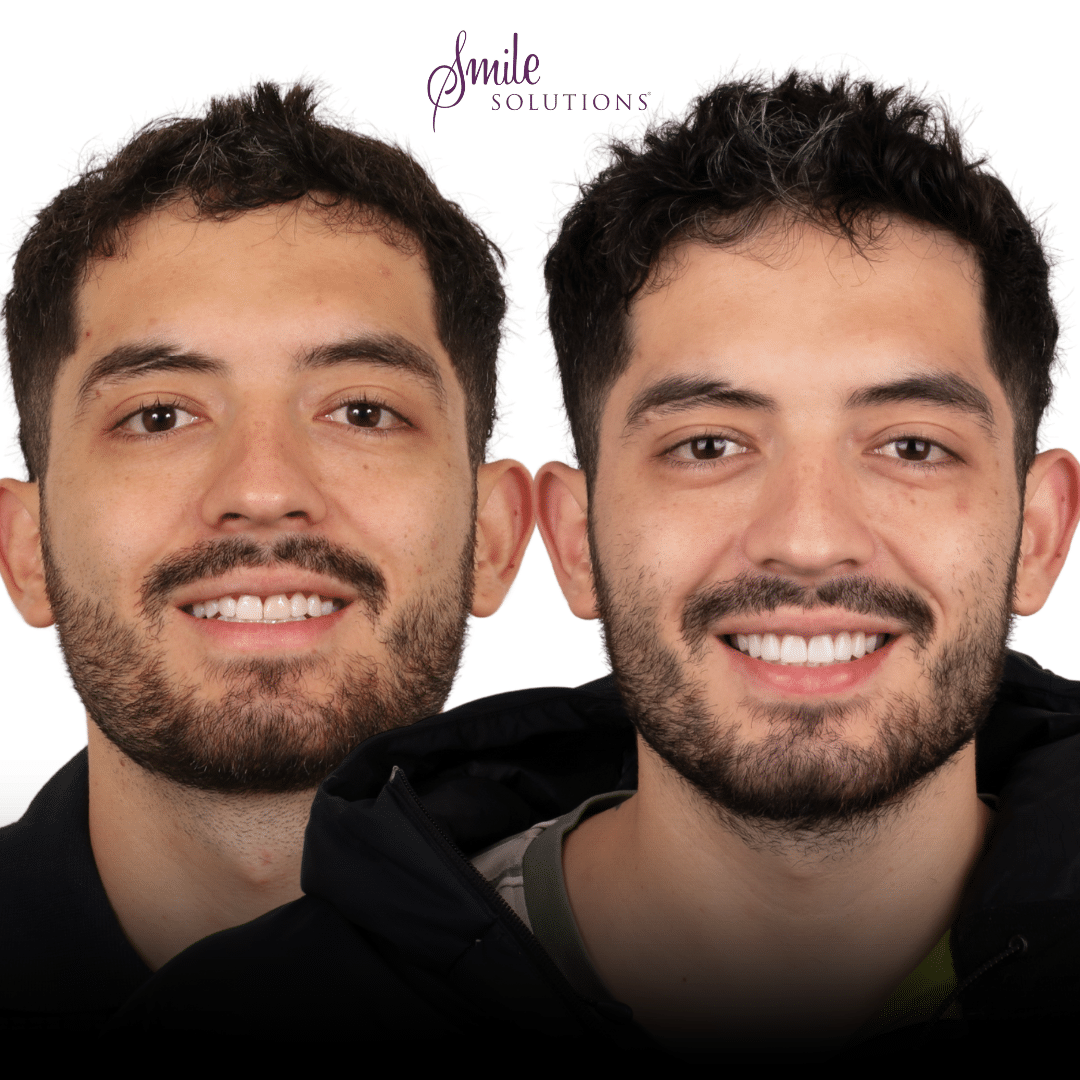
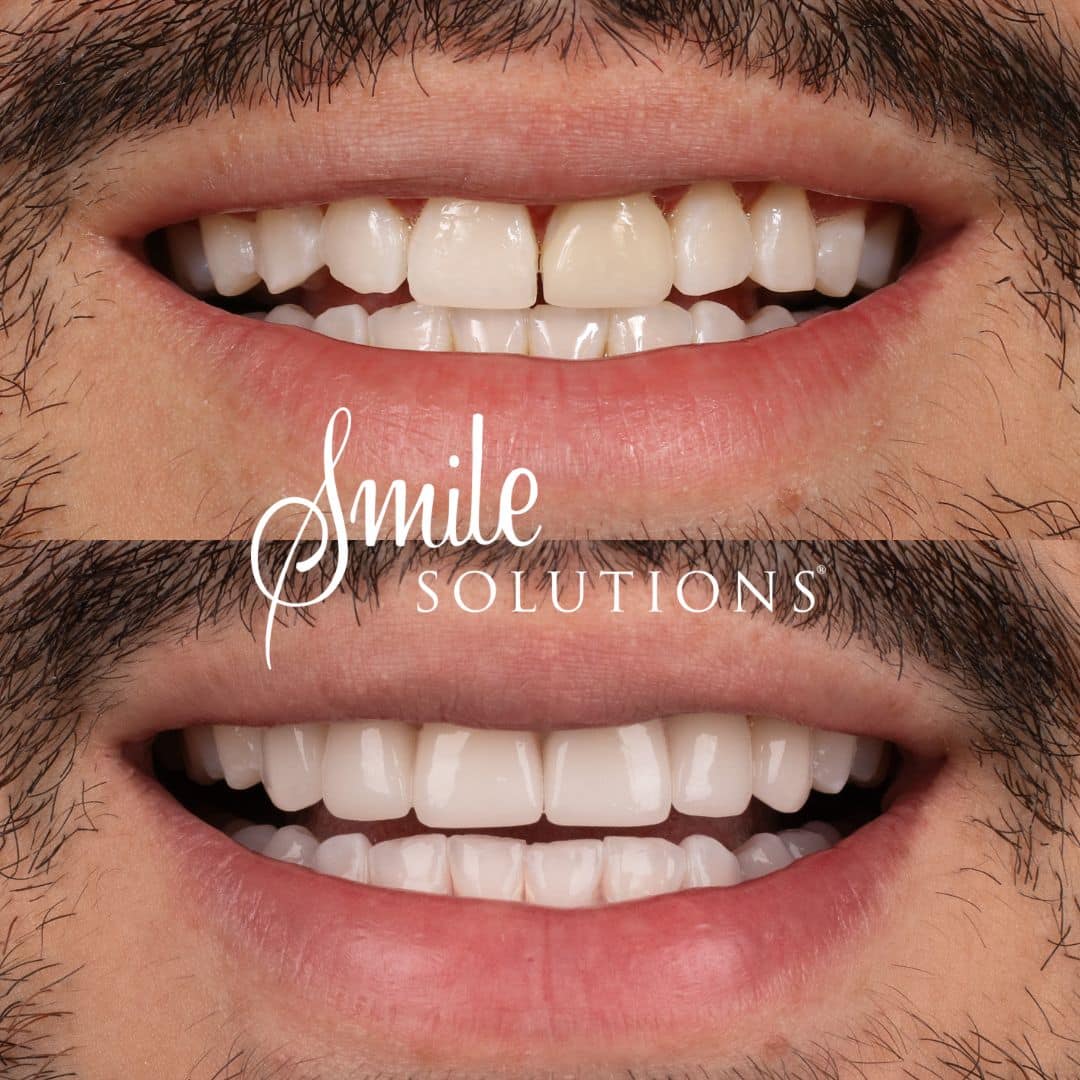
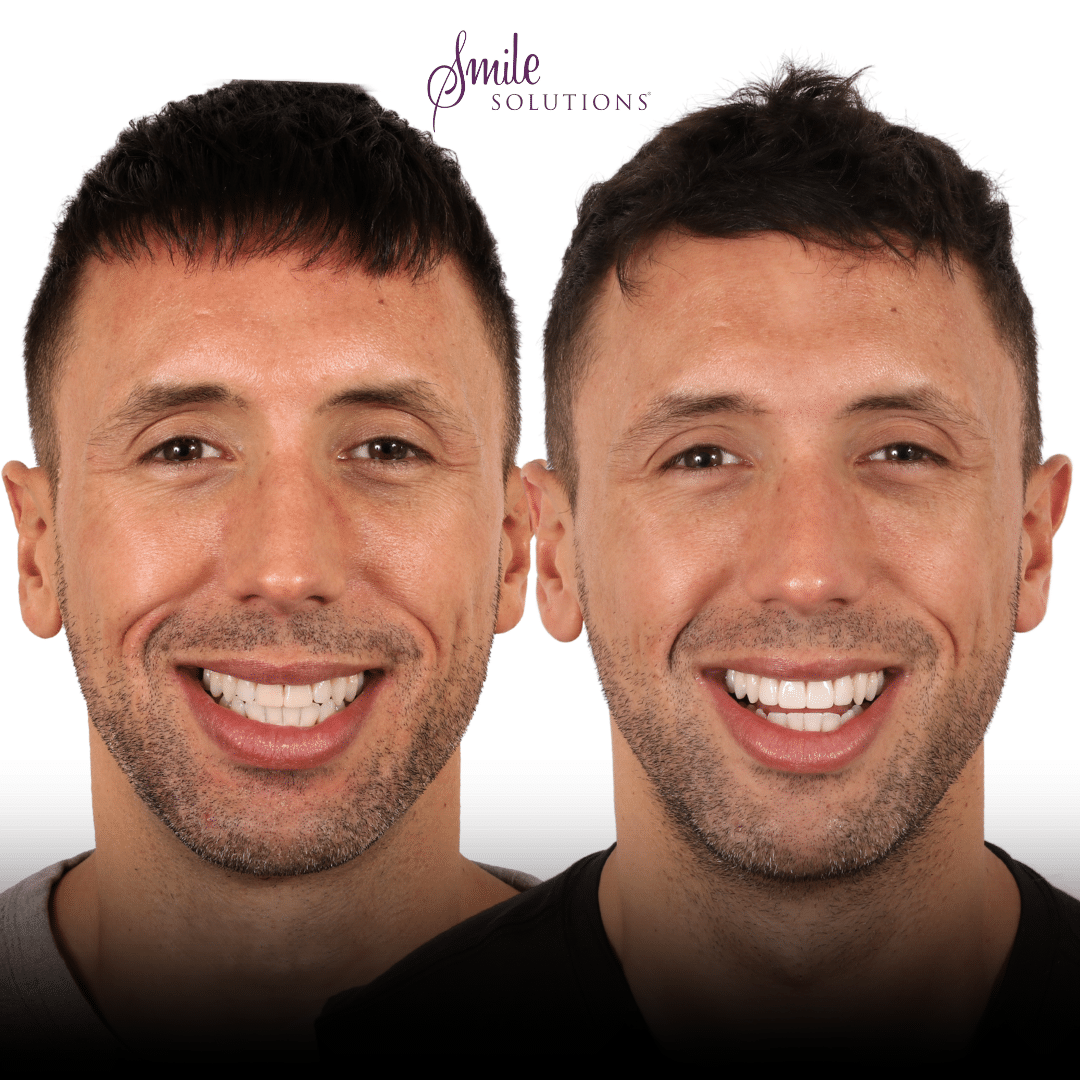
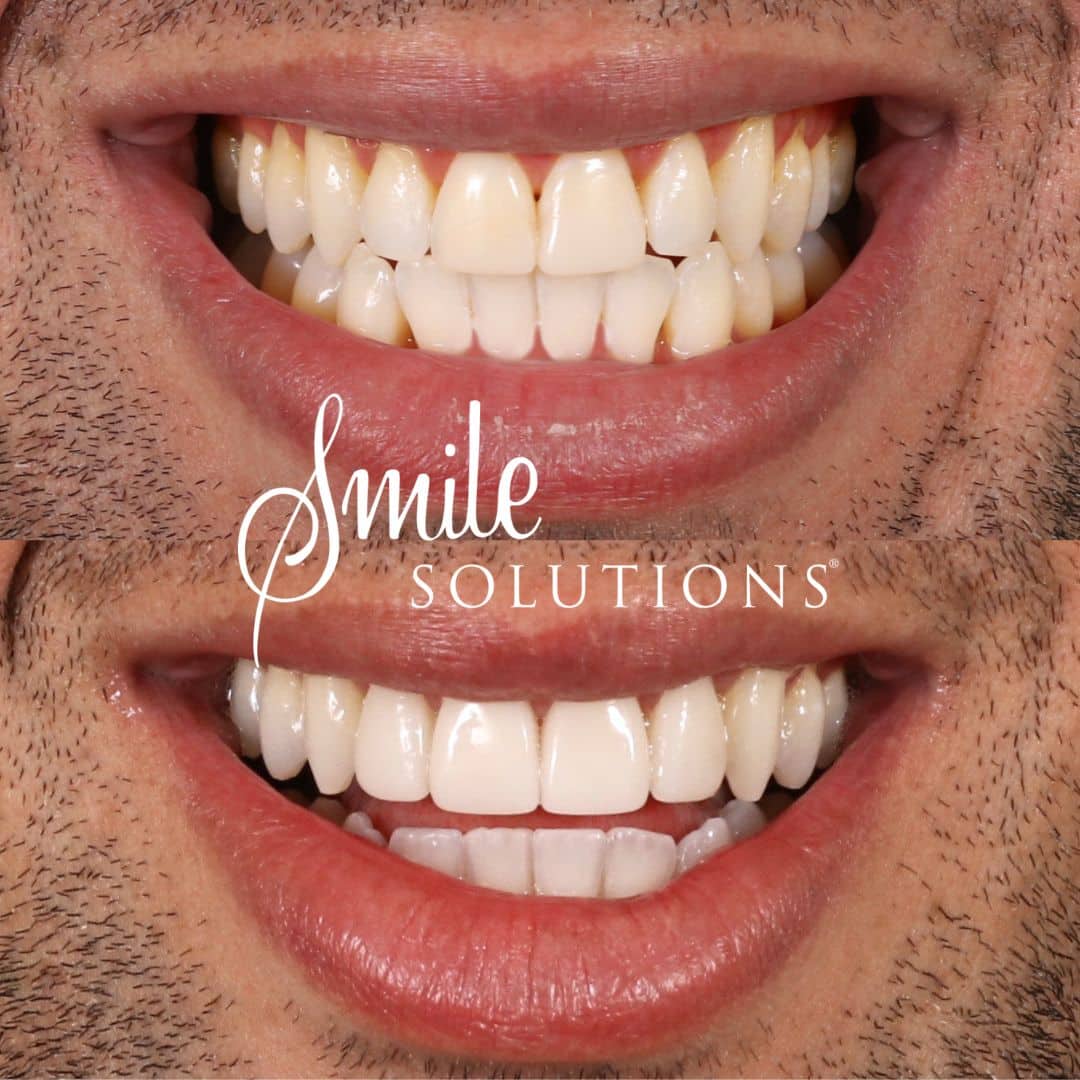
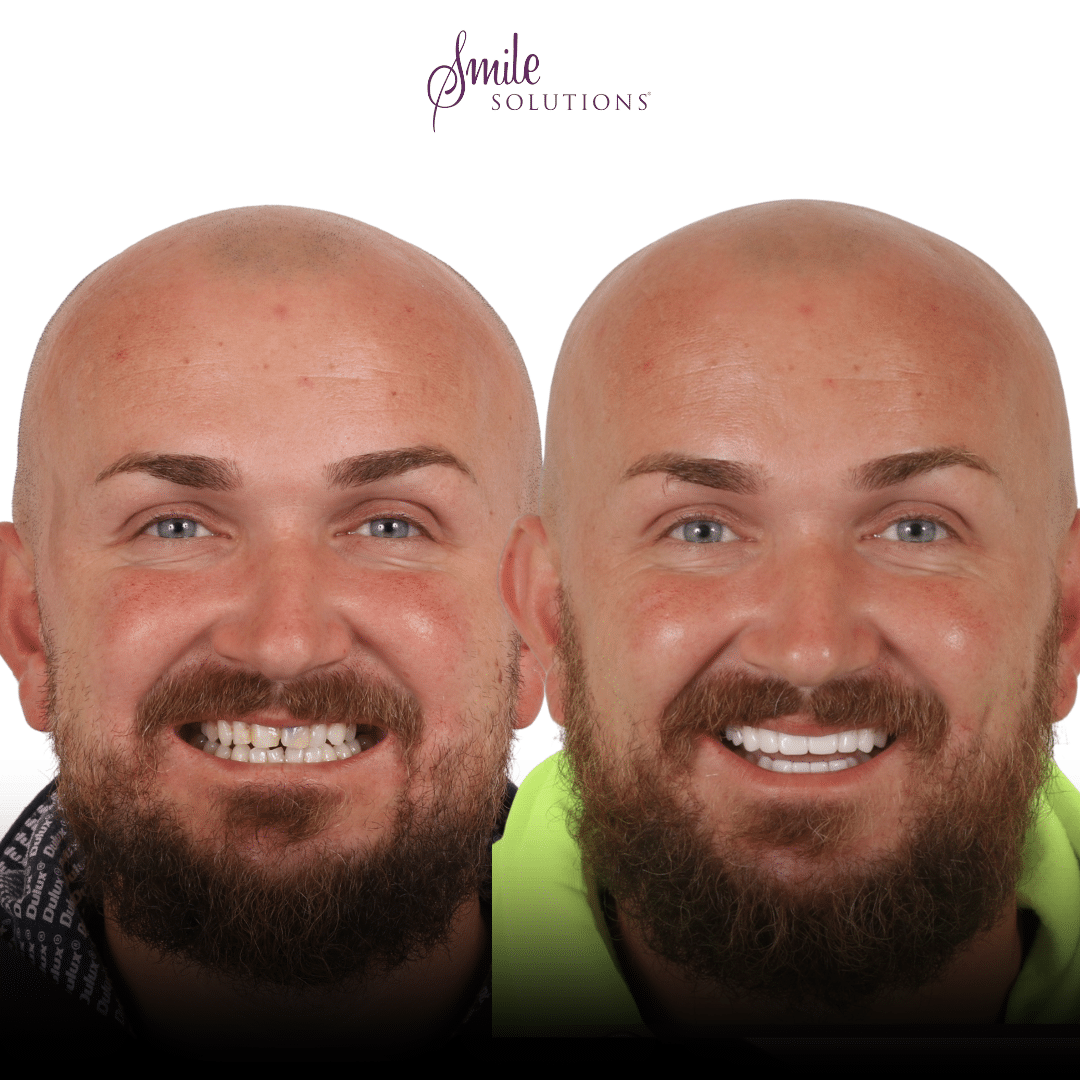
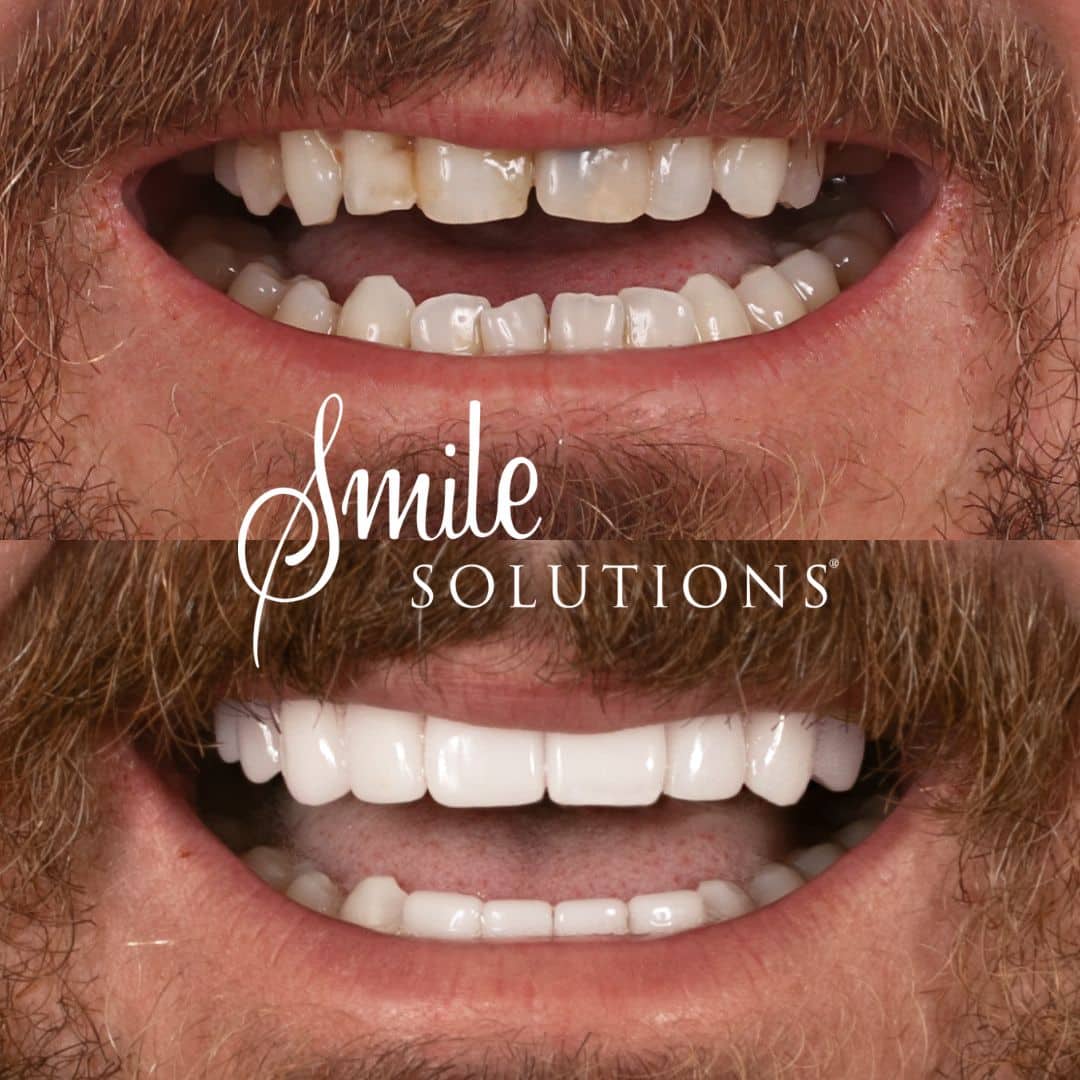
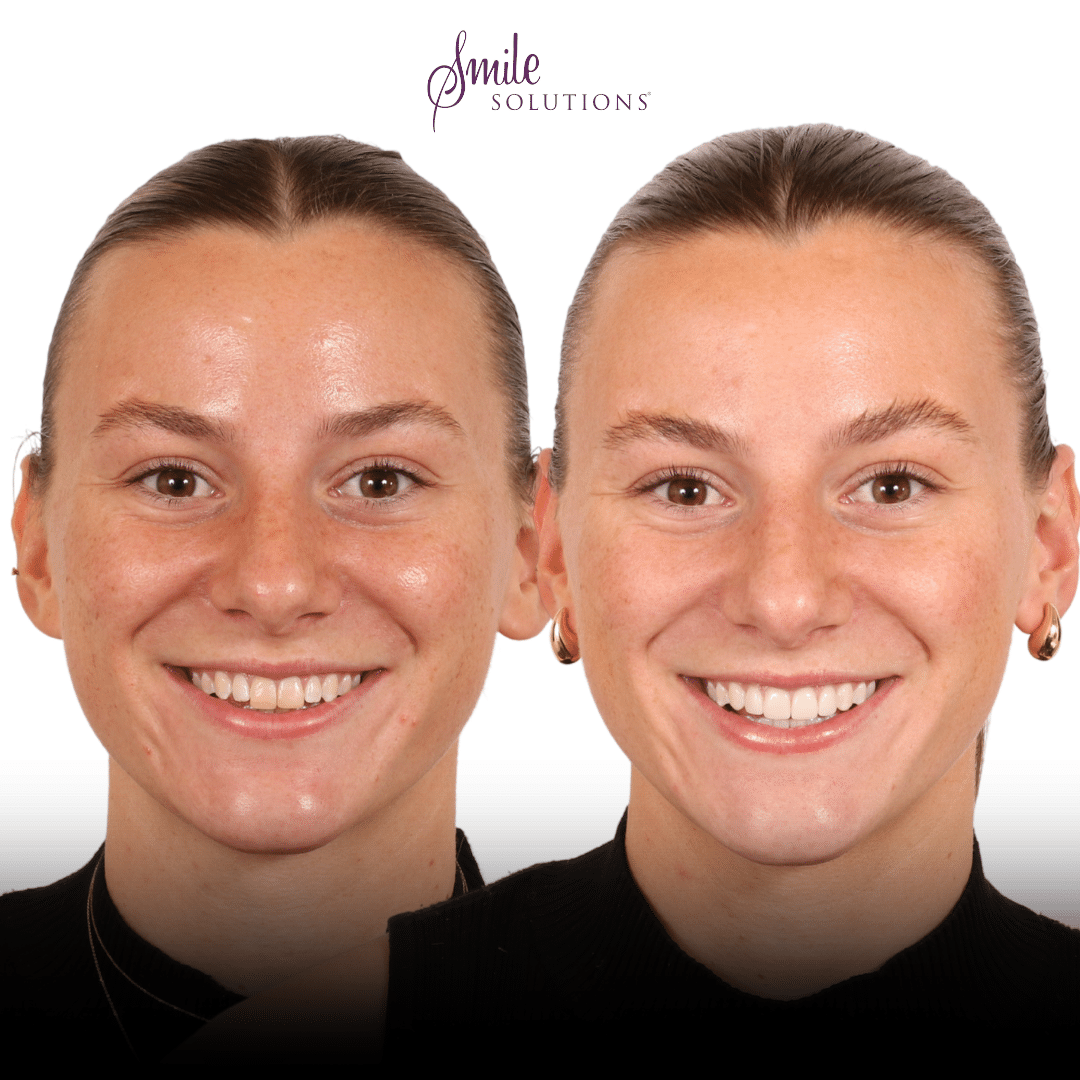
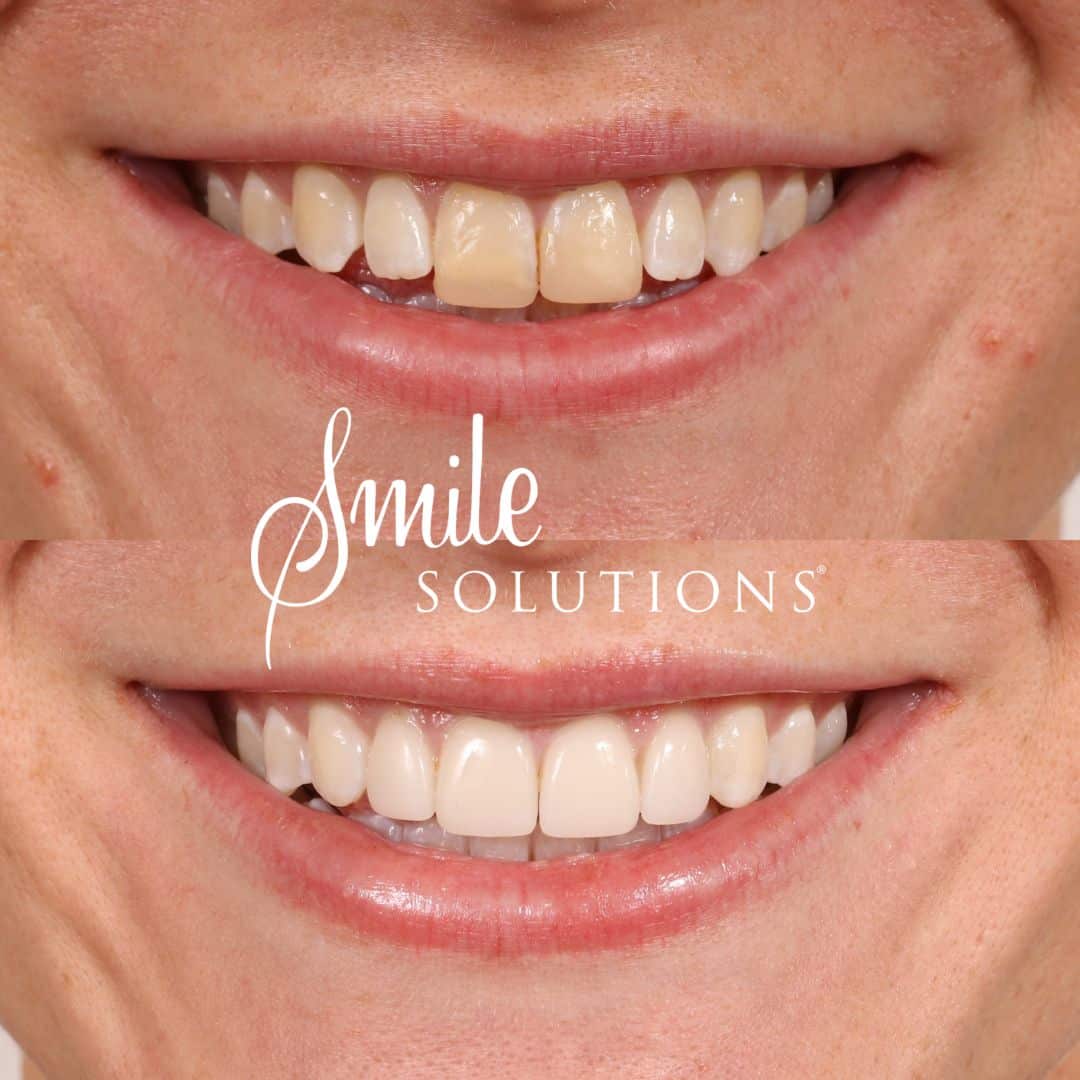
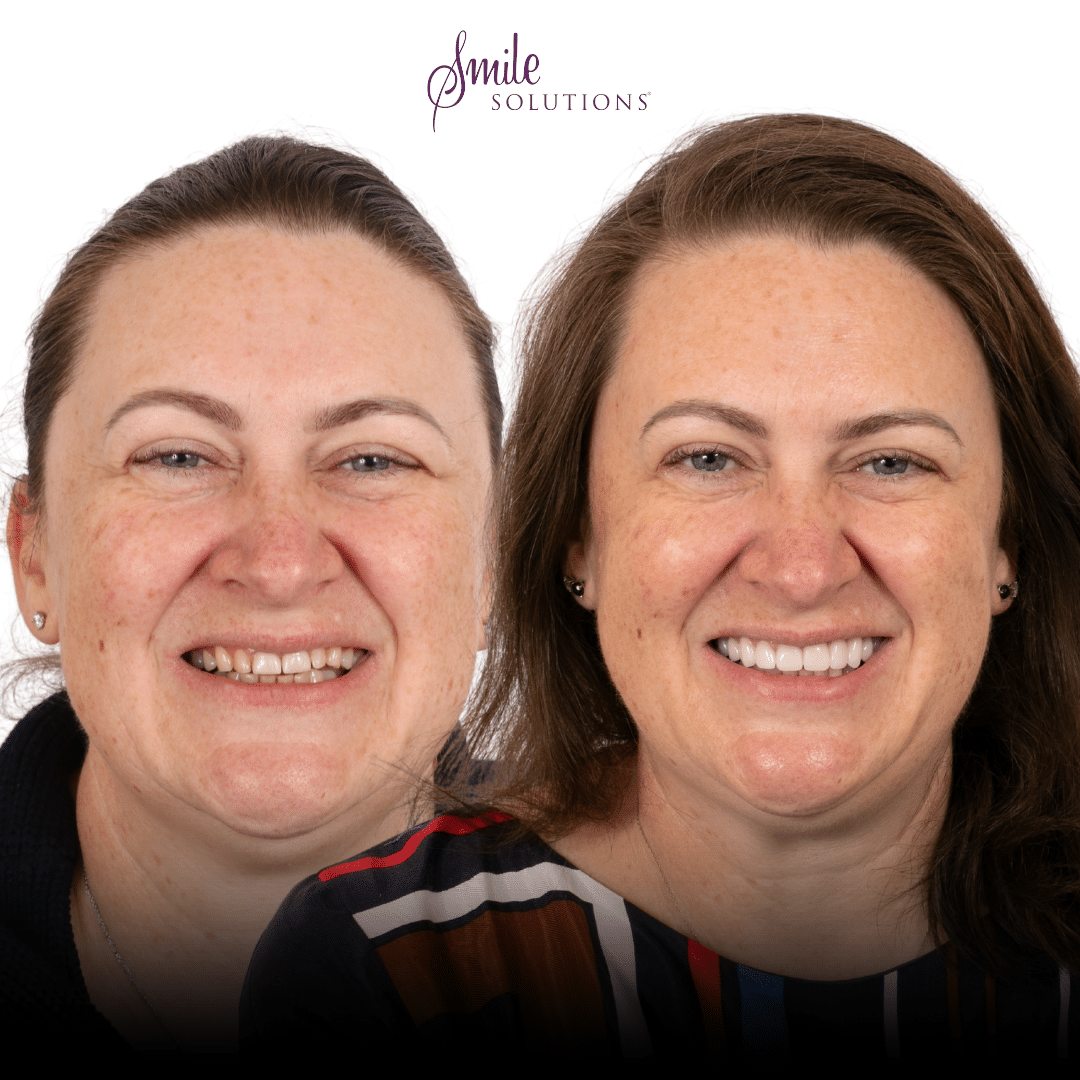
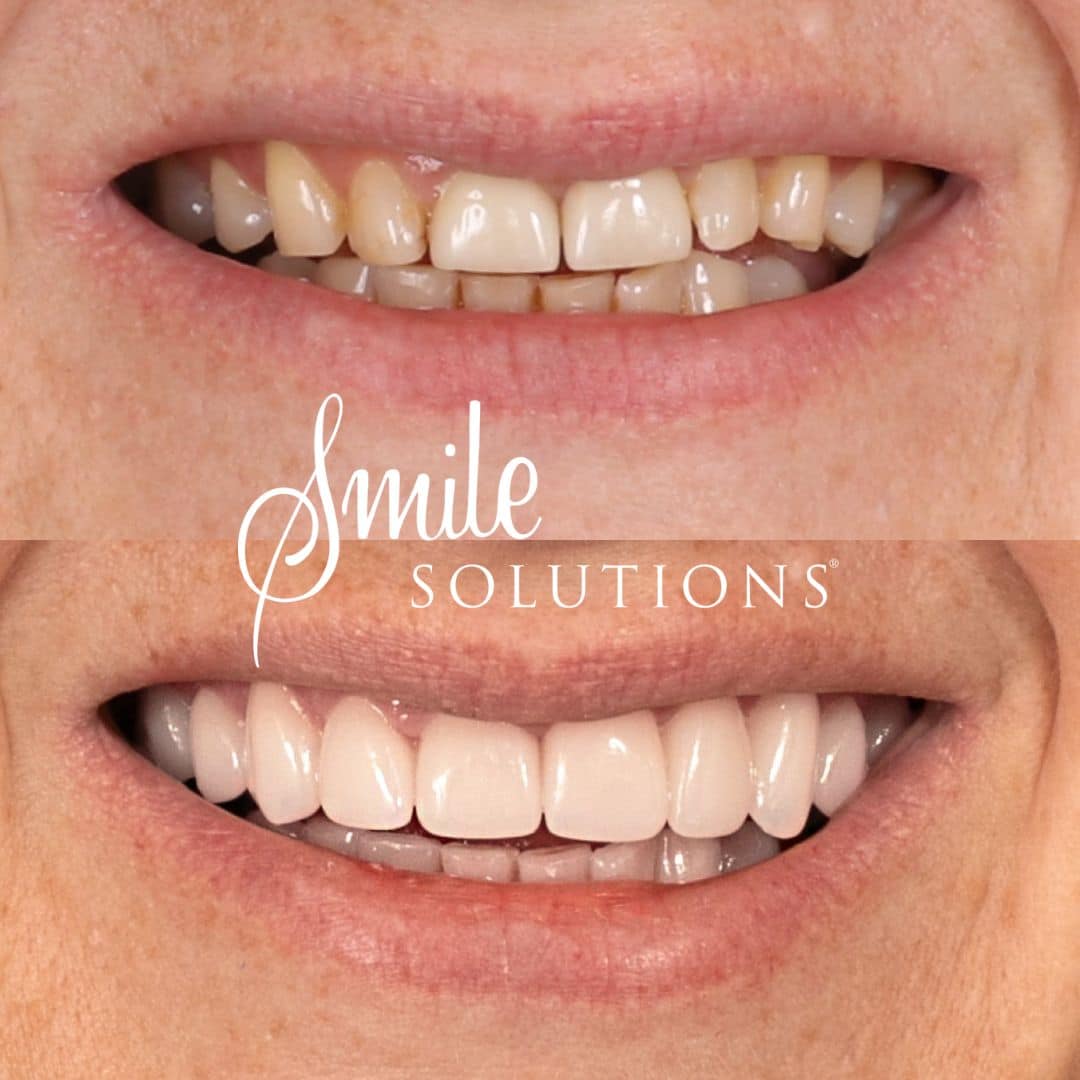
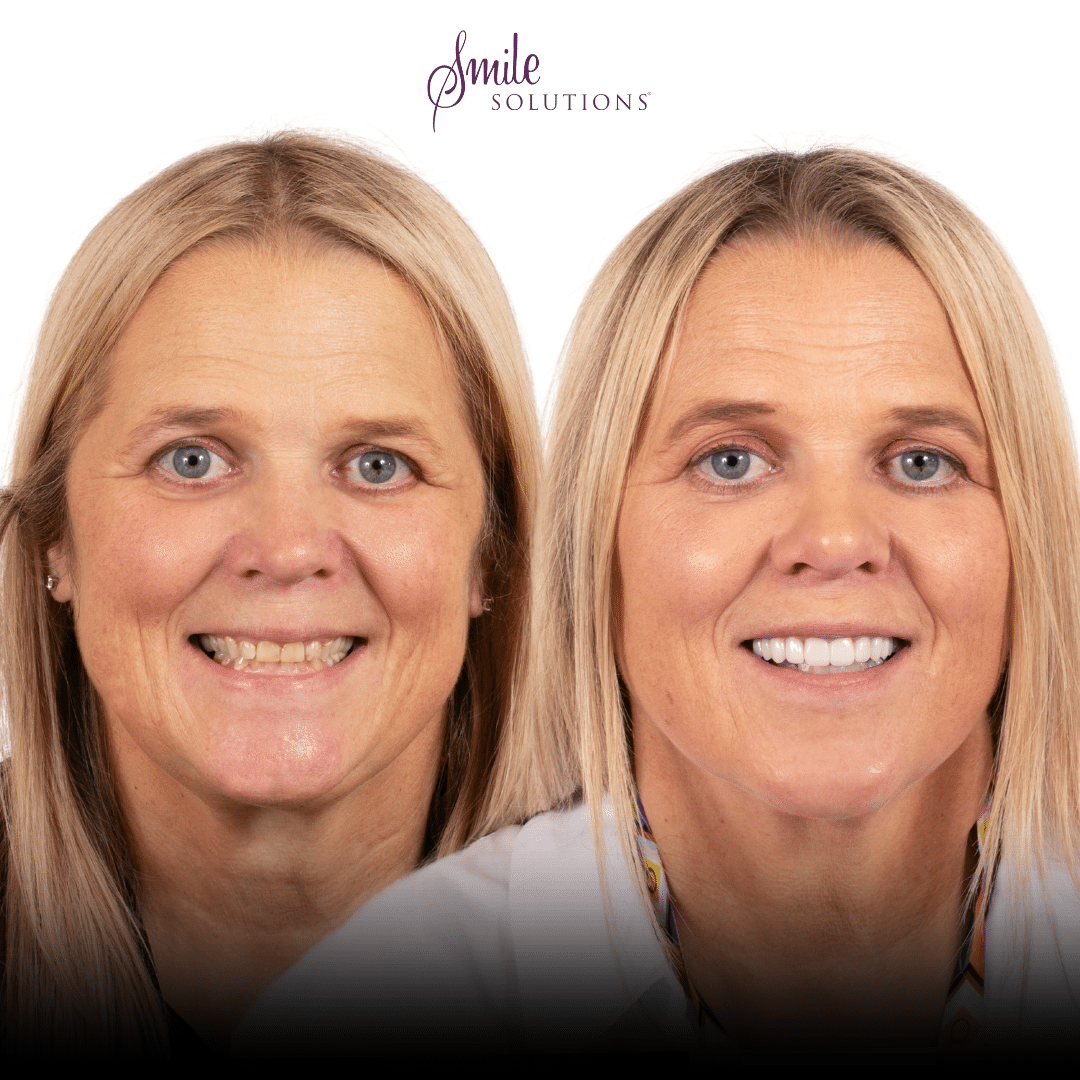
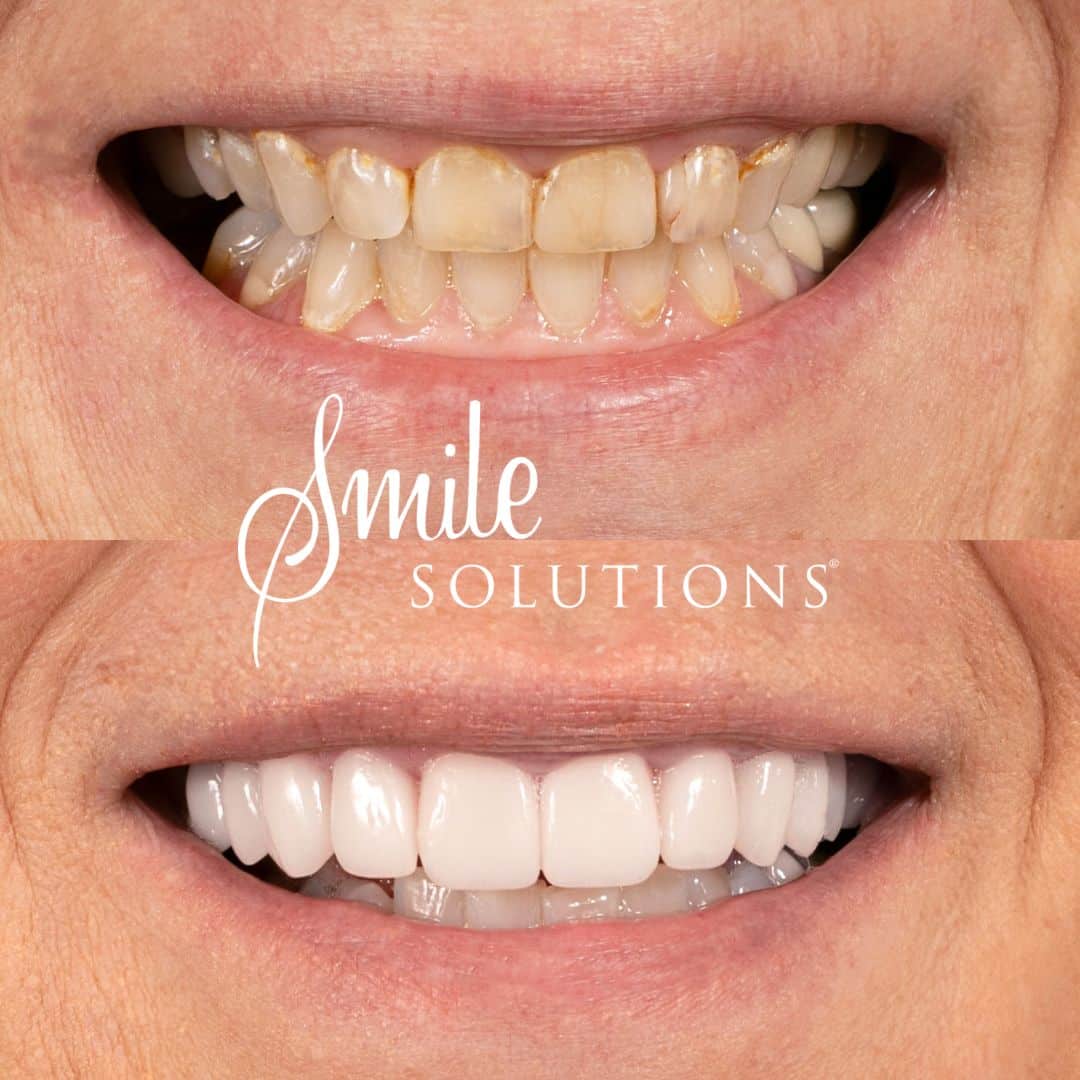
The practice publishes clinical photographs of his porcelain veneer, crown and bridge work.
What MFDS is, and what it is not
The Membership of the Faculty of Dental Surgery is a postgraduate examination taken with one of the UK and Irish royal surgical colleges, usually a few years after graduation. It is a rigorous assessment of general dental knowledge and clinical practice, and in the United Kingdom it is a common prerequisite for entry to specialist training.
It is not a specialist qualification. It does not confer specialist registration in Australia or anywhere else, and it does not entitle the holder to a protected specialty title. It signals a well-tested general practitioner, not a specialist.
This distinction matters because postgraduate letters after a name are frequently misread as specialty. In Australia, the only thing that establishes specialist status is specialist registration on the AHPRA register, which follows three years of full-time postgraduate university specialist training and an application to the Dental Board. The practice sets out which of its clinicians hold that registration on the dentists and registered specialists page, and the specialist care pages explain what each specialty covers. If you are wondering whether your own case needs one, why would I need to see a dental specialist? is the plainest explanation.
The UK vocational training and hospital pathway
The United Kingdom operates a structured post-graduation year that Australia does not have:
- Dental Foundation Training / vocational training — a supervised year in general practice with a designated trainer and a formal educational programme, mandatory before working independently in the NHS.
- Dental Core Training / Senior House Officer posts — hospital-based years rotating through referral services: oral surgery, restorative dentistry, paediatric dentistry, special care dentistry, sedation and general anaesthetic lists.
What that produces is exposure a dentist rarely gets in private general practice — medically complex patients, patients with disability, treatment under sedation and general anaesthetic, and consultant-supervised endodontic and restorative referral work.
Australia, by contrast, has no compulsory internship year for dentists: graduates are fully registered and may practise independently immediately. Neither system is uniformly better; they produce differently shaped early careers.
Special care dentistry
Special care dentistry is treatment for people whose disability, medical condition or circumstances make routine dental care difficult — intellectual disability, dementia, movement disorders, severe mental illness, complex medical histories, and frailty.
What it involves in practice:
- Longer appointments and adjusted communication
- Careful medical liaison — anticoagulants, bisphosphonates, immunosuppression, cardiac conditions and radiotherapy all change what is safe and when
- Consent considerations, including substitute decision-making where a person cannot consent for themselves
- Realistic treatment planning. The right plan is often not the ideal textbook plan; it is the one that can actually be delivered and maintained. Understanding your treatment sets out how a plan is explained and costed before it starts
- Physical access, from wheelchair transfer to domiciliary visits
- Sedation or general anaesthetic where treatment cannot otherwise be completed safely
People with disability have measurably worse oral health outcomes than the general population, driven by access, cost, communication and the difficulty of daily oral hygiene where assistance is needed. Oral health care for children with special needs covers the same ground for families.
Sedation dentistry
- Nitrous oxide — inhaled with oxygen, mild conscious sedation. You stay awake and responsive; local anaesthetic is still required. It clears within minutes, so patients can usually drive afterwards. Defeated by a blocked nose; generally avoided in early pregnancy, some respiratory conditions and vitamin B12 deficiency.
- Oral sedation — a prescribed sedative taken beforehand. Deeper, less controllable, and requires an escort: no driving and no significant decisions for the rest of the day. Suitability depends on medical history and current medications. Australian law does not permit prescription-only medicines to be named or promoted publicly, so the choice is made at consultation.
- Intravenous sedation and general anaesthetic — additional requirements for facilities, monitoring, training and recovery, and separate consent. What sedation adds to the bill is broken down in sleep dentistry costs.
Sedation manages the appointment; it does not treat dental phobia. Psychological approaches, including cognitive behavioural therapy, have good supporting evidence for the underlying condition.
Porcelain veneers, crowns and bridges
- Veneers are irreversible. Preparing a tooth removes enamel permanently; that tooth needs a veneer or crown for life. Some cases can be done with minimal preparation — ask which applies to yours.
- They are not permanent. Veneers chip, debond and stain at the margins. Commonly cited service lives fall in the ten-to-fifteen-year range, with wide individual variation — see how long do porcelain veneers last?
- Untreated grinding will break them. A night guard is usually part of the plan.
- Whitening comes first. Porcelain does not lighten, so the natural shade must be settled before the porcelain is made. Teeth whitening explains the sequence.
- A conventional bridge requires cutting down the neighbouring teeth. Where those teeth are sound, an implant or a resin-bonded bridge preserves far more tooth structure. Implant versus bridge for a single tooth replacement sets the two side by side.
- Gum health governs appearance. A margin on inflamed or receding gum looks wrong regardless of the ceramic, which is why periodontal treatment sometimes comes first.
On before-and-after images: Australian law requires that images used by regulated health services be realistic and comparable, state that individual results vary, and avoid creating unreasonable expectations. Testimonials about clinical care are prohibited in advertising a regulated health service. A photograph taken two weeks after treatment shows the result at its best and says nothing about how it ages. Seeing the proposed shape in your own mouth first is the point of the mock-up reveal.
Registration for overseas-qualified dentists
A UK dental degree does not by itself permit practice in Australia. Registration comes either through recognition of the qualification as equivalent, or through the Australian Dental Council examination process — a written examination followed by a practical/clinical examination. Applicants must also satisfy standards for English language skills, criminal history, professional indemnity insurance, recency of practice and continuing professional development. Once registered, they practise to identical standards and scope as Australian graduates.
The Dental Board of Australia registers dentists, dental specialists, dental hygienists, dental therapists, oral health therapists and dental prosthetists. Every registered dentist holds a DEN-prefixed number, renewed annually, with conditions shown on the public register.
Common questions
How do I read the letters after a dentist's name, and what does the register actually tell me?
They fall into four categories, and only one of them is regulated.
A degree (BDS, BDSc, DDS, DClinDent) is awarded by a university and records completed study. A college membership or fellowship (MFDS, FRACDS) is awarded by a professional college after examination — a serious credential, but a professional body's, not a regulator's. A course certificate or provider accreditation — including manufacturer training in a particular system — is awarded by whoever ran the course. Registration is the only one granted by the Dental Board of Australia, and it is the only one that controls what a person may call themselves.
The Board's own description of the register is that Ahpra ‘publishes an online register of all dental practitioners that provides the profession and the public with up-to-date information about a dental practitioner's registration status', and that it ‘also includes details of the specialty or specialties for dentists who hold specialist registration'.
So what a search at ahpra.gov.au will tell you is: the name and registration number, the division registered in, whether specialist registration is held and in which of the thirteen recognised specialties, whether registration is current, any endorsements, and any conditions, undertakings or reprimands. What it will not tell you is where someone trained, how long they have practised, which procedures they do most often, or how good they are. Those are reasonable questions to ask the practice directly; they are simply not what the register is for.
If I want sedation, how do I know who is allowed to provide it?
Check the register, because this one is recorded there. The Dental Board of Australia states plainly that ‘only dentists, including dental specialists, whose registration is endorsed for conscious sedation can use this technique in their practice'. An endorsement for conscious sedation is a formal entry against a practitioner's registration, with its own standard covering routes of administration, the additional requirements for the intravenous route, and ongoing education to keep it.
It also helps to know which level is being discussed, because consumer terms like ‘sleep dentistry', ‘twilight sedation' and ‘happy gas' appear in no policy document. The Australian Dental Association defines four: minimal sedation — ‘a drug-induced state of diminished anxiety, during which patients are conscious and respond purposefully to verbal commands or light tactile stimulation', which covers a single low-dose oral medicine or inhaled gas; moderate sedation, in which patients ‘retain the ability to respond purposefully to verbal commands and tactile stimulation', and which ‘includes the use of intravenous sedation'; deep sedation, where patients ‘are not easily roused and may respond only to noxious stimulation'; and general anaesthesia, ‘a drug-induced state of controlled unconsciousness' with loss of protective reflexes (ADA Policy Statement 6.17, Conscious Sedation in Dentistry).
Practical consequences worth settling before the day: sedation deeper than inhaled gas needs an escort, no driving and no significant decisions afterwards; local anaesthetic is still given regardless; and the sedation is billed separately from the dentistry. See Sleep Dentistry.
I am bringing a parent with dementia, or a family member with a disability. What should I tell the practice beforehand?
Tell them before the appointment rather than at it, because almost everything that makes the visit work is a booking decision.
Worth saying in advance: the diagnosis and how it affects communication; the time of day the person is at their best; whether a wheelchair transfer or extra space is needed; whether there is a history of distress in clinical settings and what has helped before; who holds legal authority to consent if the person cannot; and a written list of medicines and conditions. Ask for a longer appointment, and for a first visit with nothing done — an introduction, a look, and a plan.
The planning question that matters most is not what the ideal treatment would be but what can realistically be delivered and maintained. A plan that assumes daily interdental cleaning by someone who cannot manage it, or four long appointments from someone who tolerates one, is not a plan. It is worth asking directly what the simpler alternative looks like and what it costs in the longer run.
On why not waiting matters: the Australian Institute of Health and Welfare records that in 2023–24 there were 88,600 potentially preventable hospitalisations due to dental conditions in Australia, a rate of about 3.3 per 1,000 population — a figure that has risen from its 2019–20 low of 2.6 per 1,000. The source reports this for all ages together and its age breakdowns are not usable, so it is not a statement about older people specifically; it is a measure of how often dental problems become hospital problems when care is delayed. See Understanding Your Treatment.
I take several medicines and have a couple of medical conditions. What does the dentist need to know, and should I stop anything?
Bring the list — written, current, including doses, and including things people forget to count: blood-thinning medicines, bone medicines including injections given months apart, steroids, immune-suppressing treatment, diabetes medicines, inhalers, over-the-counter supplements and anything recently finished. Add the conditions themselves, any past radiotherapy to the head or neck, any heart valve or joint replacement surgery, allergies and how they presented, and the name and contact details of your general practitioner or specialist.
Do not stop any prescribed medicine on your own initiative before a dental appointment. If something genuinely needs adjusting, the decision belongs to the doctor who prescribed it, in conversation with the dentist — and often the answer is that nothing should change, because the risk of stopping outweighs the bleeding or healing issue it was meant to avoid. Several of these medicines change what is safe, when it is safe, and what is planned instead, which is exactly why the list matters more than any single item on it.
If you are unsure whether something is relevant, say it anyway. A medical history is only as good as its most recently updated line, so it is worth reviewing at each visit rather than filled in once at the first.
Related reading
- The Mock-Up Reveal: Why You Should See Your New Smile Before Any Treatment Begins — written by Dr Sherry
- Everything you need to know about root canal treatment
- Endodontist vs dentist for root canal: why it makes a difference
- Why is the microscope so crucial in endodontic treatment by a specialist?
- What is the difference between porcelain crowns and veneers?
- What types of dental crowns are available?
- I'm looking to get a dental bridge to replace a tooth. What are the different types and how do I choose?
- Combating dental anxiety in children
- How safe are dental x-rays
- Price guide — indicative fees, and what changes them
Sources for the externally verifiable statements in the questions above
- Dental Board of Australia, Specialist registration, Registration standards and Conscious Sedation — the public register, the thirteen specialties, and the endorsement requirement.
- Australian Dental Association, Policy Statement 6.17 — Conscious Sedation in Dentistry — the four levels of sedation.
- Australian Institute of Health and Welfare, Oral health and dental care in Australia — Potentially preventable hospitalisations (reference period 2023–24).
Practical details
Dr Sherry's registration can be checked on the AHPRA public register at ahpra.gov.au. For questions about consultation, sedation or a cosmetic appointment, use the contact page.
Smile Solutions, Level 1, 220 Collins Street, Manchester Unity Building, Melbourne VIC 3000. Phone 13 13 96, or theteam@smilesolutions.com.au. Monday–Friday 8.00am–6.00pm, Saturday 8.30am–1.30pm, Sunday by appointment.
This page records qualifications and career history as published by the practice. General information only — it is not a diagnosis, a treatment plan or a promise of any particular clinical outcome. Results, recovery times and risks vary between individuals and procedures.
Smile Solutions trades under ABN 28 193 514 103.
Images on This Page
-
https://www.facebook.com/tr?id=800557773428361&ev=PageView&noscript=1
(no alt text)
-
https://www.smilesolutions.com.au/wp-content/uploads/2025/10/calendar_month.svg
(no alt text)
-
https://www.smilesolutions.com.au/wp-content/themes/arcadian-wordpress-theme/assets/images/smile_solutions_logo_white.png
Smile Solutions Logo
-
https://www.smilesolutions.com.au/wp-content/themes/arcadian-wordpress-theme/assets/images/smile_solutions_logo_purple.png
Smile Solutions Logo
-
https://www.smilesolutions.com.au/wp-content/uploads/2020/08/Ryan.jpg
Dr Ryan Sherry
-
https://www.smilesolutions.com.au/wp-content/uploads/2026/01/Ryan5.png
Ryan5
-
https://www.smilesolutions.com.au/wp-content/uploads/2020/08/8.jpg
8
-
https://www.smilesolutions.com.au/wp-content/uploads/2026/01/Ryan1.png
Ryan1
-
https://www.smilesolutions.com.au/wp-content/uploads/2020/08/24.jpg
24
-
https://www.smilesolutions.com.au/wp-content/uploads/2020/08/RS12.jpg
RS12
-
https://www.smilesolutions.com.au/wp-content/uploads/2020/08/10.jpg
10
-
https://www.smilesolutions.com.au/wp-content/uploads/2020/08/RS13.jpg
RS13
-
https://www.smilesolutions.com.au/wp-content/uploads/2020/08/28.jpg
28
-
https://www.smilesolutions.com.au/wp-content/uploads/2020/08/RS14.jpg
RS14
-
https://www.smilesolutions.com.au/wp-content/uploads/2020/08/34.jpg
34
-
https://www.smilesolutions.com.au/wp-content/uploads/2026/01/Ryan6.png
Ryan6
-
https://www.smilesolutions.com.au/wp-content/uploads/2020/08/36.jpg
36
-
https://www.smilesolutions.com.au/wp-content/uploads/2026/01/Ryan3.png
Ryan3
-
https://www.smilesolutions.com.au/wp-content/uploads/2020/08/6.jpg
6
-
https://www.smilesolutions.com.au/wp-content/uploads/2026/01/Ryan10.png
Ryan10
-
https://www.smilesolutions.com.au/wp-content/uploads/2020/08/14.jpg
14
-
https://www.smilesolutions.com.au/wp-content/uploads/2026/01/Ryan16.png
Ryan16
-
https://www.smilesolutions.com.au/wp-content/uploads/2020/08/2.jpg
2
-
https://www.smilesolutions.com.au/wp-content/uploads/2026/01/Ryan14.png
Ryan14
-
https://www.smilesolutions.com.au/wp-content/uploads/2020/08/20.jpg
20
-
https://www.smilesolutions.com.au/wp-content/uploads/2026/01/Ryan2.png
Ryan2
-
https://www.smilesolutions.com.au/wp-content/uploads/2020/08/4.jpg
4
-
https://www.smilesolutions.com.au/wp-content/uploads/2026/01/Ryan7.png
Ryan7
-
https://www.smilesolutions.com.au/wp-content/uploads/2020/08/30.jpg
30
-
https://www.smilesolutions.com.au/wp-content/uploads/2026/01/Ryan19.png
Ryan19
-
https://www.smilesolutions.com.au/wp-content/uploads/2020/08/32.jpg
32
-
https://www.smilesolutions.com.au/wp-content/uploads/2026/01/Ryan15.png
Ryan15
-
https://www.smilesolutions.com.au/wp-content/uploads/2020/08/40.jpg
40
-
https://www.smilesolutions.com.au/wp-content/uploads/2026/01/Ryan11.png
Ryan11
-
https://www.smilesolutions.com.au/wp-content/uploads/2020/08/16.jpg
16
-
https://www.smilesolutions.com.au/wp-content/uploads/2026/01/Ryan8.png
Ryan8
-
https://www.smilesolutions.com.au/wp-content/uploads/2020/08/22.jpg
22
-
https://www.smilesolutions.com.au/wp-content/uploads/2026/01/Ryan17.png
Ryan17
-
https://www.smilesolutions.com.au/wp-content/uploads/2020/08/38.jpg
38
-
https://www.smilesolutions.com.au/wp-content/uploads/2026/01/Ryan18.png
Ryan18
-
https://www.smilesolutions.com.au/wp-content/uploads/2020/08/18.jpg
18
-
https://www.smilesolutions.com.au/wp-content/uploads/2026/01/Ryan12.png
Ryan12
-
https://www.smilesolutions.com.au/wp-content/uploads/2020/08/26.jpg
26
-
https://www.smilesolutions.com.au/wp-content/themes/arcadian-wordpress-theme/assets/images/family_owned_bussiness.png
Family Owned Business
-
https://www.smilesolutions.com.au/wp-content/themes/arcadian-wordpress-theme/assets/icons/icon--phone.svg
Smile Solutions Contact
-
https://www.facebook.com/tr? id=800557773428361&ev=PageView&noscript=1
(no alt text)