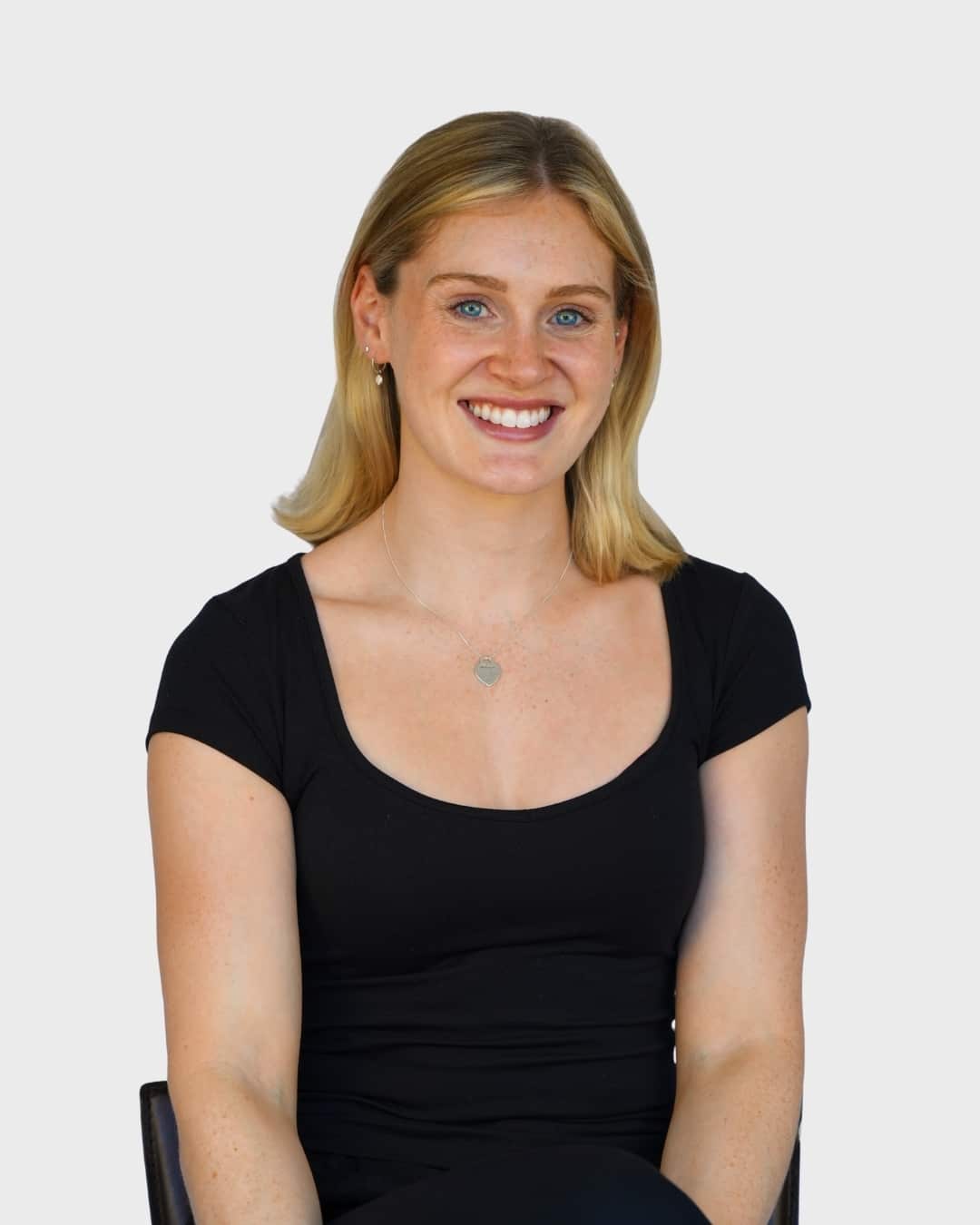
Dr Erin Oliver, General Dentist
Role: General dentist
Qualifications: BDS (United Kingdom)
Registration: Registered dentist, general registration, DEN0004009712
Registration status can be verified free on the AHPRA public register at ahpra.gov.au. The service page for this scope is General Dentistry.
Background
Dr Erin Oliver holds a UK dental degree and joined the practice from the United Kingdom.
A note on the qualification as published: the practice's listing records BDS, which is a Bachelor of Dental Surgery; elsewhere its prose describes a Bachelor of Dental Science. These are different names used by different universities for equivalent entry-level dental degrees, and the distinction has no bearing on registration or scope. The AHPRA register records the qualification on which registration was granted, and is the authoritative source.
How an overseas-qualified dentist comes to practise in Australia
This is the substantive point about this practitioner's page, and it is poorly understood by patients.
Nobody practises dentistry in Australia without registration from the Dental Board of Australia. There is no exception for experienced overseas practitioners. There are three routes to it:
1. An accredited Australian or New Zealand dental programme. Direct application for general registration.
2. A qualification assessed as equivalent. Some overseas dental qualifications from countries with comparable accreditation systems are recognised, allowing direct application without further examination. The list of recognised qualifications is set by the Board and changes; it is not a matter of a practitioner's own assessment.
3. The Australian Dental Council examination pathway. For qualifications that are not automatically recognised, the ADC runs a staged assessment — a written examination testing dental knowledge, then a practical clinical examination. It is demanding, it has a substantial failure rate, and many highly experienced overseas dentists spend years on it.
In every case the same additional standards apply: English language skills, criminal history checks, professional indemnity insurance, recency of practice, and continuing professional development.
What this means for a patient: an overseas-qualified dentist holding general registration in Australia has met the same registration standard as an Australian graduate. The register does not distinguish between them, and neither should you. What the register does show is the qualification, the category, and any conditions — and conditions are the thing worth checking, whatever the practitioner's origin. See Finding a dentist online in Australia and What makes a truly great dentist?
What a general dentist does
General registration with the Dental Board of Australia covers:
- examination, diagnosis and treatment planning
- radiographs and diagnostic imaging within the dental scope
- scale and clean, and treatment of gum disease
- fillings, inlays, onlays, crowns and bridges
- root canal treatment
- extractions, including some surgical extractions and wisdom teeth
- dentures and implant-supported restorations
- whitening and other cosmetic treatment
- management of dental pain and infection
- referral to specialists where a case sits outside general practice
A general dentist is not a specialist. Specialist titles — orthodontist, periodontist, endodontist, prosthodontist, paediatric dentist, oral and maxillofacial surgeon, and the rest of the thirteen recognised specialties — are protected under the Health Practitioner Regulation National Law, and require separate specialist registration. The ones practising here are listed on Dentists and Registered Specialists; on when a referral is warranted, see Why would I need to see a dental specialist?
And ‘cosmetic dentist', ‘implant surgeon', ‘implantologist' and ‘sleep dentist' are not specialties at all. They describe an interest, not a registration category.
The full range of treatment offered here is set out under Our Services.
Differences worth knowing if you have moved between countries
Dental care is organised differently in the UK and Australia, and new arrivals are often caught out:
- There is no NHS equivalent for adult dental care in Australia. Dentistry sits largely outside Medicare. Adult treatment is paid privately, or through the public system for those eligible.
- Public dental care in Victoria is available through community dental agencies and the Royal Dental Hospital of Melbourne, generally for concession card holders and children, with waiting lists for non-urgent treatment. Emergency care is triaged by clinical urgency. See Emergency Dentistry and What is considered a dental emergency?
- Private health insurance ‘extras' cover is the usual mechanism for routine dental, with annual limits, waiting periods, and a gap between the fee and the benefit. See Bupa Platinum provider.
- Fees are not regulated and vary between practices. Ask for item numbers and a written quote. The practice's published starting points are in the Price Guide, and instalment arrangements on the Payment Plans page.
- Eligible children may be covered under the Child Dental Benefits Schedule — see Child Dental Benefit Schedule and How does the Child Dental Benefits Schedule operate?
- Bring your records. Ask your previous dentist for your notes and recent radiographs. It avoids repeating imaging, and it gives your new dentist a baseline — which is how wear, recession and bone loss are actually detected. See How safe are dental x-rays
- Fluoridated water. Melbourne's water supply is fluoridated, which is not true everywhere. See The benefits of fluoride and Fluoridated water — Is it good for you?
Payment plan options are available. Where a plan is advertised as interest free, that describes the plan term only — a deposit may be required, an establishment fee and ongoing account fees may apply, and charges can apply if the balance is not cleared within the agreed period. The applicable terms depend on the provider and the amount financed, and are set out in writing before you commit — ask what the deposit and the establishment fee are, in dollars, and what the total will be by the end. Payment Plans.
What should happen at a first visit
- A medical history. Medications, conditions, allergies and past reactions all change dental treatment. Anticoagulants and antiresorptive medications for osteoporosis matter a great deal, including if taken years ago.
- A soft-tissue examination — tongue, floor of mouth, cheeks, palate, throat, and the neck. This is an oral cancer screen, and it is among the most valuable things done at a check-up. See Oral cancer: How your dentist can help with early detection
- A periodontal assessment, measuring pocket depths and recording bleeding. Gum disease is painless until late. See What Is Gum Disease?
- A tooth-by-tooth examination, including existing restorations, cracks and wear.
- Radiographs where indicated, at a risk-based interval rather than a fixed schedule.
- A discussion of findings and options, with costs.
You are entitled to ask what was found, to see the radiographs, and to have the reasoning explained — and to a written, itemised treatment plan before agreeing to anything. See Understanding Your Treatment, and How often should I go to the dentist? for how frequently any of this should happen.
Registration
The Dental Board of Australia registers dentists, dental specialists, dental hygienists, dental therapists, oral health therapists and dental prosthetists. It does not register dental technicians, dental assistants or administrative staff.
Every registered dentist holds a DEN-prefixed number, renewed annually, subject to standards for recency of practice, continuing professional development, professional indemnity insurance, criminal history and English language skills. Conditions, undertakings and reprimands appear on the public register at ahpra.gov.au, which anyone can search free by name or registration number.
Common questions
Is an overseas-trained dentist as qualified? For registration purposes, yes — the standard is the same and the register does not distinguish. Check the register for conditions, as you would for anyone.
Will my UK dental records transfer? Ask your previous practice to send them. There is no automatic transfer between countries.
Do I need a referral to see a dentist? No. Referrals are for specialists, and even then are not always required.
Can I keep seeing the same dentist? Yes, and you can also ask to change within a practice without giving a reason. See Is it important to have a family dentist?, and for the myths that travel with all of this, Dental Myths Exposed.
Related pages: Our Team, General Dentistry, Understanding your treatment, Child Dental Benefit Schedule, Reviews.
Practical details
Dr Oliver's registration can be checked free on the AHPRA public register at ahpra.gov.au. Call 13 13 96 to ask about appointments or which practitioner suits a particular problem, or see Contact Us.
Smile Solutions, Level 1, 220 Collins Street, Manchester Unity Building, Melbourne VIC 3000. Phone 13 13 96, or theteam@smilesolutions.com.au. Monday–Friday 8.00am–6.00pm, Saturday 8.30am–1.30pm, Sunday by appointment. Location and directions.
This page records qualifications and career history as published by the practice. General information only — it is not a diagnosis, a treatment plan or a promise of any particular clinical outcome. Registration pathways and recognised qualification lists are set by the Dental Board of Australia and change; confirm current requirements with the Board or the Australian Dental Council. Payment plan terms are set by the credit provider and change; confirm current terms directly before you commit. Practitioner availability changes; confirm when booking.
Smile Solutions trades under ABN 28 193 514 103.
Images on This Page
-
https://www.facebook.com/tr?id=800557773428361&ev=PageView&noscript=1
(no alt text)
-
https://www.smilesolutions.com.au/wp-content/uploads/2025/10/calendar_month.svg
(no alt text)
-
https://www.smilesolutions.com.au/wp-content/themes/arcadian-wordpress-theme/assets/images/smile_solutions_logo_white.png
Smile Solutions Logo
-
https://www.smilesolutions.com.au/wp-content/themes/arcadian-wordpress-theme/assets/images/smile_solutions_logo_purple.png
Smile Solutions Logo
-
https://www.smilesolutions.com.au/wp-content/uploads/2025/10/Erin.jpg
Dr Erin Oliver
-
https://www.smilesolutions.com.au/wp-content/themes/arcadian-wordpress-theme/assets/images/family_owned_bussiness.png
Family Owned Business
-
https://www.smilesolutions.com.au/wp-content/themes/arcadian-wordpress-theme/assets/icons/icon--phone.svg
Smile Solutions Contact
-
https://www.facebook.com/tr? id=800557773428361&ev=PageView&noscript=1
(no alt text)