What does fluoride actually do for teeth?
Two things. It drives re-mineralisation — helping enamel take minerals back after an acid attack, and forming a mineral more acid-resistant than the original. And at the right concentration it is antibacterial, reducing the specific bacteria that contribute to tooth decay.
Dental professionals and the public have known for decades that using fluoride reduces the risk of dental caries — decay, cavities. The use of fluoride has nonetheless become a debated health topic, so it is worth setting out the mechanism plainly, and being straight about what the evidence supports and what it does not. Selecting a toothpaste: fluoride or non-fluoride applies all of this to the tube you actually buy.
The chemistry, briefly
The crown of a tooth is built from hydroxyapatite crystals — a mineral made of calcium, phosphate and hydroxide.
During the ordinary business of eating and drinking, and from the acid produced by bacteria in the mouth, teeth come under threat and minerals are lost. That process is demineralisation. It happens many times a day, and in a healthy mouth it is matched by re-mineralisation — saliva returning calcium and phosphate to the enamel surface between meals.
Decay occurs when that balance tips: mineral loss consistently exceeds mineral uptake. A cavity is the accumulated result of thousands of small losses that were never made good. How does tooth decay develop?, the stages of dental decay and can you reverse tooth decay? trace that balance and where it becomes irreversible.
Fluoride intervenes at exactly that point. Applied topically — from toothpaste, for example — it accelerates re-mineralisation and reduces the likelihood of a cavity developing. The mineral it helps form, fluorapatite, dissolves at a lower pH than the original hydroxyapatite, which means the tooth can tolerate a more acidic environment before it starts losing mineral again.
The antibacterial effect is a second, distinct mechanism: at the correct concentration fluoride interferes with the metabolism of the acid-producing bacteria themselves.
Why it matters more now
With the rise of refined sugars in the Western diet, and the frequency of acid exposure from popular beverages, the demineralisation side of the equation has grown. Fluoride and re-mineralising products have a correspondingly larger role to play than they did in a diet with fewer acid and sugar exposures per day. How does sugar affect your dental health?, how does your diet affect your teeth? and sugar-free soft drinks and teeth cover that shift; how dental erosion is addressed covers acid damage that has nothing to do with bacteria at all.
This also explains a common confusion. People sometimes conclude that because their grandparents did fine without fluoride toothpaste, it cannot be necessary. Their grandparents were not drinking six acidic beverages a day.
Topical beats systemic
The most important refinement to come out of the last few decades of research: fluoride works principally at the tooth surface, not through the bloodstream. Fluoride's benefit is overwhelmingly topical — contact with the enamel — rather than from being ingested and incorporated during tooth development.
That has several practical consequences:
- Frequency of contact matters more than dose. Twice-daily toothpaste beats a single high-concentration exposure. See what is the ideal daily routine for oral hygiene? and how often should I brush my teeth?
- Spit, don't rinse. Rinsing with water immediately after brushing washes the fluoride away before it can act. This costs nothing and is probably the single highest-value change most people can make. The same logic applies to mouthwash — use it at a different time of day, not straight after brushing.
- Swallowing fluoride is not the point, and in children it is the mechanism behind fluorosis. Which is why supervision of brushing in young children matters — protecting your child from dental disease and kids teeth cleaning tips.
The available products
Over the last two decades a lot of research has gone into the re-mineralisation process and how best to deliver it. Fluoride now comes in a range of forms:
| Product | Typical use |
|---|---|
| Standard toothpaste (1,000–1,500 ppm) | Twice daily, for most people over 6 |
| Children's toothpaste (400–550 ppm) | Younger children, in a smear or pea-sized amount |
| High-fluoride toothpaste (5,000 ppm) | Prescribed for high decay risk, dry mouth, exposed root surfaces, orthodontic patients |
| Fluoride mouth rinse | Additional daily or weekly topical exposure, usually at a different time from brushing |
| Professionally applied varnish | Applied in the chair, typically at recall; useful in children and high-risk adults — see dental cleans and hygienists |
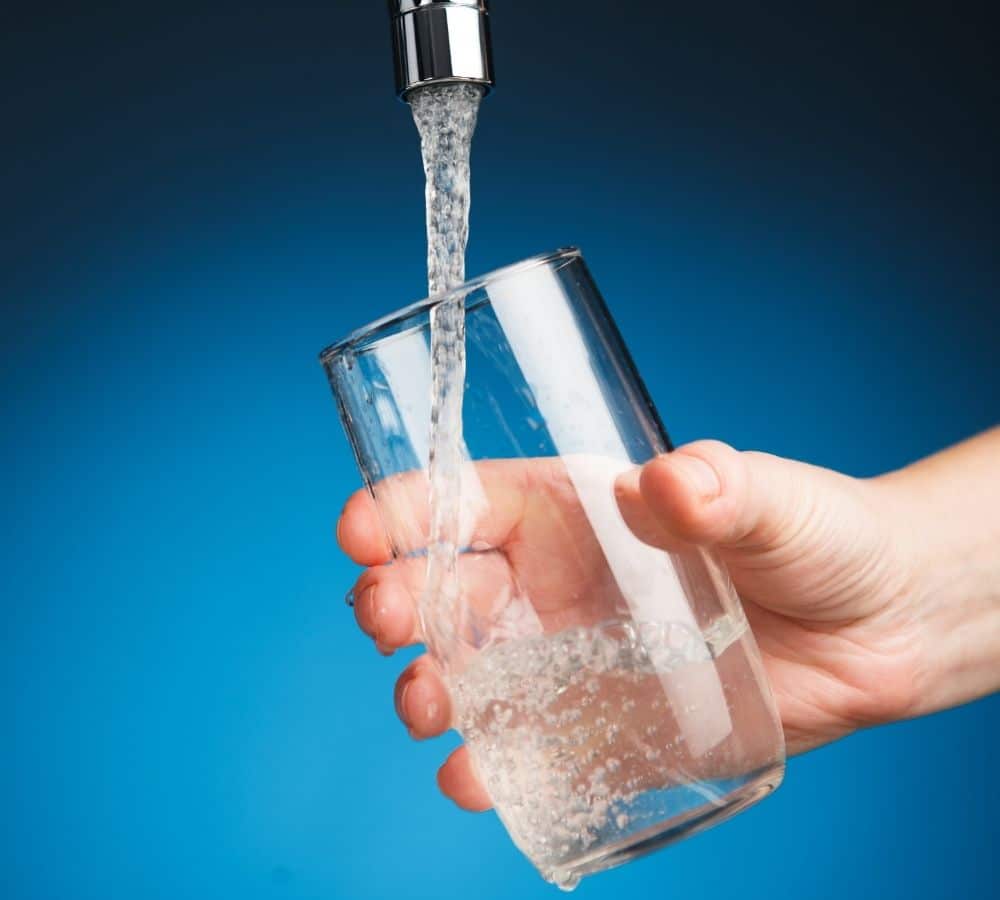
| Fluoridated water | Constant low-level background exposure — Melbourne's supply is fluoridated |
On the water supply specifically, the site carries both sides: fluoridated water — is it good for you? and fluoridated water: why I worry.
Also worth knowing about are calcium and phosphate re-mineralising crèmes, often used alongside fluoride where erosion or high decay risk is present. They supply the other two components of the mineral.
What the NHMRC actually says about the water supply
Community water fluoridation is the part of this that people argue about, so it is worth quoting the national body rather than characterising it. The following is from the National Health and Medical Research Council (NHMRC), in its public statement and accompanying questions and answers on water fluoridation and human health in Australia.
On whether it works. NHMRC states that there is consistent and reliable evidence that community water fluoridation helps to reduce tooth decay, and that it found water fluoridation reduces tooth decay by 26 to 44% in children and adolescents, and by about 27% in adults. It adds that recent Australian research suggests access to fluoridated water from an early age is associated with less tooth decay in adults.
On how much. NHMRC supports adjusting fluoride in Australian drinking water supplies to between 0.6 and 1.1 milligrams per litre (mg/L), and is explicit about why that band and not a higher one: the range is aimed at reducing tooth decay while avoiding any risk of dental fluorosis of aesthetic concern.
On whether toothpaste then becomes unnecessary. It does not. NHMRC's answer to whether you should still use fluoridated toothpaste if you are drinking fluoridated water is yes — the two, in its words, provide important and complementary benefits. Its explanation is the clearest short statement of the mechanism described above: fluoridated water keeps low levels of fluoride in saliva and in dental plaque all day, while the much higher concentration of fluoride in toothpaste offers additional benefit.
On bottled water. NHMRC notes that Australian food regulations allow the addition of fluoride to bottled water within a permitted range of 0.6–1 mg/L, that some bottled water products contain naturally occurring fluoride from the source, and that — as with all packaged food in Australia — bottled water must be clearly labelled and state the product contents. If you drink bottled water almost exclusively, the label is where to check.
On the "mass medication" objection. NHMRC's answer here is narrow and regulatory rather than philosophical, and it is worth having accurately: in Australia the Therapeutic Goods Administration does not require fluoride compounds — such as those added to fluoride toothpaste and to community drinking water supplies — to be registered as medicines if they are used for the prevention of dental decay, nor are they scheduled as drugs or poisons when they are added to community drinking water supplies at optimal levels. That describes how these products are regulated. It is not itself an argument about whether fluoridation should happen, and fluoridated water: why I worry puts the case on the other side.
Concentration depends on age and risk
Different fluoride concentrations are recommended for different ages and stages of life, and this is not a detail to guess at.
Broadly:
- Under 18 months — no fluoride toothpaste is generally recommended; clean with a soft brush and water. See baby teething for when the first teeth arrive.
- 18 months to 6 years — a low-fluoride children's toothpaste, a smear or pea-sized amount, with an adult supervising and encouraging spitting rather than swallowing. How to encourage your child to brush their teeth
- 6 years and over — standard adult fluoride toothpaste. This is when the first permanent molars arrive — the order and appearance of baby teeth explains why they are so easily missed, and fissure sealants is the other measure aimed at them.
- High-risk at any age — higher-concentration products, on assessment. Children with chalky teeth and adults with gum recession or medication-related dry mouth are the common cases.
These are general positions; local guidance and individual circumstances vary, and your dental professional's advice for your particular situation takes precedence.
On the safety question
The debate deserves a direct answer rather than an evasion.
At the concentrations used in toothpaste and in community water fluoridation, fluoride has a long record of use and has been extensively studied. The recognised risk at excess ingested dose during tooth development is dental fluorosis — usually mild, appearing as faint white flecking on the enamel, and cosmetic rather than functional. This is why children's toothpaste is lower in concentration, why the amount used should be small, and why children should be supervised so they spit rather than swallow.
NHMRC's description of fluorosis is more precise, and useful if you are trying to work out whether it applies to your own children. It describes dental fluorosis as caused by a high intake of fluoride from multiple sources during the time when teeth are developing inside the jawbone, usually from birth to six or eight years of age. It can appear as white lines or areas on the surface of both primary and permanent teeth, and is identified only after the teeth erupt — which is to say, long after the exposure that caused it.
NHMRC's account of the Australian pattern cuts against the intuition, and is worth stating in its own terms. In Australia dental fluorosis has declined over the period during which community water fluoridation expanded. NHMRC links that decline to reduced exposure to fluoride from other sources, particularly the availability and active promotion of low-fluoride children's toothpaste alongside public guidance on using only a small pea-sized amount and encouraging children not to swallow it. Where dental fluorosis has been identified in Australia, NHMRC reports that in most cases it is classified as very mild or mild, which it says does not affect the function of the teeth and is associated with a protective benefit against tooth decay in adult teeth. Moderate dental fluorosis is very uncommon and severe dental fluorosis is rare in Australia, and NHMRC states that the very small amount of moderate and severe fluorosis in Australian children aged 8–14 years is not statistically different between fluoridated and non-fluoridated areas.
So the fluorosis risk is real, it is the reason for the age-based recommendations above, and its practical management is the amount of toothpaste on a young child's brush rather than the water supply.
Ask, rather than guess
Your dental professional is the best resource for determining what you need, based on your dental history and lifestyle risk factors. Those recommendations change as your life does — a new medication that causes dry mouth, orthodontic treatment, gum recession exposing root surfaces, pregnancy, or a change in diet can all shift the assessment. High-fluoride products in particular are prescribed on the basis of assessed risk rather than bought speculatively.
If you are unsure what you require, ask at your next appointment — what to expect at a hygienist visit, or contact us.
Common questions
Does fluoride in the water cause cancer, lower IQ, or thyroid or bone problems?
NHMRC addresses each of these, and it is better quoted than paraphrased. It states there is "reliable evidence that community water fluoridation as practised in Australia is not associated with cancer, Down syndrome, cognitive dysfunction, lowered intelligence or hip fracture", and that there is "no reliable evidence of an association between community water fluoridation as practised in Australia and other human health conditions such as chronic kidney disease, kidney stones, hardening of the arteries (atherosclerosis), high blood pressure, low birth weight, all-cause mortality, musculoskeletal pain, osteoporosis, skeletal fluorosis, thyroid problems or other self-reported ailments such as gastric discomfort, headache, and insomnia." On cancer it names the two that come up most often: "There is no association between community water fluoridation and any form of cancer, including osteosarcoma and Ewing sarcoma (types of bone cancer)." And its answer on intelligence contains the explanation usually missing from the headlines — some overseas studies did suggest a possible link, but "these studies took place in countries where fluoride levels greatly exceed the levels seen in Australia and did not take into account factors such as parental education and the presence of arsenic in drinking water." Notice the qualifier NHMRC repeats in every one of those sentences: as practised in Australia, meaning the 0.6 to 1.1 mg/L band described above. It is a finding about that concentration, not about fluoride at any dose.
I drink tank water, or filtered water. Does that change anything for me?
Probably yes, and NHMRC answers both cases. On tanks: "Rainwater collected in domestic tanks will not contain fluoride", and NHMRC does not recommend fluoridating tank water because "it can be difficult to maintain the correct concentration." Its advice to households in that position is to "seek advice concerning fluoride requirements from their local dental professional, school dental service, community dental service or from the Australian Dental Association", and it notes two partial offsets — some benefit comes from food and drink processed in nearby fluoridated centres, or from working or studying in a fluoridated area, and bottled water with added fluoride is an option. On filters, the answer surprises people who installed one for taste: "Distillers and filtering systems containing ion exchange resins, activated aluminium or reverse-osmosis membranes have been shown to be effective and will remove most of the fluoride from water", while NHMRC's own position is that "it is not necessary or desirable to remove the fluoride." Either way, if what comes out of your kitchen tap is not fluoridated town supply, say so at your next appointment. It is one of the few facts about your household that genuinely changes what is recommended for you and your children.
Should I be giving my child fluoride tablets or drops?
Not on your own initiative. NHMRC's answer is two sentences: "Fluoride supplements in the form of drops or tablets should only be used on the advice of an oral health professional. They are no longer readily available in Australia." The reasoning runs back to the topical point above — a swallowed supplement takes the systemic route, which is the weaker of the two mechanisms and the one that carries the fluorosis risk while teeth are still forming. If the worry is that your child is not getting enough fluoride, the more productive conversation is about the concentration of their toothpaste, whether they are spitting rather than rinsing, whether the water at home is fluoridated, and whether professionally applied varnish is worth adding at their recall visits.
Is fluoridated water safe in pregnancy, and for making up infant formula?
NHMRC addresses both. On pregnancy and breastfeeding: "It is safe for the unborn child and infant when pregnant and breast feeding mothers drink water fluoridated at Australian levels." It then answers the obvious follow-up before it is asked — breast milk naturally contains about 5 to 10 micrograms of fluoride per litre, and "the level of fluoride in breast milk remains steady when a nursing mother drinks fluoridated water." On formula: "Infant formula products sold in Australia are safe to feed to infants when made up with fluoridated drinking water", and all infant formula sold here must comply with the Australia New Zealand Food Standards Code. NHMRC separately recommends exclusive breastfeeding until around six months where that is possible, with formula as the alternative until 12 months. None of that changes the toothpaste advice for a baby: under 18 months, a soft brush and water.
How much difference does a fluoride mouth rinse actually make?
More than most people assume, and the evidence is stronger than for any other kind of rinse. A Cochrane review updated in 2016 pooled 37 trials involving 15,813 children and adolescents, almost all of them supervised school rinsing programmes using sodium fluoride at 230 or 900 ppm. Across the 35 trials and 15,305 participants that contributed usable data, the pooled prevented fraction for decayed, missing and filled permanent tooth surfaces was 27% (95% CI 23% to 30%), graded moderate-quality evidence. Two qualifications belong with that. The effect did not vary significantly with baseline decay severity, background fluoride exposure, rinsing frequency or fluoride concentration — so it is not established that a rinse helps only high-risk patients. And these were supervised rinsing programmes in children aged six to fourteen, with the reports published between 1965 and 2005, so the figure describes that setting rather than an adult rinsing at home. A rinse is still usually suggested where there is a specific reason for it, and whether mouthwash belongs in your routine at all is the wider question.
Does this article replace an individual dental assessment?
No. It provides general information. Symptoms, suitability, risks and treatment choices depend on examination and, where indicated, imaging or other records from an appropriately registered practitioner.
Related reading
- Preventing dental decay
- Which toothbrushes do dentists recommend?
- Is flossing really that important?
- Three oral hygiene tips you need to know
- What to do if you suffer from sensitive teeth
- Does chewing sugar-free gum really help prevent cavities?
- Why do I need a filling?
- How many toothpastes are on the market — how do I make a wise choice?
Practical details
The author of the original article noted that their recommendation of fluoride — to patients, friends and family alike — comes from their reading of the research and from clinical experience. That remains the position here: fluoride is recommended because of the evidence base behind it, and the age-appropriate concentration matters.
The figures and positions attributed to NHMRC above are from NHMRC's own published statement and questions and answers on water fluoridation and human health in Australia; those documents remain the primary source.
Specialist registration can be verified on the AHPRA register, or by calling 1300 419 495. The clinical team is listed by name.
Smile Solutions, Level 1, 220 Collins Street, Manchester Unity Building, Melbourne VIC 3000 — getting here. Phone 13 13 96, contact us, or theteam@smilesolutions.com.au. Monday–Friday 8.00am–6.00pm, Saturday 8.30am–1.30pm, Sunday by appointment.
Published 4 September 2017. General information only; it does not replace advice from your treating practitioner.
Smile Solutions trades under ABN 28 193 514 103.
Images on This Page
-
https://www.facebook.com/tr?id=800557773428361&ev=PageView&noscript=1
(no alt text)
-
https://www.smilesolutions.com.au/wp-content/uploads/2025/10/calendar_month.svg
(no alt text)
-
https://www.smilesolutions.com.au/wp-content/themes/arcadian-wordpress-theme/assets/images/smile_solutions_logo_white.png
Smile Solutions Logo
-
https://www.smilesolutions.com.au/wp-content/themes/arcadian-wordpress-theme/assets/images/smile_solutions_logo_purple.png
Smile Solutions Logo
-
https://www.smilesolutions.com.au/wp-content/uploads/2023/11/SS-Tooth-1-1-150x150.png
Smile Solutions
-
https://www.smilesolutions.com.au/wp-content/uploads/2015/02/Fluoride.jpg
Fluoride
-
https://www.smilesolutions.com.au/wp-content/uploads/2025/09/Root-Canal-2-300x217.jpg
Root Canal
-
https://www.smilesolutions.com.au/wp-content/uploads/2026/08/Mouth-Breathing-300x270.jpg
Mouth Breathing
-
https://www.smilesolutions.com.au/wp-content/uploads/2025/09/Dental-Crown-at-Smile-Solutions-300x300.jpg
Dental Crown at Smile Solutions
-
https://www.smilesolutions.com.au/wp-content/themes/arcadian-wordpress-theme/assets/images/family_owned_bussiness.png
Family Owned Business
-
https://www.smilesolutions.com.au/wp-content/themes/arcadian-wordpress-theme/assets/icons/icon--phone.svg
Smile Solutions Contact
-
https://www.facebook.com/tr? id=800557773428361&ev=PageView&noscript=1
(no alt text)
-
https://bat.bing.com/action/0?ti=25148060&tm=gtm002&Ver=2&mid=39ddd820-3253-4145-9efc-ffeec63a3f72&bo=1&sid=f6ab30f0ab2711f19ef171936b21a4cd&vid=f6ab4b40ab2711f1b6c02bd3300ffe0a&vids=1&msclkid=N&pi=918639831&lg=en-US&sw=800&sh=600&sc=24&nwd=1&tl=The%20benefits%20of%20fluoride%20-%20Smile%20Solutions&p=https%3A%2F%2Fwww.smilesolutions.com.au%2Fdental-articles%2Farticle%2Fthe-benefits-of-fluoride%2F&r=&evt=pageLoad&sv=2&cdb=AQAQ&rn=465443
(no alt text)