What is periodontal disease?
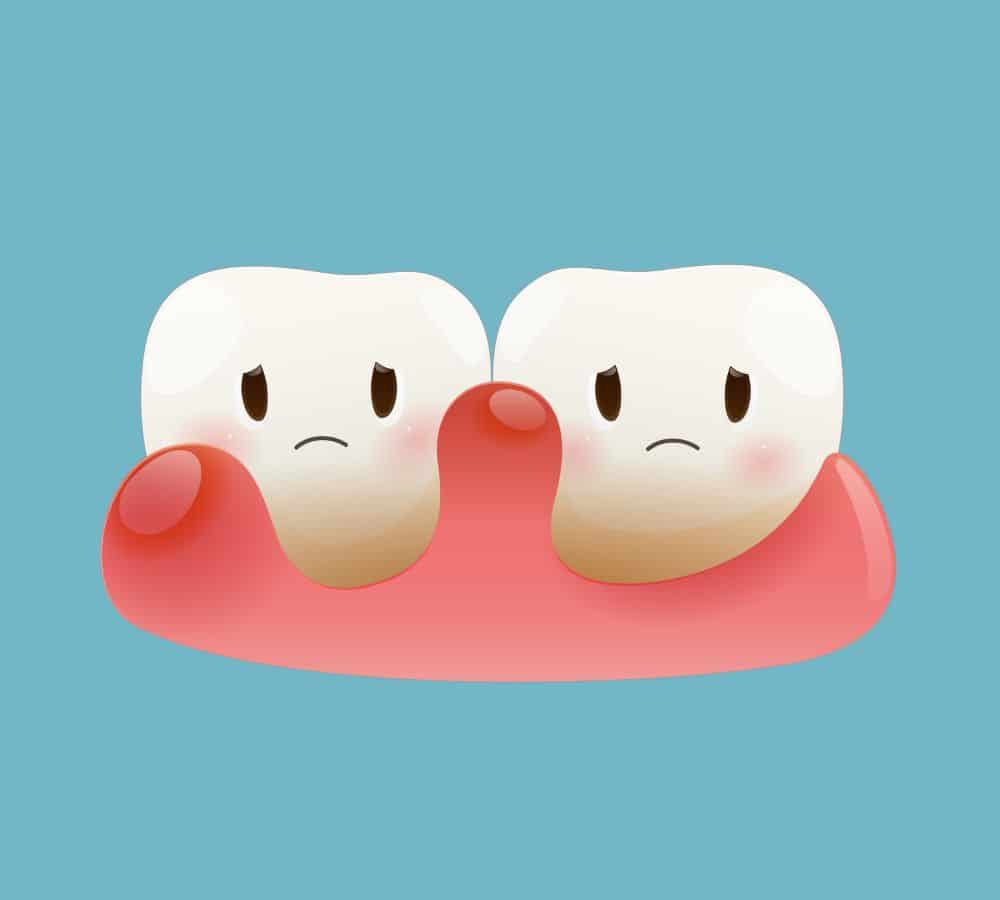
Periodontal disease — commonly called gum disease — is either inflammation of the gums (gingivitis) or a more serious gum infection (periodontitis). In advanced cases it destroys the bone that supports the teeth, and eventually the teeth themselves are lost.
The distinction that governs everything else on this page: gingivitis is reversible. Periodontitis is not. Gingivitis resolves completely with better cleaning. Periodontitis can be stopped and stabilised, but the bone already lost does not return. What is gum disease? is the shorter introduction to that threshold; when do you need deeper cleaning? covers the treatment at it; and bleeding gums is the service page.
Periodontitis has been associated with heart disease, stroke, systemic infection and low birth weight in premature babies. Those are associations — the sections below set out what the evidence does and does not establish.
First: when gum symptoms are an emergency
Periodontal disease is slow and silent. An acute infection on top of it is neither. Go to a hospital emergency department, or call 000, if you have:
- Facial swelling that is spreading, particularly toward the eye or down into the neck or under the jaw
- Difficulty breathing or swallowing, or a change in your voice
- Fever together with dental or gum pain
- Bleeding from the mouth that will not stop with firm, continuous pressure
These indicate a spreading infection or a bleed that needs hospital care the same day. Why are dental abscesses so painful?, what is a tooth abscess? Should I have it treated? and can a dental abscess affect your general health? explain why infection in the mouth is treated urgently rather than watched. For an urgent problem short of that list, emergency dentistry covers what can be seen on the day.
Do not hold aspirin, or any other tablet, against the gum while you wait. It burns the tissue chemically and leaves an ulcer on top of the original problem — the cause of mouth ulcers and their usual treatments. Over-the-counter pain relief works by being swallowed, taken according to the packet.
What causes it
The primary cause is plaque left undisturbed — inadequate brushing and cleaning between the teeth, allowing plaque and then hardened tartar to build up and compromise the gum tissue. What is the ideal daily routine for oral hygiene? and is flossing really that important?
Poor hygiene will almost certainly lead to gingivitis. In susceptible or “at risk” patients it progresses to periodontitis, and genetics are believed to influence who develops the severe form. This is why two people with similar habits can have very different outcomes.
Other contributing factors:
- Medications — some cause overgrowth of gum tissue; many cause dry mouth. My mouth is always dry and my mouth always feels dry! What can I do?
- Chronic medical conditions, especially diabetes, which increases infection risk and impairs healing. Diabetes and oral health
- Poor nutrition — vitamin and mineral deficiencies. How does your diet affect your teeth? and caring for your teeth: eight steps to dental health
- Viral or fungal infection
- Smoking, which substantially increases the risk of periodontitis — as, on current evidence, does vaping
- Stress
Signs and symptoms
Swollen, red, bleeding gums are the classic signs. Bleeding is the most common symptom — and it carries an important caveat: it can be masked or absent in smokers, because nicotine constricts the blood vessels. That compounds the problem, since the main warning sign is suppressed in the group at highest risk.
Other signs:
- Bad breath (halitosis) — how do I get rid of my bad breath?, 7 ways to avoid bad breath and bad breath
- Gum recession, producing dark or black triangles between the teeth, and the classic “getting long in the tooth” — teeth and ageing
- Mobility of teeth, which can lead to teeth drifting or migrating
- Tooth loss — the end stage, from loss of the supporting structures. Bridges, implants or dentures is the conversation that follows
What to look out for
- Bleeding gums
- Swollen gums
- Redness
- Painful gums
- Loss of gum tone and texture
- Gum recession
- Bad taste
- Bad breath
- Loosening teeth
- Difficulty chewing
- Teeth moving position
Chronic periodontal disease predominates over the acute form, and it goes largely unnoticed because it causes no pain. The signs above generally appear at the later stages. That is the whole reason for regular examination: the disease's defining feature is that you cannot feel it happening.
The only reliable way to know is to be examined. A simple screening exam detects disease, which then warrants detailed mapping of the gum tissues and radiographic assessment of the supporting bone. Higher-risk groups include smokers, people with uncontrolled diabetes, and those with a genetic predisposition. How often should I go to the dentist?, dental cleans and hygienists, and your Smile Solutions hygienist visit: what to expect.
Can it be cured?
This depends what “cure” means, and the honest answer differs by type.
Gingivitis — yes. It is inflammation of the gums caused by plaque at the gum margins. Most people have some. It is readily treated with improved home care: brushing and cleaning between the teeth.
Acute forms of gum disease — often related to poor home care, smoking and stress — can also be treated, with a thorough professional clean, sometimes antibiotics, and by addressing the contributing habits.
Periodontitis — no. This is the destructive form, marked by destruction of the tooth-supporting ligament and bone. That tissue can rarely be replaced, so returning the tooth to its original health is not possible. No treatment and no product reverses it, and anyone offering one should be asked how.
What is possible is stabilisation and maintenance. And because genetics play a part, someone who has had periodontitis remains susceptible to further destruction unless they maintain high-quality home care and regular professional deep cleaning.
So the better question is not can it be cured but can it be stabilised and then maintained — and the answer to that is yes, with excellent home care and ongoing maintenance. Even for gingivitis, because plaque is constantly re-forming, treatment is better understood as ongoing maintenance than as a one-off cure. It requires an active continuing relationship with your dental practitioner. Understanding your treatment covers how to read the plan you are given, and published fees are in the price guide.
Prevention
- Brush at least twice a day, focusing on the gumline with gentle pressure — how much pressure should I apply when brushing my teeth?, over brushing, and which toothbrushes do dentists recommend?
- Use fluoride toothpaste — selecting a toothpaste: fluoride or non-fluoride and the benefits of fluoride
- Clean between the teeth daily, with floss or interdental brushes
- Attend regularly. Periodontitis causes no early symptoms, so identifying it depends on examination rather than on how your mouth feels
- Do not smoke. Quitline is 13 7848
- Manage diabetes carefully — diabetes and dental health: the two-way street
If you arrest gum disease early, you may prevent the early loss of a tooth. Your dentist can diagnose it or refer you to a gum specialist — why would I need to see a dental specialist?
Treatment and the periodontist
If you have periodontal disease you may be referred to a periodontist — a registered dental specialist in the prevention, diagnosis and treatment of periodontal disease, and in placing dental implants.
Treatments include:
- Deep or extensive cleaning — scaling, root planing (cleaning the infected root surface), and root surface debridement (removing damaged tissue). When do you need deeper cleaning? sets out what the appointment involves and why the two-month review matters
- Gum surgery, where disease is severe
- Bone grafts or regeneration of supporting tissue — bone grafting
- Dental implants to replace a lost tooth — dental implants, what you need to know about dental implants, and who should I see for dental and teeth implants?
To get the best outcome from gum treatment: stop smoking; if you have a chronic condition, particularly diabetes, maintain normal blood glucose; and eat a healthy diet including fruit and vegetables, with adequate calcium.
At our Melbourne CBD practice, periodontists work alongside hygienists and dentists on more significant cases and on patients with complex medical histories. Most patients' periodontal needs are managed by their hygienist and dentist; referral follows when signs of disease appear at a check-up, or where a chronic condition, medication or treatment — heart disease, diabetes, pregnancy — affects periodontal care. Complex dentistry, complex dental cases: what happens when multiple specialists need to collaborate, and what does a dental hygienist do?
A periodontal examination involves inspecting the gums, checking for recession, assessing how the teeth meet, checking for loose teeth, and measuring the periodontal pockets between teeth and gums with a small probe. Radiographs may be taken to assess the bone beneath the gumline — how safe are dental x-rays.
The numbers the probe produces
| Pocket depth | What it means |
|---|---|
| 4mm or less | Healthy |
| 5mm or greater | A sign that gum disease has become periodontitis |
The threshold is practical rather than arbitrary: a toothbrush and floss reach roughly 3mm below the gum margin. Past that, the pocket is a space no home care can clean, and it holds bacteria continuously. Where pockets measure five millimetres or more, scaling and root planing may be recommended.
Periodontists complete a dental degree followed by around three additional years of specialist training at master's level, and maintain membership of professional bodies to keep current with diagnostic and treatment techniques. The practice's registered specialists are identified as such within the full team.
If I don't have gum disease, why are my gums bleeding?
Bleeding can also result from rough cleaning. Gum tissue is delicate, and brushing too hard, with incorrect technique, or with a brush that is too firm, causes trauma. Traumatic cleaning also causes recession, increasing the risk of sensitivity and tooth movement — what to do if you suffer from sensitive teeth.
Bleeding gums are sometimes associated with medical conditions and with inflammation elsewhere in the body. Associations have been reported with stroke, heart attack and hardening of the arteries. People with diabetes, or who struggle to control blood glucose, are more susceptible to periodontal inflammation.
But the default assumption should be the common one: healthy gums do not bleed. In most cases bleeding means plaque needs removing more thoroughly, not less. If it persists after two weeks of genuinely good cleaning, get it examined.
Hormonal change is another recognised cause — are women especially prone to oral health problems?, and in pregnancy, pregnancy and dental health, oral health care while pregnant and is it safe to visit the dentist during pregnancy?
Do receding gums grow back?
No — receding gums do not ordinarily improve without treatment. This is among the most common gum complaints clinicians hear.
Healthy gum forms a protective collar around the tooth. Recession occurs when the gum margin moves away from the crown, exposing the root. The most common symptom is sensitivity. Root decay may also develop, because the softer root surface decays more readily than enamel — why do I need a filling? and can you reverse tooth decay?
Common causes
- Gum disease (periodontitis)
- Excessive tooth brushing
- Trauma to the gums
- Abnormal tooth positioning — orthodontics
- Genetics
Less commonly, some people have thin, fragile or inadequate gum tissue that is prone to recession — particularly where a tooth protrudes or teeth are crowded, so there is insufficient bone covering the root.
Signs of recession
The most common symptom is sensitivity to hot, cold, sweet, sour or spicy food and drink, typically a short sharp pain lasting a few seconds. Other indicators:
- A tooth becomes loose
- Teeth appear longer than normal
- Roots are exposed
- A tooth feels notched at the gumline
- A tooth changes colour
- Spaces between teeth appear larger
Treatment
Treatment depends on the cause and severity. Minor recession left alone tends to continue, along with bone loss around the teeth — something many people are unaware of.
- If the cause is excessive brushing, a dentist, hygienist or periodontist can demonstrate effective technique. Correcting the cause is what stops the progression.
- If the cause is periodontitis, the first step is specialist assessment. Initial treatment is deep cleaning; for many patients that, with excellent home care and regular maintenance, controls the disease and prevents further loss.
- A gum graft can reduce recession in some cases — creating more attached gingiva (the thick, firm, pink tissue that hugs the teeth), covering exposed roots, improving the gum line's appearance, and preventing or treating root sensitivity.
Where recession has exposed root surface that is notched or decayed, restoring it is ordinary restorative work: how long do dental fillings last?, what types of dental crowns are available? and what does restorative dentistry mean?
Does mouthwash prevent gum disease?
Both yes and no. Different rinses do different things, and some offer no clear benefit. The truth and myths about mouthwashes and should I be using mouthwash as well as brushing and flossing my teeth? cover the same ground in more detail.
Fluoride rinses are recommended by a dentist or hygienist to prevent or manage early decay. The fluoride strengthens teeth and can reverse early decay. These are not sold in supermarkets; they are available from pharmacies or from us, and should be used under professional guidance. Keep them away from children — see children's dentistry.
For gum disease specifically: no mouth rinse has been proven to prevent gum disease. A periodontist may recommend an antibacterial rinse alongside in-chair treatment in some situations, and dentists may recommend one for certain mouth infections or after an extraction. These can have unwanted side effects if used inappropriately — which is why they are not supermarket products.
Supermarket rinses may be used alongside brushing and cleaning between the teeth. Some people find benefits such as fresher breath, but studies show their ability to improve oral hygiene is limited.
On alcohol-containing rinses: research has suggested a possible link with oral cancer, and alcohol-free products are commonly recommended. The evidence for that link is contested rather than established — large reviews have not confirmed a causal relationship, and confounding by smoking and drinking is hard to exclude. There are clearer reasons to prefer alcohol-free anyway: alcohol contributes to dry mouth, which worsens both decay and bad breath, and it stings inflamed tissue.
How gum disease affects general health
The mouth hosts a large and complex microbial community — several hundred identified bacterial species, with billions of individual organisms. Most live harmlessly. In the right conditions the harmful ones thrive and cause gum disease, and that disease has been linked to general health in several ways. Health problems linked to poor oral hygiene and the importance of dental hygiene: a window onto your overall health cover the same territory.
These are areas of active research. Where a mechanism is proposed rather than proven, this article says so.
Cardiovascular disease
Bacteria involved in gum disease provoke immune responses that raise levels of inflammatory proteins associated with increased cardiovascular risk. Oral bacteria can also enter the bloodstream and attach to abnormal or damaged heart valves, causing endocarditis — that particular link is well established, which is why some cardiac patients need antibiotic cover before certain dental procedures.
The broader heart-disease association is consistently observed but causation is not proven; gum disease and heart disease share risk factors including smoking and diabetes.
Diabetes
This is the best-evidenced relationship, and it runs both ways. Gum disease is more common in people with diabetes, and the breakdown of tooth attachment is accelerated where diabetes is poorly controlled. Conversely, the inflammation from gum disease appears to worsen glycaemic control in type 2 diabetes. Treating periodontal disease produces measurable improvement in blood glucose control. Diabetes and oral health.
Respiratory disease
Bacteria from the mouth can be aspirated into the lungs and contribute to pneumonia, particularly in hospitalised, ventilated and frail elderly patients. Oral care in those groups is a recognised part of pneumonia prevention. How good oral hygiene can increase your lifespan and dental health and general wellbeing.
Pregnancy
Bacterial products from gum disease may reach the placental membrane via the bloodstream, and immune responses have been proposed as retarding foetal growth. The association with preterm birth and low birth weight is observed; trials of treating gum disease during pregnancy have shown mixed results on whether it changes outcomes. What is not in doubt is that pregnancy makes gum disease worse, so treatment before or early in pregnancy is sensible. How do I protect my teeth during pregnancy?
The best way to avoid these concerns is unchanged: regular professional cleans, cleaning between the teeth daily, and brushing twice daily for two minutes along the gum margin with gentle pressure. Three oral hygiene tips you need to know and preventing dental decay.
How smoking affects teeth and gums
Cigarette smoking is recognised as the leading preventable cause of death in the developed world, and it affects most of the body's tissues — including teeth and gums.
The attack is twofold. Inhaled smoke delivers high concentrations of tobacco products directly to the mouth — thousands of chemicals, of which hundreds are toxic, including nicotine and carbon monoxide. Then those same substances mount a secondary attack from the bloodstream at much lower concentration but over a prolonged period, and the condition of the blood supply is a major determinant of gum health.
Decades of research have established that the severity of gum disease is linked to tobacco use. Compared with non-smokers, smokers show greater levels of gum disease, affecting more of the mouth, starting at a younger age.
Two mechanisms appear to be at work: the toxins disturb the body's ability to respond to the progression of gum disease, and they create an environment in which the causative bacteria thrive.
Smoking also lowers the response to treatment, both for gum disease and for dental implants — both are considerably more likely to fail in smokers. It also raises the risk of dry socket after an extraction: how long does it take to recover from wisdom teeth surgery? and I've just had oral surgery. What can I expect during recovery?
The encouraging finding: quitting works. Patients who had never smoked and those who had quit a year earlier responded to periodontal treatment equally well, and both groups responded far better than current smokers.
Smoking is also a major factor in oral cancer, particularly combined with heavy alcohol use. The two multiply rather than add: people drinking more than 30 standard drinks a week and smoking more than 20 cigarettes a day have been reported to carry roughly 20 times the oral cancer risk of lighter users. If you smoke and drink heavily, have your mouth examined regularly — oral cancer is treatable when found early and difficult when found late. Oral cancer: how your dentist can help with early detection, oral cancer: signs, risk factors and how your dentist can help, and what impact does wine have on my teeth?
The standing rule: any ulcer, white patch, red patch or lump that has not healed in three weeks needs examining, whether or not it hurts.
To stop smoking: Quitline 13 7848.
Common questions
I have been told I need three-monthly maintenance indefinitely. Is that genuinely necessary?
The rationale is sound; the exact interval is a clinical judgement rather than a published number, and it is fair to ask for both parts to be explained.
The rationale first. Periodontitis is a chronic disease in which the destruction is irreversible — a review in Diabetologia describes it as ‘a highly prevalent, but largely hidden, chronic inflammatory disease' and notes that ‘Periodontitis is a slowly progressing disease but the tissue destruction that occurs is largely irreversible'. It also names ‘genetic factors (as yet poorly defined)' among the risk factors, which is why susceptibility differs between people who clean identically. Somebody who has already lost attachment has demonstrated their susceptibility. That is the argument for shorter intervals, and it is a real one.
The honest part: we have not found an independent published source in the reference material we check that sets an optimal recall interval for periodontal maintenance. So do not accept ‘three months' as a rule handed down from somewhere. Ask for it to be justified against your own record.
What that conversation should contain: how many sites still bleed on probing and whether that number is going up or down; whether any pockets have deepened since the last chart; what happened last time the interval was stretched; and what the plan is for reviewing the interval itself. A maintenance interval should be revisited as the disease stabilises, not set once for life. When do you need deeper cleaning?
What is all this going to cost, and why can nobody tell me up front?
Because the cost follows the extent of disease, which is only known after charting — and because Australia has no national dental fee schedule, so figures vary widely between practices and states.
The ADA's Dental Fees Survey 2022, based on 3,819 valid responses from members in private practice as at 1 July 2022, found ‘considerable variation in the fees charged within and between states'. It also reported that across the 122 items surveyed, fees rose on average 3.7% over the preceding two years, with ‘the smallest increases seen in Preventive Services and Periodontics (1.6%)' — which is the one mildly encouraging line in this section. None of that tells you what any individual practice charges.
Cost is also a reason people delay, and delay is expensive here because the damage does not wait. A submission to the Senate inquiry into private health insurance and out-of-pocket costs argued that ‘The absence of a national dental fee schedule may have contributed to the comparatively high cost of dental care in Australia', citing an Australian Institute of Health and Welfare survey finding that ‘nearly a third of people aged 5 or older (32%) avoided or delayed visiting a dentist due to cost'.
What to do rather than guess: ask for the treatment to be quoted in stages, with the first stage and the reassessment priced separately from anything that follows; ask what the ongoing maintenance costs per year; and say out loud if cost is the constraint, because sequencing treatment over a longer period is a legitimate plan and a common one. Price guide and understanding your treatment
My GP asked whether I had had my gums checked. Why would a doctor care?
Because of the diabetes relationship, which is the best-quantified of the oral–systemic links and the one that runs in both directions.
On the first direction, a review in Diabetologia reports that ‘The risk of periodontitis is increased by approximately threefold in diabetic individuals compared with non-diabetic individuals', and that in the US NHANES III survey ‘adults with an HbA1c level of >9% had a significantly higher prevalence of severe periodontitis than those without diabetes (OR 2.90; 95% CI 1.40, 6.03)' after adjustment.
On the second, the same review states that ‘resolution of periodontal inflammation can improve metabolic control (with reported HbA1c reductions of approximately 0.4%)' — and immediately adds that ‘large, multi-centre, randomised controlled trials are needed to further validate these findings'. Diabetes Australia's own consumer material puts it more cautiously still: professional periodontal treatment ‘has been shown to create a mild improvement in blood glucose levels. However, these results lasted for only a short three-month period of time (longer term studies are ongoing).'
So the fair summary is: worth doing, measurable, modest, and not a substitute for anything in your diabetes plan. The review's own recommendation is the one to take away — ‘Oral and periodontal health should be promoted as integral components of diabetes management.' Tell your dentist your most recent HbA1c, and tell your GP when you last had a periodontal assessment.
If I lose teeth to this, can I still have implants?
Often yes, but this is the group for whom the honest answer needs two caveats, and the page you are reading explains why: the bone that would hold an implant is what periodontitis destroys.
The headline numbers are good. A retrospective analysis of 158,824 dental implants placed in 53,874 patients reported an ‘overall implant failure rate… of 2.21%, while the early failure rate during the osseointegration phase — before prosthetic reconstruction — was 1.56%'. Failures clustered in the first year and declined afterwards. That is a low rate by any standard.
The first caveat is that implants get their own version of gum disease. Consensus statements from the International Team for Implantology define mucositis as a ‘Localized lesion without bone loss around an osseointegrated implant' and peri-implantitis as a ‘Localized lesion including bone loss around an osseointegrated implant', and report that across cohort studies ‘periimplantitis and soft tissue complications occurred in 8.6% of patients after 5 years'. Susceptibility to inflammatory bone loss does not disappear because the tooth has been replaced.
The second is smoking, which this page has already covered: a meta-analysis cited in the implant literature identified ‘smoking habits, implants shorter than 10 mm, and implants placed in the maxillary region' among the significant risk factors for early failure.
The practical order, then: stabilise the periodontal disease first, be candid about smoking, and expect implants to carry the same maintenance obligation as the teeth they replace — possibly more. Dental implants and bone grafting
Related reading
- What is gum disease?
- When do you need deeper cleaning?
- Dental hygienist versus dentist
- What is the difference between having your teeth cleaned by a dentist and a hygienist?
- Does chewing sugar-free gum really help prevent cavities?
- What does oral and maxillofacial surgery involve?
- Second opinions and corrective dentistry
Practical details
Periodontics is a recognised dental specialty. Specialist registration can be verified on the AHPRA register, or by calling 1300 419 495.
Smile Solutions, Level 1, 220 Collins Street, Manchester Unity Building, Melbourne VIC 3000 — getting here. Phone 13 13 96, contact us, or theteam@smilesolutions.com.au. Monday–Friday 8.00am–6.00pm, Saturday 8.30am–1.30pm, Sunday by appointment.
Published 27 November 2018. General information only; it does not replace advice from your treating practitioner or your doctor. Several oral–systemic links described here are areas of ongoing research where causation is not established.
Smile Solutions trades under ABN 28 193 514 103.
Images on This Page
-
https://www.facebook.com/tr?id=800557773428361&ev=PageView&noscript=1
(no alt text)
-
https://www.smilesolutions.com.au/wp-content/uploads/2025/10/calendar_month.svg
(no alt text)
-
https://www.smilesolutions.com.au/wp-content/themes/arcadian-wordpress-theme/assets/images/smile_solutions_logo_white.png
Smile Solutions Logo
-
https://www.smilesolutions.com.au/wp-content/themes/arcadian-wordpress-theme/assets/images/smile_solutions_logo_purple.png
Smile Solutions Logo
-
https://www.smilesolutions.com.au/wp-content/uploads/2023/11/SS-Tooth-1-1-150x150.png
Smile Solutions
-
https://www.smilesolutions.com.au/wp-content/uploads/2018/11/gum-disease.jpg
gum disease
-
https://www.smilesolutions.com.au/wp-content/uploads/2025/09/Root-Canal-2-300x217.jpg
Root Canal
-
https://www.smilesolutions.com.au/wp-content/uploads/2026/08/Mouth-Breathing-300x270.jpg
Mouth Breathing
-
https://www.smilesolutions.com.au/wp-content/uploads/2025/09/Dental-Crown-at-Smile-Solutions-300x300.jpg
Dental Crown at Smile Solutions
-
https://www.smilesolutions.com.au/wp-content/themes/arcadian-wordpress-theme/assets/images/family_owned_bussiness.png
Family Owned Business
-
https://www.smilesolutions.com.au/wp-content/themes/arcadian-wordpress-theme/assets/icons/icon--phone.svg
Smile Solutions Contact
-
https://www.facebook.com/tr? id=800557773428361&ev=PageView&noscript=1
(no alt text)