What dry mouth is
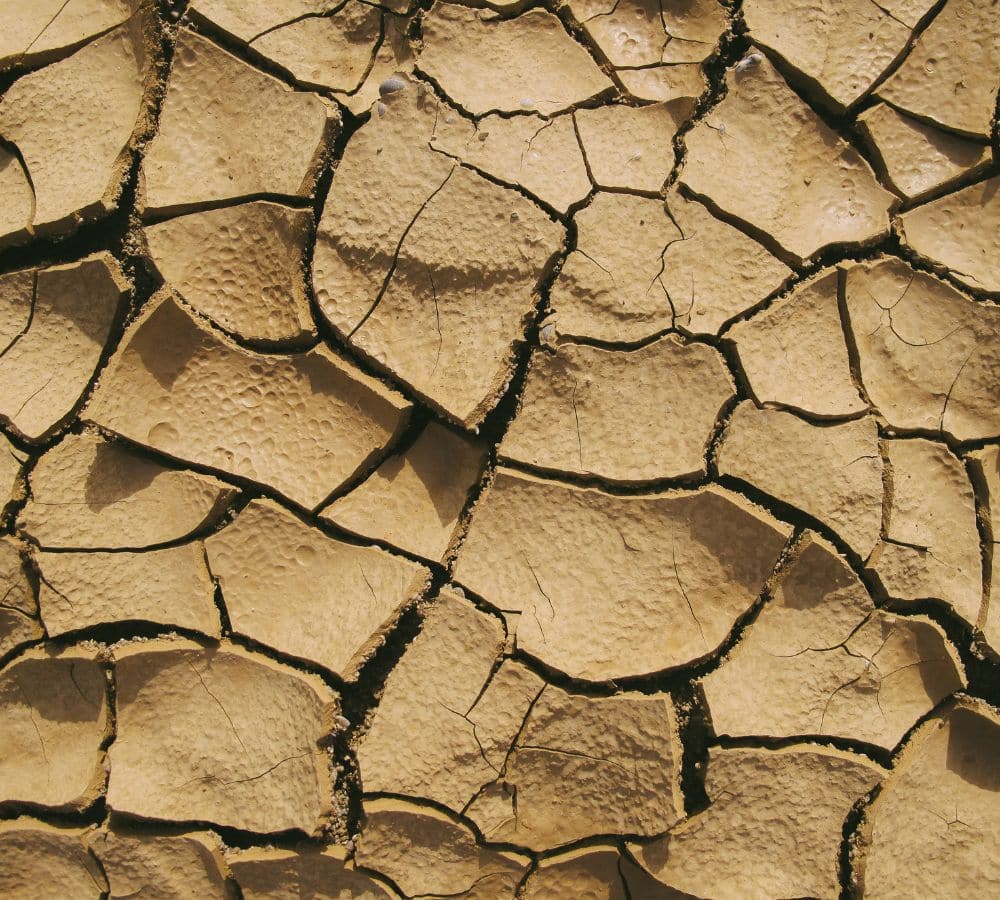
Dry mouth — xerostomia — is a common complaint, with many possible physiological and pathological causes.
Dry mouth associated with reduced salivary gland function can be a major nuisance day to day, and the reduced saliva is also associated with disease of both the hard and soft tissues of the mouth.
There is a measurable threshold behind the word. A review of the field in the International Journal of Oral Science describes people with a dry mouth as producing about 0.15 mL of saliva per minute, against a normal 0.25 to 0.50 mL per minute — and notes that they “often show an increased volume of plaque on teeth and tongue.” The same review reports that “almost 25% of the elderly suffer from a dry mouth.”
That last figure invites an assumption worth heading off. Dry mouth is not a normal part of getting older. The same review is explicit: “studies have demonstrated that salivary gland function is well preserved in the healthy geriatric population. Therefore, dry mouth is probably a condition of systemic or extrinsic origin.” Saliva does change with age — it becomes thicker and more viscous as its composition shifts — but a genuinely dry mouth at any age has a cause worth finding rather than accepting.
That is also the reason it matters clinically rather than just being uncomfortable. My mouth always feels dry! What can I do? is the shorter companion to this page, and what causes dry mouth during running? covers the exercise-related version, which has a different cause and a different fix.
Possible causes
Medications
Hundreds of medications have been shown to cause dry mouth.
The most frequently implicated are antidepressants, anticholinergics and antihistamines. These are believed to work by blocking certain body functions that promote watery secretions from the salivary glands.
That matches the published position. The review above names medication as “one of the most prevalent causes of xerostomia”, listing “anticholinergics, antihistamines and diuretics” as drying the mucosa — diuretics being the one most often overlooked. The Australian Dental Association adds a category people rarely think of at all: medicines “including over-the-counter vitamin and mineral tablets” may themselves contain sugars or contribute to dry mouth, particularly the chewable and dissolvable ones.
This is the largest single cause, and the most commonly missed. If dry mouth appeared around the time a medication started or a dose changed, that connection is worth raising — with your prescriber, not by stopping the medication. Bring the list to your dental appointment too; it changes the recall interval and the preventive plan.
Diseases and infections
Dry mouth can be associated with Sjögren's syndrome, a condition commonly seen in postmenopausal women.
It affects both the salivary glands and the tear-producing glands of the eyes, which is why dry eyes commonly accompany the dry mouth.
In many people Sjögren's is a stand-alone condition; in some it is associated with other autoimmune conditions such as rheumatoid arthritis.
The dry eyes are the useful clue. Dry mouth alone has many causes; dry mouth plus dry eyes narrows it considerably and is worth mentioning to your doctor. Are women especially prone to oral health problems? covers the hormonal picture more broadly.
Diabetes belongs on this list too — dry mouth and unusual thirst together are a reason to see a GP. Diabetes and oral health and diabetes and dental health: the two-way street.
Medical treatments
Dry mouth can follow head and neck radiation therapy, because salivary glands are incidentally damaged in the process of destroying cancer cells.
How compromised the glands are is in direct proportion to the dose and the region irradiated. Symptoms generally last around six months after treatment, but can persist longer.
Chemotherapy also causes dry mouth symptoms, by making salivary secretions thicker — though its effects are generally far shorter-lived than those of radiation.
Patients having head and neck radiotherapy are a genuinely high-risk group for rapid decay, which is why dental review before, during and after treatment is standard practice. Oral cancer: how your dentist can help with early detection and what are the causes, symptoms and treatment of mouth cancer? cover the wider picture.
Dehydration
The main component of saliva is water, so reduced body water reduces saliva production.
Someone adequately hydrated produces salivary secretions more easily throughout the day.
The simplest cause, and the one most easily fixed. Note that sports drinks and sugar-free soft drinks are not a substitute for water here — both are acidic, and an acidic drink in a dry mouth is close to the worst combination available.
Habitual mouth breathing
Breathing through the mouth dries the front teeth and the gums directly, particularly overnight, and it is often mistaken for reduced saliva production. It appears on the published list of causes alongside several this page has already covered: reduced salivary flow “can be caused by diabetes, Sjögren syndrome, stress, depression, medication, mouth breathing and alcohol abuse”, and radiation therapy, dehydration and thyroid or kidney disease are named elsewhere in the same review. Mouth breathing: the silent habit that's changing your face and your health sets out the consequences, and where it is linked to disturbed sleep, snoring and sleep apnoea and orofacial myofunctional therapy are the relevant services. Smoking and vaping do the same thing chemically.
Does it affect your teeth?
Yes — prolonged dry mouth can have real detrimental effects on the oral environment and the teeth.
Saliva is not just moisture. It does four separate jobs:
It neutralises acids that demineralise the tooth surface. Without it, teeth are more prone to decay and wear. How does acidic food affect your teeth? and what is dental erosion and how is it addressed?
It remineralises the tooth surface after demineralisation, because it contains calcium, phosphate and fluoride ions — the backbone of tooth structure. Can you reverse tooth decay? describes what remineralisation can and cannot undo.
It decreases plaque accumulation and clears food from the teeth through natural cleansing. (This is one reason to chew sugarless gum after eating — it stimulates flow. Does chewing sugar-free gum really help prevent cavities?)
It has antibacterial properties, containing enzymes that destroy harmful bacteria in the mouth.
The consequence of losing that last one is not only "more bacteria" but different bacteria. In the review's words, “the lack of salivary flow leads to the disappearance of the antimicrobial activity of the saliva and the transition from Gram-positive bacteria to Gram-negative species” — and Gram-negative anaerobes are the group that produce the sulphur compounds behind bad breath and sit behind gum disease.
Without saliva and its protective properties, higher rates of tooth decay, gum disease and soft tissue disease — oral candidosis and similar — are the likely result. What is gum disease?, periodontal (gum) disease, and the cause of mouth ulcers and their usual treatments — ulcers both form more readily and heal more slowly in a dry mouth.
This is why dry mouth patients sometimes develop several cavities in a year having had none for decades. Nothing about their brushing changed. The mouth's repair and defence system stopped working. The decay that follows is often at the gum line and on root surfaces, which is harder to restore than an ordinary cavity — see why do I need a filling? and how long do dental fillings last?
Dry mouth is also one of the most reliable causes of persistent bad breath, for the same reason: nothing is washing the bacteria away. How do I get rid of my bad breath?, 7 ways to avoid bad breath, and bad breath.
When it is not just dryness
Dry mouth itself is not an emergency. Go to a hospital emergency department, or call 000, if you develop:
- Facial swelling that is spreading, particularly toward the eye or down into the neck or under the jaw
- Difficulty breathing or swallowing, or a change in your voice
- Fever together with dental pain
- Bleeding from the mouth that will not stop
This matters more in dry mouth than in most people, because decay can reach the nerve faster and an abscess can arrive with little warning — why are dental abscesses so painful? and can a dental abscess affect your general health?. For urgent problems short of that list, emergency dentistry explains what can be seen on the day.
Short of that, the fuller list of what a persistently dry mouth can produce is worth knowing, because several items do not obviously connect to saliva: altered or reduced taste, a burning or painful tongue, inflammation of the salivary glands themselves, cracking and fissuring of the lining of the mouth, and bad breath. Any of those alongside dryness is a reason to be examined rather than to keep sipping water.
And the standing rule: any ulcer, white patch, red patch or lump that has not healed in three weeks needs examining, whether or not it hurts.
How dry mouth is managed
Protecting the teeth
Topical fluoride, applied both in the surgery and at home, helps prevent demineralisation and assists remineralisation. The benefits of fluoride and selecting a toothpaste: fluoride or non-fluoride — dry mouth is the clearest case in which a non-fluoride toothpaste is the wrong choice.
Tooth mousse (CPP-ACP) products can be used to similar effect.
Where teeth are at high risk, who is a suitable candidate for dental sealants? is worth raising as well.
Relieving the dryness
Artificial saliva substitutes — such as Biotene or GC dry mouth preparations — relieve dryness, aid disease prevention, and help with speaking and chewing.
The published summary of management is short and matches this: dry mouth “can be treated with hydration and sialagogues or with artificial saliva substitutes” — a sialagogue being anything that stimulates flow, which is what the chewing and the sugar-free gum below are doing. Where a prescribed medicine is used to stimulate saliva, that is a decision for your doctor, not something to seek out from a page like this one.
One more caution that comes from the Australian Dental Association's diet policy: it names anyone whose saliva flow is reduced as being among those for whom acidic food and drink matter most, because saliva is what would otherwise neutralise the acid and repair the surface. The margin for error with an acidic drink is smaller for you than for most people.
Avoid strongly alcoholic mouthwashes, which dry the tissues further — the truth and myths about mouthwashes and should I be using mouthwash as well as brushing and flossing my teeth?.
If you wear a denture, dryness makes it rub and makes it harder to retain: five things you should know about your new dentures, caring for yourself and your immediate dentures, and dentures.
Stimulating your own saliva
- Drink tap water to stay adequately hydrated through the day
- Eat chewy foods — chewing stimulates flow
- Avoid caffeine, which can have a positive effect when reduced
One addition worth making: sugar-free products only. With saliva's protective function reduced, sugary lozenges or drinks used for relief create a considerably higher decay risk than they would otherwise. How does sugar affect your dental health? and six foods to avoid for healthy teeth.
Review regularly
Regular dental check-ups contribute to avoiding future problems. With dry mouth, more frequent review than the usual six months is often appropriate, because decay progresses faster when saliva is not doing its job. How often should I go to the dentist?, dental cleans and hygienists, and your Smile Solutions hygienist visit: what to expect.
Be clear with yourself about what management achieves: the substitutes and the fluoride reduce the damage; they do not restore normal salivary flow. Where the cause is a medication or a treated cancer, the dryness may be permanent, and the plan is lifelong prevention rather than a cure.
Common questions
How do I know if my mouth is genuinely dry, or whether I am just not drinking enough?
The test that separates them is what happens after you drink. Thirst from ordinary dehydration settles within minutes of a glass of water and stays settled. A dry mouth that returns within the hour regardless of how much you drink, or that wakes you at night, is the kind worth investigating.
It is also worth being clear that dry mouth is not itself a diagnosis. The Better Health Channel — a Victorian Department of Health publication produced with, and approved by, the Australian Dental Association's Victorian Branch — puts it plainly: “A dry mouth is a symptom of an underlying problem, rather than a condition in itself.” It reports that “about 10% of the general population and 25% of older people have dry mouth, which means they don't have enough saliva.”
What to bring to the appointment, because it is what will actually shorten the search: a full list of your medicines including over-the-counter ones, whether your eyes are dry too, whether you are also unusually thirsty and passing urine more often, and roughly when the dryness started. Those four answers point at the four main causes set out above.
My tablets are for blood pressure, not depression. Can they still be causing this?
Yes, and the list is much longer than most people expect. The Better Health Channel counts “about 600 drugs and medications, both legal and illegal” as known causes, and names “antihistamines, high blood pressure medications, sedatives, decongestants, analgesics (pain relief), antidepressants” among them. Hay fever tablets and cold-and-flu decongestants bought without a prescription belong on that list too.
What you do about it matters more than which tablet it is. The same source is unambiguous: “Continue to take your medication, even if your medicine is to blame. Your doctor may not be able to change it or change the dose. Do not stop taking your medicine without speaking to your doctor.” Raise it with your prescriber, who can judge whether an alternative exists; in the meantime the dental side of the problem is managed as though the dryness will continue, because usually it does.
Where does dry-mouth decay actually turn up, and why is it harder to deal with?
Not where you are looking. Ordinary decay tends to start on the biting surfaces and between the teeth. Dry-mouth decay concentrates at the gum line and on the root surface, and — counter-intuitively — on the lower front teeth, which the Better Health Channel notes are “normally well protected by saliva produced from beneath the tongue.” When that flow stops, the best-protected teeth lose the most protection.
The root surface is the problem. It is dentine rather than enamel, and dentine, in the same source's words, “is less resistance to acids and can decay quickly.” A root-surface cavity sits at or below the gum margin, which makes it harder to isolate, harder to fill well and more likely to need repeating. See why do I need a filling?
None of that is inevitable. The same page is equally clear that “while people with dry mouth are more prone to decay, it is still preventable with the right diet and lifestyle. Thorough teeth cleaning with a suitable fluoride toothpaste is extremely important.” Ask specifically about a high-fluoride toothpaste rather than assuming your usual one is enough.
Should I be using a mouthwash for it?
The honest answer is that it depends entirely on which mouthwash, and the wrong one makes it worse.
- Alcohol-containing rinses: avoid. The Better Health Channel lists them alongside sour lollies as things to avoid because they “tend to aggravate dry mouth tissue.”
- Essential-oil rinses: Australian Prescriber states they “are not recommended for patients suffering from xerostomia.”
- Enzyme-based dry-mouth rinses: these are the ones formulated for the problem, and the same journal notes they “do not contain alcohol or detergent, but they do have a low pH (5.15) which may pose a risk of dental erosion during long-term use.” That is not a reason to avoid them; it is a reason to have the plan reviewed rather than using one indefinitely without being looked at.
Mouthwash is one product among several, not the answer on its own. The dry-mouth range also includes toothpastes, gels and gums, and the Better Health Channel's advice is to “speak to your dentist for recommendations” rather than choosing from a shelf. The truth and myths about mouthwashes covers the wider question.
It is only dry when I wake up, and my breath is bad in the morning. Is that the same problem?
Probably not, and the distinction is useful. Saliva production falls during sleep in everybody. The International Journal of Oral Science review describes the result directly: “Due to the reduced saliva production during night, anaerobic putrefaction will increase, causing the typical morning breath. This is a non-pathological form of halitosis. The problem will disappear as soon as oral hygiene measures are taken.” Morning dryness and morning breath that clear after brushing are normal physiology, not a condition.
What is not normal is dryness that persists through the day, or breath that returns within an hour of brushing. That is the point at which the causes on this page are worth working through.
One overnight cause is worth singling out, because it is treatable and frequently missed: habitual mouth breathing, which the same review names among the causes of reduced salivary flow. If you wake with a dry mouth, dry lips and a sore throat, read mouth breathing: the silent habit that's changing your face and your health. Where it goes with snoring or witnessed pauses in breathing, snoring and sleep apnoea is the relevant pathway, and that is a medical assessment rather than a dental one.
I suck sugar-free lollies for relief. Is that all right?
Sugar-free is necessary but it is not sufficient, and this is the point most people miss. The Better Health Channel's advice names the lollies themselves, not just their sugar: “Avoid lollies (especially fruit-flavoured and sour lollies) and alcohol-containing mouthwashes, as these products tend to aggravate dry mouth tissue.” Sour and fruit-flavoured sweets are acidic by design, and a dry mouth has lost the saliva that would ordinarily neutralise that acid and repair the surface afterwards.
Sugar-free chewing gum is the better version of the same idea, because the chewing itself stimulates what flow you still have rather than simply coating the teeth. See does chewing sugar-free gum really help prevent cavities?
The wider avoid-list from the same source is short and worth knowing: “cigarettes, e-cigarettes, alcohol, caffeinated drinks and spicy foods”, all of which increase or irritate mouth dryness.
Related reading
- What to do if you suffer from sensitive teeth
- What is the ideal daily routine for oral hygiene?
- Is flossing really that important?
- When do you need deeper cleaning?
- Health problems linked to poor oral hygiene
- Preventing dental decay
- Caring for your teeth: eight steps to dental health
Practical details
Smile Solutions, Level 1, 220 Collins Street, Manchester Unity Building, Melbourne VIC 3000 — getting here. Phone 13 13 96, contact us, or theteam@smilesolutions.com.au. Monday–Friday 8.00am–6.00pm, Saturday 8.30am–1.30pm, Sunday by appointment. Published fees are in the price guide.
Specialist registration can be verified on the AHPRA register, or by calling 1300 419 495. The practice's registered specialists are identified as such within the full team.
The external statements on this page are drawn from Bollen and Beikler's review of halitosis and its causes in the International Journal of Oral Science (2012), which covers xerostomia in detail, from the Better Health Channel's dry mouth page (Victorian Department of Health, reviewed 9 September 2025, produced with and approved by the Australian Dental Association Victorian Branch), from Australian Prescriber on mouthwashes (2009), and from Australian Dental Association Policy Statement 2.2.2 on diet and nutrition.
Published 27 January 2017. Do not stop or change any prescribed medication without speaking to your prescriber. General information only; it does not replace advice from your treating practitioner.
Smile Solutions trades under ABN 28 193 514 103.
Images on This Page
-
https://www.facebook.com/tr?id=800557773428361&ev=PageView&noscript=1
(no alt text)
-
https://www.smilesolutions.com.au/wp-content/uploads/2025/10/calendar_month.svg
(no alt text)
-
https://www.smilesolutions.com.au/wp-content/themes/arcadian-wordpress-theme/assets/images/smile_solutions_logo_white.png
Smile Solutions Logo
-
https://www.smilesolutions.com.au/wp-content/themes/arcadian-wordpress-theme/assets/images/smile_solutions_logo_purple.png
Smile Solutions Logo
-
https://www.smilesolutions.com.au/wp-content/uploads/2023/11/SS-Tooth-1-1-150x150.png
Smile Solutions
-
https://www.smilesolutions.com.au/wp-content/uploads/2016/08/Dry-Mouth.jpg
Dry Mouth
-
https://www.smilesolutions.com.au/wp-content/uploads/2025/09/Root-Canal-2-300x217.jpg
Root Canal
-
https://www.smilesolutions.com.au/wp-content/uploads/2026/08/Mouth-Breathing-300x270.jpg
Mouth Breathing
-
https://www.smilesolutions.com.au/wp-content/uploads/2025/09/Dental-Crown-at-Smile-Solutions-300x300.jpg
Dental Crown at Smile Solutions
-
https://www.smilesolutions.com.au/wp-content/themes/arcadian-wordpress-theme/assets/images/family_owned_bussiness.png
Family Owned Business
-
https://www.smilesolutions.com.au/wp-content/themes/arcadian-wordpress-theme/assets/icons/icon--phone.svg
Smile Solutions Contact
-
https://www.facebook.com/tr? id=800557773428361&ev=PageView&noscript=1
(no alt text)