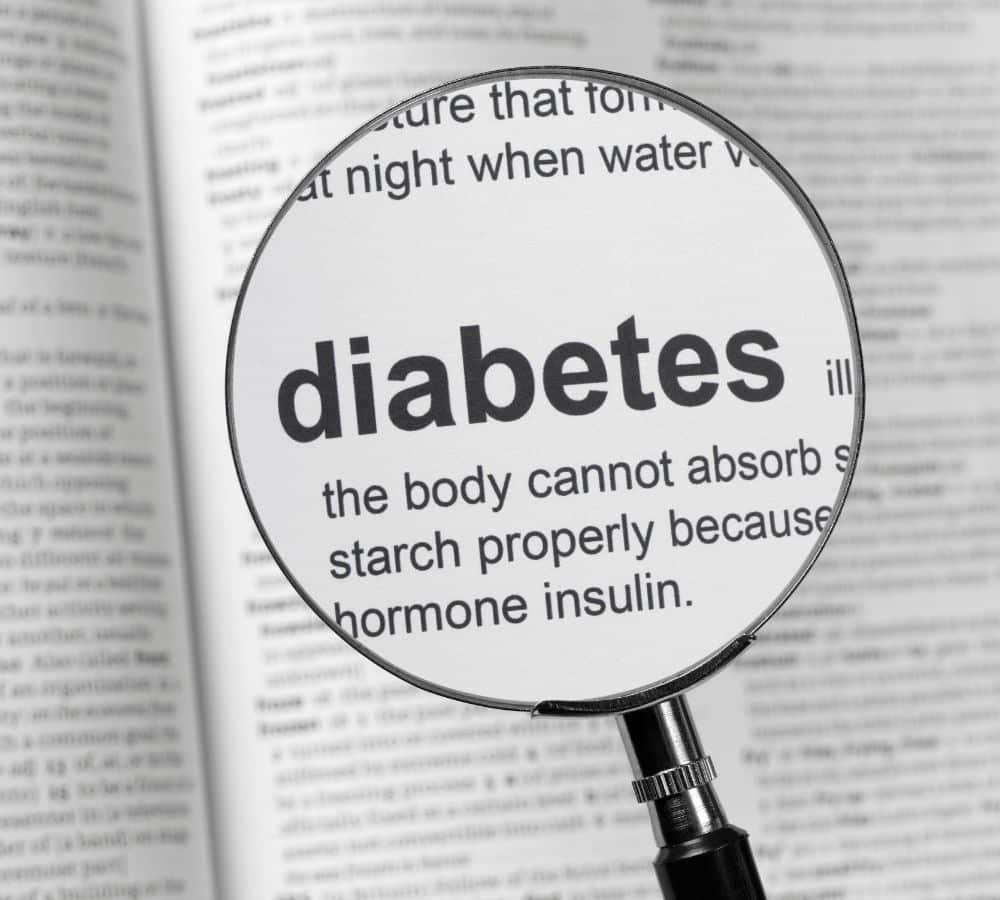
Diabetes and dental health: the two-way street
If you have diabetes, your GP has probably talked to you about your eyes, kidneys, feet and cardiovascular risk. These are the well-known complications of poorly controlled blood sugar, and they get appropriate clinical attention.
There is another organ system profoundly affected by diabetes, which in turn profoundly affects diabetes — and it rarely features in the conversation. That system is your mouth.
The relationship is bidirectional. Diabetes significantly increases your risk of periodontal (gum) disease, and periodontal disease makes diabetes harder to control. Left unaddressed, that cycle accelerates damage to both.
This is worth stating carefully, because many oral-health-and-general-health claims are weaker than they sound. The diabetes–periodontal relationship is the one with the strongest evidence in both directions, including intervention trials, and it is the one that can be stated firmly. Diabetes and oral health is the companion article to this one, and what is gum disease? is the plain-language starting point.
Most diabetic patients have never been told this, and most diabetes management plans contain no dental component.
The scale in Australia
According to Diabetes Australia:
- approximately 1.9 million Australians live with diagnosed diabetes
- an estimated 500,000 more have undiagnosed type 2 diabetes
- adding two million with pre-diabetes, the condition affects roughly one in six Australian adults to some degree
Type 2 accounts for approximately 85–90% of all cases. It is a progressive metabolic disorder of insulin resistance and impaired insulin secretion, producing chronically elevated blood glucose. Over time, hyperglycaemia damages blood vessels, nerves and organs throughout the body.
The mouth is no exception.
How diabetes affects your mouth
1. Impaired immune response
Diabetes compromises neutrophils and other immune cells that form the first line of defence against bacterial infection in the gums. Chemotaxis (migration toward infection), phagocytosis (engulfing bacteria) and intracellular killing are all impaired in poorly controlled diabetes.
The result: the same bacterial challenge a non-diabetic immune system could manage becomes overwhelming. Periodontal infections establish more easily, progress more rapidly, and respond less predictably to treatment. Bleeding gums is usually the first thing anyone notices, and when do you need deeper cleaning? explains what treatment involves once it is established.
2. Altered collagen metabolism
Collagen holds your gum tissue, periodontal ligament and alveolar bone together. Diabetes disrupts its turnover two ways:
- increases collagenase activity, breaking down existing collagen
- impairs synthesis of the new collagen needed for repair
Diabetic patients lose periodontal tissue faster and heal more slowly. The combination of accelerated destruction and impaired repair is what makes the damage disproportionate.
3. Advanced glycation end products (AGEs)
When blood glucose is chronically elevated, glucose bonds irreversibly with proteins — glycation — forming AGEs, which accumulate in tissues including the periodontium.
AGEs interact with RAGE receptors on immune cells, triggering pro-inflammatory cytokines. This creates chronic, exaggerated inflammation disproportionate to the bacterial stimulus.
In effect: diabetic gums over-react to plaque, causing more tissue destruction than the same level of oral hygiene would produce in a non-diabetic person. Which is why the ideal daily routine for oral hygiene and flossing carry more weight here than in most people.
4. Microvascular disease
Diabetes damages small blood vessels. In the periodontium this reduces blood flow, impairs oxygen and nutrient delivery, compromises waste removal, and reduces delivery of immune cells to sites of infection.
The gum tissue becomes ischaemic at exactly the moment it most needs vascular support to fight infection and repair damage.
5. Dry mouth (xerostomia)
Common in diabetic patients — either directly, or as a side effect of medications prescribed for diabetes and its comorbidities (antihypertensives, antidepressants, diuretics). My mouth is always dry — why is this, and does it affect my teeth? and my mouth always feels dry! What can I do? cover the management.
Saliva is not just moisture. It:
- buffers acids and protects enamel
- delivers antimicrobial proteins — lysozyme, lactoferrin, secretory IgA
- remineralises early enamel lesions through calcium and phosphate — see the benefits of fluoride and can you reverse tooth decay?
- physically washes bacteria and debris from tooth surfaces
Reduced saliva means increased decay, oral candidiasis (thrush) and periodontal disease — compounding on top of the immune and vascular changes above. How does tooth decay develop? and the stages of dental decay describe what that looks like in practice.
What the epidemiology shows
- People with diabetes are two to three times more likely to develop periodontal disease
- They experience more rapid progression and more severe bone loss
- Tooth loss is significantly more common — what are the replacement options for missing teeth?
- Diabetes is the strongest systemic risk factor for periodontal disease after smoking
- Periodontal disease has been called the “sixth complication” of diabetes, alongside retinopathy, nephropathy, neuropathy, macrovascular disease and impaired wound healing
How periodontal disease makes diabetes worse
This is the half of the relationship almost nobody hears about.
The inflammatory feedback loop
Chronic periodontal infection generates a sustained systemic inflammatory response. Pro-inflammatory cytokines produced at the infection site enter the bloodstream and measurably affect insulin signalling:
- TNF-alpha directly interferes with insulin receptor substrate phosphorylation, increasing insulin resistance at the cellular level
- IL-6 stimulates hepatic production of CRP and other acute phase proteins, amplifying systemic inflammation
- Chronic inflammation drives cortisol and catecholamine release, raising blood glucose through gluconeogenesis and glycogenolysis
The net effect: a patient with active periodontal disease needs more insulin — or higher doses of oral hypoglycaemics — to achieve the same glycaemic control as a periodontally healthy person.
The mouth is making the diabetes worse.
What the treatment studies show
The strongest evidence comes from intervention studies measuring the effect of periodontal treatment on glycaemic control. Use the current review, not the older ones that are still widely quoted.
- The 2022 Cochrane systematic review — Simpson TC, Clarkson JE, Worthington HV, et al., Treatment of periodontitis for glycaemic control in people with diabetes mellitus, Cochrane Database of Systematic Reviews 2022, CD004714.pub4 — found moderate-certainty evidence, from 30 studies and 2,443 analysed participants, of an absolute HbA1c reduction of 0.43% three to four months after treatment of periodontitis (95% CI −0.59% to −0.28%).
- The same review reports 0.30% at six months (12 studies, 1,457 participants) and 0.50% at twelve months — though the twelve-month figure rests on a single study of 264 participants, so it is the weakest of the three.
- The earlier numbers you will still see quoted are previous versions of this same review, not later research. The 2015 Cochrane version put the three-to-four-month reduction at 0.29% and found no evidence it was maintained at six months. A 2013 meta-analysis in the Journal of Clinical Periodontology reported 0.36% (Engebretson S, Kocher T, 2013;40(Suppl 14):S153–S163). The frequently repeated 0.40% is older still — it is the 2010 Cochrane figure.
- So the direction of travel is the opposite of how it is usually told. The 2022 review raised the estimate, lifted the certainty of the evidence from low to moderate, and reversed the earlier conclusion that the benefit did not last beyond four months.
To put that in perspective: a reduction of this size is comparable to adding a second oral hypoglycaemic medication.
It is a clinically meaningful improvement that reduces the risk of diabetic complications — achieved by treating the gums, not by changing diabetes medication.
Two honest caveats. The individual trials vary in quality, and the pooled estimate has shifted as trials have been added — which is exactly why it matters which version of the review a figure came from. And this is an average across studies, not a promise about any one person. What it does establish is direction and plausibility — which, given that the treatment is a course of periodontal therapy you probably need anyway, is enough to act on.
Breaking the cycle
Optimal management requires coordination between dental and medical professionals. That coordination is currently the exception rather than the rule.
What should happen
- Every diabetic patient should have a comprehensive periodontal assessment at least annually, ideally every six months — how often should I go to the dentist?
- Dentists should record and monitor HbA1c as part of the periodontal treatment plan
- Dental findings, particularly active periodontal disease, should be communicated to the GP or endocrinologist
- Diabetes management plans should include dental care as a core component, not an afterthought
- Periodontal treatment timing should be coordinated with diabetes management, particularly during insulin adjustments or medication changes
What happens at Smile Solutions
Clinicians here:
- screen for diabetes risk factors at initial and periodic assessments
- record relevant medical history — current HbA1c, medications, recent medical reviews
- adjust treatment protocols for diabetic patients, including antibiotic prophylaxis where indicated and modified healing expectations
- communicate with GPs and endocrinologists where periodontal findings bear on diabetes management
- place diabetic patients on more frequent recall — typically every three to four months — to maintain periodontal stability. Dental cleans with our hygienists and your hygienist visit: what to expect
Understanding your treatment explains how a plan is put together, and why would I need to see a dental specialist? covers when a periodontist is involved.
Practical advice if you have diabetes
1. Control your blood sugar. Good glycaemic control is the single most important factor in reducing periodontal risk. Work with your medical team on target HbA1c levels.
2. Tell your dentist about your diabetes. Share your most recent HbA1c, your medication list, and any changes to your medical management. It directly influences treatment planning and safety.
3. Don’t skip dental appointments. Regular professional care is more important for diabetic patients, not less. If three- or four-monthly recall is recommended, there is a clinical reason.
4. Maintain excellent oral hygiene. Brush twice daily with fluoridated toothpaste, clean between the teeth daily with floss or interdental brushes, and consider a high-fluoride toothpaste if you are prone to decay. How often should I brush my teeth? and which toothbrushes do dentists recommend?
5. Watch for warning signs — any of these warrants prompt assessment:
- bleeding gums when brushing or flossing
- red, swollen or tender gums
- persistent bad breath
- gum recession — teeth appearing longer
- loose teeth or changes in your bite
- dry mouth or a burning sensation
And one that is not diabetes-specific but belongs on every list of mouth warning signs: any ulcer, lump, or red or white patch that has not healed in two weeks should be looked at — oral cancer: signs, risk factors and how your dentist can help.
6. Manage dry mouth. Strategies include sipping water frequently, sugar-free gum containing xylitol or CPP-ACP, saliva substitutes, and reviewing medications that may contribute. Keeping sugar and acidic drinks to mealtimes matters more when saliva is reduced, because each exposure lasts longer.
7. Don’t smoke. Smoking compounds every diabetes-related oral health risk. If you smoke and have diabetes, quitting is the single most impactful change you can make for both conditions. The effects of vaping on your oral health and are e-cigarettes bad for my teeth? cover the substitute most people reach for, and what is and is not yet known about it.
8. Take the connection seriously. Treating your periodontal disease may be one of the most effective things you can do for your diabetes.
The bigger picture
This connection illustrates a broader principle: oral health is not separate from general health. It is an integral part of metabolic wellness, immune function and chronic disease management. Dental health and general wellbeing, health problems linked to poor oral hygiene and the importance of dental hygiene — a window onto overall health take that further, with the caution that most of those links are associations of varying strength rather than proven cause and effect. Diabetes is the exception where the evidence runs both ways.
As understanding of these links deepens, the boundary between medicine and dentistry becomes harder to defend. Patients with chronic conditions deserve care that addresses the oral dimension as a clinical necessity, not an optional extra.
Common questions
Does it matter whether I have type 1 or type 2 — and does this apply to children?
It applies to both, and it applies to children, which is the part most families are never told.
The review Periodontitis and diabetes: a two-way relationship, published in Diabetologia, notes that most of the research has concentrated on type 2 — “probably because both diseases have historically tended to develop in patients in their 40s and 50s.” But it is explicit about the conclusion: “type 1 diabetes mellitus also increases the risk of periodontitis, and all patients with diabetes (including children and young adults) should be considered to be at increased risk.”
The paediatric data is more striking than most people expect. One early study found that around 10% of children under 18 with type 1 diabetes had increased attachment loss and bone loss compared with controls, despite comparable plaque scores — that last clause is the point. The same brushing produced worse gums. More recently, a study of 350 children with diabetes aged 6 to 18 against 350 children without found periodontitis affecting more than 20% of periodontal sites in the diabetes group against 8% in the controls.
Diabetes Australia adds a caution worth carrying: “these relationships can differ for people with type 1 diabetes compared to type 2,” and stresses staying on top of both oral health and diabetes management over time.
What to do with it: if a child or young adult in your family has type 1, the dental recall interval is a clinical question rather than a scheduling default, and the gums should be measured rather than glanced at. Say at the appointment that the diabetes exists and ask for periodontal charting. See children's dentistry and how often should I go to the dentist?
What actually happens if I leave the gum disease alone?
More than tooth loss, which is the honest and uncomfortable answer.
The Diabetologia review sets out the associations measured in people who have both diabetes and severe periodontitis, compared with people who have diabetes without it:
- macroalbuminuria and end-stage renal disease occur twofold and threefold more often respectively
- the risk of cardiorenal mortality — ischaemic heart disease and diabetic nephropathy combined — is three times higher
The underlying study is worth describing rather than summarising, because the shape of it matters. In a prospective study of 628 Pima Indians aged 35 or over with type 2 diabetes, followed for a median of 11 years, during which 204 participants died, the age- and sex-adjusted death rates per 1,000 person-years were 3.7 for no or mild periodontitis, 19.6 for moderate periodontitis and 28.4 for severe periodontitis. After adjusting for age, sex, diabetes duration, HbA1c, macroalbuminuria, BMI, cholesterol, hypertension, electrocardiogram abnormalities and smoking, those with severe periodontitis had 3.2 times the risk of cardiorenal mortality (95% CI 1.1 to 9.3).
The same review also reports that the prevalence and severity of non-oral diabetes complications — retinopathy, diabetic neuropathy, proteinuria and cardiovascular complications — correlate with the severity of periodontitis.
Two things to hold onto. That confidence interval is wide, so the size of the effect is uncertain even though its direction is not. And these are associations in a specific, heavily studied population — they establish that severe gum disease travels with worse outcomes, not that treating it prevents them.
But the practical conclusion does not really depend on settling that. Severe periodontitis is worth treating on its own terms, and this is the reason not to defer it because nothing currently hurts.
Could my dentist be the one who notices diabetes I do not know I have?
Plausibly yes, and the research literature makes the case explicitly.
The Diabetologia review argues that “the dental team is well placed to screen patients for diabetes by virtue of the fact that many people visit their dentist regularly (e.g. every 6 months, often more frequently than they visit their medical practitioner), and the intra-oral findings may raise suspicion of undiagnosed diabetes.” It goes further on hygienists specifically, describing them as “very adept and experienced in instituting behavioural changes in their patients” and “an untapped source of support for medical colleagues in this role.”
There is also evidence that gum disease precedes the diagnosis rather than merely accompanying it. In a five-year prospective study of 2,973 people without diabetes, those with the most advanced periodontitis at baseline showed an approximately fivefold greater absolute increase in HbA1c over the five years than those with no periodontitis at baseline (a change of 0.106 ± 0.03% against 0.023 ± 0.02%). The review describes this as the first study to report that periodontitis predicts the progression of HbA1c among people who do not have diabetes.
That is a small absolute movement and it is not a diagnostic test. But set against the page above — around 500,000 Australians with undiagnosed type 2 diabetes — it explains why a dentist may ask about thirst, fatigue, frequent infections or a family history of diabetes, and why gum disease that does not respond to good treatment and good home care is a reason to see a GP rather than to try harder with the floss.
If you are asked, the right response is to have the blood test rather than to be offended. It is one of the few places where a dental appointment can change something well outside the mouth.
What does the dental side of this cost, and does anything cover it?
More than most people budget for, and largely out of pocket — which is the practical reason this gets deferred.
Diabetes Victoria sets out the national picture: in 2021–22 Australians spent $11.1 billion on dental services, and 60% of that came directly from individuals rather than from government or insurance, at an average of about $432 per person. It then notes that for people living with diabetes the costs can be considerably higher, because the condition leads to more serious problems such as gum disease requiring extra care — several dental visits each year, special cleaning treatments, and an increased possibility of surgery — which it estimates can cost “anywhere from $1,000 or even up to $2,000 per year, especially if you don't have private health insurance.”
There is a structural reason nobody is planning for that. Diabetes Victoria points out that dental visits are not formally included in the Annual Cycle of Care for diabetes in Australia — the cycle covers blood pressure, HbA1c, cholesterol, kidney function, podiatry and eye examinations, but oral health is missing from the checklist. It has added periodic dental checks to its own downloadable checklist, and notes that advocacy groups and health professionals have long called for dental care to be included in chronic disease management plans. Its suggestion to people who find this unreasonable is to contact their local MP.
What that means when you are the one paying:
- Ask for the plan in stages and in writing, with item numbers, so you can sequence it and take it to your fund.
- Check your extras cover annual limits before the treatment year starts, not after; periodontal treatment is usually spread over several appointments and the limit is what determines how many fall inside one benefit year.
- Ask what happens if you do the maintenance and defer the rest, and what the review interval would be.
- Check public dental eligibility through your state service if you hold a concession card.
Diabetes Victoria's own conclusion is the one worth quoting: “dental health is not a luxury, it's a vital part of managing diabetes.” Published fee ranges are in the price guide, and understanding your treatment covers how a staged plan is quoted.
Related reading
- Are women especially prone to oral health problems?
- Seven ways stress can affect your mouth
- I am in my late 60s — how can I keep my teeth in top condition?
- Wisdom teeth
- Dental implants
- How do I prevent dental decay?
- Specialist care
Practical details
We have registered specialist periodontists on site, working alongside general dentists and hygienists, so periodontal care can be integrated with your medical management. The clinical team is listed by name, and specialist registration can be verified on the AHPRA register. Fee ranges are set out in the price guide.
Smile Solutions, Level 1, 220 Collins Street, Manchester Unity Building, Melbourne VIC 3000 — getting here. Phone 13 13 96, contact us, or theteam@smilesolutions.com.au. Monday–Friday 8.00am–6.00pm, Saturday 8.30am–1.30pm, Sunday by appointment.
Published 29 July 2026. Research findings are attributed to the sources named; HbA1c figures are quoted from the Cochrane reviews and the meta-analysis cited, with the year of each. Prevalence figures are from Diabetes Australia. Risk, mortality and paediatric figures in the questions above are from the review Periodontitis and diabetes: a two-way relationship published in Diabetologia and the studies it cites, and describe those study populations rather than any individual's risk; cost figures are as published by Diabetes Victoria. General information only; it does not replace advice from your treating practitioner, GP or endocrinologist — do not change any diabetes medication on the basis of this article.
Smile Solutions trades under ABN 28 193 514 103.
Images on This Page
-
https://www.facebook.com/tr?id=800557773428361&ev=PageView&noscript=1
(no alt text)
-
https://www.smilesolutions.com.au/wp-content/uploads/2025/10/calendar_month.svg
(no alt text)
-
https://www.smilesolutions.com.au/wp-content/themes/arcadian-wordpress-theme/assets/images/smile_solutions_logo_white.png
Smile Solutions Logo
-
https://www.smilesolutions.com.au/wp-content/themes/arcadian-wordpress-theme/assets/images/smile_solutions_logo_purple.png
Smile Solutions Logo
-
https://www.smilesolutions.com.au/wp-content/uploads/2023/11/SS-Tooth-1-1-150x150.png
Smile Solutions
-
https://www.smilesolutions.com.au/wp-content/uploads/2026/07/Diabetes-and-Dental-Health.jpg
Diabetes and Dental Health
-
https://www.smilesolutions.com.au/wp-content/uploads/2025/09/Root-Canal-2-300x217.jpg
Root Canal
-
https://www.smilesolutions.com.au/wp-content/uploads/2026/08/Mouth-Breathing-300x270.jpg
Mouth Breathing
-
https://www.smilesolutions.com.au/wp-content/uploads/2025/09/Dental-Crown-at-Smile-Solutions-300x300.jpg
Dental Crown at Smile Solutions
-
https://www.smilesolutions.com.au/wp-content/themes/arcadian-wordpress-theme/assets/images/family_owned_bussiness.png
Family Owned Business
-
https://www.smilesolutions.com.au/wp-content/themes/arcadian-wordpress-theme/assets/icons/icon--phone.svg
Smile Solutions Contact
-
https://www.facebook.com/tr? id=800557773428361&ev=PageView&noscript=1
(no alt text)
-
https://bat.bing.com/action/0?ti=25148060&tm=gtm002&Ver=2&mid=8633e70f-35ba-4075-a6b9-63ef87356a32&bo=1&sid=ee974470ab2411f1bcfd4f6eb957dd94&vid=ee975a80ab2411f1a2c7974939178bd9&vids=1&msclkid=N&pi=918639831&lg=en-US&sw=800&sh=600&sc=24&nwd=1&tl=Diabetes%20and%20Dental%20Health%3A%20The%20Two-Way%20Street%20That%20Most%20People%20Don%E2%80%99t%20Know%20About%20-%20Smile%20Solutions&p=https%3A%2F%2Fwww.smilesolutions.com.au%2Fdental-articles%2Farticle%2Fdiabetes-and-dental-health-the-two-way-street-that-most-people-dont-know-about%2F&r=&evt=pageLoad&sv=2&cdb=AQAQ&rn=827407
(no alt text)