What teeth are made of, and why acid matters
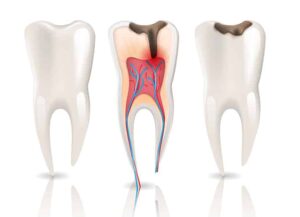
Teeth are made of a mineral crystal called hydroxyapatite. In people who grew up with fluoridated water and toothpaste, the tooth surface is fluorapatite — a more acid-resistant form. The benefits of fluoride explains that swap in detail, and fluoridated water — is it good for you? and fluoridated water: why I worry put both sides of the water supply debate.
Both can be dissolved by acid. If enamel is the hardest substance in the body, why do teeth break? is the companion to that sentence.
The five acids that reach your teeth
Lactic acid — produced by bacteria in the mouth when we eat carbohydrates and sugar. This is what typically causes decay, or cavities. See how does tooth decay develop?, the stages of dental decay and sugar: what does it do to your teeth? — where the load-bearing point is that how often sugar reaches the teeth matters more than how much.
Acetic acid — found in wine (and vinegar). What impact does wine have on my teeth?
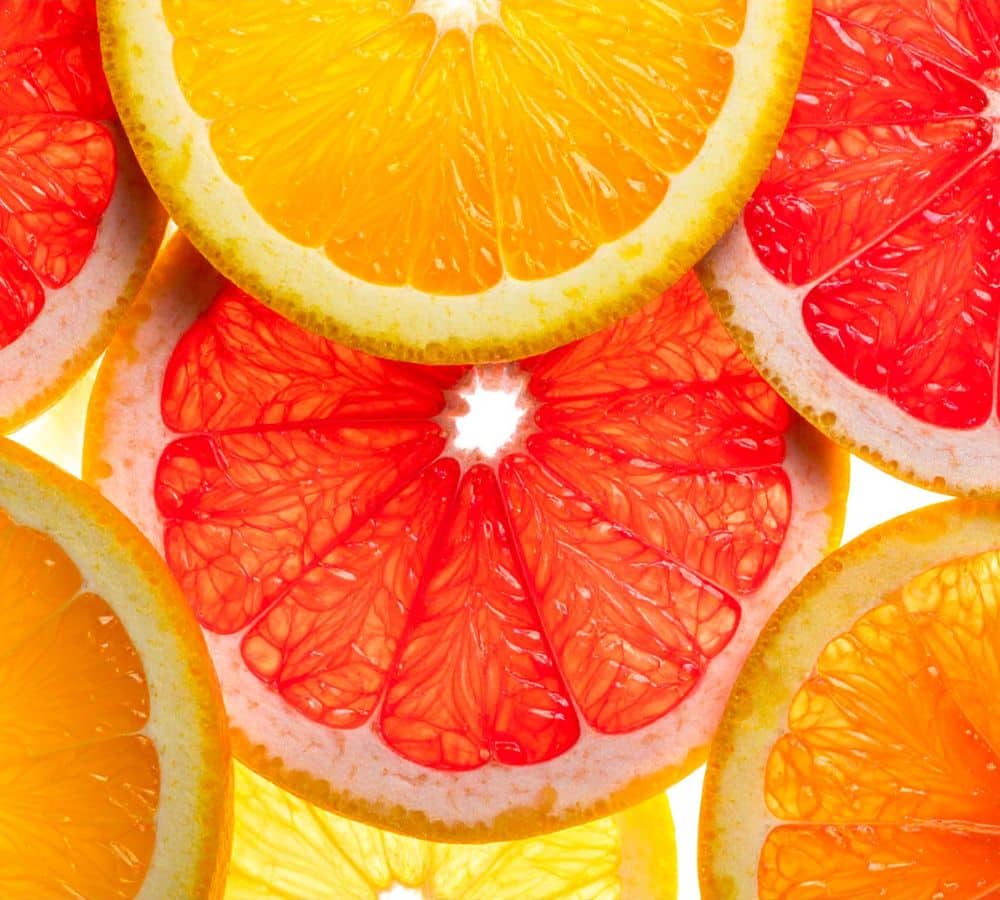
Citric acid — one of the most potent acids in our diet. Found naturally in citrus fruits and beverages, and widely used as a food additive. It is the reason sugar-free soft drinks, flavoured sparkling waters and sports drinks are erosive regardless of their sugar content.
Ascorbic acid — vitamin C. Problematic specifically in chewable vitamin tablets; choose the kind swallowed whole where possible.
Stomach acid — from vomiting or gastro-oesophageal reflux.
That vitamin C point is worth pausing on. A daily chewable supplement taken for health reasons is a daily acid application, held against the teeth. The same logic catches out slow-sipped lemon water, fruit and herbal infusions and any acidic drink treated as a hydration habit rather than a drink.
Why erosion is different from decay
Once the crystals have been dissolved by strong acids, they cannot be added back onto the tooth.
This is dental erosion — rapid and widespread dissolution of the tooth mineral, as opposed to decay, which is localised. What is dental erosion and how is it addressed? and what is acid wear and how can I avoid it? go through the management. Decay, by contrast, has one narrow window in which it can still be turned around — can you reverse tooth decay?.
The four signs
Thinning and shortening of the teeth, with chipping of the edges of the front teeth, and yellowing as the inner dentine becomes exposed. What should I do if I have a chipped tooth? and chipped and cracked teeth cover the repair side.
A collapse in the height of the teeth, producing an overclosed appearance over time — and the appearance of being older. This is the consequence people notice last and mind most: the whole lower face shortens. Teeth and aging: how can I keep my smile looking younger? deals with that directly.
Increased sensitivity, again from exposed dentine — what to do if you suffer from sensitive teeth.
Loss of white fillings — “debonding” — or fillings becoming more prominent as the tooth around them dissolves. A filling that suddenly seems to stand proud of the tooth is a sign the tooth has receded around it. How long do dental fillings last? and porcelain, amalgam or composite resin? explain why the filling outlasts the tooth around it.
Why prevention matters so much here
Restoring a mouth severely affected by erosion is no easy task.
It often requires full mouth rehabilitation by an experienced dentist or specialist prosthodontist — costly in time, money and mental energy. What is restorative dentistry? and what does restorative dentistry involve? describe the scope of that work, which typically means crowns on many teeth at once; complex dentistry is where cases of that size are handled, and the price guide gives an honest sense of the order of magnitude.
The realistic goal is to prevent that scenario altogether.
Who is most at risk
Acid exposure does not do the same damage to everyone. The Australian Dental Association's policy statement 2.2.2 on diet and nutrition takes the position that acidic foods and drinks should be avoided especially by people at high risk of decay or erosion, and it names who those people are:
- people with poor oral hygiene
- people with low or no fluoride exposure
- people with conditions that reduce salivary flow, and people taking medications that reduce it
- exertion resulting in a dry mouth
- sipping drinks other than water during interrupted sleep
- chewing and sucking acidic vitamin tablets
Three of those deserve spelling out. The exertion one is the athlete's problem, and it is why a sports drink is a double hit rather than a single one — the mouth is already dry when the acid arrives. Sports drinks: are they really that bad for your teeth? and how exercise can increase your risk of tooth decay go into that.
The night-time one is invisible, which is what makes it worth naming: anything other than water sipped during broken sleep sits on the teeth at the hour when there is least saliva to dilute or buffer it. And the chewable vitamin appears on the ADA's list in its own right, not as a footnote — which is the independent backing for the point made further up this page.
The same statement singles out age groups where the advice matters most. For the elderly, it recommends reducing dietary sugar and acid because of the increased risk of decay from reduced saliva flow and more exposed root surfaces — and exposed root surface is not enamel, so the same glass of the same drink does more damage in an older mouth than it did in the same person's mouth at thirty. In my late 60s — can I keep my teeth in top condition now I am older? and what is gum disease? cover how root surface becomes exposed in the first place. For children and young adults, it recommends discouraging frequent consumption of drinks and foods high in sugar and/or acid. For parents and carers of infants and babies, it advises against sleeping with sweetened dummies, food or bottles containing sugar — including milk and fruit juices.
That last point has specific backing in the Australian Dietary Guidelines, which are blunt about juice: fruit juices are acidic, and frequent consumption may contribute to an increased risk of dental erosion, so fruit juice and dried fruit should be consumed only occasionally and in small amounts, and fruit juice should not be given to infants less than 12 months of age. Dried fruit is flagged separately because it sticks to the teeth. None of that makes juice a bad food; it means enamel responds to how acidic a drink is and how often it arrives, not to how wholesome it is. Protecting your child from dental disease covers the rest.
The ADA also argues, in the same statement, that health warnings should be mandatory on labels and advertising for consumables that significantly contribute to dental disease and tooth erosion — which is worth knowing before you read the section below on reading labels. That job currently falls to you.
Six changes that mitigate acid
1. Cut down on acidic foods and drinks — citrus, fizzy drinks, wine, vinegar. Six foods to avoid for healthy teeth and how does your diet affect your teeth? list the rest.
Note the trap: “sugar-free” fizzy drinks are often more acidic than their sugary counterparts, because the acid supplies flavour the sugar would otherwise provide. Switching to diet does not solve erosion; it can make it worse. Damage to tooth enamel occurs within 30 seconds of consuming soft drinks and Victorians’ love of soft drink cover how quickly and how widely this happens; is soda water bad for your teeth? answers the sparkling-water version of the question.
2. Use a straw for acidic drinks, so they do not wash over the teeth.
3. Drink acidic drinks with food rather than sipping them between meals and across the day — so you get the protective saliva stimulated by chewing. If your mouth is dry to begin with, that defence is already reduced: my mouth is always dry — why is this, and does it affect my teeth? and my mouth always feels dry! What can I do?.
4. Pair wine with cheese, or switch to beer in moderation, which is not associated with dental erosion. The cheese half of that is more than a habit of the table: the ADA's diet and nutrition statement recommends calcium-rich foods and drinks such as milk, cheese and some fish as the preferred source of dietary calcium.
5. Hydrate with plenty of tap water — aim for around two litres a day.
6. After acid exposure, rinse with tap water or drink a glass of water, letting it wash over the teeth. Sugar-free gum is the other way to get saliva moving.
One thing to add: do not brush immediately after acid exposure. Enamel softened by acid is worn away by brushing — wait 30 minutes. What is the ideal daily routine for oral hygiene?, is flossing really that important? and over brushing: what can it do to my teeth? cover the rest of the technique, and selecting a toothpaste — fluoride or non-fluoride? matters here because abrasive whitening pastes are a poor match for thinned enamel.
The underlying habit
Awareness of what you are consuming is the key.
Get into the habit of reading labels. If there are ingredients you do not recognise, a quick search will tell you — and citric acid in particular appears in a great many products that do not taste sour.
Erosion picked up early at a routine examination is a conversation about habits. Picked up late, it is a rebuild. How often should I go to the dentist?, when do you need deeper cleaning? and dental cleans with our hygienists.
Common questions
Is switching to sugar-free actually safer for my teeth?
For decay, yes. For erosion, not necessarily — and the Australian Dental Association's own wording carries the qualifier that decides it.
Its diet and nutrition policy states that "sugar-free confectioneries without added acids, including chewing gums, are dentally safe alternatives to caries-producing confectionery containing sugar". The phrase doing the work there is without added acids. A sugar-free lolly or gum with no acid in it is a genuine substitution. A sugar-free drink whose flavour depends on citric or phosphoric acid is not — you have removed the food supply for the bacteria and kept the acid that dissolves the tooth directly.
That is why the section above describes diet fizzy drinks as a trap rather than a solution.
There is a second reason not to treat "sugar-free" as a general health claim. The World Health Organization advises against using non-sugar sweeteners for weight control or for reducing the risk of noncommunicable diseases — a position it notes may affect policies encouraging manufacturers to reformulate products. Whatever a sweetener does or does not do for the rest of you, your enamel is responding to the acid, not the sweetener.
I already have some erosion. Does changing anything now actually help?
Yes — not by recovering what has gone, but by changing what happens next.
The mineral already dissolved does not come back; that is the sentence at the top of this page and it does not have an exception. What is still open is the rate, and the rate is set by exposure. Look again at the ADA's risk list above and notice how many items on it are things you control rather than things you have: fluoride exposure, oral hygiene, drinks sipped during broken sleep, chewable acidic vitamins, and whether acidic drinks arrive with meals or on their own through the day. Two of the others — medication-related dry mouth, and dry mouth from exertion — can usually be managed once someone knows they are there.
The practical thing to ask for at your next appointment is a baseline you can be measured against: photographs, or study models, or both, dated. Erosion is slow enough that nobody can tell from a single look whether it is still progressing, and precise enough that a comparison two years apart answers it. Without a record, the next examination is another opinion; with one, it is a measurement.
If reflux or vomiting is part of the picture, that is the item to deal with first and it is a medical matter — nothing done to the teeth stops the acid arriving.
If a filling or a crown covers the worn area, does that stop it?
No, and the reason is visible on this page already. One of the four signs of erosion listed above is fillings becoming more prominent as the tooth around them dissolves: the restoration is not affected by the acid, so it stays where it is while the tooth retreats around it.
That tells you what a restoration does and does not do. It replaces lost structure and it protects the surface it covers. It does not change the chemistry of the mouth, and it does not protect the surfaces it does not cover. Restoring an eroding mouth without changing what is causing the erosion produces a set of restorations standing proud of teeth that are still dissolving — which is the expensive version of the same problem.
This is the whole argument for putting the habit change first and the dentistry second, and for the ADA's position that acidic foods and drinks should be avoided especially by people already at high risk. Treatment buys back appearance and function. Only the cause being removed buys back time.
Should I be buying a special toothpaste for this?
A standard fluoride toothpaste is the part with evidence behind it. The World Health Organization identifies brushing with fluoride toothpaste containing 1000–1500 ppm as one of the measures whose absence, alongside high free-sugar intake, leads to decay — and that concentration is what ordinary adult toothpaste contains. Check the number on the box rather than the claims on the front.
For erosion specifically, the independent evidence in this area is thinner than the marketing suggests, and nothing located here ranks "enamel repair", "enamel protect" or remineralising formulations against each other or against plain fluoride toothpaste. That does not mean they do nothing; it means nobody can tell you which one to buy, and a page that named one would be guessing.
What is worth avoiding is clearer than what is worth buying: abrasive whitening pastes on thinned enamel, as noted above, work against you. And if sensitivity is the symptom driving the purchase, that is worth mentioning at an appointment rather than managing indefinitely from the supermarket aisle — sensitivity from exposed dentine and sensitivity from a cracked tooth feel similar and are managed very differently.
Related reading
- How do I prevent dental decay?
- What can I do to strengthen my teeth?
- How does sugar affect your dental health?
- Sports drinks linked to poor dental health in athletes
- How exercise can increase your risk of tooth decay
- Protecting your child from dental disease
- Caring for your teeth: 8 steps to dental health
- Understanding your treatment
Practical details
Smile Solutions, Level 1, 220 Collins Street, Manchester Unity Building, Melbourne VIC 3000 — getting here. Phone 13 13 96, contact us, or theteam@smilesolutions.com.au. Monday–Friday 8.00am–6.00pm, Saturday 8.30am–1.30pm, Sunday by appointment. The clinical team is listed by name.
If reflux is contributing, that is a medical problem — raise it with your GP, because dental measures alone will not stop it.
The risk groups and age-group advice above are drawn from Australian Dental Association policy statement 2.2.2 on diet and nutrition, and the fruit juice advice from the Australian Dietary Guidelines (eatforhealth.gov.au). The toothpaste concentration and the position on non-sugar sweeteners are from the World Health Organization. All are revised periodically; check the current versions.
Published 28 April 2022. General information only; it does not replace advice from your treating practitioner or doctor.
Smile Solutions trades under ABN 28 193 514 103.
Images on This Page
-
https://www.facebook.com/tr?id=800557773428361&ev=PageView&noscript=1
(no alt text)
-
https://www.smilesolutions.com.au/wp-content/uploads/2025/10/calendar_month.svg
(no alt text)
-
https://www.smilesolutions.com.au/wp-content/themes/arcadian-wordpress-theme/assets/images/smile_solutions_logo_white.png
Smile Solutions Logo
-
https://www.smilesolutions.com.au/wp-content/themes/arcadian-wordpress-theme/assets/images/smile_solutions_logo_purple.png
Smile Solutions Logo
-
https://www.smilesolutions.com.au/wp-content/uploads/2023/11/SS-Tooth-1-1-150x150.png
Smile Solutions
-
https://www.smilesolutions.com.au/wp-content/uploads/2022/04/Acidic-Foods-and-Oral-Health.jpg
Acidic Foods and Oral Health
-
https://www.smilesolutions.com.au/wp-content/uploads/2025/09/Root-Canal-2-300x217.jpg
Root Canal
-
https://www.smilesolutions.com.au/wp-content/uploads/2026/08/Mouth-Breathing-300x270.jpg
Mouth Breathing
-
https://www.smilesolutions.com.au/wp-content/uploads/2025/09/Dental-Crown-at-Smile-Solutions-300x300.jpg
Dental Crown at Smile Solutions
-
https://www.smilesolutions.com.au/wp-content/themes/arcadian-wordpress-theme/assets/images/family_owned_bussiness.png
Family Owned Business
-
https://www.smilesolutions.com.au/wp-content/themes/arcadian-wordpress-theme/assets/icons/icon--phone.svg
Smile Solutions Contact
-
https://www.facebook.com/tr? id=800557773428361&ev=PageView&noscript=1
(no alt text)
-
https://bat.bing.com/action/0?ti=25148060&tm=gtm002&Ver=2&mid=dbaafc13-a64a-45e2-9e83-e02e1b12cbd3&bo=1&sid=2f7c0b00ab2711f18ff74164f45d1bb0&vid=2f7c7a90ab2711f1abe4f9d0303114e5&vids=1&msclkid=N&pi=918639831&lg=en-US&sw=800&sh=600&sc=24&nwd=1&tl=How%20does%20acidic%20food%20affect%20your%20teeth%3F%20-%20Smile%20Solutions&p=https%3A%2F%2Fwww.smilesolutions.com.au%2Fdental-articles%2Farticle%2Fhow-does-acidic-food-affect-your-teeth%2F&r=<=2185&evt=pageLoad&sv=2&cdb=AQAQ&rn=976367
(no alt text)