What wine does to tooth enamel, and how fast
Enamel erosion begins in minutes, not years
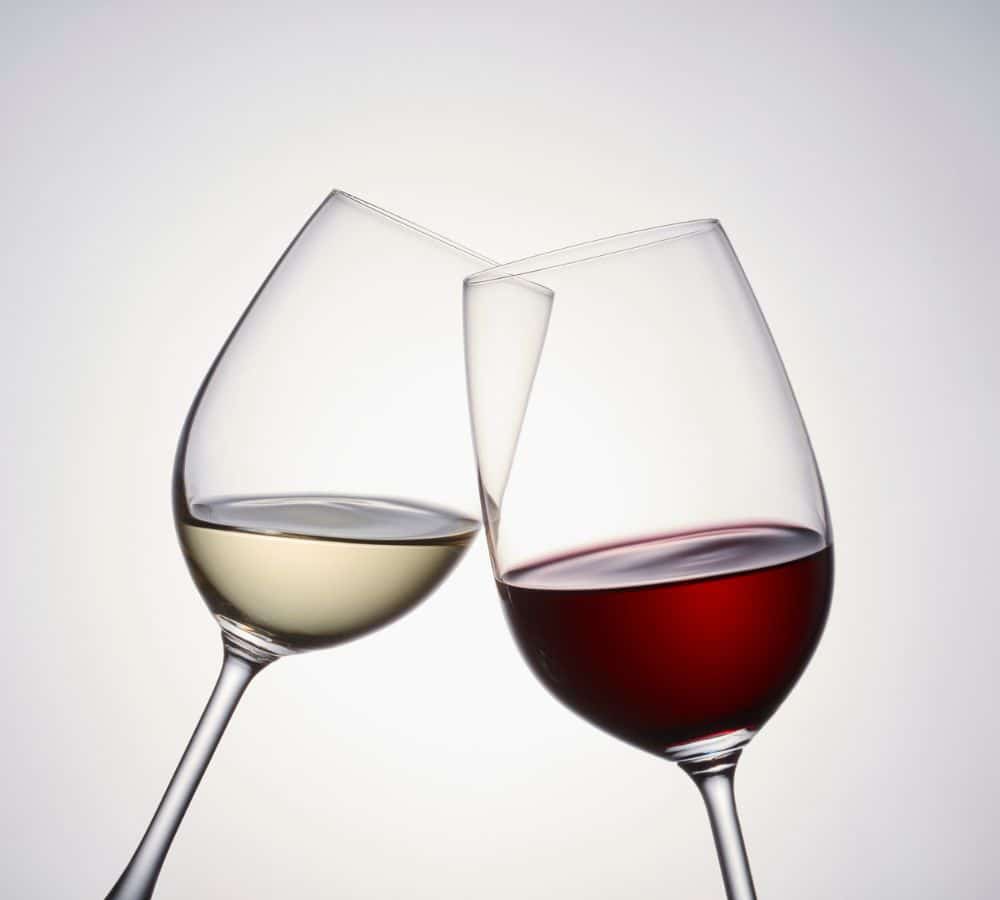
Most people assume that if wine damages teeth it does so slowly, over years of drinking. Research published in the Australian Dental Journal found otherwise.
University of Adelaide researchers simulated the wine acid exposure a professional taster normally experiences and found that just ten one-minute episodes of wine tasting are enough to cause erosion of tooth enamel — acid wear. What is acid wear and how can I avoid it? and what is dental erosion and how is it addressed? describe the condition in full.
“The affected teeth become vulnerable to mechanical wear just within a few minutes of acid exposure,” according to Dr Sarbin Ranjitkar of the university’s School of Dentistry.
That sentence contains the important idea, and it is not the one most people take away. The finding is not that wine dissolves enamel outright in ten minutes. It is that acid softens the enamel surface, and softened enamel is then vulnerable to being physically worn away by anything abrasive that touches it. The same group’s work on soft drinks found the same early softening — damage to tooth enamel occurs within 30 seconds of consuming soft drinks.
It is worth being clear about the limits of the study. This was a laboratory simulation of a professional tasting regime, not a study of ordinary drinkers followed over years. It demonstrates the mechanism and the speed of the softening; it does not tell you how much enamel any particular person will lose from a nightly glass. What it does justify is the practical advice below, all of which is free.
Why wine does this
Wine is acidic in nature and contains organic acids, including:
- Tartaric acid
- Maleic acid
- Lactic acid
- Citric acid
Enamel demineralises below a critical pH. Wine sits well under it, so every mouthful lowers the pH at the tooth surface and begins softening the outer layer. Saliva progressively neutralises this and remineralises the surface — but that takes time, roughly 30 to 60 minutes, and each new sip resets the clock. The benefits of fluoride explains how fluoride shifts that critical pH in your favour; it does not remove the acid.
This is why sipping is worse than drinking. A glass consumed over two hours delivers far more total acid contact time than the same glass finished in twenty minutes, even though the volume is identical. This is the same principle that governs sugar and decay — frequency and contact time beat quantity — and the same one behind sugar-free soft drinks, soda water and sports drinks. How does acidic food affect your teeth? lists the rest of the acid sources, and six foods to avoid for healthy teeth the foods.
The frequency principle is not just our framing
The Australian Dental Association’s policy on diet and nutrition puts it in the same terms: the form, frequency, timing and total amount of intake are all significant in starting the decay process — frequency and timing standing alongside quantity rather than beneath it.
The same policy is explicit on two further points that apply directly to a glass of wine. Acid from acidic or sugar-sweetened food and drink can soften and dissolve tooth structure in its own right, independently of bacteria. And sugar and food acid together can be particularly destructive — which is what a sweet wine, or a wine-based drink mixed with something sugary, actually is.
It is a measure of how seriously the profession takes this that the ADA’s stated position includes mandatory health warnings on the labels and advertising of consumables that significantly contribute to dental disease and tooth erosion.
Who the ADA says should be most careful
The policy names the groups for whom acidic food and drink matter most, and two of them are common enough to be worth checking yourself against:
- Anyone with a condition that reduces salivary flow
- Anyone taking medication that reduces salivary flow — a very long list, including some antidepressants, antihistamines and blood pressure medicines
- Older people, where reduced saliva flow meets more exposed root surface. Root surface is not covered by enamel, so it softens at a higher pH and erodes faster than the crown of the tooth does
If any of those describes you, the alternate-sips-of-water habit below is not a nicety. It is doing the job your saliva is no longer doing.
If your mouth is dry — from medication, mouth breathing or simply from the alcohol itself — that 30-to-60-minute recovery takes longer still. My mouth is always dry — why is this, and does it affect my teeth? and my mouth always feels dry! What can I do?
Who this applies to
Professional wine tasters are obviously at higher risk given the nature of the job — they are the population the study modelled.
But habitual drinkers should also consider what a nightly glass is doing. Ten one-minute exposures is not a large amount of contact time. A glass sipped through an evening comfortably exceeds it.
If you also grind your teeth, the two problems compound: grinding on acid-softened enamel removes far more than either would alone. See what is bruxism and how is it managed?, night-time tooth grinding and clenching and teeth grinding and TMD. Alcohol in the evening also tends to worsen grinding, which is an unhelpful combination.
The other risk in the glass
Enamel is not the only thing at stake, and this is the part a dental article about wine usually leaves out.
Alcohol consumption is an established risk factor for oral cancer. The Royal Australian College of General Practitioners, summarising the evidence for GPs, lists it alongside age over 45 — especially in men — tobacco use, areca (betel) nut chewing and limited access to dental care. Naming a risk factor is not a moral judgement about drinking; it identifies who benefits most from being looked at regularly.
The RACGP supports risk-associated screening, case by case, for people aged 45 or over and for current or past users of alcohol, tobacco or betel nut. An oral cancer screen is not an elaborate procedure — a comprehensive examination of the oral cavity using gloves, a mouth mirror, a tongue depressor and a torch. In practice it is a minute or two inside an examination you are already having.
One rule is worth carrying away, and it is specific. The initial lesions of oral cancer are generally painless, so waiting for something to hurt is the wrong test. The RACGP’s threshold is that any unexplained or non-healing change in the mouth lasting more than two to three weeks — a persistent ulcer, red patches, lumps, a sore throat, or red or speckled areas — should prompt a screen. Diagnostic delay is a major contributor to poorer outcomes, which is precisely why the threshold is a fixed number of weeks rather than a wait-and-see.
See oral cancer: how your dentist can help with early detection, oral cancer signs and risk factors, and how your dentist can help and what are the causes, symptoms and treatment of mouth cancer?
What to do about it
Take alternate sips of water. Water dilutes the acid, helps clear it from the tooth surfaces, and encourages saliva flow. It is the single most effective thing on this list and costs nothing.
Do not brush your teeth within an hour of drinking. This is the counterintuitive one, and it is the one that does real damage when ignored. After acid exposure the enamel is softened, so brushing at that point scrubs away the softened surface layer rather than cleaning it. Waiting an hour lets saliva remineralise the enamel first, so you are brushing a hardened surface. What is the ideal daily routine for oral hygiene? sets out the whole sequence, and is flossing really that important? the part most people skip.
Always brush with a soft-bristled toothbrush. For the same reason — mechanical wear on acid-exposed enamel is the mechanism of damage, and a hard brush accelerates it. Which toothbrushes do dentists recommend? and over brushing: what can it do to my teeth? go further. Abrasive whitening pastes are a poor match for thinned enamel — see selecting a toothpaste: fluoride or non-fluoride?
Worth adding
- Rinse with plain water immediately after drinking, if you want to do something straight away instead of brushing
- Eat something with the wine. Cheese, in particular, is mildly alkaline and stimulates saliva. Sugar-free gum does the same job
- Avoid holding or swishing wine in the mouth, which is exactly what the study modelled
Staining is a separate problem
Erosion and staining are not the same thing. Erosion is loss of enamel structure. Staining is discolouration of the surface — red wine is a well-known culprit because of its pigments and its tannins, which help those pigments bind.
If you have already experienced staining, professional whitening — such as a course of Zoom whitening — can address the colour. What should I know about teeth whitening?, why should I go to a dentist for whitening?, in-chair versus take-home whitening and how long do teeth whitening effects last? set out the options, and teeth whitening covers what is offered here.
There is a regulatory reason that list is all about seeing a dentist. Under Schedule 10 of the Poisons Standard, whitening products containing more than 6 per cent hydrogen peroxide, or more than 18 per cent carbamide peroxide, may only be sold, supplied and used by registered dental practitioners. Anything you can buy over the counter sits below those thresholds by law — which is the actual difference between a supermarket kit and a chairside treatment, and it is also why the stronger product comes with an examination attached.
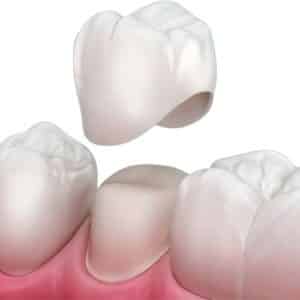
One caution worth stating: whitening treats colour, not lost enamel. If sensitivity has developed alongside the staining, that may indicate erosion, and that needs assessing before whitening rather than after — what to do if you suffer from sensitive teeth. Where enamel has genuinely been lost, the conversation moves to restorative dentistry and sometimes veneers or crowns, which is a far larger undertaking than a whitening course.
Common questions
Is white wine any safer than red?
Not in the way most people mean, because the two problems on this page behave differently.
For staining, colour obviously matters. As set out above, red wine's pigments and tannins are what mark the tooth surface, so a white will leave less visible discolouration.
For erosion, the relevant property is acidity, not colour — and none of the independent sources behind this page rank wines by colour for acid wear. What the Australian Dental Association's diet policy does say is that acid from acidic drinks can soften and dissolve tooth structure in its own right, and that sugar and food acid together can be particularly destructive. On that framing a sweet white is not the safe option it looks like; it brings acid and sugar to the same surface.
So the honest answer is that choosing white because it does not stain is solving the visible problem and leaving the invisible one alone — and that the habits that matter (alternate water, do not sip for hours, do not brush straight afterwards) are the same whichever colour is in the glass. Anyone telling you a specific wine is "better for your teeth" is going beyond what the published material supports.
How much is a glass, really?
More than most people count, and the discrepancy is worth seeing written down. The Australian Government's Eat for Health material, which sets out the national dietary guidelines, lists 200 ml of wine as two standard drinks — and adds the note that matters: "this is often 1 glass for many Australian wines." A poured glass at home is frequently larger still.
The dental relevance is the contact time described above: two standard drinks taken slowly is a long acid exposure, however modest it sounds. The broader relevance is the risk factor. The ADA's diet policy states that "long term, high alcohol consumption and in particular in association with tobacco (including e-cigarettes) use should be avoided as it significantly increases the risk of oral cancer and other health issues" — the combination, not either alone, being what the sentence emphasises.
How much you should drink is a question for the national alcohol guidelines and your GP, not for a dental page, and nothing here is advice about your intake. What this page can usefully offer is the counting: if you are tracking glasses, the guidelines are counting standard drinks, and the two are not the same number.
My mouth feels dry after a few glasses. Does that matter for my teeth?
It matters more than the dryness itself suggests, because saliva is the mechanism that undoes acid damage. The Better Health Channel — produced in consultation with and approved by the Victorian Department of Health and the ADA Victorian Branch — is direct about the consequence: "a dry mouth significantly increases the risk of tooth decay and other oral diseases."
It also lists alcohol among the substances to avoid where dryness is a problem, alongside cigarettes, e-cigarettes, caffeinated drinks and spicy foods, on the basis that they increase or irritate mouth dryness. And it describes how the pattern of damage changes when saliva is scarce: people with dry mouth are "more prone to get decay along the gum line (tooth root surface)", because dentine, the inner tooth layer, "is less resistant to acids and can decay quickly". That is the same root surface the ADA identifies as the reason older people are more vulnerable to dietary acid.
If the dryness is persistent rather than just an evening effect, it is worth pursuing. The Better Health Channel notes that about 10% of the general population and 25% of older people have dry mouth, and that about 600 drugs and medications are known to cause it. Two instructions from that source are important: ask your dentist about dry-mouth products by name — saliva substitutes, high-fluoride or calcium dental products — and "continue to take your medication, even if your medicine is to blame"; "do not stop taking your medicine without speaking to your doctor."
Should I rinse with mouthwash after wine?
Be careful which one, because the obvious choice is the wrong one here. Australian Prescriber states that essential-oil (alcohol-containing) mouthwashes "are not recommended for patients suffering from xerostomia, dental erosion due to a low oral pH, or oral mucosal disease", on account of possible ethanol-induced mucosal irritation and dryness. Dental erosion from a low oral pH is precisely the subject of this page.
The Better Health Channel makes the same point from the dry-mouth side, advising people to avoid alcohol-containing mouthwashes "as these products tend to aggravate dry mouth tissue". It is also worth knowing that some dry-mouth rinses are themselves acidic — Australian Prescriber notes the enzyme-based products do not contain alcohol or detergent but have a low pH (5.15), which may pose a risk of dental erosion during long-term use.
And on the general question of what a rinse is for, the ADA's own oral hygiene policy is clear about where it sits. Its main oral hygiene strategies are brushing twice a day for two minutes, an age-appropriate fluoride toothpaste, cleaning between the teeth daily, and regular professional check-ups and cleaning. Mouthrinse is not on that list; it appears on a separate list of "proven aids to oral hygiene", alongside sugar-free chewing gum.
So the useful thing to do after wine is still the dull one: plain water. If you want a rinse as well, ask which product suits a mouth prone to erosion rather than reaching for the strongest thing on the shelf.
Some enamel has already gone. Is there any point changing anything now?
Yes, and the distinction between two different processes is what makes that true.
Enamel that has actually been lost does not grow back — that part of this page is not softened by anything below. But the softening described at the top is a different and reversible state, and the National Health and Medical Research Council's account of how fluoride works explains why the habits still matter. Fluoride reduces demineralisation — the dissolving that acid starts — and enhances remineralisation, the recovery of enamel that has already been weakened. It also slows the activity of the bacteria that cause decay, and leaves the enamel surface better able to resist acid.
The NHMRC also describes where fluoride has to be to do that, which turns out to be an argument for both habits at once: fluoridated water maintains low levels of fluoride in saliva and in dental plaque throughout the day, while toothpaste delivers a much higher concentration at the moment it is used — and the two together give more protection than either alone. That is the clinical reason for spitting rather than rinsing after brushing, and the reason the hour's wait after wine is not wasted time.
Practically: the next glass is where the change starts working, and nothing about past wear makes the water, the timing or the soft brush less worthwhile. It is also worth asking at your next check-up for any existing wear to be recorded, so that what happens over the following years can be compared against something rather than estimated. See what can I do to strengthen my teeth?
Related reading
- How does your diet affect your teeth?
- How do I prevent dental decay?
- How often should I go to the dentist?
- When do you need deeper cleaning?
- Dental cleans with our hygienists
- What can I do to strengthen my teeth?
- Caring for your teeth: 8 steps to dental health
Where the external material on this page comes from
- Diet, acid and frequency, the reduced-saliva risk groups, the alcohol and tobacco position, and the labelling position: ADA Policy Statement 2.2.2, Diet and Nutrition.
- The main oral hygiene strategies and the classification of mouthrinse as an aid: ADA Policy Statement 2.2.3, Oral Hygiene (October 2025).
- Oral cancer risk factors, risk-associated screening and the two-to-three-week threshold: Royal Australian College of General Practitioners, published in its journal for general practitioners.
- The standard-drink figure for wine: Eat for Health, the Australian Dietary Guidelines.
- Dry mouth prevalence, risk and self-care: Better Health Channel, Victorian Department of Health, approved by the ADA Victorian Branch.
- Mouthwash cautions in erosion and dry mouth: Australian Prescriber.
- How fluoride reduces demineralisation and enhances remineralisation: National Health and Medical Research Council.
- The peroxide concentration thresholds: Schedule 10 of the Poisons Standard, as set out in ADA policy on tooth whitening.
- The ten-one-minute-episodes finding is the University of Adelaide study published in the Australian Dental Journal, as described above.
Practical details
Smile Solutions, Level 1, 220 Collins Street, Manchester Unity Building, Melbourne VIC 3000 — getting here. Phone 13 13 96, contact us, or theteam@smilesolutions.com.au. Monday–Friday 8.00am–6.00pm, Saturday 8.30am–1.30pm, Sunday by appointment. The clinical team is listed by name, and fee ranges are in the price guide.
Published 9 April 2015. The research described was published in the Australian Dental Journal by University of Adelaide researchers and is summarised here. General information only; it does not replace advice from your treating practitioner.
Smile Solutions trades under ABN 28 193 514 103.
Images on This Page
-
https://www.facebook.com/tr?id=800557773428361&ev=PageView&noscript=1
(no alt text)
-
https://www.smilesolutions.com.au/wp-content/uploads/2025/10/calendar_month.svg
(no alt text)
-
https://www.smilesolutions.com.au/wp-content/themes/arcadian-wordpress-theme/assets/images/smile_solutions_logo_white.png
Smile Solutions Logo
-
https://www.smilesolutions.com.au/wp-content/themes/arcadian-wordpress-theme/assets/images/smile_solutions_logo_purple.png
Smile Solutions Logo
-
https://www.smilesolutions.com.au/wp-content/uploads/2023/11/SS-Tooth-1-1-150x150.png
Smile Solutions
-
https://www.smilesolutions.com.au/wp-content/uploads/2015/04/Wine.jpg
What impact does wine have on my teeth?
-
https://www.smilesolutions.com.au/wp-content/uploads/2025/09/Root-Canal-2-300x217.jpg
Root Canal
-
https://www.smilesolutions.com.au/wp-content/uploads/2026/08/Mouth-Breathing-300x270.jpg
Mouth Breathing
-
https://www.smilesolutions.com.au/wp-content/uploads/2025/09/Dental-Crown-at-Smile-Solutions-300x300.jpg
Dental Crown at Smile Solutions
-
https://www.smilesolutions.com.au/wp-content/themes/arcadian-wordpress-theme/assets/images/family_owned_bussiness.png
Family Owned Business
-
https://www.smilesolutions.com.au/wp-content/themes/arcadian-wordpress-theme/assets/icons/icon--phone.svg
Smile Solutions Contact
-
https://www.facebook.com/tr? id=800557773428361&ev=PageView&noscript=1
(no alt text)