Is soda water bad for your teeth?
The two numbers that answer the question
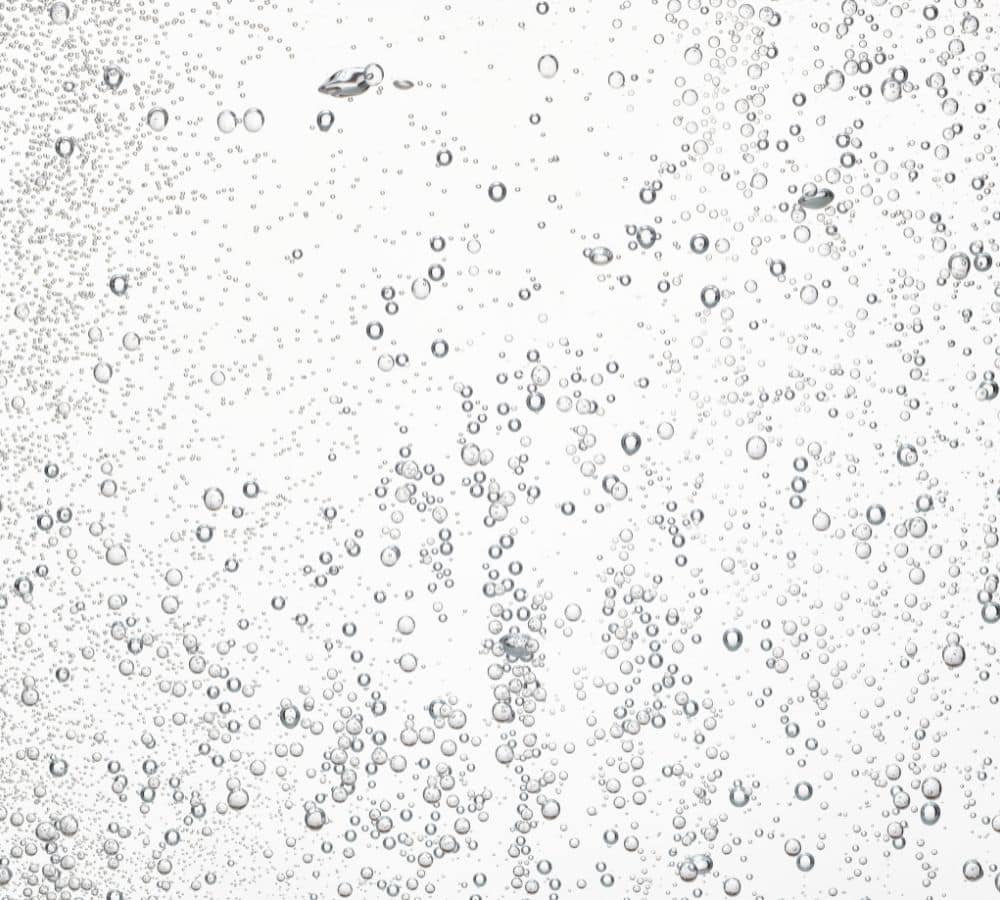
Soda water — carbonated water — is often seen as a healthy alternative to soft drink. The potential effects on your teeth are significant.
Here is the arithmetic:
The carbonation process produces acids. Soda water has a pH of around 3.
The critical pH of tooth enamel is around 5.5 — the maximum acidity a tooth can withstand before minerals are lost from the enamel.
Soda water is therefore significantly more acidic than the threshold at which enamel begins to dissolve.
And because pH is a logarithmic scale, the gap is larger than the numbers suggest: pH 3 is roughly a few hundred times more acidic than pH 5.5, not twice as acidic.
The principle behind those numbers is the Australian Dental Association's own position. Its Policy Statement 2.2.2 on diet and nutrition opens with the summary that "dietary sugars and acids cause damage to teeth", and states that "exposure to acid from the consumption of acidic or sugar-sweetened foods and beverages can lead to softening and loss of tooth structure."
What that does
Exposure to that acidic environment weakens the tooth structure, causing the outer enamel layer to erode. What is dental erosion and how is it addressed? and I’ve heard a lot about acid wear — what is this and how can I avoid it? go through the process and its management in full.
Dental erosion very often causes sensitivity, particularly when eating or drinking cold or sweet things — see what to do if you suffer from sensitive teeth and, if it has become painful rather than merely sensitive, tooth pain and toothaches.
The key point that catches people out: this has nothing to do with sugar. Soda water contains none, and it still erodes enamel, because the acid attacks the tooth directly. ‘Sugar-free’ and ‘safe for teeth’ are different claims. The same trap catches diet soft drink: are sugar free soft drinks better for my teeth than regular soft drinks?.
Erosion and decay are different problems
This distinction is the reason the page exists, and it is rarely explained.
Decay is a bacterial disease. Bacteria ferment dietary sugars, produce acid as a waste product, and that acid dissolves enamel in a localised spot — in a groove, between teeth, at a margin. It needs sugar and bacteria. The ADA describes the same sequence: "the metabolism of simple carbohydrates by bacteria in the dental plaque... produces acids", and those acids drop the plaque pH "below the critical level leading to softening of tooth structure." How does tooth decay develop? and the stages of dental decay describe that process; how does sugar affect your dental health? and how does your diet affect your teeth? the dietary side of it.
Erosion is a chemical process. Acid from the diet dissolves enamel directly, across whole surfaces. No bacteria are involved and no sugar is needed. How does acidic food affect your teeth? covers food as well as drink.
They look different, they are prevented differently, and erosion is the one that gets missed. Decay shows up as a hole; erosion shows up as teeth that gradually become thinner, more transparent at the edges, yellower as the underlying dentine shows through, and smoother, with the natural surface texture worn away. Older fillings can end up standing proud of the tooth surface — the filling has not risen, the tooth around it has dissolved. That is also one of the ways a filling reaches the end of its life early: how long do dental fillings last?. Thinned enamel chips more readily too — if enamel is the hardest substance in the body, why do teeth break? and do I have to get a chipped tooth fixed?.
Neither fluoride nor brushing prevents erosion the way they prevent decay. The only reliable control is reducing the acid exposure.
And if it is flavoured or mixed
Flavoured soda water, or soda water mixed with something sweet such as cordial, adds a second problem.
These additions often have high sugar levels, which increases the risk of decay on top of the erosion — sugar: what does it do to your teeth?.
So plain soda water carries one mechanism; flavoured or mixed soda water carries two — and the ADA singles that combination out: "the combination of sugar and food acid can be particularly destructive."
Citrus-flavoured versions are the most acidic of all, because citric acid is added on top of the carbonic acid — and citric acid also binds calcium, which makes it more erosive than the pH alone suggests. A slice of lemon or lime in the glass does the same thing.
On the sugar side, the numbers are set internationally. The World Health Organization recommends limiting free sugars to less than 10% of total energy intake, and ideally below 5%, to minimise the risk of decay across life — and it recommends that children under two should not consume any sugar-sweetened beverages at all. The ADA translates that into a household measure: "no more than 6 teaspoons (24 grams) of free sugar... per day." Free sugars are not only what you add — WHO counts sugars added by the manufacturer, cook or consumer, plus those naturally present in honey, syrups and fruit juices.
Who is most at risk
Acid exposure does not affect everyone equally. The ADA's policy names the circumstances in which acidic food and drink "should be avoided" rather than merely moderated:
- poor oral hygiene
- low or no fluoride exposure
- conditions that reduce salivary flow, or medications that do the same
- exertion resulting in a dry mouth — which is why training and acidic drinks are a poor combination
- sipping drinks other than water during interrupted sleep
- chewing and sucking acidic vitamin tablets
The policy also flags a source people rarely consider: medications, including over-the-counter vitamin and mineral tablets, may contain sugars — particularly chewable ones — or contribute to dry mouth, and either can damage teeth.
Where else this shows up
Soda water is not unusual. Most of what people drink instead of soft drink is also acidic:
- Sparkling mineral water — generally less acidic than soda water, and a reasonable swap
- Sports and energy drinks — among the most erosive drinks commonly sold: what are sports drinks really doing to your teeth? and sports drinks linked to poor dental health in athletes. If you train, how exercise can increase your risk of tooth decay and what causes dry mouth during running? explain why the risk compounds.
- Fruit juice, including ‘no added sugar’ — acidic and sugary, and counted by WHO as a free sugar; see also six foods to avoid for healthy teeth
- Wine, particularly white and sparkling — what impact does wine have on my teeth?
- Kombucha, which is acidic by design
- Fruit and herbal teas — frequently around pH 3, and widely assumed to be harmless. Plain tea is a different matter: are there antibacterial properties in tea?.
- Cider vinegar taken ‘for health’ — a genuinely damaging habit when taken neat and regularly
And for the drink this one is usually compared against, damage to tooth enamel occurs within 30 seconds of consuming soft drinks and Victorians’ love of soft drink wreaks havoc with teeth.
Still water, plain milk and unsweetened tea or coffee are the drinks that do not erode enamel.
And non-dietary acid matters too. Reflux, vomiting, and eating disorders expose teeth to stomach acid, which is far stronger than anything in a drink. The wear pattern is different — typically on the inner surfaces of the upper front teeth — and it is often the dentist who notices first. If any of that applies, say so; it changes the management entirely and it is not something anyone will judge you for. Where morning sickness is the source, how do I protect my teeth during pregnancy? and oral health care while pregnant give the practical steps. A dry mouth removes the buffer that would otherwise limit the damage: my mouth is always dry — why is this and does it affect my teeth?.
What to do about it
Dental erosion is very common and can be challenging to manage, which is why prevention is the recommendation. Enamel does not grow back; once it is gone, the options are to accept it or to replace it with restorative material — which is expensive and needs redoing over a lifetime. The price guide gives a sense of what that replacement costs.
Drink soda water only in moderation, and prefer still water.
Use a fluoridated toothpaste, to replenish minerals lost from the enamel. Fluoride is the only thing on this list that repairs damage already begun, by helping remineralise enamel that acid has started to soften. WHO puts inadequate fluoride exposure alongside high free-sugar intake and poor plaque removal as the combination that leads to decay, and specifies toothpaste containing 1,000 to 1,500 ppm fluoride. See the benefits of fluoride, selecting a toothpaste: fluoride or non-fluoride? and choosing the right toothpaste.
Have regular dental checks, so that signs of erosion are identified and addressed early. Erosion is gradual and easy to miss yourself — it is usually noticed by a dentist comparing today’s teeth with the records from two years ago. How often should I go to the dentist? and dental cleans and hygienists cover the interval and the visit.
The practical rules
Drink it with a meal rather than sipping it through the day. Contact time matters more than volume — one glass finished quickly is one acid exposure; the same glass sipped over two hours is a continuous one. The ADA makes the same point about sugar, saying that "the form, frequency, timing and total amount of sugar intake are significant", and singles out sipping drinks other than water overnight. This is the single most effective change available.
Do not brush immediately afterwards. Acid-softened enamel is removed by brushing. Rinse with plain water and wait at least 30 minutes — an hour is better — so saliva can re-harden the surface first. Brushing your teeth: before or after breakfast? applies the same principle to the morning routine, and over brushing: what can it do to my teeth? to pressure.
Follow it with something neutral. Water, milk, or a piece of cheese. Dairy is genuinely useful here: it is alkaline and supplies calcium, and the ADA's policy specifically promotes "calcium rich foods and drinks such as milk, cheese and some fish" as the preferred dietary source.
Chew sugar-free gum afterwards. It stimulates saliva, which is the mouth’s own buffer, and the ADA describes "sugar-free confectioneries without added acids, including chewing gums" as dentally safe alternatives — the without added acids part matters, since some sugar-free products are acidic. See does chewing sugar-free gum really help prevent cavities?.
Do not hold or swish it in your mouth. A straw helps a little for some drinks by reducing contact with the front teeth, though it makes less difference than people assume.
Use a soft brush and do not scrub. Erosion plus abrasive brushing is the combination that produces the worst wear — which toothbrushes do dentists recommend? and how much pressure should I apply when brushing my teeth?.
Common questions
Is sparkling mineral water the same? Generally less acidic than soda water, and a reasonable substitute. Check whether citric acid or flavouring has been added.
Does it matter if I only have one a day? One drink taken quickly with a meal is a minor exposure. The risk comes from frequency and from sipping.
My teeth are already sensitive — is it too late? No. Sensitivity often improves once the acid exposure stops, with a desensitising toothpaste and fluoride. Have it assessed rather than assuming, because sensitivity has several possible causes and they are managed differently. What can I do to strengthen my teeth? covers what genuinely helps.
Will whitening fix teeth that look yellow from erosion? Usually not, and it can make sensitivity worse. Yellowing from erosion is the dentine showing through thinned enamel — a structural change, not a stain. How can I improve the whiteness of my teeth? and how long do teeth whitening effects last? explain what whitening does and does not change.
Related pages: Tooth Pain and Toothaches, Dental Cleans and Hygienists, Tooth Fillings, Professional Teeth Whitening.
Related reading
- 10 ways to avoid ruining your teeth
- Caring for your teeth: 8 steps to dental health
- Top Ten Teeth Tips
- Are there ways to avoid dental problems?
- Understanding your treatment
Practical details
Written by Cathy Huynh.
Smile Solutions, Level 1, 220 Collins Street, Manchester Unity Building, Melbourne VIC 3000 — getting here. Phone 13 13 96, contact us, or theteam@smilesolutions.com.au. Monday–Friday 8.00am–6.00pm, Saturday 8.30am–1.30pm, Sunday by appointment.
Every practitioner’s registration can be verified free on the AHPRA public register at ahpra.gov.au. The practice’s registered specialists are identified as such within the full team.
Published 1 March 2019. pH values are approximate and vary between products and batches. General information only — it is not a diagnosis or a treatment plan, and it does not replace advice from your treating practitioner.
Smile Solutions trades under ABN 28 193 514 103.
Images on This Page
-
https://www.facebook.com/tr?id=800557773428361&ev=PageView&noscript=1
(no alt text)
-
https://www.smilesolutions.com.au/wp-content/uploads/2025/10/calendar_month.svg
(no alt text)
-
https://www.smilesolutions.com.au/wp-content/themes/arcadian-wordpress-theme/assets/images/smile_solutions_logo_white.png
Smile Solutions Logo
-
https://www.smilesolutions.com.au/wp-content/themes/arcadian-wordpress-theme/assets/images/smile_solutions_logo_purple.png
Smile Solutions Logo
-
https://www.smilesolutions.com.au/wp-content/uploads/2019/04/Cathy-150x150.jpg
Cathy Huynh
-
https://www.smilesolutions.com.au/wp-content/uploads/2019/03/Soda-Water.jpg
Is soda water bad for your teeth?
-
https://www.smilesolutions.com.au/wp-content/uploads/2013/01/Pregnancy-and-Dental-Care-300x270.jpg
Pregnancy-and-Dental-Care
-
https://www.smilesolutions.com.au/wp-content/uploads/2025/11/Teeth-Whitening-at-Smile-Solutions-300x270.png
Teeth Whitening at Smile Solutions
-
https://www.smilesolutions.com.au/wp-content/uploads/2022/04/Bad-Breath-300x270.jpg
Bad Breath
-
https://www.smilesolutions.com.au/wp-content/themes/arcadian-wordpress-theme/assets/images/family_owned_bussiness.png
Family Owned Business
-
https://www.smilesolutions.com.au/wp-content/themes/arcadian-wordpress-theme/assets/icons/icon--phone.svg
Smile Solutions Contact
-
https://www.facebook.com/tr? id=800557773428361&ev=PageView&noscript=1
(no alt text)
-
https://bat.bing.com/action/0?ti=25148060&tm=gtm002&Ver=2&mid=d8fbda76-c125-493e-bb16-c212dda8bdbb&bo=1&sid=bdeda1a0ab2511f1a40f792111b09eb2&vid=bdee06d0ab2511f1a16f69d1aa481946&vids=1&msclkid=N&pi=918639831&lg=en-US&sw=800&sh=600&sc=24&nwd=1&tl=Is%20soda%20water%20bad%20for%20your%20teeth%3F%20-%20Smile%20Solutions&p=https%3A%2F%2Fwww.smilesolutions.com.au%2Fdental-articles%2Farticle%2Fsoda-water-bad-teeth%2F&r=&evt=pageLoad&sv=2&cdb=AQAQ&rn=514613
(no alt text)