What causes dry mouth during running?
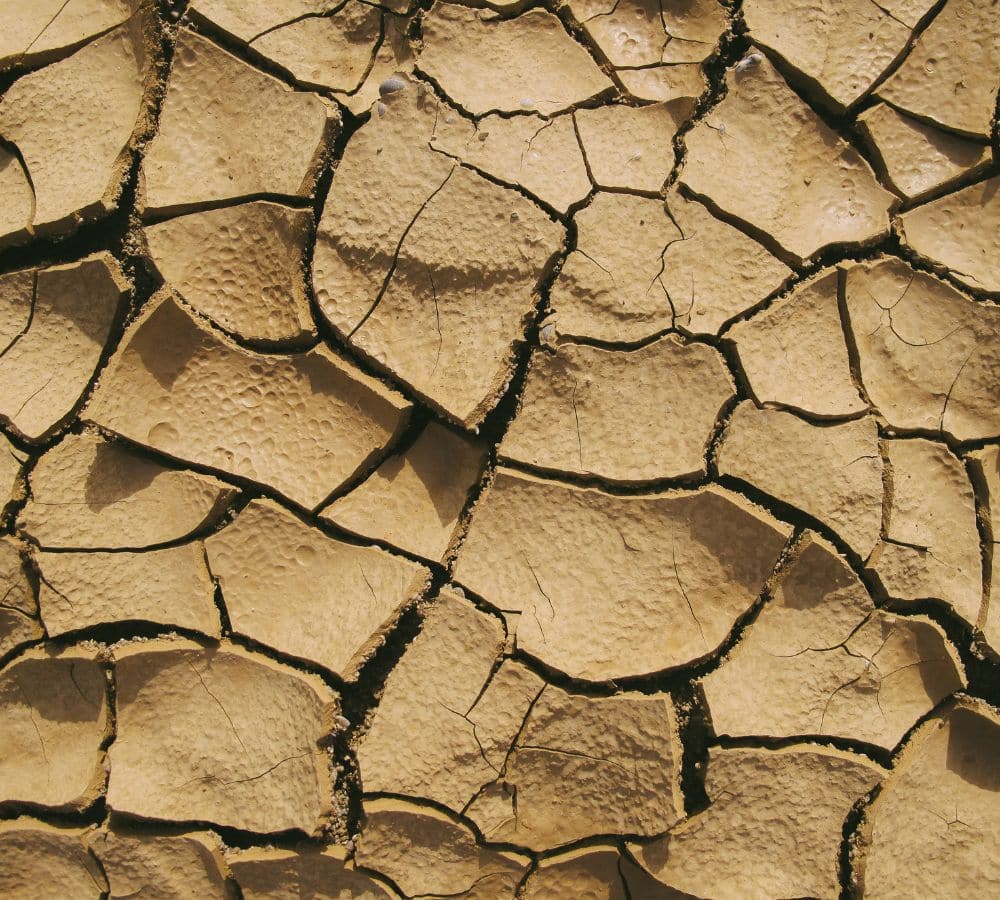
Physical activity does a great deal for overall wellbeing — weight, mental health, a balanced lifestyle. But many runners report dry mouth, or xerostomia, when they exercise.
The cause is a combination of two things: fluid loss, and how you breathe.
It is common enough at rest, before exercise enters the picture. The Better Health Channel, produced by the Victorian Department of Health in consultation with the Australian Dental Association Victorian Branch, puts it at "about 10% of the general population and 25% of older people". Its framing is the one to hold onto: "a dry mouth is a symptom of an underlying problem, rather than a condition in itself."
What dry mouth is
As you exercise, water is excreted as sweat and the body becomes dehydrated. If you don't replenish what is lost, the main effect on your teeth is decreased saliva production.
Two factors make it worse:
- Warmer weather, through increased sweat production
- Mouth breathing — runners who breathe through the mouth also get dry oral tissues directly
Both of those are hard to avoid in a long run, which is why runners experience it more than most active people.
There is a third factor worth naming: sustained exercise itself shifts the body's blood flow and autonomic balance away from the salivary glands. So even a well-hydrated runner produces less saliva while running than at rest. Hydration reduces the problem; it does not abolish it.
This is not a fringe concern invented by dentists who run. The Australian Dental Association's policy on diet and nutrition lists "exertion resulting in a dry mouth" among the specific situations in which people are at high risk from acidic foods and drinks — alongside low fluoride exposure, medications that reduce salivary flow, and sipping drinks other than water. Exercise is on the profession's own risk list.
Why it matters for your teeth
This is the part that is not obvious.
Saliva carries our main defences against the bacteria that cause decay. A lower saliva rate means decreased defences — or, as the Better Health Channel states it flatly, "a dry mouth significantly increases the risk of tooth decay and other oral diseases."
It is worth being specific about what is actually lost, because “defences” understates it. Saliva does at least five separate jobs:
- It washes. Physical clearance of food debris and bacteria from the tooth surfaces.
- It buffers. Bicarbonate and phosphate in saliva neutralise acid and return the mouth towards neutral pH after an acid attack.
- It repairs. Saliva is supersaturated with calcium and phosphate, which redeposit into enamel that acid has begun to soften. This is remineralisation, and it is the only reason early decay can reverse at all. The NHMRC describes fluoride as working on the same two levers — "reducing demineralisation" and "enhancing remineralisation (i.e. recovery of weakened enamel)".
- It defends biologically. Antimicrobial proteins — lysozyme, lactoferrin, immunoglobulins — restrain bacterial populations.
- It lubricates. Which is why a dry mouth makes speech, swallowing and denture wear uncomfortable, and why it is more than a cosmetic nuisance.
Remove most of that for two hours, three or four times a week, and the mouth is running without its maintenance system for a meaningful share of the week — which is how training itself raises decay risk.
Now add what runners typically consume:
- carbohydrates
- sugar in sports drinks
- gels, chews and dried fruit, which are both sugary and sticky
- protein bars before or after workouts
Combine reduced saliva with regular sugar exposure and the teeth have the perfect environment for erosion and decay. Neither factor alone would be a serious problem. Together they compound. The ADA's wording for exactly this pairing: "the combination of sugar and food acid can be particularly destructive."
And the compounding is worse than additive, because the products are usually acidic as well as sugary — so the acid arrives directly, at the moment the mouth has the least capacity to buffer it, and the damage begins within seconds. What are sports drinks really doing to your teeth? sets that chemistry out in full, and the findings in athletes bear it out.
The effects are more prevalent in runners partly because of not always having access to water, and long-distance runners are exposed for longer periods, often in conditions that worsen it further.
Four things that help
Stay hydrated
Drink water before, during and after workouts.
The mechanism matters here: your body requires a water supply to produce saliva. Hydration is not only about comfort — it is what allows your primary dental defence to keep working. Tap water has the further advantage of being fluoridated in most of Victoria; the NHMRC notes that fluoridated water "keeps low levels of fluoride in saliva and in dental plaque all day".
Use sugar-free mints or gum after a workout
Chewing gum or mints stimulates the salivary glands to produce more saliva and relieves dry mouth symptoms. The ADA's position on the category is that "sugar-free confectioneries without added acids, including chewing gums, are dentally safe alternatives" to the sugared kind.
Sugar free is essential. Sugar encourages the growth of exactly the bacteria that a dry mouth has left you less able to control. Healthdirect adds the same caution about mints specifically: they help in the short term, but mints containing sugar increase the risk of tooth decay.
Gum containing xylitol is worth asking about: it is a sweetener the decay-causing bacteria cannot metabolise, and there is reasonable evidence for a benefit at sufficient dose and frequency. Does chewing sugar-free gum really help prevent cavities?.
Two things to avoid, on the Better Health Channel's advice for anyone with a dry mouth: "lollies (especially fruit-flavoured and sour lollies) and alcohol-containing mouthwashes, as these products tend to aggravate dry mouth tissue." Check the label on the rinse in your bathroom cupboard before reaching for it after a long run.
Get the nutrition right
The goal is to keep sugar as low as possible and avoid anything that worsens dehydration:
- Skip sports drinks high in sugar
- Avoid simple carbohydrates as pre-workout fuel
- Rinse with plain water after a gel or chew rather than letting it sit on the teeth
- If you drink coffee before running for extra energy, be aware that caffeine is a diuretic and affects your fluid balance
Brush and floss regularly
Brush and floss twice a day, morning and night — and gently, because enamel that has been through repeated acid exposure does not need scrubbing as well. For runners, good oral hygiene after exercise also helps avoid halitosis, which is a common side effect of dry mouth.
One timing point that matters: do not brush straight after an acidic drink or gel. Enamel is temporarily softened for around an hour afterwards, and brushing during that window removes a little of the softened surface. Healthdirect's version of the rule is simply "ideally, wait 30 minutes after eating and drinking to brush your teeth." Rinse with water, wait, then brush.
What this article is not describing
This page is about transient, exercise-related dry mouth in an otherwise healthy person. That kind resolves when you rehydrate, and the measures above manage it.
Persistent dry mouth is a different problem, it is not caused by running, and it should not be self-managed with mints. Its usual causes are:
- Medications. This is by far the most common cause. The Better Health Channel's figure is striking: "about 600 drugs and medications, both legal and illegal, are known to cause dry mouth", including antihistamines, high blood pressure medications, sedatives, decongestants, analgesics, antidepressants. Runners are not exempt; a new medication is the most likely explanation for dry mouth that started recently and does not settle.
- Autoimmune conditions, notably Sjögren's syndrome, which characteristically produces dry mouth and dry eyes together.
- Diabetes, particularly when poorly controlled.
- Radiotherapy to the head and neck, which can permanently damage salivary glands.
- Smoking, vaping, alcohol, and cannabis. Better Health's list of things to avoid where the mouth is already dry is short and includes all of them: "cigarettes, e-cigarettes, alcohol, caffeinated drinks and spicy foods."
- Anxiety, and habitual mouth breathing including from nasal obstruction or sleep apnoea.
My mouth always feels dry — what can I do? deals with the persistent form.
When to get it checked
Everyone active will experience dry mouth from time to time. If your symptoms do not settle after taking these precautions, see your general dentist for further assessment.
Ask sooner rather than later if:
- The dryness is present when you are not exercising, including overnight or on rest days.
- It started after a new medication. Do not stop any medication yourself — raise it with the prescriber, because alternatives or dose adjustments sometimes exist.
- Your eyes are dry as well. That combination is worth investigating medically.
- You are getting new cavities, especially at the gumline or on root surfaces, when your habits have not changed.
- You have a burning tongue, cracked corners of the mouth, or recurrent oral thrush — all associated with reduced saliva.
- Swallowing dry food is difficult, or you need water to get food down.
Persistent xerostomia has other causes and it materially raises decay risk, so it is worth investigating rather than tolerating.
What can be done about it
A dentist cannot make the glands produce more saliva, but the risk it creates is manageable:
- A shorter recall interval — three- or four-monthly rather than six — so anything that starts is caught early.
- High-fluoride toothpaste, available on prescription or advice, and professionally applied fluoride varnish. Better Health describes the same category: "dental products — these products may contain high fluoride or calcium to help prevent tooth decay."
- Saliva substitutes and stimulants — gels, sprays and lozenges. They are symptomatic relief, not a cure, and their effect is short. Better Health's instruction is that a saliva substitute is prescribed by a doctor or dentist and should be used "strictly as directed". One caveat worth knowing if you already have acid wear: Australian Prescriber notes that the enzyme-based dry-mouth rinses contain no alcohol or detergent, "but they do have a low pH (5.15) which may pose a risk of dental erosion during long-term use."
- Reviewing the medication with the prescriber, where one is the cause.
- Sipping water rather than sweetened drinks through the day, which sounds trivial and is the single highest-yield change.
- Preventing the next cavity on the days you are not training, since that is when saliva is doing its repair work.
Common questions
My breath is bad after a long run. Is that the dry mouth, and what actually fixes it?
The dry mouth is very likely the cause, and the honest answer on fixing it is that the evidence for every specific product is weak.
The mechanism is simple. healthdirect states it directly: “having a dry mouth means that the bacteria in your mouth are washed away less often. This creates a build-up of bacteria.” The Better Health Channel lists “a dry mouth” among the major causes of halitosis alongside smoking, poor oral hygiene and a coated tongue, and separately names “medicines, alcohol, stress or a medical condition” as what causes the dry mouth in the first place. Its symptom list will read familiarly to anyone who runs early: “morning bad breath and a burning tongue”, “thick saliva and a constant need to clear your throat”, and a “constant sour, bitter metallic taste.”
What to do about it is mostly the same list as the rest of this page — healthdirect's advice is to drink more water or use a saliva substitute, that chewing sugar-free gum “can make you produce saliva and help reduce bad breath”, and that mints “help with bad breath in the short-term” but increase decay risk if they contain sugar. If a medicine is involved, its instruction is to speak to your doctor or pharmacist, not to your search engine.
Where it gets uncomfortable is the product aisle. Cochrane's 2019 review of interventions for halitosis pooled 44 trials with 1,809 participants across eight categories — mechanical cleaning, chewing gums, systemic deodorising agents, topical agents, toothpastes, mouthrinses, tablets and combinations — and concluded: “we were unable to draw any conclusions regarding the superiority of any intervention or concentration.” Its plain-language summary is blunter: “we do not have enough evidence to say which intervention works better to control bad breath.” Only 3 of the 44 studies were at low overall risk of bias, and only one comparison in the whole review reached even low-certainty evidence — brushing plus a cetylpyridinium mouthwash against brushing alone (mean difference −0.48, 95% CI −0.72 to −0.24, from a single trial of 70 participants).
Two scope limits on that review are worth knowing. It looked only at halitosis from oral causes, excluding breath odour secondary to systemic disease, and it excluded studies of advanced periodontitis. So it does not tell you that nothing works — it tells you that no product has been shown to work better than another, and that persistent bad breath is a reason to be examined rather than to keep buying rinses.
One product caution specific to this page: reaching for a rinse containing alcohol after a run is the wrong instinct, because Better Health lists alcohol-containing mouthwashes among the things that “aggravate dry mouth tissue.” See Bad Breath.
I breathe through my mouth when I run, and I snore. Are those connected to this?
They can be, and the connection runs in a direction most people do not expect.
Mouth breathing dries the oral tissues directly, which is why it appears in the list at the top of this page, and it is not confined to running — habitual mouth breathing, nasal obstruction and sleep-disordered breathing all produce a mouth that is dry on waking rather than only after exercise. If your dry mouth is worst first thing in the morning rather than at the end of a run, that is a different pattern and worth mentioning. healthdirect notes that in assessing bad breath a dentist may “compare your mouth breathing with nose breathing” and ask about “a dry mouth or runny nose” — so the question is a routine one, not an odd thing to raise.
The part worth knowing in advance concerns treatment. A dry mouth is a recognised side effect of the oral appliances used for snoring and obstructive sleep apnoea. The clinical literature lists, among the intraoral effects to monitor, “soft tissue and tongue irritation; gingival irritation; excessive salivation and drooling; dry mouth” — and notes that short-term effects such as excessive salivation and tissue discomfort are typically transient and resolve with minor appliance adjustment. If you already get a dry mouth easily, that is a reason to raise it before an appliance is made rather than after.
Two boundaries, because this is an area where dentistry and medicine meet. Snoring is not a diagnosis and sleep apnoea is not diagnosed from your teeth — it is established by sleep study, and management belongs with clinicians whose scope covers it. And a claim you may encounter should be treated carefully: a 2024 meta-analysis found no association between teeth grinding and obstructive sleep apnoea (odds ratio 1.23, 95% CI 0.47 to 3.20), so the two should not be bundled together as though one implied the other. See snoring and sleep apnoea.
One genuinely encouraging note for a reader of this page: aerobic exercise appears in the clinical literature among the approaches to managing obstructive sleep apnoea — 45 minutes of walking twice daily is the example given — alongside weight management. The running is not the problem here. The fuelling and the dryness are.
It says sugar-free. Is that enough to make it safe for my teeth mid-run?
No — sugar-free answers half the question, and the acid half is the one that gets missed on a run.
The ADA's own wording on the category carries the qualifier: sugar-free confectionery is a dentally safe alternative “without added acids”. That phrase is doing all the work. A sugar-free product with citric, malic, tartaric or phosphoric acid in it attacks enamel directly, with no bacteria required — and it does so at the exact moment your saliva is least able to buffer it. Sugar needs bacteria to do damage; acid does not.
How low a pH is enough to matter is easier to appreciate from an unexpected example. Australian Prescriber observes that the enzyme-based rinses made for dry mouth contain no alcohol or detergent, “but they do have a low pH (5.15) which may pose a risk of dental erosion during long-term use.” If a product designed to treat a dry mouth can carry an erosion caution at that pH, an electrolyte tablet or a flavoured hydration powder deserves a look at its ingredient list.
Where we have to be honest: we can find no source that publishes the pH of individual sports drinks, gels, electrolyte tablets or hydration powders sold in Australia. So we cannot tell you which brand is gentler, and nor can anyone else without measuring it. What you can do is read the ingredient list for acids by name, prefer plain water for hydration and keep the flavoured products for fuelling rather than sipping, and never assume that “sugar-free”, “natural” or “electrolyte” means acid-free. What is acid wear and how can I avoid it?
On a long run I take a gel every 40 minutes. What is the least damaging way to do that?
There is a real answer here, and it comes from how decay and erosion actually work rather than from any product claim.
The ADA's diet policy states that “the form, frequency, timing and total amount of sugar intake are significant in the initiation of the caries process.” Of those four, frequency is the one a long run inflates. Five gels across three hours is not one sugar exposure — it is five, each starting the acid cycle again before the previous one has cleared, in a mouth that is producing less saliva than usual and has less capacity to clear anything. That is the mechanism, and it is why a marathon is dentally harder than a heavy dessert.
What follows from it, in order of how much it helps:
- Take water with the gel, immediately, and swallow rather than swill. Rinsing the mouth out with plain water is the single most useful thing available mid-run, and it costs nothing.
- Do not sip a sweetened drink continuously between gels. Continuous sipping converts discrete exposures into one long one, which is the worst pattern in the ADA's framework. If you are carrying a sports drink, drink it in defined mouthfuls rather than grazing on it.
- Do not brush when you get home. healthdirect's rule is to “ideally, wait 30 minutes after eating and drinking to brush your teeth”, and after repeated acid exposure that wait matters more than usual — brushing softened enamel removes a little of it. Rinse, wait, then brush.
- Chew sugar-free gum afterwards, to get saliva flow back up. That is the same mechanism described above, applied at the point of greatest need.
- Tell your dentist the training volume, not just that you exercise. Number of sessions, their length, and what you take during them changes the recall interval and whether high-fluoride products are worth considering.
One thing this page cannot give you: there is no published optimal fuelling pattern that balances dental risk against performance, and we would be inventing it if we offered one. How much carbohydrate you need, and in what form, is a question for a sports dietitian; what we can tell you is how to reduce the dental cost of whatever they recommend.
Related reading
My mouth always feels dry — what can I do? · What are sports drinks really doing to your teeth? · How exercise can increase your risk of tooth decay · What is dental erosion? · Bad Breath · Dental Cleans and Hygienists · How does tooth decay develop? · Sports Mouthguards
Practical details
Written by Isabelle Sayers, Dental Hygienist at Smile Solutions.
Smile Solutions, Level 1, 220 Collins Street, Manchester Unity Building, Melbourne VIC 3000. Phone 13 13 96, or theteam@smilesolutions.com.au. Monday–Friday 8.00am–6.00pm, Saturday 8.30am–1.30pm, Sunday by appointment.
Registration for any practitioner can be verified free on the AHPRA public register at ahpra.gov.au.
In the questions above: the halitosis mechanism and management are from healthdirect and the Victorian Better Health Channel; the evidence assessment is Cochrane's 2019 review Interventions for managing halitosis; the oral appliance side-effect list and the exercise note are from published sleep-medicine literature on obstructive sleep apnoea; the pH caution is from Australian Prescriber; and the diet principles are from the Australian Dental Association's policy statement on diet and nutrition.
Published 25 August 2016. General information only — it is not a diagnosis, a treatment plan or a promise of any particular clinical outcome, and it does not replace advice from your treating practitioner. Nothing here is medical, medication or sports-nutrition advice: do not start, stop or change any medication on the basis of this page, and decisions about fuelling and hydration for training belong with a qualified sports dietitian or your treating medical practitioner. Nothing here is advice about sleep-disordered breathing, which requires diagnosis and management by appropriately qualified practitioners. Persistent dry mouth needs assessment rather than self-management.
Smile Solutions trades under ABN 28 193 514 103.
Images on This Page
-
https://www.facebook.com/tr?id=800557773428361&ev=PageView&noscript=1
(no alt text)
-
https://www.smilesolutions.com.au/wp-content/uploads/2025/10/calendar_month.svg
(no alt text)
-
https://www.smilesolutions.com.au/wp-content/themes/arcadian-wordpress-theme/assets/images/smile_solutions_logo_white.png
Smile Solutions Logo
-
https://www.smilesolutions.com.au/wp-content/themes/arcadian-wordpress-theme/assets/images/smile_solutions_logo_purple.png
Smile Solutions Logo
-
https://www.smilesolutions.com.au/wp-content/uploads/2016/05/Isabelle-150x150.jpg
Isabelle Sayers
-
https://www.smilesolutions.com.au/wp-content/uploads/2016/08/Dry-Mouth.jpg
Dry Mouth
-
https://www.smilesolutions.com.au/wp-content/uploads/2017/12/Dental-pain-300x270.jpg
Dental pain
-
https://www.smilesolutions.com.au/wp-content/uploads/2017/08/Toothpaste-300x270.jpg
Toothpaste
-
https://www.smilesolutions.com.au/wp-content/uploads/2013/03/oral-hygiene-300x270.jpg
What is the ideal daily routine for oral hygiene?
-
https://www.smilesolutions.com.au/wp-content/themes/arcadian-wordpress-theme/assets/images/family_owned_bussiness.png
Family Owned Business
-
https://www.smilesolutions.com.au/wp-content/themes/arcadian-wordpress-theme/assets/icons/icon--phone.svg
Smile Solutions Contact
-
https://www.facebook.com/tr? id=800557773428361&ev=PageView&noscript=1
(no alt text)
-
https://bat.bing.com/action/0?ti=25148060&tm=gtm002&Ver=2&mid=eea3d46b-5590-47aa-8444-1efef39fe75e&bo=1&sid=efb5bd60ab2611f198811bef3b58c115&vid=efb60ce0ab2611f1a8f45fe23af01fc8&vids=1&msclkid=N&pi=918639831&lg=en-US&sw=800&sh=600&sc=24&nwd=1&tl=What%20causes%20dry%20mouth%20during%20running%3F%20-%20Smile%20Solutions&p=https%3A%2F%2Fwww.smilesolutions.com.au%2Fdental-articles%2Farticle%2Fcauses-dry-mouth-running%2F&r=&evt=pageLoad&sv=2&cdb=AQAQ&rn=820442
(no alt text)