What does vaping do to your mouth?
The main effects are dry mouth, gum inflammation and reduced healing, and an increased risk of decay. Vaping is often assumed to be less harmful than smoking — but the mouth is the tissue with the most direct and prolonged exposure to the aerosol, and it does not escape unaffected.
The Australian Dental Association's consumer position is blunter than the popular assumption. On its oral health site it states that e-cigarettes "contain harmful chemicals that can damage your lungs and oral health," and that "you should not think of vaping as safer than smoking cigarettes."
One caveat up front, stated plainly: the research on vaping and oral health is still developing. E-cigarettes have not been in widespread use long enough for the long-term picture to be settled, and much of the existing work is laboratory-based or short-term. What follows reflects the current understanding rather than a closed case. That is a real difference from tobacco, where decades of follow-up established causation — the ADA is able to say of tobacco, for instance, that "people who use tobacco are 2 times more likely to develop oral cancer than people who don't," and no equivalent long-run figure exists for vaping. See oral cancer: signs, risk factors and how your dentist can help and what are the causes, symptoms and treatment of mouth cancer?. For vaping, the absence of long-term cancer evidence is not the same as evidence of safety. Are e-cigarettes bad for my teeth? is the companion article to this one.
The profession does not treat e-cigarettes as a separate category from tobacco in its diet and cancer-risk policy either: ADA Policy Statement 2.2.2 advises that "long term, high alcohol consumption and in particular in association with tobacco (including e-cigarettes) use should be avoided as it significantly increases the risk of oral cancer and other health issues."
How vaping works
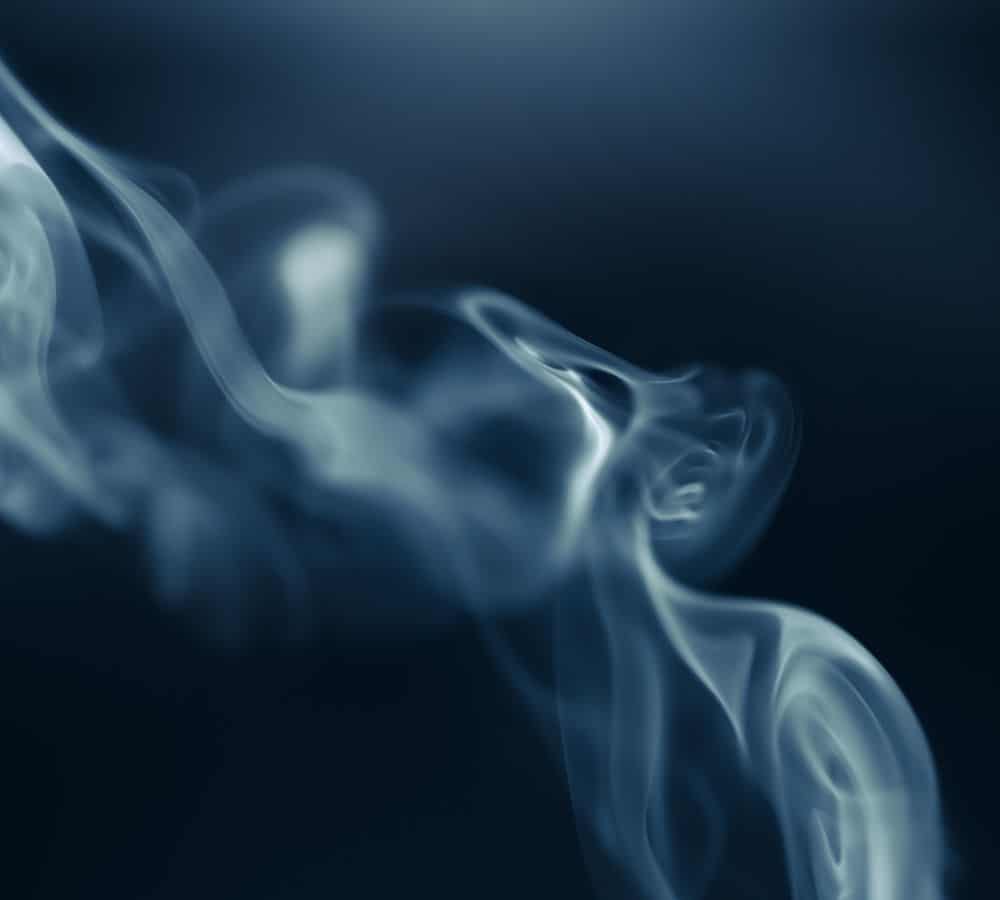
A vape heats a liquid to generate an aerosol that the user inhales. That liquid — e-liquid — is typically made up of several chemicals that can be harmful to the oral environment, including nicotine, propylene glycol, vegetable glycerine, menthol and flavourings.
Use has trended upward among adolescents and young adults in recent years. Most people take it up as a means of stopping smoking, to get around smoke-free areas, or for recreational use — and most do not know what it does to the oral cavity.
Nicotine
The effects of nicotine on gum tissue are well documented. Nicotine:
- Reduces blood flow to the gums, by constricting the small vessels
- Impairs immune cell function, so the tissue is less able to control the bacteria at the gumline
- Decreases connective tissue turnover, slowing repair
The combination has a clinically important consequence: gum disease can progress with fewer visible warning signs. This effect is best documented in smokers — the ADA explains that "it can be hard to see the early signs of gum disease, like bleeding gums. This is because people who smoke have less blood supply to their gums." The mechanism is attributed to nicotine and reduced blood supply, so the same concern applies to nicotine-containing vapes, though it has not been studied in vaping over comparable timescales.
That matters because bleeding gums are the main symptom that prompts people to seek treatment. A person using nicotine may therefore have more advanced disease at the point they finally notice something is wrong. What is gum disease? and periodontal (gum) disease describe what is being missed, and when do you need deeper cleaning? what treating it involves; advanced cases are managed by a periodontist.
Nicotine also impairs healing after extractions, implants and periodontal surgery. The ADA makes the same point about smoking — that it "can cause sores in your mouth to heal slowly" and raises the risk of a dry socket after an extraction. That is worth raising with your dentist before any surgical procedure, not after — see wisdom teeth and oral and maxillofacial surgeons.
Although the nicotine concentration is generally lower than in traditional tobacco products, a single e-liquid cartridge can contain nicotine equivalent to two to three packets of cigarettes — the figures vary considerably between products, and high-strength salt-nicotine pods are at the top of that range. The relevant point is that a low percentage on the label does not mean a low total dose, because the delivery is continuous rather than confined to discrete cigarettes.
Propylene glycol
Propylene glycol (PG) is a major ingredient in most e-liquids, and it affects the mouth in two ways.
It dries the mouth. PG is hygroscopic — it draws in water — and it limits saliva production. The resulting dry mouth matters more than most people realise, because saliva is the mouth’s primary defence: it buffers acid, clears debris, and carries the calcium and phosphate that re-mineralise enamel. The ADA puts the consequence simply: "your teeth are less protected if you have a lack of saliva or saliva that is thick and frothy instead of thin and runny." Remove it and you get:
- Bad breath — healthdirect lists smoking and vaping together among the causes of halitosis
- Increased risk of gum disease
- Substantially increased risk of cavities
My mouth is always dry — why is this, and does it affect my teeth? and my mouth always feels dry! What can I do? go through the management, and how does tooth decay develop? explains what a dry mouth allows to happen faster.
Its breakdown products are acidic, and are reported to be capable of wearing enamel, weakening the tooth surface and leaving it at higher risk of decay. That is erosion rather than decay, and it works the same way as acid wear from drinks — see also what is dental erosion and how is it addressed?
Dry mouth is the single most consequential oral effect of vaping, and it is also the most modifiable.
Flavourings
Flavoured e-liquids are the most popular category, and they appear to be the more damaging one:
- Flavoured liquids have been shown to cause more gum inflammation than unflavoured alternatives
- The increased viscosity of flavoured aerosols allows certain bacteria to adhere more tightly to the teeth, leading to increased plaque accumulation and, in some cases, rapid and widespread decay
Sweet flavourings also mean sugar-like exposure patterns — frequent, prolonged, and in a mouth that the same product has just dried out. That combination is close to the worst case for decay, for the same reason set out in sugar: what does it do to your teeth?: how often the mouth is exposed matters more than how much is consumed. The ADA's diet policy states the principle directly — "the form, frequency, timing and total amount of sugar intake are significant." How does your diet affect your teeth? covers the same point for food and drink.
Worth being precise here: most of this evidence is laboratory or short-term clinical work rather than long follow-up, and the flavoured-versus-unflavoured comparison is a finding that deserves more study. It is enough to prefer unflavoured; it is not enough to call unflavoured safe.
What to watch for
Make an appointment with a dentist or oral health practitioner if you experience any abnormal effects, including but not limited to:
- Loose teeth
- Mouth ulcers that do not heal — any ulcer, lump, or red or white patch persisting beyond two to three weeks needs examination. The cause of mouth ulcers and their usual treatments covers the ordinary kind, and oral cancer: how your dentist helps with early detection explains why persistence is the feature that matters
- Receding gums
- Frequent dry mouth
- Toothache
- Gum pain or bleeding
Bleeding gums in someone who vapes deserve particular attention, for the reason given above: the nicotine is suppressing the very sign you would otherwise rely on.
If you do vape
Several measures reduce the effects:
- Drink water after you vape. This counters the dry mouth and helps with the associated bad breath. The ADA's own list for smoking-related bad breath includes "staying hydrated by drinking tap water during the day." Water, not sports drinks or flavoured water — those add acid to an already compromised mouth. See what are sports drinks really doing to your teeth? and are sugar-free soft drinks better for my teeth?
- Limit nicotine. Low-nicotine or nicotine-free liquids reduce the vascular and immune effects on the gums.
- Brush and floss every day. This removes the additional plaque that vaping encourages — what is the ideal daily routine for oral hygiene? and is flossing really that important?
- See a dentist regularly — check-ups and cleans catch gum disease and cavities early, while they are still cheap and simple to treat. Tell your dentist that you vape; it changes the risk assessment and the recall interval. How often should I go to the dentist? and dental cleans with our hygienists
Worth adding to that list:
- Sugar-free gum after vaping stimulates saliva, directly countering the main mechanism — the ADA recommends it for the same reason in smokers
- High-fluoride toothpaste may be appropriate given the elevated decay risk — ask at your appointment. The benefits of fluoride and selecting a toothpaste: fluoride or non-fluoride?
- Consider unflavoured liquids if you are not ready to stop, given the flavouring findings
The bigger picture
Your mouth will benefit most from stopping altogether.
On whether vaping is a reasonable route out of smoking, the ADA's position should be stated rather than glossed. Its consumer material says that "vaping is not recommended as a replacement for tobacco smoking. Or as a way to quit tobacco smoking," because "there is currently not enough evidence to show that e-cigarettes are effective in helping people to quit smoking." Whatever your own reason for vaping, the vaping stage is not a neutral resting point for your teeth and gums, and it should not be assumed to be temporary.
There is an encouraging finding on the other side of that. On quitting tobacco, the ADA reports that "research shows that the risk of developing periodontitis in people who quit smoking becomes similar to people who have never smoked," and that "it is never too late to quit, even if you have been a smoker for a long time." Gum tissue responds to the exposure stopping.
Smoking also compounds other conditions in the mouth, most notably diabetes and periodontal disease, where it is a major systemic risk factor. Dental health and general wellbeing sets that in context.
Speak to your dentist, your doctor, or Quitline (13 78 48) about strategies for stopping; the ADA also points people to quit.org.au, and to Quitline's dedicated service for Aboriginal and Torres Strait Islander communities. In Australia, nicotine vaping products are regulated; your doctor or pharmacist can explain what applies to your situation.
Common questions
I vape nicotine-free. Does that put me in the clear?
Partly, and the part that is genuine is worth acknowledging rather than dismissed. The nicotine-specific effects — the constriction of the small vessels supplying the gums, the impaired immune cell function, the slowed connective tissue turnover — are the effects that follow the nicotine. Remove it and you remove them, along with the masking of bleeding gums that makes gum disease so easy to miss in a nicotine user.
What does not go away is everything the rest of the liquid does. Propylene glycol is still there and still hygroscopic, so the mouth is still being dried, and dry mouth is described above as the single most consequential oral effect. Its acidic breakdown products are unaffected by the nicotine content. Flavourings are unaffected too, and they are the component associated with more gum inflammation than unflavoured alternatives and with increased plaque adherence.
So the honest ranking is: nicotine-free is better than nicotine-containing for the gums specifically; unflavoured is better than flavoured; and neither is the same as not vaping. It is also worth checking the label rather than assuming — labelled nicotine content and actual content have not always matched in products on the market, and if you are vaping to avoid nicotine that is a reason to buy through a regulated channel and ask your pharmacist.
Vaping has given me bad breath. Is that just the smell of the vape?
Probably not, and this is worth pursuing rather than masking, because the aerosol is the least likely explanation for breath that is bad between vapes.
When halitosis is objectively measured rather than self-reported, the source is overwhelmingly in the mouth itself. An international consensus workshop reported that when halitosis could be objectively detected, “the source was primarily found within the oral cavity (90%)”, with tongue coating accounting for 51%, gingivitis or periodontitis for 13%, and a combination of the two for 22%. Every one of those is a condition vaping makes more likely, because they all depend on saliva to keep them in check.
The tongue mechanism is the one people never think of. The dorsum of the tongue “is irregular and has a surface of 25 cm², [and] is an ideal niche for oral bacteria”; desquamating epithelial cells and food remnants are available, so putrefaction occurs, and the tongue surface “seems to be an important reservoir in the recolonisation of tooth surfaces.” The practical note is a realistic one: “tongue coating is not easy to remove. Daily scraping or brushing of the tongue can help to reduce the substrata for putrefaction, rather than to reduce the bacterial load” — and it improves taste sensation, which is a side benefit worth having.
The ADA's list for smoking-related bad breath applies equally here: brushing twice daily with a fluoride toothpaste, cleaning between the teeth every day, “staying hydrated by drinking tap water during the day”, and “chewing sugar-free gum – this may also help to increase the amount of saliva in your mouth.” Its referral trigger is the sentence to act on: “see your dentist if you keep having bad breath after you quit smoking. They can check that there is not another cause.” Read that with vaping in place of smoking — breath that persists after the obvious cause is removed is a reason for an examination, not a stronger mouthwash. How do I get rid of my bad breath? and bad breath.
I am having an extraction, implant or gum surgery. Should I stop beforehand?
Raise it, and raise it before the appointment is made rather than on the day. This is the situation where vaping stops being a background risk and becomes a variable in a specific procedure.
The documented concerns are about healing. The ADA states that smoking “can cause sores in your mouth to heal slowly” and raises the risk of a dry socket after an extraction — the mechanism it gives, reduced blood supply, is the nicotine one. On implants, a review of early implant failure concluded that the significant risk factors included “smoking habits” alongside implants shorter than 10 mm and placement in the maxillary region, and a separate analysis listed “general health, smoking status, oral hygiene practices, bone quality and quantity” among the predictors of survival. Those findings are about tobacco; the nicotine pathway is shared, but vaping has not been followed for comparable periods.
What the sources consulted here do not give is a stopping interval — no number of days or weeks before or after surgery is established for vaping, and this page is not going to invent one. What is reasonable is to tell the clinician exactly what you use and how often, ask what they advise for your procedure, and treat any instruction you are given as part of the treatment rather than as advice about your lifestyle. Suction on a vape is also mechanically similar to suction on a straw or a cigarette, which is relevant to a fresh extraction socket, so ask specifically about the days immediately afterwards. I've just had oral surgery — what can I expect during recovery?
Will my dentist be able to tell?
Sometimes, and less reliably than with tobacco — which is precisely why telling them matters more, not less.
Vaping does not deposit the heavy tar staining that makes a long-term smoker's teeth recognisable at a glance, so the obvious visual marker is absent. What a clinician may notice instead is a pattern rather than a sign: a dry mouth with thick, ropy saliva, generalised gingival inflammation, plaque accumulating faster than the person's described routine would explain, or new decay appearing in someone with no history of it. None of those is specific to vaping; all of them have other causes, which is exactly the problem.
The reason to say so unprompted is that it changes three things. It changes the risk assessment, and therefore what is looked for and how closely. It changes the recall interval — a mouth that is being dried daily does not behave like one that is not. And it changes how bleeding gums are interpreted, because in a nicotine user the absence of bleeding is not the reassurance it would otherwise be; as the ADA puts it, “it can be hard to see the early signs of gum disease, like bleeding gums.”
It is a clinical history question, asked for the same reason as questions about medications and medical conditions, and the answer belongs in your record rather than in a conversation about whether you ought to be doing it.
Related reading
- Seven ways stress can affect your mouth
- How do I prevent dental decay?
- Can you reverse tooth decay?
- How can I guarantee I always have fresh breath?
- Are tongue and lip piercings bad for teeth?
- Understanding your treatment
- Specialist care
Practical details
Specialist registration can be verified on the AHPRA register, or by calling 1300 419 495. The clinical team is listed by name, and fee ranges are in the price guide.
Smile Solutions, Level 1, 220 Collins Street, Manchester Unity Building, Melbourne VIC 3000 — getting here. Phone 13 13 96, contact us, or theteam@smilesolutions.com.au. Monday–Friday 8.00am–6.00pm, Saturday 8.30am–1.30pm, Sunday by appointment.
Published 25 May 2022. General information only; it does not replace advice from your treating practitioner. Research into the long-term oral health effects of vaping is ongoing, and where a mechanism is documented for tobacco rather than for e-cigarettes that is stated above. Halitosis source figures are from an international consensus workshop reported in the peer-reviewed literature; the tongue-coating mechanism is quoted from a review published in Nature's dental series; smoking-related management and referral advice is quoted from the Australian Dental Association's consumer material.
Smile Solutions trades under ABN 28 193 514 103.
Images on This Page
-
https://www.facebook.com/tr?id=800557773428361&ev=PageView&noscript=1
(no alt text)
-
https://www.smilesolutions.com.au/wp-content/uploads/2025/10/calendar_month.svg
(no alt text)
-
https://www.smilesolutions.com.au/wp-content/themes/arcadian-wordpress-theme/assets/images/smile_solutions_logo_white.png
Smile Solutions Logo
-
https://www.smilesolutions.com.au/wp-content/themes/arcadian-wordpress-theme/assets/images/smile_solutions_logo_purple.png
Smile Solutions Logo
-
https://www.smilesolutions.com.au/wp-content/uploads/2023/11/SS-Tooth-1-1-150x150.png
Smile Solutions
-
https://www.smilesolutions.com.au/wp-content/uploads/2022/05/Vaping-and-Oral-Health.jpg
Effects Vaping and Oral Health
-
https://www.smilesolutions.com.au/wp-content/uploads/2025/09/Root-Canal-2-300x217.jpg
Root Canal
-
https://www.smilesolutions.com.au/wp-content/uploads/2026/08/Mouth-Breathing-300x270.jpg
Mouth Breathing
-
https://www.smilesolutions.com.au/wp-content/uploads/2025/09/Dental-Crown-at-Smile-Solutions-300x300.jpg
Dental Crown at Smile Solutions
-
https://www.smilesolutions.com.au/wp-content/themes/arcadian-wordpress-theme/assets/images/family_owned_bussiness.png
Family Owned Business
-
https://www.smilesolutions.com.au/wp-content/themes/arcadian-wordpress-theme/assets/icons/icon--phone.svg
Smile Solutions Contact
-
https://www.facebook.com/tr? id=800557773428361&ev=PageView&noscript=1
(no alt text)
-
https://bat.bing.com/action/0?ti=25148060&tm=gtm002&Ver=2&mid=49bc7a30-c733-491a-9346-75244029fe82&bo=1&sid=505f11f0ab2611f196a2413eccb6806f&vid=505f41b0ab2611f191bbb7fbe616abe0&vids=1&msclkid=N&pi=918639831&lg=en-US&sw=800&sh=600&sc=24&nwd=1&tl=The%20effects%20of%20vaping%20on%20your%20oral%20health%20-%20Smile%20Solutions&p=https%3A%2F%2Fwww.smilesolutions.com.au%2Fdental-articles%2Farticle%2Fthe-effects-of-vaping-on-your-oral-health%2F&r=&evt=pageLoad&sv=2&cdb=AQAQ&rn=610371
(no alt text)