Stress has a dental footprint
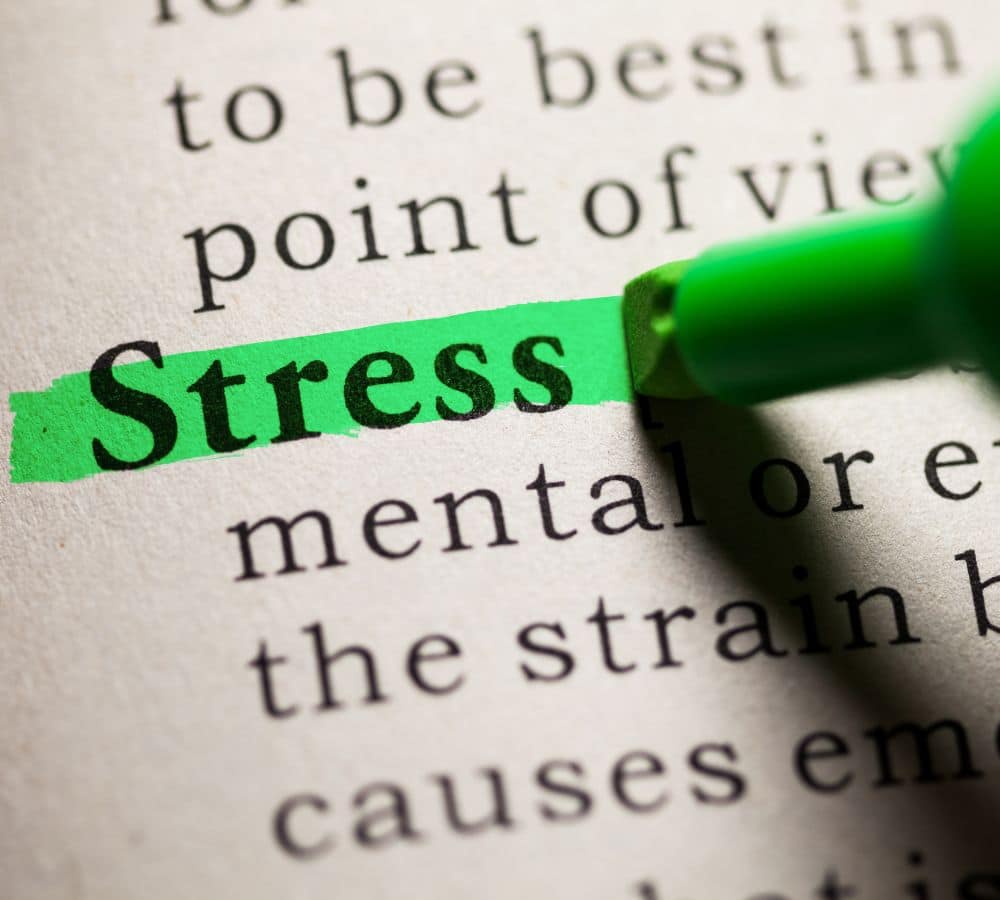
Stress is recognised as contributing to heart disease, asthma, diabetes, obesity, headaches, anxiety, depression and gastrointestinal problems.
Anything that reduces stress is worth doing. But few people think about how it affects the mouth — and the pathways are more specific than “stress is bad for you”. Dental health and general wellbeing and the importance of dental hygiene — a window onto your overall health set out the wider relationship.
Seven of them, and what to do about each.
1. Bruxism
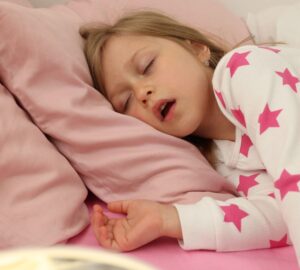
Stress and anxiety can cause you to grind your teeth while asleep — known as bruxism. What is bruxism and how is it managed? and night time tooth grinding and clenching are the fuller accounts.
It causes permanent damage: clenching and grinding chip teeth and wear down enamel. Do I have to get a chipped tooth fixed? and why does a cracked tooth hurt so much? cover what happens when a tooth finally gives way.
It makes jaw muscles sore, which makes it hard to open and close the mouth, or bite and chew. That is where bruxism shades into TMD — see what is the difference between TMD, TMJ and bruxism?, what are the most common symptoms of TMD? and what is the cause of my jaw pain?.
And it puts pressure on the supportive tissues of the teeth, which can eventually lead to bone loss if not corrected. Periodontal (gum) disease covers the other major cause of that bone loss, and the two together are worse than either alone.
The key word is permanent. Enamel that has been ground away does not regrow, and the damage accumulates silently while you sleep.
What to do: mention it to your dentist. A custom nightguard protects the teeth, and the type — soft or hard — depends on whether you have muscle pain as well as wear. See how can a night guard be used to treat TMD?, what kind of mouth guard should I use?, how can I stop grinding my teeth when I sleep? and TMD and teeth grinding. On the medication question, muscle relaxants for jaw clenching: when they help, when they don't is worth reading before you ask for a prescription.
2. Poor eating habits
Under stress, people reach for comfort foods. Sugary foods and coffee increase the risk of cavities. How does sugar affect your dental health? and six foods to avoid for healthy teeth cover the usual suspects.
The pattern that does the damage is not the quantity but the frequency — stress eating tends to be grazing, and each new exposure restarts the acid attack before the mouth has recovered from the last. How does your diet affect your teeth? and the stages of dental decay explain what that does over months. Alcohol is the other common stress response — what impact does wine have on my teeth?
The Australian Dental Association's policy statement on diet and nutrition puts that in clinical terms: “The form, frequency, timing and total amount of sugar intake are significant in the initiation of the caries process” (ADA Policy Statement 2.2.2). The same statement gives an intake figure — no more than six teaspoons, or 24 grams of free sugars, which the ADA equates to about 5 per cent of total energy intake, per day. The World Health Organization's threshold is less than 10 per cent of total energy intake, and ideally less than 5 per cent. A grazing fortnight rarely stays under either.
And the ADA adds one detail that matters for comfort food specifically: “The combination of sugar and food acid can be particularly destructive.” Many of the things people reach for under pressure — soft drink, wine, sweetened coffee, lollies with added acid — deliver both at once. How does acidic food affect your teeth? covers the acid half.
3. Dental habits lapse
When you are stressed, a good daily oral care routine is unlikely to be high on the agenda.
Neglecting brushing and flossing makes you more prone to decay and gum disease. What is the ideal daily routine for oral hygiene? and is flossing really that important? are the routine you are trying to hold on to.
This is the quiet one. It is not dramatic and it compounds — and it tends to coincide with the sugar and the grinding, which is why stressful periods show up so visibly at the next check-up. How do I prevent dental decay? is the recovery plan.
There is a reason the three arrive together rather than separately. The WHO describes decay as the product of three conditions in combination: “A continued high intake of free sugars, inadequate exposure to fluoride and a lack of removal of plaque by toothbrushing with fluoride toothpaste containing 1000-1500 ppm concentration can lead to dental caries.” A stressful month can move all three in the same direction at once — more sugar, less brushing, and therefore less of the fluoride that brushing delivers. The benefits of fluoride and selecting a toothpaste: fluoride or non-fluoride? cover that third factor.
The gum side is worth being precise about, because the two stages behave completely differently. In the clinical literature gingivitis is inflammation confined to the gums and is reversible with good oral hygiene, while in periodontitis the inflammation extends, and the tissue destruction that occurs is largely irreversible (Preshaw and colleagues, Periodontitis and diabetes: a two-way relationship, Diabetologia). The same paper notes that in its early stages periodontitis is typically asymptomatic — “it is not usually painful, and many patients are unaware until the condition has progressed enough to result in tooth mobility”. So the window in which a lapsed routine can simply be resumed is real, but it closes without announcing itself. What is gum disease? and do I need a deeper cleaning? are the two sides of that line.
4. Reduced saliva
Stress affects your hormones, and one effect is reduced saliva production.
A frequently dry mouth harms your teeth — plaque builds up faster, raising the risk of cavities. Reduced moisture can also make the tongue very sensitive. My mouth is always dry — why is this and does it affect my teeth? and my mouth always feels dry! What can I do? go through the causes and the practical measures.
This matters more than it sounds. Saliva is the mouth's main defence — it neutralises acid, remineralises enamel and clears debris. Losing it removes the protection while the sugar and the neglected brushing are both increasing. Does chewing sugar-free gum really help prevent cavities? and the benefits of fluoride cover the two easiest countermeasures. Dry mouth is also a common cause of bad breath — see how do I get rid of my bad breath?
The ADA names the circumstances in which acidic food and drink should be particularly avoided, and three of them describe a difficult period precisely: “individuals with conditions which lead to a reduction in salivary flow”, “individuals using medication(s) which lead to a reduction in salivary flow”, and “sipping drinks, other than water, during interrupted sleep” (ADA Policy Statement 2.2.2). The last is the one almost nobody thinks of — the glass of something other than water on the bedside table during a broken night, sipped over hours in a mouth that is already dry.
If a medication is the cause rather than the stress, that is worth raising with the prescriber rather than stopping anything — the point is that your dentist needs to know, because it changes your risk and your recall interval.
5. Ulcers
Stress can decrease the body's immunity to infection, and ulcers may appear in the mouth. The cause of mouth ulcers and their usual treatments sets out the types and what actually helps.
There is a vicious circle here: ulcers make it harder to follow your oral hygiene routine — at exactly the time when keeping the mouth clean is a key part of helping them heal.
What to do: keep brushing, gently, around the sore area rather than avoiding it — how much pressure should I apply when brushing my teeth? and which toothbrushes do dentists recommend?. An ulcer that has not healed within three weeks should be examined, regardless of stress — see oral cancer: signs, risk factors and how your dentist can help for why that rule exists.
The rule has published guidance behind it. Australian general practice guidance recommends that patients reporting any unexplained or non-healing change in the mouth for more than two to three weeks — a persistent ulcer, red patches, lumps, a sore throat — should have an oral cancer screen, and notes that “initial lesions of oral cancer are generally painless” (RACGP, Promoting oral cancer screening by general practitioners in Australia, AJGP, December 2024). The same paper cites an Australian study showing an average diagnostic delay of approximately four months between symptom onset and initial histological diagnosis — which is the gap a two-to-three-week rule exists to close, and the reason not to wait for something to hurt. How your dentist can help with early detection covers what the examination involves.
6. Impaired healing
Stress changes the way the body heals.
A dental procedure may not be as effective if you are dealing with considerable stress, and impaired healing also makes you more susceptible to infection during recovery.
What to do: if you have surgery planned and are going through a particularly stressful period, it is worth mentioning — it can affect timing and aftercare. I've just had oral surgery — what can I expect during recovery?, how long does it take to recover from wisdom teeth surgery? and understanding your treatment cover what to raise and when.
7. Missed appointments
You are less likely to prioritise professional dental care when stressed. If what is keeping you away is the appointment itself rather than the diary, that is a different and very treatable problem — how can I ease my anxiety about visiting the dentist?, dental anxiety and sleep dentistry.
Missing examinations and cleaning means a greater risk of cavities, gingivitis, periodontal infection, and more serious problems later. How often should I go to the dentist? and what is gum disease? explain what the interval is protecting against.
And this is the mechanism that converts the other six into lasting damage. Grinding, dry mouth and lapsed brushing are all manageable when someone is looking at them regularly. They compound quietly when nobody is. That is not a figure of speech: periodontal pocketing, the measurement that tells you whether the gums are losing attachment, “is not evident on simple visual inspection, and assessment using a periodontal probe is essential” (Preshaw and colleagues, Diabetologia). It is not something you can check in a mirror. Your Smile Solutions dental hygienist visit: what to expect describes where that measurement happens.
If you live with diabetes, the case for keeping the appointment is stronger again — the relationship runs in both directions. Diabetes and dental health: the two-way street that most people don't know about and diabetes and oral health set that out.
What to do
Everyone experiences stress. Overall and oral health are affected when it is extreme or sustained.
If you are feeling stressed, speak to a health care or medical professional. They can point you towards practical strategies for managing it.
And keep the dental appointments. Your dentist and hygienist can help you manage your oral routine through a stressful period — which is precisely when it is most likely to slip, and most consequential when it does. Your Smile Solutions dental hygienist visit: what to expect and dental cleans and hygienists describe the appointment.
Common questions
I sleep alone. How would I even know if I am grinding?
Often you would not, and healthdirect says so plainly: “If you grind your teeth while asleep, you may not be aware that you are doing it”, and “some people do not get any symptoms from grinding their teeth.” The usual first witness is somebody else — “your bed partner could be the first one to notice the sound of teeth grinding.”
What you can notice yourself is the list of consequences healthdirect gives: cracked, chipped or loose teeth; damaged tooth fillings; painful jaw muscles, especially in the morning; headaches or toothaches; sensitive teeth; sleep disturbance; temporomandibular joint dysfunction. It adds that “sometimes people see their doctor for headaches or a sore neck and find teeth grinding is the cause” — so a morning headache that nobody has connected to the jaw is worth mentioning.
The reliable route is the check-up. “Your dentist will check for signs of bruxism, such as tooth wear and damage, during regular dental check-ups.” Wear facets are visible to someone who knows the pattern long before a tooth breaks, which is the argument for going during the stressful period rather than after it.
healthdirect's list of triggers is broader than stress alone: emotional stress and anxiety; smoking; alcohol or caffeine use; snoring; taking particular medicines, such as certain antidepressants; using stimulants. If one of the medicines is yours, that is a conversation with your prescriber, not a reason to stop anything.
Does a night guard stop the grinding, or just protect the teeth?
Protect the teeth. That is the honest indication, and it is the one healthdirect uses — a custom-made mouthguard, or occlusal splint, is listed under managing “the physical aspects of teeth grinding”, described as being “to protect your teeth” rather than to stop the behaviour or treat the pain.
On whether it helps the pain, the evidence is thinner than the confidence with which splints are usually sold. A Cochrane review of occlusal interventions for temporomandibular disorders (57 studies, 2,846 participants, searched to August 2022) concluded that a splint “may reduce pain in muscles when chewing compared to receiving no treatment, but the results are very uncertain”, and that “there is little or no evidence that occlusal splints can give other benefits, but these results are also uncertain.” Its explanation for that uncertainty is worth knowing: “the studies involved people with different types of TMD receiving different types of treatments, and they measured the outcomes in different ways.”
There is one thing on which that review should make you cautious in the other direction. It also looked for evidence on occlusal adjustment — “the grinding down of teeth to improve occlusion” — and found none to report, concluding that further research is needed to establish whether occlusal adjustments are “beneficial or harmful”. So there is no randomised evidence that reshaping teeth treats or prevents TMD. A splint can be taken out. Enamel that has been ground off to adjust a bite cannot be put back. If that is ever proposed to you for grinding or jaw pain, it is a reasonable moment to ask what the evidence for it is and to seek a second opinion.
healthdirect also notes something rarely said out loud: “not everybody who grinds their teeth needs treatment.”
If stress is the cause, will dealing with the stress fix the jaw pain?
Possibly, slowly, and less reliably than you would hope — and the honest version of the evidence is more useful here than an encouraging one.
A Cochrane review of psychological therapies for painful temporomandibular disorders (22 randomised trials, 2,001 participants) found, for cognitive behavioural therapy:
- No benefit on pain intensity at the end of treatment, against either an alternative treatment or a control.
- A small benefit on pain intensity at longest follow-up — standardised mean difference −0.29 (95% CI −0.50 to −0.08) against alternative treatment, and −0.30 (95% CI −0.51 to −0.09) against control.
- A small benefit on psychological distress, sustained at follow-up (SMD −0.32, 95% CI −0.50 to −0.15).
- No benefit on pain disability — the interference pain causes in daily activities — at any point.
The review's own verdict on all of that: “we assessed the certainty of the evidence to be low or very low for all comparisons and outcomes”, and “overall, we found insufficient evidence on which to base a reliable judgement about the efficacy of psychological therapies for painful TMD.”
So: worth doing, most likely to show up later rather than immediately, more consistently helpful for the distress than for the pain, and not a substitute for having the teeth and jaw examined. healthdirect lists the same approaches — counselling including cognitive behaviour therapy, relaxation techniques such as mindfulness and meditation, developing good sleep habits, and avoiding stimulants and caffeine — and notes that “it's common to use more than one approach.”
I grind my teeth. Should I be tested for sleep apnoea?
This is a place where reputable sources genuinely disagree, and it is worth seeing both before you act.
healthdirect states that people who grind their teeth while asleep “may be more likely to have other sleep disorders, such as sleep apnoea”, and that “if your dentist finds that you have sleep bruxism, they may refer you to be checked by a doctor for sleep apnoea.”
A 2024 systematic review and meta-analysis in Sleep Medicine Reviews (Błaszczyk and colleagues, 14 studies) did not find that link. The odds of sleep bruxism in people with obstructive sleep apnoea did not differ significantly from controls (OR 1.23, 95% CI 0.47–3.20), and there was no gradient with severity — mild (OR 1.56, 95% CI 0.76–3.18), moderate (OR 1.51, 95% CI 0.77–2.94) and severe (OR 1.50, 95% CI 0.68–3.29) all crossed one. The authors add their own caution in both directions: “the quality of the major studies included is low”, and their findings “should not exempt clinicians from exact diagnosis of concomitant sleep conditions.”
What this does not license is the claim, common in appliance marketing, that grinding is a sign of sleep apnoea or your body's attempt to reopen an airway. Neither is established.
What should still prompt investigation is the apnoea itself — snoring, witnessed pauses in breathing, daytime sleepiness, waking unrefreshed. Those are reasons to be assessed whether or not you grind. See is TMD serious?.
Is my dry mouth the stress, my age, or my medication?
Probably not the age, which surprises most people.
A review of halitosis and oral dryness in the British Dental Journal is specific about this: although dry mouth is associated with ageing, “studies have demonstrated that salivary gland function is well preserved in the healthy geriatric population”, so dry mouth in an older person is probably systemic or extrinsic rather than a consequence of the years. The same review names “one of the most prevalent causes of xerostomia” as medication, and lists Sjögren syndrome, stress, depression, medication, mouth breathing and alcohol among the causes. It also notes that almost 25 per cent of older people experience a dry mouth — common, but not therefore normal.
There is a measurable threshold rather than just a sensation: the review describes patients with a dry mouth as having a salivary flow of around 0.15 mL per minute, against a usual 0.25 to 0.50 mL per minute.
The practical consequence is that "it is just stress" is a diagnosis worth checking rather than assuming, particularly if the dryness outlasts the stressful period or began when a medication did. Raise both with your dentist and your prescriber — and do not stop a prescribed medicine on your own. See my mouth is always dry — why is this and does it affect my teeth?
Related reading
- Can TMD be fixed?
- TMD vs TMJ vs bruxism: understanding what's actually wrong with your jaw
- Health problems linked to poor oral hygiene
- Are women especially prone to oral health problems?
- Top tips on how to avoid dental problems
- The Three Layers of Dental Wellness & Longevity
- General dentistry
Practical details
Smile Solutions, Level 1, 220 Collins Street, Manchester Unity Building, Melbourne VIC 3000 — getting here. Phone 13 13 96, contact us, or theteam@smilesolutions.com.au. Monday–Friday 8.00am–6.00pm, Saturday 8.30am–1.30pm, Sunday by appointment. The clinical team is listed by name.
Published 19 May 2015. General information only; it does not replace advice from your treating practitioner. If stress is affecting your health, speak to your GP or a mental health professional. Figures and quotations attributed to the Australian Dental Association, the World Health Organization, the RACGP, healthdirect, Cochrane, Sleep Medicine Reviews, the British Dental Journal and Diabetologia are those publishers' own, as at the dates of the documents cited.
Smile Solutions trades under ABN 28 193 514 103.
Images on This Page
-
https://www.facebook.com/tr?id=800557773428361&ev=PageView&noscript=1
(no alt text)
-
https://www.smilesolutions.com.au/wp-content/uploads/2025/10/calendar_month.svg
(no alt text)
-
https://www.smilesolutions.com.au/wp-content/themes/arcadian-wordpress-theme/assets/images/smile_solutions_logo_white.png
Smile Solutions Logo
-
https://www.smilesolutions.com.au/wp-content/themes/arcadian-wordpress-theme/assets/images/smile_solutions_logo_purple.png
Smile Solutions Logo
-
https://www.smilesolutions.com.au/wp-content/uploads/2023/11/SS-Tooth-1-1-150x150.png
Smile Solutions
-
https://www.smilesolutions.com.au/wp-content/uploads/2015/05/Stress-and-Dental-Health.jpg
Seven ways stress can affect your mouth
-
https://www.smilesolutions.com.au/wp-content/uploads/2025/09/Root-Canal-2-300x217.jpg
Root Canal
-
https://www.smilesolutions.com.au/wp-content/uploads/2026/08/Mouth-Breathing-300x270.jpg
Mouth Breathing
-
https://www.smilesolutions.com.au/wp-content/uploads/2025/09/Dental-Crown-at-Smile-Solutions-300x300.jpg
Dental Crown at Smile Solutions
-
https://www.smilesolutions.com.au/wp-content/themes/arcadian-wordpress-theme/assets/images/family_owned_bussiness.png
Family Owned Business
-
https://www.smilesolutions.com.au/wp-content/themes/arcadian-wordpress-theme/assets/icons/icon--phone.svg
Smile Solutions Contact
-
https://www.facebook.com/tr? id=800557773428361&ev=PageView&noscript=1
(no alt text)
-
https://bat.bing.com/action/0?ti=25148060&tm=gtm002&Ver=2&mid=01dfcf2a-41b1-4de4-b63d-869bb966393c&bo=1&sid=583be3a0ab2711f1abd469a20d4cb06d&vid=583c6040ab2711f187e3ef6af053d1bb&vids=1&msclkid=N&pi=918639831&lg=en-US&sw=800&sh=600&sc=24&nwd=1&tl=Seven%20ways%20stress%20can%20affect%20your%20mouth%20-%20Smile%20Solutions&p=https%3A%2F%2Fwww.smilesolutions.com.au%2Fdental-articles%2Farticle%2Fseven-ways-stress-can-affect-mouth%2F&r=&evt=pageLoad&sv=2&cdb=AQAQ&rn=180220
(no alt text)