How your diet affects your teeth
Two causes, not one
Ancient cultures in Greece, India, China and Egypt believed a “tooth-worm” tunnelled through the tooth and caused pain by wriggling, with the ache subsiding when it rested.
Centuries of research later, it is well established that cavities and erosion are directly related to diet — to what you eat, and how often you eat it.
Decay is caused by breakdown of the tooth surface from two sources:
- plaque bacteria
- a sugar-rich, acidic diet
How does tooth decay develop? and the stages of dental decay follow that process from the first mineral loss to a cavity, and can you reverse tooth decay? explains the one point at which it can still be turned around.
Plaque bacteria
Plaque is a complex community of bacteria, appearing as a sticky, tooth-coloured film that grows on our teeth every day.
To flourish, plaque bacteria require food in the form of sugars — more specifically, carbohydrates. Exposed to carbohydrate, they convert those sugars into acid, and it is the acid that attacks the teeth, starting the decay process.
Hence: remove plaque bacteria through good oral hygiene, and limit what feeds them through diet. What is the ideal daily routine for oral hygiene?, is flossing really that important? and how often should I brush my teeth? cover the first half; the rest of this article covers the second.
Plaque left undisturbed also inflames the gums, which is a separate disease from decay — what is gum disease?, periodontal (gum) disease and bleeding gums. When do you need deeper cleaning? explains where home care stops being enough.
Sugary and acidic foods, and the 20–40 minute window
When sugary and acidic food and drink are consumed, two things happen: acid is produced by the plaque bacteria, and the mouth itself shifts to a more acidic environment — conditions in which plaque bacteria thrive.
Saliva cleanses food from the teeth and brings the pH back to normal.
It takes saliva around 20 to 40 minutes to buffer the mouth back to a safe, non-acidic level.
That number explains the single most important dietary rule in dentistry. Each separate eating occasion starts a fresh 20–40 minute acid window. Six small snacks across a day produce six acid attacks; the same food eaten at two meals produces two.
Frequency matters more than quantity. Sugar: what does it do to your teeth? and how does sugar affect your dental health? put that rule in full.
It follows that anything reducing saliva lengthens each window. My mouth is always dry — why is this, and does it affect my teeth?, my mouth always feels dry! What can I do? and mouth breathing cover the common causes — medication being the most frequent.
The obvious culprits
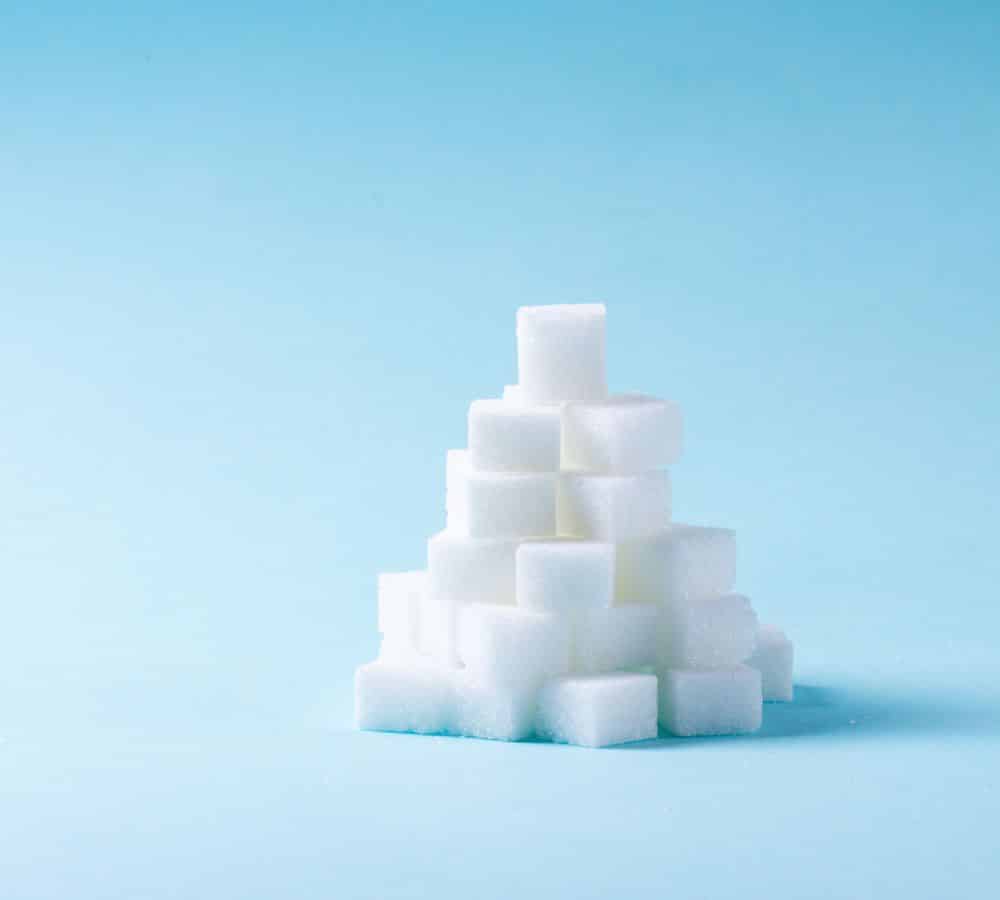
Fizzy drinks and chocolate are widely understood to be bad for teeth, because they contain sugar — which sends plaque bacteria into a feeding frenzy.
But most foods and drinks contain some form of sugar. What matters is how, and how often, we consume them.
Contain added and processed sugar: lollies, chocolate, muesli bars, even packet chips. Six foods to avoid for healthy teeth goes through the worst of them.
High in acidity and sugar: fizzy drinks, fruit juices, cordial, energy and sports drinks. All should be limited. See Victorians’ love of soft drink, damage to enamel within 30 seconds of a soft drink, what are sports drinks really doing to your teeth? and sports drinks linked to poor dental health in athletes.
And note the trap that catches most people: sugar-free is not acid-free. Diet soft drinks erode enamel at much the same rate as sugared ones — are sugar-free soft drinks better for my teeth? and is soda water bad for your teeth?
“Occasionally” is a number, and it is a small one
The advice above is easier to follow if you know what the published thresholds actually are, so here they are.
What counts as sugar
The term the guidelines use is free sugars. The World Health Organization defines them as all sugars added to foods and beverages by the manufacturer, cook or consumer, plus the sugars naturally present in honey, syrups and fruit juices. That definition is the reason honey and juice appear on this page at all: the sugar in a spoon of honey or a glass of orange juice is counted the same way as the sugar in a soft drink, whatever else those foods bring with them. Sugars locked inside the structure of whole fruit and vegetables and in plain milk are not free sugars.
The daily figure
The WHO strongly recommends reducing free sugars to less than 10% of total energy intake, and suggests it is desirable to reduce them below 5%. The Australian Dental Association translates the 5% figure into something you can count: no more than 6 teaspoons — 24 grams — of free sugar per day for an adult. One teaspoon of sugar is 4 grams, which is the conversion that makes a nutrition panel readable.
Held against that, the scale of the problem in a single purchase is stark. On average, one can of soft drink contains 10 teaspoons of sugar — about one and a half times the WHO's recommended daily intake, in a drink that also delivers acid directly. That is the number worth remembering next time the choice is framed as a treat.
Two more thresholds worth knowing
WHO recommends that children under 2 years of age should not consume any sugar-sweetened beverages — not "less", but none. Protecting your child from dental disease, when should a child first visit the dentist? and children’s dentistry cover the rest of the early years.
And on the other side of the ledger, the WHO names the three things that together allow decay to take hold: a continued high intake of free sugars, inadequate exposure to fluoride, and failure to remove plaque by brushing with a fluoride toothpaste containing 1000–1500 ppm. Most supermarket adult toothpastes sit in that range and state the concentration on the box; children’s low-fluoride pastes deliberately do not. Selecting a toothpaste: fluoride or non-fluoride? and choosing the right toothpaste go through the choice.
Why this is worth the trouble
The WHO's framing of the stakes is not modest. It describes dental caries as the most common noncommunicable disease worldwide, affecting 2.5 billion people — an estimated 2 billion with decay in permanent teeth and 510 million children with decay in their baby teeth. It also notes a strong and consistent association between socioeconomic status and both the prevalence and the severity of decay, which is a reminder that this is not purely a matter of individual choice.
Sticky foods
Foods that are sticky stay on the teeth longer.
The obvious ones: chewy lollies, roll-ups, Minties.
The less obvious ones: dried fruit and honey — which sound healthy but stick to the teeth for some time, increasing decay risk.
Instead of dried fruit, reach for fresh — or confine those foods to mealtimes. Sticky residue collects in the grooves of the back teeth, which is why fissure sealants are offered to children and why protecting your child from dental disease and kids’ teeth cleaning tips spend so much time on snacks.
Dental erosion
The irreversible loss of the tooth surface layer due to acid exposure.
It thins the protective enamel, which increases the chance of decay. Eroded teeth appear thin and translucent, and can be very sensitive and uncomfortable — what to do if you suffer from sensitive teeth.
Contributors: lemons, limes, tomatoes, vinegar — particularly in salad dressings — and the drinks listed above, plus wine. What is acid wear and how can I avoid it?, how does acidic food affect your teeth? and what is dental erosion and how is it addressed? cover the condition in detail. One rule worth adding: do not brush for about an hour after anything acidic — softened enamel is scrubbed away.
The fruit juice trap: juices are often chosen as a healthy alternative to water, but they are high in acidity and sugar. Eat fresh fruit rather than drinking juice, and you get the fibre and extra nutrients as well. The Australian Dietary Guidelines put it the same way, and add the detail that fruit juice should not be given to infants less than 12 months of age.
Foods that help
These are recommended to reduce the risk of cavities and erosion:
- fresh fruits and vegetables — carrots, apples, celery, cucumber
- nuts and legumes
- dairy — cheese, low-fat and low-sugar yoghurt, plain milk
- eggs
- white and red meat
- seafood
Cheese deserves particular mention: it raises pH and supplies calcium, which is why it works so well at the end of a meal. The ADA takes the same view in policy, recommending calcium-rich foods and drinks such as milk, cheese and some fish as the preferred source of dietary calcium. Plain black and green tea is another neutral option; fruit and herbal infusions often are not. What can I do to strengthen my teeth? covers the rest, and the benefits of fluoride explains what raises the threshold at which enamel starts dissolving in the first place — as does selecting a toothpaste: fluoride or non-fluoride?
The summary
- Eat sugar-containing foods only occasionally — and with or around mealtimes
- Drink acidic and sugary drinks very occasionally — with meals, and through a straw
- Water is best for promoting healthy saliva and cleansing the mouth after meals
- Reduce snacking on sticky and sugary foods between meals — snack on tooth-friendly foods instead
- Rinse your mouth with water after meals and snacks
- Avoid sugar in tea and coffee
- Avoid eating before bed, particularly sugary and sticky foods — saliva flow drops to almost nothing during sleep
- Chew sugar-free gum after meals and snacks, to stimulate saliva and clear food from the teeth
Common questions
My children drink juice rather than soft drink. Is that a reasonable compromise?
Less so than it feels, and the Australian data on this is unusually direct about the gap between what parents know and what happens.
In the Australian Dental Association's consumer survey of 25,000 Australian adults, 27% of children had fruit juice every day and a further 38% had it between two and five times a week — and that was despite 87% of parents saying they are aware these drinks lead to tooth decay, a figure 11 percentage points higher than in 2017. For soft drink, 38% of children had one two to five times a week and 24% up to twice a week. The ADA's own summary of the trend is the uncomfortable part: parental knowledge of the harm has increased, but the proportion of children drinking these up to five times a week has fallen by only 6% since 2018.
Why juice does not get a pass is set out higher on this page: under the WHO definition, the sugars in fruit juice are free sugars, counted the same way as the sugar in a soft drink. Juice is also acidic, so it arrives with both mechanisms at once.
The practical move is not banning it. It is changing when rather than whether — juice with a meal rather than sipped through the afternoon, and water as the between-meals default. That is the 20 to 40 minute rule above doing the work.
How bad is children's tooth decay in Australia, really?
Bad enough that it fills hospital theatre lists, which is the figure most people have never heard.
The ADA's Australia's Children and Young People Oral Health Tracker reports that nearly 11 in every 1,000 children aged 5 to 9 (10.8 per 1,000) are hospitalised for potentially preventable problems due to dental conditions. For Indigenous children the rate is 14.3 per 1,000. The same source finds that only 56% of children visit a dentist before age 5.
And the reason for that first visit matters as much as its timing: in the ADA's survey, one third of parents (32%) reported their child's first visit was for pain or a problem, with 46% for a check-up. A first appointment that begins with a toothache is a much harder introduction than one that begins with a look and a count — which is the whole argument of how Smile Solutions can help manage your child's dental anxiety.
If cost is the barrier, check eligibility for the Child Dental Benefits Schedule — the ADA's survey also found families not accessing government-funded entitlements they qualified for. How the schedule operates explains it, and Services Australia confirms eligibility.
Does any of this matter while they still have baby teeth?
It matters, and the belief that it does not is measurable.
The ADA's survey found that 76% of children never floss and never have it done for them — and it records the reason respondents gave: many thought it not worthwhile while baby teeth are in place. The professional advice is the opposite. Once a child has two or more baby teeth sitting side by side, dentists recommend cleaning between them daily. Most families get there years later: 61% introduced the idea between ages six and 13.
The reasoning is not sentimental about baby teeth. Decay between two touching teeth is invisible from the outside, it is the commonest place for it to start, and a baby molar lost early has consequences for the adult tooth behind it. The WHO's global count includes 510 million children with decay in deciduous teeth for exactly this reason.
Brushing is going better: the same survey found 68% of children brush twice a day, with 21% brushing once — most of those in families with children under three, where the obstacle was cooperation at the basin rather than belief. Kids' teeth cleaning tips and how to encourage your child to brush their teeth are the practical pages.
At what age should a child first see a dentist? I have heard several different answers.
You have, and both figures in circulation are real rather than one being a mistake.
The ADA's survey found the public spread out across the options: 40% thought around two years old acceptable, 20% age three, 10% age four or older, and only 25% thought age one or younger. Against that, the ADA states that dentists recommend the first dental visit when an infant's first tooth or teeth emerge, typically before or around age one.
Smile Solutions' own children's dentistry page recommends an introductory visit from age three, on the reasoning that this is the age at which most children can sit through a simple non-invasive appointment — and it says plainly that if there is any visible decay, white or brown marks, a history of nursing to sleep with a bottle, or a family history of early decay, you should not wait. Your child's first visit to the dentist describes what that appointment involves, and when should a child first visit the dentist? takes the timing question on its own.
The way to resolve it for your child is by risk rather than by birthday. The earlier visit is largely about assessing risk and coaching the parent, which is most valuable in exactly the families where decay is already likely. Ask which applies to yours.
Related reading
- How do I prevent dental decay?
- 10 ways to avoid ruining your teeth
- Caring for your teeth: 8 steps to dental health
- Why do I need a filling?
- Tooth fillings
- Diabetes and oral health
- Dental health and general wellbeing
- Understanding your treatment
Practical details
Have regular check-ups and cleans, and use those appointments to ask questions — individual risk varies considerably, and generic advice only goes so far. How often should I go to the dentist? and dental cleans with our hygienists.
Smile Solutions, Level 1, 220 Collins Street, Manchester Unity Building, Melbourne VIC 3000 — getting here. Phone 13 13 96, contact us, or theteam@smilesolutions.com.au. Monday–Friday 8.00am–6.00pm, Saturday 8.30am–1.30pm, Sunday by appointment. The clinical team is listed by name, and fee ranges are in the price guide.
The free sugar thresholds above are from the World Health Organization fact sheet on sugars and dental caries and Australian Dental Association policy statement 2.2.2 on diet and nutrition; the teaspoon conversions and the soft drink figure from the ADA's teeth.org.au; the infant juice advice from the Australian Dietary Guidelines; the survey and hospitalisation figures in the questions above from the ADA's consumer survey of 25,000 Australian adults and its Australia's Children and Young People Oral Health Tracker. All are revised periodically; check the current versions.
Published 1 April 2013. General information only; it does not replace advice from your treating practitioner.
Smile Solutions trades under ABN 28 193 514 103.
Images on This Page
-
https://www.facebook.com/tr?id=800557773428361&ev=PageView&noscript=1
(no alt text)
-
https://www.smilesolutions.com.au/wp-content/uploads/2025/10/calendar_month.svg
(no alt text)
-
https://www.smilesolutions.com.au/wp-content/themes/arcadian-wordpress-theme/assets/images/smile_solutions_logo_white.png
Smile Solutions Logo
-
https://www.smilesolutions.com.au/wp-content/themes/arcadian-wordpress-theme/assets/images/smile_solutions_logo_purple.png
Smile Solutions Logo
-
https://www.smilesolutions.com.au/wp-content/uploads/2023/11/SS-Tooth-1-1-150x150.png
Smile Solutions
-
https://www.smilesolutions.com.au/wp-content/uploads/2013/04/Sugar-and-dental.jpg
Dental cavities
-
https://www.smilesolutions.com.au/wp-content/uploads/2025/09/Root-Canal-2-300x217.jpg
Root Canal
-
https://www.smilesolutions.com.au/wp-content/uploads/2026/08/Mouth-Breathing-300x270.jpg
Mouth Breathing
-
https://www.smilesolutions.com.au/wp-content/uploads/2025/09/Dental-Crown-at-Smile-Solutions-300x300.jpg
Dental Crown at Smile Solutions
-
https://www.smilesolutions.com.au/wp-content/themes/arcadian-wordpress-theme/assets/images/family_owned_bussiness.png
Family Owned Business
-
https://www.smilesolutions.com.au/wp-content/themes/arcadian-wordpress-theme/assets/icons/icon--phone.svg
Smile Solutions Contact
-
https://www.facebook.com/tr? id=800557773428361&ev=PageView&noscript=1
(no alt text)