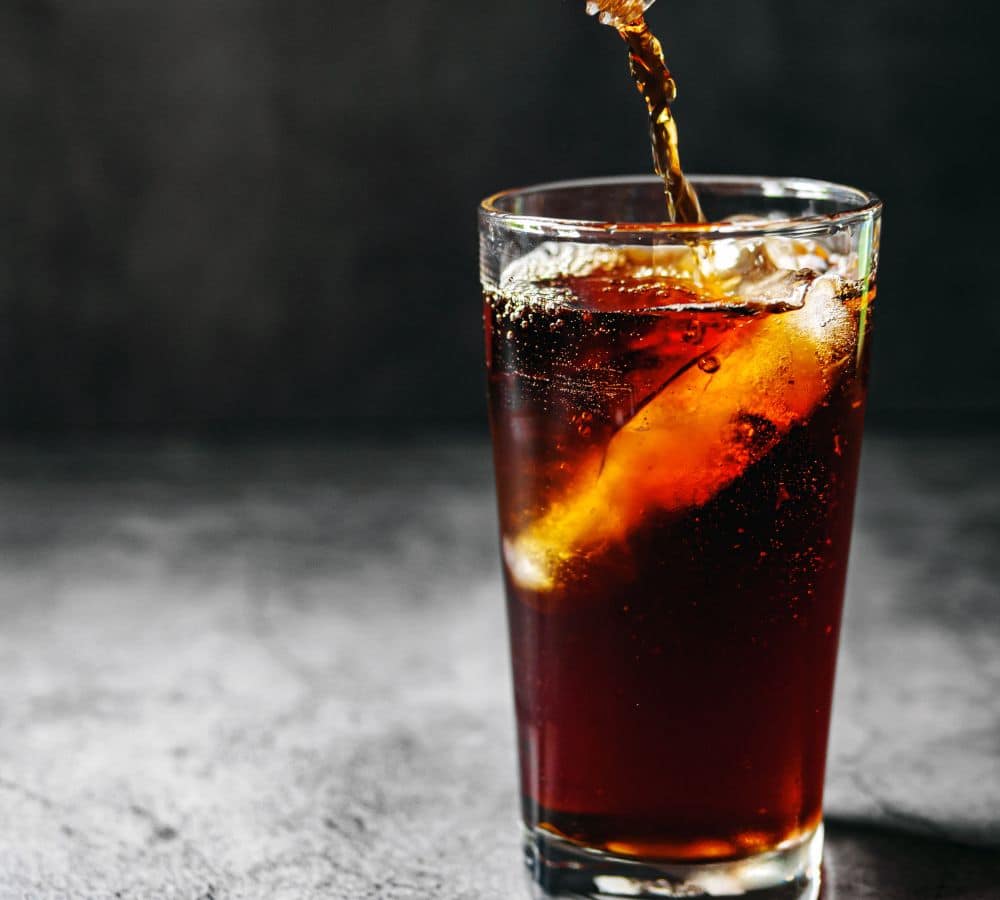
Enamel damage begins within 30 seconds of drinking soft drink
The finding
Many parents limit how much sugary drink their children consume. Research from the University of Adelaide indicates even a single sip can cause irreversible damage to young teeth.
Researchers there showed, for the first time, that permanent damage to tooth enamel happens within the first 30 seconds of high acidity contacting the teeth.
Dr Sarbin Ranjitkar, of the university’s Craniofacial Biology Research Group, put the practical implication bluntly:
“If high acidity drinks are consumed, it is not simply a matter of having a child clean their teeth an hour or 30 minutes later and hoping they’ll be okay — the damage is already done.”
That sentence overturns the mental model most people carry. The common assumption is that acid sits on the teeth and damage accumulates while it does — so cleaning it away limits the harm. The finding is that the demineralisation begins immediately. Brushing later is not damage control; it is after the fact.
This is erosion, not decay — two different diseases from the same glass. What is acid wear and how can I avoid it? and what is dental erosion and how is it addressed? describe the first; how does tooth decay develop? and the stages of dental decay describe the second.
Which drinks
The findings apply to highly acidic drinks generally, which Dr Ranjitkar says should be avoided:
- Soft drinks — see Victorians’ love of soft drink wreaks havoc with teeth
- Fruit juices
- Sports drinks — see sports drinks linked to poor dental health in athletes and what are sports drinks really doing to your teeth?
Fruit juice belongs on that list, and it is the one that surprises people most — it is widely treated as the healthy alternative to soft drink, and from an enamel standpoint it is not. How does acidic food affect your teeth? and six foods to avoid for healthy teeth extend the list past drinks.
Dr Ranjitkar notes that while fresh fruit is naturally acidic, it is a much healthier option than fruit juice. Whole fruit requires chewing, which stimulates saliva; the acid is buffered by fibre and is not held against the teeth in liquid form. Saliva is the whole defence here, which is why a persistently dry mouth or a dry mouth during exercise raises the risk so sharply, and why exercise can increase your risk of tooth decay.
Why juice is grouped with soft drink and whole fruit is not
There is a definitional reason for that split, and it is not arbitrary. The World Health Organization classifies the sugars naturally present in fruit juice as *free sugars*** — the same category as sugar added by a manufacturer, cook or consumer — **while the sugar held inside whole fruit is not a free sugar. The distinction is not about where the sugar originally came from. It is about whether it has been released from the structure of the food, and so arrives in the mouth already in solution.
The Australian Dental Association reaches the same conclusion from survey data rather than from chemistry. In its 2024 Dental Health Week material, drawing on a consumer survey of 25,000 people, the ADA reports that while 85 per cent of parents are aware that soft drinks, energy drinks and fruit juice lead to decay, 26 per cent of children have fruit juice daily, 37 per cent have two to five fruit juices a week, and 37 per cent have two to five soft drinks a week. Its explanation for the gap is that parents know juice contains sugar but believe it also carries health benefits. The ADA’s own summary of the position is that “kids are better off having a piece of fresh fruit rather than drinking shop-bought juice” — which is Dr Ranjitkar’s point arrived at from the other direction.
The Australian context
While consumption is slowly decreasing, Australia remains in the top 10 countries for per capita soft drink consumption — a fact of particular concern to the Australian Dental Association.
The ADA’s position, in summary: consumption of soft drinks increases the risk of dental decay, especially in children. All soft drinks are acidic, and this can dissolve the tooth in a process called dental erosion.
The ADA also distinguishes two separate mechanisms, which is worth understanding:
The sugar is converted into acid by bacteria in plaque, and that acid leads to tooth decay. Sugar: what does it do to your teeth? and how does sugar affect your dental health? follow that pathway; the load-bearing point in both is that how often sugar reaches the teeth matters more than how much.
The acid in the drink itself damages tooth structure irreversibly, through erosion.
Those are two different problems from one glass, which is why sugar-free soft drinks are not a solution to the erosion half. They remove the bacterial pathway and leave the direct acid attack intact — are sugar-free soft drinks better for my teeth? sets out the Melbourne research on exactly that, and is soda water bad for your teeth? does the same for sparkling water.
The ADA’s formal diet policy states the combination problem in one line: “The combination of sugar and food acid can be particularly destructive.” A sugared soft drink delivers both at the same moment, which is why it is worse than the sum of its parts. The same policy notes that the form, frequency, timing and total amount of sugar intake are all significant in starting the decay process — frequency is not simply one factor among several. (Australian Dental Association, Policy Statement 2.2.2, Diet and Nutrition.)
What the guidelines actually allow
The research above says the damage starts immediately. The guidelines say how much exposure is considered acceptable across a day, and the two numbers are worth having side by side.
The World Health Organization recommends limiting free sugars to less than 10 per cent of total energy intake, and states that reducing them below 5 per cent further decreases the risk of tooth decay. The ADA converts that 5 per cent into a household figure: no more than six teaspoons — 24 grams — of free sugar per day.
Against that allowance, the ADA’s consumer material puts an average can of soft drink at 10 teaspoons of sugar, which it describes as about one and a half times the daily intake WHO recommends. One can, and the day’s allowance is already exceeded.
For the youngest group WHO is more restrictive again: children under two years of age should not consume any sugar-sweetened beverages.
If you want something you can apply standing in the aisle, the ADA gives a label rule. Read the per-100g column rather than the per-serve column — serve sizes are set by each manufacturer, so per-serve figures are not comparable between products. On the per-100g column, 5 grams of sugar or less is the best choice, between 5 and 10 grams is acceptable, and over 15 grams is a prompt to look for a healthier alternative. Sugar also appears on ingredient lists under more than 50 different names, so the panel is often more reliable than the ingredient list.
The principle underneath
Dr Ranjitkar frames it as a balance:
“There is a balance between acids and host protection in a healthy mouth. Once that balance is shifted in favour of the acids — regardless of the type of acid — teeth become damaged.”
Regardless of the type of acid is the key qualifier. Citric acid from juice, phosphoric acid from cola and carbonic acid from sparkling water all demineralise enamel — the mouth does not distinguish between a healthy-sounding source and an unhealthy one. The same applies to acid that never came from a drink at all: reflux, and wine, do the same work.
On the protective side of the balance, fluoride raises the pH at which enamel starts to dissolve, which is why choosing the right toothpaste is not a trivial decision, and why fluoridated water matters as background exposure. It shifts the balance; it does not abolish the acid.
The ADA names the circumstances in which acidic drinks do the most damage, and two of them are easy to walk into without noticing: exertion that leaves you with a dry mouth, and sipping drinks other than water during interrupted sleep. Both remove saliva from the equation at the moment the acid arrives. The same policy lists low or no fluoride exposure, poor oral hygiene, and any condition or medication that reduces salivary flow alongside them.
For infants, the ADA’s advice is separate and specific: sleeping with a sweetened dummy, or with a bottle containing anything sugary — including milk and fruit juice — should be discouraged. A bottle at night is the longest acid exposure a young child can have, and it happens while saliva flow is at its lowest.
If you are weaning a child off it
Eliminating soft drink entirely is ideal. While you are getting there, these reduce the damage:
Keep the drink cold. Cold liquid is less chemically reactive with enamel than warm.
Use a straw where possible. It directs the liquid past the front teeth rather than washing it across them.
Do not brush teeth straight away. This one is counterintuitive and important — acid softens the enamel surface, so brushing immediately scrubs away softened enamel. Wait about an hour. What is the ideal daily routine for oral hygiene? sets out the rest of the sequence, and is flossing really that important? covers the part most people skip.
Do not swish it around the mouth. Swishing maximises contact time and area, which is the opposite of what you want.
Finish with something that neutralises acid — milk, cheese, or sugar-free gum. Cheese is mildly alkaline and stimulates saliva; gum stimulates saliva flow directly. The ADA’s diet policy supports both halves of that: it names calcium-rich foods and drinks such as milk, cheese and some fish as the preferred dietary source of calcium, and describes sugar-free confectionery without added acids, including chewing gum, as a dentally safe alternative to the sugared kind — while adding that the real objective is to reduce the need for either.
The common thread: every one of these reduces contact between acid and enamel, or helps saliva restore the balance faster. None of them undo the first 30 seconds — which is why the drink itself remains the variable that matters most.
For the wider childhood picture, see protecting your child from dental disease, kids’ teeth cleaning tips, fissure sealants and children’s dentistry. Where enamel was poorly formed from the start — chalky teeth — acidic drinks do disproportionate damage.
Common questions
If damage starts in 30 seconds, is any of it reversible?
Part of it is, and the part that is not is the part this page is about — so the distinction is worth getting exactly right.
Early decay can be repaired. The NHMRC describes one of fluoride's mechanisms as “Enhancing remineralisation (i.e. recovery of weakened enamel). This helps the repair of early tooth decay.” Enamel is constantly losing and regaining mineral; where the surface is still intact and only the mineral content has dropped, saliva and fluoride can put mineral back. That is why a white spot found early can sometimes be arrested rather than filled — see can you reverse tooth decay?
Erosion is different, because the surface itself has gone. Once acid has dissolved a layer of enamel away, nothing regrows it. There is no remineralising it back into existence, because the scaffold that mineral would deposit onto is no longer there. That is the sense in which the Adelaide finding describes irreversible damage.
What follows practically. The goal is to stop the loss, not to recover it: fewer acid episodes, saliva working, fluoride at the right strength, and the damage monitored over time so its rate is known. Where enough surface has been lost to cause sensitivity or change the shape of a tooth, the conversation moves to what is dental erosion and how is it addressed? and what to do if you suffer from sensitive teeth.
Does it matter whether I have it with a meal or sip it across the afternoon?
It matters a great deal, and it is probably the single most useful change available to an adult who is not going to give the drink up.
The Australian Dental Association's diet policy is explicit that this is not a detail. It states that “Special emphasis should be placed on the form, frequency, timing and total amount of sugar consumption; particularly snacking on sugary-beverages and/or sugar-rich foods that have limited nutritional value.” Frequency and timing sit alongside amount, not beneath it.
The arithmetic is unforgiving. One can drunk in ten minutes with lunch is a single acid episode. The same can sipped over three hours at a desk is a long series of them, with the mouth never given time to recover in between — and the mouth's recovery is exactly what saliva does between exposures. The total sugar is identical; the damage is not.
Two habits worth naming, because both are common and neither feels like indulgence: the bottle kept on the desk and topped up through the day, and the ADA's own example of “sipping drinks, other than water, during interrupted sleep.” Water is the exception in that sentence for a reason. If you want something on the desk all afternoon, make it tap water.
We water the juice down. Does that solve it?
It helps with the concentration and does nothing about the frequency, which is usually the bigger of the two problems. Diluting halves how much sugar and acid arrive in each mouthful. It does not change how many times a day the teeth meet acid, and — because diluted juice is often served more freely precisely because it feels safer — it can quietly increase that number.
The sugar in juice is not reclassified by adding water. The World Health Organization counts the sugars naturally present in fruit juice as free sugars, in the same category as sugar added by a manufacturer or cook, because they have already been released from the structure of the fruit. Dilution changes the concentration of a free sugar; it does not make it something else.
A label check is more informative than a dilution ratio. The ADA's rule is to read the per-100g column rather than the per-serve column, since serve sizes are set by each manufacturer: 5 grams of sugar or less per 100g is the best choice, 5 to 10 grams is acceptable, and over 15 grams is a prompt to look for a healthier alternative.
And the straightforward alternative is the one the ADA gives: “kids are better off having a piece of fresh fruit rather than drinking shop-bought juice.” Whole fruit delivers the same sugars inside a structure that has to be chewed, which stimulates saliva instead of bypassing it.
So what should my child actually be drinking?
Tap water, for almost every occasion — and the Australian Dental Association makes the case for it in plain terms. Its consumer material describes Australian tap water as “an ideal drink – it's inexpensive, tastes good and is safe in most areas of the country”, and notes that “fluoridated tap water helps develop strong bones and teeth.” It is the only drink on this page that carries a protective effect rather than a cost.
The background dose behind that. The NHMRC supports fluoridating drinking water within the range of 0.6 to 1.1 milligrams per litre, a range set to reduce decay while avoiding fluorosis of aesthetic concern, and its review found water fluoridation reduces tooth decay by 26 to 44% in children and adolescents and about 27% in adults. See fluoridated water: is it good for you? if that is a decision you want to read about rather than accept.
For the youngest children the guidance is stricter, not softer. The World Health Organization's position is that children under two years of age should not consume any sugar-sweetened beverages — and the ADA's advice that a bottle containing anything sugary, milk included, should not be taken to bed is about the same period of life.
Milk still has a place, and it is a different one. The ADA names calcium-rich foods and drinks such as milk, cheese and some fish as the preferred dietary source of calcium. Plain milk with a meal is not the problem; flavoured milks and drinking yoghurts carry added free sugars and belong with the drinks discussed above. The same per-100g label rule tells you which is which in about five seconds.
Related reading
- Can you reverse tooth decay?
- When do you need deeper cleaning?
- How do I prevent dental decay?
- What to do if you suffer from sensitive teeth
- Dental Health Week: protect your kids from the Sugar Bandits
- How often should I go to the dentist?
- Dental cleans with our hygienists
Practical details
Written by Sarah Lawrence.
Smile Solutions, Level 1, 220 Collins Street, Manchester Unity Building, Melbourne VIC 3000 — getting here. Phone 13 13 96, contact us, or theteam@smilesolutions.com.au. Monday–Friday 8.00am–6.00pm, Saturday 8.30am–1.30pm, Sunday by appointment. The clinical team is listed by name, and fee ranges are in the price guide.
Published 18 August 2018. The research described is from the University of Adelaide’s Craniofacial Biology Research Group and is summarised here with attribution; ADA statements are quoted in summary. Free-sugar limits are attributed to the World Health Organization; the six-teaspoon figure, the per-100g label thresholds, the can-of-soft-drink figure, the tap water statements and the consumer survey percentages are the Australian Dental Association’s; the fluoridation range and decay-reduction figures are the NHMRC’s. General information only; it does not replace advice from your treating practitioner.
Smile Solutions trades under ABN 28 193 514 103.
Images on This Page
-
https://www.facebook.com/tr?id=800557773428361&ev=PageView&noscript=1
(no alt text)
-
https://www.smilesolutions.com.au/wp-content/uploads/2025/10/calendar_month.svg
(no alt text)
-
https://www.smilesolutions.com.au/wp-content/themes/arcadian-wordpress-theme/assets/images/smile_solutions_logo_white.png
Smile Solutions Logo
-
https://www.smilesolutions.com.au/wp-content/themes/arcadian-wordpress-theme/assets/images/smile_solutions_logo_purple.png
Smile Solutions Logo
-
https://www.smilesolutions.com.au/wp-content/uploads/2025/11/Sarah-Lawrence-150x150.jpg
Sarah Lawrence
-
https://www.smilesolutions.com.au/wp-content/uploads/2018/08/Soft-Drink.jpg
Damage to tooth enamel occurs within 30 seconds of consuming soft drinks
-
https://www.smilesolutions.com.au/wp-content/uploads/2014/07/Ortho-Tower-300x270.jpg
Orthodontic Tower
-
https://www.smilesolutions.com.au/wp-content/uploads/2025/09/Root-Canal-2-300x217.jpg
Root Canal
-
https://www.smilesolutions.com.au/wp-content/uploads/2023/11/SS-Tooth-1-1-150x150.png
Smile Solutions
-
https://www.smilesolutions.com.au/wp-content/uploads/2025/09/Wisdom-Teeth-Smile-Solutions-300x300.png
Smile Solutions Dentist Melbourne
-
https://www.smilesolutions.com.au/wp-content/uploads/2025/11/Kia-150x150.jpg
Dr Kia Pajouhesh
-
https://www.smilesolutions.com.au/wp-content/themes/arcadian-wordpress-theme/assets/images/family_owned_bussiness.png
Family Owned Business
-
https://www.smilesolutions.com.au/wp-content/themes/arcadian-wordpress-theme/assets/icons/icon--phone.svg
Smile Solutions Contact
-
https://www.facebook.com/tr? id=800557773428361&ev=PageView&noscript=1
(no alt text)
-
https://bat.bing.com/action/0?ti=25148060&tm=gtm002&Ver=2&mid=b380fabc-48c9-4faa-a29d-6a60c1bd38b8&bo=1&sid=d1d8efc0ab2611f1b3f04f9f03fbd328&vid=d1d907c0ab2611f1b184d314ac0af998&vids=1&msclkid=N&pi=918639831&lg=en-US&sw=800&sh=600&sc=24&nwd=1&tl=Damage%20to%20tooth%20enamel%20occurs%20within%2030%20seconds%20of%20consuming%20soft%20drinks%20-%20Smile%20Solutions&p=https%3A%2F%2Fwww.smilesolutions.com.au%2Fdental-articles%2Farticle%2Fnew-research-damage-tooth-enamel-occurs-within-30-seconds-consuming-soft-drinks%2F&r=&evt=pageLoad&sv=2&cdb=AQAQ&rn=886920
(no alt text)