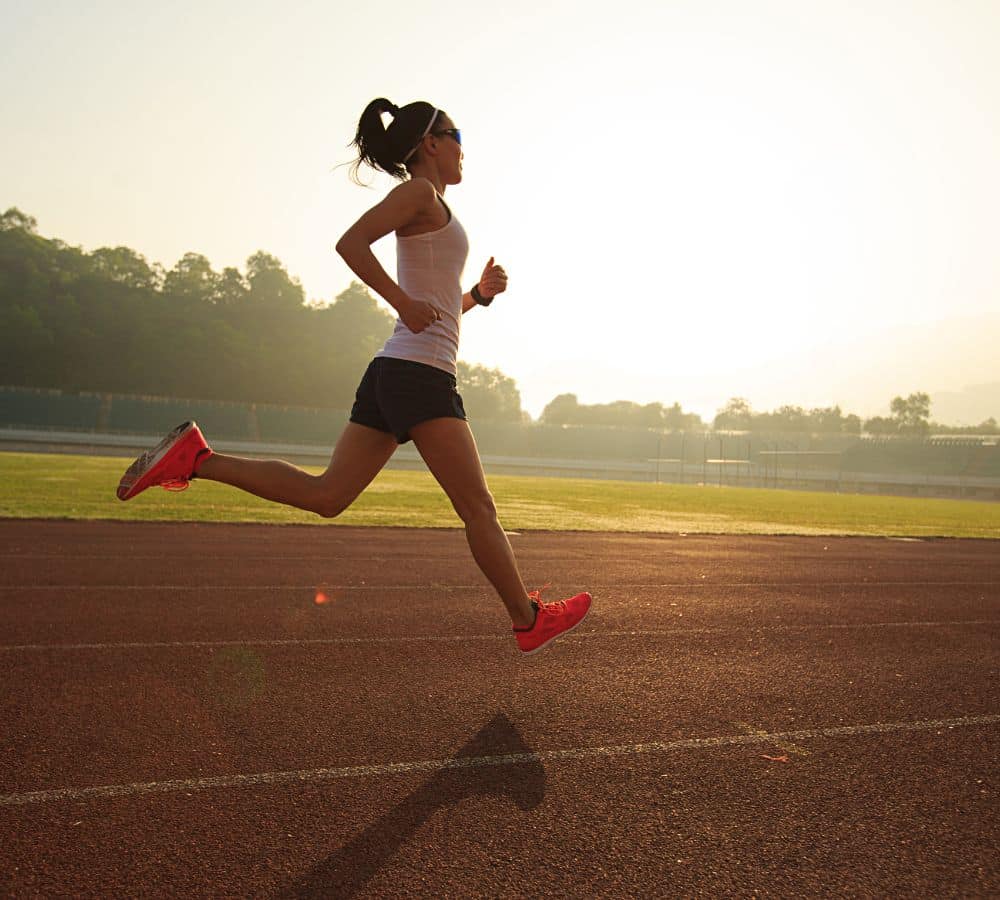
How exercise can increase your risk of tooth decay
The usual suspects for decay are well known: poor oral hygiene, too much sugar, skipping the six-monthly check-up. How does tooth decay develop?, how does sugar affect your dental health? and how often should I go to the dentist? cover those three.
Less well known: long cardio workouts may also take a toll.
The study
Published in The Scandinavian Journal of Medicine & Science in Sports, the research compared the oral health of endurance athletes with non-exercisers and found the athletes were more likely to have tooth decay.
35 triathletes and 35 non-exercising controls each received:
- an oral examination
- assessment of oral status with particular attention to caries and erosion
- saliva testing during inactivity
- a self-administered questionnaire on eating, drinking and oral hygiene behaviour
What was found: on the whole, the non-athletes had better oral health. And there was a dose relationship — the more time an athlete spent training each week, the greater their risk of cavities.
How to weigh it. This is a small study, and 70 participants split into two groups cannot settle a question on its own. It is also observational — it shows an association, not proof that training causes decay. But the finding is consistent with a well-understood mechanism, and larger work on elite athletes across several sports has repeatedly found poorer oral health than in comparable non-athletes. The direction of the finding is credible even where a single study is not conclusive. A separate piece on this site, sports drinks linked to poor dental health in athletes, covers the same territory from the drinks side.
Why
The results are attributed to reduced saliva.
Exercise — particularly cardio — reduces saliva levels, largely because of the extra breathing during intense workouts. The mouth becomes drier, with higher alkalinity — conditions thought to favour plaque growth. What causes dry mouth during running? is the article written specifically about this.
Saliva contains bicarbonate, calcium and phosphate, which neutralise plaque acids and help repair early tooth damage and decay. Less saliva means less of both. The benefits of fluoride explains the remineralisation process saliva is driving, and the stages of dental decay explains what happens when it stops keeping up.
Saliva is the single most underrated thing in the mouth. It buffers acid, clears debris, and delivers minerals back to the tooth surface. Anything that reduces it — exercise, many medications, mouth breathing, dehydration, some medical conditions — accelerates decay, which is why dry mouth is the commonest cause of sudden decay in someone who has never had a cavity. See my mouth is always dry — why is this and does it affect my teeth? and my mouth always feels dry! What can I do?
And then there is what athletes consume
Sugary energy gels and acidic sports drinks during training encourage decay — delivering sugar and acid to a mouth that has temporarily lost its main defence. What are sports drinks really doing to your teeth? is the detailed version.
That combination is the real mechanism. Neither the dry mouth nor the sports drink alone would be a serious problem; together, they are. The Australian Dental Association's policy statement on dietary sugars makes the same point in a single line: "the combination of sugar and food acid can be particularly destructive."
And the pattern of consumption is the worst possible one. Sports nutrition is designed to be taken in small amounts, repeatedly, over hours — which is precisely the pattern that causes the most damage. Frequency of acid and sugar exposure matters far more than total quantity. A gel every 20 minutes across a four-hour ride is twelve separate acid attacks on a dry mouth. This is why the ADA asks that oral health education place "special emphasis... on the form, frequency, timing and total amount of sugar consumption" — four variables, of which quantity is only one. How does your diet affect your teeth? and six foods to avoid for healthy teeth set out the same principle for ordinary eating.
It is also worth knowing what the target looks like in numbers. The World Health Organization's position is that limiting free sugars "to less than 10% of total energy intake — and ideally to less than 5% — minimizes the risk of dental caries throughout the life course". Free sugars, in the WHO's definition, means all sugars added to foods and beverages by the manufacturer, cook or consumer, plus the sugars naturally present in honey, syrups and fruit juices. A carbohydrate drink formulated for training counts in full, and so does the fruit juice afterwards.
Two mechanisms are running at once, and they are different problems:
- Decay — bacterial, driven by the sugar in gels, drinks and bars. The WHO describes the pathway plainly: plaque forms on the tooth and converts free sugars into acids that destroy the tooth over time. See sugar: what does it do to your teeth?
- Erosion — chemical, driven by the citric and phosphoric acid in sports and energy drinks. Most sit around pH 3, well below the pH 5.5 at which enamel dissolves — and that includes sugar-free versions, because the acid is the acid regardless. See what is dental erosion and how is it addressed?, I've heard a lot about acid wear — what is this and how can I avoid it?, how does acidic food affect your teeth? and are sugar free soft drinks better for my teeth?
What to do about it
If you train seriously:
- Drink plenty of water throughout your session — and rinse with plain water after a gel or a sports drink
- Brush your teeth after exercise — with the caveat below. What is the ideal daily routine for oral hygiene? and which toothbrushes do dentists recommend?
- Avoid sugary sports drinks where you can. For sessions under about an hour, water is genuinely sufficient for most people; the carbohydrate is not doing anything. Is soda water bad for your teeth? covers the plain-fizzy alternative, which is not quite as neutral as it looks.
- Chew sugar-free gum during or after training, which boosts saliva production. This is the single most useful item on the list, and gum containing xylitol has additional evidence behind it. The ADA's wording carries one proviso worth heeding: "sugar-free confectioneries without added acids, including chewing gums, are dentally safe alternatives" — without added acids, which several sharply flavoured varieties are not. See does chewing sugar-free gum really help prevent cavities?
- Use a bottle rather than sipping continuously, and take carbohydrate in fewer, larger doses where your nutrition plan allows
- Prefer solid food to gels where practical — it clears faster and stimulates more saliva
- Use a fluoride toothpaste, and a high-fluoride one if your dentist agrees it is warranted. The WHO names inadequate fluoride exposure as one of the three things that together cause decay, and specifies toothpaste containing 1000–1500 ppm as the baseline. Selecting a toothpaste: fluoride or non-fluoride? and choosing the right toothpaste for you
- Wear a mouthguard for contact sport — a separate risk, and a custom one. See Sports Mouthguards, should I wear a mouthguard while playing sports? and getting a new mouthguard — a trip to the chemist or the dentist?
One caveat on brushing: if you have just consumed something acidic — a sports drink, a gel, citrus — wait at least 30 minutes before brushing, and an hour is better, since brushing acid-softened enamel wears it away. Rinse with water in the meantime. Over brushing: what can it do to my teeth? and how much pressure should I apply when brushing my teeth? cover the same risk in ordinary circumstances.
None of this is an argument against training. It is an argument for treating a long session the way you would treat any other prolonged acid and sugar exposure.
Two related things worth knowing
Mouth breathing. Hard cardio means breathing through the mouth for hours, which dries the oral tissues directly — independent of the saliva effect. It is also why gum inflammation is common in endurance athletes. See mouth breathing: the silent habit that's changing your face and your health, bleeding gums and what is gum disease?
Clenching. Many athletes clench under load — in the gym, on the bike, in the last kilometre. Over years that contributes to tooth wear, cracked teeth and jaw muscle pain. If you wake with a sore jaw or headaches, mention it. See TMD & Teeth Grinding, what is bruxism and how is it managed? and what is the cause of my jaw pain?
Common questions
Is this only about elite athletes? No. The mechanism applies to anyone doing long sessions and consuming sports nutrition. A recreational cyclist doing four hours on a Sunday with gels is in the same position.
Are electrolyte tablets safer than sports drinks? Often lower in sugar, but frequently still acidic. Check, and rinse afterwards.
Should I stop using gels? Not if your training needs them. Change the pattern, not necessarily the product — rinse after, avoid holding them in the mouth, and do not extend the exposure.
Does dehydration alone cause decay? It reduces saliva, which raises risk. Hydration is the cheapest protective measure available — and in Melbourne the tap water is fluoridated as well, which bottled water generally is not. See fluoridated water — is it good for you?
Related pages: Dental Cleans and Hygienists, Sports Mouthguards, Is soda water bad for your teeth?, Tooth Pain and Toothaches.
Related reading
- How do I prevent dental decay?
- What can I do to strengthen my teeth?
- Top tips on how to avoid dental problems
- Your Smile Solutions dental hygienist visit: what to expect
- What to do if you suffer from sensitive teeth
- General dentistry
Practical details
If you train regularly, mention it at your check-up — it changes the decay-risk assessment and may warrant a shorter recall interval or a high-fluoride toothpaste.
Smile Solutions, Level 1, 220 Collins Street, Manchester Unity Building, Melbourne VIC 3000 — getting here. Phone 13 13 96, contact us, or theteam@smilesolutions.com.au. Monday–Friday 8.00am–6.00pm, Saturday 8.30am–1.30pm, Sunday by appointment. The clinical team is listed by name.
Every practitioner's registration can be verified free on the AHPRA public register at ahpra.gov.au.
Published 11 March 2015. Research findings are attributed to the study published in The Scandinavian Journal of Medicine & Science in Sports. pH values are approximate and vary between products. General information only — it is not a diagnosis or a treatment plan, and it does not replace advice from your treating practitioner.
Smile Solutions trades under ABN 28 193 514 103.
Images on This Page
-
https://www.facebook.com/tr?id=800557773428361&ev=PageView&noscript=1
(no alt text)
-
https://www.smilesolutions.com.au/wp-content/uploads/2025/10/calendar_month.svg
(no alt text)
-
https://www.smilesolutions.com.au/wp-content/themes/arcadian-wordpress-theme/assets/images/smile_solutions_logo_white.png
Smile Solutions Logo
-
https://www.smilesolutions.com.au/wp-content/themes/arcadian-wordpress-theme/assets/images/smile_solutions_logo_purple.png
Smile Solutions Logo
-
https://www.smilesolutions.com.au/wp-content/uploads/2023/11/SS-Tooth-1-1-150x150.png
Smile Solutions
-
https://www.smilesolutions.com.au/wp-content/uploads/2015/03/Exercise-Dental-Health.jpg
How exercise can increase your risk of tooth decay
-
https://www.smilesolutions.com.au/wp-content/uploads/2025/09/Root-Canal-2-300x217.jpg
Root Canal
-
https://www.smilesolutions.com.au/wp-content/uploads/2026/08/Mouth-Breathing-300x270.jpg
Mouth Breathing
-
https://www.smilesolutions.com.au/wp-content/uploads/2025/09/Dental-Crown-at-Smile-Solutions-300x300.jpg
Dental Crown at Smile Solutions
-
https://www.smilesolutions.com.au/wp-content/themes/arcadian-wordpress-theme/assets/images/family_owned_bussiness.png
Family Owned Business
-
https://www.smilesolutions.com.au/wp-content/themes/arcadian-wordpress-theme/assets/icons/icon--phone.svg
Smile Solutions Contact
-
https://www.facebook.com/tr? id=800557773428361&ev=PageView&noscript=1
(no alt text)
-
https://bat.bing.com/action/0?ti=25148060&tm=gtm002&Ver=2&mid=bbb95fd6-8704-41ba-b7a5-2d6087cfc8e7&bo=1&sid=4b7e6bc0ab2711f19e16f17b641d93c1&vid=4b7e79f0ab2711f1815e55879acd25a7&vids=1&msclkid=N&pi=918639831&lg=en-US&sw=800&sh=600&sc=24&nwd=1&tl=How%20exercise%20can%20increase%20your%20risk%20of%20tooth%20decay%20-%20Smile%20Solutions&p=https%3A%2F%2Fwww.smilesolutions.com.au%2Fdental-articles%2Farticle%2Fexercise-can-increase-risk-tooth-decay%2F&r=<=1256&evt=pageLoad&sv=2&cdb=AQAQ&rn=514813
(no alt text)