Pregnancy changes your mouth
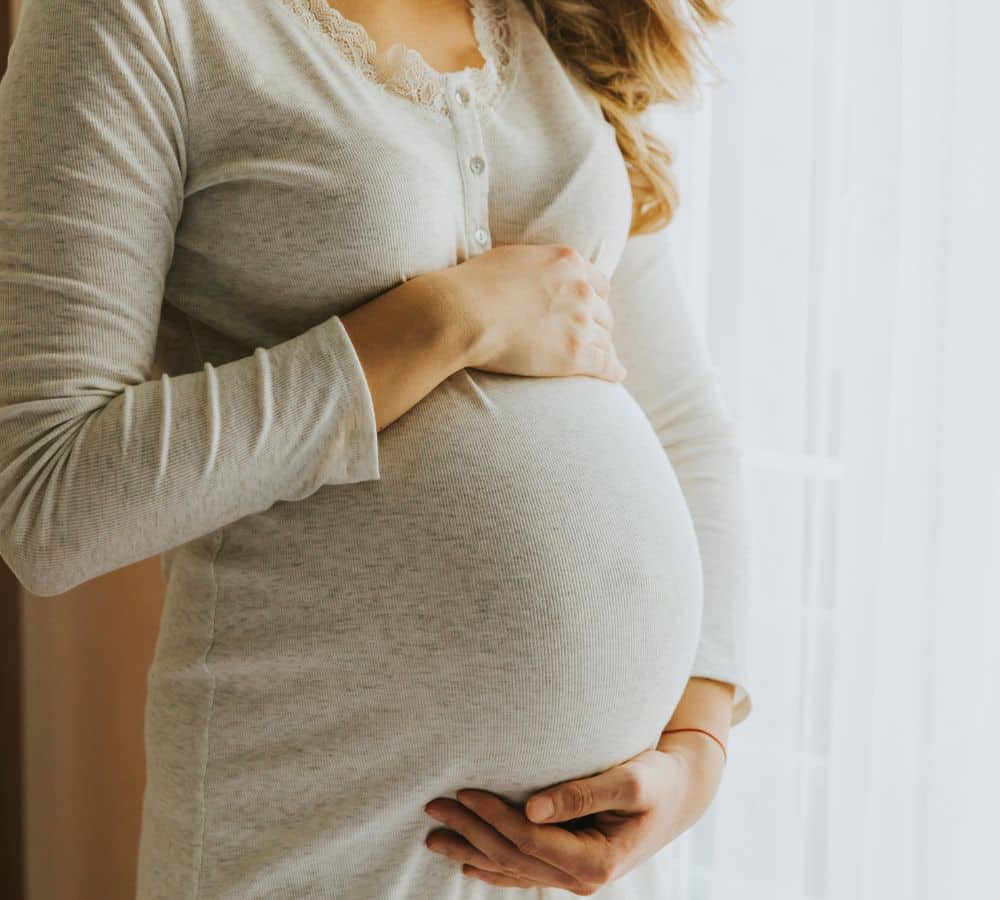
During pregnancy a woman's body goes through significant change, and oral health is no exception.
Prominent hormones — progesterone and oestrogen — surge, posing a higher risk of dental problems including tooth decay and gum disease. See how does tooth decay develop? and what is gum disease?
Those hormones loosen ligaments and increase blood circulation throughout the body, and in the mouth that can mean more tooth mobility.
The companion articles are how do I protect my teeth during pregnancy?, is it safe to visit the dentist during pregnancy? and pregnancy and dental health. Are women especially prone to oral health problems? sets pregnancy alongside the other hormonal stages.
The appointment most people miss, and it is before conception
The single most useful finding on this page is about a visit that happens before any of the above begins.
In an Australian Dental Association survey of 25,000 Australian adults published in July 2025, 75 per cent of women did not have a dental checkup before conception — which the ADA describes as vital, “because poor oral health in pregnant mothers is associated with poorer pregnancy outcomes like low birthweight babies.”
Three quarters is not a minority who forgot. It is the normal case, which tells you the pre-conception dental visit is simply not part of the cultural script the way the GP visit and the folate are.
The practical value of going beforehand is specific rather than vague: it is the one window in which elective work can be done without anyone having to weigh it against a pregnancy. Existing decay can be restored, active gum disease treated, and radiographs taken on the ordinary schedule rather than deferred. Everything described further down this page is easier to manage in a mouth that started the pregnancy healthy.
If you are already pregnant, this is not a reason for regret. It is an argument for the first-trimester appointment instead.
“A tooth for every child”
The old saying is that a woman loses a tooth for every child she has.
It is folklore rather than an inevitability — but there is a real mechanism behind it, and it applies in specific circumstances:
Where a mother has ongoing untreated periodontal disease, or untreated decay.
Periodontal disease can progress until the gums are so infected that the ligaments can no longer support a tooth. Periodontal (gum) disease and bleeding gums describe the earlier stages, where it is still straightforward to treat; when do you need deeper cleaning? covers the treatment, and a periodontist the advanced cases.
Decay can progress beyond the point of restoration. The stages of dental decay and can you reverse tooth decay? show where the line sits, and why do I need a filling? what happens on the near side of it.
In both cases extraction becomes the only way forward — and then what are the replacement options for missing teeth?
The saying describes what happens when existing disease goes untreated through pregnancy — not something pregnancy does to healthy teeth. Specifically, the baby does not draw calcium out of your teeth; enamel mineral is not mobilised the way bone mineral is. Which makes it an argument for continuing dental care, not for accepting the loss. Dental myths exposed collects a few more of these.
The chain of events
This is the most useful part to understand, because each step leads to the next.
Bleeding gums from gingivitis are exacerbated during pregnancy — by the hormones, and by increased mouth breathing. Mouth breathing: the silent habit that's changing your face and your health covers what that habit does more generally.
For many pregnant women, nasal congestion begins as early as the first trimester, making it difficult to breathe through the nose at night.
That leads to dry mouth. See my mouth is always dry — why is this, and does it affect my teeth? and my mouth always feels dry! What can I do?
Dry mouth leads to more plaque accumulation, and therefore more irritation to the gums and teeth.
Which cycles back into gingivitis, and increases the chance of decay from plaque and food debris producing acids that break down enamel.
So: congestion → mouth breathing → dry mouth → plaque → inflammation and decay. It is a chain most people would never connect to a blocked nose, and it explains why gums that were fine before pregnancy start bleeding during it.
The same reduction in saliva also lengthens every acid attack, which is why snacking patterns matter so much here — how often you eat matters more than how much. Sugar: what does it do to your teeth?, how does your diet affect your teeth? and six foods to avoid for healthy teeth. And note that sugar-free soft drinks are no gentler on enamel than the sugared kind, because the damage there comes from acid rather than sugar.
There is a fourth link in that chain that the Australian Dental Association names explicitly, and pregnancy supplies it. Among the circumstances in which its policy statement on diet and oral health says acidic food and drink should be avoided is “sipping drinks, other than water, during interrupted sleep.” Interrupted sleep is close to universal in the third trimester. If something is kept on the bedside table for the 3am waking, water is the version of that habit which does not cost you enamel.
And morning sickness
Nausea and vomiting can, over time, erode enamel — increasing sensitivity, and worsening a tooth that is already decaying. What is acid wear and how can I avoid it? and what is dental erosion and how is it addressed? describe the damage, which is permanent.
One practical point worth adding: do not brush immediately after vomiting. The enamel is acid-softened, and brushing at that moment removes it. Rinse with plain water, or a teaspoon of bicarbonate of soda in water, and brush later — roughly an hour later, once saliva has re-hardened the surface. Sugar-free gum in the meantime helps saliva along.
Continuing dental care during pregnancy
Dental hygiene visits and examinations are vital to maintaining a healthy mouth. How often should I go to the dentist?
A hygienist can clean your teeth and gums at any point during pregnancy. See dental cleans with our hygienists, your Smile Solutions hygienist visit: what to expect and what does a dental hygienist do?
A dentist can thoroughly check your dental health, and routine X-rays are usually deferred during pregnancy as a precaution. Dental X-rays are considered low risk with appropriate shielding, and imaging is still taken where it is genuinely needed — for example, to diagnose infection or pain — because an untreated dental infection carries its own risk. Tell your dentist you are pregnant, or may be, so that decision is made knowingly. How safe are dental x-rays? and understanding your treatment
It helps to know the scale of what is being weighed. The International Atomic Energy Agency gives typical effective doses of 1–8 μSv for an intraoral dental X-ray, 4–30 μSv for a panoramic examination and 2–3 μSv for a cephalometric examination, and notes that intraoral and cephalometric doses are “usually less than one day of natural background radiation”, while panoramic doses at the high end of the range are “equivalent to a few days of natural background radiation which is similar to that of a chest radiograph.” Cone beam CT sits higher again — the IAEA gives 50 μSv or below for small or medium scanning volumes and 100 μSv for large volumes.
Those are general figures, not pregnancy-specific guidance, and they are not a reason to ask for imaging you do not need. They are context for the opposite situation: when your dentist says an image is necessary to diagnose what is causing pain or infection, this is the order of magnitude involved in that decision. The judgement remains your treating practitioner's, made knowing you are pregnant.
The general principle: pregnancy is a reason to keep seeing your dentist, not a reason to stop. Postponing care for nine months allows exactly the problems described above to develop unchecked — and treatment during pregnancy is generally more straightforward than the emergency treatment that follows from waiting. What is considered a dental emergency?
One thing worth stating carefully, because it is often overstated: gum disease is associated with preterm birth and low birth weight in observational research, but treating it during pregnancy has not been shown in trials to change those outcomes. That does not weaken the case for treatment — gum health is worth having in its own right — but “linked to” is the accurate phrase, not “causes”. Note that the ADA uses the same careful word: poor oral health in pregnant mothers is associated with poorer outcomes.
Fluoride, tap water and breastfeeding
This comes up in almost every pregnancy, and there are clear answers from the National Health and Medical Research Council rather than opinion.
On drinking fluoridated tap water while pregnant or breastfeeding, the NHMRC states: “It is safe for the unborn child and infant when pregnant and breast feeding mothers drink water fluoridated at Australian levels.”
On breast milk, it records that breast milk naturally contains about 5–10 μg (micrograms) of fluoride per litre, and that the level of fluoride in breast milk remains steady when a nursing mother drinks fluoridated water. In other words, drinking tap water does not raise the fluoride your baby receives through feeding.
On formula, the NHMRC states that infant formula products sold in Australia are safe to feed to infants when made up with fluoridated drinking water. It also records its own recommendation of exclusive breastfeeding until around six months of age, with formula as the alternative until 12 months where breastfeeding is not possible or is partial.
None of that is a reason to change what you are drinking. It is here so that the question can be closed rather than worried about. The benefits of fluoride and fluoridated water: why I worry go further into the evidence.
What to do at home
Brush twice a day with fluoride toothpaste. The benefits of fluoride explains why, and what is the ideal daily routine for oral hygiene? sets out the sequence.
Floss daily, with good technique. Is flossing really that important?
Tooth mousse can be used nightly to slow the progression of decay, and to reduce sensitivity from acid erosion or gum recession.
Eat a balanced diet — hard cheeses, pasteurised milk and water nourish your baby while also supporting your teeth. Cheese and milk are on that list for a specific reason: they supply calcium and phosphate and help neutralise acid, which is useful during a period of frequent snacking and possible morning sickness. The Australian Dental Association takes the same position in general terms, stating that calcium-rich foods and drinks such as milk, cheese and some fish “should be promoted as the preferred source of dietary calcium.” The Australian Dietary Guidelines add one qualification worth knowing: full-fat cheeses should be limited to 2–3 serves per week.
What the dietary guidelines actually recommend in pregnancy
For the five food groups, the Australian Dietary Guidelines set these minimums for pregnant women:
| Food group | Minimum serves per day, pregnant women |
|---|---|
| Vegetables and legumes/beans | 5 |
| Fruit | 2 |
| Grain (cereal) foods, mostly wholegrain | 8½ |
| Lean meats and poultry, fish, eggs, nuts and seeds, and legumes/beans | 3½ |
| Milk, yoghurt, cheese and/or alternatives | 2½ |
For comparison, a woman aged 19–50 who is not pregnant is given 5 serves of vegetables, 2 of fruit, 6 of grain foods, 2½ of lean meats and alternatives and 2½ of dairy. The grain figure is the one that moves most — from 6 to 8½ — and the guidelines note that serve sizes are often small compared with what people actually eat, giving two slices of bread as two serves.
The dental relevance is not the totals. It is that a larger daily requirement, eaten in the small frequent portions that nausea and a compressed stomach tend to force, becomes many more acid attacks per day than the same food eaten in three sittings. That is the mechanism, and it is why timing is worth thinking about even when the food itself is exactly what has been recommended.
On the other side of the ledger, the ADA's position is that oral health education should encourage limiting consumption to no more than 6 teaspoons — 24 grams — of free sugar per day, which is 5 per cent of total energy intake. That follows the World Health Organization, which strongly recommends reducing free sugars to less than 10 per cent of total energy intake, and suggests a further reduction to below 5 per cent to further decrease the risk of tooth decay.
If nasal congestion is disrupting your sleep and drying your mouth, that is worth mentioning — both to your dentist and to your GP or midwife. It is treatable, and treating it interrupts the chain at its start.
Common questions
My gums bleed every time I brush now. Should I be brushing them less?
No. This is the most common wrong turn in pregnancy dental care, and it makes the problem worse.
Bleeding gums are inflamed gums, and the inflammation is a response to plaque sitting at the gum line. Brushing less leaves more plaque there, which produces more inflammation, which produces more bleeding. The bleeding is a symptom of something that brushing addresses, not a warning to stop.
As the chain described above sets out, pregnancy stacks two extra factors on top of the ordinary one: the hormonal change, and the dry mouth that follows nasal congestion and mouth breathing. That is why gums which were fine a few months ago start bleeding now, in someone whose brushing has not changed at all.
What to do instead: keep brushing twice a day, gently and thoroughly, with a soft brush along the gum line rather than scrubbing at it; keep cleaning between the teeth daily, because that is where the plaque you cannot reach with a brush sits; and have it looked at rather than waiting for it to settle. A hygienist can clean at any point during pregnancy, and bleeding gums and when do you need deeper cleaning? cover what happens if it has gone further than gingivitis.
What would change the advice is bleeding that is heavy, spontaneous, or coming from one specific spot rather than generally — that is worth reporting promptly rather than managing at home.
Is there a best time in the pregnancy to have dental work done, and what should I tell the practice?
On timing, the honest answer is that the independent sources behind this page do not set a trimester rule. What they do support is the shape of the decision: elective work is easiest before conception, anything urgent is dealt with when it arises because an untreated infection carries its own risk, and routine imaging is usually deferred unless it will change what is done.
So the useful version is not “wait until week X”. It is: separate what is urgent from what is elective, deal with the first now, and plan the second around the pregnancy with your practitioner rather than according to a rule of thumb.
On what to tell them — say it when you book, not when you are in the chair, because it changes how the appointment is planned rather than only what is done in it:
- That you are pregnant, or may be, and how many weeks. This is the one that determines the imaging decision.
- Anything your GP, midwife or obstetrician has said about your pregnancy that might bear on treatment, and any condition being monitored.
- Every medicine and supplement you are taking, including over-the-counter ones.
- Whether morning sickness is still a factor, and what sets it off — a gag reflex that is worse than usual changes what is comfortable and how long anything can be held in your mouth.
- Whether lying back is uncomfortable, which becomes a practical issue for some women later in the pregnancy. Positioning, breaks and shorter appointments are all straightforward to arrange if the practice knows in advance.
Contact us to raise any of it before the day.
I have toothache now. Is it safe to have it treated while I am pregnant?
The question is usually framed the wrong way round. The comparison is not treatment against nothing; it is treatment against an untreated dental infection continuing through a pregnancy, and that is the side of the ledger with the clearer risk. This page already makes the point in general terms: imaging and treatment do go ahead where they are genuinely needed, precisely because an untreated infection carries its own risk.
So do not wait it out. Book, and say you are pregnant when you book. What is considered a dental emergency? and emergency dentistry set out what counts as urgent — pain that wakes you, swelling of the face or gum, fever alongside dental pain, or a tooth that has become sensitive to hot and stays painful after the stimulus is removed are all reasons to be seen rather than to monitor.
On anaesthetic, pain relief and antibiotics: those decisions belong with your treating practitioner, made knowing you are pregnant and knowing what else you are taking. Not with a web page, and not with a pharmacy shelf. Do not take anything — including anything you have at home from a previous course, and including over-the-counter medicines — on the assumption that it is fine in pregnancy. Ask.
One practical note while you are waiting for the appointment: avoid holding anything against the gum in the hope of numbing it. Several household remedies for toothache are acidic or caustic and cause a soft-tissue burn on top of the original problem.
Can I have my teeth whitened while I am pregnant, or should it wait?
It should wait, and the reasoning is worth setting out because it is not a risk claim.
There is no pregnancy-specific evidence on tooth whitening in the independent sources behind this page — in either direction. That absence is the whole answer. Whitening is elective and purely cosmetic; the discoloration will still be there in a few months; and there is nothing to be gained by being the case that generates the evidence. Deferring costs you nothing.
What the sources do establish is the regulatory position, which is useful whenever you have the treatment. Under Schedule 10 of the Poisons Standard, products containing more than 6 per cent hydrogen peroxide or more than 18 per cent carbamide peroxide may only be sold, supplied and used by registered dental practitioners. That is the line between professional whitening and what is sold over the counter, and it is why the two are not the same product at a different price. It also means anything above those concentrations offered outside a dental practice is being supplied contrary to the Standard.
One caution that applies now rather than later: if morning sickness has been eroding your enamel, whitening is not the treatment for that, and the eroded surface should be assessed before any cosmetic work is planned. What is dental erosion and how is it addressed? and teeth whitening.
Do my pregnancy supplements affect my teeth?
They can, and it is one of the least-expected items on the list — because it is the form of the supplement that matters rather than what is in it.
The Australian Dental Association's policy statement on diet and oral health states that medications, “including over-the-counter vitamin and mineral tablets, may include sugars (particularly those that are chewable and dissolved in the mouth) or contribute to dry mouth, both of which can contribute to tooth decay or softening and loss of tooth structure.” The same statement lists “chewing and sucking acidic vitamin tablets” among the circumstances in which acidic foods and drinks should be avoided.
Chewable and dissolvable formats are common in pregnancy supplements, because they are easier to keep down. That is a sensible reason to choose them — and it means the tablet spends time in contact with the teeth rather than being swallowed. Combine that with the reduced saliva described above and you have a daily acid or sugar exposure that nobody has counted as food.
What to do about it, without changing anything you have been told to take: take a chewable or dissolvable supplement with a meal rather than between meals, so it joins an existing acid exposure instead of adding a new one; rinse with water afterwards; and do not brush straight away if it was an acidic one, for the same reason you do not brush straight after vomiting. If a swallowed tablet or capsule is tolerable, it avoids the issue entirely — but that is a question for your GP, midwife or pharmacist, not something to change on your own.
Does anything about my baby's teeth start before the birth?
Yes. The Australian Dental Association states that baby teeth “begin developing while your baby is still in the womb”, which is why the nutritional advice above is doing two jobs at once.
What is worth knowing now, so it is not a surprise in ten months:
- Baby teeth often start to appear around 9 months, with a normal range of 3 to 12 months, and all 20 usually arrive by age 3. The ADA adds that if there are no teeth by 12 months, a check-up is warranted.
- The first dental visit is recommended when the first teeth arrive in the mouth — the ADA's NSW branch puts it as when the first tooth comes through or by one year of age, whichever comes first.
- No toothpaste is needed until 18 months; before that, a toothbrush and water once the first tooth appears.
- Do not dip a dummy in sugary spreads such as honey or jam. The ADA names this specifically as something that raises decay risk once teeth are present.
The gap between that advice and what happens is large: in the same ADA survey quoted above, 40 per cent of Australian adults thought around two years old was an acceptable age for the first visit, 20 per cent said three, and only 25 per cent thought age one or younger was right. Knowing the answer before the birth is the cheapest way to be in the quarter that gets it right.
When should a child first visit the dentist?, first visit to the dentist, baby teething: signs, symptoms and treatments and the order and appearance of baby teeth.
Related reading
- Protecting your child from dental disease
- When should a child first visit the dentist?
- First visit to the dentist
- Baby teething: signs, symptoms and treatments
- Children's dentistry
- How do I prevent dental decay?
- Diabetes and oral health
- Dental anxiety
Practical details
Written by Cathy Huynh.
Smile Solutions, Level 1, 220 Collins Street, Manchester Unity Building, Melbourne VIC 3000 — getting here. Phone 13 13 96, contact us, or theteam@smilesolutions.com.au. Monday–Friday 8.00am–6.00pm, Saturday 8.30am–1.30pm, Sunday by appointment. The clinical team is listed by name, and fee ranges are in the price guide.
Published 14 January 2021. Tell your dental practitioner if you are pregnant or may be. The pre-conception checkup figure, the first-visit survey figures and the statements about infant teeth developing in the womb, eruption timing, toothpaste from 18 months and dummies are from the Australian Dental Association and its NSW branch. Radiation dose figures are from the International Atomic Energy Agency and are general typical effective doses, not pregnancy-specific guidance. Fluoride, breast milk and infant formula statements are from the National Health and Medical Research Council. Dietary serve figures are from the Australian Dietary Guidelines (Eat For Health, NHMRC); the calcium, free-sugar and vitamin-tablet positions are from the Australian Dental Association's policy statement on diet and oral health, and the free-sugar percentages from the World Health Organization. The peroxide concentration limits are from Schedule 10 of the Poisons Standard. General information only; it does not replace advice from your treating practitioner, GP or midwife.
Smile Solutions trades under ABN 28 193 514 103.
Images on This Page
-
https://www.facebook.com/tr?id=800557773428361&ev=PageView&noscript=1
(no alt text)
-
https://www.smilesolutions.com.au/wp-content/uploads/2025/10/calendar_month.svg
(no alt text)
-
https://www.smilesolutions.com.au/wp-content/themes/arcadian-wordpress-theme/assets/images/smile_solutions_logo_white.png
Smile Solutions Logo
-
https://www.smilesolutions.com.au/wp-content/themes/arcadian-wordpress-theme/assets/images/smile_solutions_logo_purple.png
Smile Solutions Logo
-
https://www.smilesolutions.com.au/wp-content/uploads/2019/04/Cathy-150x150.jpg
Cathy Huynh
-
https://www.smilesolutions.com.au/wp-content/uploads/2013/01/Pregnancy-and-Dental-Care.jpg
Pregnancy-and-Dental-Care
-
https://www.smilesolutions.com.au/wp-content/uploads/2025/11/Teeth-Whitening-at-Smile-Solutions-300x270.png
Teeth Whitening at Smile Solutions
-
https://www.smilesolutions.com.au/wp-content/uploads/2022/04/Bad-Breath-300x270.jpg
Bad Breath
-
https://www.smilesolutions.com.au/wp-content/uploads/2019/03/Soda-Water-300x270.jpg
Soda Water
-
https://www.smilesolutions.com.au/wp-content/themes/arcadian-wordpress-theme/assets/images/family_owned_bussiness.png
Family Owned Business
-
https://www.smilesolutions.com.au/wp-content/themes/arcadian-wordpress-theme/assets/icons/icon--phone.svg
Smile Solutions Contact
-
https://www.facebook.com/tr? id=800557773428361&ev=PageView&noscript=1
(no alt text)
-
https://bat.bing.com/action/0?ti=25148060&tm=gtm002&Ver=2&mid=286b8878-b6a2-4499-8a29-b9e82f6f80cd&bo=1&sid=bd6144a0ab2511f1927d63b923c2e3dc&vid=bd616980ab2511f1824d43e0b8c938db&vids=1&msclkid=N&pi=918639831&lg=en-US&sw=800&sh=600&sc=24&nwd=1&tl=Oral%20Health%20Care%20While%20Pregnant%20-%20Smile%20Solutions&p=https%3A%2F%2Fwww.smilesolutions.com.au%2Fdental-articles%2Farticle%2Foral-health-care-while-pregnant%2F&r=&evt=pageLoad&sv=2&cdb=AQAQ&rn=712740
(no alt text)