What does a dental hygienist do?
More than clean your teeth. A hygienist's focus is maintaining gum health and preventing dental disease — which means assessing your individual risk, removing what you cannot remove yourself, screening the soft tissues for abnormalities, and tailoring your home routine to what your mouth actually needs.
Dental cleans and hygienists is the service page; your Smile Solutions dental hygienist visit: what to expect describes the appointment in order; and dental hygienist vs dentist compares the two roles directly.
A dental hygienist is a registered health practitioner, not an assistant. The Dental Board of Australia registers dental hygienists in their own division alongside dental therapists and oral health therapists, and applies to every registrant its Scope of practice registration standard, which "requires dental practitioners to practise within the scope of their education, training, and competence at all times". That standard is what defines the boundary between what a hygienist does and what is referred on.
Assessing your individual needs
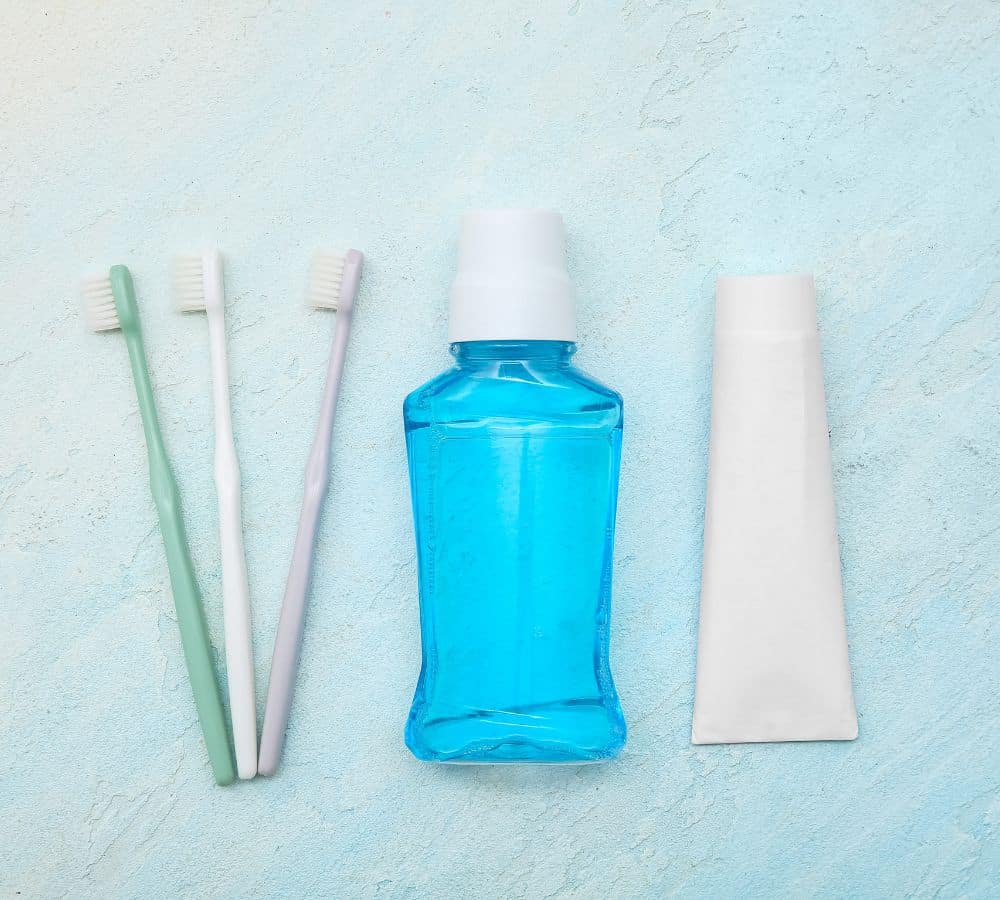
Before anything else, a hygienist assesses each person's individual needs and areas of risk. That assessment then shapes everything else, including a home care routine tailored to you rather than to the average patient. What is the ideal daily routine for oral hygiene? is the default that gets adjusted.
Two people with identical brushing habits can have completely different risk profiles — because of medications that cause dry mouth, diet, smoking, diabetes, orthodontic appliances, existing restorations, or simply the shape of their teeth. Generic advice serves neither of them well.
And your needs change. A new medication, a pregnancy, a change in diet, new crowns or bridges, or new products coming onto the market can all shift what is appropriate — which is why the recommendation is reviewed at every visit rather than set once.
Assessing gum health and screening the soft tissues
As part of the individual assessment, a hygienist:
- Evaluates your current gingival (gum) condition — measuring pocket depths, recording bleeding points, noting recession and mobility
- Screens for oral abnormalities, including possible signs of oral cancer — how your dentist can help with early detection and oral cancer: signs, risk factors and how your dentist can help
That second point deserves emphasis. The soft-tissue check — tongue, cheeks, lips, floor of the mouth, palate — is for most adults the only oral cancer screening they receive. It takes a couple of minutes and early lesions are usually painless, which is exactly why they are missed by the person who has them. That is not a turn of phrase: the RACGP states that "Initial lesions of oral cancer are generally painless, and hence, patients reporting any unexplained and/or non-healing changes or symptoms in the mouth for more than two to three weeks (eg a persistent ulcer, red patches, lumps, a sore throat, or erythematous or speckled lesions) should have an oral cancer screen." It adds that "The clinical presentation of oral cancer is highly variable, with the most common feature of a persistent non-healing ulcerated lesion". Most of what turns up is harmless: the cause of mouth ulcers and their usual treatments covers the common findings, and what are the causes, symptoms and treatment of mouth cancer? covers the rare one.
The periodontal charting matters for a similar reason. Gum disease is measured, not eyeballed, and comparing today's numbers against last year's is what identifies disease that is progressing before you can feel it. The two thresholds to know: floss reaches roughly 3mm below the gum margin, and a pocket of 5mm or more is periodontitis — beyond the reach of any home routine. When do you need deeper cleaning?
How the hygienist's role differs from the dentist's
The two roles are complementary, and they look at different things.
| Dentist | Hygienist | |
|---|---|---|
| Primary focus | Teeth and restorations | Gums and prevention |
| Checks for | Caries (decay), condition of existing restorations, occlusion (how the teeth bite together), and the potential for future problems | Periodontal health, calculus, and prevention of future disease |
| Also | Diagnosis, treatment planning, restorative treatment | Professional cleaning, home care coaching, risk assessment |
At our Melbourne CBD practice the dentists and hygienists work closely together, and the two assessments are read alongside each other. What is the difference between having your teeth cleaned by a dentist and a dental hygienist? answers the question people usually mean when they ask this, and what is the difference between a dental therapist and a dental hygienist? covers the third role that is often confused with both. The clinical team is listed by name.
Why regular hygienist visits matter
Over time, calculus (tartar) builds up on the teeth — both above the gumline and below it, in the natural pocket surrounding each tooth.
The critical difference between calculus and plaque: plaque is soft and can be brushed and flossed away; calculus is hardened and cannot. Once mineralised, it can only be removed professionally, with instruments. No toothbrush, no rinse, and no home gadget will shift it.
Why that matters is stated plainly in ADA Policy Statement 2.2.3: "Tooth decay (dental caries) and gum disease (periodontal disease) are two of the most common diseases experienced by Australians. Plaque is the primary cause of both diseases. Oral hygiene strategies can reduce plaque levels and deliver effective preventative agents to the sites of potential or established disease." One cause, two diseases — which is why a single routine addresses both.
It is worth being precise about what plaque is, because it explains why the products aisle cannot do this job. Plaque is a biofilm — a structured, adherent community of bacteria, not loose debris sitting on the tooth. Only mechanical disruption removes it. Rinses, oils and mouthwashes act on what brushing and cleaning between the teeth leave behind; they are adjuncts, not substitutes. The ADA's policy draws exactly that line: its list of "main oral hygiene strategies" is "brushing for two minutes twice a day; using an age-appropriate fluoride toothpaste; clean between teeth once a day using floss or interdental brushes; and visit a dental professional for regular check-ups and professional cleaning". Mouthrinse does not appear on that list; it appears on a separate list of "proven aids to oral hygiene". Effective, in other words, but as an addition rather than a replacement. See the truth and myths about mouthwashes, is flossing really that important? and, for the one that comes up most often, can oil pulling make my mouth healthier?
Calculus left in place — particularly below the gumline — causes gingivitis, inflammation of the gums. It also provides a rough surface that accumulates further plaque, so the problem accelerates.
Gingivitis and periodontitis
This distinction is the most important clinical idea on the page. What is gum disease? and periodontal (gum) disease go into it at length.
Gingivitis is reversible. With periodic professional cleaning and good home care, inflamed gums return to health, typically within one to two weeks. Nothing is permanently lost.
Periodontitis is not. In some people, untreated gingivitis progresses to periodontal disease, in which the supporting tissue around the tooth and the underlying bone are destroyed. Bone that has been lost does not grow back. Treatment can arrest the disease and stabilise what remains, but it cannot restore what has gone. Where teeth are eventually lost, the replacement options — implants, bridges, dentures — are all more expensive and more involved than the cleaning that would have prevented it. What are the replacement options for missing teeth?
It is also commoner than most people assume, and quieter. A review in Diabetologia describes periodontitis as "a highly prevalent, but largely hidden, chronic inflammatory disease", reporting that "severe periodontitis that threatens tooth retention" affects "10–15% of adults in most populations studied", while "Moderate periodontitis is even more common, affecting 40–60% of adults". The same review names the risk factors: "Smoking is a major risk factor; it significantly increases risk for periodontitis and severity of the condition", and "The risk of periodontitis is increased by approximately threefold in diabetic individuals compared with non-diabetic individuals."
That is the whole argument for regular visits, in two sentences: while it is gingivitis, a clean fixes it. Once it is periodontitis, the best available outcome is holding the line.
The symptom to act on is bleeding. Healthy gums do not bleed when brushed or flossed. Bleeding is a sign of inflammation, not of cleaning too hard — and it is worth noting that smoking suppresses bleeding, so smokers can have advanced disease with fewer visible warning signs. Bleeding gums covers what to do about it. Brushing harder is not the answer, and does its own damage — over brushing: what can it do to my teeth?
Referral
Your hygienist will detect and inform you of any periodontal disease present, and will either treat it or refer you to a periodontist — a registered dental specialist in the treatment of gum disease — for assessment. Periodontists and why would I need to see a dental specialist?
At our Melbourne CBD practice, dental hygienists, dentists and specialist periodontists work at the same site, so a referral does not mean starting again elsewhere with a new set of records. Registered specialists are identified as such, and specialist care lists the disciplines held on site.
What to expect at the appointment
- Review of your medical history and medications — tell them everything you take, since many medications cause dry mouth and change your risk
- Periodontal charting
- Soft-tissue examination
- Removal of calculus above and below the gumline, with hand instruments and ultrasonic scalers
- Stain removal and polishing
- Fluoride application where indicated — the benefits of fluoride
- Home care advice specific to your mouth — usually which toothbrush, which toothpaste, and how you are using them
Some tenderness or sensitivity afterwards is normal, particularly where there has been significant build-up, and it settles within a few days. What to do if you suffer from sensitive teeth covers sensitivity that does not settle.
Why the medical history question is not a formality
The link between gum health and general health runs in both directions, and that is where a hygienist appointment stops being cosmetic. The Diabetologia review reports "emerging evidence to support the existence of a two-way relationship between diabetes and periodontitis, with diabetes increasing the risk for periodontitis, and periodontal inflammation negatively affecting glycaemic control", and that "Treatment of periodontitis is associated with HbA1c reductions of approximately 0.4%" — while noting that "large, multi-centre, randomised controlled trials are needed to further validate these findings", so that figure is a signal rather than a settled dose. The same review reports that among people with diabetes, those with severe periodontitis had "3.2 times the risk (95% CI 1.1, 9.3) of cardiorenal mortality" compared with the reference group, after adjustment for age, sex, diabetes duration, HbA1c, BMI, cholesterol, hypertension and smoking. Its conclusion is the one worth carrying into the chair: "Oral and periodontal health should be promoted as integral components of diabetes management." See diabetes and oral health and health problems linked to poor oral hygiene.
How often
Six months suits most people. Three or four months is more appropriate for those with active or treated gum disease, heavy calculus formation, dry mouth, diabetes, orthodontic appliances, implants, or a smoking history. The interval should follow the risk assessment, not the calendar. How often should I go to the dentist? covers the examination, which is a separate appointment with a separate purpose. Published fees are in the price guide.
Common questions
How do I check my hygienist is actually registered, and what does the register tell me?
You can check it yourself in under a minute, and you do not need anyone's permission to do so. The Dental Board of Australia states that ‘Ahpra publishes an online register of all dental practitioners that provides the profession and the public with up-to-date information about a dental practitioner's registration status'. Search by name; the entry shows the division they are registered in, whether registration is current, and any conditions, undertakings or reprimands recorded against it.
What the register does not tell you is how good someone is. It is a record of entitlement to practise, not a rating. It also will not list a dental hygienist as a specialist, because hygienists are registered in their own division and specialist registration is a dentist pathway — the Board recognises 13 dental specialties in Australia, and none of them is dental hygiene. Anyone describing a hygienist as a ‘specialist' has the terminology wrong.
Behind the register sit standards every registrant must meet, published by the Board: scope of practice, continuing professional development, recency of practice, criminal history, English language skills, and professional indemnity insurance arrangements. Registration renewal is annual and depends on them.
Is bad breath something a hygienist can do anything about?
Often yes, but be careful of anyone who promises a cure, because the evidence base here is much weaker than the marketing suggests. The 2019 Cochrane review Interventions for managing halitosis pooled 44 trials and 1,809 participants and concluded: ‘We were unable to draw any conclusions regarding the superiority of any intervention or concentration.' Its plain-language summary is blunter — ‘We do not have enough evidence to say which intervention works better to control bad breath.' Only three of the 44 trials were at low risk of bias.
What is well established is where the smell commonly comes from. Gum disease is a leading oral cause, and that is squarely a hygienist's territory: treating inflamed gums and removing the deposits that feed the bacteria addresses a cause rather than masking it. Smoking is another, and the ADA's own consumer material sets out both pathways — ‘The ingredients in cigarettes have their own smell and smoking makes the mouth dry which helps certain bacteria grow', and ‘Smoking also makes you more likely to get gum disease which can cause bad breath.' Its advice: ‘The best way to stop bad breath caused by smoking cigarettes is to quit smoking', and ‘See your dentist if you keep having bad breath after you quit smoking. They can check that there is not another cause.'
What not to rely on: tongue scraping as a treatment. The ADA states that the 2019 review ‘found no evidence that cleaning your tongue, using several different methods including mouthwash or chewing gum, were effective for managing the cause of halitosis'. Cochrane graded mechanical tongue cleaning as very low certainty from two trials totalling 46 participants. It is not harmful if done gently; it is just not the answer. See Bad Breath and how do I make sure I never have bad breath?
If I use a mouthwash or a water flosser, do I need to come as often?
No, and the ADA's own policy is the clearest way to see why. Its list of main oral hygiene strategies has four items: ‘brushing for two minutes twice a day; using an age-appropriate fluoride toothpaste; clean between teeth once a day using floss or interdental brushes; and visit a dental professional for regular check-ups and professional cleaning'. Mouthrinse is not on that list. It appears on a separate list of ‘proven aids to oral hygiene', in the company of sugar-free chewing gum.
Read that carefully, because it cuts both ways. The ADA is not saying mouthwash does not work — it calls these products proven aids. It is saying they are additions, not substitutes, and that professional cleaning is itself one of the four essentials rather than an optional extra.
The mechanical point is the decisive one. Calculus is mineralised. Nothing you rinse, swish or squirt will dissolve it, which is why the interval between appointments is set by how fast your mouth forms deposits and how your gums are responding — not by what is in your bathroom cabinet.
I have been told I need a ‘deep clean' over several visits. How do I know that is genuinely needed?
Ask to see the numbers, and ask what has changed. Periodontal charting exists precisely so that this conversation can be evidence-based rather than a matter of trust. Reasonable questions, all of which a clinician should be able to answer on the spot:
- Which specific teeth and which surfaces are involved, and what were the readings there last time?
- Are those sites bleeding on probing, and has the number of bleeding sites gone up or down?
- What is the plan if we do a first stage and reassess, rather than booking everything now?
- What will change if I do nothing for six months — and what would you be watching for?
The reason the distinction matters is the one set out above: gingivitis is reversible and periodontitis is not, so treatment that arrives while the disease is still reversible is doing something different from treatment that arrives later. Asking for the charting is not adversarial. It is the same information the clinician is using. When do you need deeper cleaning?
Can a hygienist treat me without a dentist examining me?
The rule is not a fixed task list, and that surprises people. The Dental Board's Scope of practice registration standard ‘requires dental practitioners to practise within the scope of their education, training, and competence at all times' — a principle that applies to every registrant, dentist and hygienist alike. It is about the individual practitioner's training rather than a schedule of permitted procedures.
In practice that means a hygienist assesses, cleans, screens and coaches, and refers anything outside that scope — decay, a failing restoration, a diagnosis, a treatment plan — to a dentist, and refers advanced gum disease to a periodontist. It also means the two appointments are not interchangeable: an examination by a dentist is a different appointment with a different purpose, and having had a clean does not mean you have had a check-up.
If you want to know where your own hygienist's boundary sits, ask them directly. It is a routine question and the answer is specific to their training.
Is it going to be uncomfortable?
That depends mostly on two things — how much deposit there is to remove, and how inflamed the gums are before you start — and it is a fair question to ask in advance rather than discover in the chair.
What can be said honestly: a routine clean on healthy gums is generally well tolerated; cleaning below the gumline where there is established inflammation is more uncomfortable, and that is exactly the situation where numbing can be discussed before treatment starts rather than after. Sensitivity for a few days afterwards is common where there has been heavy build-up, and it settles.
The practical advice is to say so. Tell the hygienist before they begin if you have found this painful in the past, if you are anxious, or if particular areas are tender; agree a signal to stop; and ask whether the work can be staged over more than one visit so no single appointment is long. None of that is unusual and all of it changes the experience. See what to do if you suffer from sensitive teeth.
Related reading
- 3 oral hygiene tips you need to know
- How to care for your toothbrush
- Health problems linked to poor oral hygiene
- The importance of dental hygiene — a window onto your overall health
- Who is a suitable candidate for dental sealants?
- Kids teeth cleaning tips
- Understanding your treatment
Practical details
Periodontics is a recognised dental specialty. Specialist registration can be verified on the AHPRA register, or by calling 1300 419 495.
Smile Solutions, Level 1, 220 Collins Street, Manchester Unity Building, Melbourne VIC 3000 — getting here. Phone 13 13 96, contact us, or theteam@smilesolutions.com.au. Monday–Friday 8.00am–6.00pm, Saturday 8.30am–1.30pm, Sunday by appointment.
Published 5 August 2016. General information only; it does not replace advice from your treating practitioner.
Smile Solutions trades under ABN 28 193 514 103.
Images on This Page
-
https://www.facebook.com/tr?id=800557773428361&ev=PageView&noscript=1
(no alt text)
-
https://www.smilesolutions.com.au/wp-content/uploads/2025/10/calendar_month.svg
(no alt text)
-
https://www.smilesolutions.com.au/wp-content/themes/arcadian-wordpress-theme/assets/images/smile_solutions_logo_white.png
Smile Solutions Logo
-
https://www.smilesolutions.com.au/wp-content/themes/arcadian-wordpress-theme/assets/images/smile_solutions_logo_purple.png
Smile Solutions Logo
-
https://www.smilesolutions.com.au/wp-content/uploads/2023/11/SS-Tooth-1-1-150x150.png
Smile Solutions
-
https://www.smilesolutions.com.au/wp-content/uploads/2013/03/oral-hygiene.jpg
What is the ideal daily routine for oral hygiene?
-
https://www.smilesolutions.com.au/wp-content/uploads/2025/09/Root-Canal-2-300x217.jpg
Root Canal
-
https://www.smilesolutions.com.au/wp-content/uploads/2026/08/Mouth-Breathing-300x270.jpg
Mouth Breathing
-
https://www.smilesolutions.com.au/wp-content/uploads/2025/09/Dental-Crown-at-Smile-Solutions-300x300.jpg
Dental Crown at Smile Solutions
-
https://www.smilesolutions.com.au/wp-content/themes/arcadian-wordpress-theme/assets/images/family_owned_bussiness.png
Family Owned Business
-
https://www.smilesolutions.com.au/wp-content/themes/arcadian-wordpress-theme/assets/icons/icon--phone.svg
Smile Solutions Contact
-
https://www.facebook.com/tr? id=800557773428361&ev=PageView&noscript=1
(no alt text)