What changes in pregnancy
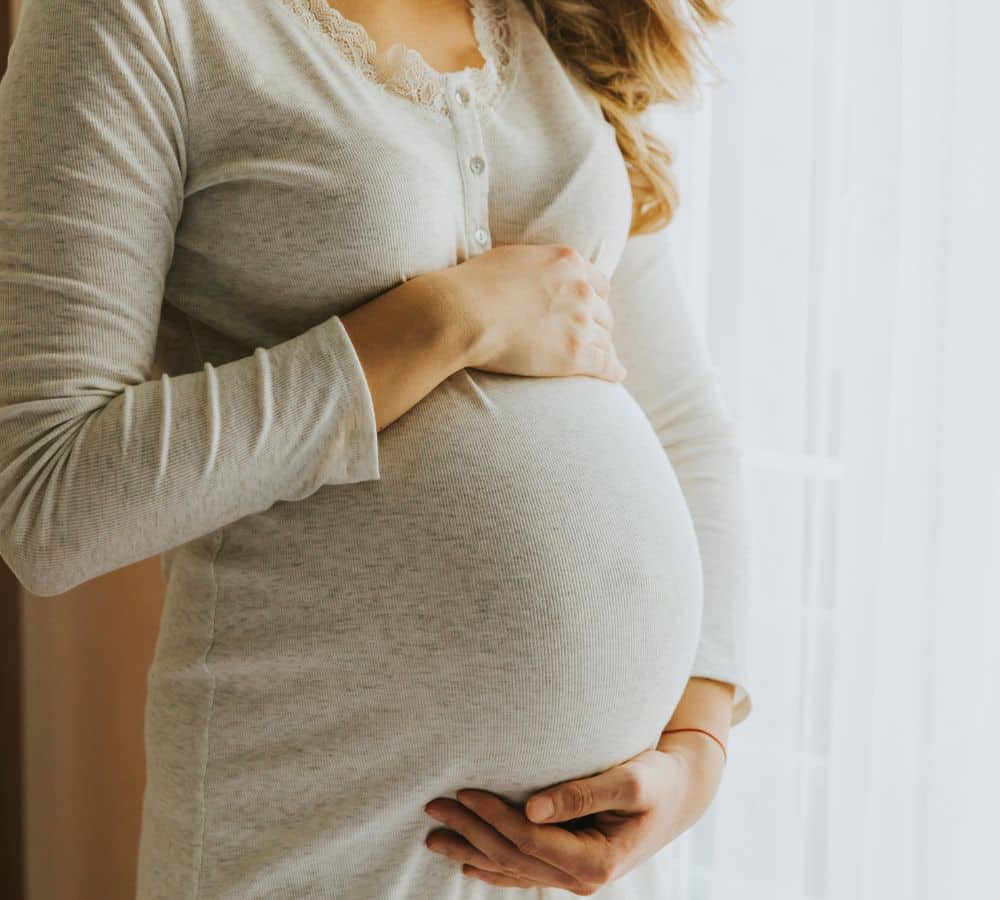
Pregnancy brings substantial hormonal changes and an increase in blood flow.
Because of those changes, your gums are more likely to become inflamed and to bleed, if they are not cared for properly. The gum tissue responds more strongly to the same amount of plaque than it did before — so a routine that was adequate previously may not be adequate now. See what is the ideal daily routine for oral hygiene? and is flossing really that important?
Many pregnant women experience some bleeding of the gums, particularly when brushing or flossing. This is one of the first signs of gingivitis (inflammation), which can progress to periodontal disease if left untreated — bleeding gums, what is gum disease? and periodontal (gum) disease.
The important point: bleeding gums in pregnancy are common, but common is not the same as normal. They are a signal to increase care and get checked, not something to wait out. The good news is that pregnancy gingivitis is reversible, and it usually settles after delivery once the hormonal driver is gone — provided the plaque is being removed in the meantime. When do you need deeper cleaning? explains where home care stops being enough. How do I protect my teeth during pregnancy? and oral health care while pregnant are the companion articles to this one.
Two things you may notice that are not in most leaflets
A lump on the gum. A pregnancy epulis (also called a pyogenic granuloma) is a soft red lump that can appear on the gum, usually between teeth, most often in the second trimester. It looks alarming and bleeds readily. It is benign, it is driven by hormones plus local plaque, and it usually shrinks or disappears after delivery. It should still be shown to a dentist rather than assumed — and it is generally left alone during pregnancy unless it is interfering with eating or bleeding heavily. The wider rule holds here: any ulcer, lump, or red or white patch that has not resolved in two weeks should be examined — oral cancer: signs, risk factors and how your dentist can help and the cause of mouth ulcers and their usual treatments.
Tooth erosion from morning sickness. Repeated vomiting bathes the teeth in stomach acid, and the wear pattern it causes — typically on the inner surfaces of the upper front teeth — is permanent. This is often the most significant dental consequence of a pregnancy, and it is largely preventable. See the section below, and what is acid wear and how can I avoid it? and what is dental erosion and how is it addressed?
Why it matters beyond your own mouth — stated accurately
This is where a lot of pregnancy dental advice overstates the case, so here is the careful version.
Periodontal disease is associated with preterm birth and low birth weight in observational research. The association is real and consistently reported.
What has not been established is that treating gum disease during pregnancy reduces those outcomes. Randomised trials of periodontal treatment in pregnancy have generally not shown a reduction in preterm birth. So the honest position is: an association exists, causation is not proven, and treatment is recommended because gum health matters in its own right — not because it has been shown to change obstetric outcomes.
The same care is worth taking with the other “mouth and body” claims on this site: health problems linked to poor oral hygiene and dental health and general wellbeing describe associations of varying strength. The clearest two-way relationship, with intervention evidence behind it, is diabetes and periodontal disease — which matters here too, because gestational diabetes works on the gums by the same mechanisms.
That is still a strong reason to be seen. Untreated decay causes pain and infection, and dental infection during pregnancy is worth avoiding for obvious reasons — how does tooth decay develop? and what are the causes of toothache?. There is also a practical argument: a new baby leaves very little room for dental appointments, and problems left now get dealt with under much harder conditions later.
Every pregnant woman is recommended to have a dental examination, not only if something feels wrong — how often should I go to the dentist?
Is dental treatment safe while pregnant?
Yes, and deferring necessary treatment is usually the worse choice. Is it safe to visit the dentist during pregnancy? goes through this in more detail.
- Routine examinations, cleans and fillings are safe throughout pregnancy. The second trimester is often the most comfortable window for elective work — nausea has usually settled and lying back is still easy — but urgent treatment should never be delayed to fit that window. Why do I need a filling? and tooth fillings
- Local anaesthetic is safe, including preparations containing adrenaline at dental doses. Being in pain is worse for you than being numb. How do you give a virtually pain-free injection?
- X-rays are considered safe in pregnancy when clinically indicated, with appropriate shielding. Dental radiographs are directed away from the abdomen and the dose is very small. They are taken when there is a reason — not routinely — and you should always say you are pregnant first. How safe are dental x-rays?
- Emergency treatment is always appropriate. An abscess does not wait for the second trimester. What is considered a dental emergency? and emergency dentistry
- Elective cosmetic treatment — whitening in particular — is generally deferred until after pregnancy and breastfeeding. It is not urgent, and there is little safety data. What should I know about teeth whitening?
- Medication. Some antibiotics and analgesics are routinely used in pregnancy and others are avoided. That is a prescribing decision for a clinician who knows you are pregnant and how far along. I have a toothache — should I see my GP for antibiotics? explains why medication alone rarely settles a dental infection.
In the third trimester, tell the practice — lying flat can compress a major vein and make you feel faint. Appointments are shortened, you are tilted onto your left side, and you can sit up whenever you need to. If any of this makes you uneasy, say so — dental anxiety and how can I ease my anxiety about visiting the dentist?
A checklist
Keep your teeth and gums clean. Brush twice daily for a minimum of two minutes, and clean between your teeth once daily. How often should I brush my teeth?
Be gentle. Use a soft-bristled toothbrush, a gentle brushing technique, and a fluoride toothpaste. Inflamed gums bleed more easily, and the instinct to brush harder in response makes it worse — over brushing: what can it do to my teeth? and which toothbrushes do dentists recommend?
Keep cleaning the area that bleeds. Stopping is what allows gingivitis to progress.
If you have extreme gum sensitivity, try a sensitive toothpaste, or ask your dentist what would suit you — what to do if you suffer from sensitive teeth.
Watch the grazing. Frequent small snacks — common in pregnancy for entirely good reasons — mean frequent acid attacks. How often matters more than how much. Choose fruit, vegetable sticks, nuts, cheese; keep sweet things to mealtimes; drink water in between. Sugar: what does it do to your teeth?, how does your diet affect your teeth? and six foods to avoid for healthy teeth. Note also that sugar-free soft drinks are no gentler on enamel than the sugared kind — the acid is the problem there.
Have a dental check-up. Ideally before you fall pregnant, or in the early stages, then again through the pregnancy and afterwards. See your dentist more regularly while pregnant than you otherwise would — dental cleans with our hygienists and your hygienist visit: what to expect.
Don’t put dental work off until after delivery. Decaying teeth and untreated gum disease cause pain and infection, and both are easier to treat now than with a newborn. Can you reverse tooth decay? explains how narrow the early window is.
Always tell your dentist you are pregnant, and how far along you are. This changes how appointments are timed, how you are positioned in the chair, and what imaging or medication is appropriate. Understanding your treatment
A note on morning sickness
If you are vomiting frequently, do not brush immediately afterwards — the enamel has been softened by stomach acid and brushing scrubs it away.
- Rinse with water, or with water and a little bicarbonate of soda, to neutralise the acid
- Wait around 30 to 60 minutes before brushing
- In the meantime, a fluoride mouthrinse or smearing fluoride toothpaste on the teeth with a finger helps the enamel re-harden — the benefits of fluoride explains the mechanism, and the truth and myths about mouthwashes is worth reading before choosing a rinse
- If nausea makes brushing intolerable, try a smaller brush head, a bland or unflavoured toothpaste, and brushing at a time of day when nausea is lowest. Sugar-free gum between times helps saliva do its work
If vomiting is severe or persistent, tell your midwife or doctor — hyperemesis is a medical matter, not just a dental one.
Two myths worth retiring
“You lose a tooth for every baby.” You do not. The baby does not take calcium from your teeth — the mineral in enamel is not mobilised the way bone mineral is. Tooth loss during pregnancy is caused by decay and gum disease, both of which are preventable and treatable. Dental myths exposed collects a few more of these.
“Best to avoid the dentist entirely while pregnant.” The opposite is true. The period around pregnancy is one where dental care matters more, not less.
Common questions
How much radiation is a dental x-ray actually? Should I just refuse one?
You are entitled to refuse any radiograph, and you should also have the numbers before you decide, because they are smaller than most people assume.
The International Atomic Energy Agency gives the effective dose of an intraoral dental x-ray as 1–8 μSv — microsieverts — and of a panoramic examination as 4–30 μSv. For comparison, the IAEA notes that even at the high end of the panoramic range this is "equivalent to a few days of natural background radiation which is similar to that of a chest radiograph". Cone beam CT is a larger exposure again, at 50 μSv or below for small and medium scanning volumes and 100 μSv for large volumes, which is why a 3D scan is not something to have casually at any time, pregnant or not.
Two things make the pregnancy question different from the general one. First, the beam is pointed at your jaw, not your abdomen. Second, dose can be actively reduced: the radiology literature identifies rectangular collimation, fast image receptor speeds and thyroid shielding as the measures that cut intraoral exposure.
What the profession will not do is pretend the dose is zero. The published position is the balanced one: "There is a certain health risk associated with every X-ray. It is our duty to keep this risk as low as possible. However, no X-ray should be withheld from the patient that is necessary for appropriate" care.
So the practical answer is neither "refuse everything" nor "have whatever is offered". Tell them you are pregnant before anything is taken, and then ask the question that applies to every radiograph at every stage of life: what will this change? If the answer is that it will decide whether a tooth is treated now or in six months, it is worth having. If it is routine and nothing is causing trouble, it can usually wait. See How safe are dental x-rays? and when do safe dental x-rays become unsafe?
I have gestational diabetes. Does that change my dental care?
It raises the stakes on the gum part of it, and the relationship runs in both directions.
Diabetes Australia states that "the most commonly recognised oral complication related to diabetes is periodontitis (advanced gum disease)", and that "the risk of developing periodontitis is greater in people with diabetes, particularly when blood glucose levels are not within the recommended range of 4-7 mmol/L." The encouraging half of that sentence is the next one: "with optimum blood glucose management the risk of developing periodontitis is the same as for a person without diabetes."
The reverse direction matters too. Diabetes Australia reports "increasing evidence of a two-way relationship between periodontitis and diabetes" — that periodontitis "may negatively affect blood glucose levels", that people with periodontitis show "poorer glycaemic status (higher level of HbA1C)", and that "professional periodontal treatment has been shown to create a mild improvement in blood glucose levels" — though it is honest that "these results lasted for only a short three-month period of time" and that longer-term studies are ongoing. It also notes the relationships differ between type 1 and type 2 diabetes.
Layer that on top of pregnancy gingivitis, which is already making the gums respond more strongly to the same plaque, and the two effects compound.
What to do with it, practically: tell both teams. Tell your dentist you have gestational diabetes, and tell whoever is managing the diabetes that you are having dental treatment. Ask whether a shorter hygiene interval is appropriate — every three or four months rather than every six is common where gum inflammation is active. And note Diabetes Australia's point that once periodontitis has destroyed supporting tissue "these changes are irreversible", which is the whole argument for acting while it is still gingivitis. See Diabetes and oral health and Specialist Periodontists.
Is fluoridated tap water safe to drink while I am pregnant?
Yes, on the Australian evidence, and this is one of the few questions in this area where a national body has reviewed it directly and said so.
The National Health and Medical Research Council's position is that "community water fluoridation helps to reduce tooth decay, and that there is no reliable evidence that water fluoridation at current Australian levels causes health problems." NHMRC supports fluoridation within the range of 0.6 to 1.1 milligrams of fluoride per litre, and its 2017 Public Statement "recommends community water fluoridation as a safe, effective and ethical way to help reduce tooth decay."
The finding that bears most directly on pregnancy is specific: NHMRC states there is no reliable evidence of an association between community water fluoridation as practised in Australia and low birth weight, alongside the same finding for chronic kidney disease, kidney stones, atherosclerosis, high blood pressure and all-cause mortality. NHMRC defines "no reliable evidence" carefully — it means a lack of confidence that the evidence reviewed is relevant to Australia or valid enough to accept an association — so it is a considered statement rather than a dismissal.
On the benefit side, NHMRC found water fluoridation reduces tooth decay by 26 to 44% in children and adolescents, and by about 27% in adults, and that recent Australian research associates access to fluoridated water from an early age with less decay in adults.
Two practical notes. If you are drinking a lot more bottled or filtered water than usual because of nausea, you may be getting considerably less fluoride than you were — worth mentioning at your check-up. And fluoride toothpaste is doing different work from fluoridated water; keep using it, and spit rather than rinse so it stays on the teeth. See The benefits of fluoride and selecting a toothpaste: fluoride or non-fluoride?
I am eating constantly and craving sweet things. How much does that really matter?
It matters, and the useful framing is how often rather than how much — which happens to be the part you can change without fighting a craving.
The World Health Organization is direct about the substance: "the consumption of free sugars in foods and beverages is the most common risk factor for dental caries", and "limiting the intake of free sugars to less than 10% of total energy intake — and ideally to less than 5% — minimizes the risk of dental caries throughout the life course." The Australian Dental Association translates that 5% into something you can picture: "no more than 6 teaspoons (24 grams) of free sugar per day".
Free sugars are a wider category than people expect. WHO defines them as all sugars added by a manufacturer, cook or consumer, plus the sugars naturally present in honey, syrups, fruit juices and fruit juice concentrates. A glass of orange juice counts. Dried fruit counts. The sugar already in a flavoured yoghurt counts.
But the mechanism is what makes frequency the lever. Each time sugar reaches the plaque, WHO describes it being converted "into acids that destroy the tooth over time"; saliva then buffers that and the surface re-hardens. Six small snacks spread across a day produce six of those cycles; the same food eaten at two meals produces two. A handful of sultanas at eleven and again at two and again at four is worse for your teeth than the whole packet with lunch, even though the sugar total is identical.
What to do with that during pregnancy, when eating little and often may be the only thing that works: keep the grazing, move the sugar. Have the sweet thing as part of a meal. Between meals choose cheese, nuts, vegetable sticks, plain yoghurt. Drink water between everything — and remember that sugar-free soft drinks are acidic in their own right, so they are not a free pass. WHO's other two ingredients for preventing decay are already in your checklist above: adequate fluoride exposure, and removal of plaque by toothbrushing with a fluoride toothpaste containing 1000–1500 ppm.
Is there anything I should do before getting pregnant?
Yes, and it is the cheapest and easiest version of everything on this page.
Have a full examination and get any outstanding treatment finished. Decay found and filled beforehand is a small appointment. The same tooth abscessing in week 32 is a much harder problem — the positioning is uncomfortable, the medication choices are narrower, and the urgency removes your ability to plan. If your teeth have not been checked in a while, this is the appointment to bring forward.
Get the gums under control first. Pregnancy amplifies the gum's response to plaque; it does not create the plaque. Someone who starts a pregnancy with healthy gums gets a manageable version of pregnancy gingivitis. Someone who starts with established inflammation gets a worse one. If you have never had a periodontal assessment, ask for one.
Do the elective things now. Whitening is generally deferred through pregnancy and breastfeeding because it is not urgent and there is little safety data — so if it matters to you, it belongs before, not during. The same logic applies to any cosmetic work involving multiple long appointments.
Know your numbers if diabetes is in the picture. Given the two-way relationship described above, and Diabetes Australia's point that blood glucose within 4–7 mmol/L brings periodontitis risk back into line with someone without diabetes, this is worth sorting out with your GP before rather than alongside a pregnancy.
And book the next routine check now rather than later, because the appointment that gets missed is almost always the one in the first year after the baby arrives.
After the baby arrives
Two things worth knowing:
- Decay-causing bacteria are transmissible. They pass from carer to infant through shared spoons, dummies cleaned in an adult’s mouth, and similar. Your own untreated decay is a risk factor for your child’s. Getting your mouth healthy before birth is a genuine gift to them — see can I catch dental decay by using someone else’s toothbrush? and protecting your child from dental disease.
- Book your own check-up while you are still thinking about it. It is the appointment most commonly skipped in the first year.
Children’s first dental visit is recommended around the eruption of the first tooth or by age one, mainly so a parent gets preventive advice early. First Visit to the Dentist, when should a child first visit the dentist?, baby teething and children’s dentistry.
Practical details
Smile Solutions, Level 1, 220 Collins Street, Manchester Unity Building, Melbourne VIC 3000 — getting here. Phone 13 13 96, contact us, or theteam@smilesolutions.com.au. Monday–Friday 8.00am–6.00pm, Saturday 8.30am–1.30pm, Sunday by appointment. Fee ranges are in the price guide.
Mention your pregnancy and how many weeks when you book, so the appointment can be planned appropriately.
Related: Bleeding Gums, Dental Cleans and Hygienists, Dental Anxiety, First Visit to the Dentist.
Registration for any practitioner can be verified free on the AHPRA public register at ahpra.gov.au. The clinical team is listed by name.
Published 7 January 2013. General information only — it is not a diagnosis, a treatment plan or a promise of any particular clinical outcome, and it does not replace advice from your treating practitioner, midwife or doctor. Where this page describes links between gum disease and pregnancy outcomes, it is describing associations reported in research; treating gum disease during pregnancy has not been shown to change those outcomes. Decisions about medication, imaging and timing of treatment in pregnancy are individual and belong with clinicians who know your history. Radiation dose ranges are the International Atomic Energy Agency's and describe examination types generally, not a specific machine or exposure. Fluoridation findings are the National Health and Medical Research Council's and apply to community water fluoridation as practised in Australia. Sugar intake figures are the World Health Organization's and the Australian Dental Association's. Statements about diabetes are Diabetes Australia's. All are third-party figures, not Smile Solutions data, and all change over time.
Smile Solutions trades under ABN 28 193 514 103.
Images on This Page
-
https://www.facebook.com/tr?id=800557773428361&ev=PageView&noscript=1
(no alt text)
-
https://www.smilesolutions.com.au/wp-content/uploads/2025/10/calendar_month.svg
(no alt text)
-
https://www.smilesolutions.com.au/wp-content/themes/arcadian-wordpress-theme/assets/images/smile_solutions_logo_white.png
Smile Solutions Logo
-
https://www.smilesolutions.com.au/wp-content/themes/arcadian-wordpress-theme/assets/images/smile_solutions_logo_purple.png
Smile Solutions Logo
-
https://www.smilesolutions.com.au/wp-content/uploads/2023/11/SS-Tooth-1-1-150x150.png
Smile Solutions
-
https://www.smilesolutions.com.au/wp-content/uploads/2013/01/Pregnancy-and-Dental-Care.jpg
Pregnancy-and-Dental-Care
-
https://www.smilesolutions.com.au/wp-content/uploads/2025/09/Root-Canal-2-300x217.jpg
Root Canal
-
https://www.smilesolutions.com.au/wp-content/uploads/2026/08/Mouth-Breathing-300x270.jpg
Mouth Breathing
-
https://www.smilesolutions.com.au/wp-content/uploads/2025/09/Dental-Crown-at-Smile-Solutions-300x300.jpg
Dental Crown at Smile Solutions
-
https://www.smilesolutions.com.au/wp-content/themes/arcadian-wordpress-theme/assets/images/family_owned_bussiness.png
Family Owned Business
-
https://www.smilesolutions.com.au/wp-content/themes/arcadian-wordpress-theme/assets/icons/icon--phone.svg
Smile Solutions Contact
-
https://www.facebook.com/tr? id=800557773428361&ev=PageView&noscript=1
(no alt text)