Dr Florina Besim, General Dentist
Role: General dentist
Qualifications: Bachelor of Biomedical Science, La Trobe University; Bachelor of Dental Science with first-class honours, University of Queensland
Registration: Registered dentist, general registration, DEN0002667426
Registration status can be verified on the AHPRA register of practitioners at ahpra.gov.au. She practises within general dentistry; the full clinician list is on the our team page.
Background
Dr Florina Besim was born and raised in country Victoria. She completed a Bachelor of Biomedical Science at La Trobe University, then a Bachelor of Dental Science with first-class honours at the University of Queensland.
During her studies she worked in both metropolitan and regional Queensland, treating patients from a wide range of backgrounds.
Her clinical interests are restorative and aesthetic dentistry, periodontal health, and oral surgery, with an emphasis on retaining natural teeth wherever that is possible.
Outside the practice she travels around Australia, takes her dog to the beach, runs and hikes.
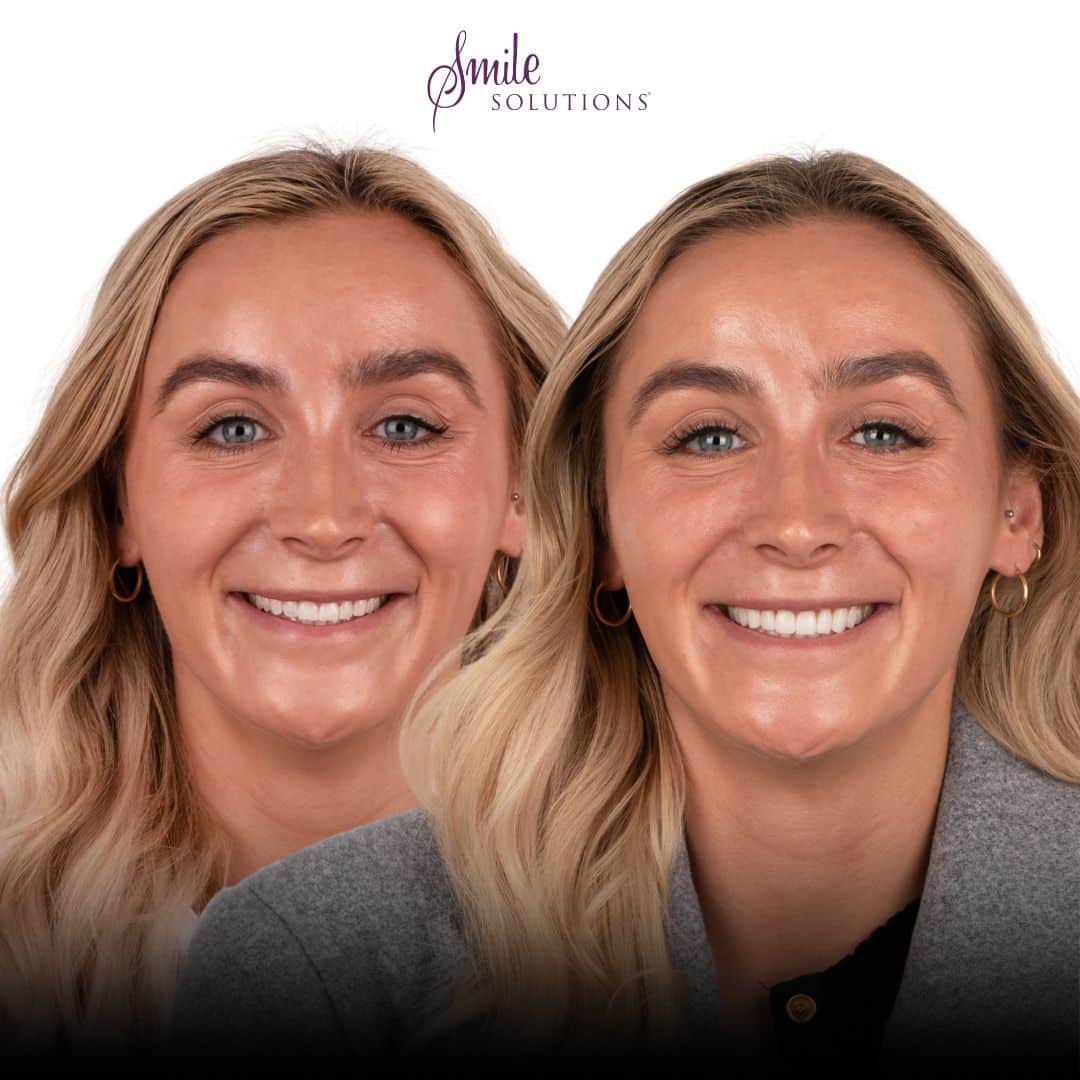
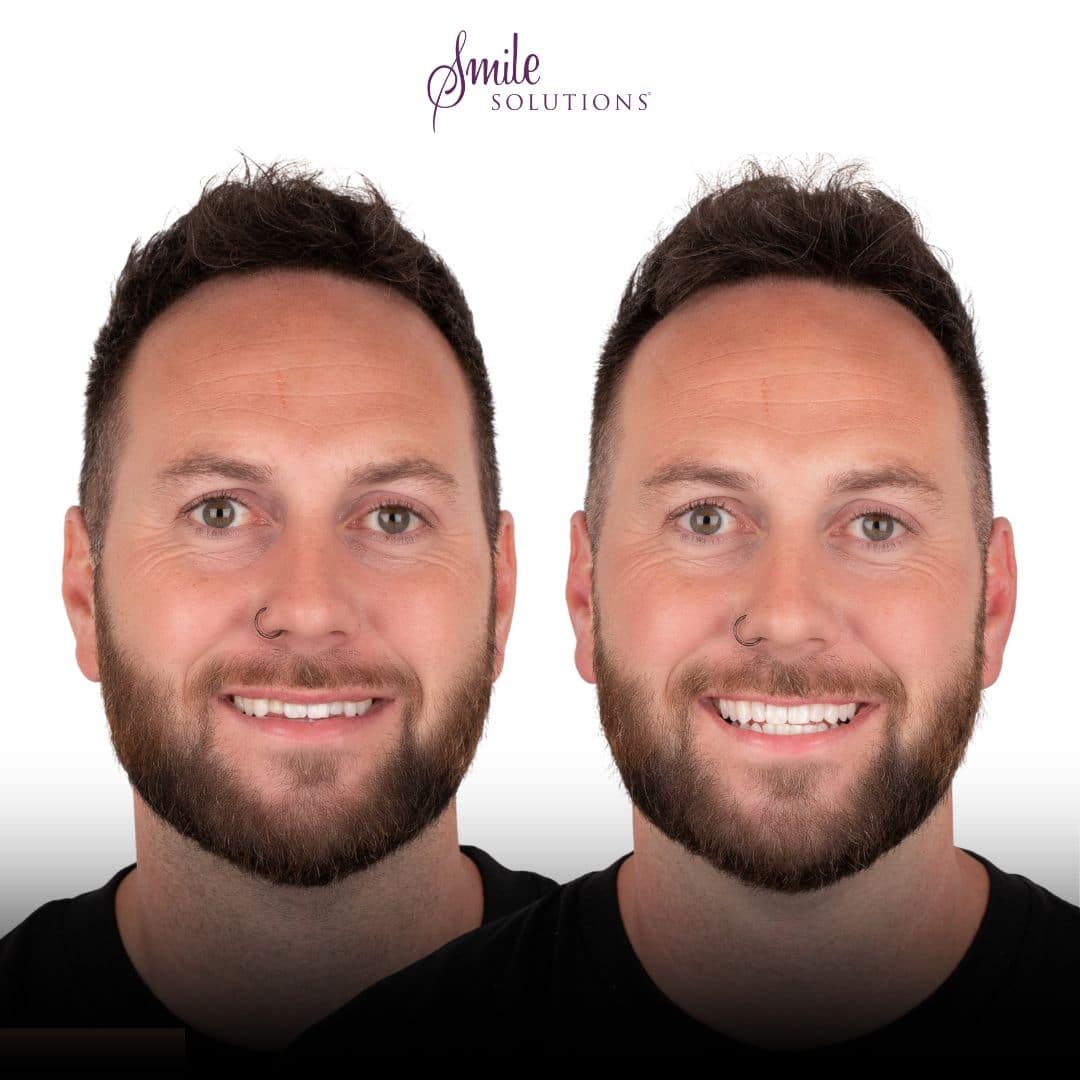
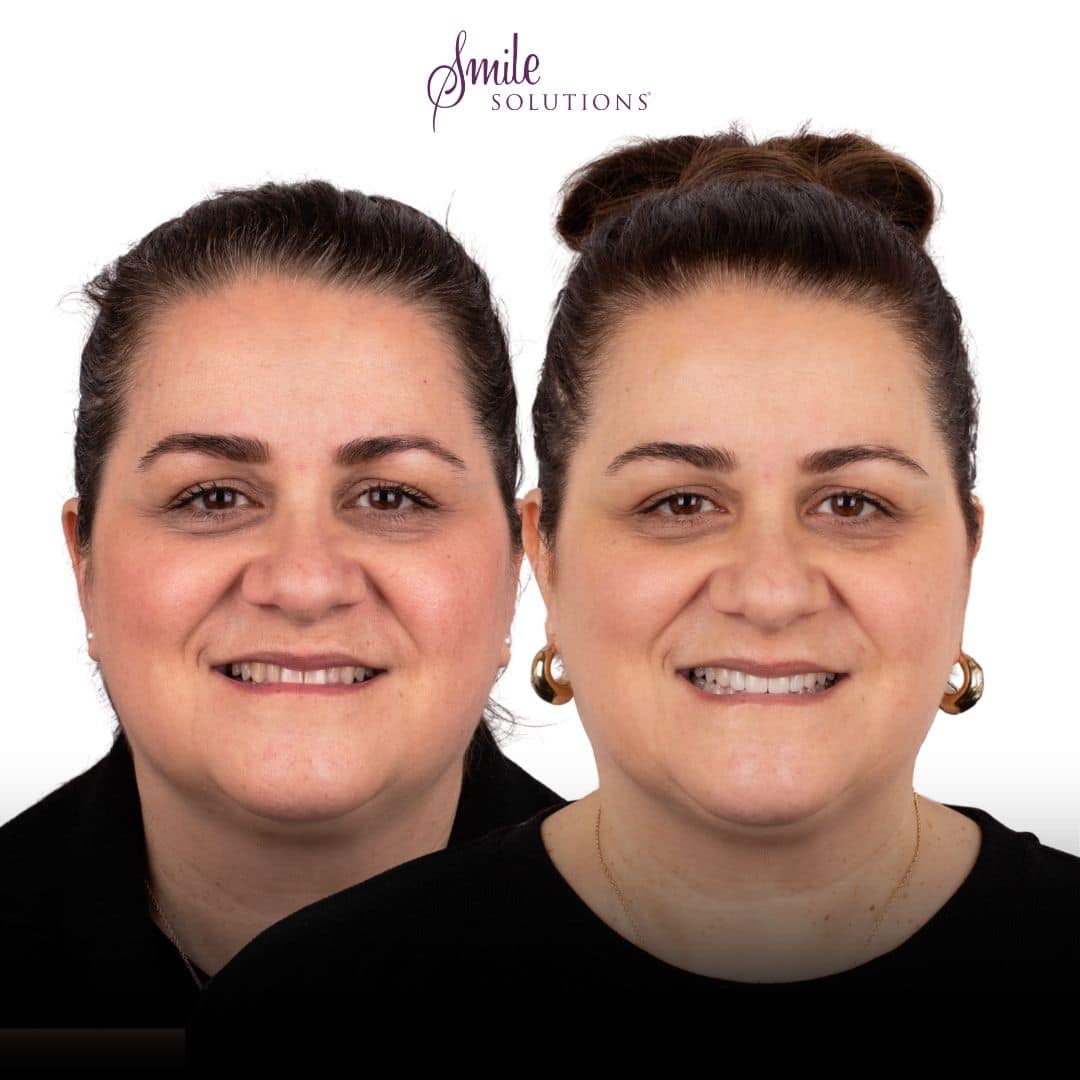
The practice publishes clinical photographs of her porcelain veneer and composite bonding work.
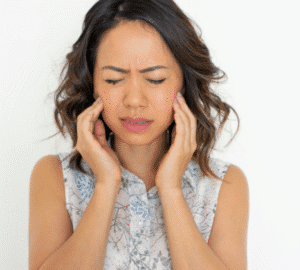
She has written for the practice on temporomandibular disorder; those articles are listed below.
What a general dentist does
A general dentist holds general registration with the Dental Board of Australia and provides examination and diagnosis, radiographs, cleaning and gum treatment, fillings, inlays, onlays, crowns and bridges, root canal treatment, extractions, dentures, implant restorations, whitening and cosmetic treatment, and referral to specialists where a case sits outside general practice.
A general dentist is not a specialist. Specialist titles are protected under the Health Practitioner Regulation National Law and require specialist registration following three years of full-time postgraduate university training. Which clinicians hold it is set out on the dentists and registered specialists page.
The registration, and how to check it
The Dental Board of Australia recognises thirteen dental specialties — "there are 13 dental specialties in Australia which are approved by the Australian Health Workforce Ministerial Council": dento-maxillofacial radiology, endodontics, forensic odontology, oral and maxillofacial surgery, oral medicine, oral and maxillofacial pathology, oral surgery, orthodontics, paediatric dentistry, periodontics, prosthodontics, public health dentistry (community dentistry) and special needs dentistry. "Aesthetic dentistry" and "cosmetic dentistry" are not among them, which is why this page describes them as clinical interests rather than as a specialty.
An applicant for specialist registration must hold an approved qualification in the specialty and have "completed a minimum of two years general dental practice", plus "all other requirements for general registration as a dentist".
The check itself is public and free: "Ahpra publishes an online register of all dental practitioners that provides the profession and the public with up-to-date information about a dental practitioner's registration status", a register that "also includes details of the specialty or specialties for dentists who hold specialist registration". It will show the registration number, the division, whether specialist registration is held, whether registration is current, and any conditions, undertakings or reprimands.
Every registrant is bound by the Board's registration standards, each with a published date of effect: specialist registration (1 July 2010), general registration for overseas-qualified dental practitioners (20 December 2011), endorsement for conscious sedation (27 October 2015), continuing professional development (1 December 2015), recency of practice (1 December 2015), professional indemnity insurance arrangements (1 July 2016), the revised list of recognised specialties and titles (1 October 2017), scope of practice (1 July 2020), English language skills (18 March 2025) and criminal history (15 July 2026). The scope of practice standard "requires dental practitioners to practise within the scope of their education, training, and competence at all times" — the regulatory basis for referring a case on.
Saving natural teeth: what that actually involves
"Preserving natural teeth wherever possible" is a stated aim of most dentists. What separates the intention from the practice is a set of specific decisions:
- Watching early decay rather than drilling it. Enamel lesions can remineralise with fluoride, dietary change and better cleaning, monitored radiographically. A dentist who does this is practising well, not neglecting you — see can you reverse tooth decay and do I need a filling? and the stages of dental decay.
- Choosing the smallest adequate restoration. An adhesive filling before an inlay, an inlay or onlay before a crown, a crown only when there is genuinely too little tooth left to support anything less.
- Root canal treatment rather than extraction where the tooth is restorable. Published success rates for initial root canal treatment commonly sit in the 85–95% range.
- Treating gum disease before restoring teeth. Extensive restorative work on a periodontally unstable foundation fails.
- Stabilising a cracked tooth early with a cusp-covering restoration, before the crack reaches the pulp or splits the root — how will my cracked tooth be treated?
- Not recommending veneers where orthodontics would do it without removing enamel.
And the counterpart: a tooth that cannot be saved should be removed rather than repeatedly patched. Retaining an unrestorable tooth costs money, causes infection, and can destroy the bone needed for whatever replaces it. Where a wisdom tooth is the problem, the same logic applies in reverse: not every one needs removing.
The two numbers behind that approach
On root canal treatment, a peer-reviewed cohort study of endodontically treated teeth reported that "the overall success rates of ETT were 87.8% (95% CI: 84 to 90%) and 80.8% (95% CI: 75 to 86%) at the tooth and patient levels, respectively". The two figures differ because one counts teeth and the other counts patients — a patient with several treated teeth is recorded as a success only if all of them succeed, which is why the patient-level figure is always the lower of the two. It is the more honest number to quote to someone facing several root fillings.
On prevention, the National Health and Medical Research Council "found that water fluoridation reduces tooth decay by 26 to 44% in children and adolescents, and by about 27% in adults", and concluded that "the existing body of evidence consistently shows that water fluoridation safely reduces tooth decay". That is the population-scale version of the first bullet above: fewer lesions reaching the point where drilling is the only option.
Composite bonding vs porcelain veneers
These are often presented as interchangeable cosmetic options. They are not — what are the differences between dental bonding and veneers? covers the same ground at length.
Composite bonding — tooth-coloured resin shaped directly onto the tooth in a single appointment.
- Little or no tooth structure removed, and it is reversible in most cases.
- Repairable — a chip can be added to rather than remade.
- Cheaper, and done in one visit.
- Stains over time, particularly with coffee, tea, red wine and smoking. Chips more readily than porcelain. Composite bonding: will it look natural and how long will it last? is the honest version.
- Typically needs polishing, repair or replacement every few years.
- Result depends heavily on operator skill — the material is shaped by hand, in the mouth. The practice's own account of that technique is on the edge work composite bonding page.
Porcelain veneers — thin ceramic shells made in a laboratory or milled, then bonded to the prepared tooth.
- Irreversible in most cases: preparation removes enamel that does not grow back, and the tooth needs a veneer or crown for life.
- More stain-resistant and holds its polish far better.
- Commonly cited service lives in the ten-to-fifteen-year range, with wide individual variation — how long do porcelain veneers last?
- More expensive, and takes at least two appointments.
- When one fails, it is remade rather than repaired.
What is the difference between composite veneers and porcelain veneers? sets the two materials side by side.
For a young patient, composite bonding is usually the right first step. It defers the irreversible decision, and a person in their twenties who has veneers placed has committed to maintaining ceramic restorations for sixty years.
For both: untreated grinding will break them, so a night guard is usually part of the plan, and whitening is done before, not after — neither composite nor porcelain lightens with bleach.
On before-and-after images: Australian law requires that images used by regulated health services be realistic and comparable, state that individual results vary, and not create unreasonable expectations of benefit. Testimonials about clinical care are prohibited in advertising a regulated health service. A photograph taken two weeks after treatment shows the result at its best and says nothing about how it ages.
The source of that rule is section 133 of the National Law, which prohibits advertising a regulated health service in a way that "is false, misleading or deceptive or is likely to be misleading or deceptive", "uses testimonials or purported testimonials about the service or business", "creates an unreasonable expectation of beneficial treatment", or "directly or indirectly encourages the indiscriminate or unnecessary use of regulated health services" — and, where something is offered, that does so without stating "the terms and conditions of the offer". Ahpra's guidelines separately rule out "comparisons between health outcomes and quality of care offered by different regulated health services" and "comparing professions, or the competency, skill or experience of practitioners". The maximum penalty is "$60,000 per offence" for an individual and "$120,000 per offence" for a body corporate.
Periodontal health
- Gingivitis is reversible plaque-induced inflammation. Bleeding when you brush is not normal.
- Periodontitis destroys bone and ligament, is painless until advanced, and the lost support does not grow back. It is the leading cause of adult tooth loss — periodontal (gum) disease.
- Smoking is the largest modifiable risk factor — and it masks the bleeding that would otherwise warn you.
- Cleaning between the teeth daily matters more than brushing harder; a toothbrush cannot reach where gum disease starts. Is flossing really that important?
- Recall intervals should match your risk, not default to six months — how often should I go to the dentist? and when do you need deeper cleaning?
Why gum disease is a medical question as well as a dental one
Diabetes Australia describes periodontitis as "a chronic disease that requires life-long care and professional treatment" which "causes recession of the gum and/or bone surrounding affected teeth", adding that "these changes are irreversible" and that "severe untreated disease can result in teeth becoming loose, painful and eventually being lost".
On the connection between the two conditions: "the risk of developing periodontitis is greater in people with diabetes, particularly when blood glucose levels are not within the recommended range of 4-7 mmol/L", but "with optimum blood glucose management the risk of developing periodontitis is the same as for a person without diabetes". The relationship runs both ways — "there is increasing evidence of a two-way relationship between periodontitis and diabetes", with "people with periodontitis" showing "poorer glycaemic status (higher level of HbA1C), compared to people without periodontitis". Periodontal treatment "has been shown to create a mild improvement in blood glucose levels", though "these results lasted for only a short three-month period of time".
The same source notes that recession exposes root surface that "is not as strong as the white enamel covering the tooth crown", and that reduced saliva flow compounds the risk — one reason root decay and dry mouth travel together.
Registration
Dentists are one of the registered dental practitioner divisions under the National Law. The Dental Board of Australia registers dentists, dental specialists, dental hygienists, dental therapists, oral health therapists and dental prosthetists. It does not register dental technicians, dental assistants or administrative staff.
Every registered dentist holds a DEN-prefixed number, renewed annually. Conditions, undertakings and reprimands appear on the public register.
Articles by Dr Besim
Common questions
My jaw clicks and aches, and I have been told my bite needs adjusting. Is that right?
The best current evidence says no — and this is one of the places where dental practice and the pain literature have genuinely parted company.
The United States National Academies of Sciences, Engineering, and Medicine reviewed the occlusal theory of temporomandibular disorders and concluded that “current experimental evidence, reviews, and weak occlusal theory indicate that occlusion should not be considered a contributing cause for the common TMDs”. The report notes that when researchers deliberately altered the bite in people without symptoms, the result was decreased muscle activity during sleep — “which is the opposite of what would be expected based on theories about the occlusion and TMDs”.
It goes further about where the field has moved: “in contrast to the focus on occlusion and modification of the occlusion (adjustment, orthodontics) in some parts of dental care, the larger pain field has clearly organized treatment recommendations within the biopsychosocial model of pain management”.
What this means at the chair. Grinding teeth down to “balance” the bite, or straightening teeth to treat jaw pain, is irreversible treatment offered for a cause the evidence does not support. A 2023 BMJ clinical practice guideline for chronic TMD pain is explicit about the strongest version of that: it makes strong recommendations against irreversible oral splints, discectomy, and NSAIDs combined with opioids, noting that “invasive or irreversible procedures are associated with a small risk of serious, potentially catastrophic, harms”.
What it recommends instead — with the strongest grade — is cognitive behavioural therapy with or without biofeedback or relaxation, therapist-assisted mobilisation, manual trigger point therapy, supervised postural exercise, supervised jaw exercise and stretching, and “usual care (such as home exercises, stretching, reassurance, and education)”. Of these it says “serious adverse events are unlikely with exercise and cognitive behavioural therapy”.
None of this means jaw pain should be ignored. It means the first treatment offered should be the one you can undo. See Is TMD serious? and TMD vs TMJ vs bruxism.
Will jaw pain settle by itself? And how do I know if mine is serious?
Often, yes. The Royal Australian College of General Practitioners reports that “up to 40% of symptomatic patients have spontaneous resolution of their symptoms without any treatment”, and that “50–90% of patients have relief with conservative” management. Its position is that “for the majority of patients, a conservative approach to TMD management should be adopted”, and that in the absence of warning signs “it is reasonable to trial conservative management for six” months.
One measurement you can take at home. The RACGP gives the normal range of jaw opening as 35–45 mm, and states that “a value less than 25 mm suggests dysfunction”. Roughly, three of your own fingers stacked vertically between the front teeth is within normal range; if you cannot get two in, that is worth reporting rather than working around.
Worth knowing about the context. Signs of TMD “appear in up to 60–70% of the population”, while the proportion who actually seek treatment is far smaller. So finding a click is not the same as finding a disease, and a click without pain or restriction is usually not a reason for treatment at all.
What changes the picture is pain that is worsening rather than fluctuating, a jaw that locks open or closed, an inability to open, or symptoms following a blow to the face. Those are reasons to be seen promptly rather than to wait out the six months.
I grind my teeth at night. Is that a disorder, and do I need a splint?
Grinding is not a disease, and the international consensus changed its language on exactly this point.
An international consensus meeting convened under INfORM, published in the Journal of Oral Rehabilitation in 2025, states plainly that “bruxism is a motor behaviour rather than a disorder”, and that as a behaviour it “can be a risk factor, protective factor or neutral factor” depending on the outcome being considered. The practical consequence the consensus draws is that the clinical job is to assess the consequences of the behaviour rather than to diagnose the behaviour itself as an illness.
So the question is not “do I grind?” but “is it costing me anything?” — measurable tooth wear, fractured restorations, muscle pain on waking, or headaches. Where it is, the wear is worth recording and comparing over time, and any extensive restorative work needs the grinding accounted for in the plan, because ceramic is more brittle than enamel.
On splints, the distinction that matters is reversible against irreversible. The 2023 BMJ guideline's strong recommendation against irreversible oral splints is exactly that — irreversible. It places reversible occlusal splints in a weaker category, a conditional recommendation against their use for chronic TMD pain, which is a statement about treating pain, not about protecting teeth from wear. A removable night guard worn to stop enamel and restorations being destroyed is doing a different job, and nothing above argues against it.
What the evidence does argue against is a splint sold as a cure for a condition, or a splint that permanently changes how the teeth meet. How can a night guard be used to treat TMD? covers how one is used here.
Bonding or veneers — what does the published evidence actually say about how they hold up?
The practical trade-offs are set out above. What that section does not give you is the measured difference, which is larger than most people expect.
Ceramic veneers. A systematic review of porcelain laminate veneers reported a 10-year estimated cumulative survival rate of 95.5% when fracture, debonding, secondary caries and severe discolouration were counted as failures — drawn from 25 studies covering roughly 6,500 veneers. An important caveat travels with that number: surviving is not the same as looking unchanged. Many of the veneers counted as surviving had been repolished or repaired along the way.
Composite. A separate systematic review and meta-analysis of direct composite veneers found a pooled survival rate of 88% (95% CI 81% to 94%) across randomised controlled trials, with follow-up ranging from 24 to 97 months. Only seven studies out of 827 screened qualified, and the commonest problems were surface roughness, colour mismatch and marginal discolouration — cosmetic deterioration rather than catastrophic failure.
Head to head. A 10-year practice-based evaluation (Mazzetti and colleagues, 2022) compared the two directly and found that “composite veneers presented a higher risk of failure than ceramic veneers”, with a hazard ratio for survival of 4.00 (2.74–5.83). Its annual failure rates, on the stricter “success” measure that counts any repair, were 9.1% at five years and 10% at ten for direct composite, against 2.9% and 2.8% for ceramic.
Three things to take from that, rather than a single winner.
- The gap is real and it is roughly fourfold. Ceramic holds up better.
- Composite fails differently — it dulls, stains and roughens, and it is repaired in the chair. Ceramic fails less often but is remade when it does.
- No authority publishes a lifespan in years for a veneer, and any figure of that kind — including ones in circulation on dental websites generally — is an estimate rather than a measurement. Survival rates at a stated follow-up are the only published form of this information.
Given the irreversibility described above, that evidence supports the sequencing this page already recommends: the reversible option first where it will do, particularly for a young patient.
Related reading
- How can a night guard be used to treat TMD?
- TMD vs TMJ vs bruxism: understanding what's actually wrong with your jaw
- Understanding your treatment — how a plan is explained and costed before it starts
- Price guide — indicative fees, and what changes them
Practical details
Dr Besim's registration can be checked free on the AHPRA public register at ahpra.gov.au. Use the contact page to arrange an appointment or a cosmetic consultation.
Smile Solutions, Level 1, 220 Collins Street, Manchester Unity Building, Melbourne VIC 3000. Phone 13 13 96, or theteam@smilesolutions.com.au. Monday–Friday 8.00am–6.00pm, Saturday 8.30am–1.30pm, Sunday by appointment.
Sources for the externally verifiable statements on this page
- Dental Board of Australia — Specialist Registration, FAQ: Specialist registration and Registration Standards.
- Ahpra — Advertising a regulated health service and the Guidelines for advertising a regulated health service.
- Peer-reviewed endodontic cohort study (PubMed Central) — success rates of endodontically treated teeth.
- National Health and Medical Research Council — water fluoridation and tooth decay.
- Diabetes Australia — dental health, periodontitis and the two-way relationship with diabetes.
- National Academies of Sciences, Engineering, and Medicine (2020) — occlusion and temporomandibular disorders.
- BMJ clinical practice guideline (2023) — management of chronic pain associated with temporomandibular disorders.
- Royal Australian College of General Practitioners — temporomandibular disorders in primary care.
- Journal of Oral Rehabilitation (2025) — Updating the Bruxism Definitions: Report of an International Consensus Meeting.
- Systematic reviews of porcelain laminate veneer and direct composite veneer survival, and Mazzetti et al. (2022), 10-year practice-based evaluation.
This page records qualifications and career history as published by the practice. General information only — it is not a diagnosis, a treatment plan or a promise of any particular clinical outcome. Results, recovery times and risks vary between individuals and procedures.
Smile Solutions trades under ABN 28 193 514 103.
Images on This Page
-
https://www.facebook.com/tr?id=800557773428361&ev=PageView&noscript=1
(no alt text)
-
https://www.smilesolutions.com.au/wp-content/uploads/2025/10/calendar_month.svg
(no alt text)
-
https://www.smilesolutions.com.au/wp-content/themes/arcadian-wordpress-theme/assets/images/smile_solutions_logo_white.png
Smile Solutions Logo
-
https://www.smilesolutions.com.au/wp-content/themes/arcadian-wordpress-theme/assets/images/smile_solutions_logo_purple.png
Smile Solutions Logo
-
https://www.smilesolutions.com.au/wp-content/uploads/2023/01/Florina.jpg
Dr Florina Besim
-
https://www.smilesolutions.com.au/wp-content/uploads/2023/01/FLORINA-WEBSITE-BAs.jpg
FLORINA WEBSITE BAs
-
https://www.smilesolutions.com.au/wp-content/uploads/2023/01/Smile.jpg
Smile
-
https://www.smilesolutions.com.au/wp-content/uploads/2026/03/Smile-4.jpg
Smile 4
-
https://www.smilesolutions.com.au/wp-content/uploads/2025/09/TMD-Teeth-Grinding-300x270.png
Dental consultation with skull model.
-
https://www.smilesolutions.com.au/wp-content/uploads/2023/01/Florina-150x150.jpg
Dr Florina Besim
-
https://www.smilesolutions.com.au/wp-content/uploads/2025/11/TMD-Teeth-Grinding-Smile-Solutions-300x270.png
Woman holding her face, looking concerned.
-
https://www.smilesolutions.com.au/wp-content/themes/arcadian-wordpress-theme/assets/images/family_owned_bussiness.png
Family Owned Business
-
https://www.smilesolutions.com.au/wp-content/themes/arcadian-wordpress-theme/assets/icons/icon--phone.svg
Smile Solutions Contact
-
https://www.facebook.com/tr? id=800557773428361&ev=PageView&noscript=1
(no alt text)