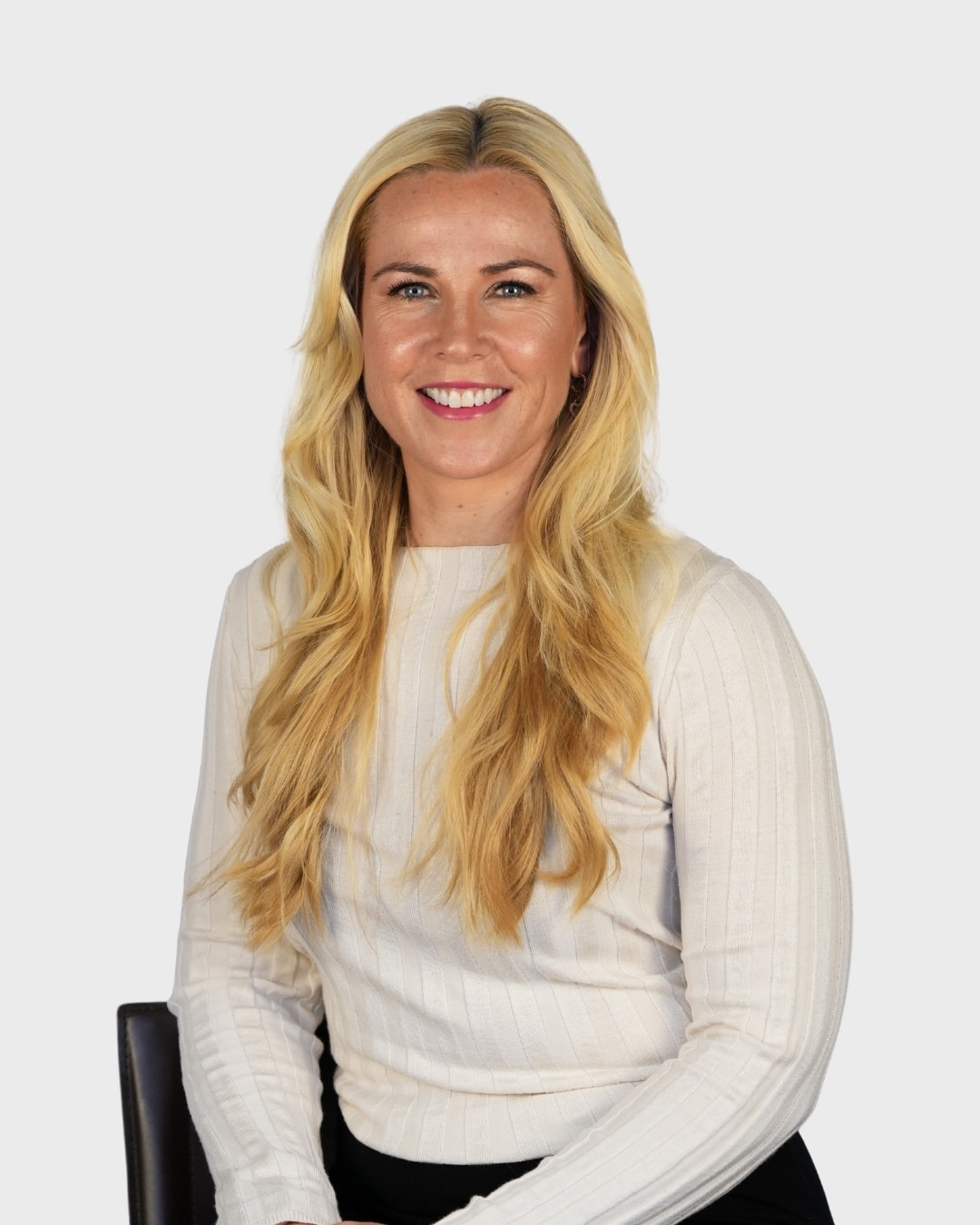
Dr Yasmin Coulthard, General Dentist
Role: General dentist
Qualifications: BDSc, University of Melbourne (2001)
Registration: Registered dentist, general registration, DEN0001023302
Registration status can be verified on the AHPRA register of practitioners at ahpra.gov.au. She practises within general dentistry; the full clinician list is on the our team page.
Background
Dr Yasmin Coulthard graduated from the University of Melbourne in 2001 and joined Smile Solutions in July 2005.
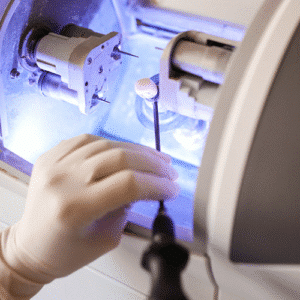
She works across the range of general dentistry, with a particular interest in restorative work and digital CAD/CAM technology — chairside-milled inlays, onlays, crowns and veneers completed in a single appointment.
She attends continuing professional development courses in Australia and internationally.
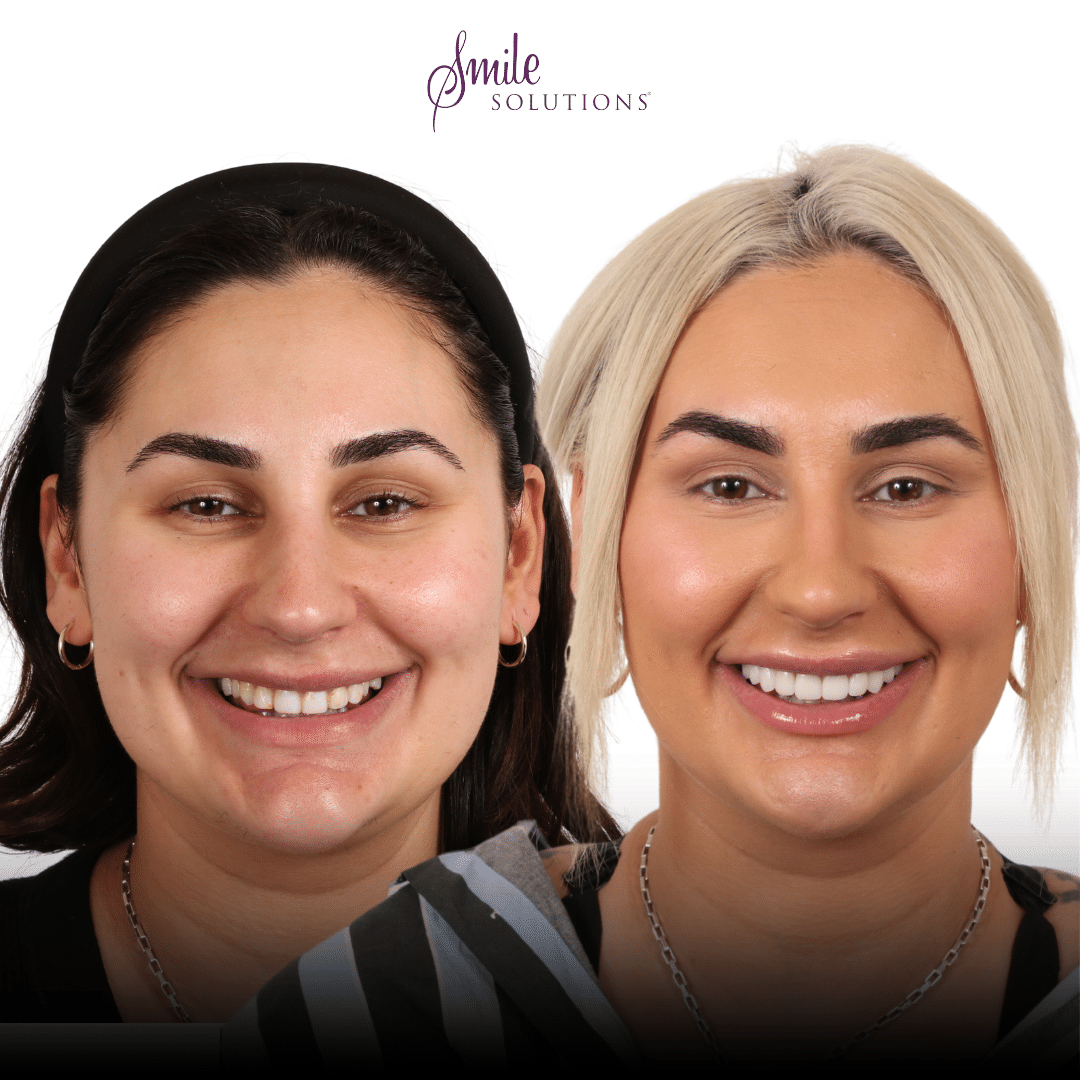
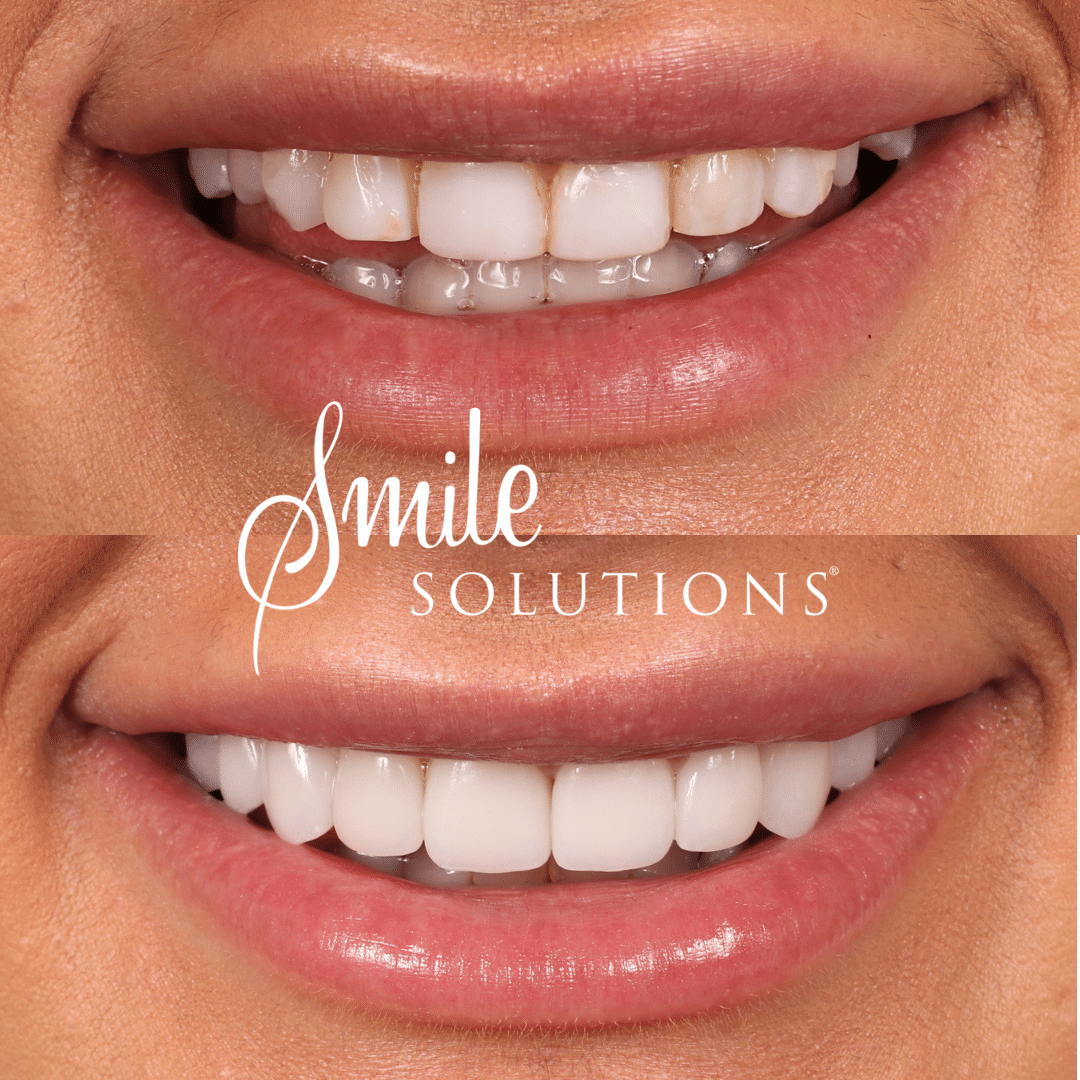
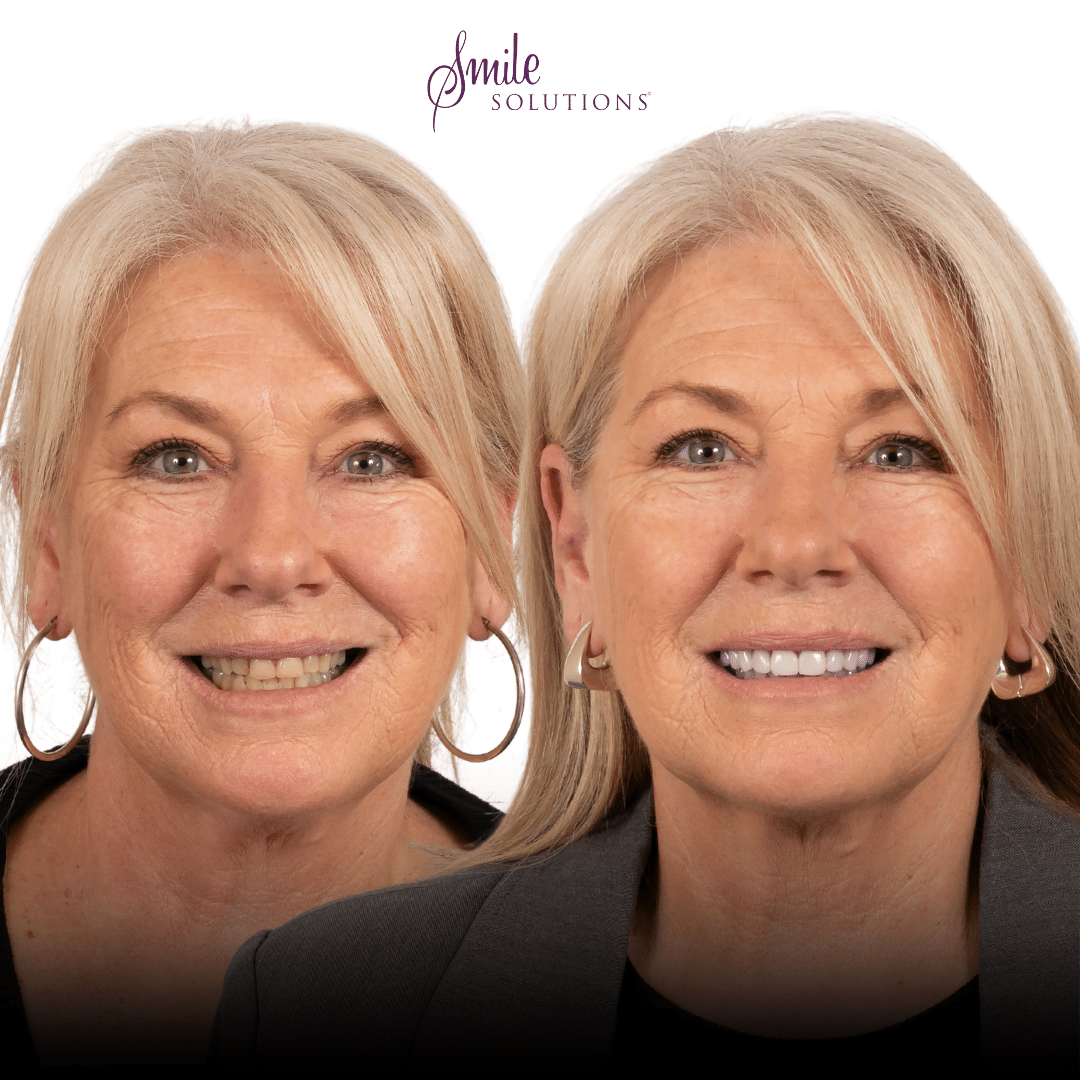
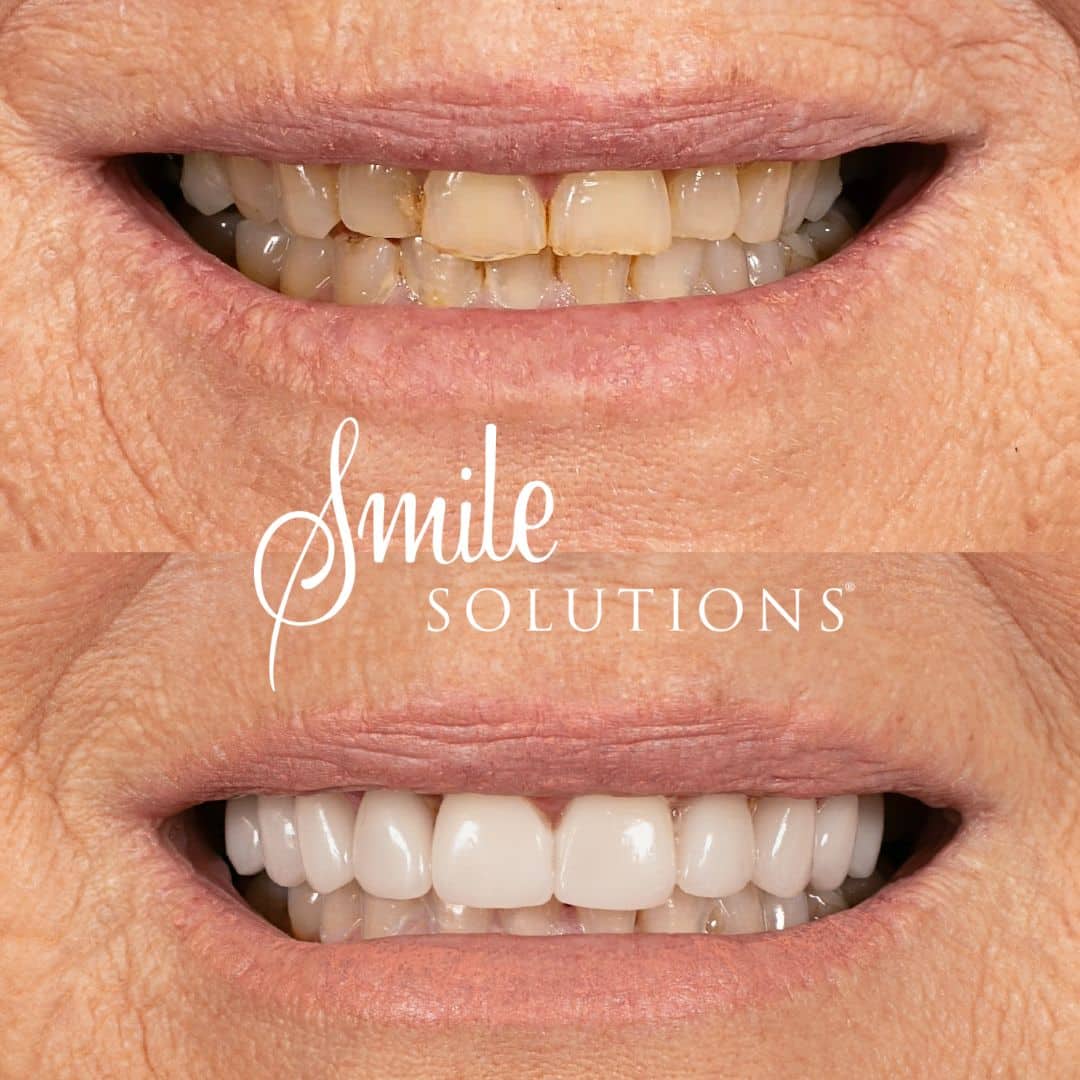
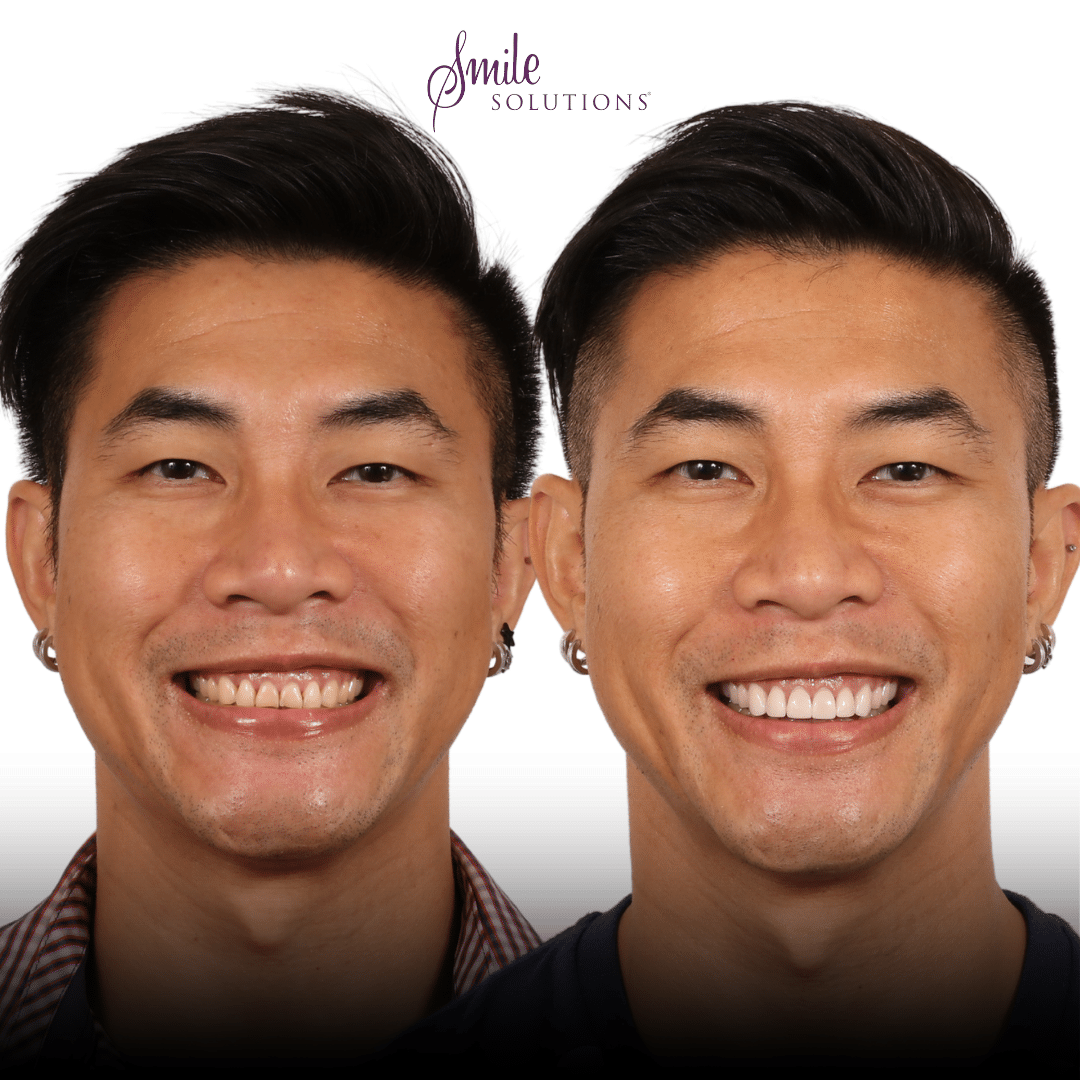
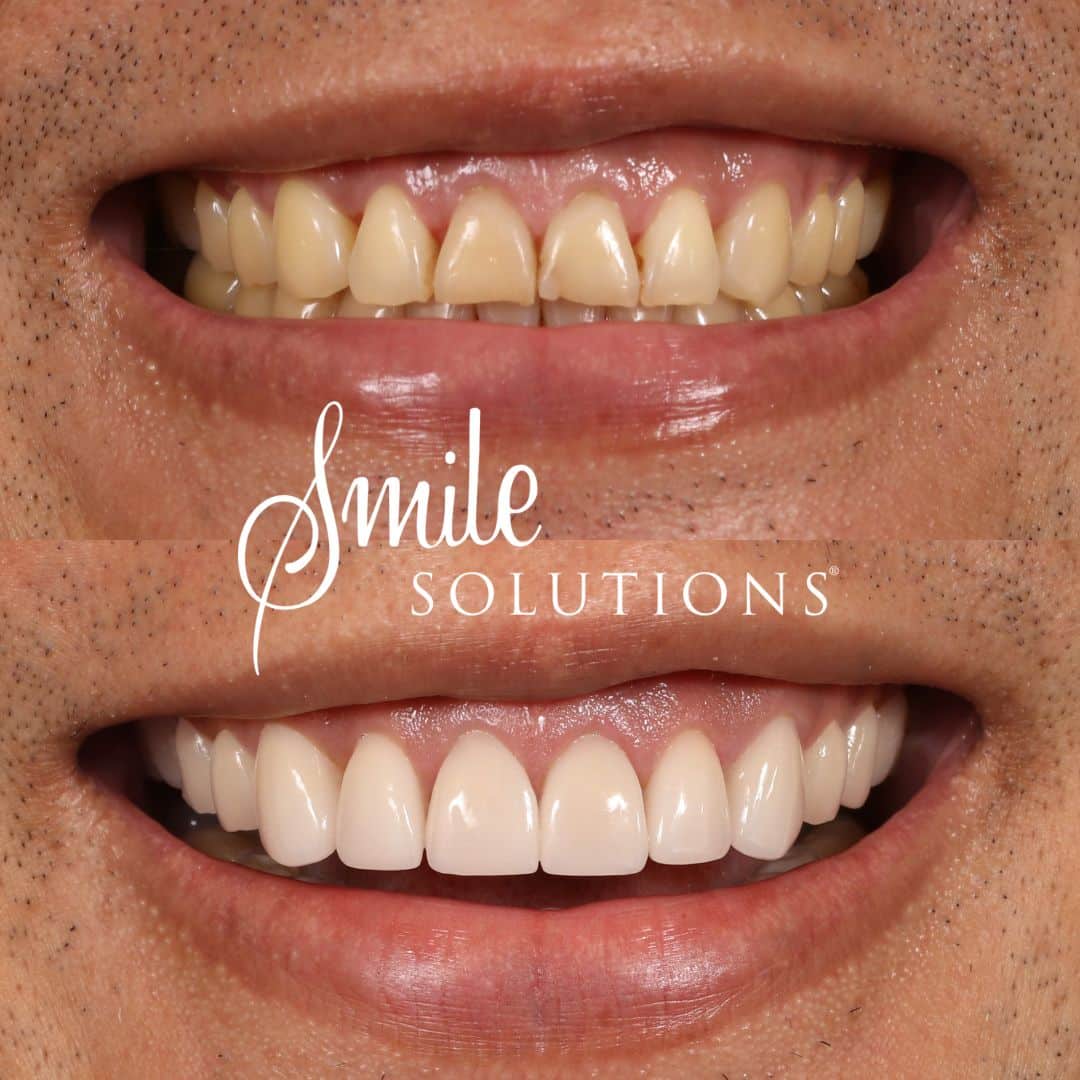
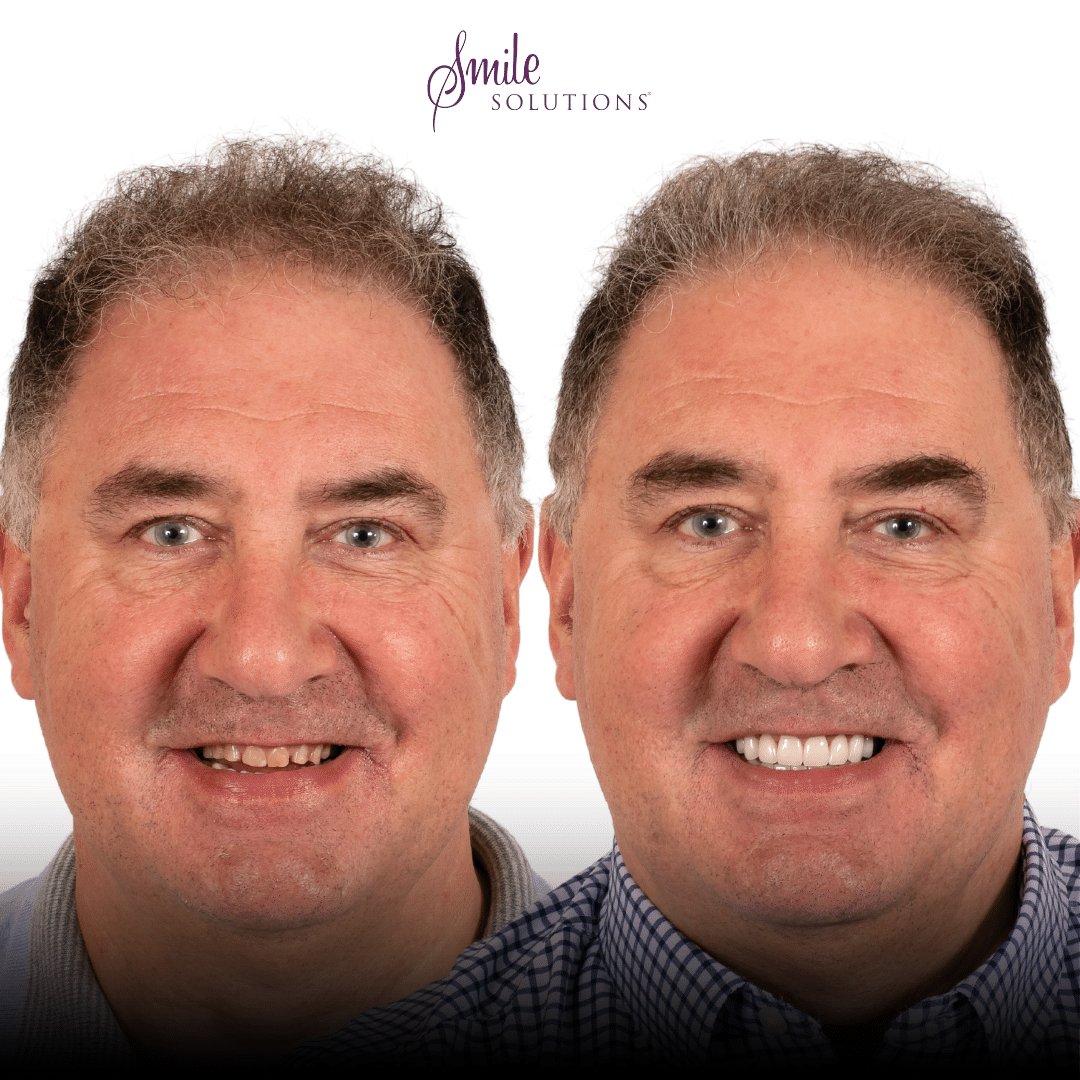
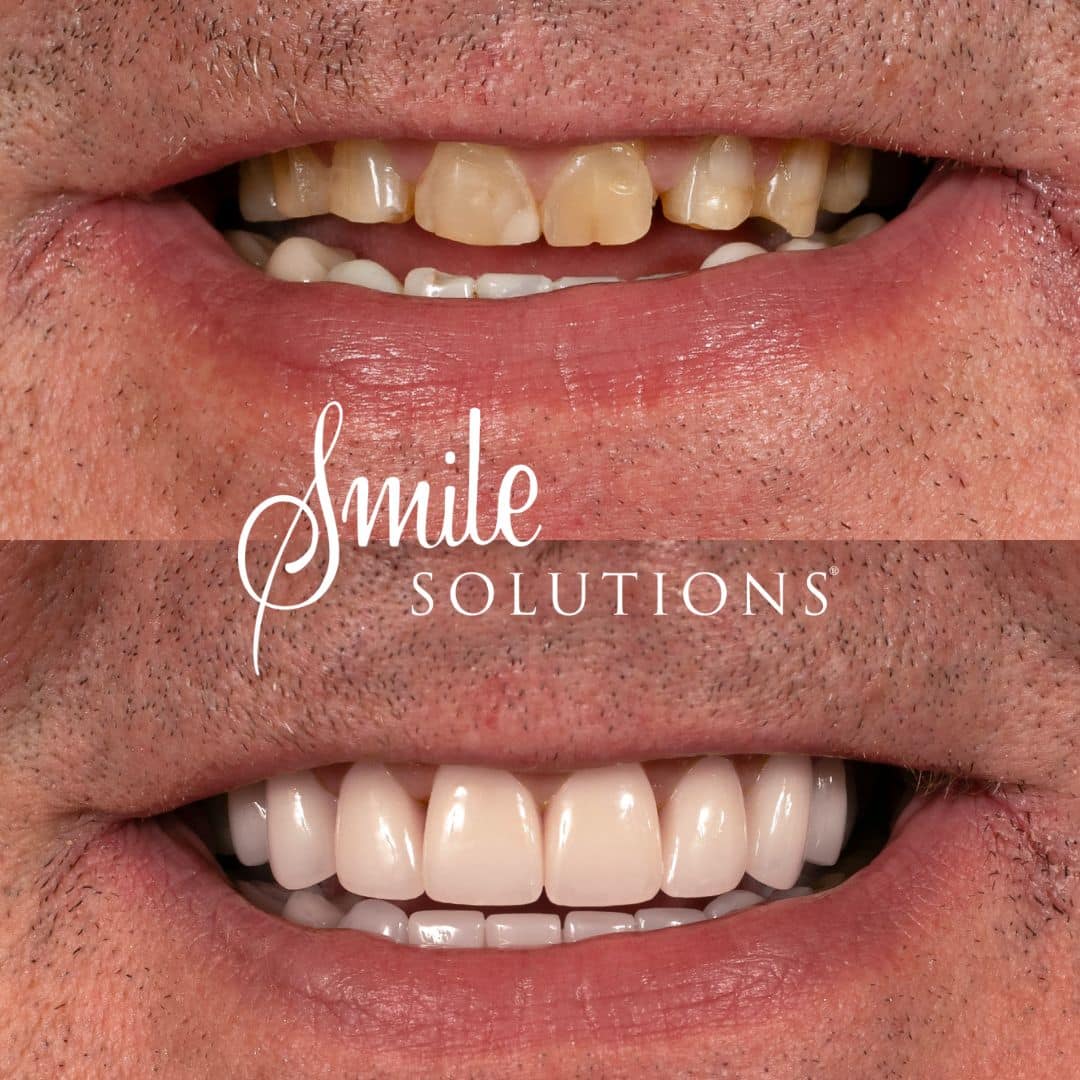
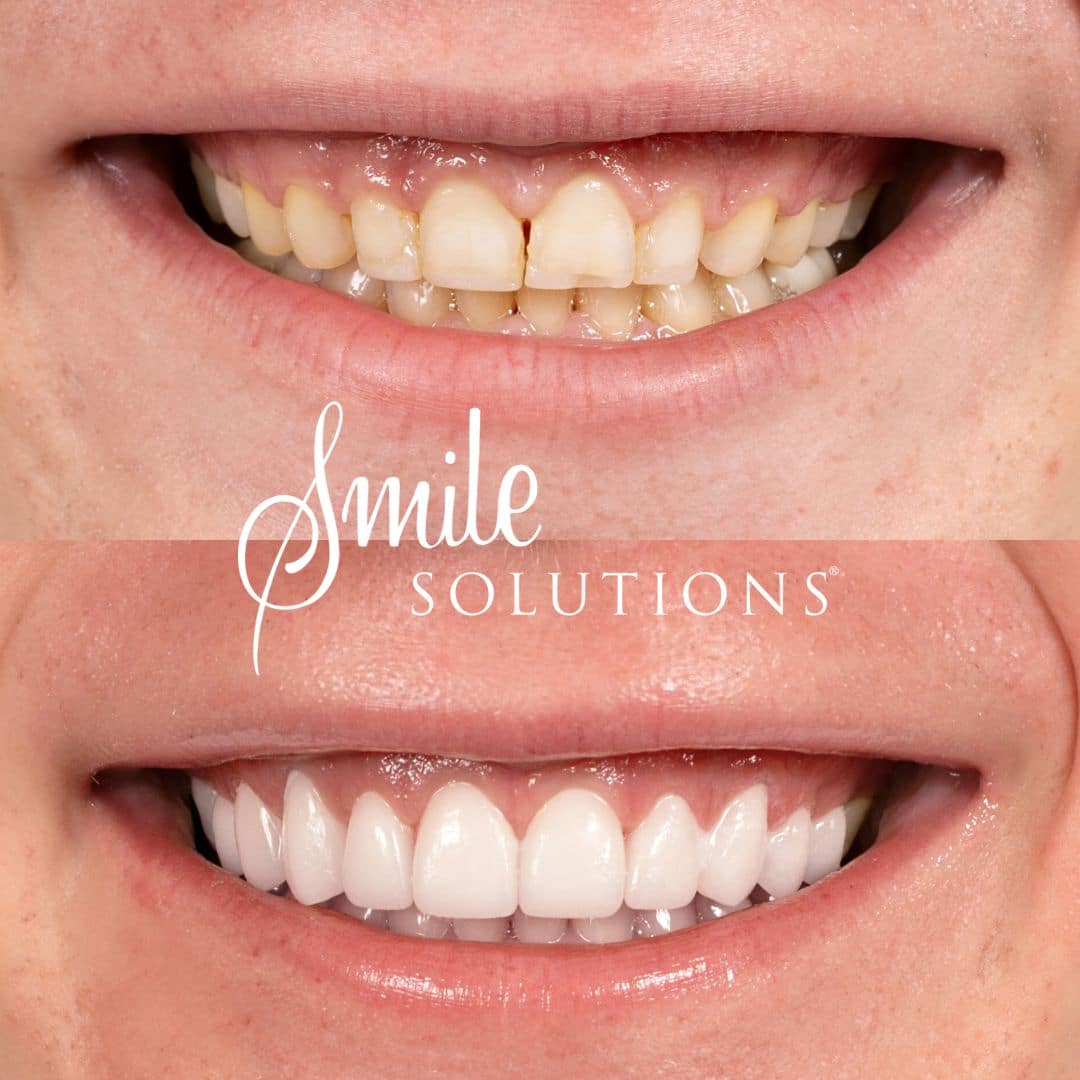
The practice publishes clinical photographs of her porcelain veneer work.
She has written for the practice on holistic dentistry, bruxism, the link between oral and general health, malocclusion, and the aftermath of veneers done overseas. Those articles are listed below.
What a general dentist does
A general dentist holds general registration with the Dental Board of Australia and provides examination and diagnosis, radiographs, cleaning and gum treatment, fillings, inlays, onlays, crowns and bridges, root canal treatment, extractions, dentures, implant restorations, whitening and cosmetic treatment, and referral to specialists where a case sits outside general practice.
A general dentist is not a specialist. Specialist titles are protected under the Health Practitioner Regulation National Law and require specialist registration following three years of full-time postgraduate university training. Which clinicians hold it is set out on the dentists and registered specialists page.
The Dental Board recognises thirteen dental specialties: "There are 13 dental specialties in Australia which are approved by the Australian Health Workforce Ministerial Council" — dento-maxillofacial radiology, endodontics, forensic odontology, oral and maxillofacial surgery, oral medicine, oral and maxillofacial pathology, oral surgery, orthodontics, paediatric dentistry, periodontics, prosthodontics, public health dentistry (community dentistry) and special needs dentistry. An applicant must hold an approved qualification in the specialty and have "completed a minimum of two years general dental practice", in addition to meeting every requirement for general registration as a dentist. "Cosmetic dentist" is not one of the thirteen, which is why nobody at this or any other Australian practice can hold specialist registration in it.
Checking a registration yourself
The Dental Board states that "Ahpra publishes an online register of all dental practitioners that provides the profession and the public with up-to-date information about a dental practitioner's registration status", and that the register "also includes details of the specialty or specialties for dentists who hold specialist registration".
A search shows the registration number, the division, whether specialist registration is held and in which specialty, whether registration is current, and any conditions, undertakings or reprimands. It is free, it takes under a minute, and it is the only authoritative answer.
Every registrant is also bound by the Board's registration standards, each with a published date of effect: specialist registration (1 July 2010), general registration for overseas-qualified dental practitioners (20 December 2011), endorsement for conscious sedation (27 October 2015), continuing professional development (1 December 2015), recency of practice (1 December 2015), professional indemnity insurance arrangements (1 July 2016), the revised list of recognised specialties and titles (1 October 2017), scope of practice (1 July 2020), English language skills (18 March 2025) and criminal history (15 July 2026). The scope of practice standard "requires dental practitioners to practise within the scope of their education, training, and competence at all times".
Digital dentistry: what the technology actually changes
A modern restorative workflow may involve several digital tools, described in general terms on the technology page. What each genuinely does:
Intraoral scanning replaces impression material with a digital scan.
- More comfortable, and avoids gagging.
- Avoids the distortion and tearing that impression material can introduce.
- The file can be stored, re-sent and compared over time — which makes it useful for monitoring wear and recession.
- It does not scan below bleeding or inflamed gum any better than impression material does. Soft tissue management still governs accuracy.
Chairside CAD/CAM milling designs and manufactures the restoration in the practice. The practice's own account is in everything you need to know about Smile Solutions CEREC technology.
- One appointment instead of two, no temporary restoration, no second injection — the argument applied to front teeth is set out in the case for same-day porcelain veneers, and the service page is same-day porcelain veneers.
- Ceramic blocks are industrially produced and have consistent properties.
- The tooth preparation is identical to a laboratory restoration. The time is saved in manufacture, not in tooth removal.
- Monolithic milled ceramic is difficult to match to layered laboratory porcelain for front teeth. Many practitioners mill posterior work and send anterior cases to a technician.
- It does not make the restoration last longer.
Digital smile design software previews a proposed cosmetic result on photographs.
- Genuinely useful for communication — it makes a conversation about shape and proportion concrete. I want a smile makeover. Where should I start? covers the first conversation.
- A rendering is a proposal, not a prediction. What is achievable depends on the position of the teeth, the amount of enamel available, the bite and the gum line. A trial of temporary restorations in the mouth tells you far more than a screen does — which is the point of the mock-up reveal.
Cone beam CT provides three-dimensional imaging.
- Essential for implant planning and for assessing roots close to the inferior alveolar nerve.
- It carries a meaningfully higher radiation dose than a standard dental radiograph and should be taken only where it will change the treatment decision, not routinely. How safe are dental x-rays covers the comparison.
The dose figures, and which examination each applies to
The International Atomic Energy Agency publishes typical effective doses per examination: "intraoral dental X ray imaging procedure 1–8 μSv", "panoramic examinations 4-30 μSv", and, for CBCT based on median values from the literature, "50 μSv or below for small- or medium-sized scanning volumes, and 100 μSv for large volumes".
Those are different examinations, not competing estimates of the same one, which is why quoted dental dose figures appear to disagree. The IAEA's own comparison is the clearest way to read them: intraoral doses are "usually less than one day of natural background radiation"; panoramic doses "even at the high end of the range are equivalent to a few days of natural background radiation"; CBCT doses "cover a wide range, but may be tens or even hundreds of µSv of effective dose higher than conventional radiographic techniques, depending upon the technique".
The practical consequence for a patient: it is reasonable to ask which examination is being proposed, what scanning volume a CBCT will use, and what decision the images will change.
Porcelain veneers — what to know before agreeing
- Veneers are irreversible. Preparing a tooth removes enamel that does not grow back. That tooth needs a veneer or a crown for the rest of its life. Some cases can be done with minimal or no preparation — ask which applies to yours, specifically. What happens to my teeth after dental veneers, and will I ever get cavities? answers the question most people forget to ask.
- They are not permanent. Veneers chip, debond and stain at the margins. Commonly cited service lives fall in the ten-to-fifteen-year range, with wide individual variation depending on bite forces, grinding, gum health and habits — how long do porcelain veneers last?
- Consider orthodontics first where the underlying problem is alignment rather than colour or shape. It takes longer and removes no tooth structure.
- Untreated grinding will break them. A night guard is usually part of the plan.
- Whitening is done before veneers, not after. Porcelain does not lighten, so the shade of the natural teeth must be settled first.
- Gum health governs appearance. A margin on inflamed or receding gum looks wrong regardless of the ceramic, which is why periodontal treatment sometimes comes first.
On the materials themselves, what is the difference between composite veneers and porcelain veneers? and what is the difference between porcelain crowns and veneers? are the two comparisons worth reading first.
On before-and-after images: Australian law requires that images used by regulated health services be realistic and comparable, state that individual results vary, and avoid creating unreasonable expectations of benefit. Testimonials about clinical care are prohibited in advertising a regulated health service. A photograph taken two weeks after treatment shows the result at its best and says nothing about how it ages.
The governing provision is section 133 of the National Law, under which a person must not advertise a regulated health service in a way that "is false, misleading or deceptive or is likely to be misleading or deceptive", "offers a gift, discount or other inducement to attract a person to use the service or business, unless the advertisement also states the terms and conditions of the offer", "uses testimonials or purported testimonials about the service or business", "creates an unreasonable expectation of beneficial treatment", or "directly or indirectly encourages the indiscriminate or unnecessary use of regulated health services". Ahpra's guidelines add that acceptable advertising does not make "comparisons between health outcomes and quality of care offered by different regulated health services". A court may impose a maximum penalty of "$60,000 per offence" on an individual and "$120,000 per offence" on a body corporate.
Restorative dentistry: the honest version
- No restoration lasts forever. Each replacement removes more tooth than the last, and the sequence ends in a crown, then possibly a root canal, then extraction. Preventing the first restoration is worth more than any material choice.
- An inlay or onlay preserves more tooth than a crown where enough sound tooth remains. What is restorative dentistry? sets out the range.
- Early enamel decay can often be arrested rather than drilled, with fluoride, dietary change and radiographic monitoring — see can you reverse tooth decay and do I need a filling?
- Sensitivity after a deep restoration is common and usually settles over weeks; pain lingering after cold, or worsening, needs review.
- Cracked teeth often need a cusp-covering restoration to stabilise them; a crack reaching the pulp or splitting the root usually cannot be saved. How will my cracked tooth be treated? explains the decision.
Where the choice is a root canal or an extraction, the published outcome data is worth knowing: a peer-reviewed cohort study of endodontically treated teeth reported "overall success rates of ETT" of "87.8% (95% CI: 84 to 90%) and 80.8% (95% CI: 75 to 86%) at the tooth and patient levels, respectively". And on prevention, the National Health and Medical Research Council "found that water fluoridation reduces tooth decay by 26 to 44% in children and adolescents, and by about 27% in adults" — see the benefits of fluoride.
Continuing professional development
All registered dental practitioners in Australia must complete continuing professional development and declare it at registration renewal. The Dental Board sets a minimum number of hours over a triennium, with a proportion required to be clinically or scientifically based. The Board's Continuing professional development registration standard has been in effect since 1 December 2015.
CPD is a registration requirement, not a distinction — every registered dentist does it. Courses, certificates and manufacturer training, however extensive, do not confer specialist status. Ahpra's guidelines are explicit on the point: a practitioner who does not hold specialist registration must not use "the words, or variations of the words or phrases 'specialist', 'specialises in', 'specialty', or 'specialised'", although "words such as 'substantial experience in' or 'working primarily in' are less likely to be misleading".
Registration
Dentists are one of the registered dental practitioner divisions under the National Law. The Dental Board of Australia registers dentists, dental specialists, dental hygienists, dental therapists, oral health therapists and dental prosthetists. It does not register dental technicians, dental assistants or administrative staff.
Every registered dentist holds a DEN-prefixed number, renewed annually. Conditions, undertakings and reprimands appear on the public register.
Articles by Dr Coulthard
- The benefits of holistic dentistry
- What is bruxism and how is it managed?
- Dental health and general wellbeing
- Treatment of malocclusion
- Turkey Teeth: the real risks of getting veneers overseas (and what we see when patients come back)
Common questions
Is “Dr” a medical qualification? What does it mean in front of a dentist's name?
It is a courtesy title, and the regulator treats it as one that has to be explained rather than assumed. Ahpra's advertising guidance says that “‘Doctor' is not a protected title, but registered health practitioners must be careful about how they use ‘Doctor' or ‘Dr' in their advertising because the public historically associates the term with medical practitioners”. Where the title appears and the person is not a registered medical practitioner, the guidance is that “the profession the practitioner is registered in should be made clear” — its own worked example gives “Dr Lee” as a potential breach and “Dr Lee (Osteopath)” as the correct form.
That is why the heading on this page names the role and the registration line names the division. It is a labelling rule, not a ranking.
What the title does not tell you is almost everything you might want to know: it says nothing about which degree was awarded, how long someone has practised, or what they are registered to do. The division does. Search the name at ahpra.gov.au and read the registration category — general registration as a dentist, with no specialty named, is exactly what this page states, and the register is the authority for it rather than any website including this one.
How do I know whether something should be handled here or referred on — and can I ask?
Yes, and it is a reasonable question to put directly.
The obligation sits on the practitioner, not on you. The Dental Board's Scope of practice registration standard applies to every registrant and “requires dental practitioners to practise within the scope of their education, training, and competence at all times”. Deciding that a case belongs with someone else is part of practising to that standard, not a sign that anything has gone wrong.
Two questions do most of the work in a consultation: how often do you do this particular procedure, and at what point would you refer a case like mine? Both are fair, neither is rude, and the answers tell you far more than any qualification list. The general-dentistry scope set out above is wide, and the specialist care page describes which categories of work are referred and to whom.
No referral is needed to book with a general dentist here, including if you are moving from another practice. If you are weighing a plan you have already been given elsewhere, second opinions and corrective dentistry covers how that is handled.
Is a same-day milled restoration as durable as one made in a laboratory?
Honest answer: we cannot point you to independent evidence either way, and that gap is worth knowing about.
The curated reference library behind these pages — Dental Board, Ahpra, TGA, NHMRC, ARPANSA and the IAEA, the ADA's policy statements, and peer-reviewed clinical literature — contains no survival data for chairside-milled ceramic restorations at all. Not favourable data, not unfavourable data. None. So if you are shown a survival percentage at ten or fifteen years for a same-day crown or veneer, by any practice, ask where the figure comes from and whether it describes milled ceramic specifically or laboratory work in general. The two are commonly conflated.
What can be said without a source problem is set out above and does not depend on marketing: the tooth preparation is the same either way, so no tooth is saved by choosing chairside; the time saved is in manufacture; and monolithic milled ceramic is harder to match to a layered laboratory result on front teeth, which is why anterior cases are often sent to a technician.
Better questions than “how long will it last?”: which material is being used and why, whether this is an anterior or posterior tooth, who designs the restoration, and what happens — and what it costs — if it chips or debonds in the first year.
What should I bring to a first appointment, and can I find out the cost beforehand?
Bring four things.
- Your medicines and medical conditions written down, not remembered. Several common medicines affect bleeding, healing and saliva flow, and a dry mouth changes both decay risk and how a case should be planned.
- Any existing radiographs, or the name of the practice holding them. Images are part of your record and are routinely sent on request. The published radiology principle is that “strict and individualized justification should determine the prescription of each radiograph”, and that a justified radiograph “should make a substantial contribution to distinguishing between treatment options” — so an image that already answers the question should not simply be repeated. A different view, or a newer one where something has changed, often is justified, and you are entitled to ask which applies.
- Anything you have already been quoted for, with the item numbers, so that two plans can be compared as like with like rather than on the headline figure.
- Your questions on paper. Appointments are short and recall afterwards is poor.
On cost, the structural problem is worth understanding. Australia has no national dental fee schedule, and a submission to the Commonwealth Parliament's inquiry into dental services states the consequence plainly: “There are no consumer guidelines to ascertain the reasonableness of dental fees charged.” The ADA's own Dental Fees Survey 2022 found “considerable variation in the fees charged within and between states” even among its members. There is no benchmark to hold an invoice against.
What there is, and what matters, is the written quote you are given before treatment starts — what the problem is, what the options are including doing nothing, what each costs, and what maintenance follows. Keep it, and check the invoice against it line by line. Understanding your treatment sets out what that document should contain, the price guide publishes indicative fees and what moves them, and payment plans describes the arrangements available.
Related reading
- What is holistic dentistry?
- Night time tooth grinding and clenching
- The three layers of dental wellness and longevity — and the wellness and longevity page
- Overseas dental work could cost you more in the long-term
- Understanding your treatment — how a plan is explained and costed before it starts
- Price guide — indicative fees, and what changes them
Practical details
Dr Coulthard's registration can be checked free on the AHPRA public register at ahpra.gov.au. Use the contact page to ask which practitioner suits a particular problem, or to arrange a consultation.
Smile Solutions, Level 1, 220 Collins Street, Manchester Unity Building, Melbourne VIC 3000. Phone 13 13 96, or theteam@smilesolutions.com.au. Monday–Friday 8.00am–6.00pm, Saturday 8.30am–1.30pm, Sunday by appointment.
Sources for the externally verifiable statements on this page
- Dental Board of Australia — Specialist Registration, Registration Standards and the Scope of practice registration standard.
- Ahpra — Advertising a regulated health service and the Guidelines for advertising a regulated health service.
- International Atomic Energy Agency — typical effective doses for intraoral, panoramic and cone beam CT dental imaging.
- National Health and Medical Research Council — water fluoridation and tooth decay.
- Peer-reviewed endodontic cohort study (PubMed Central) — success rates of endodontically treated teeth.
- Australian Dental Association — Dental Fees Survey 2022; and a submission to the Commonwealth Parliament's inquiry into dental services on the absence of a national fee schedule.
This page records qualifications and career history as published by the practice. General information only — it is not a diagnosis, a treatment plan or a promise of any particular clinical outcome. Results, recovery times and risks vary between individuals and procedures.
Smile Solutions trades under ABN 28 193 514 103.
Images on This Page
-
https://www.facebook.com/tr?id=800557773428361&ev=PageView&noscript=1
(no alt text)
-
https://www.smilesolutions.com.au/wp-content/uploads/2025/10/calendar_month.svg
(no alt text)
-
https://www.smilesolutions.com.au/wp-content/themes/arcadian-wordpress-theme/assets/images/smile_solutions_logo_white.png
Smile Solutions Logo
-
https://www.smilesolutions.com.au/wp-content/themes/arcadian-wordpress-theme/assets/images/smile_solutions_logo_purple.png
Smile Solutions Logo
-
https://www.smilesolutions.com.au/wp-content/uploads/2016/05/Yasmin.jpg
Dr Yasmin Coulthard
-
https://www.smilesolutions.com.au/wp-content/uploads/2026/04/YC-1.jpg
YC 1
-
https://www.smilesolutions.com.au/wp-content/uploads/2026/01/Yas1.png
Yas1
-
https://www.smilesolutions.com.au/wp-content/uploads/2016/05/YC1.png
YC1
-
https://www.smilesolutions.com.au/wp-content/uploads/2026/01/Yas3.png
Yas3
-
https://www.smilesolutions.com.au/wp-content/uploads/2016/05/YC2.jpg
YC2
-
https://www.smilesolutions.com.au/wp-content/uploads/2026/01/Yas2.png
Yas2
-
https://www.smilesolutions.com.au/wp-content/uploads/2016/05/YC33.jpg
YC33
-
https://www.smilesolutions.com.au/wp-content/uploads/2026/01/Yas4.png
Yas4
-
https://www.smilesolutions.com.au/wp-content/uploads/2016/05/YC44.jpg
YC44
-
https://www.smilesolutions.com.au/wp-content/uploads/2026/01/Yas5.png
Yas5
-
https://www.smilesolutions.com.au/wp-content/uploads/2016/05/YC5.jpg
YC5
-
https://www.smilesolutions.com.au/wp-content/uploads/2018/11/malocclusion-300x270.jpg
malocclusion
-
https://www.smilesolutions.com.au/wp-content/uploads/2016/05/Yasmin-150x150.jpg
Dr Yasmin Coulthard
-
https://www.smilesolutions.com.au/wp-content/uploads/2025/09/CEREC-restorations-Smile-Solutions-300x300.png
CEREC Restoration Smile Solutions
-
https://www.smilesolutions.com.au/wp-content/uploads/2025/11/Speciality-Splints-300x300.png
Speciality Splints
-
https://www.smilesolutions.com.au/wp-content/themes/arcadian-wordpress-theme/assets/images/family_owned_bussiness.png
Family Owned Business
-
https://www.smilesolutions.com.au/wp-content/themes/arcadian-wordpress-theme/assets/icons/icon--phone.svg
Smile Solutions Contact
-
https://www.facebook.com/tr? id=800557773428361&ev=PageView&noscript=1
(no alt text)
-
https://bat.bing.com/action/0?ti=25148060&tm=gtm002&Ver=2&mid=3e047685-9e65-4b56-aaa9-59aa95fb64f3&bo=1&sid=11339c20ab2911f189fdc9d868386fa1&vid=1133b900ab2911f19d9a7582d7ea6bee&vids=1&msclkid=N&pi=918639831&lg=en-US&sw=800&sh=600&sc=24&nwd=1&tl=Dr%20Yasmin%20Coulthard%20%7C%20General%20Dental%20Care%20%7C%20Smile%20Solutions&p=https%3A%2F%2Fwww.smilesolutions.com.au%2Four-team%2Fdr-yasmin-coulthard%2F&r=<=2636&evt=pageLoad&sv=2&cdb=AQAQ&rn=375953
(no alt text)