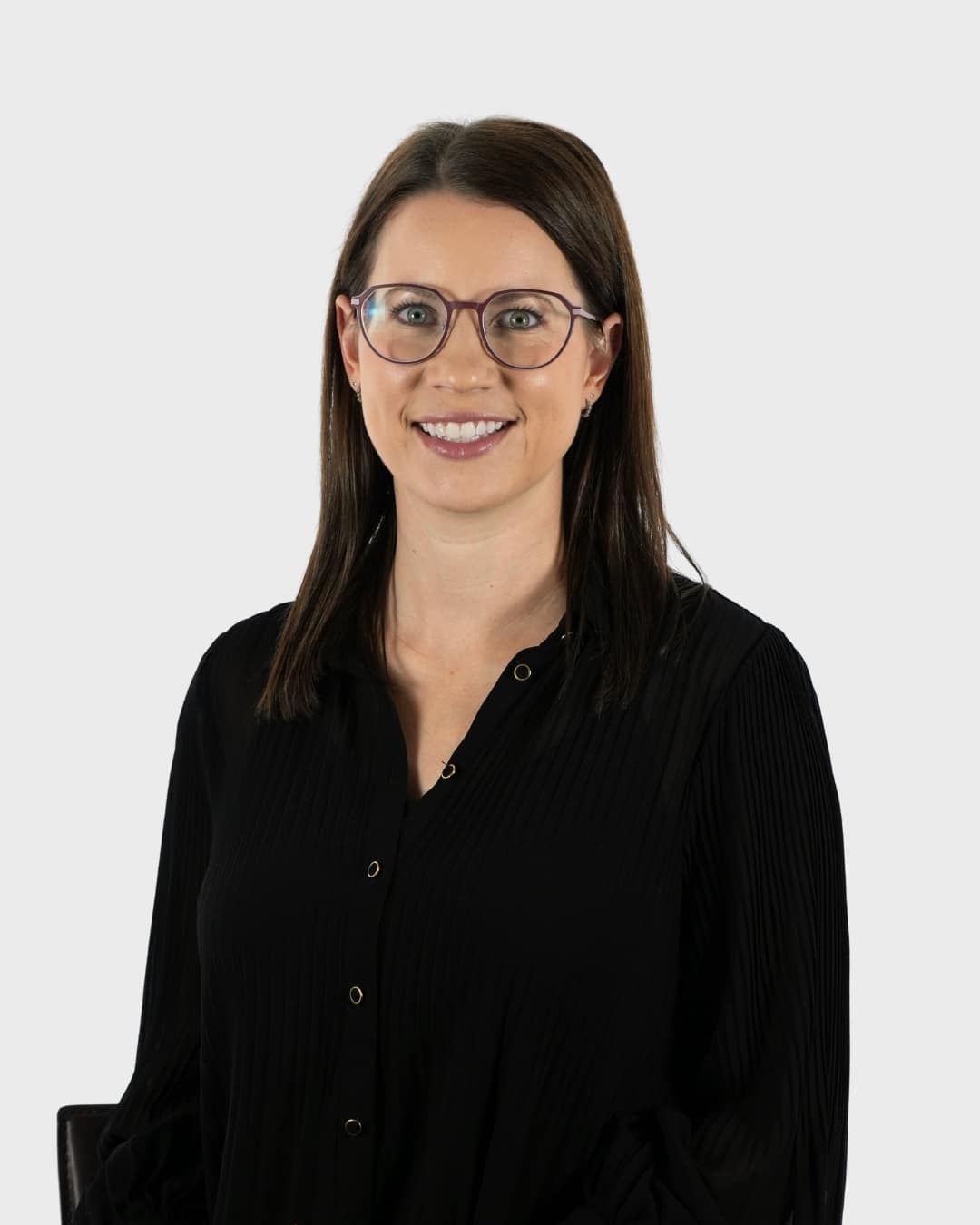
Dr Casey Edgar, General Dentist
Role: General Dentist, Smile Solutions
Qualifications: BBiomed, DDS (dist) (Melb)
Registration: DEN0001923606 — Registered Dentist, General Registration
Registration can be verified on the AHPRA register. The service page for this scope is General Dentistry.
Background
Dr Edgar grew up in Melbourne and completed a Bachelor of Biomedicine at the University of Melbourne in 2010. She went on to complete a Doctor of Dental Surgery, graduating with distinction in 2014.
She spent four years in private dental practice in Melbourne's north-western suburbs before joining Smile Solutions.
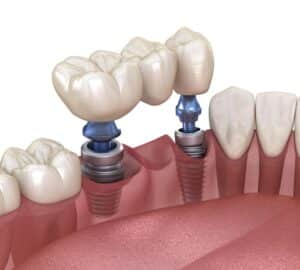
She has written the practice's article on replacing a single missing tooth: I'm looking to get a dental bridge to replace a tooth. What are the different types and how do I choose?
What those qualifications mean
Australian dental training is a graduate-entry pathway at most universities, and the Melbourne route is the common one:
- BBiomed — Bachelor of Biomedicine, a three-year undergraduate science degree covering anatomy, physiology, biochemistry, pharmacology and pathology. It is a prerequisite pathway, not a dental qualification in itself.
- DDS — Doctor of Dental Surgery, a four-year graduate professional degree combining clinical sciences with supervised patient treatment in university clinics. It is the primary qualification to practise as a dentist in Australia, and “Doctor” here refers to the professional doctorate, not a medical degree or a PhD.
- (dist) — awarded with distinction, a grading of academic performance recorded by the university.
That is roughly seven years of study before the first day in practice.
Graduation does not by itself allow anyone to treat patients. Registration with the Dental Board of Australia, through AHPRA, is what does — and it must be renewed annually, with declarations covering recency of practice, professional indemnity insurance, criminal history and health. Registered dentists must also complete a minimum amount of continuing professional development in each registration period, set by the Dental Board.
Clinical interests
Dr Edgar is interested in all aspects of restorative and preventive dentistry, with a particular focus on helping patients understand their dental problems and meeting their general dental needs. See What does restorative dentistry mean? and What is restorative dentistry?
That emphasis on understanding is worth drawing out, because it is where most dental decisions actually go wrong. A patient who understands why a tooth needs treating, what happens if it is left, and what the alternatives are, makes a better decision than one who is simply told what is required — and is far more likely to follow through on the preventive side afterwards. See How important is communication in dentistry? and 5 questions you've always wanted to ask your dentist
It also has a legal dimension. Valid consent in Australian healthcare requires that the material risks have been explained — including those a particular patient would be likely to consider significant — along with the alternatives and the consequences of doing nothing. “The dentist said I needed it” is not informed consent. A practitioner who spends time on explanation is doing something that the law, not only good manners, requires. See Understanding Your Treatment.
On the preventive half of that interest: How Do I Prevent Dental Decay?, Can you reverse tooth decay & do I need a filling?, How long do dental fillings last? and Dental Cleans and Hygienists.
She particularly enjoys working with the wider team at the practice to offer patients comprehensive care, and values keeping up to date with new developments and advances in the field.
Volunteer work
Dr Edgar has completed volunteer work within the Rebuilding Smiles program of the Australian Dental Health Foundation — a program providing pro bono dental care to people who could not otherwise access it, including those affected by family violence and homelessness.
The Australian Dental Health Foundation is the charitable arm of the Australian Dental Association, coordinating volunteer dentists to treat people referred through partner support agencies. It is not a service the public applies to directly, and this page is not an offer of free or subsidised treatment. Supporting Charities.
Case gallery
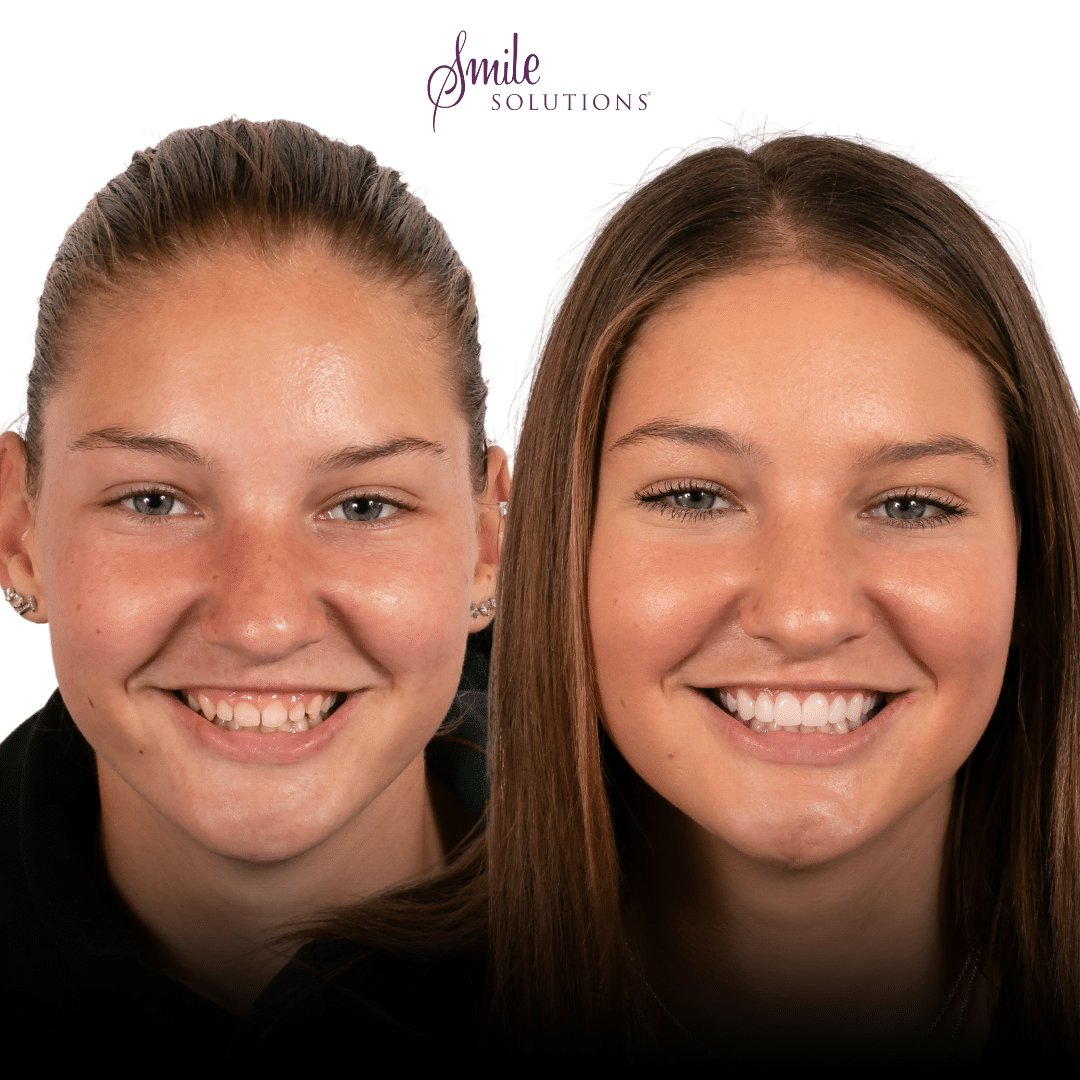
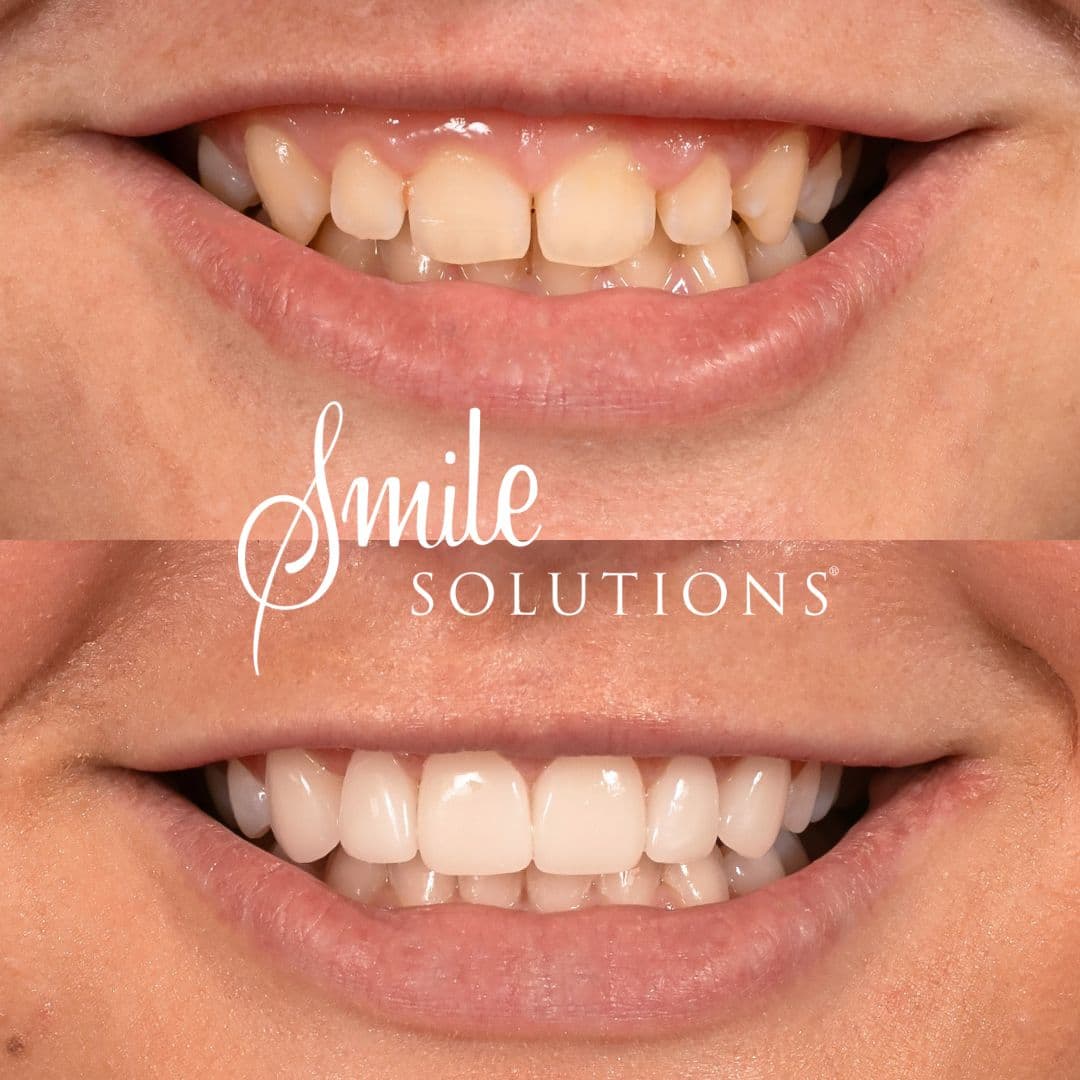
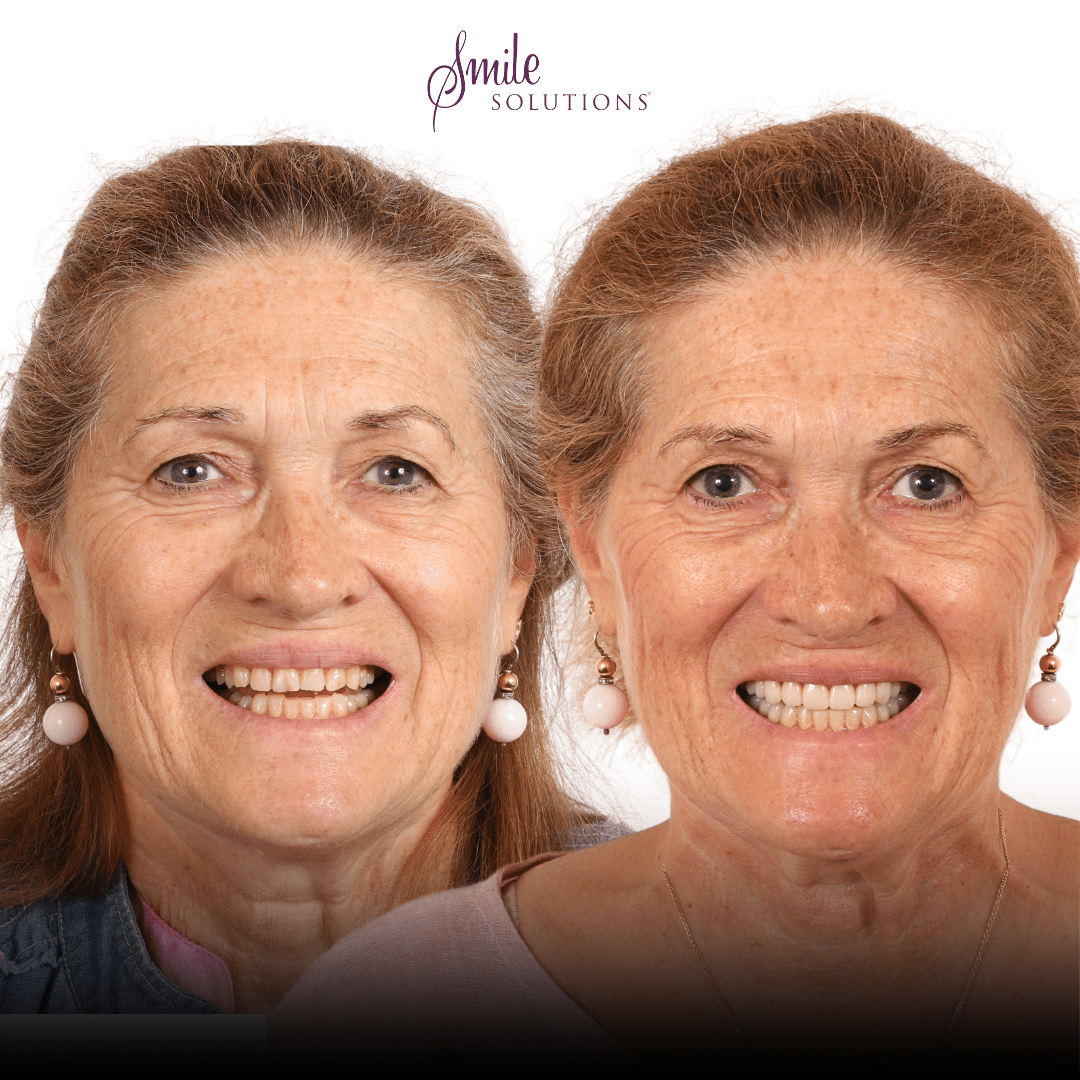
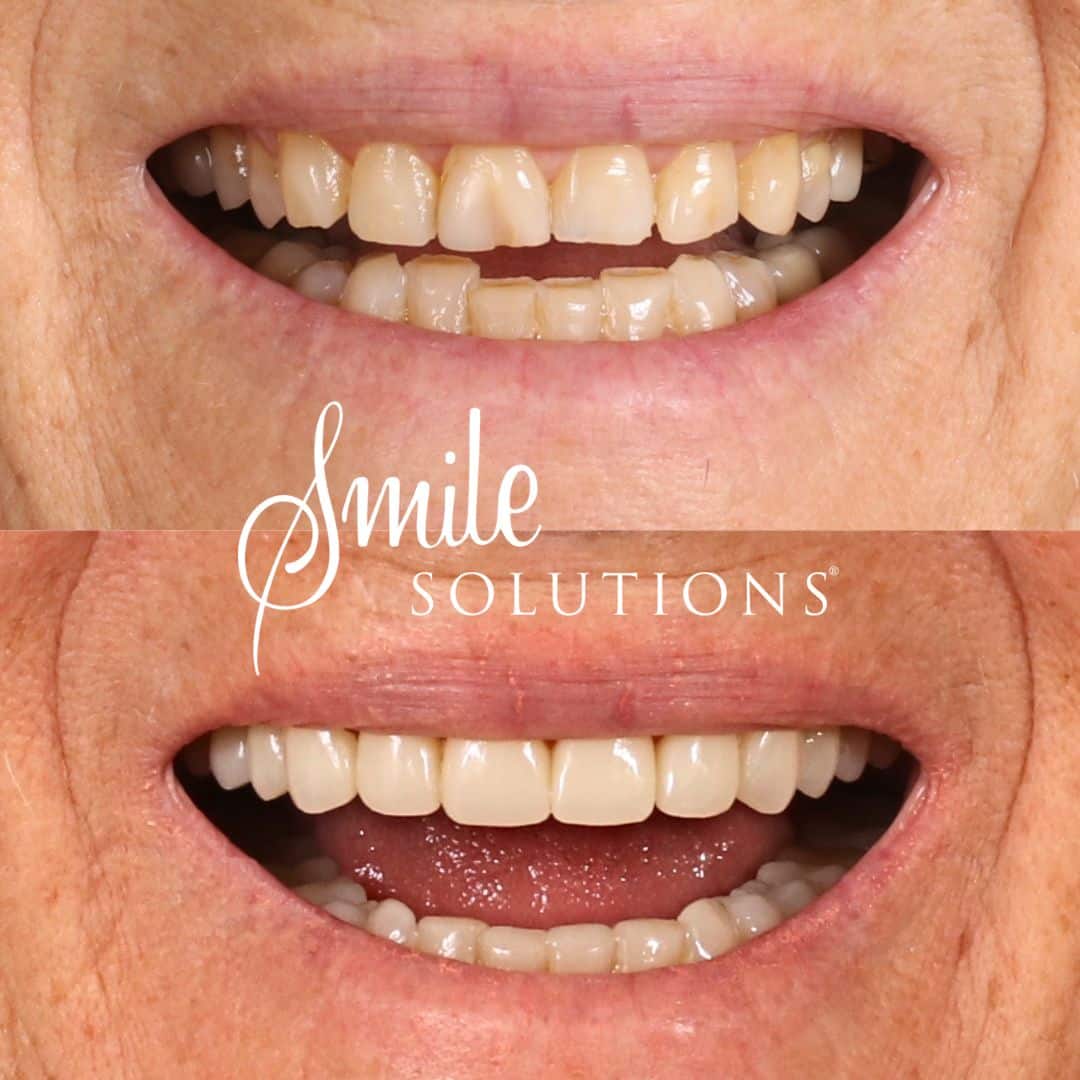
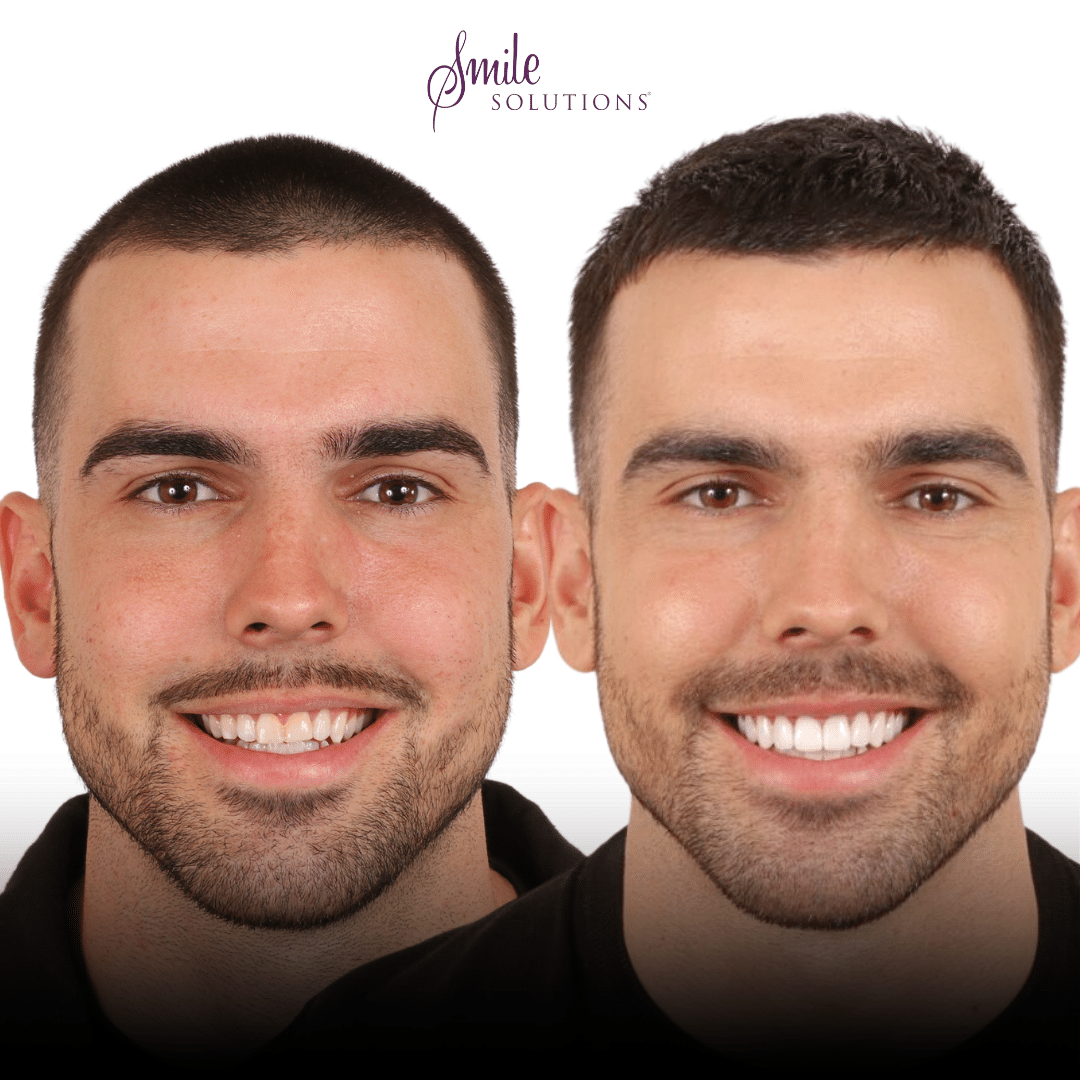
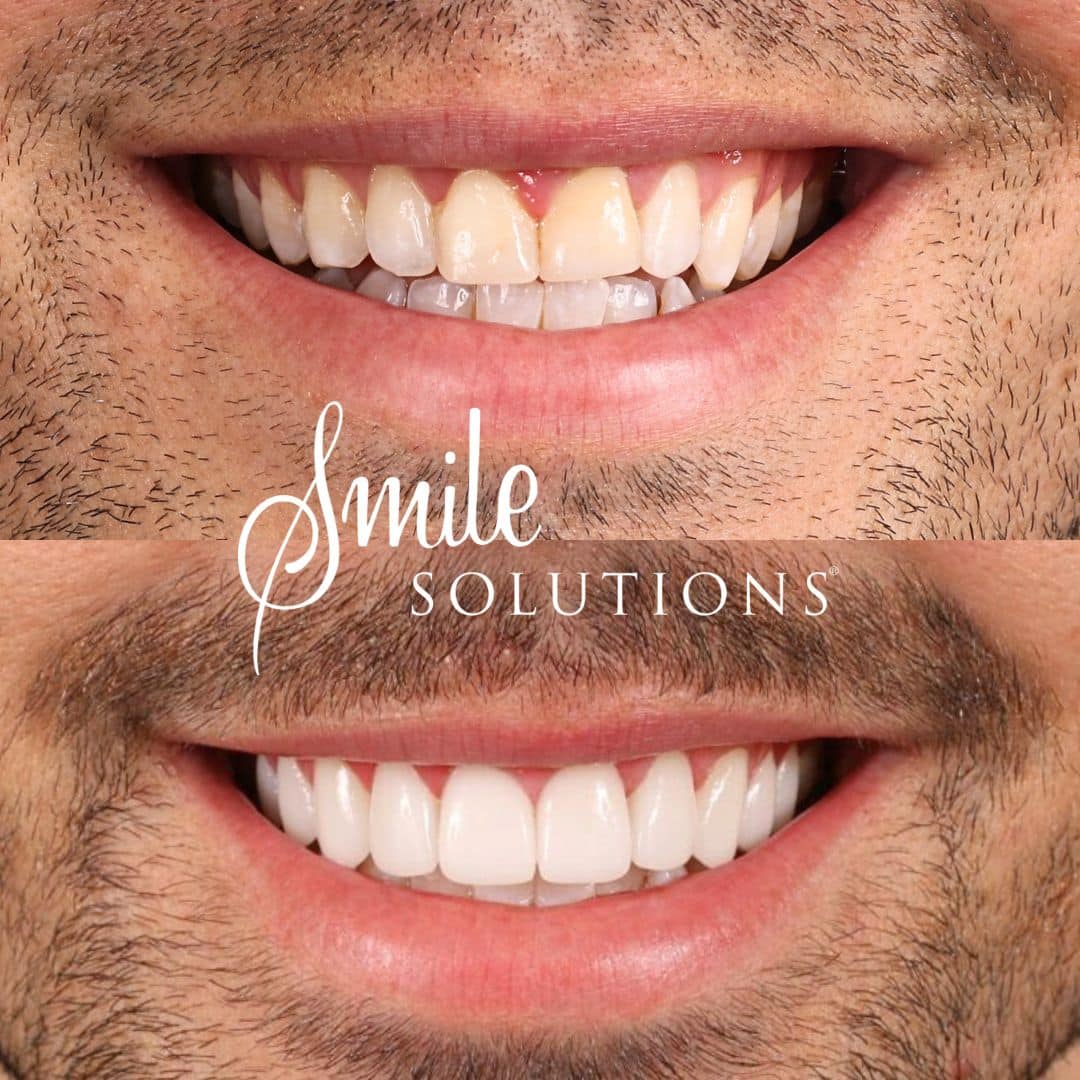
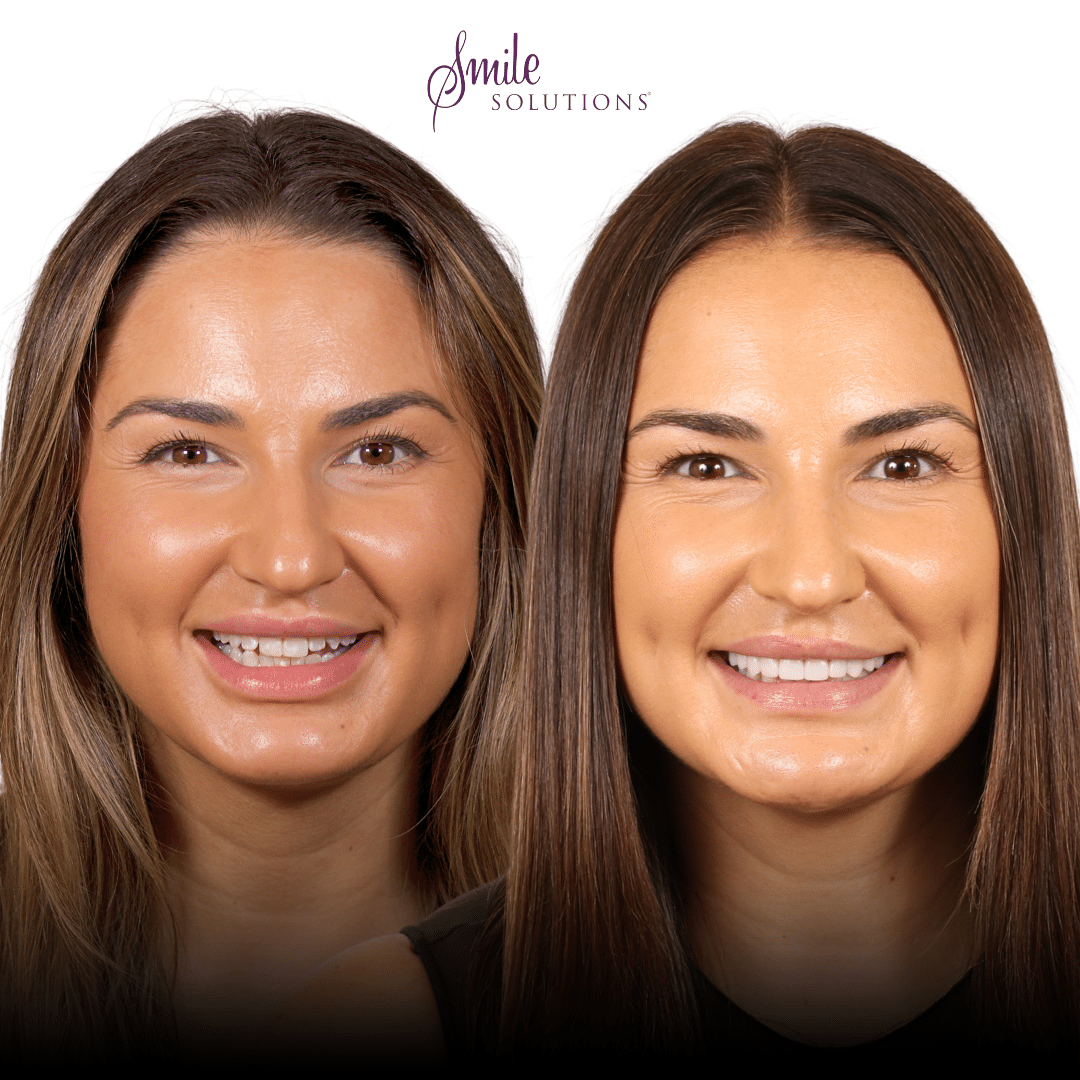
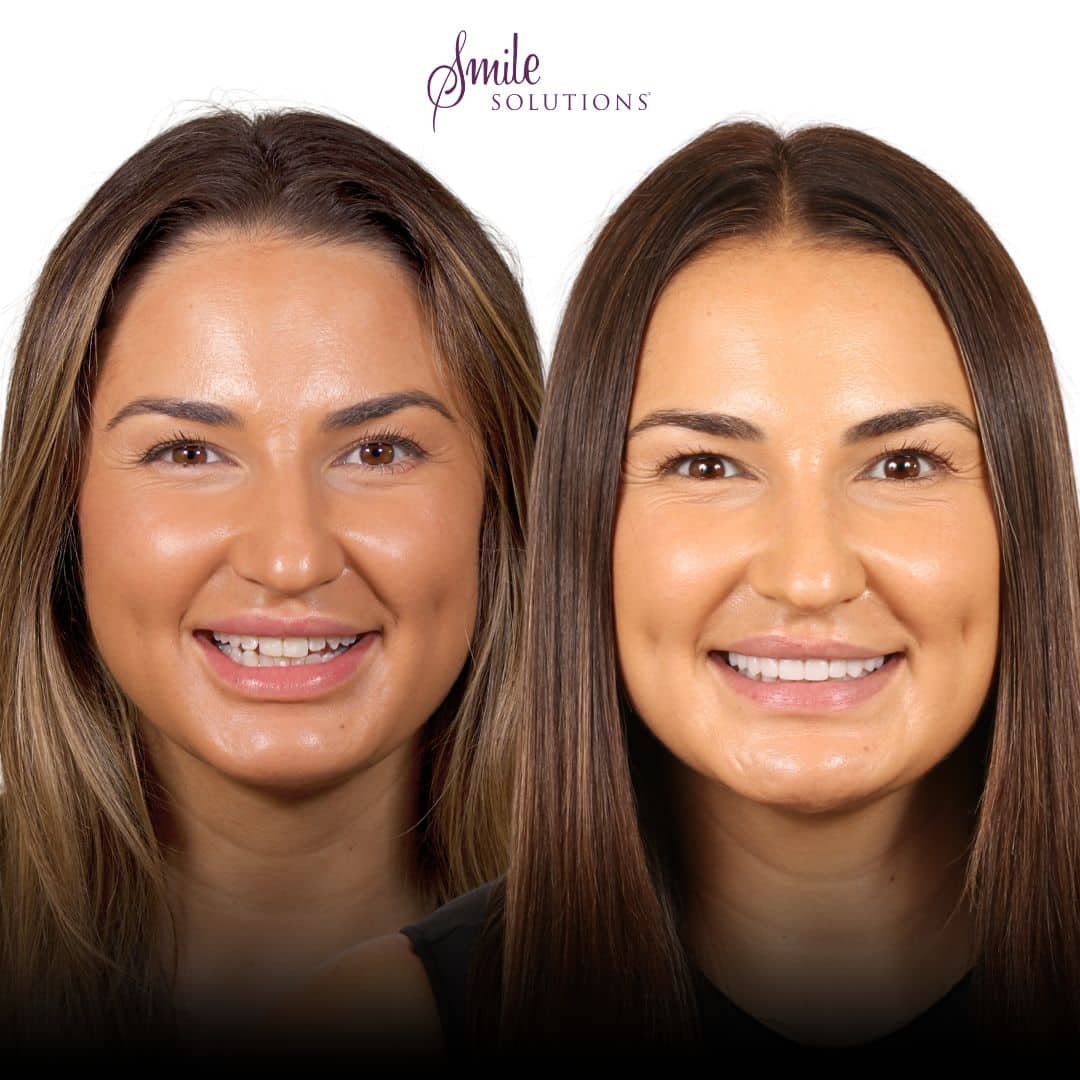
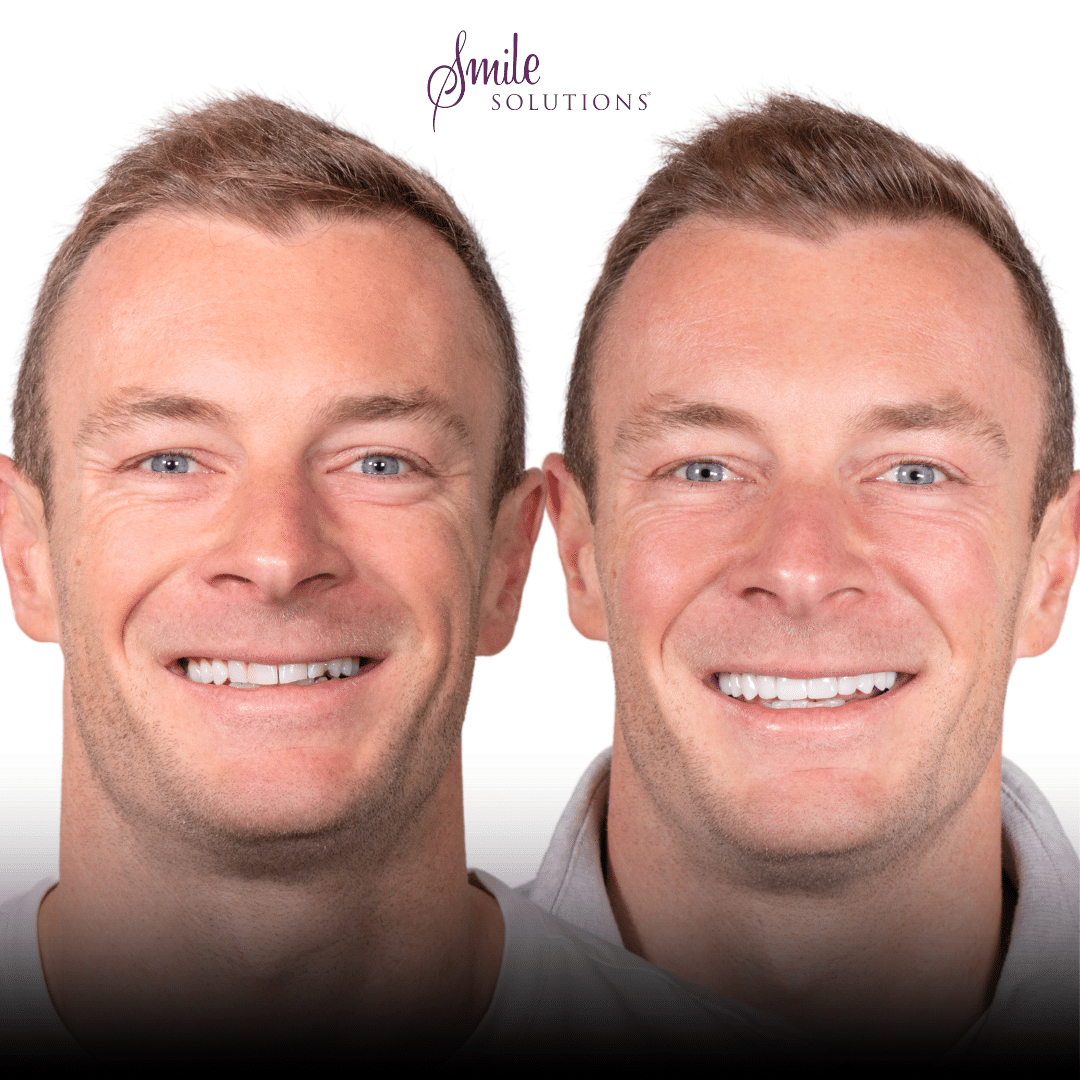
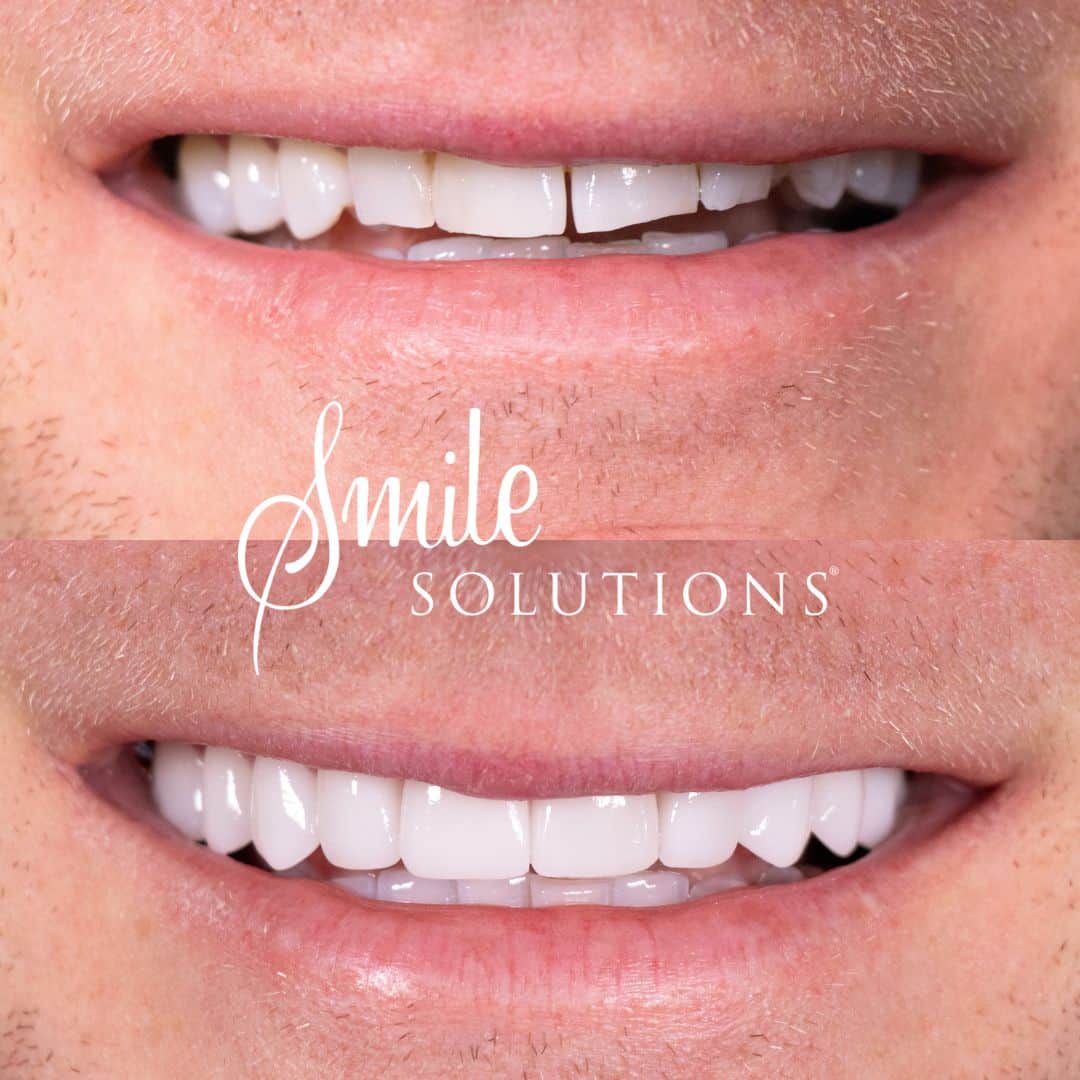
Dr Edgar publishes a gallery of her own cases, including porcelain veneers, with after-images typically taken around two weeks after the procedure.
The practice states that all photos and videos are shared with full patient consent, and that no filters, AI alterations or unrealistic lighting have been applied. Results, recovery times and potential risks vary for each individual and each procedure — a gallery shows what was achieved for those patients, not what will be achieved for you.
How to read a before-and-after gallery
Worth knowing, because these images are the most persuasive and least informative material in cosmetic dentistry:
- A gallery is selected. Every gallery anywhere shows cases that went well. That is not dishonest, but it is not a representative sample of outcomes either.
- Two weeks is an early photograph. It shows the result at its freshest — before gum tissue has fully settled, before any staining, chipping or wear, and before the long-term maintenance is apparent. The meaningful question about a restoration is what it looks like at ten years. See How long do porcelain veneers last?
- Photography conditions change appearance more than most people realise — lighting, angle, lip retraction and whether the mouth is wet or dry all shift how teeth read in an image. The practice's statement that no filters or unrealistic lighting were used addresses this directly, which is more than most galleries do.
- Cases are not comparable across patients. Starting tooth position, gum health, bite, enamel thickness and what the patient wanted all differ. Someone else's result carries no information about yours.
- Under Australian law, galleries of this kind must not create an unreasonable expectation of benefit, and they are not testimonials about clinical care.
Before & After Gallery · Mock-up Reveal · I want a smile makeover. Where should I start?
In the media
Dr Edgar has spoken publicly about common myths surrounding veneers, discussing with the publication It's All Her what she has observed in practice about what veneers can and cannot do.
The points that recur in that discussion, and that are worth knowing before any cosmetic consultation:
- Veneers are irreversible. Conventional porcelain veneers require permanent removal of enamel from the front of the tooth. Once prepared, the tooth will need a restoration for the rest of your life. There is no going back to the natural tooth. See What happens to my teeth after dental veneers, and will I ever get cavities?
- They are not permanent. Veneers chip, stain at the margins, and eventually need replacing. Each replacement usually removes a little more tooth.
- They do not fix the gum. Where the appearance problem is gum level rather than tooth shape, veneers will not correct it.
- They are not a substitute for orthodontics. Veneers can mask mild irregularity; using them to “straighten” significantly crooked teeth means cutting healthy teeth down to make room. Moving the teeth first often produces a better result with far less tooth removed. See Orthodontics.
- Less invasive options exist and are often the right answer — whitening, composite bonding, enamel reshaping, or orthodontics alone. Ask about these explicitly, because the conservative option is easy not to mention. See What is the difference between composite veneers and porcelain veneers?, Composite bonding: will it look natural and how long will it last? and What are my options if I want to change the shape of my teeth?
- They need maintenance. Night guards for grinders, careful home care, and acceptance that the surrounding natural teeth will change colour over time while the veneers do not. See TMD and Teeth Grinding and What kind of mouth guard should I use?
Porcelain Veneers & Crowns · Composite Bonding · Professional Teeth Whitening
What a general dentist does
A general dentist holds general registration with the Dental Board of Australia and is the practitioner most people see for routine and restorative care:
- Examination, diagnosis and treatment planning
- Radiographs and their interpretation
- Fillings, crowns, bridges and veneers
- Root canal treatment
- Extractions, including wisdom teeth
- Dentures
- Prescribing medication
- Referral to specialists where the case calls for it
General registration is a different scope from specialist registration rather than a lesser one. Specialists complete additional postgraduate training restricted to one field; general dentists work across all of them and refer where a case warrants it. Dentists & Registered Specialists.
Where a tooth is already missing, the choice between the options is set out in What are the replacement options for missing teeth? and Implant versus bridge for a single tooth replacement, with Dental Implants as the third route.
How to verify any practitioner yourself
This takes under a minute and applies to every registered health practitioner in Australia:
- Go to the AHPRA public register at ahpra.gov.au and choose “Register of practitioners”.
- Search by name, or by the registration number — for this practitioner, DEN0001923606.
- The entry shows the profession, registration type, whether registration is current, the date of first registration, any specialty held, and any conditions, undertakings or reprimands.
It is free, public, and authoritative. A practice website is not — this page records what the practice publishes, and the register records what the regulator holds. If the two ever disagree, the register is correct.
An entry showing “General” registration and no specialty is entirely normal and is what the overwhelming majority of Australian dentists hold.
Common questions
What type of dentist is Dr Casey Edgar?
This profile identifies Dr Edgar as a general dentist. General dentists provide broad dental care and refer when a diagnosis or procedure is better managed by a registered specialist.
Does a listed clinical interest mean specialist registration?
No. An interest, experience or additional course does not create specialist registration. AHPRA separately records recognised specialist status, which can be checked by name or registration number.
How do I know whether treatment is necessary now?
Ask what diagnosis has been made, what is urgent, what could be monitored and what is elective. The clinician should explain the likely consequence of waiting and the evidence supporting intervention.
What are the least invasive alternatives?
That depends on the problem. Monitoring, prevention, repair, bonding, an onlay or other conservative care may sometimes preserve more tooth than a larger restoration. Ask why the recommended option is proportionate.
How should I interpret case-gallery images?
Photographs show selected previous cases and cannot predict your result. Ask about comparable starting conditions, other treatment performed, image timing, tooth preparation, risks and long-term maintenance.
When should a specialist be involved?
Specialist input may be appropriate for complexity, uncertain prognosis, previous failure or treatment outside the dentist's training and competence. Ask directly whether referral would materially change the options.
How can I verify Dr Edgar's registration?
Search the AHPRA public register by name or the number published on this profile, DEN0001923606. The register, rather than a practice website, is authoritative for current status.
Related reading
Our Team · General Dentistry · Dentists & Registered Specialists · Understanding your treatment · Cosmetic Dentistry · Complimentary Smile Consultation · Second Opinions & Corrective Dentistry · Dental Anxiety · Price Guide
On the complimentary cosmetic consultation: confirm the current terms when you book — what the appointment includes, whether records such as scans or radiographs are part of it or charged separately, and whether any deposit applies.
Practical details
Registration can be verified free on the AHPRA public register at ahpra.gov.au, or by calling 1300 419 495. To book, see Contact Us.
Smile Solutions, Level 1, 220 Collins Street, Manchester Unity Building, Melbourne VIC 3000. Phone 13 13 96, or theteam@smilesolutions.com.au. Monday–Friday 8.00am–6.00pm, Saturday 8.30am–1.30pm, Sunday by appointment. Location and directions.
This page records qualifications, registration and career history as published by the practice, and is current as at the date of publication. Team members and their availability change; the AHPRA register is the authoritative source for registration status.
General information only — it is not a diagnosis, a treatment plan, a quote or a promise of any particular clinical outcome, and it does not replace advice from your treating practitioner. Outcomes vary between individuals; all dental treatment carries risks, and preparation for veneers and crowns is irreversible. Nothing on this page is a testimonial about clinical care, and no image or description of past work indicates what result any individual would achieve. Fees are indicative and subject to change; confirm at your consultation.
Smile Solutions trades under ABN 28 193 514 103.
Images on This Page
-
https://www.facebook.com/tr?id=800557773428361&ev=PageView&noscript=1
(no alt text)
-
https://www.smilesolutions.com.au/wp-content/uploads/2025/10/calendar_month.svg
(no alt text)
-
https://www.smilesolutions.com.au/wp-content/themes/arcadian-wordpress-theme/assets/images/smile_solutions_logo_white.png
Smile Solutions Logo
-
https://www.smilesolutions.com.au/wp-content/themes/arcadian-wordpress-theme/assets/images/smile_solutions_logo_purple.png
Smile Solutions Logo
-
https://www.smilesolutions.com.au/wp-content/themes/arcadian-wordpress-theme/assets/images/LinkedIn.svg
LinkedIn Profile
-
https://www.smilesolutions.com.au/wp-content/uploads/2018/12/Casey.jpg
Dr Casey Edgar
-
https://www.smilesolutions.com.au/wp-content/uploads/2026/01/Casey7.png
Casey7
-
https://www.smilesolutions.com.au/wp-content/uploads/2018/12/14.jpg
14
-
https://www.smilesolutions.com.au/wp-content/uploads/2026/01/Casey5.png
Casey5
-
https://www.smilesolutions.com.au/wp-content/uploads/2018/12/12.jpg
12
-
https://www.smilesolutions.com.au/wp-content/uploads/2026/01/Casey2.png
Casey2
-
https://www.smilesolutions.com.au/wp-content/uploads/2018/12/2.jpg
2
-
https://www.smilesolutions.com.au/wp-content/uploads/2026/01/Casey1.png
Casey1
-
https://www.smilesolutions.com.au/wp-content/uploads/2018/12/3.jpg
3
-
https://www.smilesolutions.com.au/wp-content/plugins/block-library/build/before-and-after-card-row/../images/smile_solutions_logo_white.564976c4.png
Smile Solutions logo
-
https://www.smilesolutions.com.au/wp-content/uploads/2026/01/Casey8.png
Casey8
-
https://www.smilesolutions.com.au/wp-content/uploads/2018/12/10.jpg
10
-
https://www.smilesolutions.com.au/wp-content/uploads/2023/06/Website-media-thumbnail-size-2-1-300x163.jpg
3 myths surrounding Veneers, DEBUNKED
-
https://www.smilesolutions.com.au/wp-content/uploads/2026/01/Implant-supported-dental-bridge-300x270.jpg
Dental bridge supported by implants
-
https://www.smilesolutions.com.au/wp-content/uploads/2018/12/Casey-150x150.jpg
Dr Casey Edgar
-
https://www.smilesolutions.com.au/wp-content/themes/arcadian-wordpress-theme/assets/images/family_owned_bussiness.png
Family Owned Business
-
https://www.smilesolutions.com.au/wp-content/themes/arcadian-wordpress-theme/assets/icons/icon--phone.svg
Smile Solutions Contact
-
https://www.facebook.com/tr? id=800557773428361&ev=PageView&noscript=1
(no alt text)