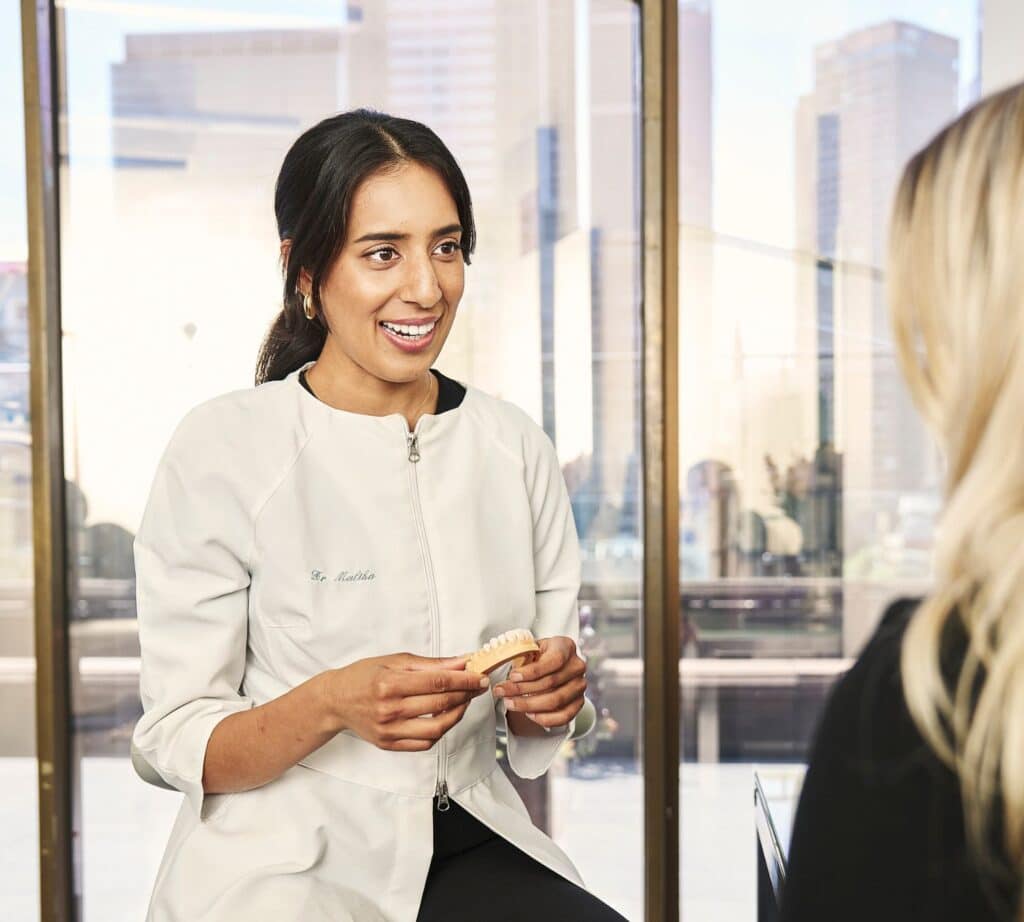
Dr Maliha Siddiqui, General Dentist
Role: General dentist
Qualifications: BDSc (Hons), University of Melbourne (2012)
Registration: Registered dentist, general registration, DEN0001785009
Registration status can be verified on the AHPRA register of practitioners at ahpra.gov.au. The service page for this scope is General Dentistry.
Background
Dr Maliha Siddiqui joined Smile Solutions after completing her Bachelor of Dental Science with honours at the University of Melbourne in 2012.
Her focus is minimally invasive dentistry, and she works alongside the practice's registered specialists on interdisciplinary cases — see Complex Dentistry and Complex Dental Cases: What Happens When Multiple Specialists Need to Collaborate.
Her clinical interests are restorative dentistry — including chairside CAD/CAM restoration of teeth and implants — and aesthetic work including porcelain veneers.
She has also contributed to published discussion of the relationship between sleep quality and oral health.
Articles by Dr Siddiqui
- The stages of dental decay
- How long do dental fillings last?
- Choosing the right toothpaste
- Night Time Tooth Grinding/Clenching
- Are women especially prone to oral health problems?
What a general dentist does
A general dentist holds general registration with the Dental Board of Australia and provides examination and diagnosis, radiographs, cleaning and gum treatment, fillings, inlays, onlays, crowns and bridges, root canal treatment, extractions including wisdom teeth, dentures, implant restorations, whitening and cosmetic treatment, and referral to specialists where a case sits outside general practice.
A general dentist is not a specialist. Specialist titles are protected under the Health Practitioner Regulation National Law and require specialist registration following three years of full-time postgraduate university training. See Why would I need to see a dental specialist?
Minimally invasive dentistry
Minimally invasive dentistry is a genuine clinical philosophy, not a marketing phrase. It means:
- Detecting decay early and arresting it rather than drilling it. Early enamel lesions can remineralise with fluoride, dietary change and improved cleaning, monitored radiographically over time. See The stages of dental decay, Can you reverse tooth decay & do I need a filling? and The benefits of fluoride
- Removing only what is diseased. Modern adhesive materials bond to tooth structure, so a filling no longer needs the retentive shape that older materials required. See Composite Bonding and Dental fillings: porcelain, amalgam or composite resin?
- Preferring the smallest adequate restoration. An adhesive filling before an inlay, an inlay or onlay before a crown, a crown only when there is too little tooth left to support anything less. See What types of dental crowns are available?
- Recognising that every restoration starts a cycle. Each replacement removes more tooth than the last, and the sequence ends in a crown, then a root canal, then extraction. Delaying entry into that cycle is worth more than any material choice. See How long do dental fillings last? and How Do I Prevent Dental Decay?
What it is not: a claim that treatment removes no tooth structure. A crown, by definition, removes a great deal, and a porcelain veneer permanently removes enamel from the front of a tooth.
Porcelain veneers — what to know before agreeing
- Veneers are irreversible. Preparing a tooth removes enamel that does not grow back. That tooth will need a veneer or a crown for the rest of its life. See What happens to my teeth after dental veneers, and will I ever get cavities?
- They are not permanent. Veneers chip, debond, stain at the margins and eventually need replacing. Commonly cited service lives fall in the ten-to-fifteen-year range, but individual results vary substantially with bite forces, grinding, gum health and habits. See How long do porcelain veneers last?
- The gum matters as much as the tooth. A veneer margin sitting on inflamed or receding gum will look wrong regardless of how well the porcelain is made. See Bleeding Gums and What Is Gum Disease?
- Consider orthodontics first. Where the underlying problem is alignment rather than colour or shape, moving the teeth may achieve the same result without removing enamel. It usually takes longer and it is worth asking about. See What are my options if I want to change the shape of my teeth? and What is the difference between composite veneers and porcelain veneers?
- Grinding is a contraindication until it is managed. Untreated bruxism will break porcelain, and a night guard is usually part of the plan. See TMD and Teeth Grinding, Night Time Tooth Grinding/Clenching and What is bruxism and how is it managed?
- Whitening is done before veneers, not after. Porcelain does not lighten, so the shade of the natural teeth must be settled first. See What should I know about teeth whitening?
Before-and-after images: how to read them
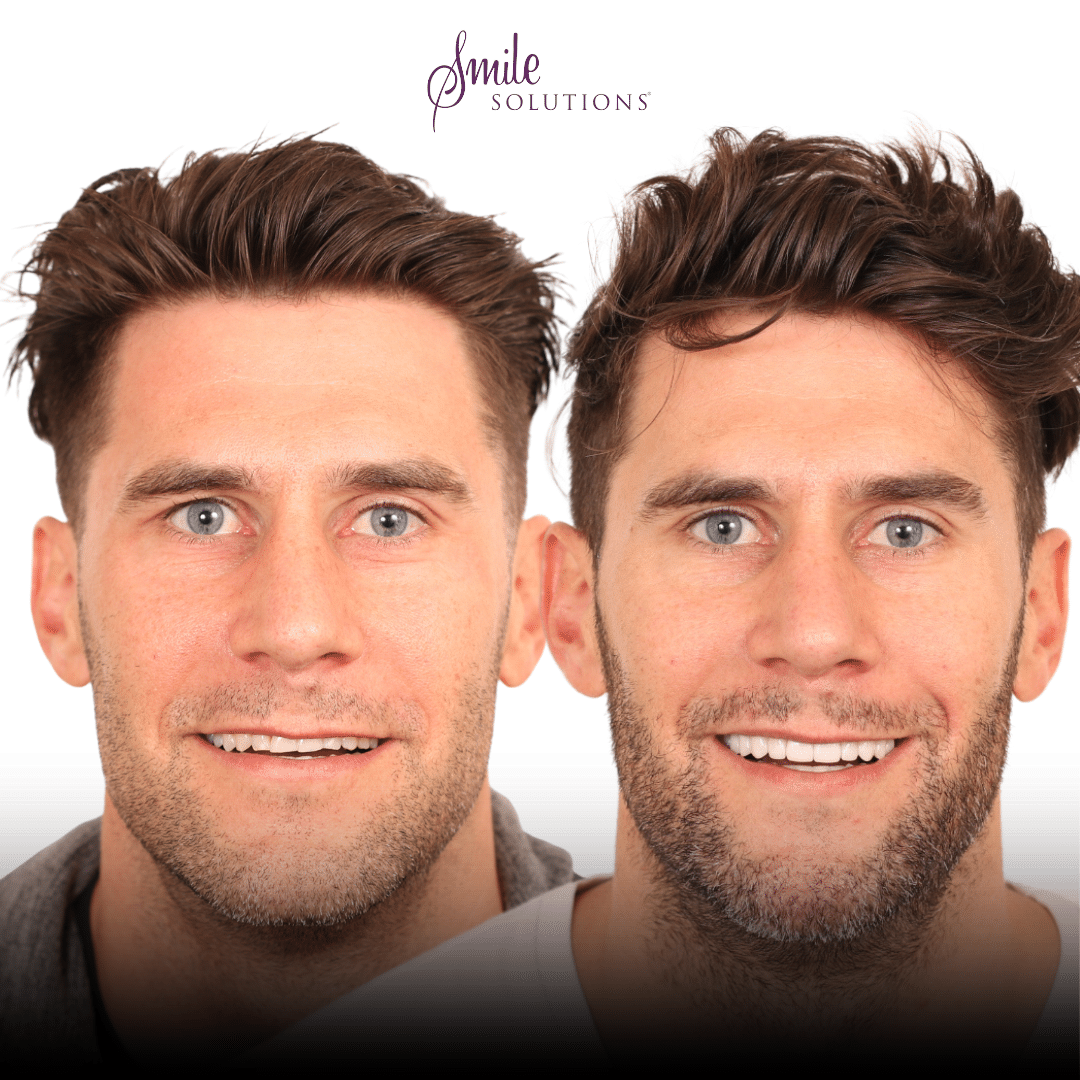
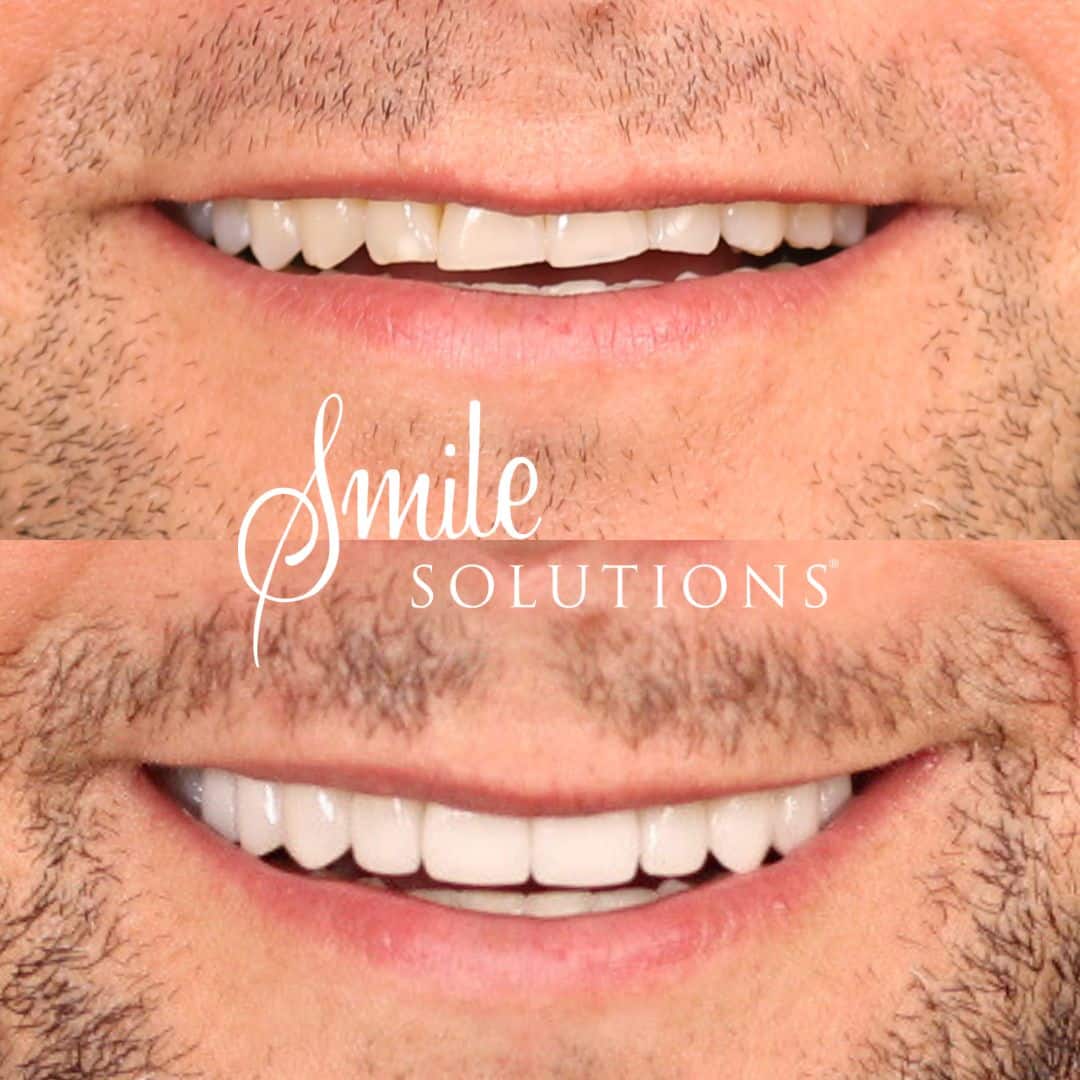
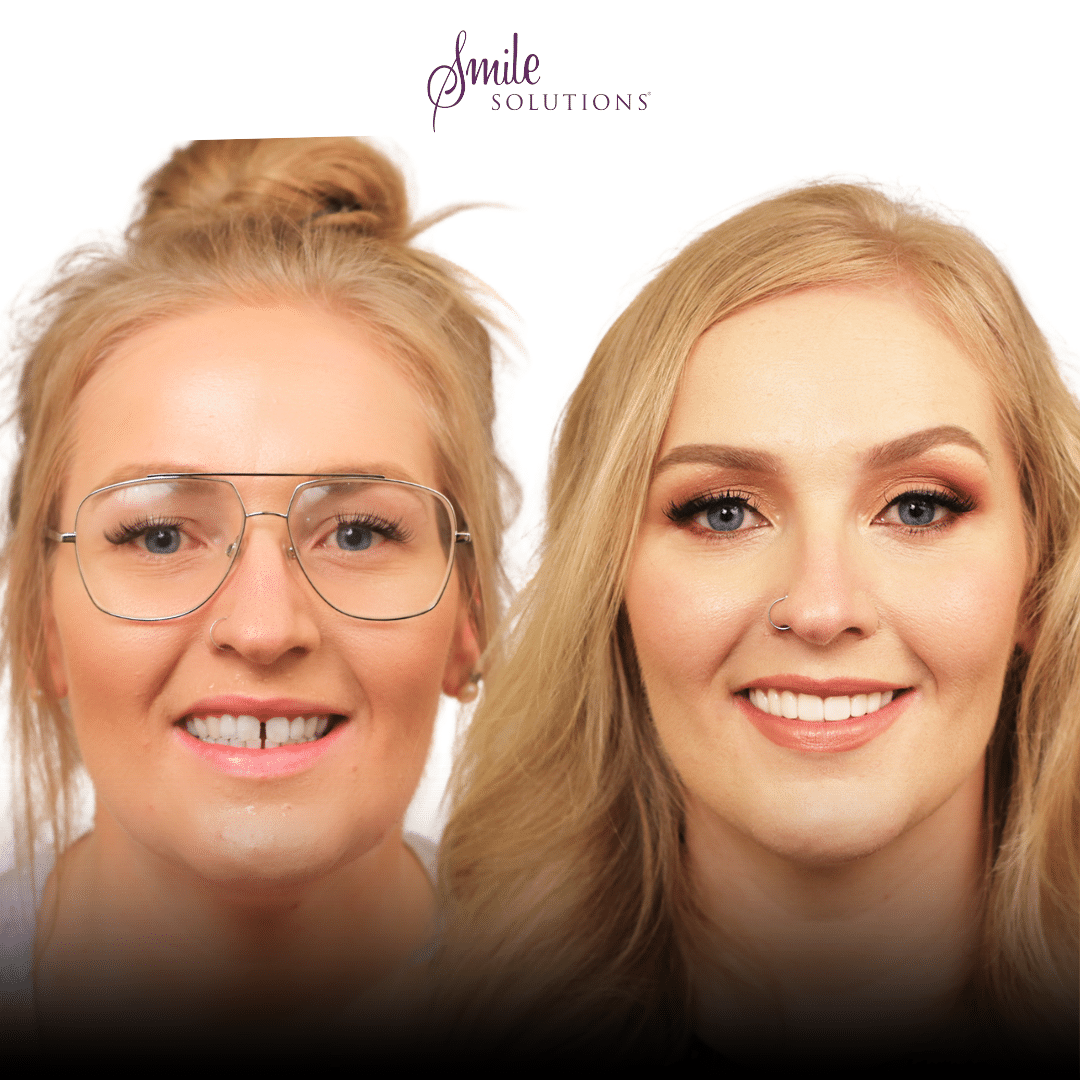
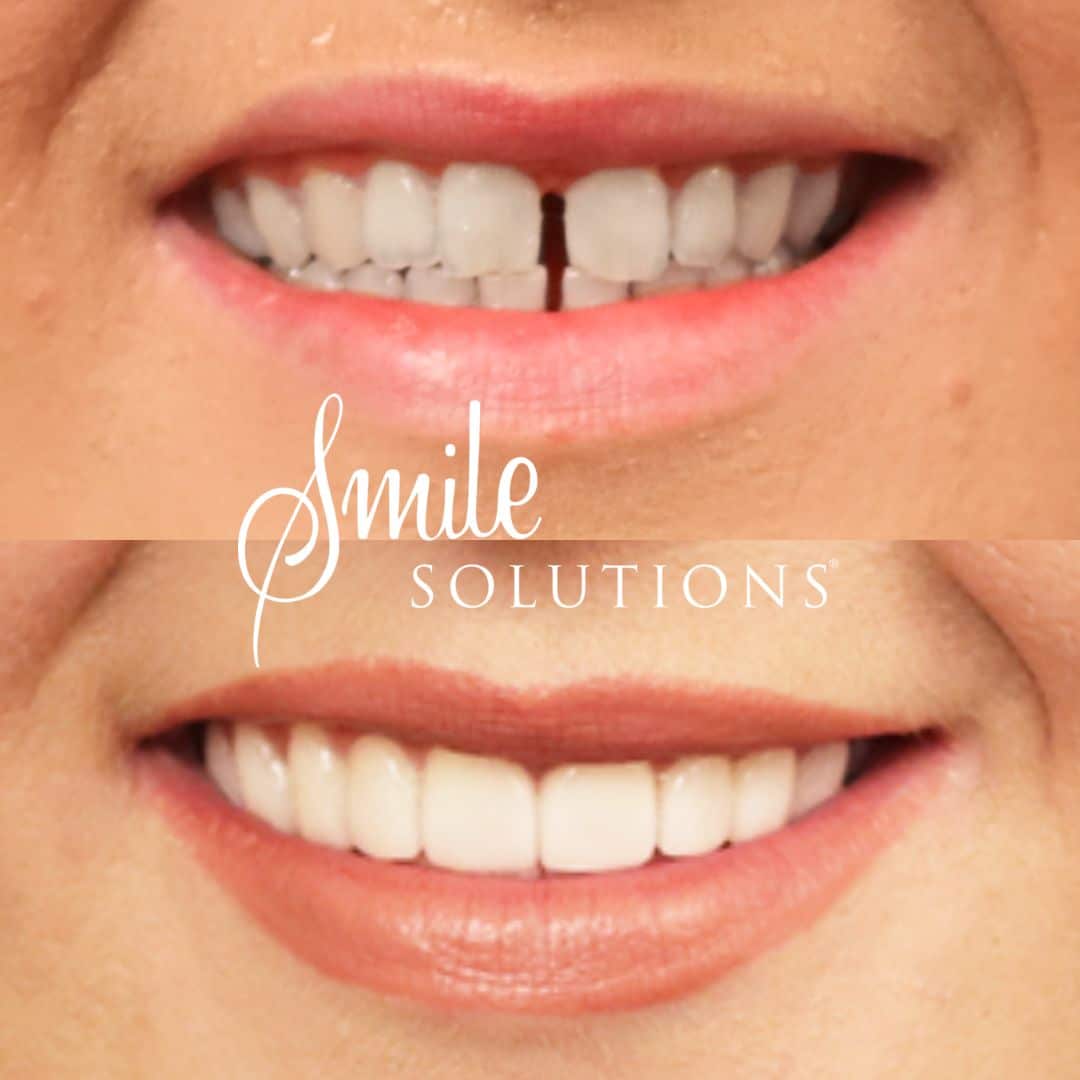
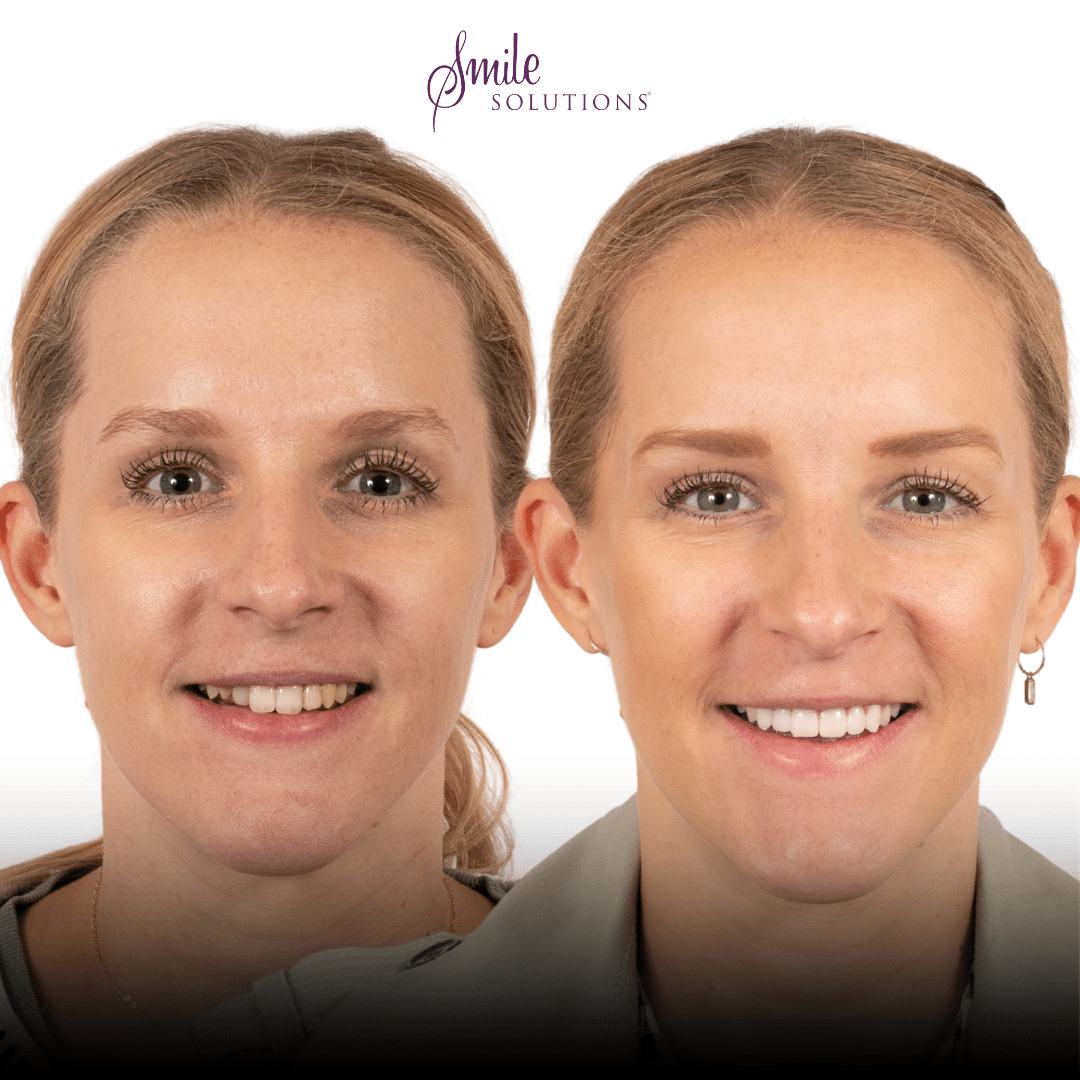
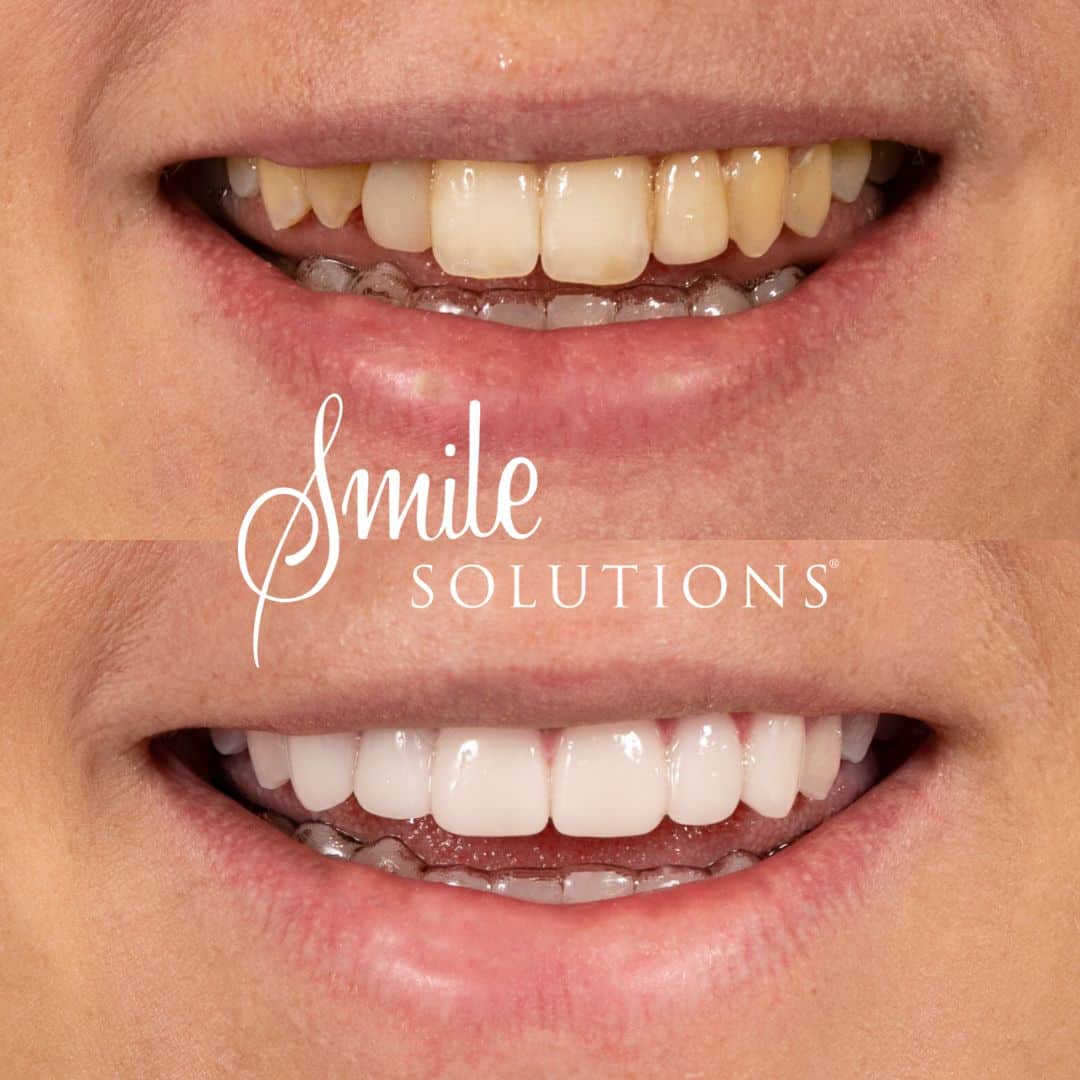
The practice publishes clinical photographs of Dr Siddiqui's work with a statement that they are shared with patient consent and without filters or digital alteration. That is the right standard, and Australian law requires it. See the Before and After Gallery and Mock-up Reveal.
Under the National Law and the advertising guidelines for regulated health services, before-and-after images must:
- show realistic and comparable images — the same view, the same lighting, no post-processing that changes the apparent result
- carry a clear statement that results vary between individuals
- state when the after image was taken, since a photograph two weeks after treatment does not show how the result ages
- not create an unreasonable expectation of benefit, and not be presented alongside a testimonial — testimonials about clinical care are prohibited in advertising a regulated health service in Australia
When looking at any practitioner's gallery, the useful questions are: how long after treatment was the photograph taken, was the case typical or exceptional, and what maintenance has the result required since. See I want a smile makeover. Where should I start? and Understanding Your Treatment.
Sleep and oral health
The relationship is real and works in both directions:
- Mouth breathing during sleep dries the mouth, reduces the protective effect of saliva and raises decay and gum disease risk. See Mouth Breathing: The Silent Habit That's Changing Your Face and Your Health and My mouth is always dry — why is this and does it affect my teeth?
- Bruxism — grinding and clenching — is associated with sleep arousals, and often with obstructive sleep apnoea. It wears teeth, fractures restorations and causes jaw muscle pain. See How can I stop grinding my teeth when I sleep? and What is the difference between TMD, TMJ and bruxism?
- Obstructive sleep apnoea is a medical condition. A dentist does not diagnose it — that requires a sleep study interpreted by a medical practitioner. What a dentist can do is notice the signs (tooth wear, scalloped tongue, a history of snoring and daytime sleepiness), raise it, and refer. See Snoring and Sleep Apnoea.
- Reflux during sleep erodes the palatal surfaces of the upper teeth, often before the patient has any digestive symptoms. See What is dental erosion and how is it addressed? and I've heard a lot about acid wear. What is this and how can I avoid it?
A dentist commenting on your sleep is not straying outside their field — the mouth shows the evidence — but the diagnosis and management of a sleep disorder belongs to medicine.
Registration
Dentists are one of the registered dental practitioner divisions under the National Law. The Dental Board of Australia registers dentists, dental specialists, dental hygienists, dental therapists, oral health therapists and dental prosthetists.
Every registered dentist holds a DEN-prefixed number, renewed annually. Conditions, undertakings and reprimands appear on the public register.
Common questions
How long do veneers actually last?
This deserves a more careful answer than the one usually given, because the usual answer is a number nobody can source.
Service lives of “ten to fifteen years” are widely quoted for veneers — including higher up this page — and we have not been able to trace that range to any regulator, professional body or systematic review. It may well be a fair working estimate. It is not an established figure, and it should not be treated as one.
What the published research does report is survival at a stated time point, with a stated definition of failure:
- A systematic review of 25 studies covering about 6,500 porcelain laminate veneers estimated a 10-year cumulative survival rate of 95.5%, counting as failure fracture, debonding, secondary caries, and the need for endodontic treatment.
- That is not the same as “looked good at ten years.” The same review deliberately did not count slight marginal defects or slight marginal discolouration as failures, “since they have more to do with the appearance of the PLV, and can be easily repolished or repaired”. So a veneer could be counted as surviving while needing attention to look right.
- The authors also warn that “the results of the life table analysis should be interpreted with caution” because the numbers of veneers still under observation at the later intervals were small, and that “the most recent observations are the least reliable”.
- A separate review of the same field reported an overall cumulative survival of 89% (95% CI 84–94%) at a median follow-up of 9 years, with debonding at 2%, fracture or chipping at 4%, secondary caries at 1%, severe marginal discolouration at 2% and endodontic problems at 2%.
What that means when you are deciding. The honest expectation is not a lifespan but a maintenance profile: most veneers are still in place at ten years, a minority will have needed repair or replacement by then, and the appearance question is separate from the survival question. Your own bite, any grinding habit and your gum health move you within that range more than the porcelain does.
So the useful question is not “how many years” but “what is likely to go wrong first for me, what would it cost to fix, and what am I doing about the grinding?” See How long do porcelain veneers last? and TMD and Teeth Grinding.
Composite or porcelain — which should I start with?
They are not the same product at a different price, and the published comparison is unusually clear.
A ten-year practice-based evaluation found that “composite veneers presented a higher risk of failure than ceramic veneers with higher HR for survival [HR 4.00 (2.74–5.83)] and success [HR 5.16 (2.65–10.04)]”. In annual failure rates, that study reported 9.1% at five years and 10% at ten years for direct composite against 2.9% and 2.8% for ceramic on the success measure, and 3.9% and 4.1% for composite against 1.4% and 1.2% for ceramic on survival. Its own summary of what happened to the veneers it followed: “957 (65.6%) veneers were successful without any repair, 252 (17.3%) were repaired and still in place, and 250 (17.1%) had a failure that resulted in replacement.”
Read the two measures carefully, because they answer different questions. Success counts any repair as a failure. Survival counts only outright replacement. Composite looks far worse on success than on survival, and the reason is the point: composite is more likely to need touching up, and more able to be touched up. Porcelain fails less often and is harder to repair when it does.
Which is why the sequence often matters more than the material. Composite bonding usually removes little or no tooth structure and can be adjusted, added to or removed. Porcelain performs better over time but the preparation is irreversible. For a younger patient, or anyone not yet certain about shape and shade, starting with the reversible option and moving to porcelain later is a defensible plan rather than a compromise — and the reverse is not available.
And before either: manage the grinding, and settle the shade of the natural teeth first, because neither material lightens afterwards. See What is the difference between composite veneers and porcelain veneers? and Composite Bonding.
What should a cosmetic consultation actually produce?
More than a price. Before anything irreversible is done to a front tooth, you should have:
- A diagnosis, not just a plan. Why do the teeth look as they do — colour, alignment, wear, erosion, old restorations, gum position? Treatment that does not address the cause reproduces the problem in the new work.
- The alternatives, ranked by how much tooth they remove. Whitening removes none; bonding removes little or none; orthodontics removes none but takes longer; veneers and crowns are irreversible. Ask for that order explicitly and ask why the recommended option sits where it does.
- A trial you can look at before the teeth are prepared — a mock-up or a digital preview. See Mock-up Reveal.
- The maintenance answer. What will need doing, when, and at whose cost.
- The written, itemised fee, including laboratory costs and any review appointments.
- Time to think. Nothing cosmetic is urgent. Taking the plan away and getting a second opinion is ordinary.
Bring your medicines and medical conditions written down, any existing radiographs or the name of the practice that holds them, photographs of how your teeth used to look if you have them, and — usefully — examples of results you like and dislike. Aesthetic expectations are far easier to discuss with pictures than with adjectives.
What will the AHPRA register tell me about a cosmetic dentist, and what will it not?
It will confirm registration, the category held, any specialty recorded, and any conditions, undertakings or reprimands. Search the name at ahpra.gov.au — free, about a minute.
What it will not tell you matters more here than in most fields. It does not record how many veneer cases a practitioner has done, what their remake rate is, or what any patient thought of the result. No Australian body publishes outcome data for individual dental practitioners. There is also no recognised dental specialty in cosmetic dentistry — the Dental Board of Australia recognises thirteen specialties and it is not among them, so ‘cosmetic dentist' describes a focus of practice rather than a registration category, and no training or accreditation changes that.
What governs the work instead is the Board's Scope of practice registration standard (in effect 1 July 2020), which “requires dental practitioners to practise within the scope of their education, training, and competence at all times”. (Source: Dental Board of Australia.)
So use the register for the floor, and use the consultation for the rest: how often this practitioner does this specific treatment, what their approach is when a case does not come out as planned, and who would be involved if it needed a specialist. See Our Team and Dentists and Registered Specialists.
Practical details
Dr Siddiqui's registration can be checked on the AHPRA public register. Call 13 13 96 to ask about appointments or a cosmetic consultation, or see Contact Us. The full clinical team is on Our Team, and published fees in the Price Guide.
The practice offers a complimentary cosmetic consultation. Confirm the current terms when you book — what the appointment includes, whether records such as scans or radiographs are part of it or charged separately, and whether any deposit applies.
Smile Solutions, Level 1, 220 Collins Street, Manchester Unity Building, Melbourne VIC 3000. Phone 13 13 96, or theteam@smilesolutions.com.au. Monday–Friday 8.00am–6.00pm, Saturday 8.30am–1.30pm, Sunday by appointment. Location and directions.
This page records qualifications and career history as published by the practice. General information only — it is not a diagnosis, a treatment plan or a promise of any particular clinical outcome. Results, recovery times and risks vary between individuals and procedures.
Smile Solutions trades under ABN 28 193 514 103.
Images on This Page
-
https://www.facebook.com/tr?id=800557773428361&ev=PageView&noscript=1
(no alt text)
-
https://www.smilesolutions.com.au/wp-content/uploads/2025/10/calendar_month.svg
(no alt text)
-
https://www.smilesolutions.com.au/wp-content/themes/arcadian-wordpress-theme/assets/images/smile_solutions_logo_white.png
Smile Solutions Logo
-
https://www.smilesolutions.com.au/wp-content/themes/arcadian-wordpress-theme/assets/images/smile_solutions_logo_purple.png
Smile Solutions Logo
-
https://www.smilesolutions.com.au/wp-content/uploads/2016/05/Maliha.jpg
Dr Maliha Siddiqui
-
https://www.smilesolutions.com.au/wp-content/uploads/2026/03/Sid-1024x922.jpg
Sid
-
https://www.smilesolutions.com.au/wp-content/uploads/2026/01/Mal1.png
Mal1
-
https://www.smilesolutions.com.au/wp-content/uploads/2016/05/MS3.jpg
MS3
-
https://www.smilesolutions.com.au/wp-content/uploads/2026/01/Mal3.png
Mal3
-
https://www.smilesolutions.com.au/wp-content/uploads/2016/05/MS2.jpg
MS2
-
https://www.smilesolutions.com.au/wp-content/uploads/2026/01/Mal2.png
Mal2
-
https://www.smilesolutions.com.au/wp-content/uploads/2016/05/MS1.jpg
MS1
-
https://www.smilesolutions.com.au/wp-content/uploads/2024/06/Bite-Magazine-300x270.jpg
Exploring the link between sleep quality and oral health
-
https://www.smilesolutions.com.au/wp-content/uploads/2025/11/TMD-Teeth-Grinding-Smile-Solutions-300x270.png
Woman holding her face, looking concerned.
-
https://www.smilesolutions.com.au/wp-content/uploads/2016/05/Maliha-150x150.jpg
Dr Maliha Siddiqui
-
https://www.smilesolutions.com.au/wp-content/uploads/2025/09/CEREC-restorations-Smile-Solutions-300x300.png
CEREC Restoration Smile Solutions
-
https://www.smilesolutions.com.au/wp-content/uploads/2017/03/get-chipped-tooth-fixed.jpg
get chipped tooth
-
https://www.smilesolutions.com.au/wp-content/themes/arcadian-wordpress-theme/assets/images/family_owned_bussiness.png
Family Owned Business
-
https://www.smilesolutions.com.au/wp-content/themes/arcadian-wordpress-theme/assets/icons/icon--phone.svg
Smile Solutions Contact
-
https://www.facebook.com/tr? id=800557773428361&ev=PageView&noscript=1
(no alt text)
-
https://bat.bing.com/action/0?ti=25148060&tm=gtm002&Ver=2&mid=9b24f147-a395-461f-817e-53a9cabba5d9&bo=1&sid=cf8526f0ab2611f1add3e5088b623a2c&vid=cf856fc0ab2611f1993b31d89ecb4b9e&vids=1&msclkid=N&pi=918639831&lg=en-US&sw=800&sh=600&sc=24&nwd=1&tl=Dr%20Maliha%20Siddiqui%20-%20Smile%20Solutions&p=https%3A%2F%2Fwww.smilesolutions.com.au%2Four-team%2Fdr-maliha-siddiqui%2F&r=<=2122&evt=pageLoad&sv=2&cdb=AQAQ&rn=450768
(no alt text)