How can I change my smile naturally?
Most people do not need cosmetic dentistry
Some patients need a dentist who specialises in cosmetic work to achieve the result they want.
But most people already have healthy natural teeth, and can improve their appearance considerably with what follows — no treatment required.
1. Optimal oral hygiene
The most important item, and the least glamorous.
When teeth are not maintained, plaque and calculus — which are yellow in colour — accumulate and cause an overall dull appearance.
That is worth restating, because people usually assume a dull smile means the teeth themselves have darkened. Often it is the deposits on them.
To keep teeth looking their best:
- brush twice daily — how often should I brush my teeth? and which toothbrushes do dentists recommend?
- clean between the teeth once daily — is flossing really that important?
What is the ideal daily routine for oral hygiene? puts the whole sequence together. It is also, almost word for word, what the Australian Dental Association recommends for the whole mouth: brush twice daily with a fluoride toothpaste, clean between the teeth daily with floss or interdental brushes, drink plenty of water, stop smoking, limit sugary foods and drinks, and see your dentist regularly.
Two refinements that cost nothing:
- Spit, don’t rinse. Rinsing with water after brushing washes away the fluoride that would otherwise keep working for another hour or more — the benefits of fluoride and choosing the right toothpaste. On concentration, the World Health Organization names toothpaste containing 1000–1500 ppm fluoride as the baseline for preventing decay.
- The night-time brush matters most, because saliva flow falls during sleep and anything left on the teeth sits there unopposed for eight hours. Brushing your teeth: before or after breakfast? deals with the morning half of the same question.
There is a second, longer-term benefit: this prevents decay, and therefore the need for fillings — which stain over time and reduce the appearance of a smile. Every filling avoided is one that cannot discolour later. See how does tooth decay develop?, how do I prevent dental decay? and how long do dental fillings last?.
And it protects the gums, which frame everything. Healthy gums are pale, firm and do not bleed. Receded, inflamed or bleeding gums change the look of a smile more than tooth colour does — and gum recession does not reverse. See bleeding gums, what is gum disease? and when do you need deeper cleaning?. Where the gum line itself is the concern rather than the teeth, gummy smile covers what can be done about it.
2. Avoid the habits that damage tooth shape
Nail biting. Clenching. Using toothpicks.
All of these damage the teeth, changing their shape and reducing their appearance.
Teeth are strong, but they should be protected. Shape is a bigger contributor to how a smile looks than most people realise — chipped, worn or uneven edges register visually even when the colour is good. See do I have to get a chipped tooth fixed? and chipped and cracked teeth.
Add to that list:
- Opening packaging, bottles or hairclips with your teeth
- Chewing ice or pens — if enamel is the hardest substance in the body, why do teeth break?
- Brushing hard, with a hard brush — which wears the tooth at the gum line and causes recession. Firm bristles do not clean better. See over brushing: what can it do to my teeth? and how much pressure should I apply when brushing my teeth?.
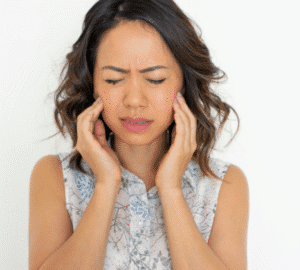
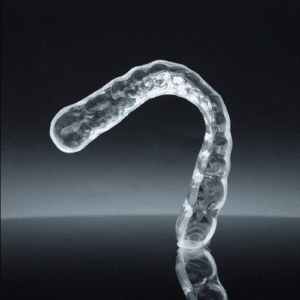
- Grinding at night, which is the largest cause of shape change in adults. If you wake with a sore jaw or headaches, mention it — see TMD & Teeth Grinding, night time tooth grinding and clenching and what is bruxism and how is it managed?. Seven ways stress can affect your mouth covers what usually sits behind it.
3. The thing that changes tooth colour most, and is never mentioned
Acid.
This belongs on any honest list about a natural smile, and it is usually left off.
Enamel is translucent; the dentine underneath is yellow. As enamel thins, more of that yellow shows through — so teeth genuinely darken with erosion, and no amount of cleaning reverses it. What is dental erosion and how is it addressed? and I’ve heard a lot about acid wear — what is this and how can I avoid it?.
Enamel dissolves below about pH 5.5, and most soft drinks sit between pH 2.5 and 3.5 — including sugar-free versions, because the damage comes from the citric or phosphoric acid, not the sugar. See are sugar free soft drinks better for my teeth than regular soft drinks? and damage to tooth enamel occurs within 30 seconds of consuming soft drinks. Sports and energy drinks — what are sports drinks really doing to your teeth? — wine, citrus, kombucha and most fruit and herbal teas are all in that range, and so is plain sparkling water: is soda water bad for your teeth?.
The ADA's policy on dietary sugars makes the point that the two problems travel together: "exposure to acid from the consumption of acidic or sugar-sweetened foods and beverages can lead to softening and loss of tooth structure," and "the combination of sugar and food acid can be particularly destructive." Its advice is that acidic foods and drinks be avoided especially by anyone already at high risk of decay or erosion.
Frequency matters far more than quantity. A drink finished quickly is one acid exposure; the same drink sipped over two hours is a continuous one. The ADA asks that oral health education place "special emphasis... on the form, frequency, timing and total amount of sugar consumption" — note that quantity is last of the four. How does acidic food affect your teeth? extends the point to food.
And do not brush straight after anything acidic. The surface is temporarily softened, and brushing then removes it. Rinse with water, wait at least 30 minutes — an hour is better.
Enamel does not grow back. This is the one item on the page where prevention is the only option — what can I do to strengthen my teeth? covers what genuinely helps.
4. Reduce what stains
Tea, coffee, red wine and smoking are the main sources of surface staining.
The good news is that this staining is extrinsic — on the surface, not within the tooth — and it comes off with a professional clean. It is not damage. Your Smile Solutions dental hygienist visit: what to expect describes the appointment that removes it.
Smoking stains far more than anything else, and does considerably more besides: it is the largest modifiable risk factor for gum disease, and it suppresses the bleeding that would otherwise warn you. Quitline is 13 7848. It also raises the risk of oral cancer — oral cancer: how your dentist can help with early detection. Vaping is not a neutral substitute: the effects of vaping on your oral health and are e-cigarettes bad for my teeth?.
Charcoal toothpaste is not the answer. It is abrasive, most versions contain no fluoride, and it removes enamel rather than stain — which makes teeth darker over time, not lighter. Home whitening and charcoal whitening: does it work? Is it safe? and the do’s and don’ts of home teeth whitening go further, as does can oil pulling make my mouth healthier and my teeth whiter? on the other popular home remedy.
5. Regular check-ups and cleans
Six-monthly cleaning matters for a reason that is purely mechanical:
Once calculus or tartar has built up on the teeth, it can no longer be removed by brushing or flossing at home. Only a hygienist or dentist can remove it. See what does a dental hygienist do?.
And since calculus build-up greatly affects the overall appearance of the teeth, that appointment does more for how your smile looks than most products sold for the purpose.
Regular visits also mean the teeth are monitored and kept healthy, so small problems are found while they are still small — understanding your treatment.
Worth asking: what should my recall interval be? Six months is a convention rather than a clinical law — the better-evidenced approach is risk-based, and yours may be longer or shorter. How often should I go to the dentist? takes that question seriously.
The realistic expectation
These steps provide a good foundation for maintaining and improving a natural smile.
What they will do: remove the dullness caused by deposits, keep the shade you have, protect the gum line, and prevent the damage that changes tooth shape.
What they will not do: change the underlying shade of your teeth, or their alignment. For that you would be looking at whitening or orthodontics, and it is worth knowing which problem you actually have before spending anything. I want to improve my smile, but I don’t know where to start — what should I do? and I want a smile makeover — where should I start? are the next reads if the answer is treatment.
A short diagnostic:
- Teeth look dull or yellowish overall, and it has crept up gradually — most likely surface stain and calculus. Start with a clean.
- Teeth look more transparent at the edges and yellower near the middle — more likely erosion, and whitening is a poor answer to it.
- One tooth is darker than its neighbours — often a tooth whose nerve has died, sometimes years after an injury. Needs assessing, not whitening. See everything you need to know about root canal treatment.
- Teeth are the shade you were born with, and you would prefer lighter — that is what whitening is for. Note that the gel strength is set by law: Australia's Poisons Standard places any whitening product above 6% hydrogen peroxide or 18% carbamide peroxide in Schedule 10, which means it may only be sold, supplied and used by registered dental practitioners. Retail kits sit below that line, which is why they work more slowly. See Professional Teeth Whitening, what should I know about teeth whitening?, why should I go to a dentist for teeth whitening? and how long do teeth whitening effects last?. If you already have a crown or veneer at the front, I want to whiten my teeth but one of my front teeth has a porcelain crown — what are my options? explains why that changes the plan.
- The colour is fine and the position is not — that is orthodontics, and moving teeth removes none of them, unlike veneers or crowns. See how do I know which orthodontic treatment is best for me?, braces and Invisalign.
And the thing worth saying plainly: teeth that are clean, healthy and slightly crooked are not a problem to be solved. Cosmetic treatment is worth doing for good reasons — including simply wanting it. Being made to feel you need it is not one of them, and preparation for veneers and crowns is irreversible. What is the difference between porcelain crowns and veneers? and Turkey teeth: the real risks of getting veneers overseas are both worth reading before committing to anything irreversible, and the mock-up reveal lets you see the proposed result first.
On treatment abroad, the ADA has a published position and it is unambiguous: "Australian residents should only seek elective dental treatment in Australia to ensure Australian standards are met, complications are managed promptly, and good oral health is maintained." Its stated reasons are practical rather than patriotic — the inability to maintain follow-up visits, possible communication difficulties affecting informed consent, lack of recourse if something needs correcting, and the fact that complications from elective overseas treatment are not always covered by travel insurance or Australian health funds. It also makes the point that underlies this whole page: "optimal ongoing oral health cannot be achieved in a single episode or short course of treatment and requires regular maintenance."
If you feel you need more help to achieve the smile you want, book a consultation. A complimentary cosmetic consultation is available. Confirm the current terms when you book — what the appointment includes, whether records such as scans or radiographs are part of it or charged separately, and whether any deposit applies. Published fees for treatment are in the price guide.
Related pages: Dental Cleans and Hygienists, Professional Teeth Whitening, Composite Bonding, Bleeding Gums.
Common questions
Do whitening toothpastes actually whiten?
They work on stain, not on shade — and the Australian Dental Association's own policy statement draws exactly that line. It distinguishes peroxide-containing bleaching products, which change the colour of the tooth itself, from "whitening toothpastes that are intended to remove surface staining".
So if your teeth have dulled from tea, coffee, red wine or smoking, a whitening toothpaste is addressing the right thing — though a professional clean removes more of it, and removes the hardened calculus a brush cannot touch. If the shade underneath is what you want changed, no toothpaste will do it, however long you use it.
The risk to watch is abrasivity rather than disappointment. A product that polishes stain away by abrading the surface is working on enamel that does not regenerate, and, as above, most charcoal formulations also contain no fluoride — so you give up the protective ingredient in exchange for a cosmetic effect that reverses.
Is whitening safe, and does it make teeth sensitive?
The ADA's position is specific on both halves. On safety: "peer reviewed studies indicate that peroxide-containing teeth bleaching products are safe and effective when used by or under the supervision of a dentist and according to the professional directions for use". Note the conditions attached to that sentence — they are the whole point of it.
On side effects, it is equally direct: "the most common side-effects are transient tooth sensitivity and soft tissue irritation during or immediately following treatment". Transient means it settles, but it is common enough to expect rather than to be surprised by, and it can be genuinely uncomfortable while it lasts. Anyone who already has sensitive teeth should say so before starting.
The ADA also states why the examination beforehand is not a formality: "teeth whitening should only be performed if the treatment can be justified, and after a comprehensive dental examination has been conducted by a Dental Practitioner", because an appropriate examination "to diagnose and treat any dental or oral health problems is required to minimise any potential discomfort or health risks associated with exposure to bleaching agents". Untreated decay, a cracked tooth, exposed root surfaces or gum disease all change what bleaching gel does when it reaches them.
How much of my tooth is actually removed to fit a veneer?
More than the marketing language suggests, and this is the number worth having before you consent to anything irreversible.
A laboratory study of 20 intact upper central incisors prepared to a conventional 0.6 mm depth with a 0.3 mm cervical chamfer measured how much dentine that exposes. Across the two preparation designs tested, the mean exposed dentine was about 30% of the prepared surface — roughly 21.6 to 22.0 mm² — leaving about 70% enamel. The authors note that this sits above the threshold commonly cited as the minimum enamel coverage for a reliable bond.
Two things follow. First, these were intact teeth to begin with; on a tooth already worn, eroded or previously filled, there is less enamel available and proportionally more dentine exposed. Second, it matters clinically rather than academically: the literature reviewed alongside that study reports that the survival rate of laminate veneers is negatively affected by preparations extending into dentine.
That is the concrete version of the warning above. "Minimal preparation" describes a fraction of a millimetre, not nothing — and a tooth that has been prepared cannot be returned to its unprepared state.
How long do veneers last?
There is a good pooled figure and a wide spread behind it, and both are worth knowing.
A systematic review of 25 studies covering 6,500 porcelain laminate veneers calculated a 10-year cumulative survival rate of 95.5% when fracture, debonding, secondary decay and the need for root canal treatment were all counted together as failure — 433 of the 6,500 failed on that definition. Broken down by cause, the 10-year survival was 96.3% for fracture, 99.2% for debonding, 99.3% for secondary decay and 99.0% for needing endodontic treatment.
The spread is the part usually left out. A separate review of the same field found that studies with 10 to 12 years of follow-up reported survival rates ranging from 53% to 94.4% — an enormous range, reflecting differences in case selection, preparation design, materials and how failure was defined. So "veneers last about fifteen years" is not a statement anyone can make about your teeth.
What happens at the end is the more useful question to ask. A failed veneer is replaced rather than removed: the tooth underneath has already been prepared, so the choice at that point is another veneer, or a crown if too little tooth remains. That recurring commitment, rather than the first appointment, is what a veneer actually costs.
Related reading
- Cosmetic dentistry options
- What are my options if I want to change the shape of my teeth?
- Teeth and aging: how can I keep my smile looking younger?
- 10 ways to avoid ruining your teeth
- Before and after gallery
Practical details
Written by Dr Natasha Hremias, Smile Solutions.
Smile Solutions, Level 1, 220 Collins Street, Manchester Unity Building, Melbourne VIC 3000 — getting here. Phone 13 13 96, contact us, or theteam@smilesolutions.com.au. Monday–Friday 8.00am–6.00pm, Saturday 8.30am–1.30pm, Sunday by appointment.
Every practitioner’s registration can be verified free on the AHPRA public register at ahpra.gov.au. The practice’s registered specialists are identified as such within the full team.
Published 3 April 2024. Results vary between individuals. pH values are approximate and vary between products. Veneer survival and dentine-exposure figures are from published systematic reviews and a laboratory study, and describe groups of teeth rather than any individual case. General information only; it does not replace advice from your treating practitioner.
Smile Solutions trades under ABN 28 193 514 103.
Images on This Page
-
https://www.facebook.com/tr?id=800557773428361&ev=PageView&noscript=1
(no alt text)
-
https://www.smilesolutions.com.au/wp-content/uploads/2025/10/calendar_month.svg
(no alt text)
-
https://www.smilesolutions.com.au/wp-content/themes/arcadian-wordpress-theme/assets/images/smile_solutions_logo_white.png
Smile Solutions Logo
-
https://www.smilesolutions.com.au/wp-content/themes/arcadian-wordpress-theme/assets/images/smile_solutions_logo_purple.png
Smile Solutions Logo
-
https://www.smilesolutions.com.au/wp-content/uploads/2024/02/Natasha-150x150.jpg
Dr Natasha Hremias
-
https://www.smilesolutions.com.au/wp-content/uploads/2025/09/Porcelain-Veneers-Smile-Solutions-1024x1024.png
Porcelain Veneers Smile Solutions
-
https://www.smilesolutions.com.au/wp-content/uploads/2025/11/TMD-Teeth-Grinding-Smile-Solutions-300x270.png
Woman holding her face, looking concerned.
-
https://www.smilesolutions.com.au/wp-content/uploads/2025/11/Speciality-Splints-300x300.png
Speciality Splints
-
https://www.smilesolutions.com.au/wp-content/uploads/2025/09/Root-Canal-2-300x217.jpg
Root Canal
-
https://www.smilesolutions.com.au/wp-content/uploads/2023/11/SS-Tooth-1-1-150x150.png
Smile Solutions
-
https://www.smilesolutions.com.au/wp-content/themes/arcadian-wordpress-theme/assets/images/family_owned_bussiness.png
Family Owned Business
-
https://www.smilesolutions.com.au/wp-content/themes/arcadian-wordpress-theme/assets/icons/icon--phone.svg
Smile Solutions Contact
-
https://www.facebook.com/tr? id=800557773428361&ev=PageView&noscript=1
(no alt text)
-
https://bat.bing.com/action/0?ti=25148060&tm=gtm002&Ver=2&mid=be5fe634-ca57-4954-9aba-003cede3e2df&bo=1&sid=1c427190ab2711f1a70bb59ddde13bc0&vid=1c429600ab2711f1912f23a10922bbed&vids=1&msclkid=N&pi=918639831&lg=en-US&sw=800&sh=600&sc=24&nwd=1&tl=How%20can%20I%20change%20my%20smile%20naturally%20-%20Smile%20Solutions&p=https%3A%2F%2Fwww.smilesolutions.com.au%2Fdental-articles%2Farticle%2Fhow-can-i-change-my-smile-naturally%2F&r=&evt=pageLoad&sv=2&cdb=AQAQ&rn=528718
(no alt text)